
The Number That Should Scare You (But Probably Won't)
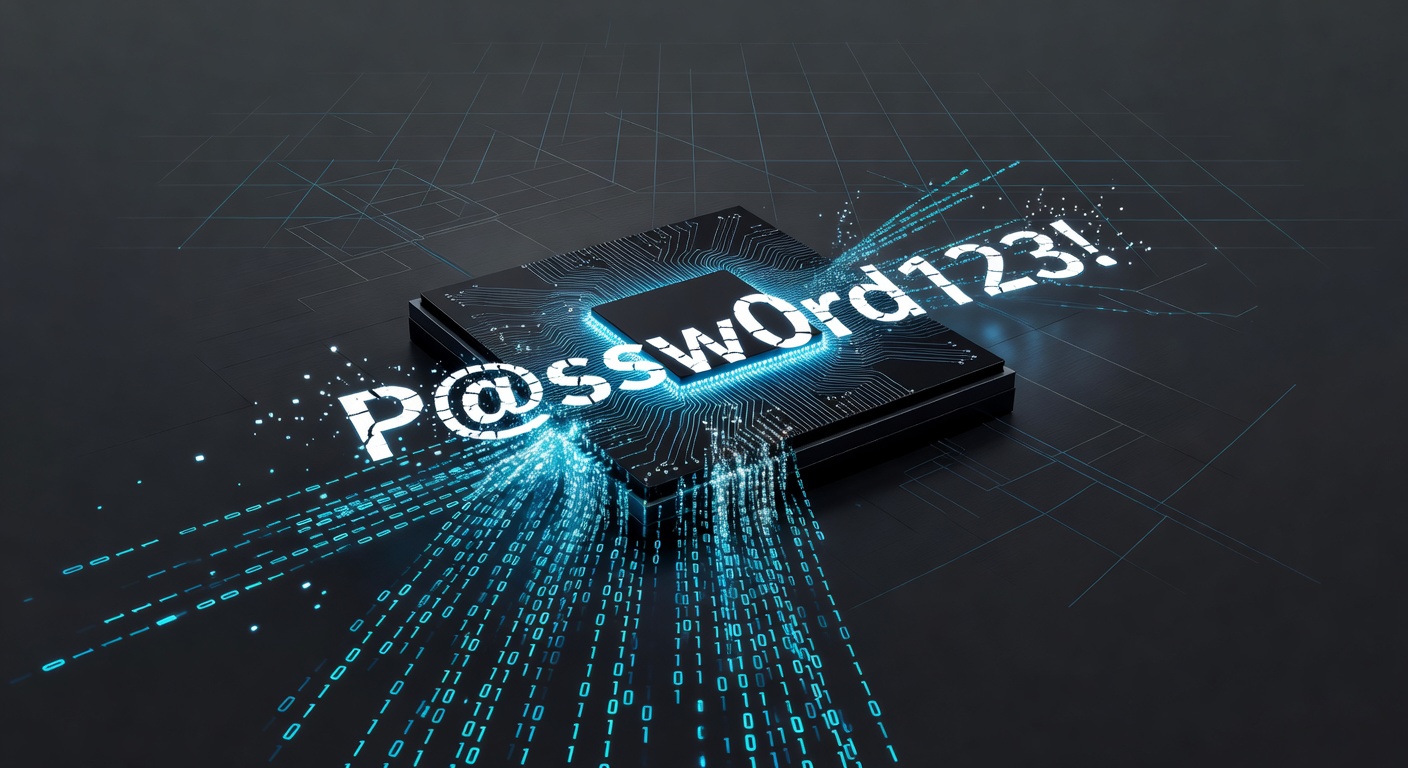
Let me paint a picture. Right now, your bank account, your cryptocurrency wallet, and every private message you've ever sent is protected by encryption so tough that even the world's fastest supercomputers would need longer than the universe has existed to crack it.
Pretty reassuring, right?
Well, here's the uncomfortable truth: a team of scientists at Caltech just threw that whole reassurance out the window.
When Did 20 Million Become 10,000?
For decades, researchers had a consensus: you'd need roughly 20 million quantum processors (called qubits) to break the encryption methods that protect basically everything we do online. That seemed safe because quantum computers today max out around 1,000 qubits. Even Caltech's latest breakthrough system only has 6,100.
So we had time, right?
Not anymore.
A new research paper—still being peer-reviewed, but significant enough that people are paying attention—suggests that 10,000 qubits might actually be enough. Some estimates go even lower. Think about that for a second: we just moved from "impossible for decades" to "possible in 5-10 years" based on one clever engineering breakthrough.
How Did They Pull Off This Magic Trick?
The real genius here isn't adding more qubits—it's making the ones we have way smarter.
Quantum computers are finicky. Their qubits are like temperamental divas; they keep failing due to tiny vibrations, temperature changes, and what physicists call "decoherence." Imagine trying to do complex math while someone keeps turning the lights on and off. It's exhausting and error-prone.
The Caltech team figured out how to arrange qubits using something called "optical tweezers"—literally laser beams that position individual atoms. The breakthrough is that these qubits can now communicate with every other qubit in the system, not just their neighbors. It's like the difference between a town where only people next door can talk to each other versus a town where everyone can instantly message everyone else.
That kind of connection means better error correction. And better error correction means fewer qubits needed to do the same job.
What Gets Broken First?
The cryptography protecting Bitcoin and other cryptocurrencies? That could fall in about 1,000 days with 10,000 qubits.
The 2048-bit RSA encryption that protects your bank account and government secrets? That needs roughly 100,000 qubits and takes about 10 days.
Google published a paper this week suggesting 500,000 qubits could destroy modern encryption in minutes.
None of these numbers are realistic yet. But we're watching a cliff edge get a whole lot closer.
Okay, So What Do We Actually Do?
Here's where I want to pump the brakes on the panic a little bit.
Cryptographers aren't sitting around waiting for this to happen. They're already building the next generation of encryption—quantum-resistant methods that would still be uncrackable even against quantum computers. The transition isn't going to happen overnight, and it's not going to catch the world off-guard.
What will happen is a massive infrastructure overhaul. Banks will update their systems. Your phone will get new security protocols. Cloud storage companies will switch to quantum-safe encryption. It's basically a bigger version of updates that happen all the time—you just won't notice it.
The real timeline question isn't "when will quantum computers break everything?" It's "will we upgrade to quantum-safe encryption before quantum computers get powerful enough to matter?" Most experts think we will.
Most. Not all.
The Silver Lining
Honestly? This research is kind of exciting.
Yes, it means quantum computers are more dangerous than we thought. But it also means they're more capable and efficient than we thought. These same machines could revolutionize drug discovery, battery design, materials science, and solving problems that are currently impossible.
We're basically learning that quantum computing is moving way faster than anyone expected. The race between building powerful quantum computers and building quantum-resistant encryption is real, and it's happening now instead of sometime in the nebulous future.
That's actually better than the alternative—being caught off-guard.
What You Actually Need to Know
- Quantum computers are getting scary faster than expected
- But encryption experts are already building defenses
- The transition to quantum-safe encryption is coming, whether we like it or not
- This is probably a "watch the news for updates" situation, not a "panic now" situation
The quantum apocalypse isn't here. But it's moved from "science fiction" to "engineering problem," and that changes everything.