
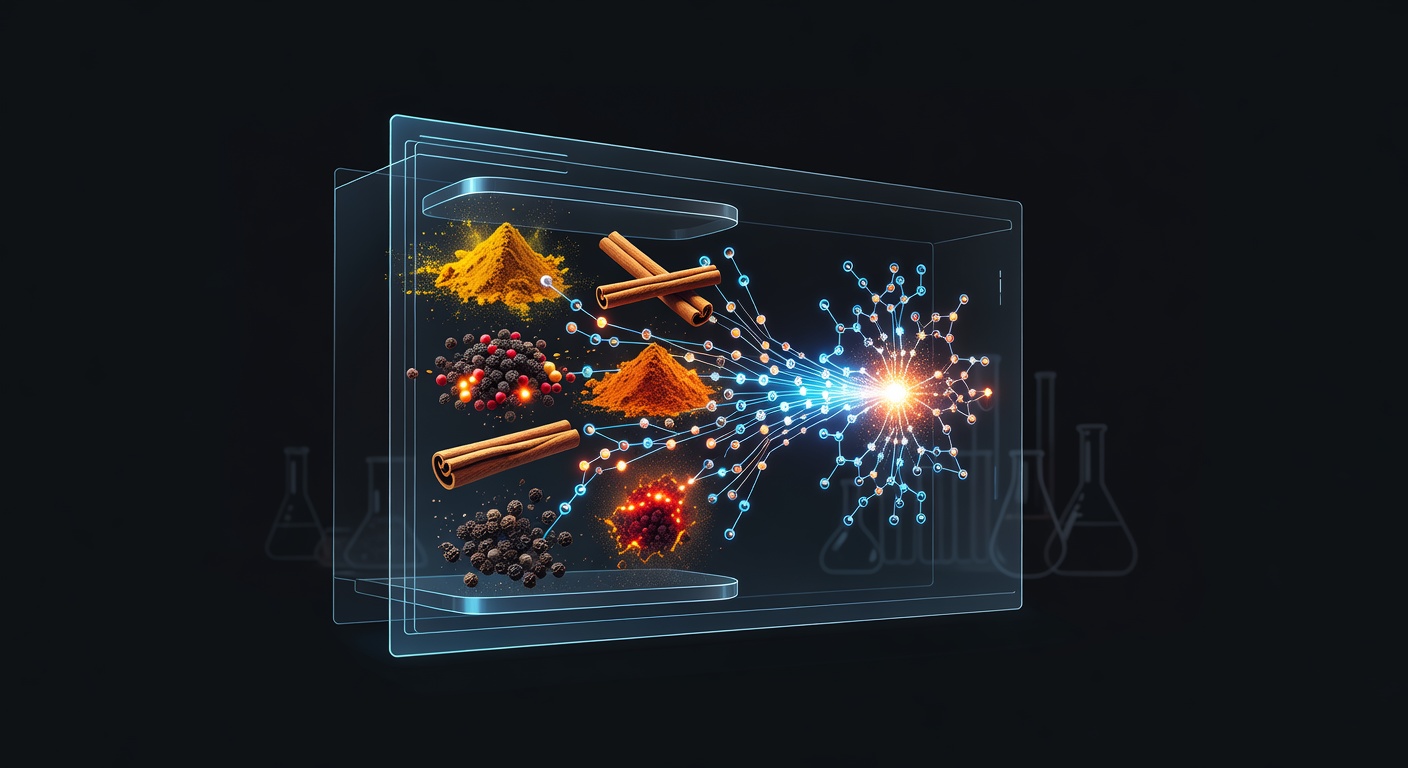
The Spice Synergy Your Grandmother Knew About (But Science Just Proved)
Remember how your grandma always seemed to throw the same spices together? Turns out she was onto something. Researchers at Tokyo University of Science just published findings that basically validate what traditional cooking cultures have known forever: when you combine the right plant compounds, something extraordinary happens.
The Inflammation Problem Nobody Talks About
Here's the thing about chronic inflammation—it sneaks up on you. You don't feel it happening. There's no pain, no obvious warning signs. But quietly, in the background, your body is in a constant state of low-level alert, releasing immune chemicals that slowly damage your organs and tissues.
Over time, this silent inflammation contributes to some of the biggest health challenges we face: diabetes, heart disease, arthritis, cancer, and obesity. It's basically your immune system stuck in overdrive, unable to calm down.
The foods we eat have a huge influence on whether we're fueling this inflammation or fighting it. That's where spices come in.
Why Single Ingredients Aren't the Whole Story
Here's where it gets interesting (and a little frustrating). Scientists have known for a while that herbs and spices contain natural compounds that fight inflammation. But when researchers tested these compounds one at a time in the lab, they had a major problem: you'd need to eat massive, unrealistic amounts of the spice to get any real benefit.
This made a lot of scientists skeptical. They thought, "Sure, these compounds might work in a test tube, but are they actually doing anything when you eat a normal amount of food?" Fair question.
The missing piece? Scientists weren't testing combinations. They were testing ingredients in isolation.
The Experiment That Changes Everything
Professor Gen-ichiro Arimura and his team decided to test something different. What if, they wondered, different plant compounds work together in your cells, creating an effect that's stronger than the sum of its parts?
They focused on four compounds found in everyday ingredients:
- Menthol (hello, mint)
- 1,8-cineole (eucalyptus)
- Capsaicin (that spicy kick in chili peppers)
- β-eudesmol (from hops and ginger)
Then they did something smart. They exposed immune cells called macrophages to a bacterial component that triggers inflammation, kind of like simulating an immune response. Then they treated those cells with different compounds—sometimes alone, sometimes in combinations—and carefully measured what happened.
The Results Are Genuinely Stunning
When they tested capsaicin by itself, it showed decent anti-inflammatory effects. Nothing to scoff at.
But when they combined capsaicin with menthol or eucalyptus oil compound? The anti-inflammatory effect increased by several hundred times.
Not a little better. Not 2x or 3x better. Hundreds of times more effective.
How This Actually Works (The Cool Part)
This isn't just random luck. The researchers figured out the why behind the synergy, and it's genuinely clever.
Menthol and eucalyptus work through one pathway in your cells, involving special proteins called TRP channels that help regulate calcium and immune signals. Capsaicin, though? It works through a completely different pathway that doesn't use those channels at all.
When you use them together, both pathways activate simultaneously. Your cells get hit with two different anti-inflammatory signals coming from different directions. It's like attacking a problem from multiple angles at once—way more effective than a single approach.
"This provides clear molecular-level evidence for the empirically known effects of combining food ingredients," the research team explained. Translation: ancient food wisdom just got backed up by modern science.
Why This Actually Matters
This research solves a puzzle that's been bugging nutritionists for years. It explains why plant-rich diets work so well at reducing inflammation, even though individual "super ingredients" seemed underwhelming when tested alone.
It's not about finding one magical compound. It's about how your body processes multiple compounds together, creating effects that nobody predicted by studying them separately.
What Comes Next
The practical implications are exciting. This could lead to:
- Better-designed functional foods and supplements
- Smarter seasoning blends that actually deliver measurable health benefits
- Fragrances and other products formulated with this synergy in mind
But here's the honest part: we're still in the early stages. These tests were done on isolated immune cells in the lab. Real human bodies are way more complex. We need follow-up studies in animals and humans to confirm these effects actually translate to the real world.
The Bigger Picture
What I love about this research is that it validates something humans have discovered through centuries of cooking and traditional medicine. We've been mixing these ingredients together for generations because they made us feel better, because traditional wisdom said they worked well together.
Now scientists can explain the molecular mechanism. The combination of mint, chili peppers, and other spices doesn't just taste good—your body's immune system actually responds better to the combination than it would to each ingredient alone.
It's a good reminder that sometimes the old ways of doing things aren't just quaint—they're optimized. Your great-great-grandmother's recipe wasn't just about flavor. She was unknowingly creating a pharmaceutical-grade anti-inflammatory treatment every time she cooked.
That's pretty remarkable when you think about it.