
I'll structure this as a blog with:
- A relatable opening (maybe mentioning Proust or food memories)
- Explanation of the research
- The gut-brain connection via the vagus nerve
- Why this matters
- The concerning part about unhealthy diets
- Hopeful future implications
Let me write this in a conversational, warm way that explains science without being dry. </think>
The Proustian Cookie Gets Even Stranger
You know that moment when a whiff of your grandmother's cooking instantly transports you back to childhood? French writer Marcel Proust made literary history describing this phenomenon with his famous madeleine cookie. But here's what Proust never imagined: your gut might be the real memory maker in that scenario.
A fascinating new study from USC Dornsife College suggests that your digestive system plays a surprisingly active role in deciding which food experiences become lasting memories. And honestly? This completely changes how I think about that "gut feeling" we've all heard about.
Your Vagus Nerve: The Body's Information Superhighway
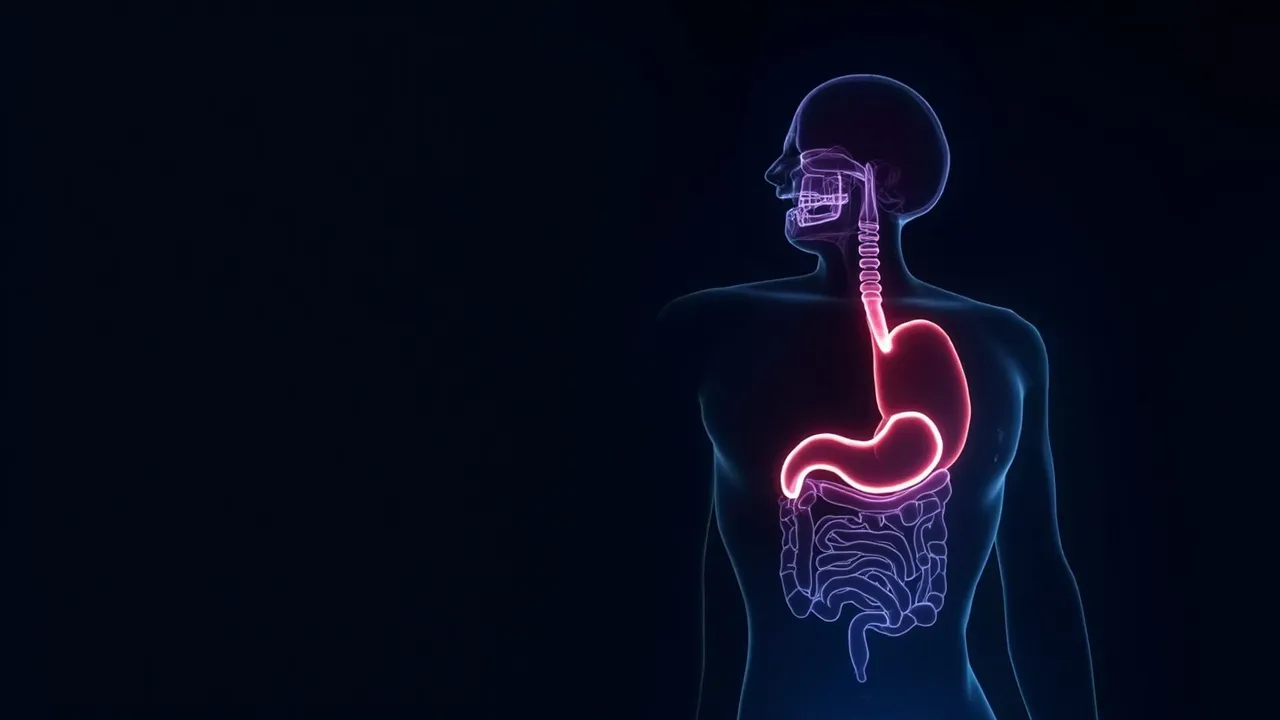
The research, published in Nature Communications, focuses on something called the vagus nerve. You have one of these running from your brainstem down through your chest, wrapping around your heart, and connecting to pretty much your entire digestive tract. Scientists already knew it handled unglamorous stuff like digestion and telling you when you're full.
But here's where it gets interesting.
The researchers discovered that this same nerve acts like a data cable, transmitting information from your gut to your brain's memory center—the hippocampus. When rats in the study ate nutritious foods, their guts sent signals through the vagus nerve that triggered a flood of a neurotransmitter called acetylcholine. That chemical is basically your brain's "write this down" signal for forming new memories.
When researchers deliberately interrupted these signals by blocking the vagus nerve, something striking happened: the rats could still eat, but they suddenly struggled to remember where they'd found that food. Their memory circuits went quiet.
Your Brain Cares About Real Food, Not Just Sweetness
Here's what really caught my attention: the memory system doesn't just respond to how food tastes. It cares about actual nutrition.
The researchers gave rats sugar, fat, or zero-calorie liquids that tasted equally sweet. The results were clear. Real nutrients from sugar and fat lit up the memory pathways. The sweet-tasting but calorie-free drinks? Nothing. Zip. The brain saw right through the deception.
This makes a lot of sense from an evolutionary perspective. Your body evolved in a world where calories were precious and hard to find. A food that actually provides energy and nutrients? That's worth remembering. "This bush had berries that gave me energy—never forget where it is." The gut basically tells the brain, "Hey, this was worth remembering."
As study author Logan Lauer explained, recalling where food sources appear seasonally could mean the difference between thriving and starving in the wild. Your body developed this gut-brain memory system as a survival tool.
Why This Should Concern You (Especially If You're Eating a Western Diet)
Okay, here's where the research gets a bit uncomfortable for anyone who, like me, enjoys pizza and ice cream a little too often.
The study found that while sugar and fat do trigger strong memory responses in the short term, frequent consumption of these foods actually damages the system over time.
Rats fed high-fat, high-sugar diets early in life showed weakened communication between their gut and hippocampus—even after switching to healthier food. Their memory-related brain responses stayed reduced. They also performed worse on tests remembering where food was hidden.
Let that sink in for a moment. An unhealthy diet doesn't just affect your waistline or your energy levels. It may actually be degrading one of your brain's core memory systems.
The researchers point out that this could help explain the well-documented link between obesity, poor nutrition, diabetes, and cognitive decline. We're not just talking about feeling foggy after eating too much junk food. We're potentially talking about genuine, lasting damage to the gut-brain communication network.
Could This Lead to New Alzheimer's Treatments?
One of the study's most hopeful implications involves Alzheimer's disease. The researchers note that disrupted acetylcholine signaling in the hippocampus is one of the earliest changes in Alzheimer's. The condition that this study identified—the gut-to-brain memory pathway—directly involves that same acetylcholine system.
Study lead Scott Kanoski suggests that by mapping this gut-to-brain-to-memory pathway, researchers might develop new therapeutic approaches. Vagus nerve stimulation, for example, is already used for some conditions. Could similar techniques eventually support memory function?
This is definitely early-stage research, and we shouldn't get ahead of ourselves. But it's an intriguing possibility that your gut health might someday be part of how we treat memory disorders.
Your Gut Is Listening (And Maybe Helping You Remember)
I don't know about you, but I find this research genuinely exciting. We've always thought of memory as something that happens entirely in our heads—between neurons firing and synapses strengthening. But it turns out our entire digestive system might be an active participant in deciding what we remember.
So the next time you have one of those moments where a meal or a smell takes you back to somewhere important in your past, consider this: you might have your gut to thank for that memory surviving all these years.
And maybe—maybe—that's one more reason to take care of what you feed it.