
Okay, I need you to sit down for this one.
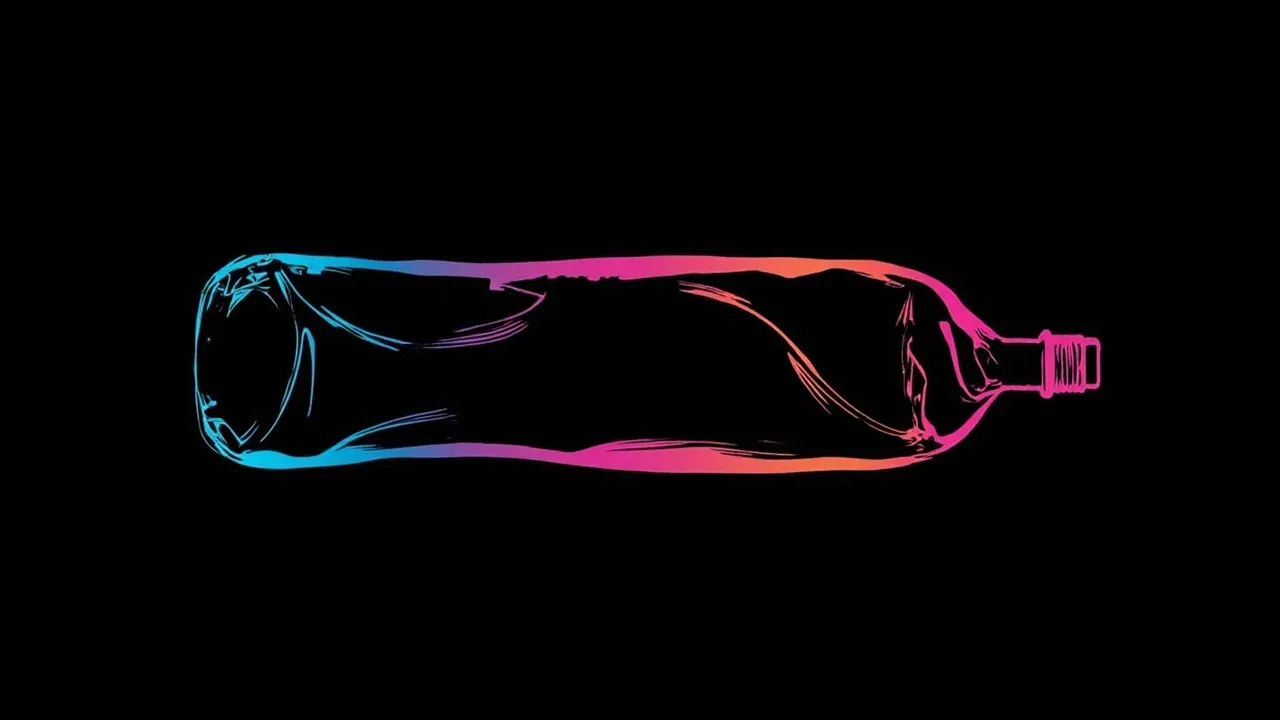
Scientists have figured out how to turn plastic waste into actual, edible, protein-rich cookies. And before you ask—yes, I said cookies. The kind you eat. Made from plastic. And they're not just experimenting in some basement lab; this research is so legit that NASA is paying attention because it could help feed astronauts on Mars someday.
I know what you're thinking: "Did I just read that right? Plastic... cookies?"
Yep. You did.
The Milk Cow Analogy That Makes It All Click
Let me try to explain this without making your brain hurt. Dr. Lahiru Jayakody, who's leading this research at Southern Illinois University Carbondale, uses a comparison that I honestly can't stop thinking about:
Think about drinking a glass of milk. The cow ate grass, but you're not eating grass, right? The cow's body took the grass, broke it down through its natural processes, and turned it into something completely different—milk.
That's exactly what's happening here with plastic and yeast.
The plastic doesn't actually end up in the cookie. It goes through so many biochemical transformations (thanks to some very hungry, genetically engineered yeast) that by the time you're eating the final product, you're just getting the good stuff—proteins, fats, vitamins. The plastic is basically just the starting raw material that kickstarts the whole process.
So How Do You Actually Make a Plastic Cookie?
Great question. Here's where it gets properly sci-fi.
First, you need the right kind of plastic. The team specifically uses PET—that's the stuff your water bottles and food packaging are made of. They chose it deliberately because it's safer than other plastics that might contain toxins or those scary "forever chemicals" (PFAS) we keep hearing about.
Then comes the deconstruction phase. The plastic gets exposed to super hot temperatures (around 500°F) and crushing pressure—think deeper than a mile underwater. This breaks the plastic down into carbon-rich organic compounds.
Next, genetically engineered yeast gets a feast. The researchers feed this broken-down plastic mixture to the yeast along with agricultural leftovers like cornstalks. The yeast basically goes to town, metabolizing everything and rebuilding it into simpler molecules: lipids, acids, proteins, vitamins.
The resulting mixture? "Not appealing enough to eat" according to the researchers. So they got creative.
They added sweeteners, fiber, starch, vanilla flavoring, and beta carotene for color. Then they 3D-printed the whole thing into a little round cookie with the Greek letter μ (mu) in the center—symbolizing "microbite."
Cute, right? A tiny cookie made from garbage.
Why Should You Care (Besides the "Wow, That's Weird" Factor)?
Here's where this gets actually important.
Space missions can't carry all the food astronauts need. The math is brutal—every pound of stuff you launch costs a fortune. So instead of bringing food for a years-long Mars mission, future astronauts might bring the factory to make food. Plastic waste from the mission itself could become raw material.
But here's the thing that gets me excited beyond just space travel: this could help people on Earth too. Natural disaster zones where normal food supply chains are destroyed. Remote research stations in Antarctica. Submarines on long missions. Anywhere it's hard to get fresh food, this technology could theoretically save lives.
We produce about 400 million tons of plastic waste every year. What if even a fraction of that could be transformed into nutrition?
My Honest Take
I went through about five emotions reading about this research:
- Disbelief (plastic cookies?)
- Curiosity (how does this even work?)
- Slight gross-out factor (plastic, really?)
- Hope (this could actually help people)
- Excitement (the future is so weird and wonderful)
The reality is that we're still a long way from these cookies being on anyone's menu. The team is seeking FDA approval for human taste trials. We need way more safety testing. And scaling this up from lab experiment to actual mission-ready food production is a massive leap.
But still. Still.
We're talking about fundamentally rethinking waste as a resource. About closing loops in our food systems. About humanity's quiet, determined push to become a multi-planetary species—one weird little cookie at a time.
I don't know about you, but I'm genuinely rooting for the plastic cookies.
Source: https://www.popularmechanics.com/science/a74078726/breakthrough-food-for-mars