
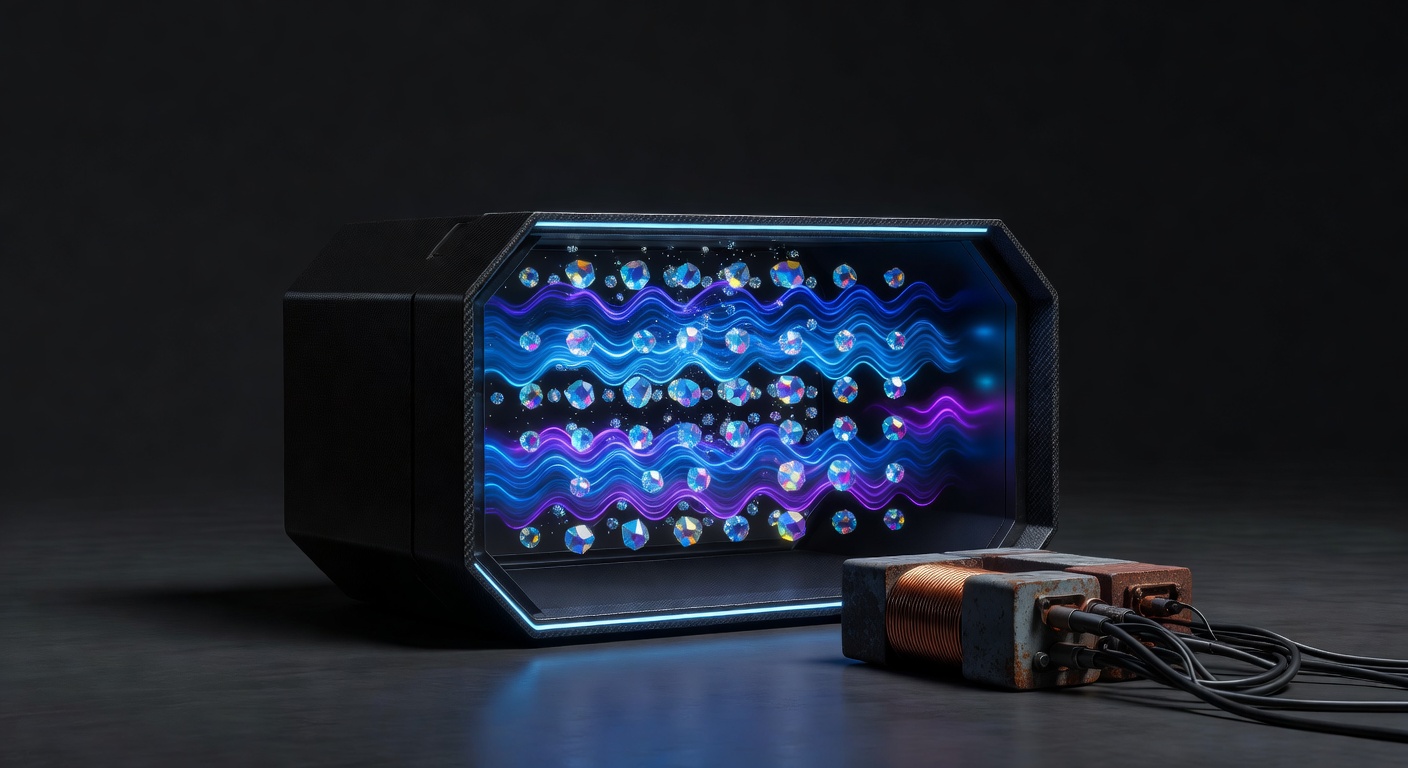
Scientists have figured out how to make data centers dramatically more efficient using a counterintuitive approach: tiny vibrating crystals instead of traditional magnets. The breakthrough could reshape how we power the computing infrastructure behind everything you do online.
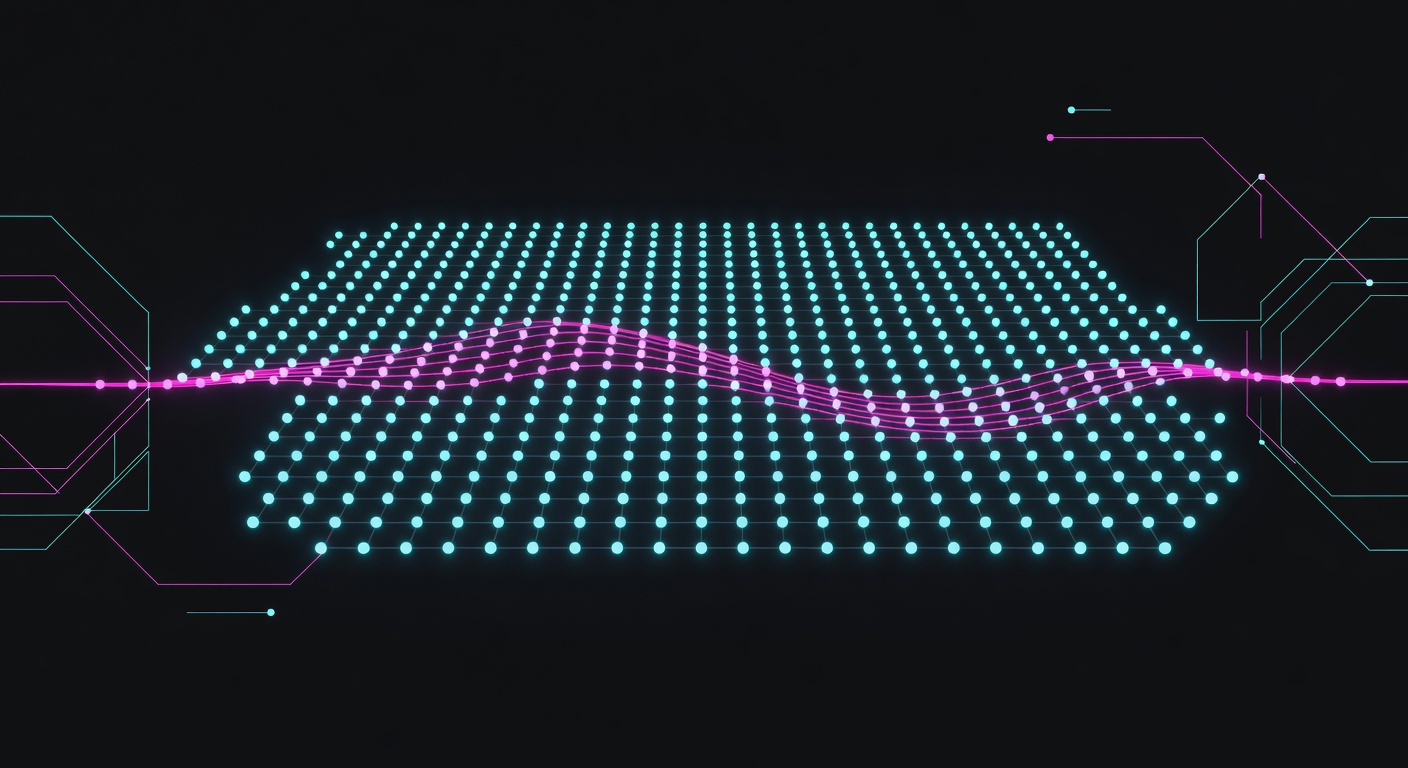
Scientists just had a wild idea: instead of building kilometer-long instruments to catch gravitational waves, what if we could just watch how atoms behave when these cosmic ripples pass by? A new study suggests the answer might be hiding in the light atoms emit, and it could completely change how we detect some of the universe's most violent events.

Imagine a superconductor that plays by its own rules—one that actually gets stronger under impossibly intense magnetic fields instead of shutting down like normal materials. Scientists just figured out how uranium ditelluride pulls off this trick, and it could change how we think about extreme physics.
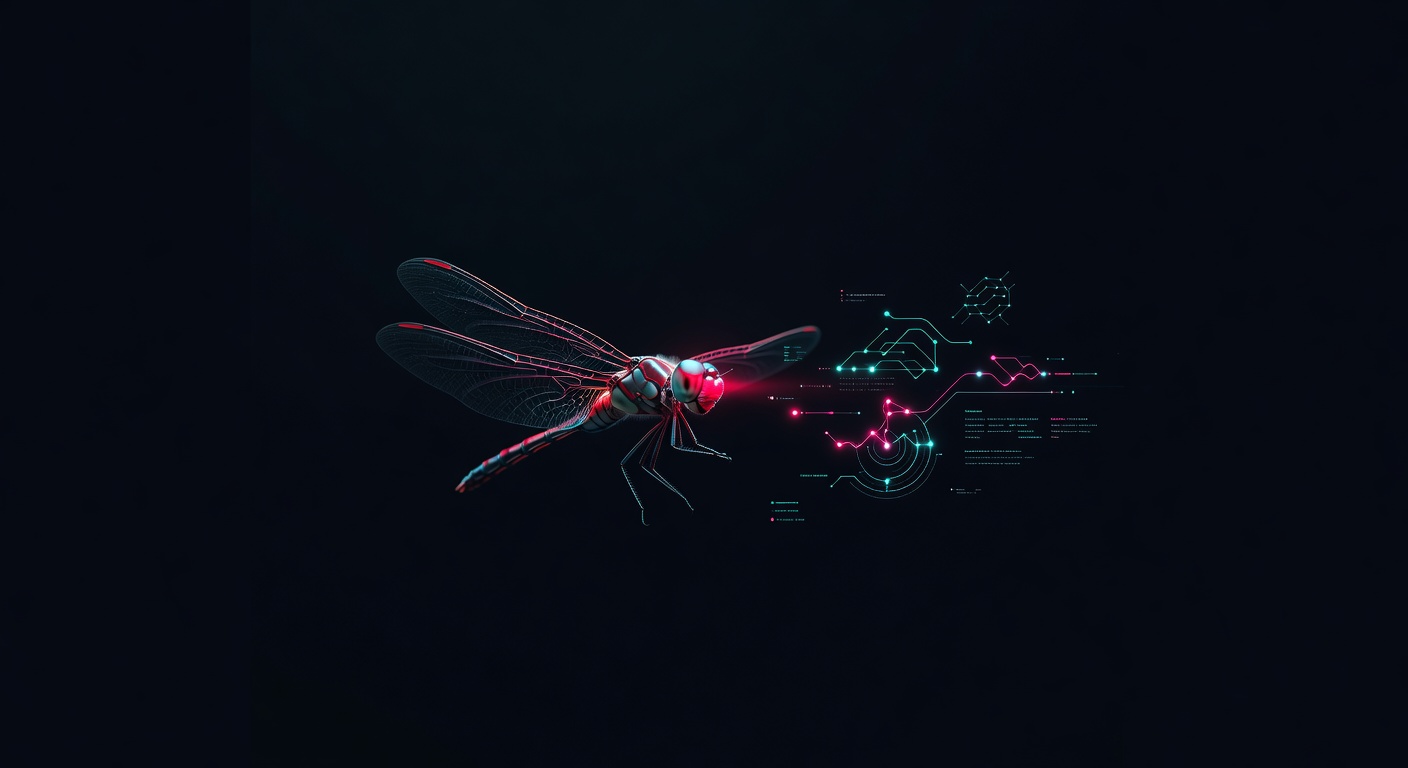
Dragonflies have been quietly hiding a superpower—they can see deep red light that's invisible to us humans. Even crazier? They do it using the exact same biological trick our eyes use, and scientists just figured out how to weaponize this for medical breakthroughs.
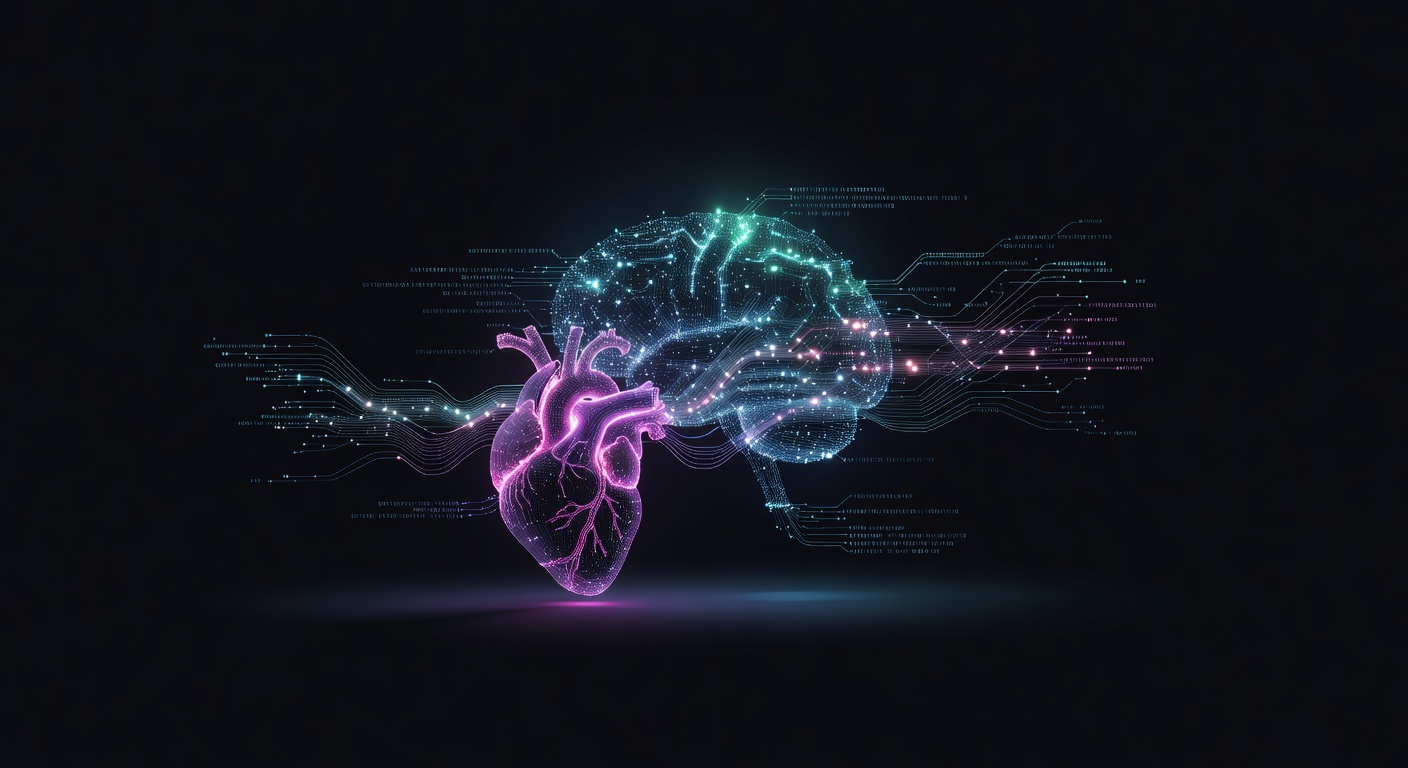
We've always assumed death is like flipping a switch—one moment you're alive, the next you're gone. But new research suggests your consciousness might stick around way longer than doctors officially declare you dead, and it's raising some seriously uncomfortable questions about organ donation and what "dead" even means anymore.
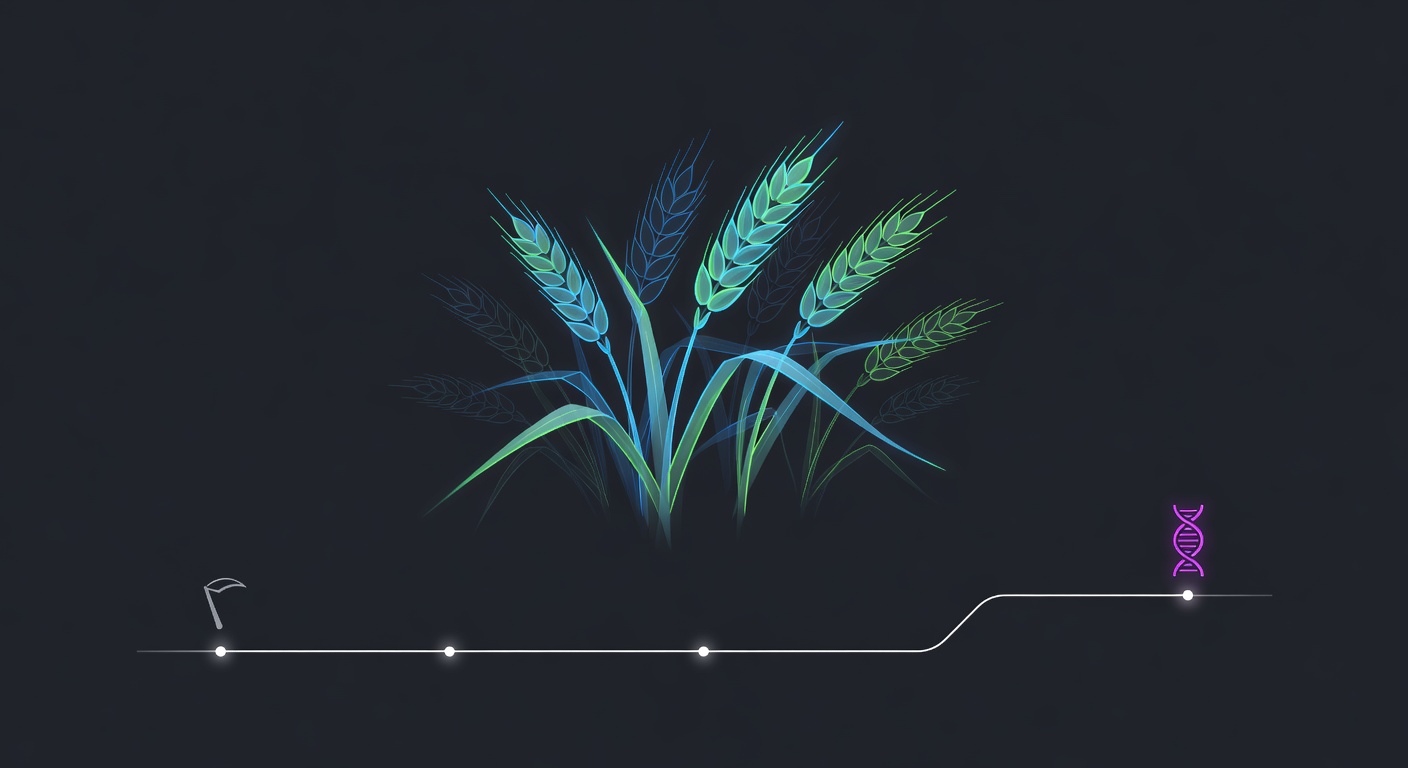
Thousands of years ago, farmers unknowingly created "warrior wheat" — aggressive plants that would elbow out their neighbors to steal sunlight and resources. But here's the twist: modern farming had to essentially domesticate the domesticated crop all over again, breeding out those competitive instincts that are actually terrible for today's agriculture.
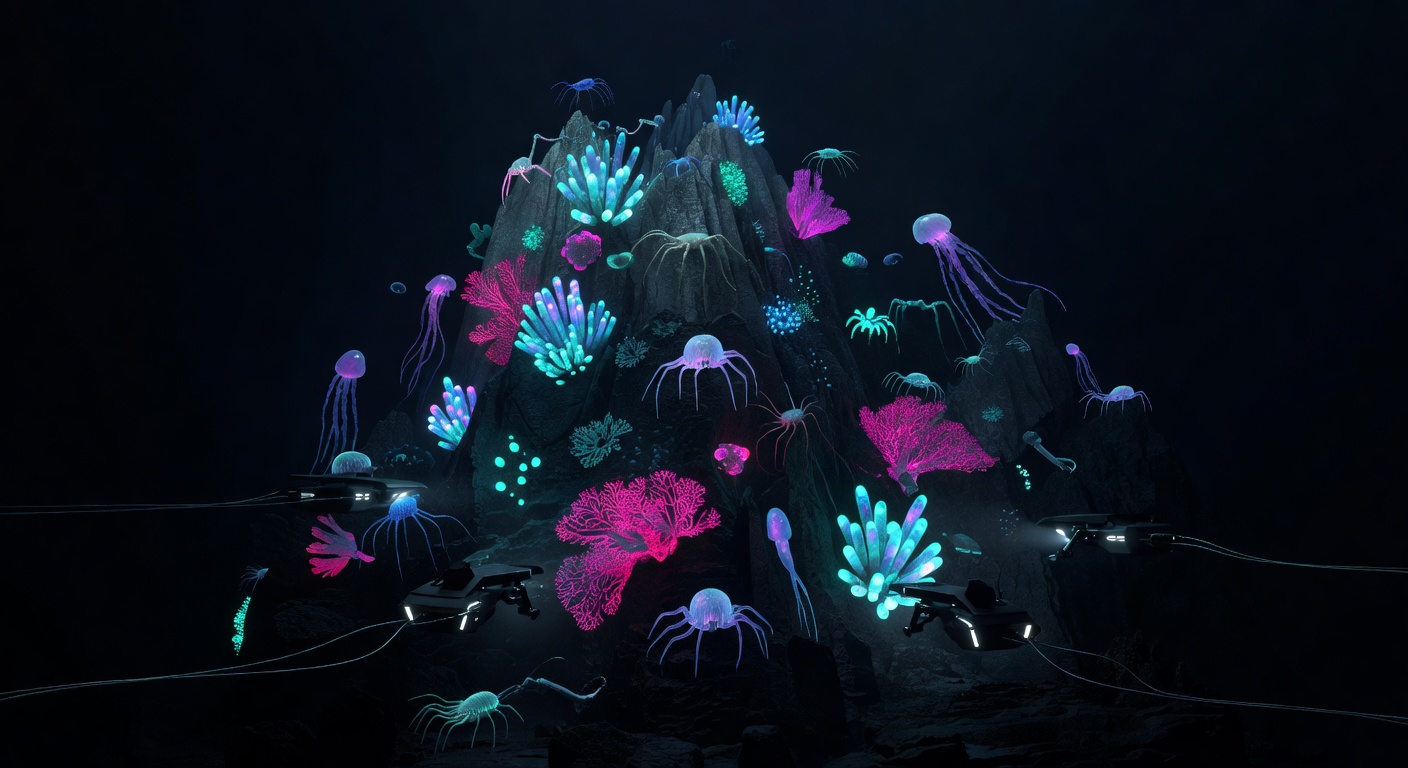
Deep in the Pacific Ocean, researchers stumbled upon a colossal underwater peak that towers over one of the world's most famous mountains. But the real treasure wasn't the mountain itself—it was the weird, wonderful creatures living on its slopes that scientists have barely ever seen before.
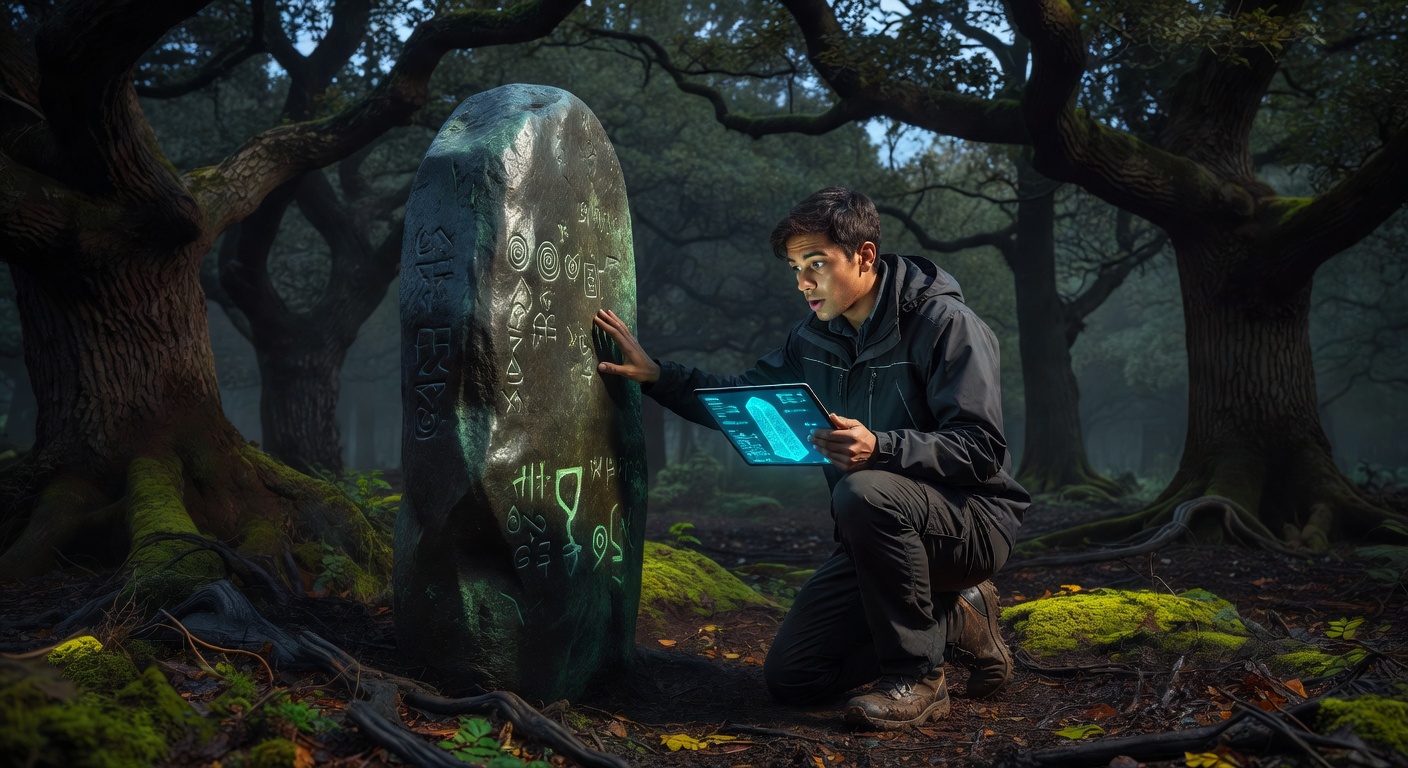
Sometimes the best discoveries come from someone simply asking "what if?" A 24-year-old archaeology student in England had a hunch about a lonely standing stone in his local forest, and his curiosity led to the uncovering of an entire 3,700-year-old ceremonial site that had been hiding in plain sight for centuries.
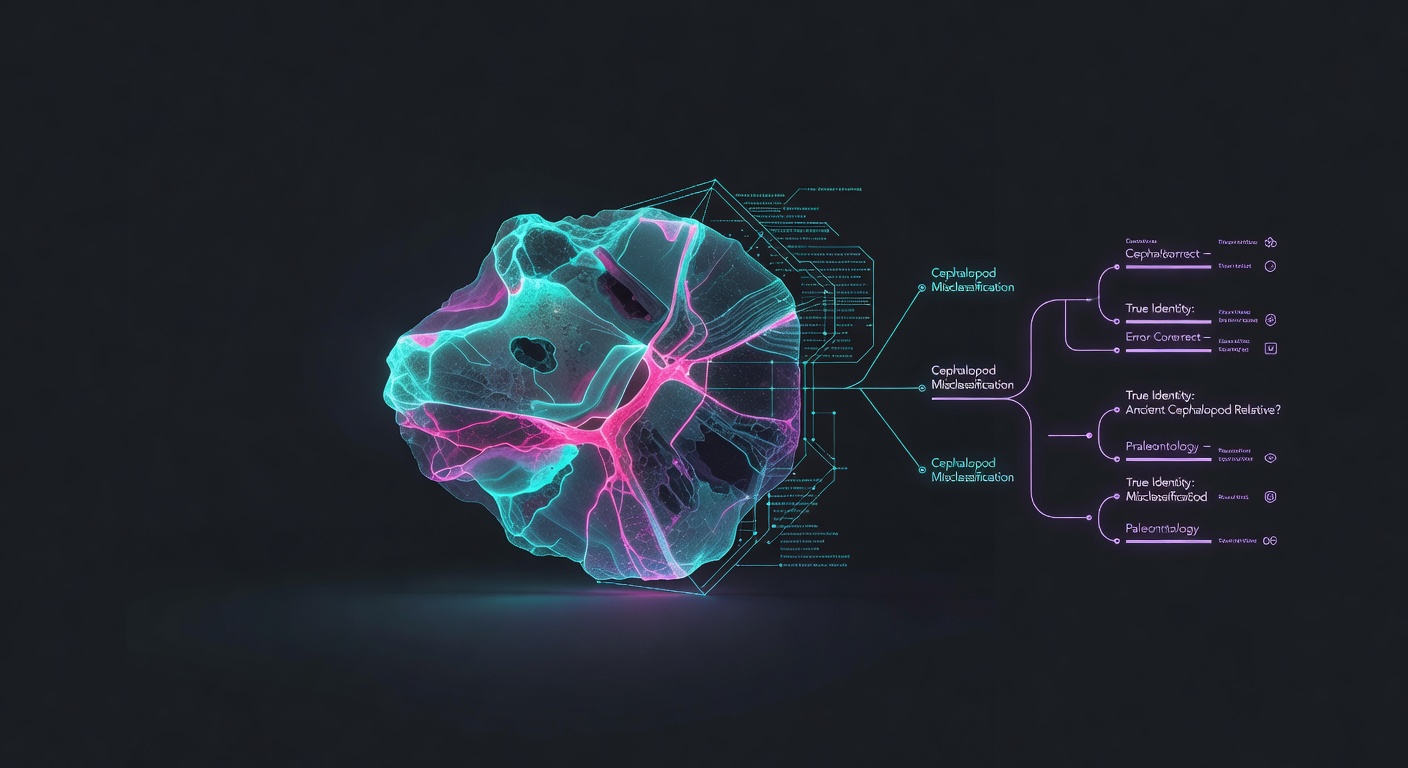
A fossil that earned a Guinness World Record as the oldest octopus ever found? Yeah, it was never an octopus at all. Scientists finally figured out what it really was—and the answer rewrites what we thought we knew about octopus evolution.
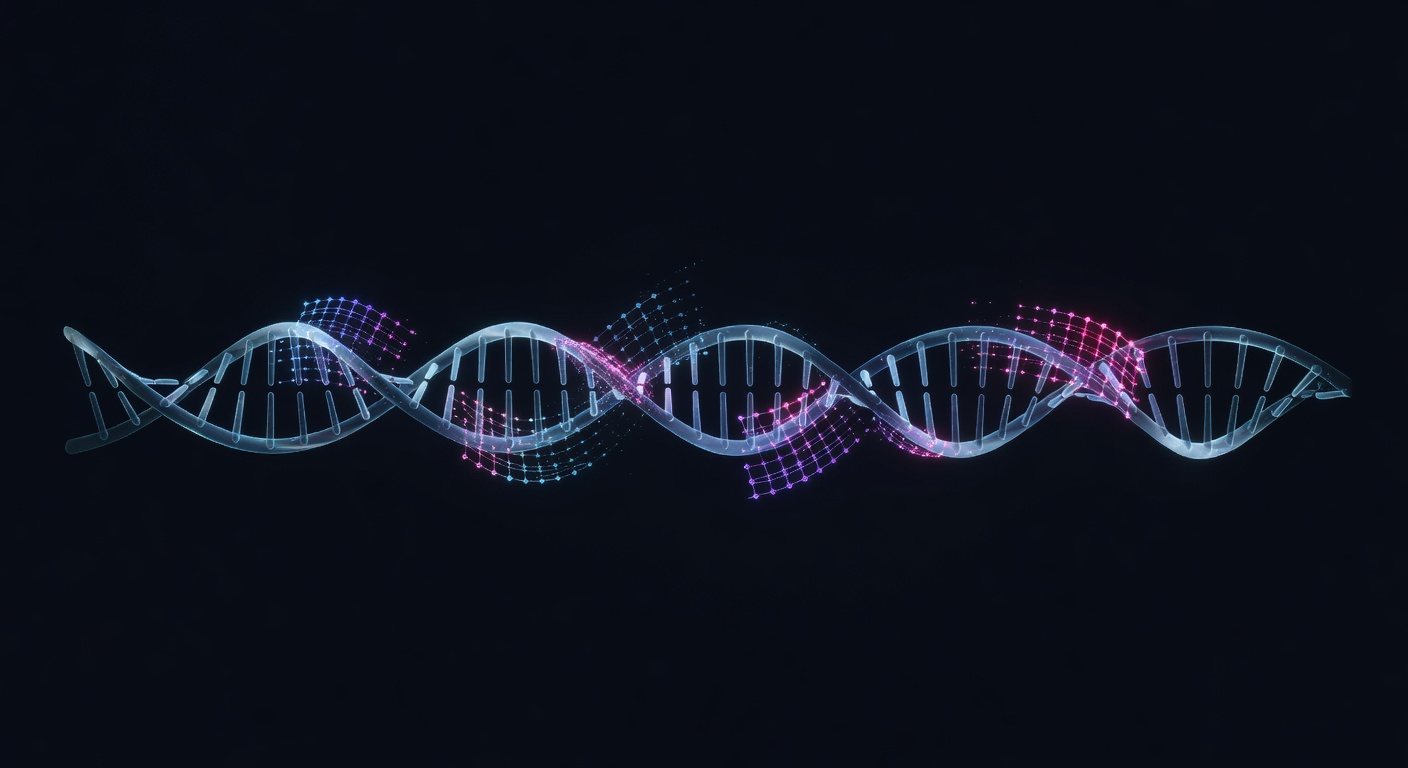
Scientists just discovered that your DNA isn't nearly as straightforward as we thought. There's a hidden quality-control system in your cells that silently rejects weak genetic instructions, and it's controlled by a protein most of us have never heard of.
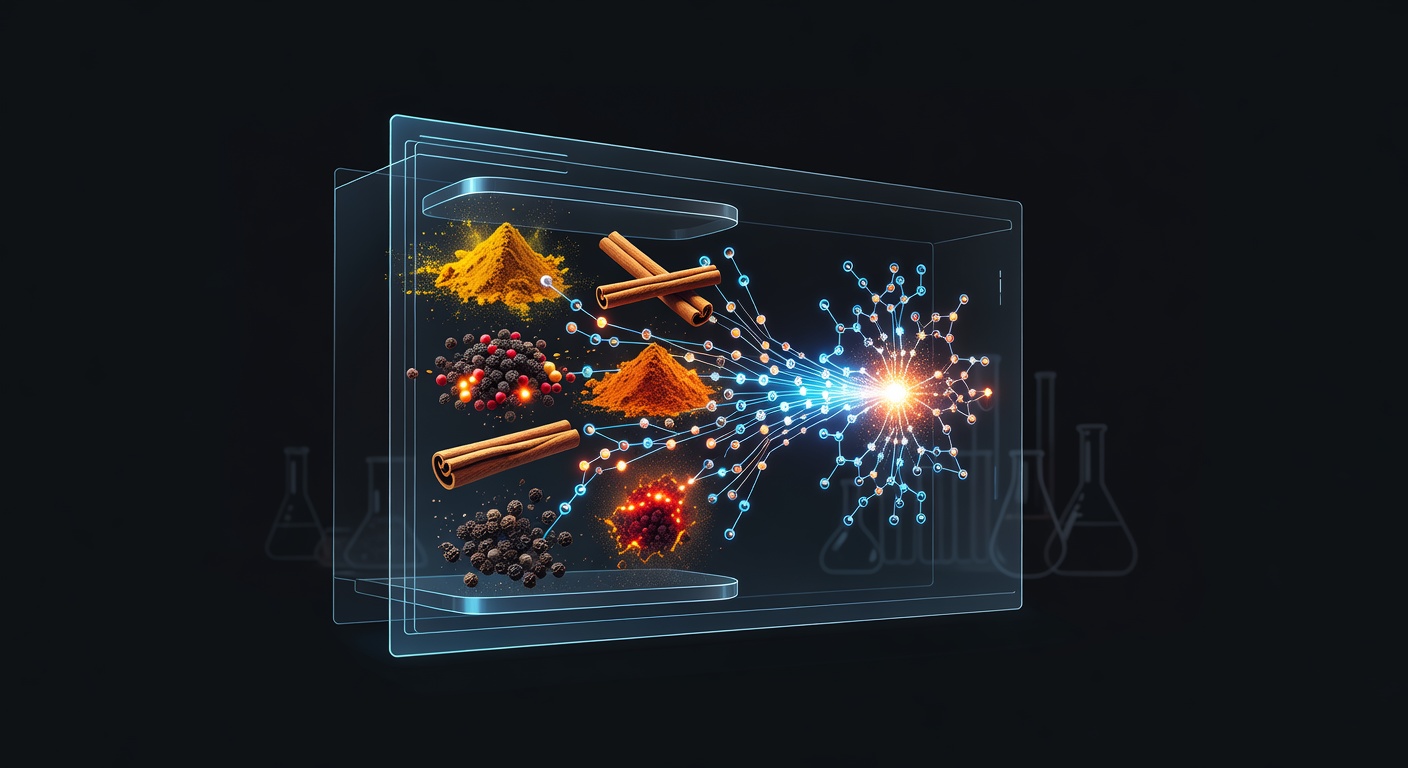
Scientists just discovered something wild: combining certain spices creates an anti-inflammatory effect that's literally 100 times stronger than using them alone. This isn't hype—it's real molecular magic happening at the cellular level, and it explains why traditional food combinations have been working for centuries.

What if everything you know about time is backwards? Scientists are seriously suggesting that time might not be a real thing at all—just a useful trick our brains play on us. Here's how quantum physics is turning one of our most basic assumptions upside down.
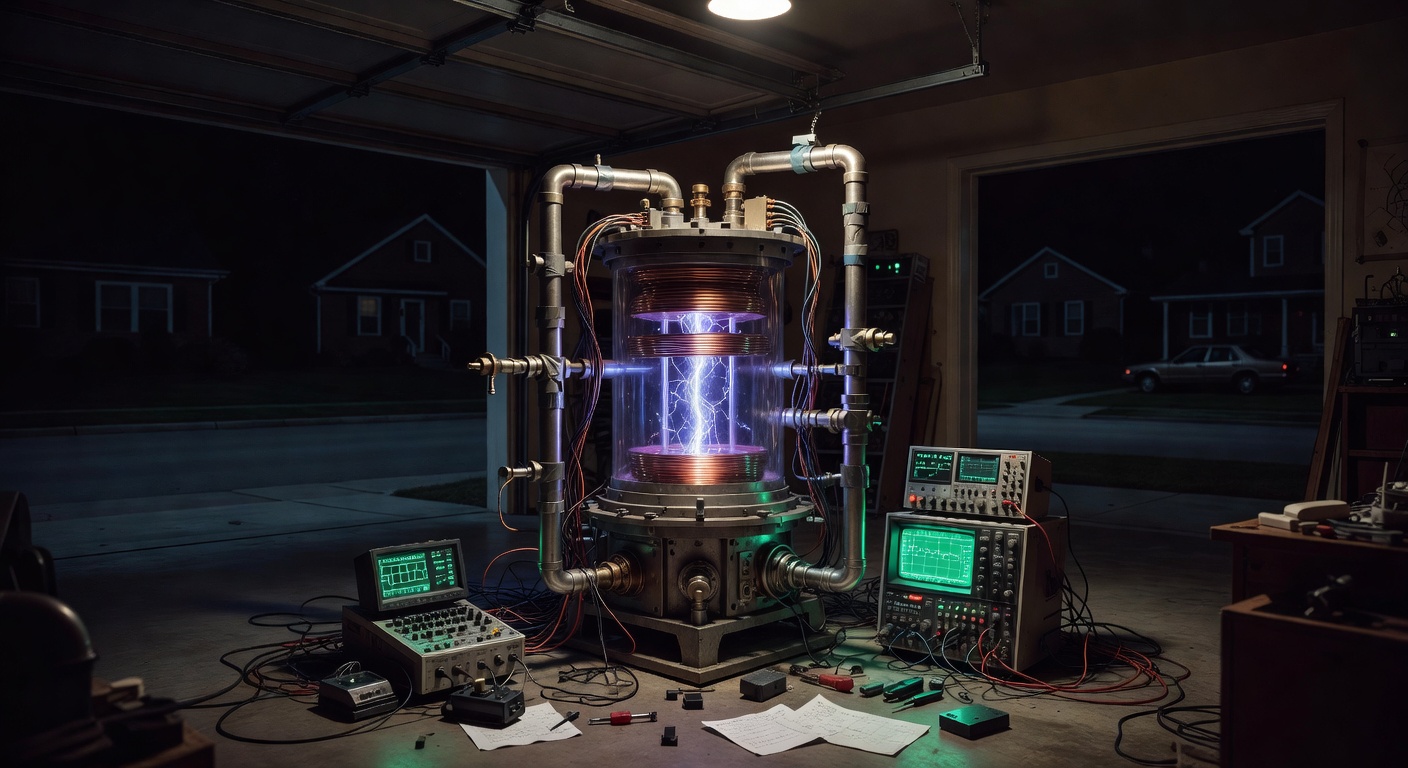
In 1995, authorities discovered that a quiet Michigan suburb had been harboring something extraordinary—a homemade nuclear reactor built by a determined 17-year-old with nothing but ambition, chemistry books, and some seriously sketchy phone calls. What started as a kid's chemistry obsession spiraled into one of the wildest DIY science projects ever attempted.

Imagine walking through a city park at night and the flowers themselves are lighting your way—no electricity required. Scientists around the world are making this sci-fi fantasy surprisingly real, and it could be a game-changer for how we power our cities.
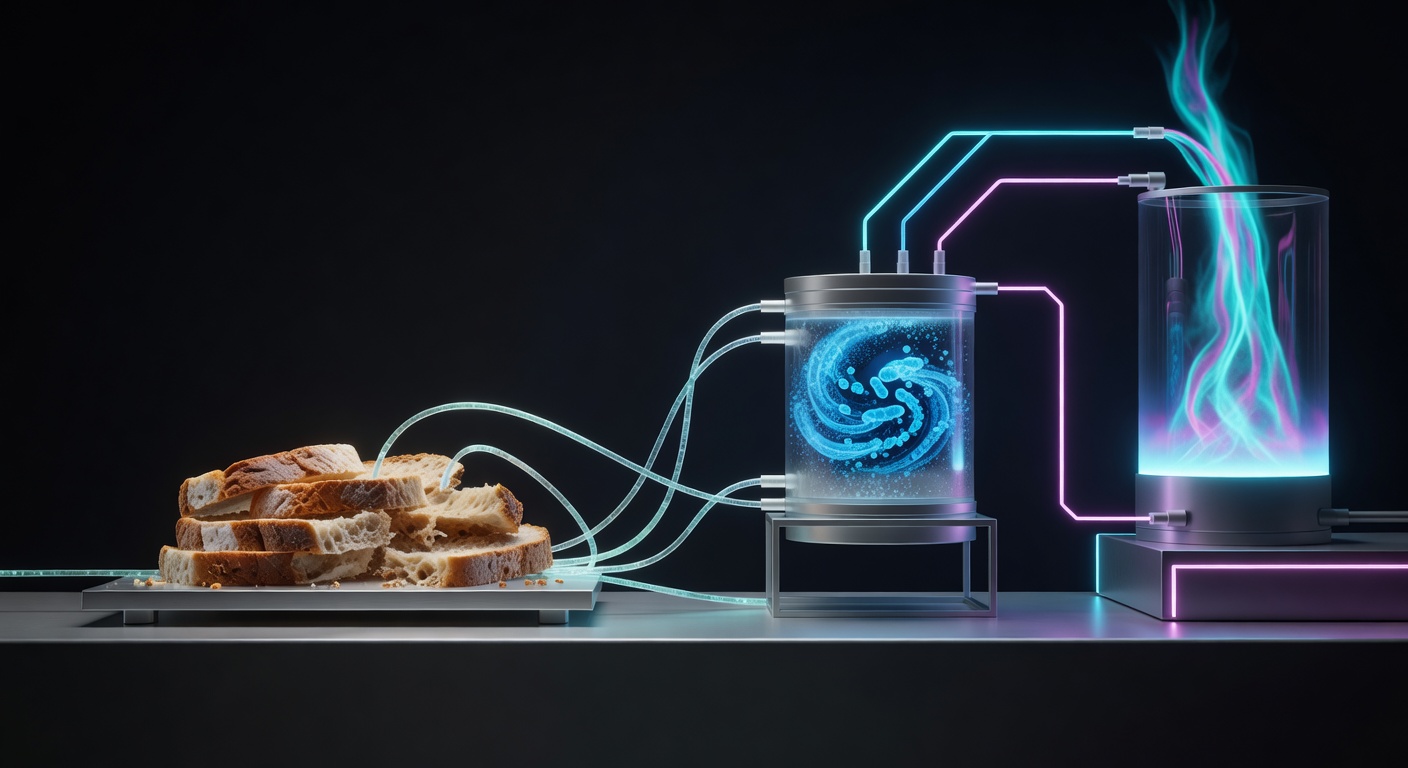
Scientists just figured out how to turn leftover bread into hydrogen fuel using bacteria, and it works better than anything we've tried before. This discovery could completely change how we manufacture everything from plastics to medicines—all while actually fighting climate change instead of making it worse.

Imagine if one of history's most important temples was secretly buried right under our noses for centuries. Well, that might actually be happening in Syria, and a couple of mysterious inscriptions discovered during renovation work could finally solve one of archaeology's greatest puzzles.

For over 100 years, Charles McAllister's family didn't know what happened to him. Then, a forensic detective decided to solve the cold case using nothing but old buttons, dental records, and pure determination—and it worked.
Quantum computers are incredibly powerful—but they're also incredibly forgetful. A team of researchers just cracked how to measure exactly when and why these machines lose their data, which could be the breakthrough that finally makes quantum computers reliable enough for everyday use.
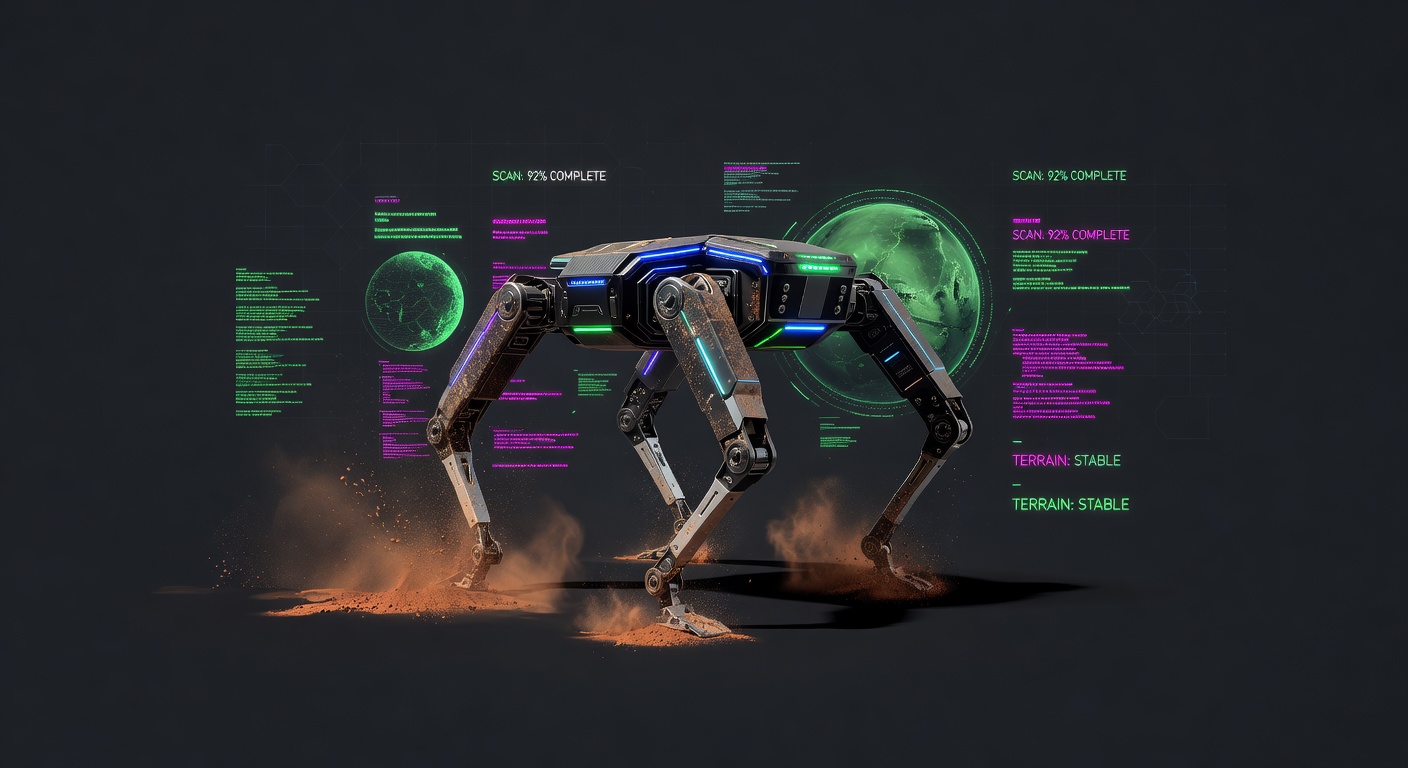
Imagine a four-legged robot that doesn't need a human supervisor hovering over its shoulder for every single move. Scientists just proved that semi-autonomous robots can explore Mars three times faster than traditional methods—while still nailing the important science. This could fundamentally change how we search for life on another planet.
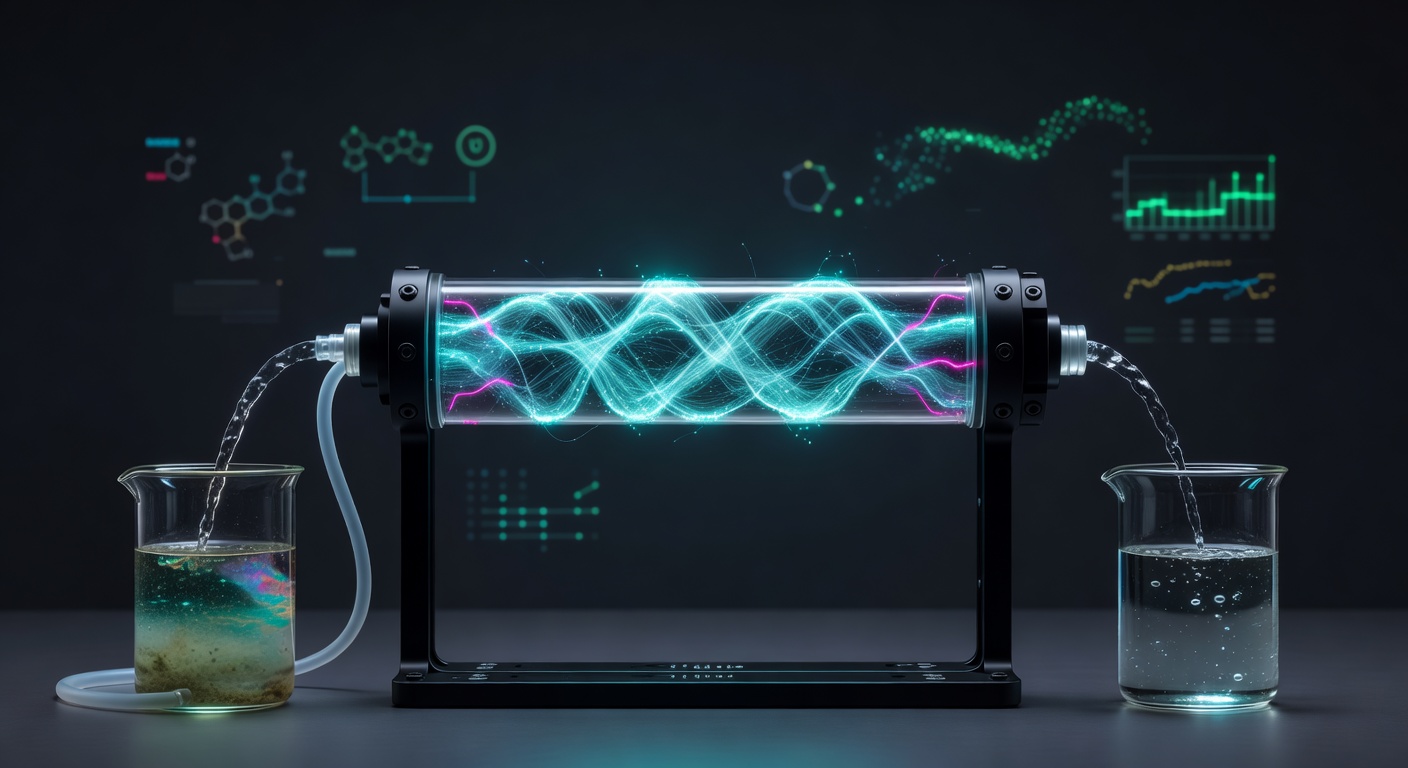
Water pollution is getting worse, and one of the sneakiest culprits is a class of chemicals that basically never break down. A team of researchers just figured out how to trap them with a filter so efficient it sounds almost too good to be true.