

For years, we thought quantum computers would need millions of parts to break internet security. A bombshell new study just cut that number down by 99.95%. Here's why you should care, and what's actually happening behind the scenes.

Imagine losing a massive 130-foot warship in the ocean and not being able to prove what it was for three decades. That's exactly what happened with the HMS Tyger—until some clever detectives with diving gear and historical records solved the puzzle.
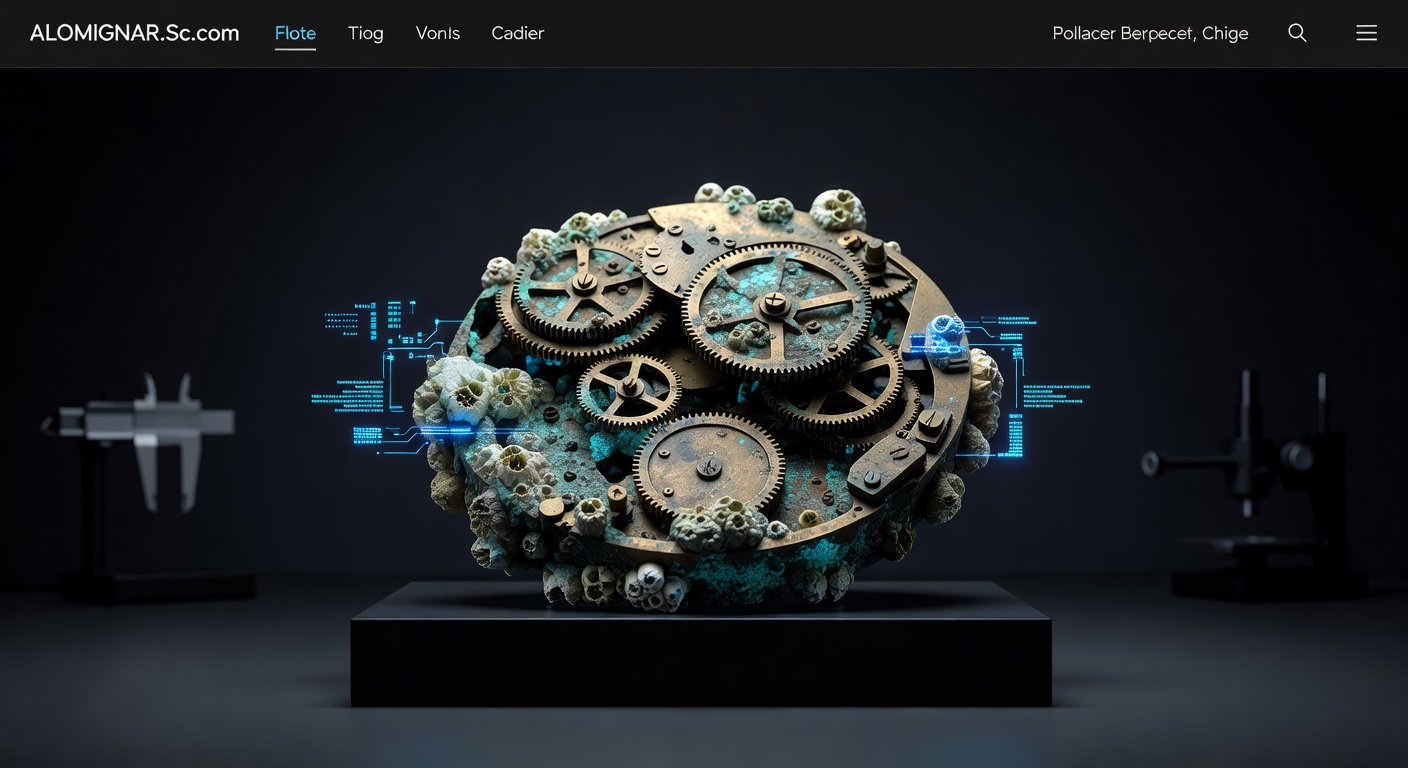
Imagine finding a corroded, barnacle-covered machine in the ocean that turns out to be the world's first computer. That's exactly what happened, and after more than a century of mystery, scientists just cracked the case using the same techniques used to detect gravitational waves from colliding black holes.
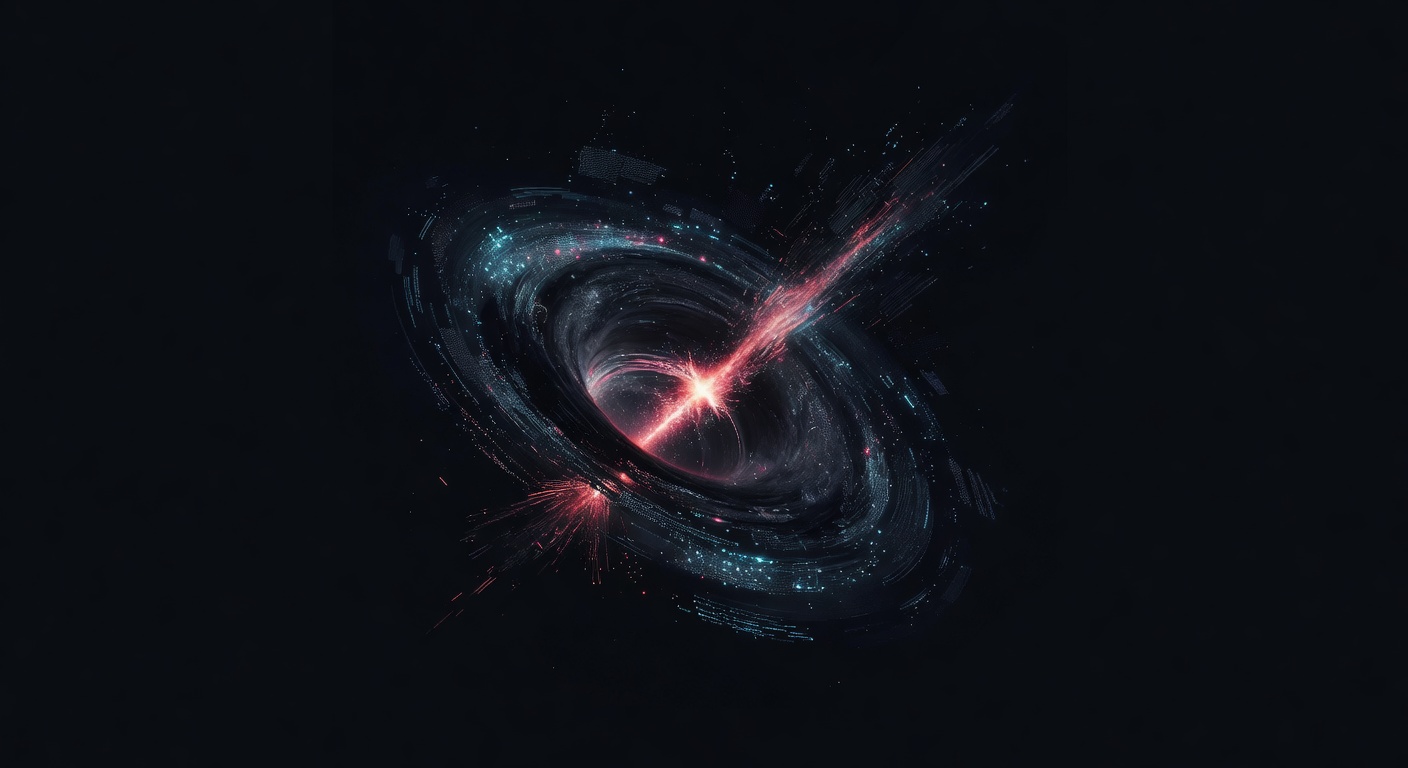
In 2023, scientists detected a subatomic particle so energetic it shouldn't exist according to everything we know about physics. New research suggests it came from an exploding black hole that's been hiding since the beginning of time—and if they're right, we're about to unlock some of the universe's biggest secrets.
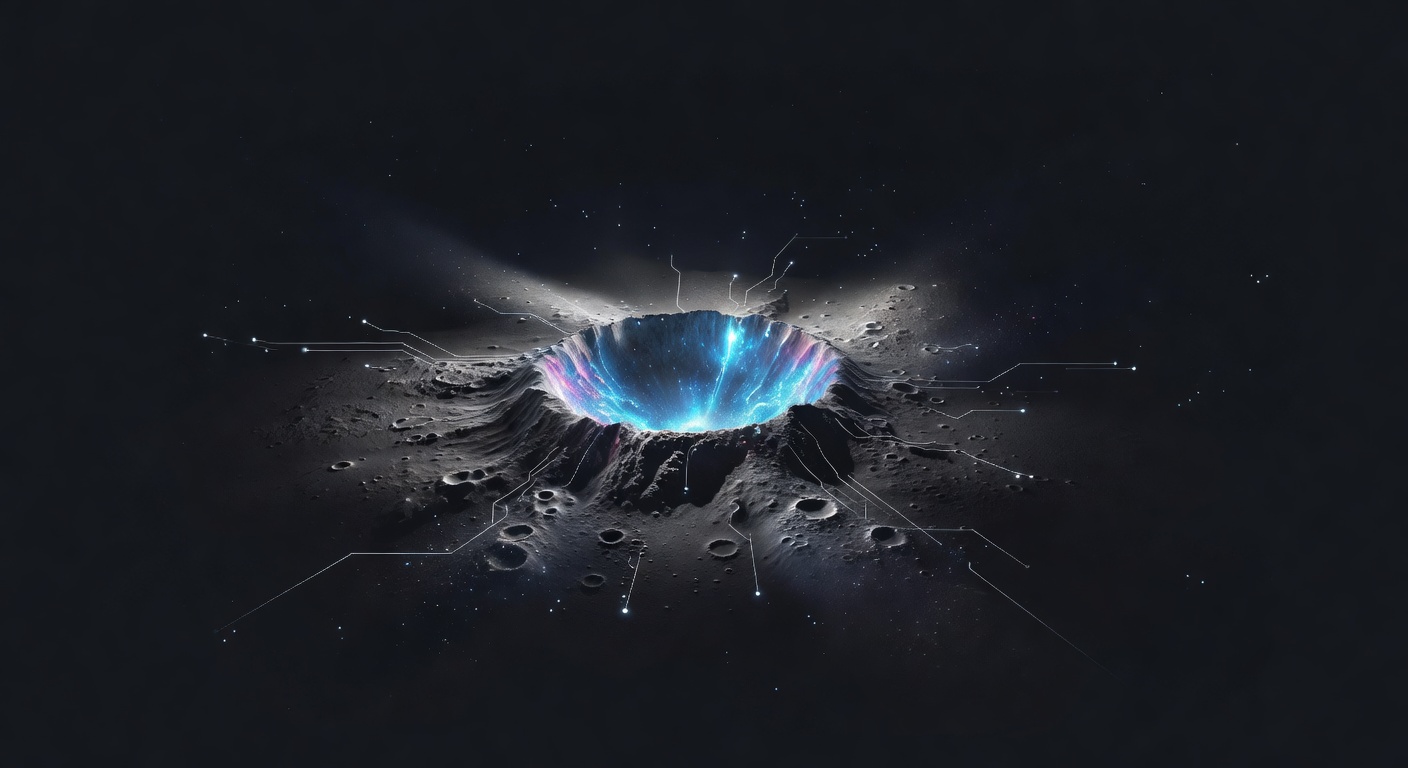
A cosmic rock slammed into the Moon sometime between 2009 and 2012, and scientists only noticed because they were playing "spot the difference" with satellite photos. This freshly scarred crater is teaching us something wild: our Moon isn't the ancient, unchanging rock we thought it was—it's still getting knocked around by space debris today.
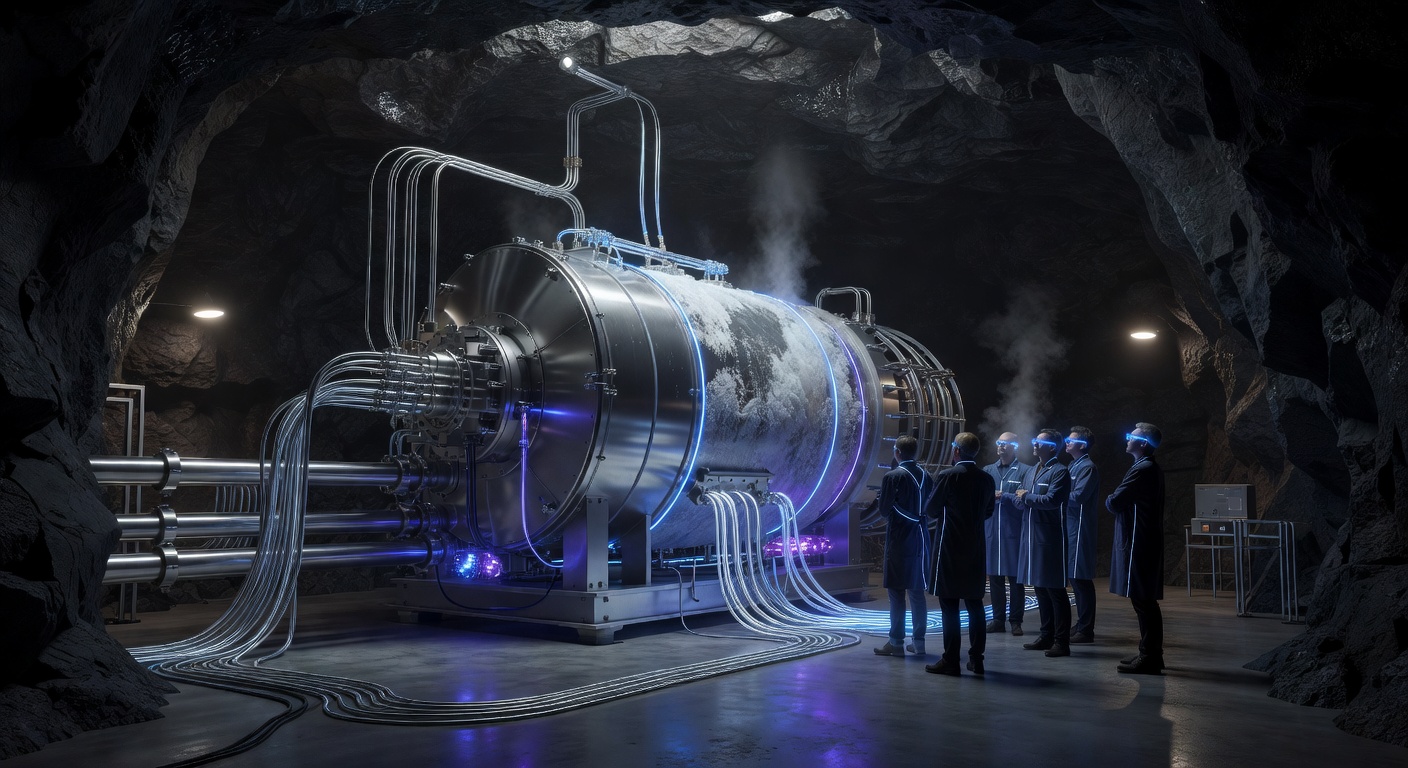
Scientists have flipped the switch on one of the most ambitious dark matter detectors ever built, chilled to temperatures colder than outer space itself. Located nearly a mile underground in a Canadian nickel mine, SuperCDMS is about to search for the universe's most wanted invisible particle—and it might actually find it.
Scientists just figured out how to actually look for something physicists have theorized about for decades: tiny wobbles and ripples in the fabric of spacetime itself. A new breakthrough gives us a practical roadmap to detect these ghostly distortions using the laser detectors we already have.

After nearly eight decades sitting in the crushing darkness of the Philippine Trench, one of WWII's most courageous warships has finally been identified. The USS Johnston, which made an impossibly heroic last stand against overwhelming Japanese forces, has been discovered frozen in time on the ocean floor—and what explorers found there will give you goosebumps.
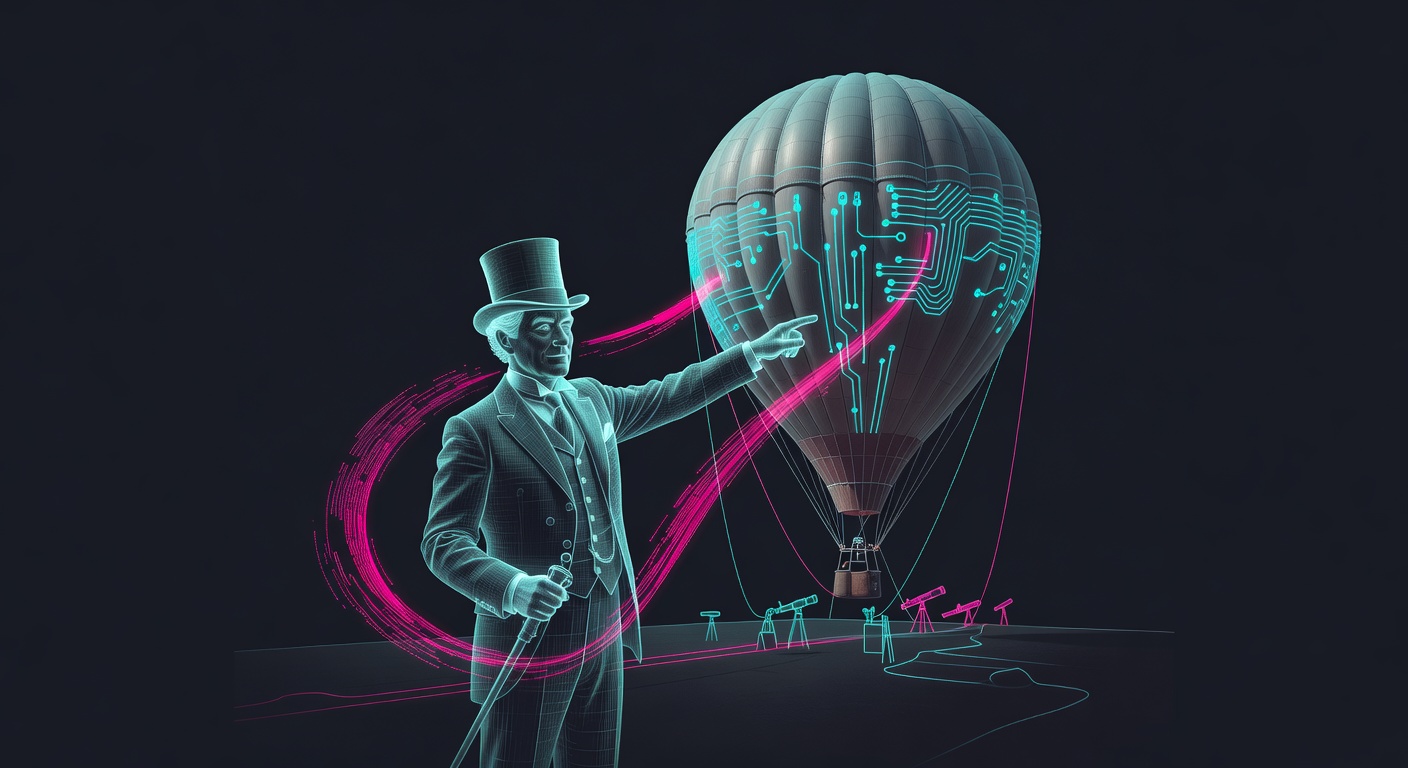
Before satellites, drones, and reconnaissance planes, there was a eccentric balloon enthusiast named Thaddeus Lowe who accidentally created America's first aerial spy program—right at the start of the Civil War. This is the wild story of how one man's passion for hydrogen balloons changed military intelligence forever.
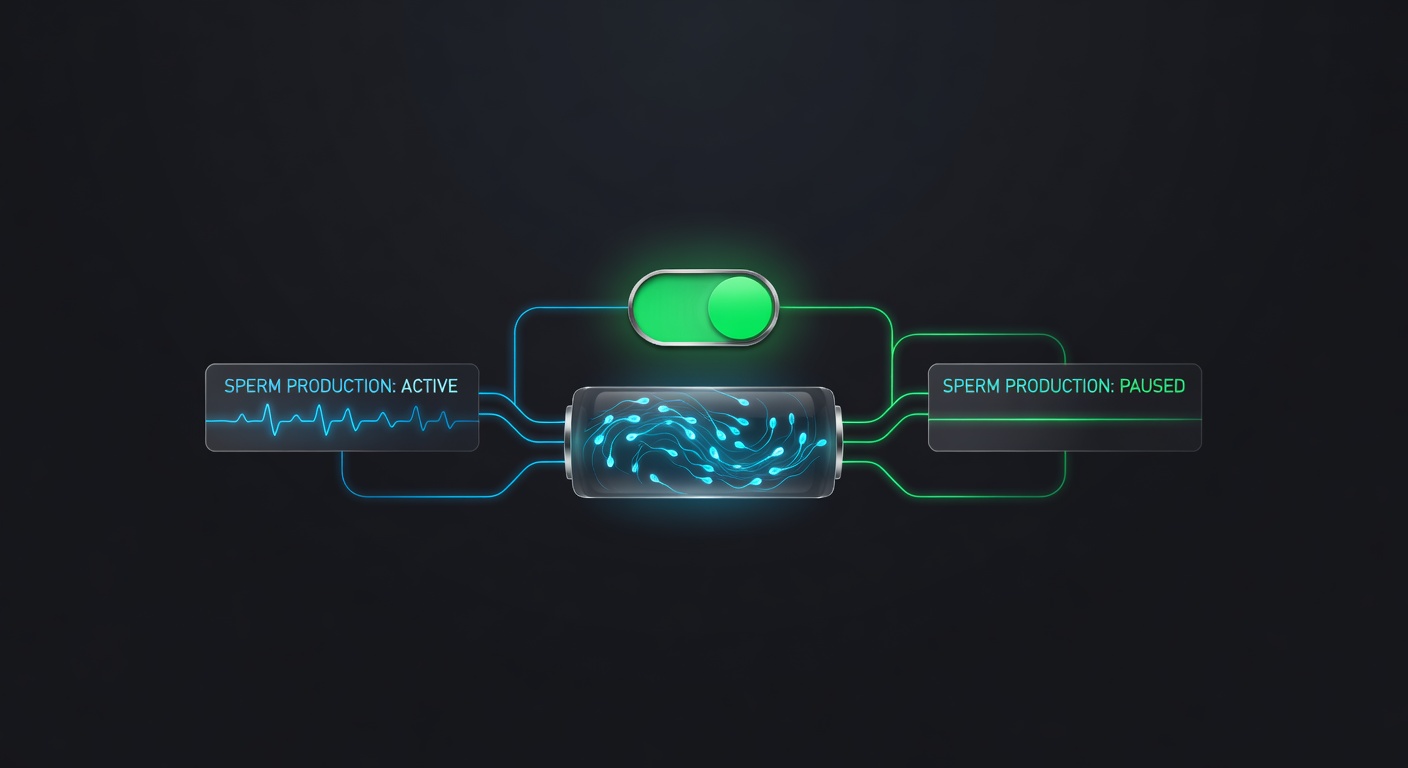
Scientists just proved that we can safely turn off male fertility like flipping a switch—and turn it back on again. After six years of research, Cornell researchers found a way to pause sperm production without any permanent damage, bringing us closer to a male contraceptive option that doesn't involve surgery or hormones.

Workers renovating a fancy German palace stumbled upon something incredible—a 2,200-year-old Roman military camp that's completely changing what we thought we knew about how Rome first arrived in Germany. Spoiler alert: it wasn't all swords and battles. The artifacts tell a surprisingly peaceful story.

Scientists just figured out something pretty humbling about quantum computers: they're actually forgetful. All that fancy quantum processing? Most of it gets lost to noise before you ever get an answer. Here's what that means for the future of quantum tech.

One of neuroscience's biggest names is asking a question that sounds like science fiction: what if consciousness isn't something your brain creates, but something that's woven into the fabric of reality itself? It sounds crazy, but there's actually some serious science behind it.
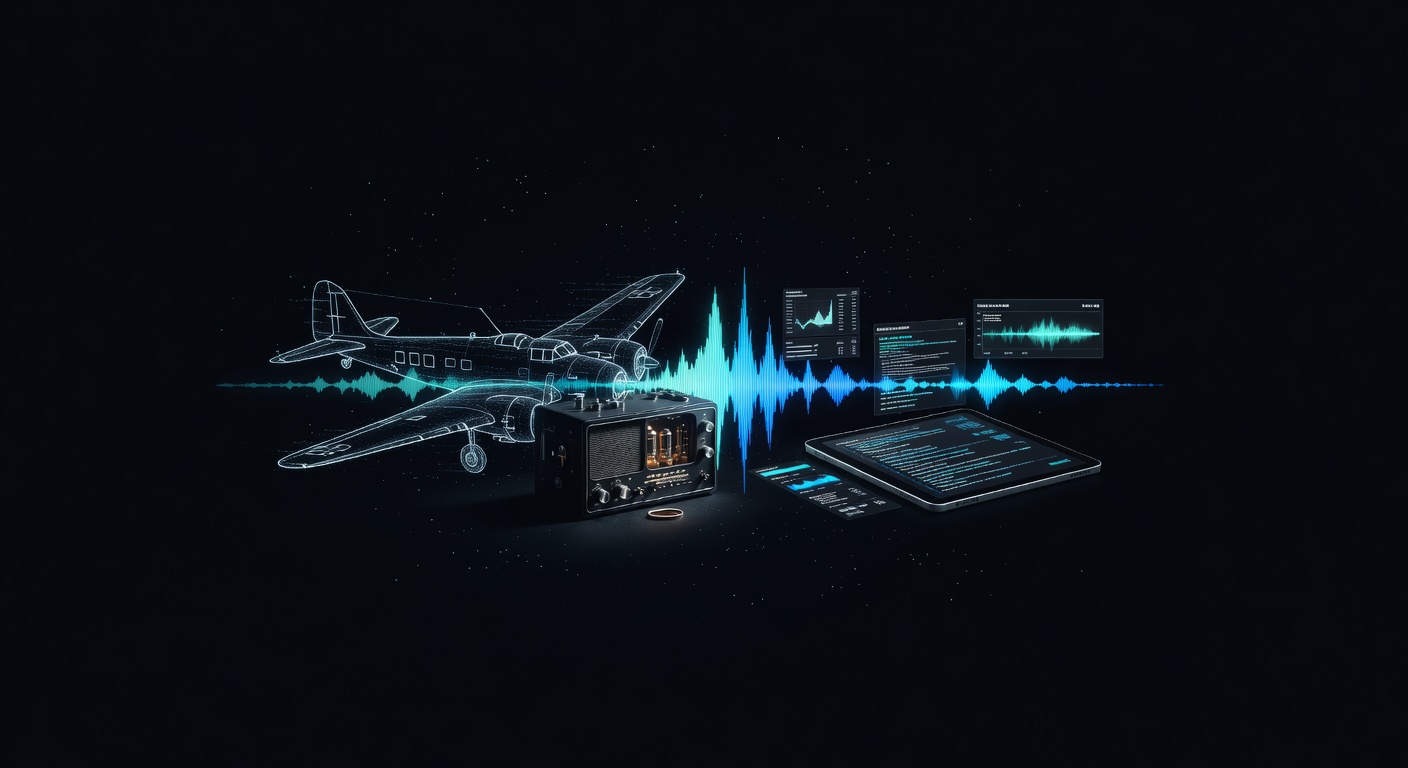
In 1937, a 15-year-old girl claimed she heard Amelia Earhart's desperate voice crackling through her radio. For decades, nobody took her seriously. Now, researchers are finally asking: what if she was telling the truth?
What if everything you think is random—from coin flips to life's biggest surprises—actually follows hidden rules we just can't see? An Oxford physicist is making waves by suggesting that quantum mechanics has been wrong about randomness all along, and it could completely change how we think about fate, chance, and reality itself.

Engineers just created a memory chip that laughs in the face of extreme heat, operating at temperatures hotter than lava without breaking a sweat. This wasn't even supposed to happen—but the accidental discovery could unlock entirely new frontiers in space exploration, AI computing, and energy systems.
Deep in an African lake, scientists discovered something wild—fish have evolved a genetic trick that lets them adapt faster than should be physically possible. It's like evolution found a way to skip the boring parts and jump straight to the good stuff.

Deep underwater off Colombia's coast lies one of history's most valuable shipwrecks, packed with enough gold and silver to make modern billionaires jealous. After being discovered in 2015, scientists just confirmed it's the real deal—but here's the twist: the fortune remains untouched, locked in a legal battle between nations.
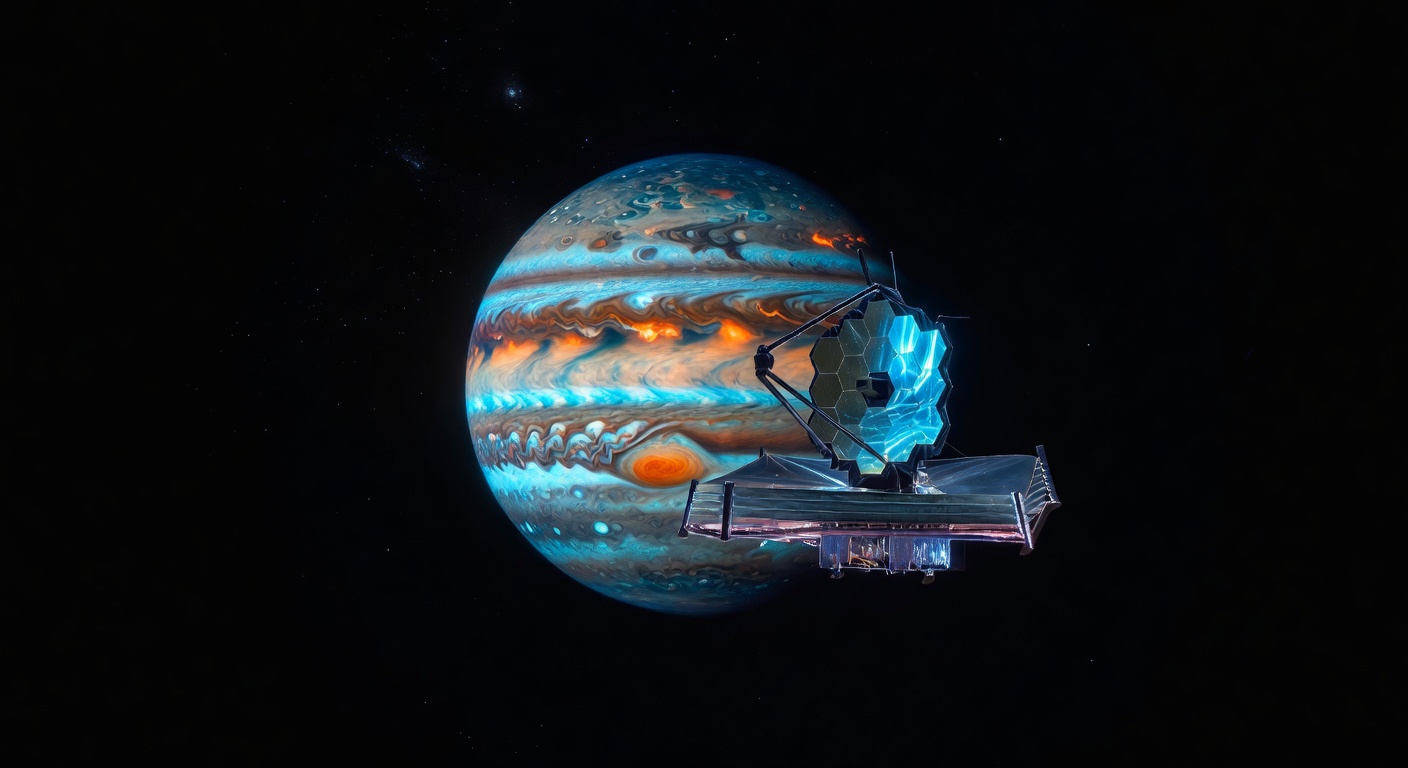
Astronomers just discovered a Jupiter-sized planet that shouldn't exist according to everything we know about how planets form. Using the James Webb Space Telescope, they found something even weirder: its atmosphere is completely backward compared to what the laws of physics say it should be.
Researchers in China have discovered fossils that are challenging everything we thought we knew about when complex animal life first appeared on Earth. These 554-million-year-old creatures include ancestors of starfish, sea cucumbers, and even the animals that led to humans—and they're showing up millions of years earlier than expected.