

The ongoing tension between AI safety company Anthropic and the Department of Defense reveals a fascinating clash between Silicon Valley ideals and national security realities. As artificial intelligence becomes increasingly powerful, we're witnessing the first major battles over who gets to control this transformative technology—and the stakes couldn't be higher.
A simple cartoon character from the 1960s has become the calling card for some of the most sophisticated cyberattacks happening today. Here's how a Palestinian artist's creation became the digital face of modern geopolitical warfare.

A key figure in Trump's new Department of Government Efficiency is making headlines for all the wrong reasons. John Solly allegedly tried to take sensitive Social Security data to his private sector job, raising serious questions about conflicts of interest and data protection in our rush to streamline government.
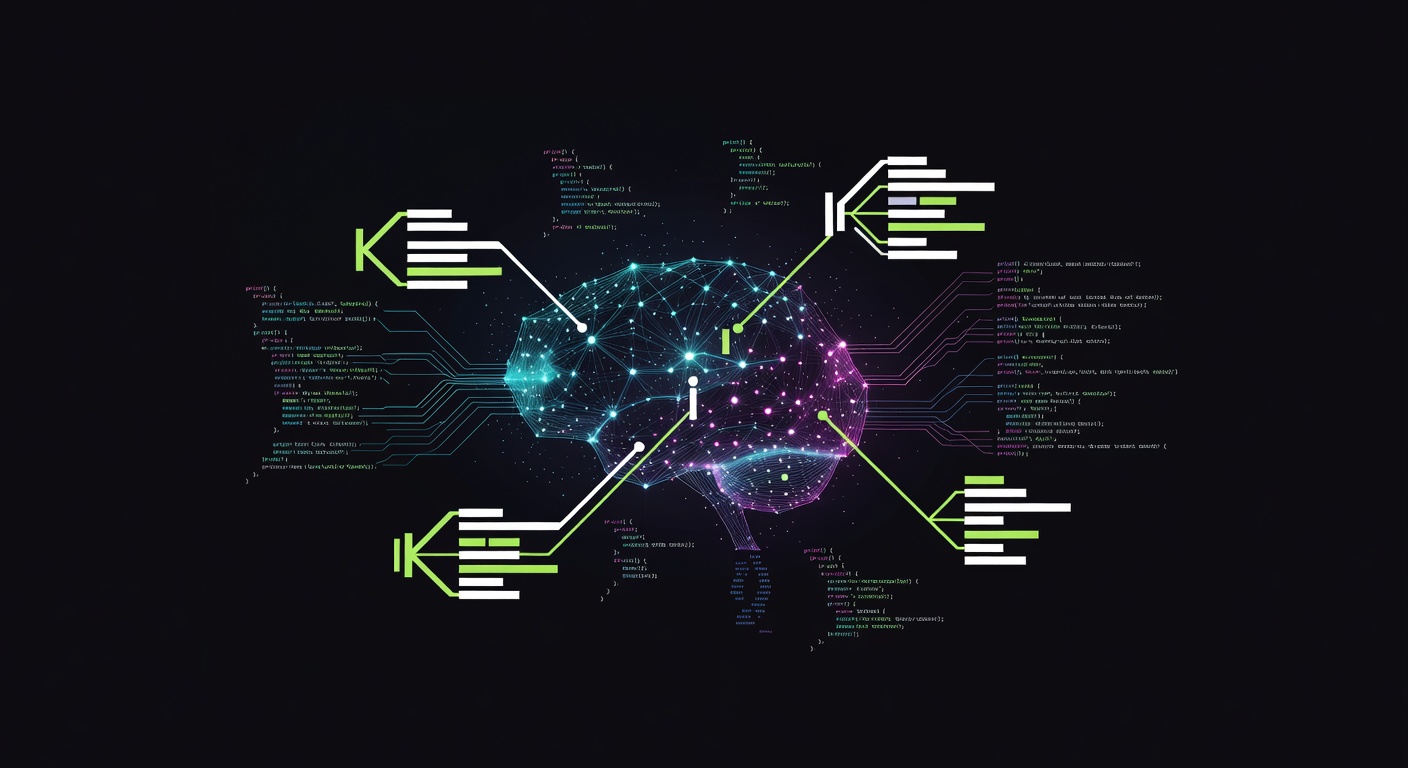
Imagine if physicists had to do calculus using only basic arithmetic, or if web developers had to build websites without HTML. That's essentially where AI is today – stuck using tools that weren't designed for the job. A fascinating new proposal called "tensor logic" might just be the breakthrough AI has been waiting for.

Political campaigns are ditching traditional donation methods for something much more sophisticated. From personalized AI-powered appeals to crypto donations, the way politicians raise money is evolving faster than ever—and it's changing the entire game of politics.

Iran just issued some pretty serious warnings about targeting U.S. tech companies as tensions escalate in the Middle East. While this might sound like something out of a cyberpunk novel, it's actually a very real concern that could affect the apps and services millions of us use every day.

Nvidia just announced they're dropping a whopping $26 billion on open-weight AI models, and it's got everyone scratching their heads. Why would the company that's been making bank on proprietary AI chips suddenly pivot to open-source? The answer might surprise you.
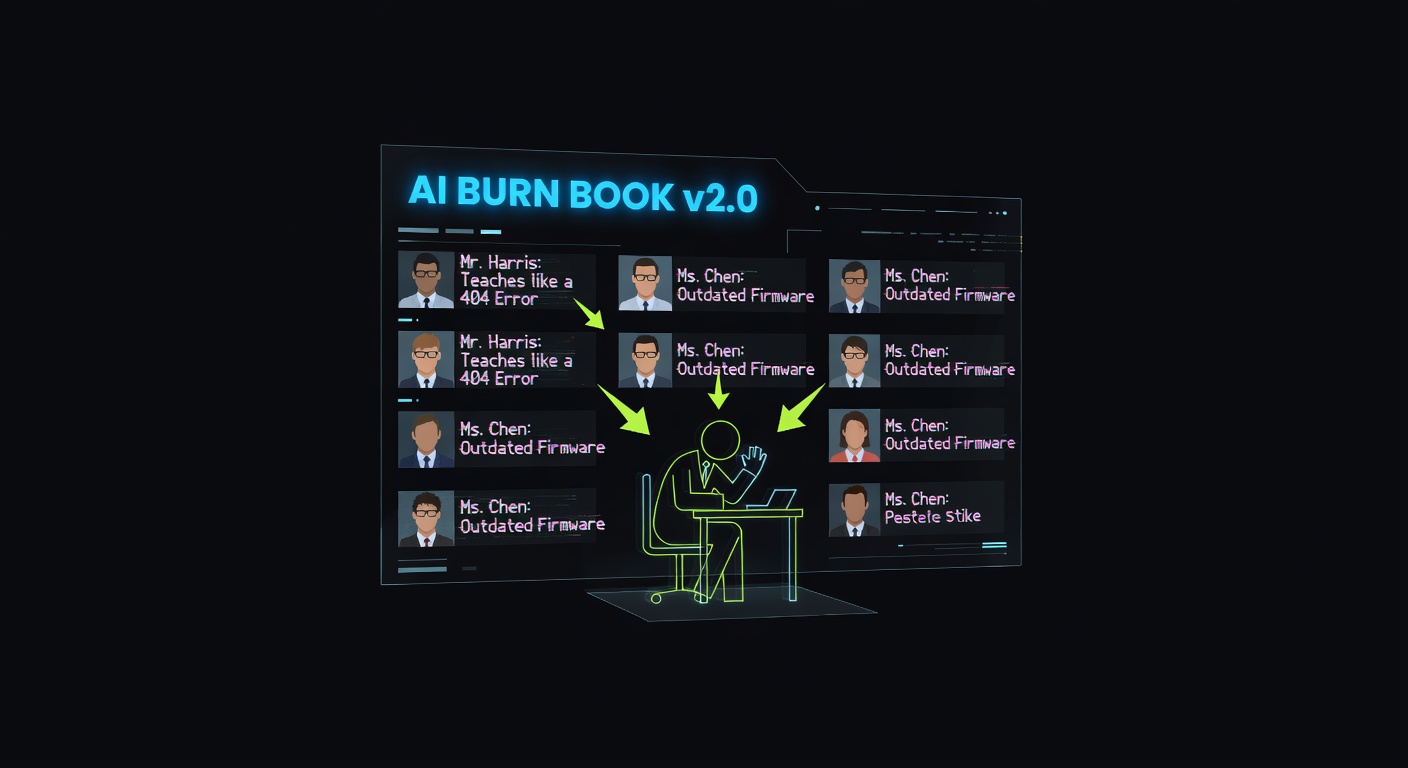
Remember Mean Girls' "Burn Book"? Well, it just got a high-tech upgrade. Students are now using AI tools to create anonymous websites that mock and humiliate their teachers, turning artificial intelligence into a weapon of teenage revenge. It's a digital nightmare that's making educators question whether they're safe in their own classrooms.

Grammarly, the AI writing tool millions of us rely on daily, is now facing a class action lawsuit over its "Expert Review" feature. The legal battle raises fascinating questions about what happens when AI promises human-level expertise but might not deliver what users are paying for.
Remember when that cool indie band you loved suddenly got played on every radio station? That's exactly what's happening to Feeld, the dating app that used to be a safe haven for non-traditional relationships. Now longtime users are watching their digital sanctuary transform into something they barely recognize.

Imagine an AI that could read and understand an entire book series in one go, or analyze thousands of documents simultaneously. Thanks to a clever new technique called Ulysses Sequence Parallelism, we're getting closer to that reality – and it's solving one of the biggest headaches in AI development.
The graphics card giant that sparked the AI revolution is reportedly cooking up something that could put powerful AI agents in everyone's hands. If the rumors are true, Nvidia's planning to go open-source with an AI platform that might just democratize artificial intelligence in ways we've never seen before.
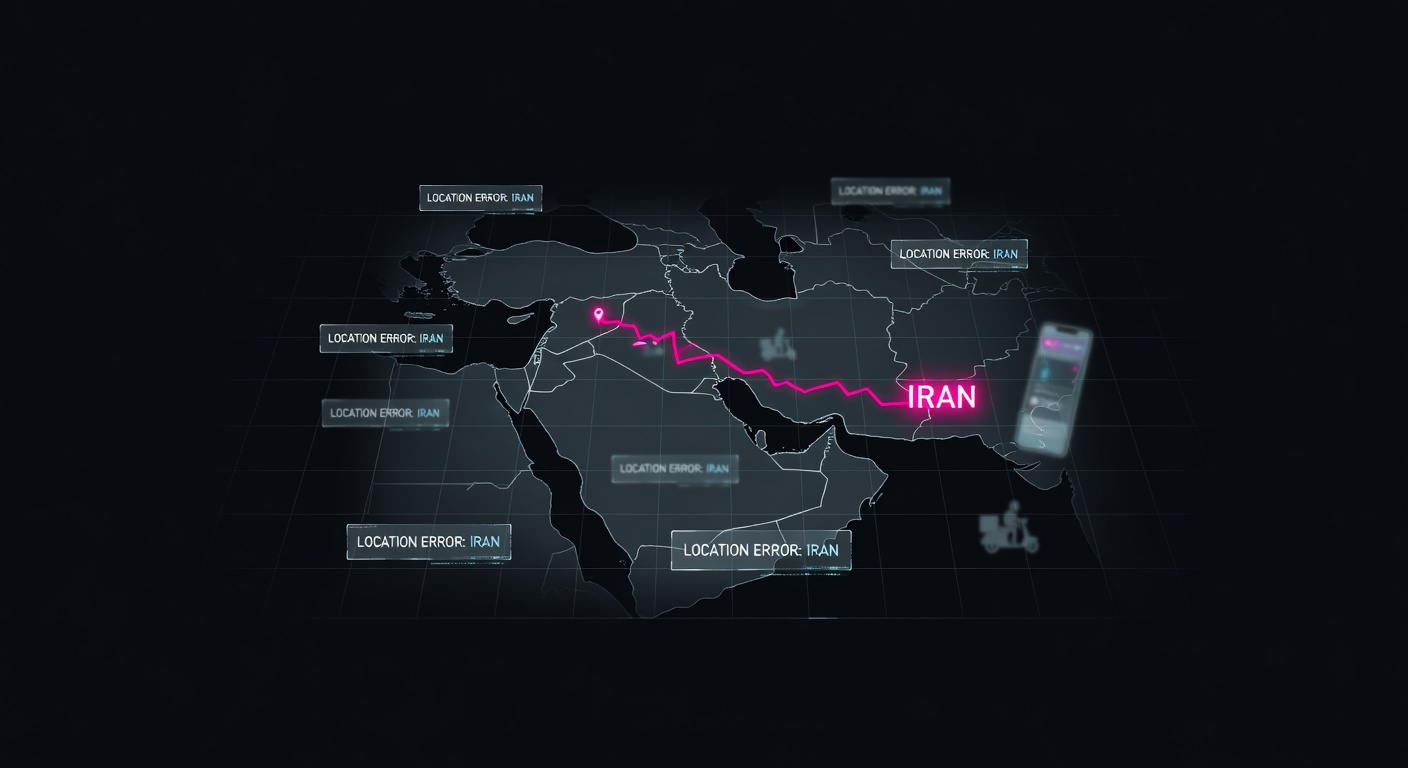
Imagine ordering food and your delivery app thinks you're suddenly in Iran, hundreds of miles away from your actual location. That's exactly what's been happening to people across the Middle East, and the culprit isn't a software bug—it's something much more intriguing and concerning.

Scientists just discovered that an interstellar comet cruising through our solar system is packed with alcohol – specifically methanol. It's like the universe decided to send us a cosmic cocktail, and honestly, I'm here for it.
Ever wondered why Claude, ChatGPT, and other AI tools are practically free when they cost hundreds to run? The answer reveals a modern arms race that might be more consequential than the atomic bomb itself. We're witnessing the opening moves of the AGI wars, and the stakes couldn't be higher.
Germany's industrial powerhouse has been the envy of the world for decades, but the very foundation of its economic success is now threatening to derail its future. The country that gave us precision engineering and manufacturing excellence is facing a brutal reality check in the age of digital transformation.

Imagine if Amazon suddenly disappeared overnight — except this "Amazon" was selling your stolen passwords and credit card numbers instead of books. That's essentially what just happened when authorities shut down LeakBase, one of the internet's most notorious cybercrime bazaars.

China just parked a massive 30,000-ton "floating supercomputer" in the Gulf of Oman, and it's watching one of the world's most volatile regions with sensors that can reach 6,000 kilometers. This isn't just another ship – it's a glimpse into how modern surveillance has become a high-tech game of maritime hide-and-seek.

Microsoft has a habit of "fixing" things that weren't broken, and their latest moves might have crossed a line we didn't even know existed. Sometimes the most important features are the ones we take for granted — until they're gone.

Scientists are diving deep into the microscopic world of worms to unlock the molecular mysteries behind why some creatures work together while others go solo. What they're discovering could revolutionize everything from robotics to understanding human social behavior.