

A Python library maintainer used AI to rewrite their entire codebase and switched from a copyleft license to a permissive one, sparking a heated debate about whether "technically legal" equals "morally right." This seemingly technical dispute reveals a deeper question about the future of open source collaboration in an AI-powered world.

Ray-Ban Meta smart glasses were supposed to revolutionize how we capture memories, but reports suggest some footage is ending up in the wrong hands — including deeply private bathroom moments. This latest privacy scandal raises serious questions about whether we're ready for a world where cameras are literally everywhere we look.

In 1908, just five years after the Wright brothers' first flight, a young Army officer named Thomas Selfridge became aviation's first casualty. His story is both heartbreaking and inspiring—a reminder of the incredible courage it took to push the boundaries of human flight when airplanes were little more than flying experiments.

With Denis Villeneuve potentially bringing this classic to the big screen, it's time to revisit why a 50-year-old story about competent humans meeting truly alien aliens might be exactly what science fiction needs right now. Spoiler alert: it's not about laser battles or chosen ones.

Artificial intelligence is already reshaping how we work, invest, and make decisions. Now it's knocking on the doors of one of the most relationship-driven industries out there: venture capital. Could algorithms soon be deciding which startups get funded?

Bluesky, the decentralized social platform that's been giving Twitter/X a run for its money, just announced a major leadership change. CEO Jay Graber is stepping down, and the timing couldn't be more interesting given the platform's recent explosive growth.

After decades of sci-fi promises, the federal government just announced a pilot program that could put flying cars in American skies this summer. These aren't your Jetsons fantasy vehicles, but they might just change how we think about transportation forever.

Yann LeCun, the brilliant mind behind some of AI's biggest breakthroughs, just secured a massive $1 billion investment for his most ambitious project yet. Instead of building another chatbot, he's trying to create AI that truly understands how the physical world operates — and it could change everything.

Grammarly just launched something wild – AI that mimics the writing style of famous authors to give you feedback on your work. Imagine getting editing tips from Shakespeare, Hemingway, or even contemporary writers, all powered by artificial intelligence.

Ireland just flipped the switch on its last coal-fired power plant, joining a growing club of European countries that have said goodbye to this dirty energy source for good. While this might sound like just another environmental milestone, the ripple effects could reshape how we think about energy independence and climate action.

While Apple and Google duke it out for smartphone supremacy, a scrappy Finnish company called Jolla is quietly preparing to ship something completely different—a phone that prioritizes your privacy over profit. After years in the wilderness, they're bringing back their unique Sailfish OS with a modern twist that could shake up the mobile world.
While we're all busy debating which AI model is best, some clever developers have been quietly building something fascinating: a brand new programming language designed from the ground up for AI agents. Mog isn't just another programming language trying to catch up with AI – it's purpose-built for our AI-powered future.

Most AI coding benchmarks test whether bots can write working code in a single attempt. But real software development is messier — it involves months of changes, bug fixes, and feature additions. Researchers just created the first test that measures whether AI can actually maintain code over time, and the results might surprise you.
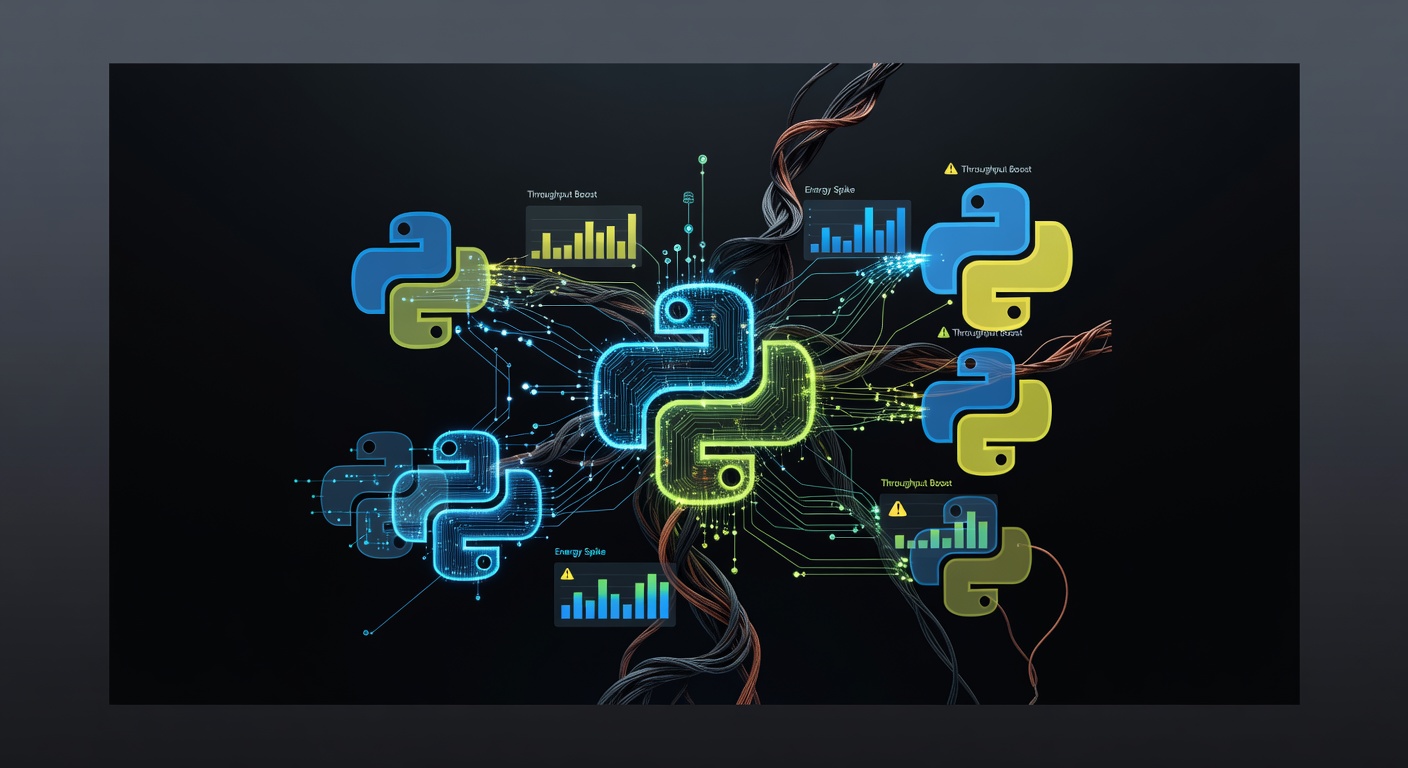
Python's infamous Global Interpreter Lock has been holding back multithreading for decades, but now there's an experimental version without it. New research reveals the surprising truth: removing the GIL can make your code 4x faster OR waste 43% more energy, depending on what you're doing.

Amazon promised us a revolutionary AI assistant with Alexa+, but users are finding it frustratingly underwhelming. Let's dive into why this premium upgrade feels more like a downgrade and what it means for the future of voice assistants.

Remember when everyone said bigger AI models meant better performance? That rule is changing fast. There's a clever new approach called Mixture of Experts that's making AI models way more efficient without sacrificing their smarts.
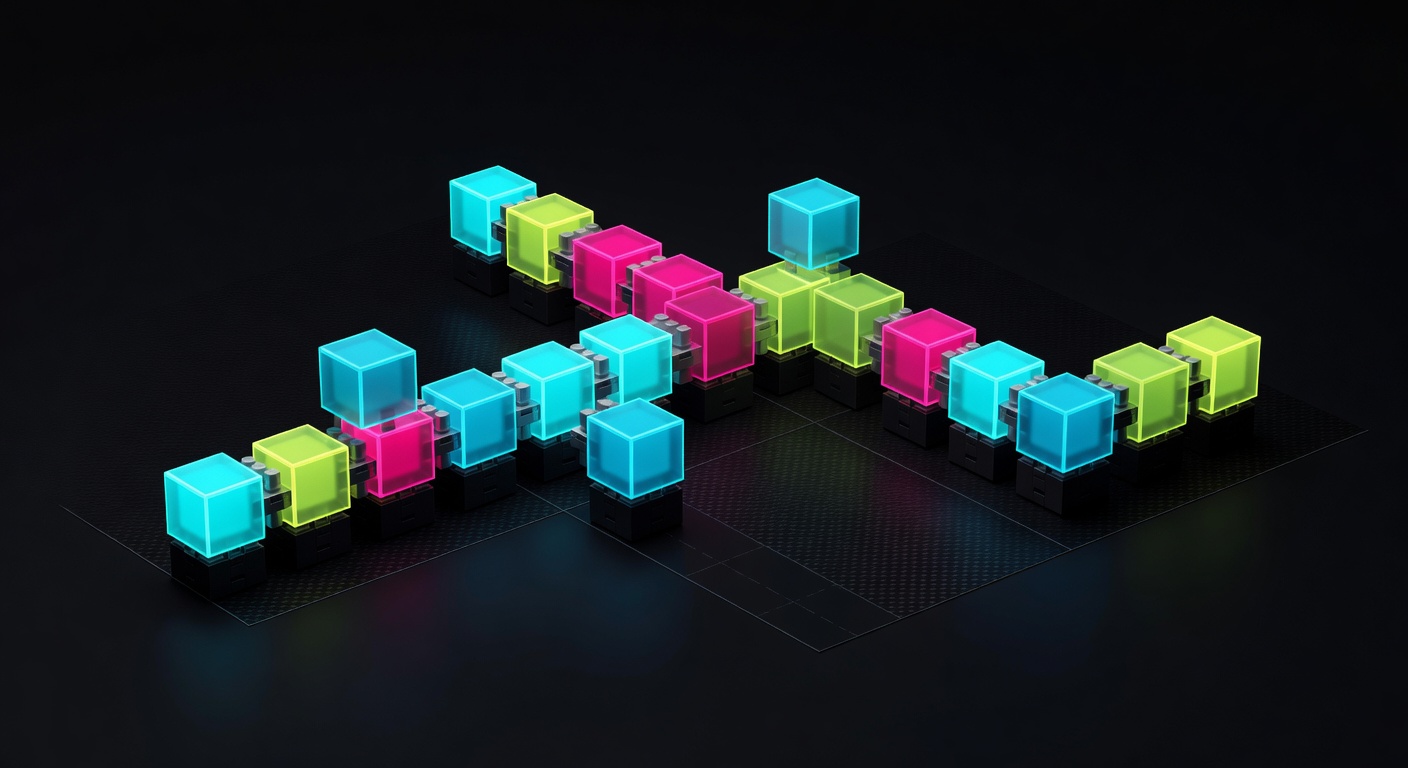
Imagine if creating AI images was as easy as snapping together LEGO blocks — well, that future just arrived! A new tool called Modular Diffusers is revolutionizing how developers build AI image generation workflows by breaking them down into mix-and-match components.

Ever wonder why so many top athletes and fierce competitors happen to be left-handed? New research suggests there might be something hardwired in southpaws that gives them an edge when the stakes get high. Let's dive into what science is revealing about our left-handed friends and their surprising competitive streak.

Remember those clunky movie robots that took forever to decide what to do? Well, real robots are getting scary good at understanding what they see and acting instantly. But here's the wild part: the biggest breakthrough isn't happening in some fancy lab—it's figuring out how to squeeze all that AI brain power into the tiny computers that actually live inside our robots.

Here's something most people don't realize: the tech gadgets we use every day depend on a surprisingly fragile global supply chain that runs right through some of the world's most politically unstable regions. When tensions flare up in places like Iran, it doesn't just affect gas prices – it could literally determine whether you can buy that new laptop or if AI companies can build their next breakthrough.