
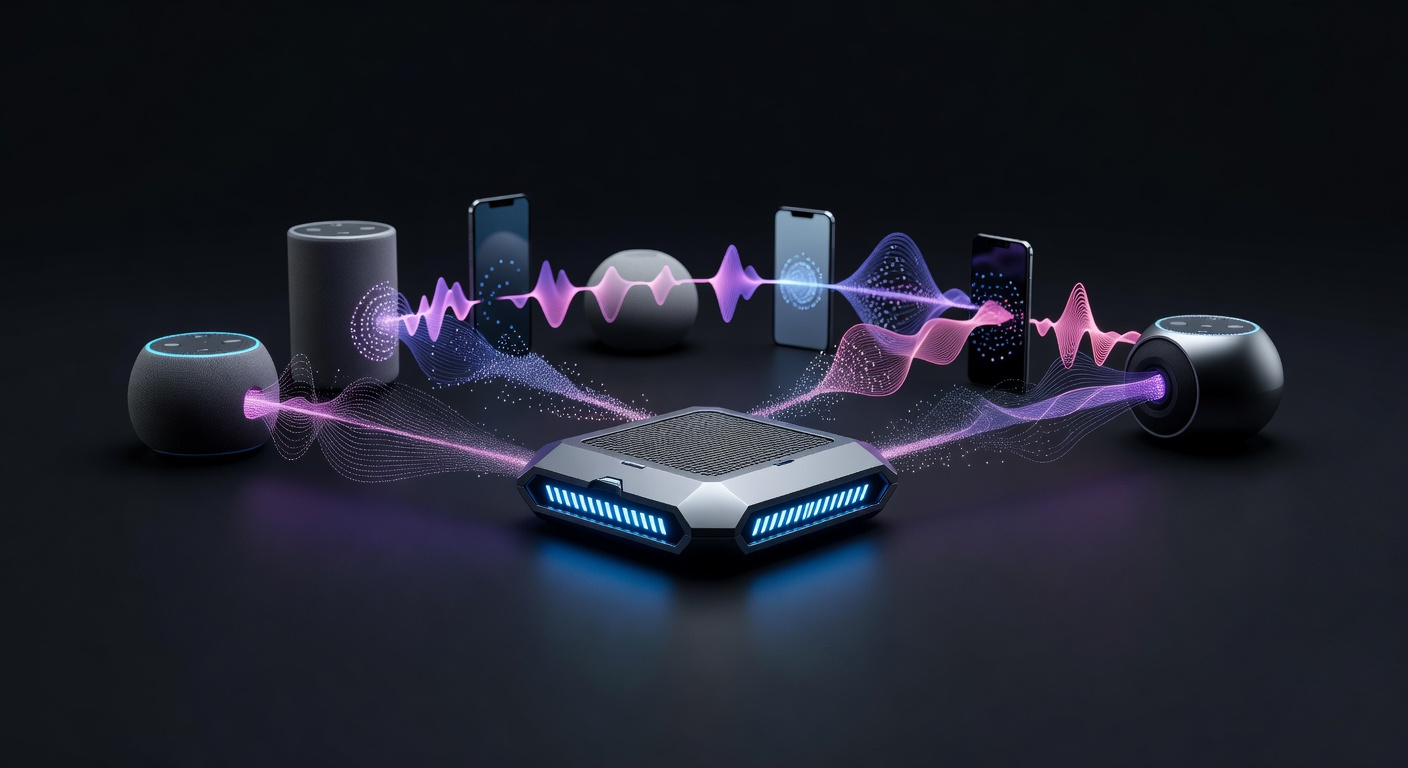
Someone just released a device that promises to jam those creepy always-listening AI gadgets that seem to be everywhere now. But here's the thing – it's probably fighting yesterday's war with tomorrow's weapons, and the results might surprise you.
While tech giants rush to outpace each other in the AI revolution, a troubling pattern is emerging: safety measures are becoming casualties of corporate competition. What happens when the race to build smarter AI moves faster than our ability to make it safe?
Think your phone's location is private? Think again. U.S. Customs and Border Protection has been secretly purchasing location data from advertising companies to track people's movements — no warrant required. Here's why this should worry every smartphone user.
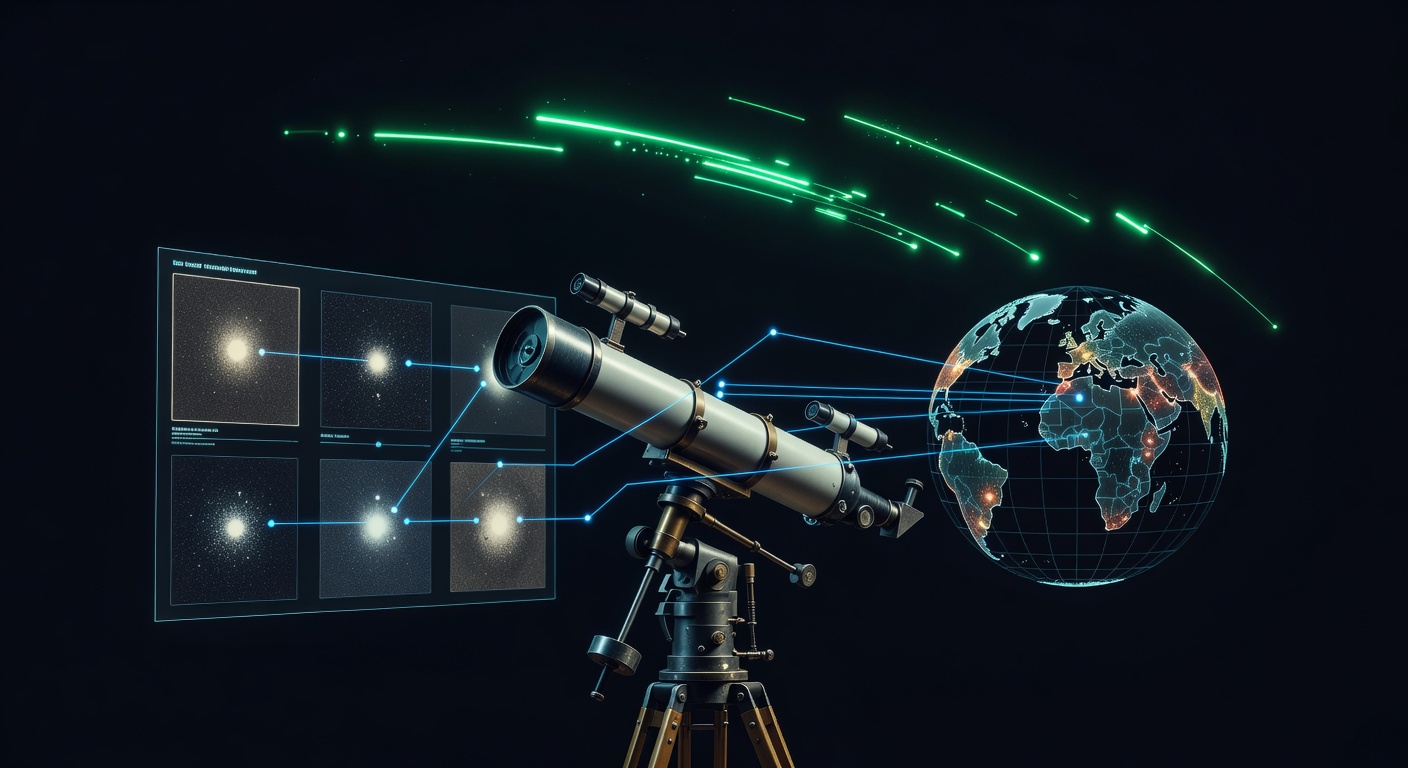
Scientists just discovered something fascinating by digging through old astronomical photos from the 1950s. They found mysterious flashes of light that seem oddly connected to nuclear bomb tests and UFO sightings from the same time period.
Nearly two decades later, Steve Jobs' Stanford commencement speech remains one of the most quoted graduation addresses ever given. But what made those 15 minutes so powerful, and why do his words about staying hungry and foolish still resonate today?
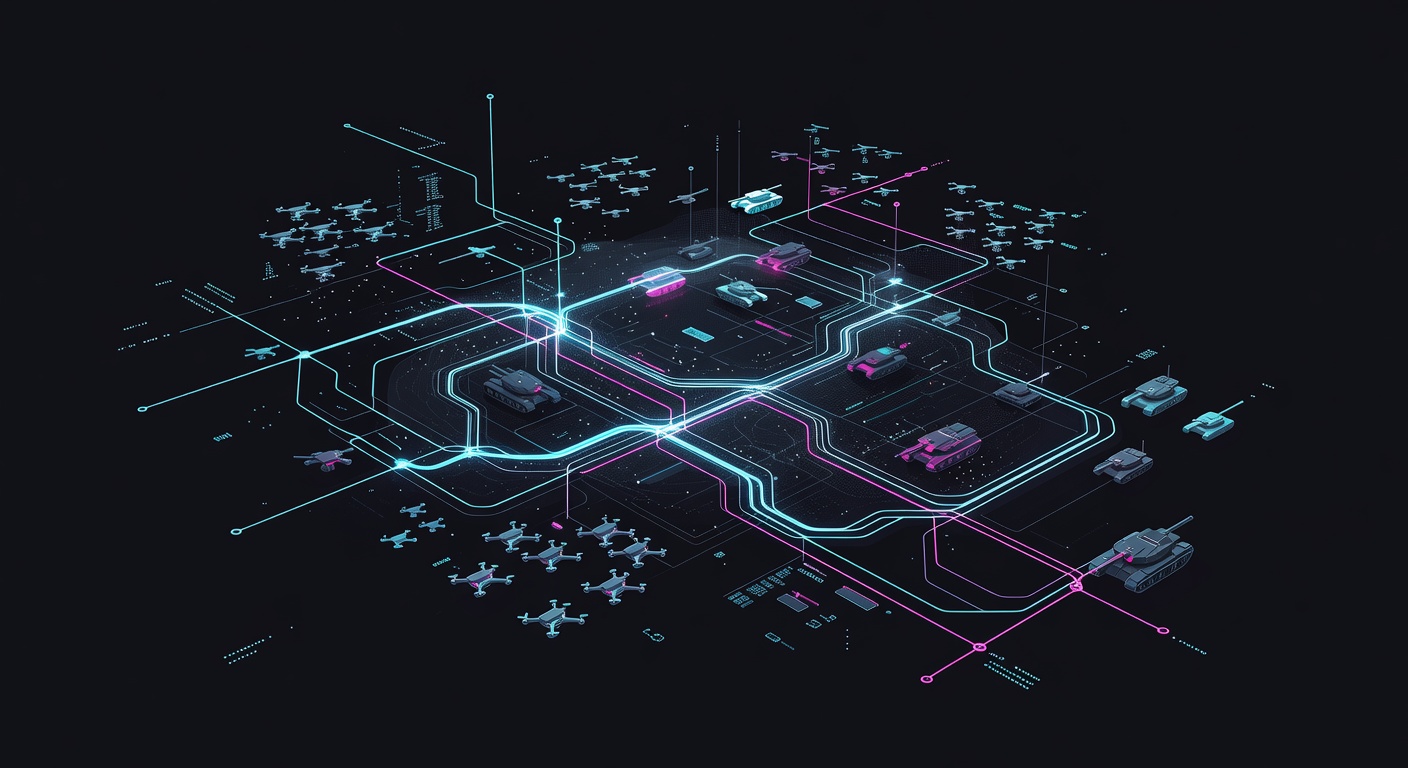
While tech giants argue about whether AI should be used for military purposes, smaller companies are quietly building battlefield AI that can plan entire combat operations. The future of warfare is being shaped right now, and most of us have no idea what's happening behind closed doors.
Ever tried to explain a profound spiritual experience or psychedelic journey to a friend, only to stumble over your words? New research reveals why these transformative moments leave us speechless — and it might be exactly the point.
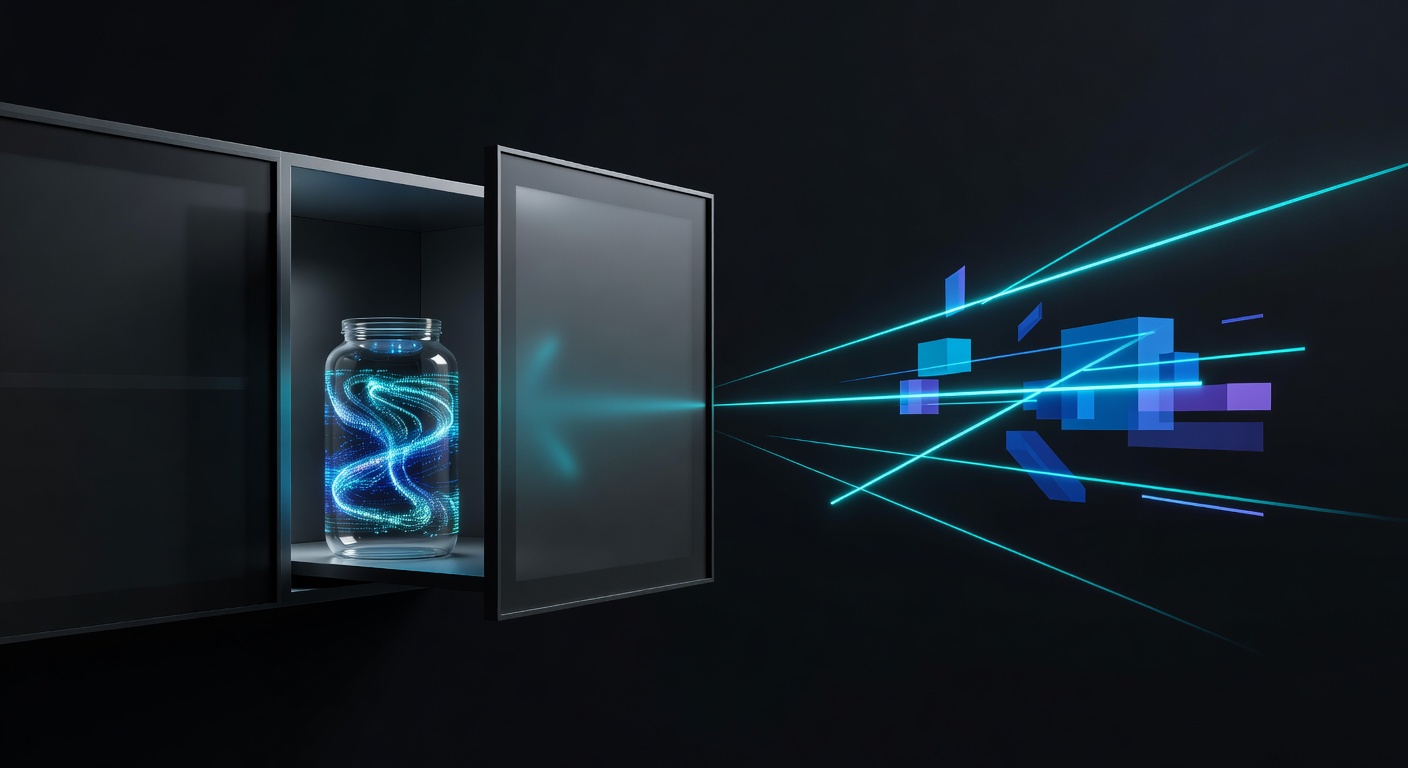
Microsoft researchers have figured out how to store massive amounts of data on ordinary glass using ultra-fast lasers — and it could last for 10,000 years. This breakthrough could solve one of the biggest headaches in our digital world: where to put all our stuff when traditional storage keeps wearing out.
Scientists just discovered a mysterious particle that's been hiding in plain sight since 1956 — and it could revolutionize our understanding of superconductors. This "demon" particle is so sneaky that researchers literally stumbled upon it by accident while studying something completely different.
What happens when you literally merge your mind with technology? After five years of living with a brain implant, one person's experience reveals both the incredible possibilities and surprising realities of brain-computer interfaces that could change everything we know about treating paralysis.
Reports suggest the U.S. and Israel are backing Kurdish fighters for a potential uprising inside Iran, but this playbook feels awfully familiar. After decades of complex alliances and abandoned promises in the region, are we heading toward another cycle of hope and disappointment?
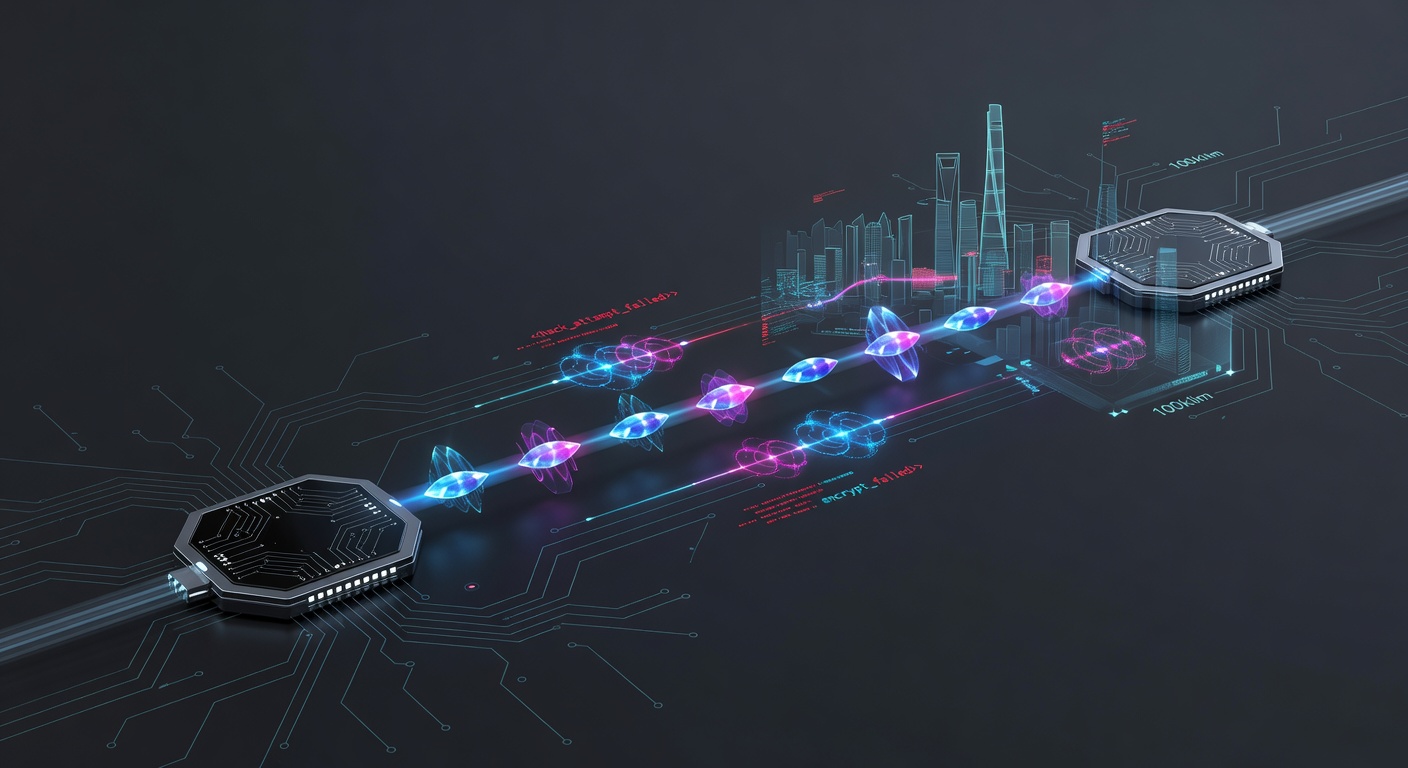
Scientists in China just made a breakthrough that brings us closer to an "unhackable internet" powered by quantum physics. They successfully transmitted quantum-encrypted data over 100 kilometers – a distance that could cover an entire city – and created over a million quantum connections in less than a month.
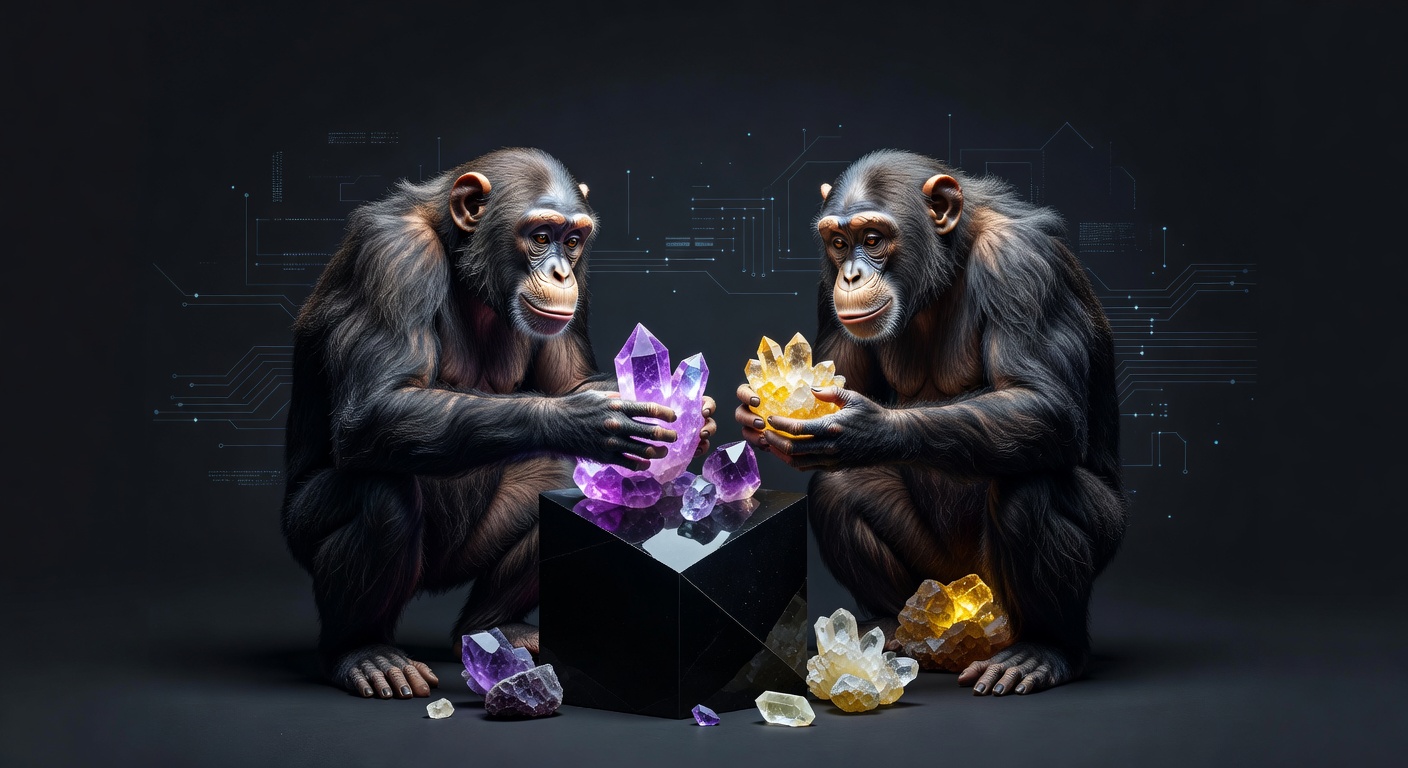
Scientists discovered something fascinating when they gave crystals to chimpanzees: our closest relatives became completely obsessed with the shimmering stones, hoarding them like precious treasures and refusing to trade them back without serious banana bribes. This unexpected behavior might hold clues about why humans have been drawn to crystals for hundreds of thousands of years.
Imagine describing an animation in words and having AI create a professional-quality vector animation for you instantly. Researchers just cracked the code on making this possible with something called OmniLottie, and it's way smarter than you might think.
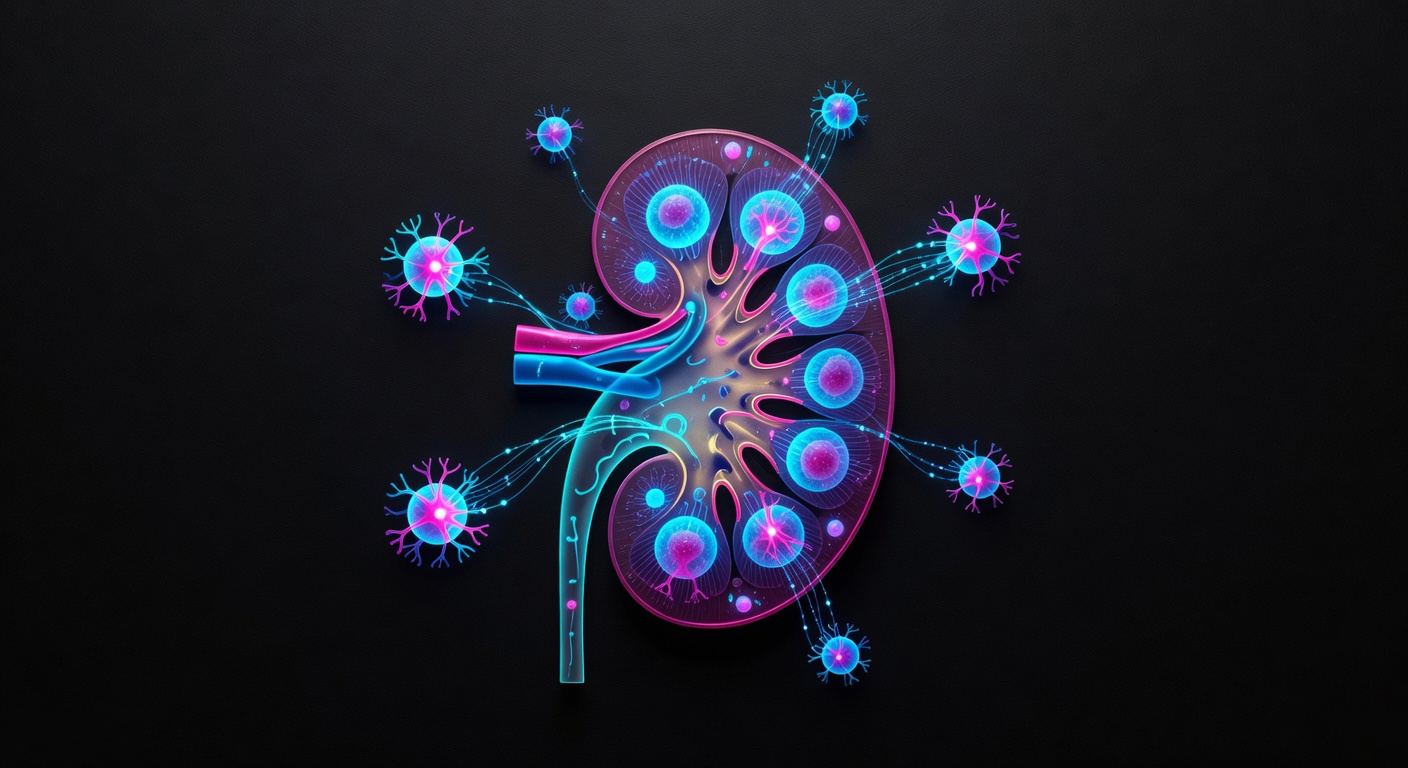
** Scientists just discovered that your kidney cells can form memories just like your brain neurons do—and they're surprisingly good at it. This breakthrough finding is making researchers wonder if consciousness might not be limited to our brains after all, potentially revolutionizing how we think about health, disease, and what it means to be aware.
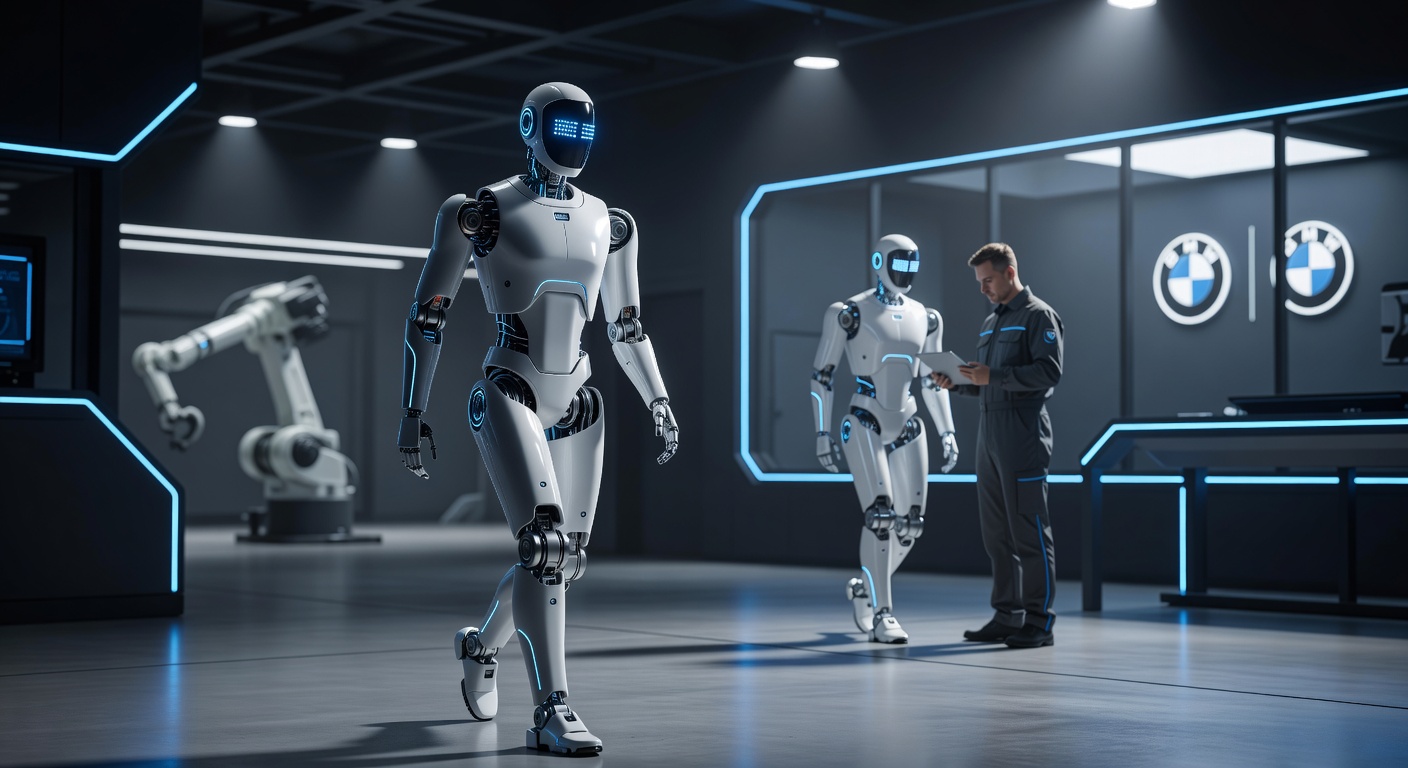
BMW just announced they're expanding their humanoid robot program from the US to Germany, and the results so far are pretty mind-blowing. These aren't your typical factory robots — they walk, work alongside humans, and have already helped build over 30,000 cars. Here's why this might be the biggest shift in manufacturing since the assembly line.
Ever wonder why that perfectly functional app suddenly got "upgraded" with confusing new features nobody asked for? The uncomfortable truth is that in most tech companies, keeping things simple won't get you that next promotion – but adding complexity will.
** Computer science legend Donald Knuth just shared an incredible story: an AI called Claude Opus solved a complex mathematical problem he'd been wrestling with for weeks, complete with rigorous proof and elegant construction. This isn't just another "AI beats human" story — it's a glimpse into how artificial intelligence might genuinely collaborate with mathematicians to push the boundaries of human knowledge.
Scientists in South Korea just stumbled upon a fascinating discovery – a brand new species of ancient marine creature that's been masquerading as something else all along. Meet the newly named Acanthochitona feroxa, a spiky, armored mollusk that's basically the ocean's version of a medieval knight, and it's been fooling researchers for who knows how long!
A scientist at the University of Portsmouth claims he's found actual evidence that our universe might be a computer simulation. His theory involves information entropy behaving differently than it should — and honestly, it's making me question everything I thought I knew about reality.