



Physicists in Finland have created a quantum material that was just a prediction for over a decade. What's exciting? These "topological" materials could power the computers of tomorrow, and this one might actually work at room temperature.

A legendary Japanese sword, once wielded by warlords and shoguns, vanished without a trace after World War II—and no one has been able to find it since. The mystery of the Honjo Masamune reads like an adventure novel, complete with wartime chaos, suspicious characters, and a glimmer of hope that it might still turn up somewhere unexpected.
Physicists at Heidelberg University have just solved a decades-old puzzle in quantum physics by showing how two seemingly opposite theories about tiny particles are actually part of the same story. Their work focuses on something that sounds contradictory: a particle so heavy it should barely move, yet somehow still creates the ripples through quantum space that scientists have been trying to explain for over 50 years.

For over 400 years, sailors have witnessed something magical on the open ocean—a vast patch of water that glows an ethereal white, as if someone flipped on a cosmic nightlight beneath the waves. Despite centuries of sightings and modern satellite technology, scientists still can't fully explain why this happens. And honestly? That kind of mystery is exactly why I find our oceans so endlessly fascinating.
What if time isn't ticking away in the background of the universe, but rather emerging from the chaos happening inside things themselves? A physicist in the UK has created a miniature, isolated universe in his laboratory using 24,000 ultracold atoms, and discovered that time can indeed arise from within a system — no external clock required. The secret ingredient? Entropy.
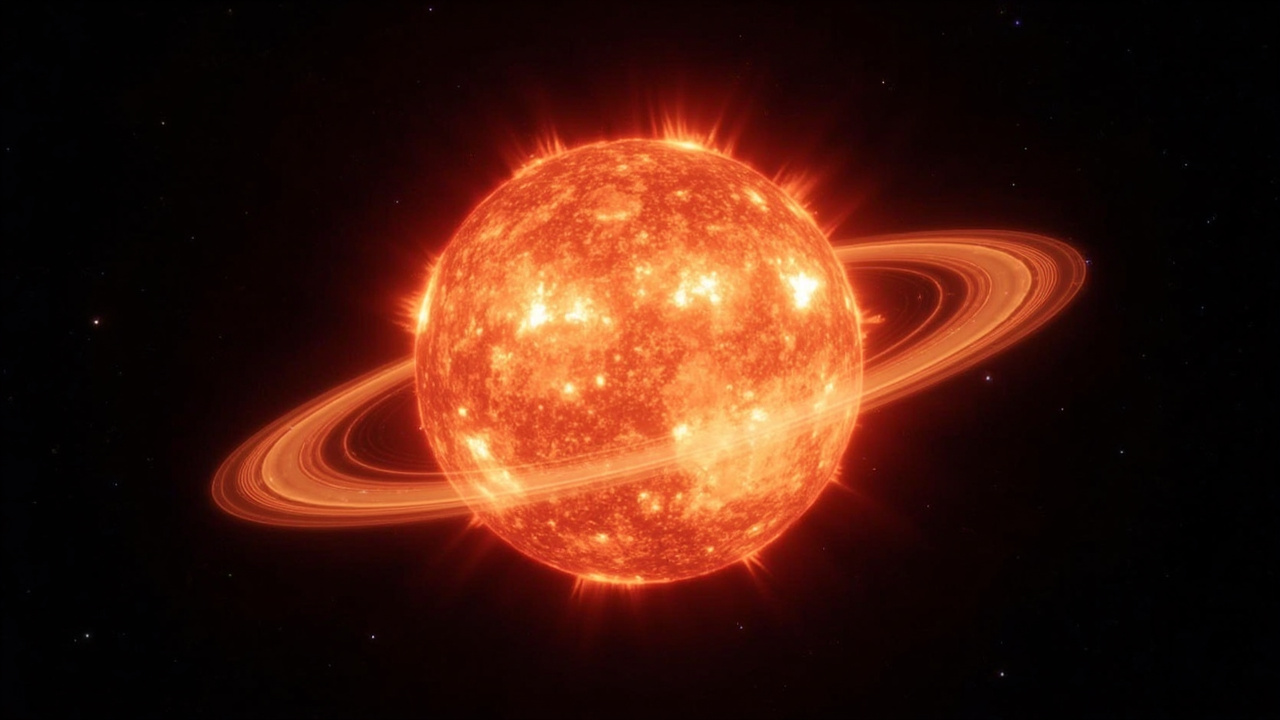
Astronomers have developed new ways to spot one of science fiction's wildest ideas: massive structures built by alien civilizations to harness a star's energy. A new study reveals what these "Dyson spheres" might look like through our telescopes — and why one type of star has become the most promising target.
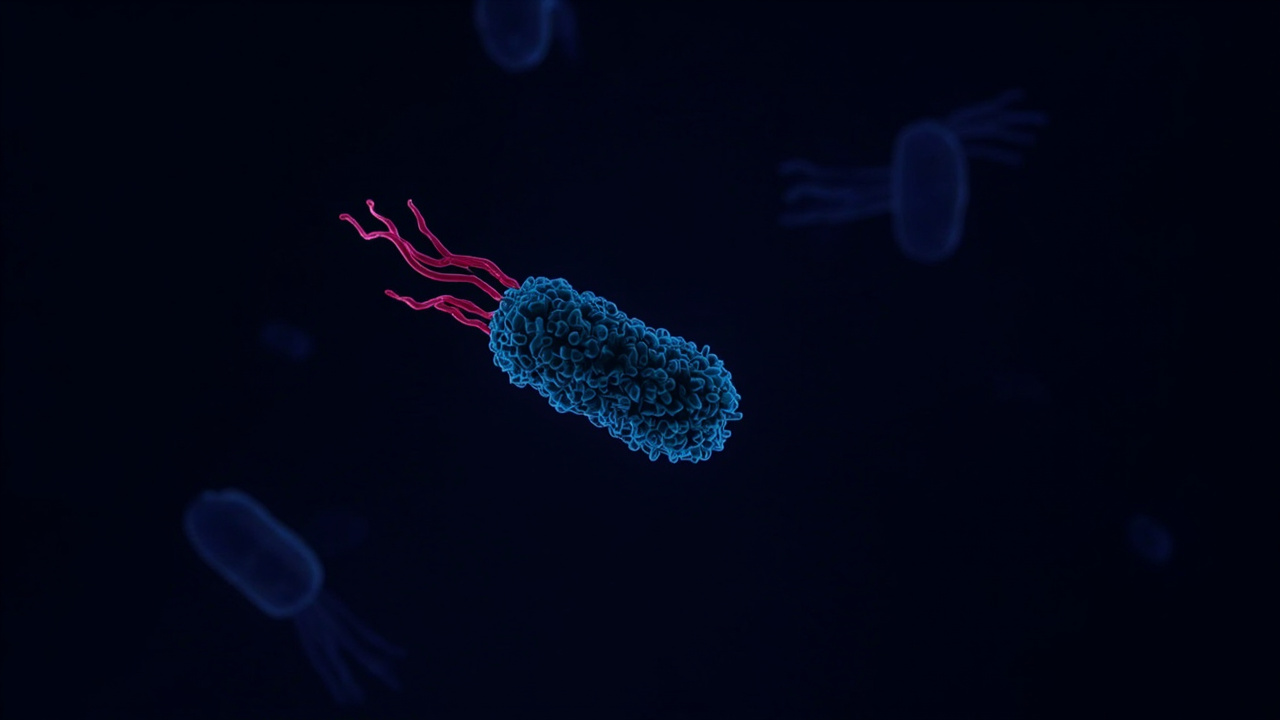
Scientists have discovered that bacteria aren't just tiny biological machines—they can actually learn from experience, remember past events, and even pass those memories down to their offspring. It's a finding that makes us humans feel a lot less special about our supposedly unique ability to recall the past.
Astronomers have discovered quasars from when the universe was barely 670 million years old, and here's the wild part — these cosmic giants shouldn't exist so early. Their discovery is forcing scientists to rethink everything they know about how black holes grow.
Harvard engineers have figured out how to turn the same silicon chip technology in your laptop into a DNA-writing machine. It's a breakthrough that could change everything from medical diagnostics to how we store data forever.
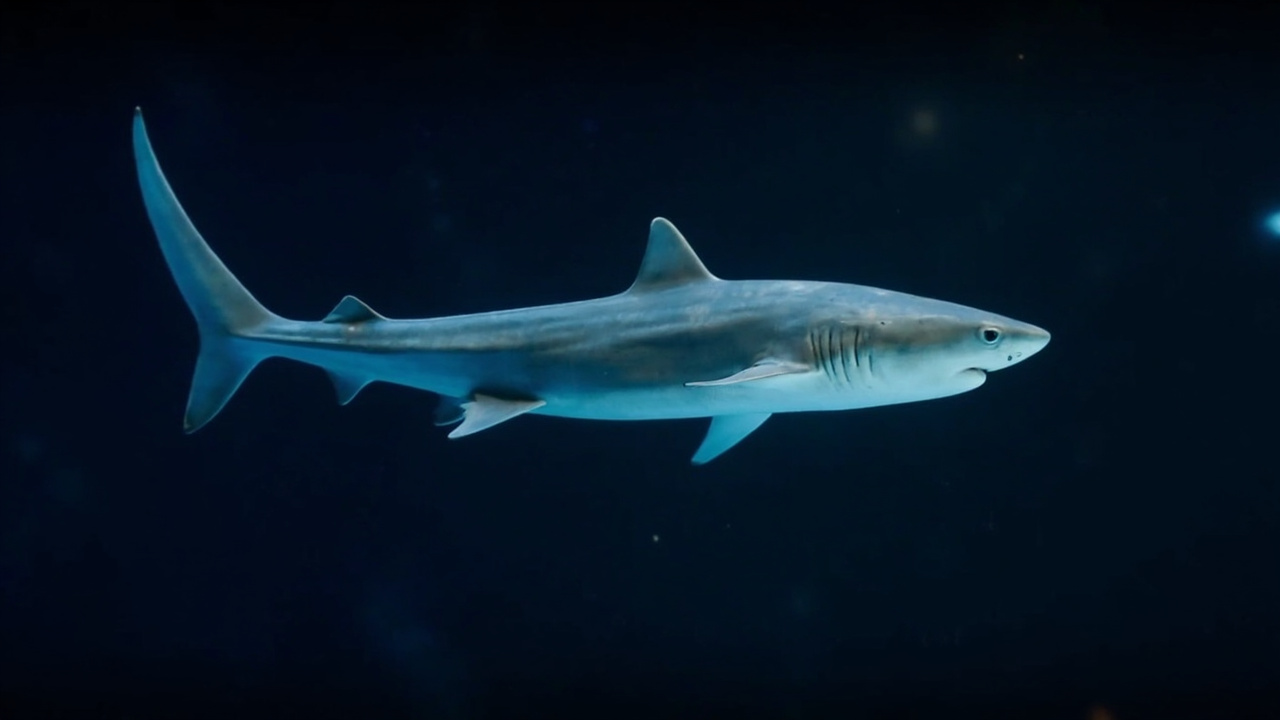
Scientists just achieved something absolutely incredible—they captured the first-ever footage of living goblin sharks thriving in their natural deep-sea habitat, and honestly, the creature looks like something straight out of a sci-fi movie. This discovery doesn't just add to our knowledge of these "living fossils"—it might completely change how we protect them.
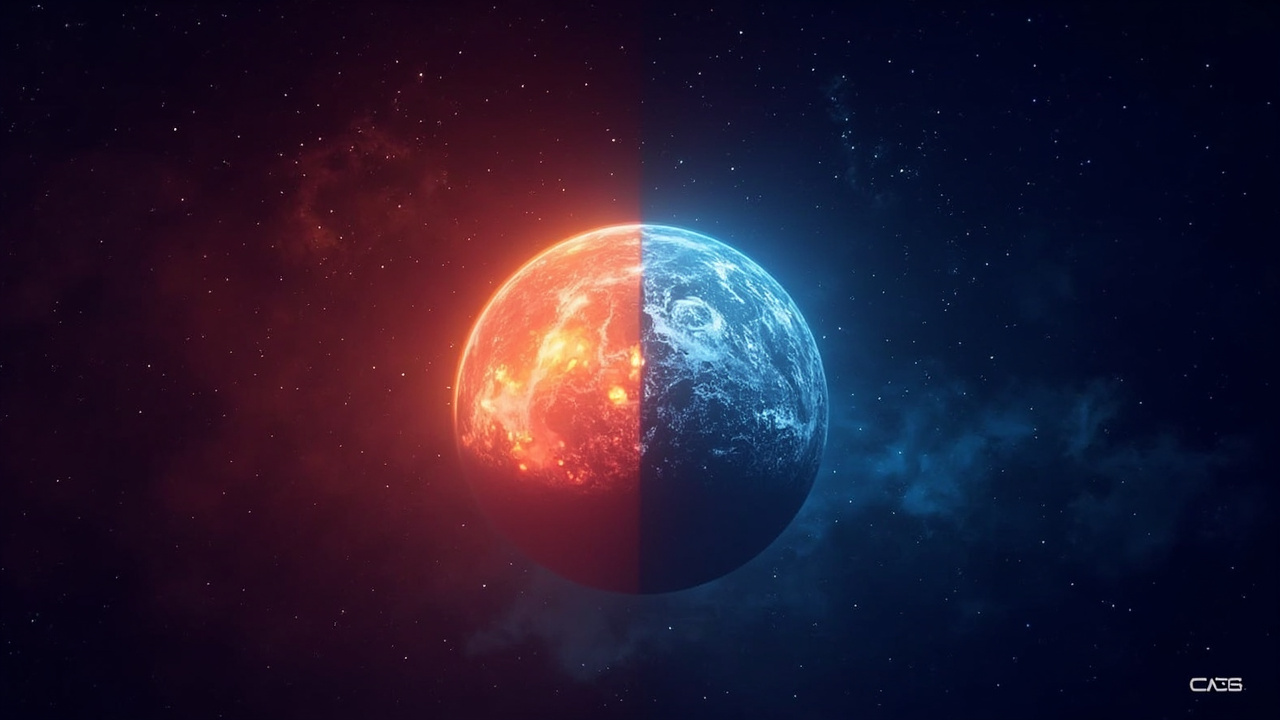
Imagine a planet where one side is a scorching hellscape and the other is frozen solid enough to make Antarctica look like a beach vacation. Sounds like science fiction, right? But here's the wild part: researchers now think this extreme environment might actually be friendly to life. Let me explain.
What if you could tell heat exactly where to go and make it stay there, even after you turn off the power? That's exactly what researchers at Osaka Metropolitan University have achieved with a new programmable material that can steer thermal radiation on demand.
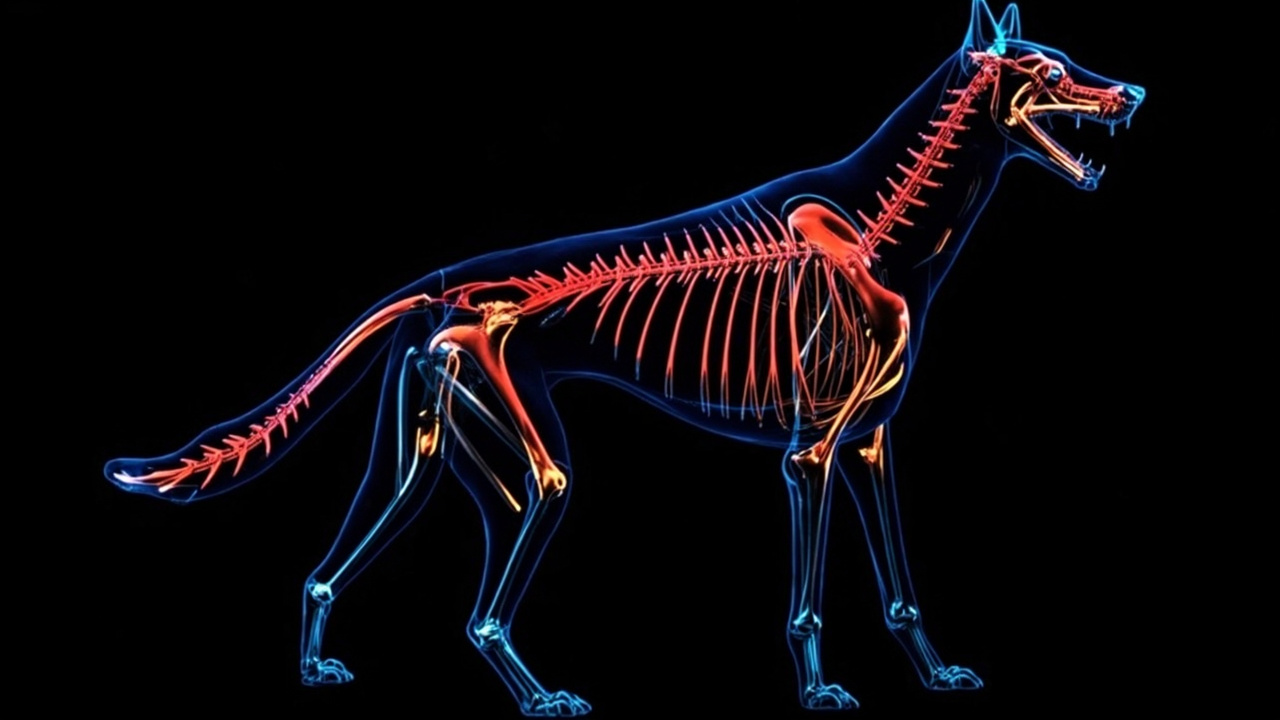
Scientists have uncovered something genuinely puzzling on a tiny Swedish island — wolf remains that shouldn't exist there. But here's where it gets really interesting: these weren't wild wolves wandering free. The evidence suggests ancient humans kept them around, fed them fish and seals, and may have been managing them in ways we've never imagined. This discovery is making researchers question one of humanity's oldest stories: how we first befriended wolves.
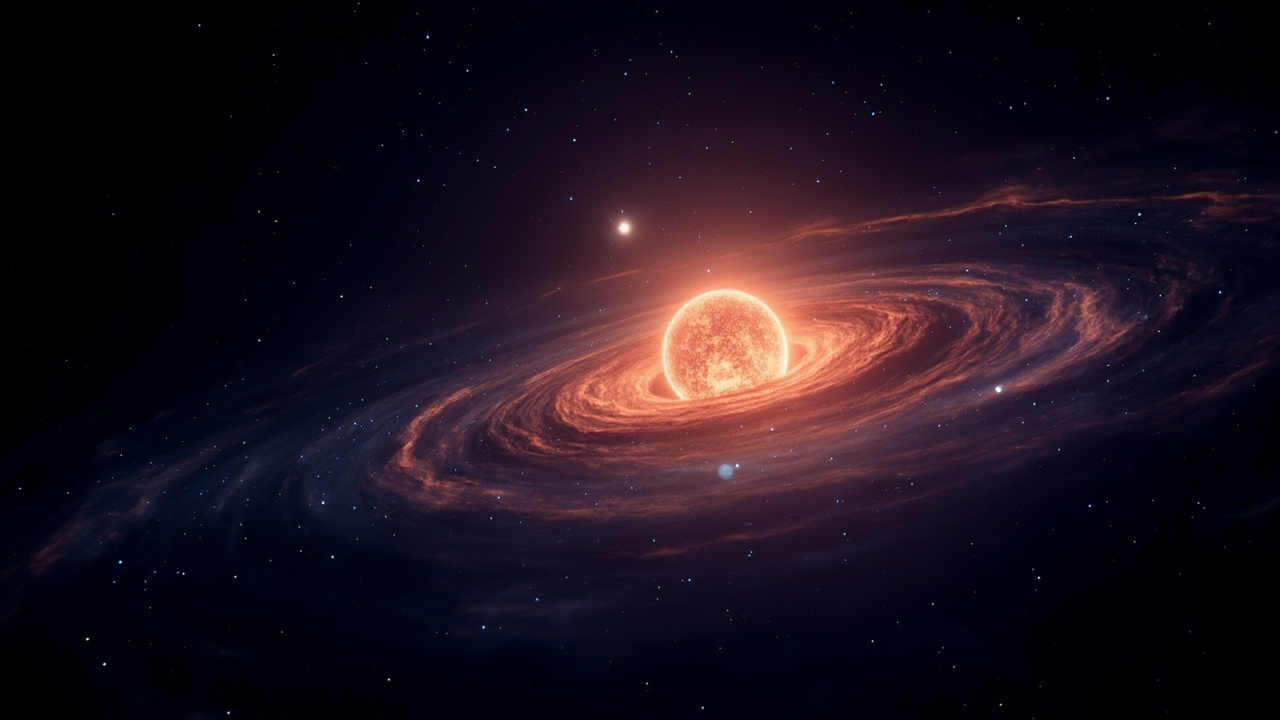
Astronomers have achieved something remarkable — they watched a magnetar being born in real time. This cosmic detective story didn't just solve a 20-year-old mystery about super-bright supernovae, it also gave us actual proof that Einstein's relativity predictions work in ways we never expected.

Imagine living in a Neolithic city where your ancestors built not just walls and gates to protect themselves, but an entire hidden highway system beneath your feet. That's exactly what archaeologists just discovered in northern China, and it's making everyone in the field completely rethink what ancient people were capable of.
Scientists have discovered quantum entanglement in a crystal big enough to hold in your hand, challenging everything we thought we knew about where quantum weirdness can exist. The finding might finally explain why mysterious "strange metals" behave so strangely — and it all comes down to ants.

Researchers have discovered a protein nicknamed "Mitch" that acts like a master controller for how our bodies store or burn fat. When scientists disabled this protein, human cells started consuming fat at dramatically higher rates while simultaneously blocking the creation of new fat cells. The implications for weight loss treatments could be enormous.