

UCLA researchers have discovered a surprising vulnerability in some of the most aggressive cancers, and here's what makes it genuinely exciting: drugs to target this weakness already exist. The findings could finally give doctors a new weapon against cancers that have remained nearly untreatable for over 50 years.

Scientists have long dreamed of finding a superconductor that works at room temperature — a material that could revolutionize everything from your phone to the entire power grid. Now, artificial intelligence is giving researchers a powerful new tool to make that dream a reality, potentially cutting years — maybe decades — off the search.
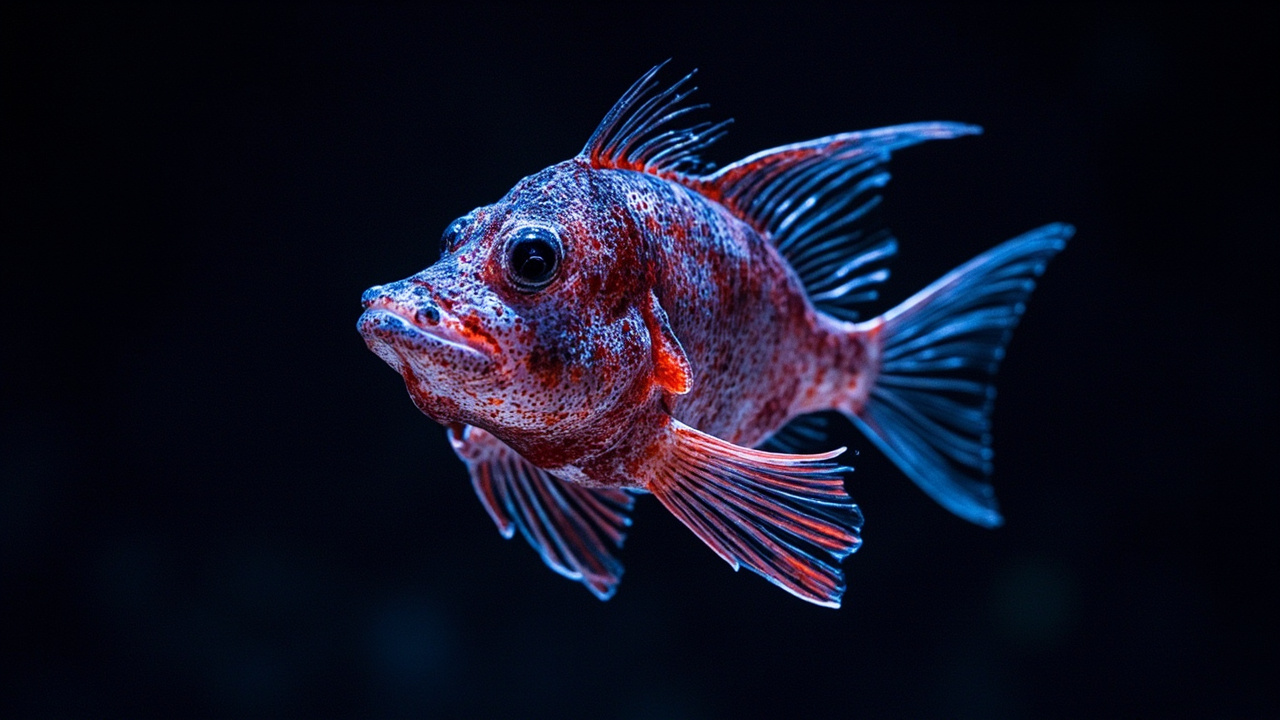
When divers found mysterious circle patterns on the ocean floor off Japan in 1995, they had no idea they were looking at the world's most elaborate fish bedroom. Nearly two decades later, scientists discovered the artist behind these stunning underwater "crop circles" — and it's a tiny pufferfish with serious creative skills and a surprising secret life.

archaeologists have uncovered 5,000-year-old tombs in Egypt that look eerily similar to royal burial chambers, suggesting the blueprint for those iconic pyramids was being perfected centuries before the first stone was laid at Giza.
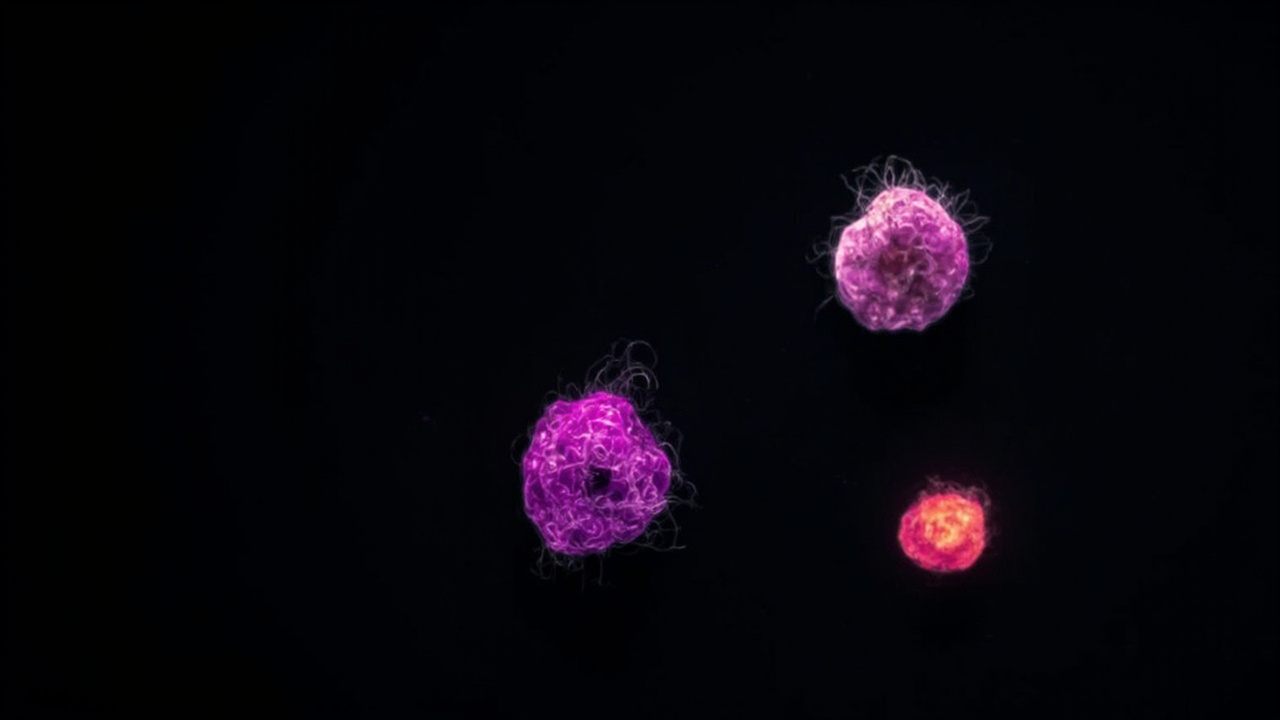
Tardigrades are some of the toughest organisms on Earth, and scientists are seriously asking whether these microscopic "water bears" could help seed life on other planets. It's a wild idea that sounds like science fiction, but the science is actually pretty fascinating.
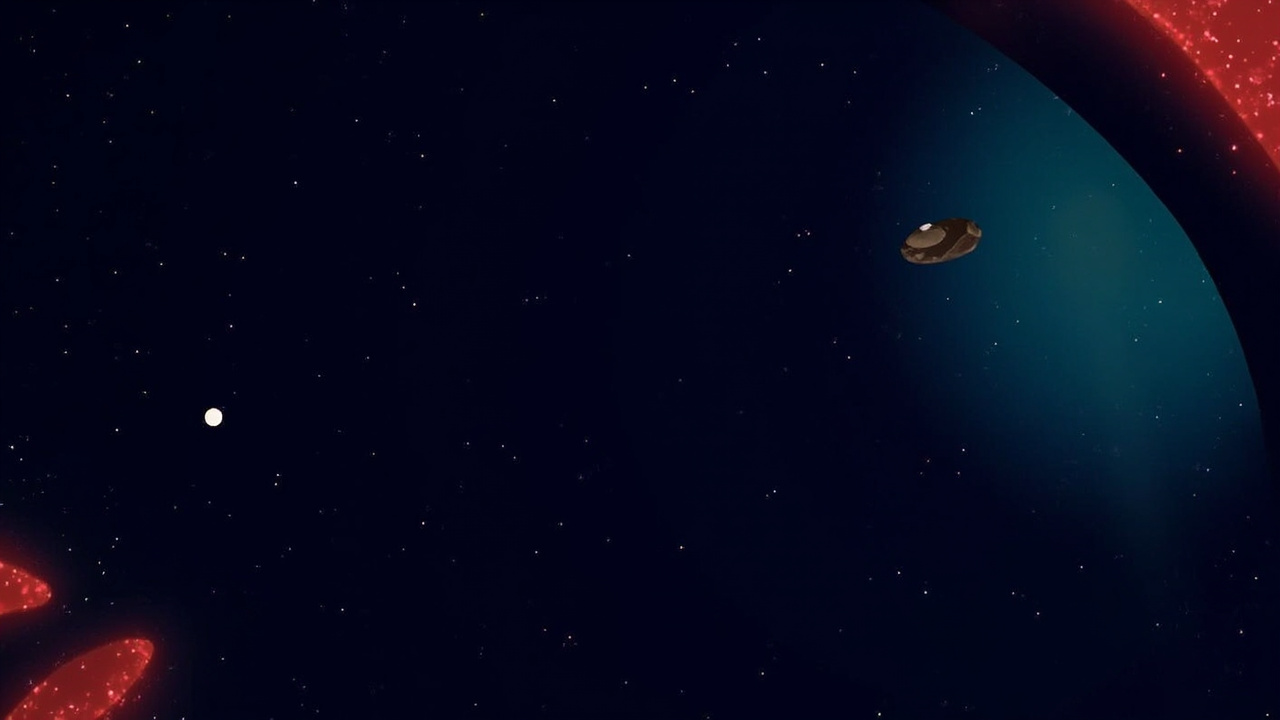
We usually think of asteroids as planet-killers, but new research suggests these cosmic wrecking balls might have been essential for getting life started on Earth. Scientists are now saying that ancient asteroid impacts created the perfect conditions for life to emerge — and honestly, this changes everything we thought we knew about our origins.
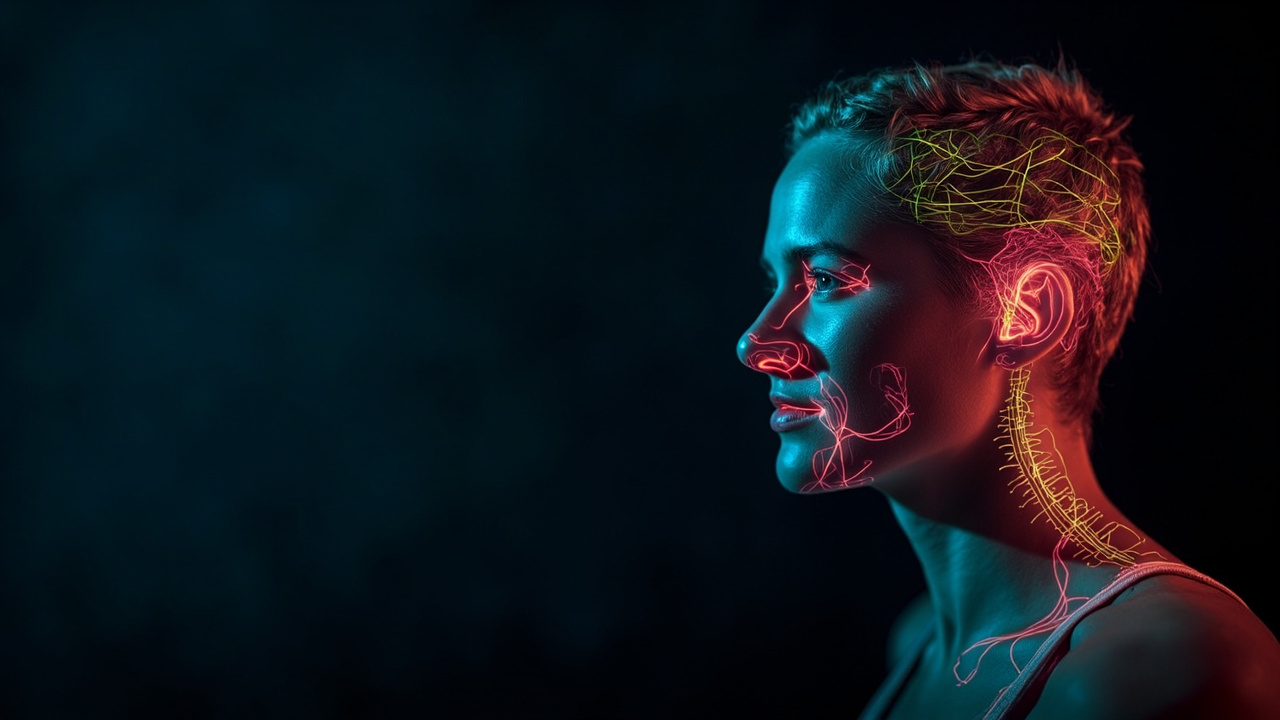
When you laugh with friends, you probably don't think about 15 million years of evolutionary history. But new research reveals that our laughter contains a rhythmic secret passed down from an ancient ancestor we share with orangutans, chimpanzees, and gorillas. And honestly, this might be one of the most delightful scientific discoveries I've heard all year.
Scientists may have spotted something incredible — a tiny black hole that shouldn't exist. And if confirmed, it could finally explain what dark matter actually is.
Imagine a world where a soldier bleeding out on the battlefield could be stabilized in the time it takes to say "one Mississippi." Researchers at KAIST in South Korea have created something that might actually make this science fiction scenario a reality — and honestly, it's blowing my mind.
When scientists discovered the bones of tiny human-like creatures on an Indonesian island, they were stunned. But what shocked them even more was learning that local villagers had been telling stories about these "ape-men" for generations—long before any bones were ever found. This is the wild tale of Homo floresiensis and why it's rewriting everything we thought we knew about human evolution.
Physicists have figured out how to manipulate the arrow of time itself in quantum systems, essentially making tiny particles behave as if time is running backward. This wild breakthrough could let us harvest energy directly from the act of measuring quantum particles — something that sounds like pure science fiction.
Scientists are worried we've been overlooking signs of alien life because we're literally not designed to recognize what we're looking for. A new paper in Nature Astronomy argues that our search for extraterrestrial life might be missing things right under our noses—literally everywhere we look.
For nearly five years, investigators have been piecing together why 98 people died when Champlain Towers South collapsed in Miami. Now we finally know what happened—and honestly, it breaks my heart because so much of it was preventable.
Scientists at the University of Pennsylvania have created a new kind of particle that combines light and matter, potentially solving one of the biggest bottlenecks in AI computing. This breakthrough could make AI systems dramatically faster and more energy-efficient, all by rethinking how we build computer chips.
Scientists have discovered that changing just one tiny building block in a coronavirus can flip the switch from a virus that happily lives in bats to one that wreaks havoc in humans. This discovery could become our early warning system for the next outbreak.

If you've been eyeing a premium cordless vacuum but couldn't justify the price tag, Amazon Prime Day just handed you the perfect excuse. The Dyson Gen5detect — the same model that keeps topping "best of" lists — is now available at its lowest price ever, and honestly, this might be the sign you've been waiting for.
When 55 million people lost power across the northeastern U.S. and Canada in 2003, everyone wanted someone to blame. They found an unlikely culprit: a single tree. But here's why it wasn't just Mother Nature's fault—and what it teaches us about the fragile systems we rely on every single day.
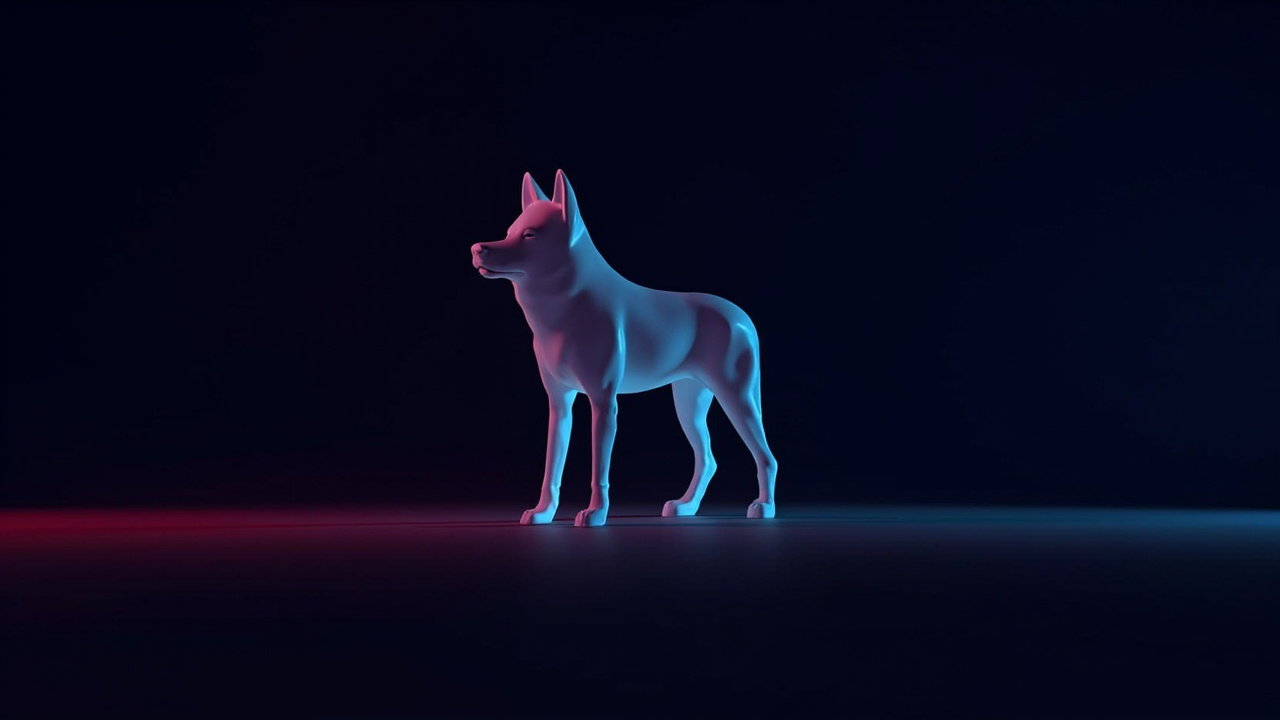
Scientists in Greece accidentally discovered a wild animal that's part wolf, part dog—and it's the real deal, not just a wolf-looking stray. This hybrid challenges everything we thought we knew about wolves being too territorial to breed with dogs.
A massive new study tracking nearly half a million teenagers found that cannabis use was linked to roughly double the risk of developing serious mental health conditions like psychosis and bipolar disorder. With today's super-strength products and permissive attitudes, researchers say we need to take a step back and look at what's really happening to our kids' brains.
Scientists have discovered that even occasional visits from mountain lions can trigger dramatic ripple effects throughout an ecosystem—reshaping not just prey animals, but plants, smaller predators, and the entire landscape. What's remarkable? This all happened in a tiny suburban preserve just 45 miles from San Francisco.