

A massive new study tracking over 200,000 people for nearly four decades just revealed something that might change how you look at that side of fries—and it's not what you might expect.
Scientists have developed a new experimental pill that could change how we treat type 2 diabetes and obesity—and unlike Ozempic, it doesn't make you feel miserable or lose muscle. Early trials show it activates metabolism directly in your muscles, and the results are pretty fascinating.
Researchers have discovered that anxiety, social withdrawal, and depression-like behaviors can be reversed by fixing a tiny imbalance in just one brain circuit. The findings, though from mouse studies, could point to entirely new ways of treating emotional disorders in humans.
Scientists have identified two distinct biological subtypes of autism based on how different brain regions communicate with each other — and the findings might explain why the condition looks so different from person to person. This could open the door to treatments tailored to each person's specific brain biology.

For eight decades, physicists believed they understood exactly how energy flows through turbulence. A new study just proved that assumption was wrong — and the implications stretch from ocean management to medical technology.
Deep beneath Utah's seemingly quiet surface, something strange is happening. Earthquakes are occurring where physics says they shouldn't—far below the crust, in the scalding depths of Earth's mantle. Scientists have spent decades trying to prove these mysterious quakes are real, and now they finally have the evidence.
archaeologists digging in a remote Pyrenees cave discovered something that throws everything we thought we knew about prehistoric mountain life into question: repeated visits over 2,000 years, possible early copper mining, and the remains of a child buried high above the clouds. This isn't just another dig — it's a game-changer.
In 1947, a British airliner vanished over the Andes with nothing but a cryptic seven-letter word as its final transmission. Eighty years later, that word—"STENDEC"—still has experts scratching their heads, and honestly? It might be the creepiest thing I've ever read in an aviation story.
In 1917, two ships moving at barely walking speed collided in a narrow harbor channel—and created the largest man-made explosion the world had ever seen. Nearly 2,000 people died, and the catastrophe changed how we think about disaster, risk, and the places we call safe.
On a cold January day in 1919, the streets of Boston's North End were suddenly engulfed by a towering wall of molasses—a sticky, suffocating tide that killed 21 people and flattened entire city blocks. The disaster wasn't caused by nature, though. It was caused by corporate negligence, corner-cutting, and one really, really badly built tank.
In 1992, a U.S. Navy hydrophone detected something impossible: a whale singing at a frequency no whale should be able to produce. Nearly four decades later, scientists still can't agree on what the "52 Blue" whale actually is—or whether it's as lonely as everyone thinks.
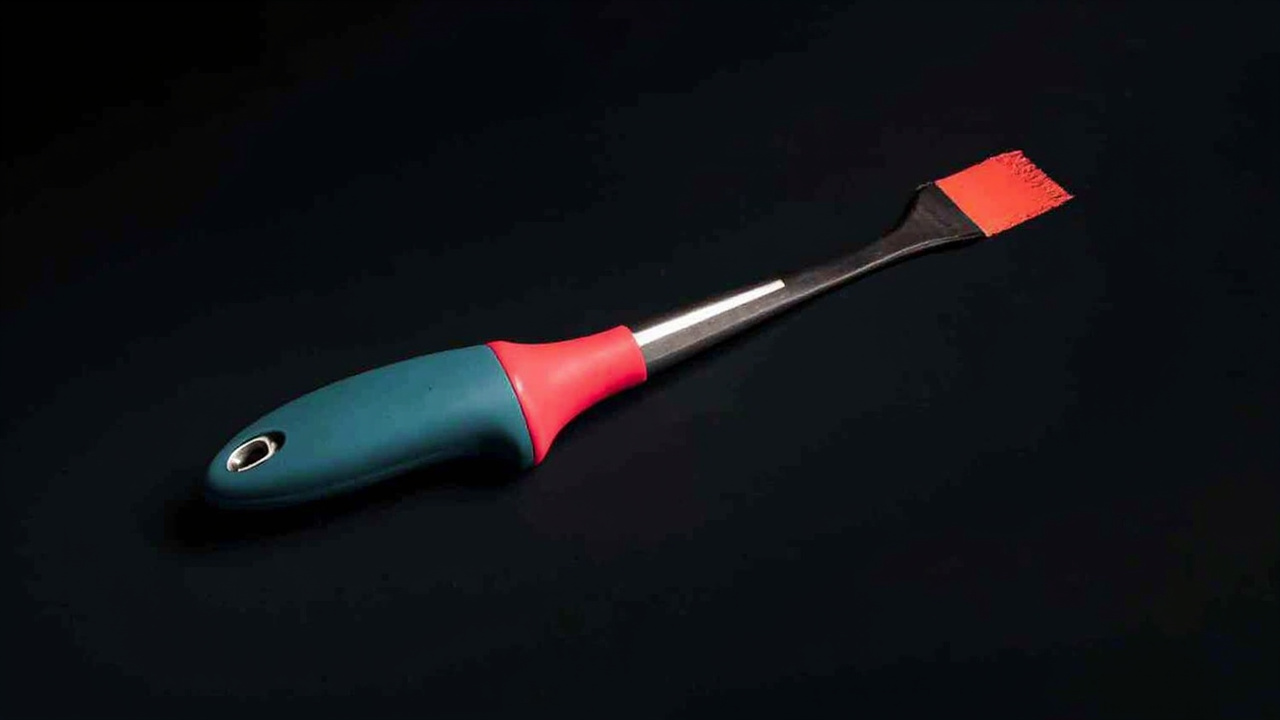
After spending an entire weekend wrestling with brush marks and arm cramps, I discovered a game-changing tool that turned my tedious trim-painting marathon into something almost enjoyable. Here's why the Graco TrueCoat 360 might be exactly what your next painting project needs.

After putting the Valentine V1 Gen2 through its paces on California and Oregon highways, I can confirm it has the longest detection range of any radar detector I've ever seen. But here's the thing — raw detection power isn't the whole story, and this device has some quirks that might surprise you.

Tecovas and Bear & Son Cutlery have teamed up for a Father's Day knife collection that's turning heads in the EDC community. Two folding knives, starting under $100, with premium materials like bone and mesquite wood—and they're actually worth the hype.
In 1960, a Soviet rocket exploded on the launch pad in one of history's deadliest space-related disasters—and the world didn't find out about it for three decades. The story involves toxic fuels nicknamed "Devil's Venom," an impatient leader demanding results, and a cover-up that reads like a Cold War thriller.

After living with the Clorox Air Purifier for several weeks in my small apartment, I have some thoughts. It's not the fanciest option out there, but it might be exactly what you need if you're looking to breathe a little easier without overthinking it.
The FBI quietly released hundreds of pages of files on the infamous D.B. Cooper hijacking, and honestly? Some of the details are way more fascinating than I expected. Forget the big picture for a moment — it's the little things that got me, like the fact that Cooper apparently took a parachute apart to inspect it before jumping into the freezing night.
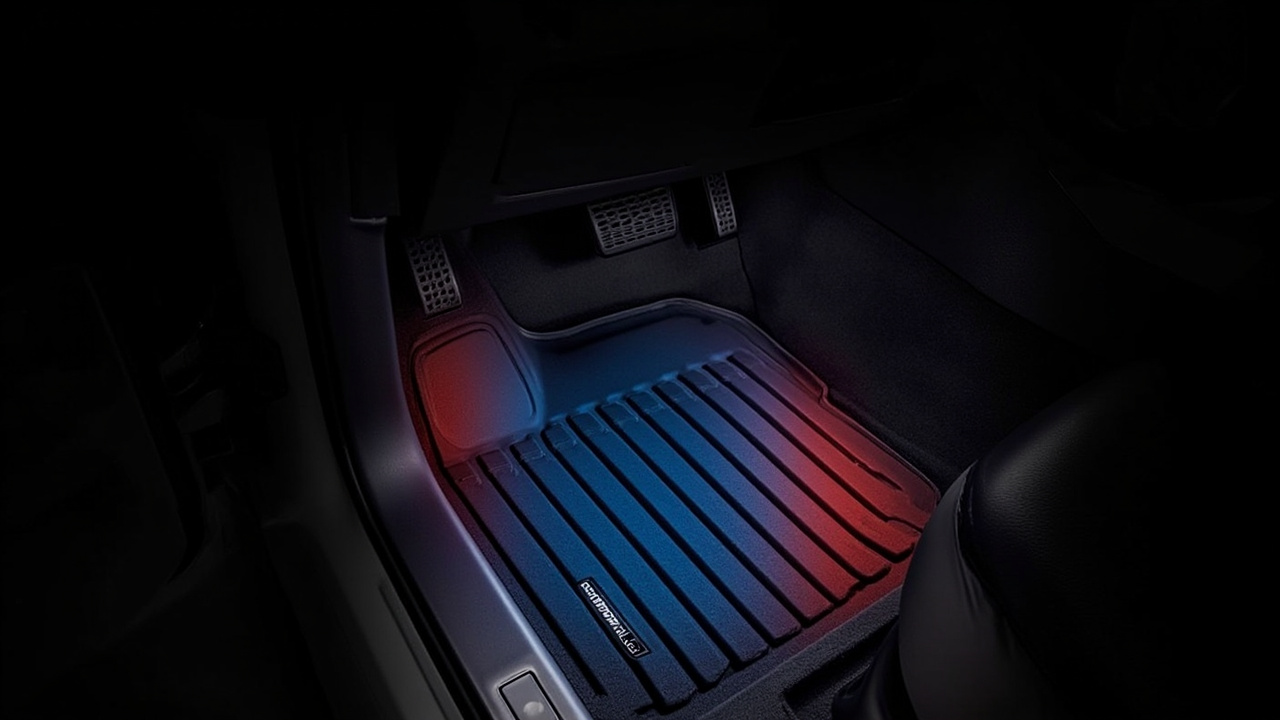
After years of tolerating those sad, universal-fit floor mats that curl up at the edges and never quite stay put, I finally understood why Car and Driver's gear team called these "the most comprehensive interior coverage" they've tested. Here's why the difference matters more than you might think.

Remember those endless summer breaks from childhood? Scientists may have cracked the code on why time seems to accelerate as we age—and the secret to stretching your life back out is surprisingly simple. Spoiler: it's all about dopamine and doing new stuff.
Scientists have discovered that deer keds—pesky blood-sucking flies—deliberately dial down their vision after finding a host, essentially trading in their flying, hunting lifestyle for a cozy permanent residency on a deer's back. The findings reveal a fascinating case of evolution optimizing energy use when an animal's needs completely change.