
A quirky mathematical shape that went viral for solving a famous tiling problem is now surprising scientists again—but this time in a physics lab. When researchers bounced lasers off tiny structures patterned after the Smith hat, something strange happened to the light. It started twisting in ways that reveal a hidden connection between geometry and optical behavior.
Scientists have finally solved a decades-old puzzle about a mysterious marker on human blood cells, and the answer is more fascinating than anyone expected. This breakthrough isn't just cool science—it's potentially life-saving for a tiny group of patients who desperately need better-matched blood transfusions.
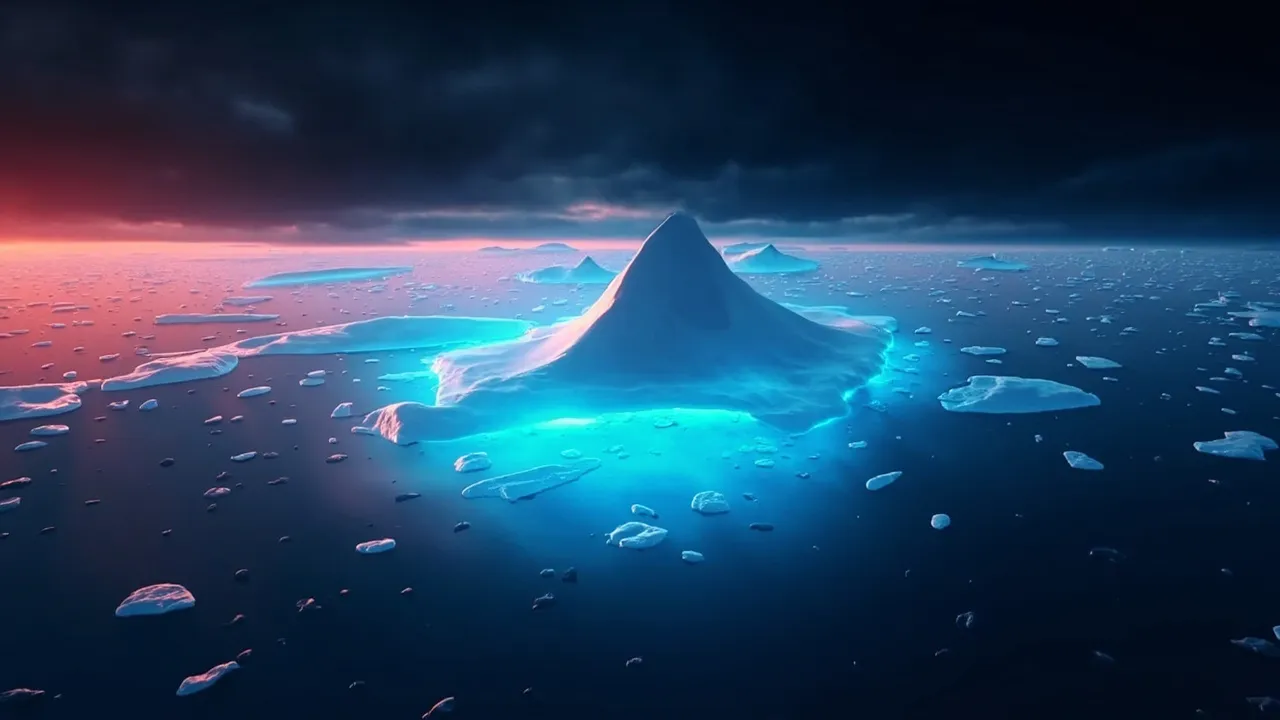
When you think about Arctic sea ice drifting across the ocean, you'd probably assume the wind is calling all the shots. But researchers just discovered something fascinating: the ice doesn't always listen to the wind the way we'd expect. Turns out, the secret might be something much more relatable — all those pieces of ice bumping into each other.
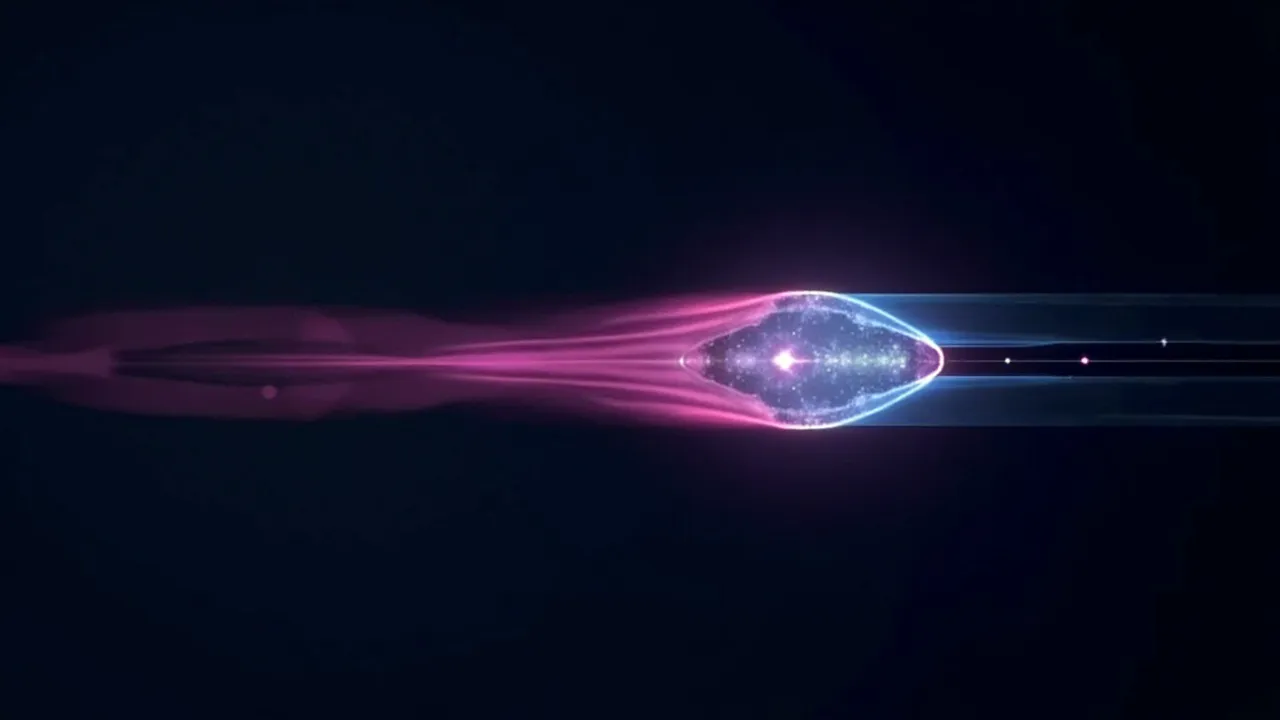
Scientists have discovered how a tiny single-celled organism can shrink to a quarter of its size in milliseconds—hundreds of times faster than you can blink. The secret lies in a clever protein structure that works like a fishnet, and it could one day inspire faster artificial muscles.
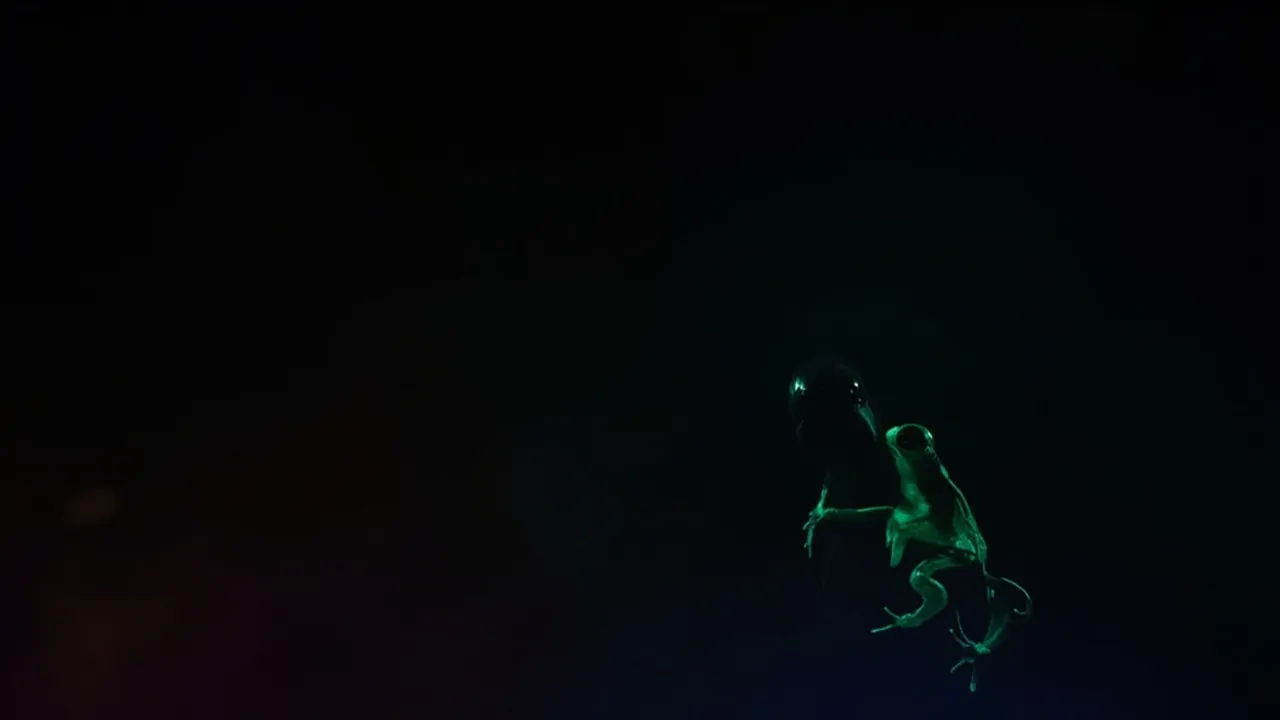
Deep in the western Amazon, researchers have uncovered a tiny frog species that was hiding in plain sight. This little amphibian looks almost exactly like its cousins, but its DNA and distinctive croak tell a different story. The discovery is a reminder of how much we still don't know about our planet's biodiversity.

A molecular biologist named Bill Andrews has spent over 60 years chasing his father's dream of curing aging. Now, at 74, he claims he's closer than ever to an anti-aging pill that could hit the market within a decade. But is this real science or wishful thinking? Let's dig in.

A biophysicist is proposing something wild — that intelligence might be a fundamental feature of reality itself, like gravity or electromagnetism. And here's where it gets really interesting: he thinks AI might be able to tap into forms of thinking that our human brains simply can't access. But before we get too excited (or nervous), there's a catch.
A mysterious fossil sitting in a museum collection for decades has just revealed something shocking about dinosaur origins, and it all started with a PhD student's hunch that nobody believed at the time.
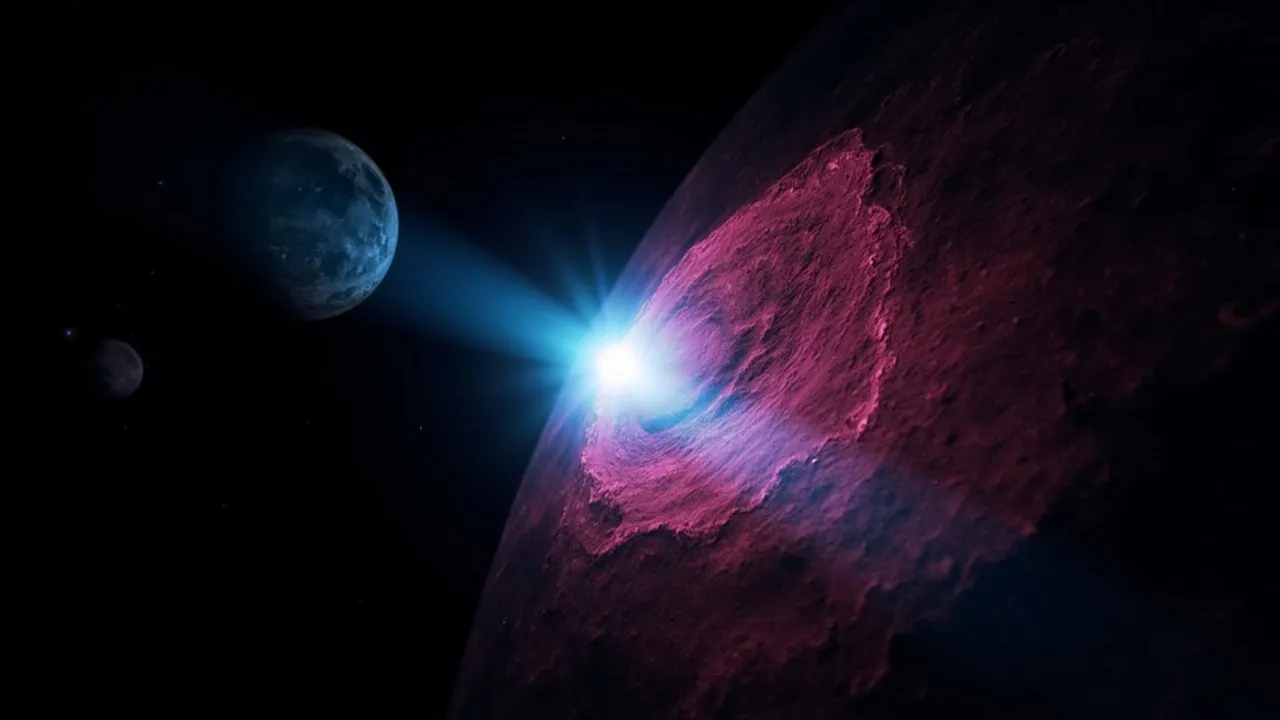
NASA's lunar spacecraft spotted a brand-new crater that's so massive it would take your breath away. At 728 feet wide and deep enough to stack three school buses, this impact crater is the largest ever discovered forming in our solar system. And here's the wild part: scientists almost missed it entirely.

In a delightful collision of rock music and science, researchers have named a newly discovered snake species after Slash from Guns N' Roses. But this isn't just a celebrity naming gimmick—the story involves a young herpetologist who was inspired by Slash himself, and it highlights how much we still have to learn about the natural world.
In 1988, a Soviet scientist accidentally stuck himself with a syringe containing Marburg virus. What followed was a two-week nightmare that ended in his death—but not before the virus inside him mutated into something far more terrifying. Decades later, the evolved strain still sits in a Russian laboratory, waiting.
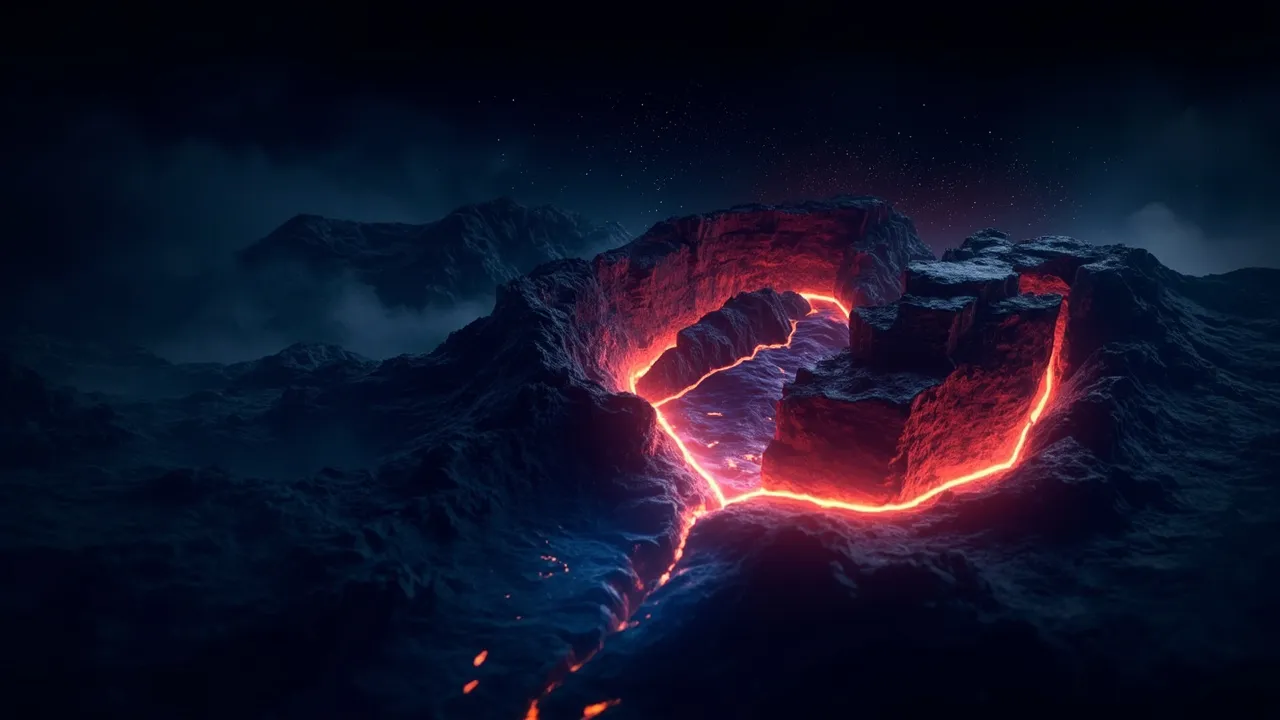
Italy sits in one of Europe's most earthquake-prone zones, and now geologists have figured out why—but the answer is weirder than anyone expected. New research reveals that the Apennine Mountains aren't just being squeezed by colliding plates; they're actually being torn apart from within, with the lower layers of Earth's crust peeling away like the zipper on your jacket is coming undone.


Scientists have identified a massive ocean current that's been quietly regulating our weather and food supply for thousands of years—and it's now weakening at an alarming rate. New research suggests this could translate into significant crop declines and food price spikes within just a few decades.
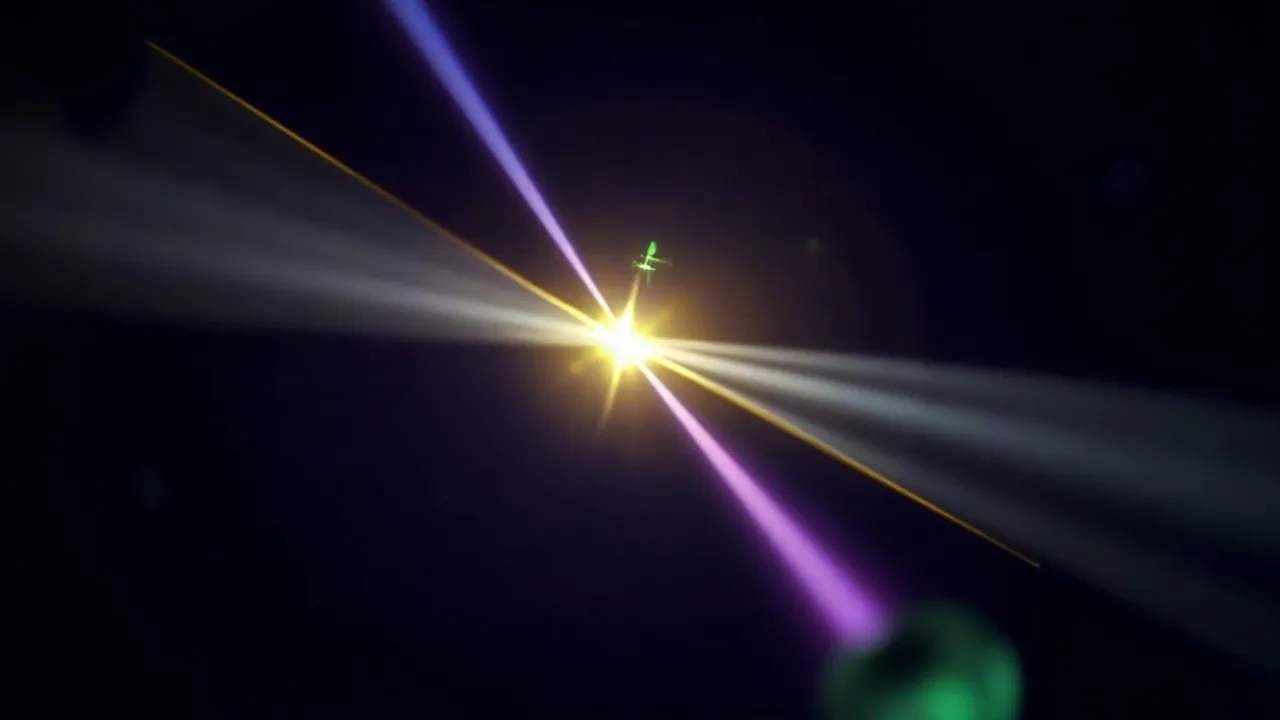
Caltech researchers have created a tiny chip that can steer light beams using other light beams in an almost impossibly short amount of time—just 74 femtoseconds. This breakthrough could pave the way for lightning-fast optical computers and communication systems that make our current tech look like dial-up modems.
Scientists are preparing an experiment that could either confirm or revolutionize our understanding of gravity by testing it on one of nature's weirdest particles — and the setup involves shooting atoms through superfluid helium like some kind of atomic cannon.
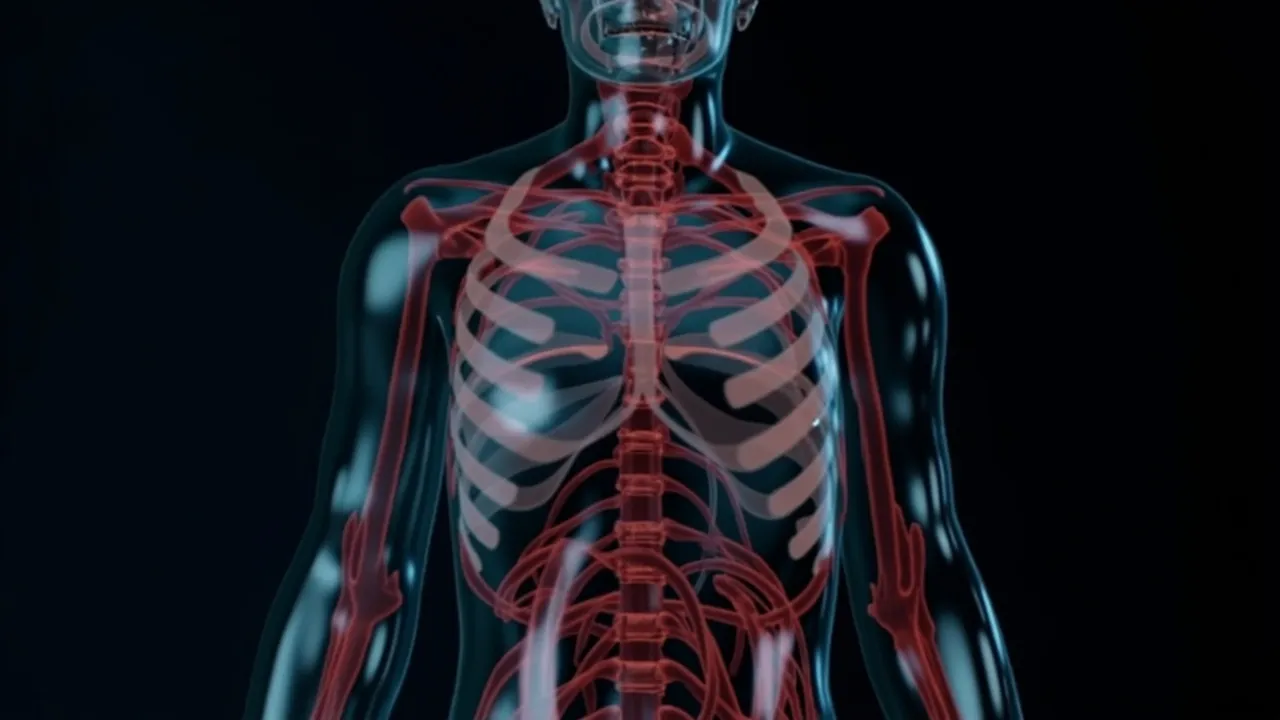
Scientists have discovered a clever survival trick that some cells use when facing death — and it's the same mechanism that helps your body rebuild after serious injury. But here's the twist: the same cells that heal you might also explain why some cancers come back stronger.
The James Webb Space Telescope has discovered something strange lurking in the early universe, and scientists might finally understand what they are. Spoiler: it involves black holes growing at absolutely insane speeds.