
The great lawn mower debate is finally settled. After years of testing everything from gas-powered beasts to whisper-quiet electric machines, we've figured out which ones are genuinely worth your money and which ones are just taking up space in your garage.

You've probably heard about Ozempic and similar drugs taking over social media for weight loss, but researchers just discovered something way more important: these medications could slash your risk of heart attacks and strokes by 13%. And it's not a fluke—the evidence is rock solid.

What if getting hurt could make you smarter? One man's horrific assault led to something completely unexpected—he woke up seeing the world through the lens of pure mathematics. It's a strange case that's forcing scientists to rethink how our brains actually work.
Scientists studying Jupiter with NASA's Juno spacecraft have discovered something wild: the giant planet's lightning might be 100 times more powerful than anything we experience down here on Earth. And we're just beginning to understand why these cosmic storms are so ridiculously intense.
Scientists just discovered something fascinating: hundreds of different cancer mutations might all be funneling through the same control switches. If they're right, we might be able to stop cancer from becoming drug-resistant by targeting these shared weak points instead of chasing down every individual mutation.
New research reveals something pretty sobering: the sugary, fatty foods kids eat today might literally rewire their brains in ways that stick around for life—even after they clean up their diet. But here's the hopeful part: scientists found that gut bacteria might be the unexpected hero that helps undo some of this damage.
A groundbreaking study just revealed something pretty alarming: a pesticide called chlorpyrifos, which is still sprayed on crops across America, appears to cause lasting damage to children's developing brains—even before they're born. Researchers found that prenatal exposure to this chemical leads to structural brain changes and reduced motor function that persist into adolescence.
Astronomers discovered a planetary system that completely flips the script on everything we thought we knew about how planets organize themselves around stars. It's like finding a solar system that decided to rebel against the rulebook, and it's forcing scientists to rethink planet formation from the ground up.
Scientists have cracked a puzzle that's been bugging physicists for years: understanding why certain ultra-powerful lasers pulse in a rhythmic, breathing-like pattern. A new mathematical breakthrough shows that two completely different types of this "breathing" behavior are actually two sides of the same coin—and it could revolutionize how we build lasers for surgery, imaging, and manufacturing.
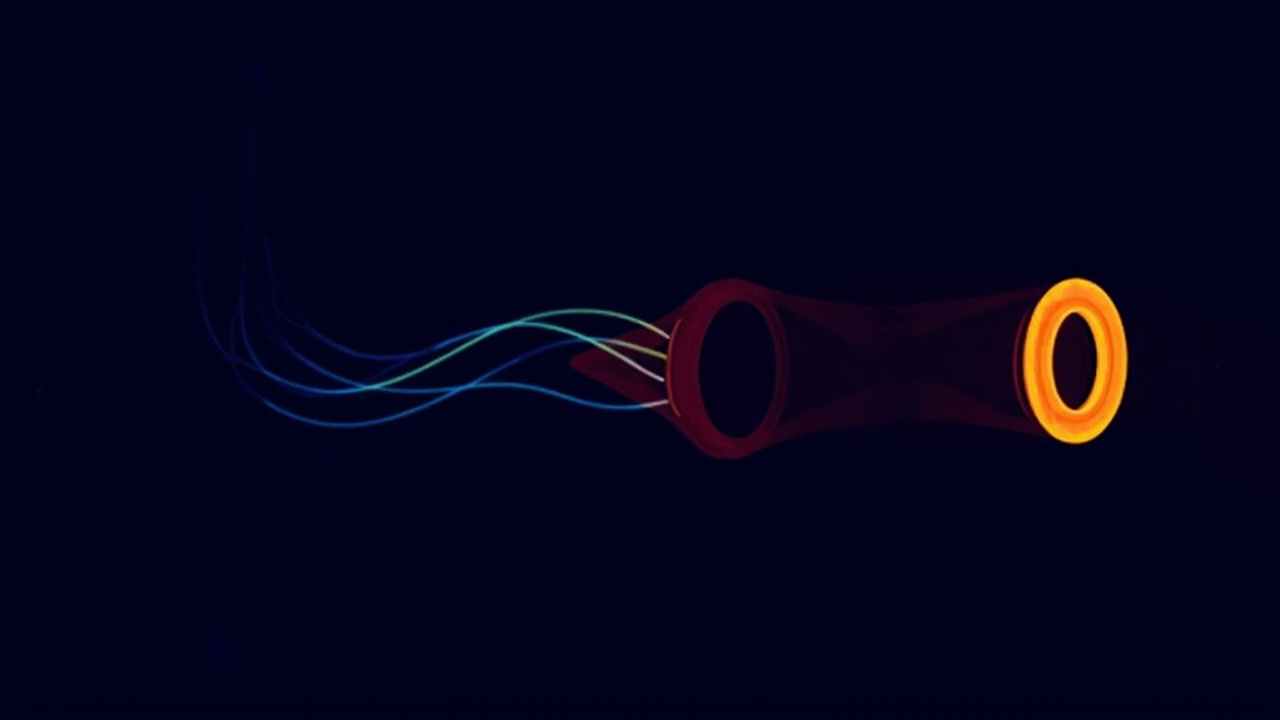
Scientists just discovered a mind-bending way to trap light in impossibly tiny spaces using materials we've known about for ages. The catch? Light behaves in a way that's being compared to a narwhal's tusk, and it could change everything about microscopes, computer chips, and quantum technology.
A new study suggests that string theory might emerge naturally from just a handful of basic assumptions about how the universe works—without anyone even trying to prove it. It's not quite the smoking gun evidence physicists have been hoping for, but it's surprisingly elegant.
Scientists just discovered that genetics might control about half of how long you live—roughly twice what researchers previously believed. But before you start blaming your parents for your mortality, there's an important twist that changes everything about what this actually means for your life.
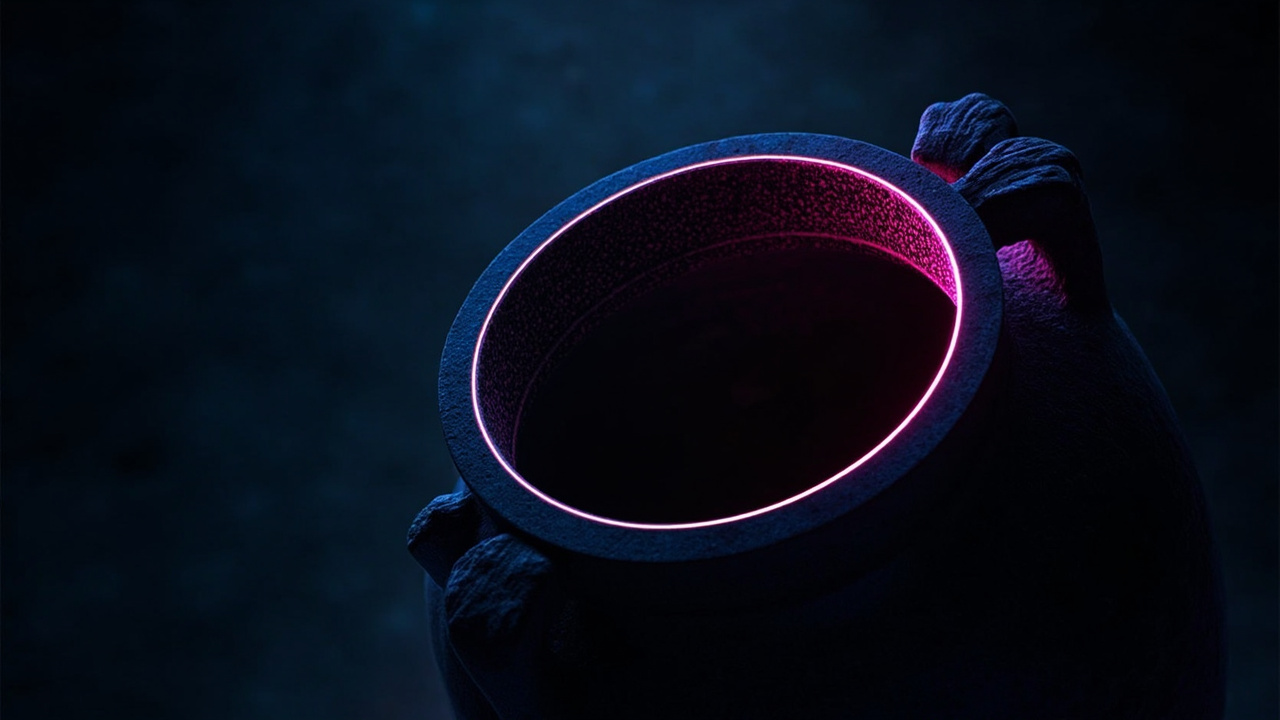
For centuries, thousands of massive stone jars have sat silently across the Laotian highlands, puzzling archaeologists about their true purpose. A groundbreaking excavation of one jar just revealed it contained the remains of 37 people—and uncovered an ancient trade route nobody knew existed.
Scientists just figured out how a simple nutrient can turbocharge your cells' power plants. And here's the wild part—it's been hiding in your chicken breast and beans the whole time.
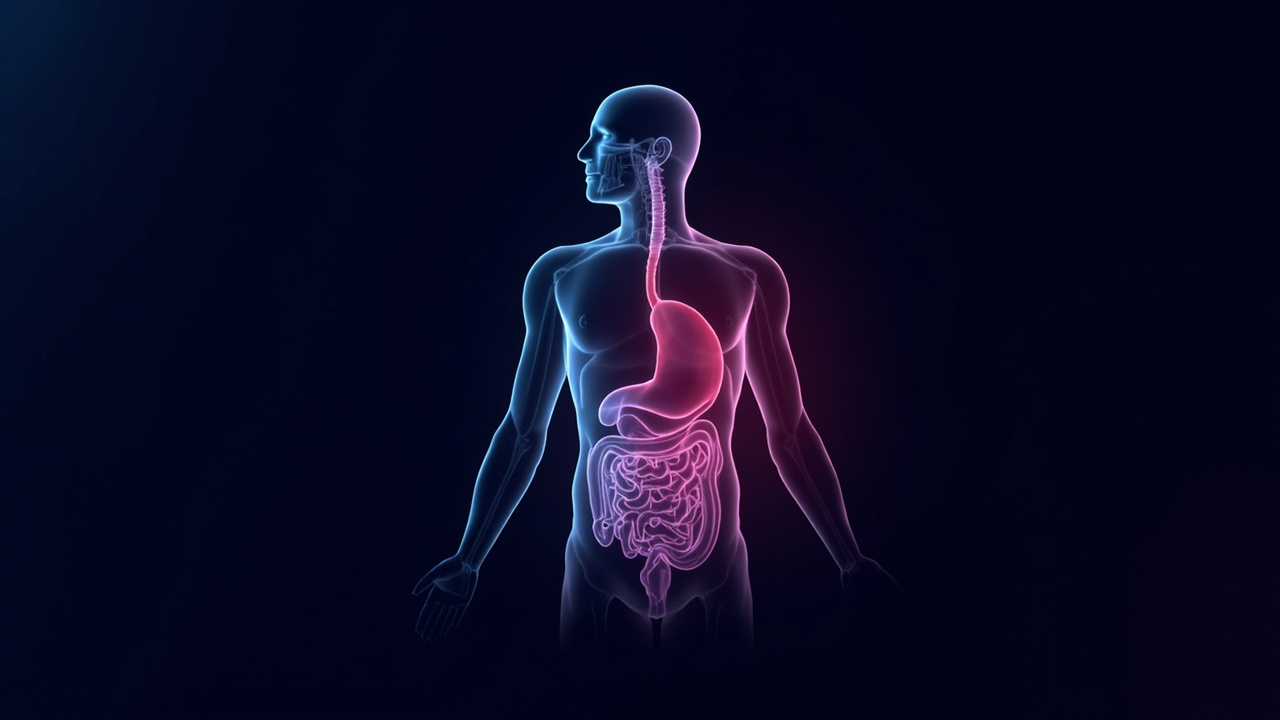
Scientists just figured out that a humble amino acid found in everyday foods could help your gut bounce back from serious damage. The discovery could be a game-changer for cancer patients struggling with treatment side effects, and it's completely natural.
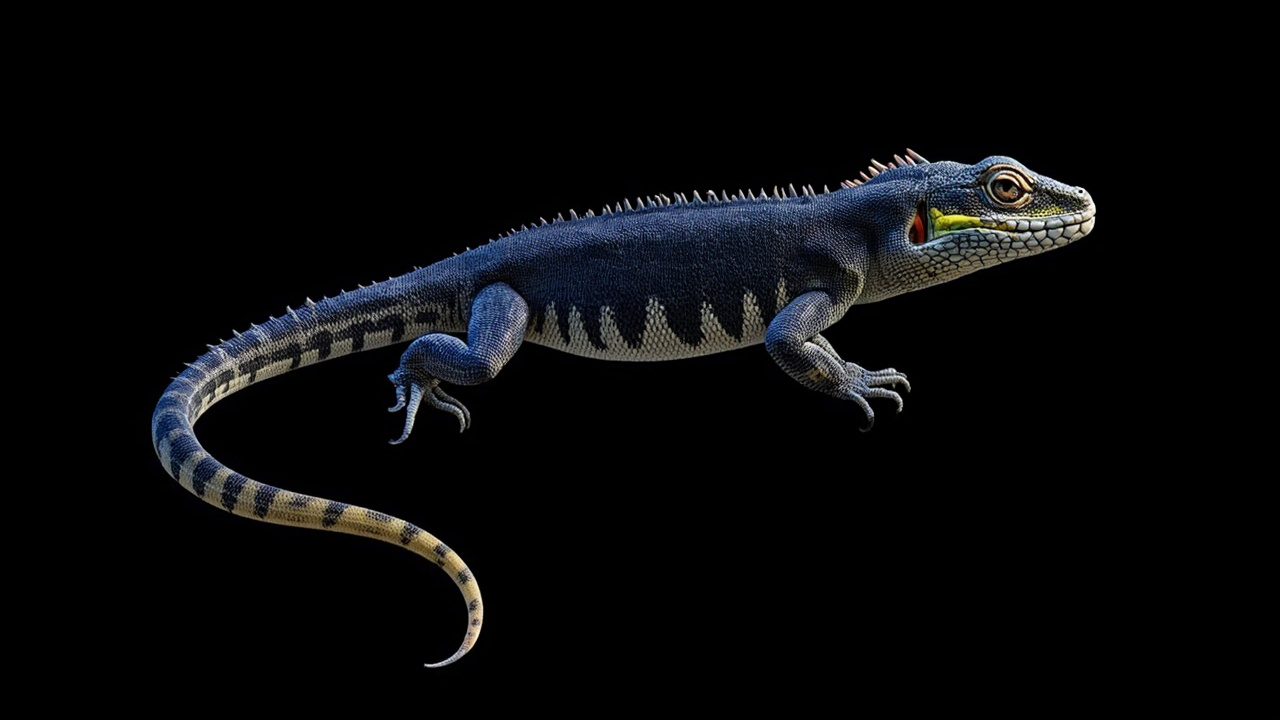
Scientists just solved a 320-million-year mystery about why reptiles keep growing bony skin plates called osteoderms — and the answer reveals something wild: one group of lizards actually grew them back after losing them entirely. This challenges everything we thought we knew about how evolution works.

Most of us think tsunamis only happen in the Pacific. But UNESCO just dropped some sobering news: the Mediterranean is basically guaranteed to get hit by a serious tsunami in the next 30 years. And here's the scary part—you might have less than 10 minutes to escape.
Researchers in Finland have created a quantum sensor that can measure energy so incredibly small it's almost impossible to wrap your head around. This breakthrough could revolutionize quantum computing and help us hunt for dark matter hiding in the universe.
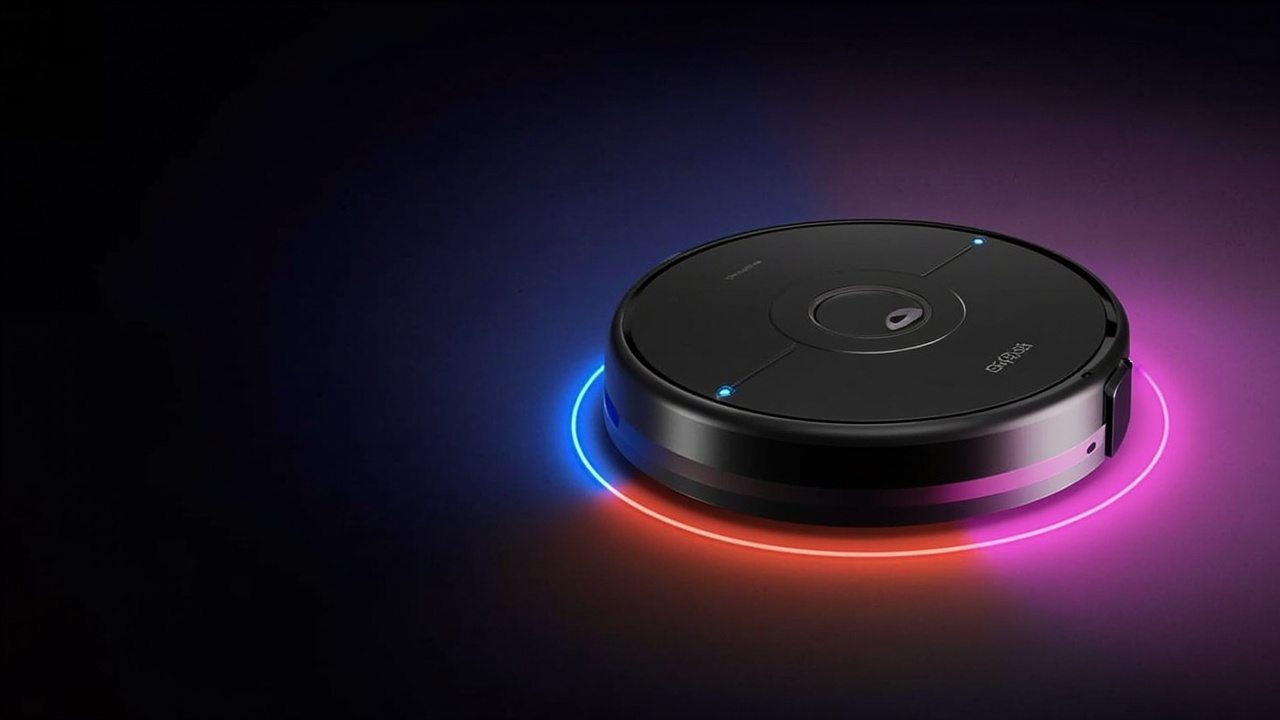
Memorial Day sales just made upgrading your cleaning game way more affordable. If you've been eyeing a high-end robot vacuum but couldn't justify the splurge, this deal on the Roborock Qrevo might finally be the push you need.
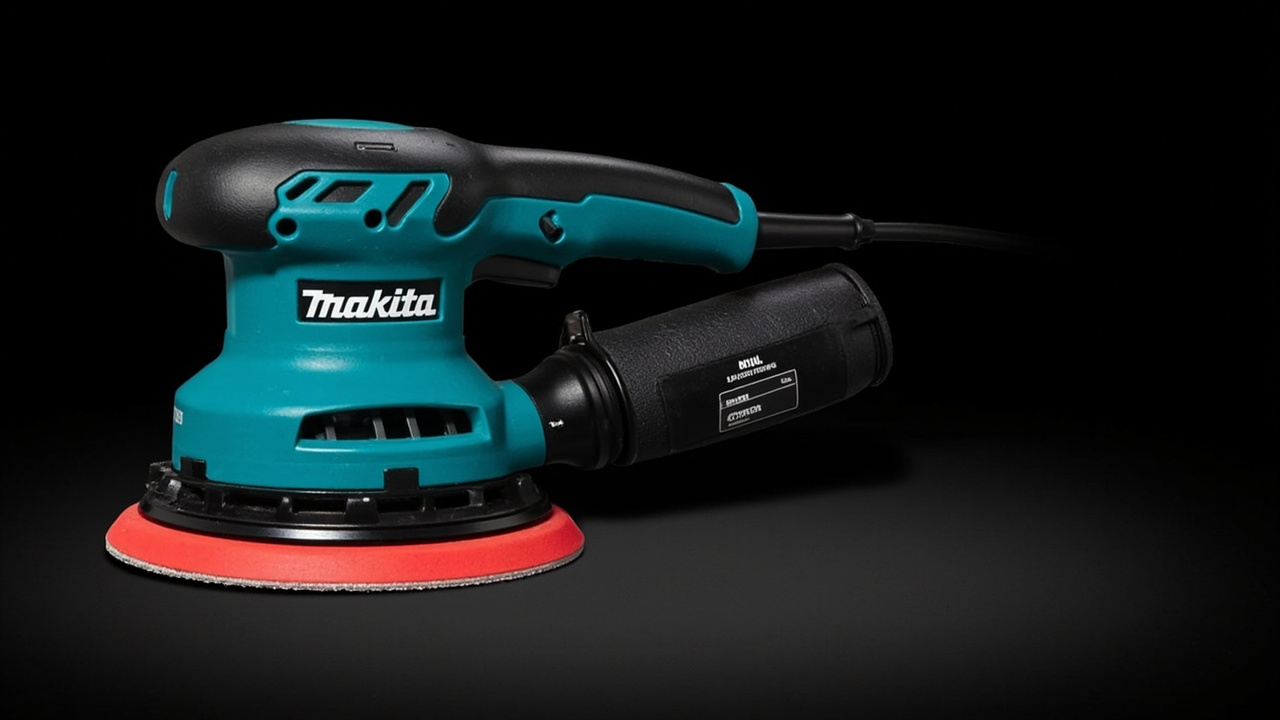
I used to think random orbital sanders were all basically the same. Then I spent a weekend smoothing out rough live-edge wood with the Makita BO5030K, and I realized how wrong I was. Here's why this unassuming power tool might be the most underrated piece of equipment in your workshop.