
New research from Houston Methodist reveals that obesity might be sending harmful messages to your brain through fat molecules, potentially fueling Alzheimer's disease. Scientists discovered that these molecular messengers can slip past the brain's defenses and trigger damage—though the findings also point toward promising new treatment possibilities.
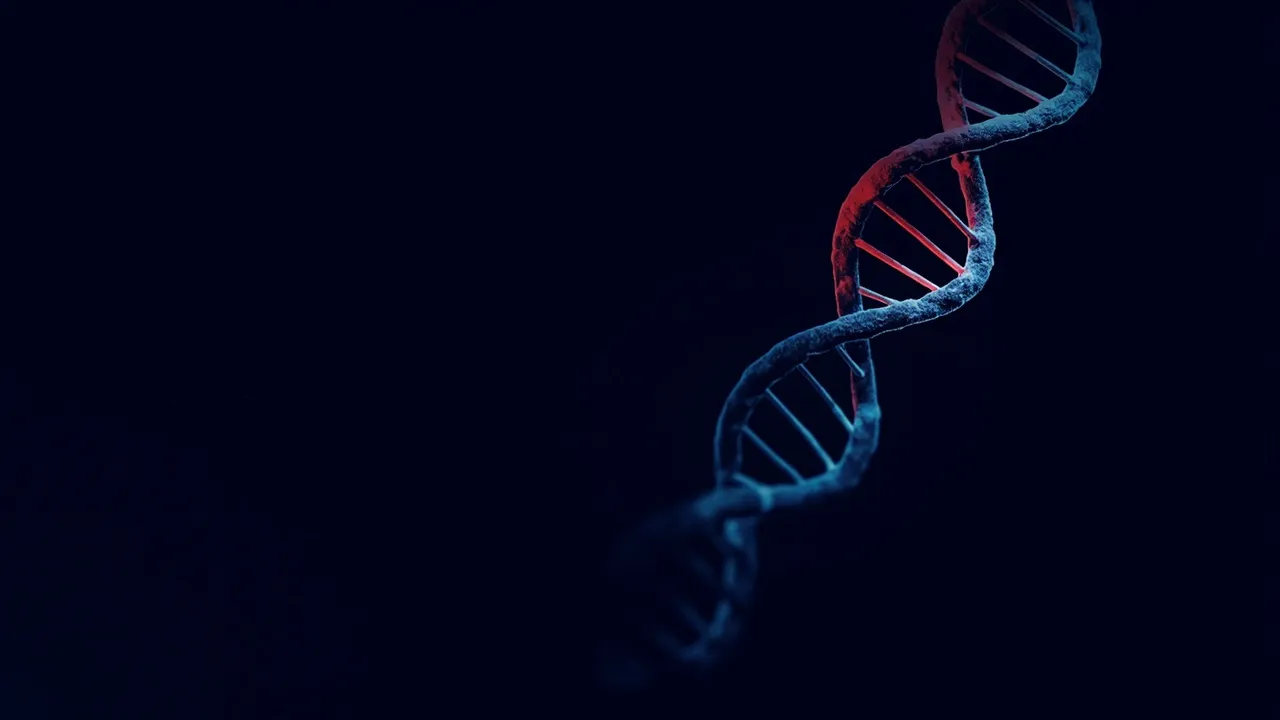
New research reveals that the link between poor sleep and brain decline isn't one-size-fits-all. Scientists have discovered that a specific gene may determine whether a lack of sleep leaves you vulnerable to Alzheimer's-related brain changes or somehow protects you. It's a finding that could reshape how we think about personalized brain health.
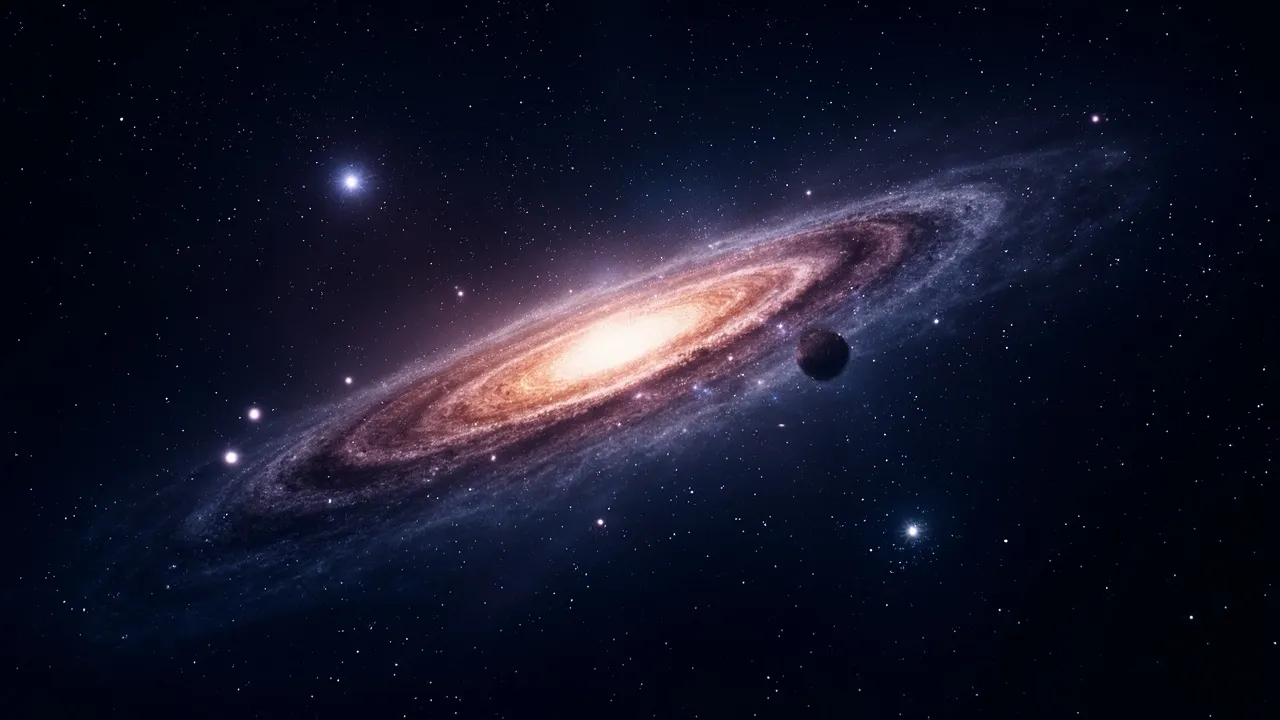
Deep in our Milky Way, astronomers have discovered a natural particle accelerator so powerful it makes our biggest human-built machines look like toys. This cosmic beast can fling protons to energies超过人类制造的任何加速器 — and it might finally help us solve one of the biggest mysteries in space science.

Researchers have uncovered an unexpected role for a protein that was previously thought to only protect chromosome ends. Without this protein, muscle stem cells lose their identity after injury and the damaged tissue turns into fat and scar tissue instead of regenerating properly. The discovery could have major implications for treating muscular dystrophy and understanding cancer.
Imagine if cars could only go so fast no matter how hard you pressed the gas pedal. That's basically what physicists have discovered about electricity: there's a maximum limit to how much resistance it can face from particle collisions. And the reason why is pure quantum weirdness.
Scientists have discovered something puzzling about dark matter: if it has its own hidden attractive force, you'd expect it to help clump matter together faster—but instead, it does the opposite. The universe, it turns out, doesn't always follow our intuition.

Think your voting system is fair? Mathematicians have some bad news. No matter how you design an election, you simply can't have it all — and here's the beautiful mathematical reason why.
Scientists have discovered that the brain systems ants use to care for their young originally evolved to regulate hunger. By studying tiny ant brains, researchers found that evolution didn't invent parenting from scratch — it simply repurposed ancient neural pathways, a phenomenon that might explain caregiving across the entire animal kingdom, including humans.
Scientists have finally cracked a decades-old mystery about mysterious gamma ray signals coming from zinc atoms—and this discovery could help us understand how all the heavy elements in the universe, including gold and silver, are actually forged inside dying stars.

Scientists have developed a breakthrough method that transforms mixed plastic waste—including the stubborn stuff that usually ends up in landfills—into clean hydrogen fuel. The process works at much lower temperatures than traditional methods and actually traps carbon instead of releasing it into the atmosphere. It's a clever two-for-one solution to both our plastic crisis and our need for clean energy.

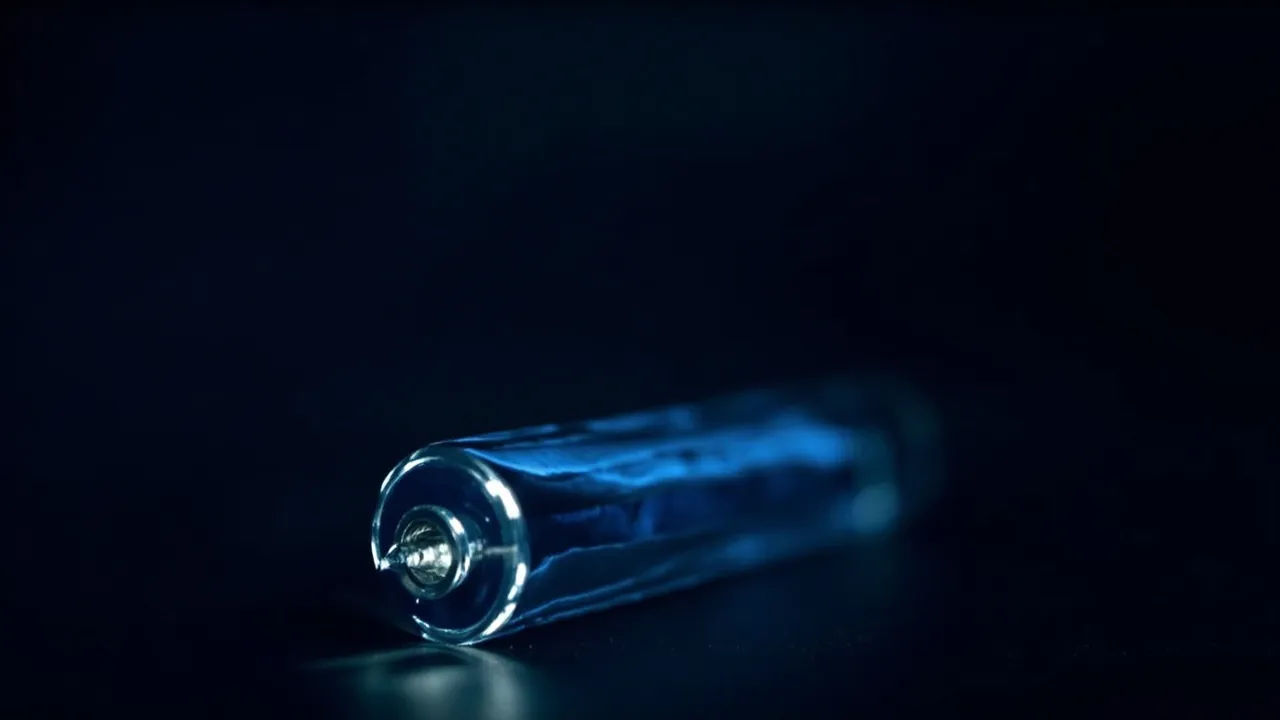
Here's a fun one for you: researchers were trying to build a better battery, did everything "wrong" by leaving water inside, and ended up with nearly double the power. Now they think this same battery could help solve our freshwater shortage. Sometimes the best discoveries come from accidents!

In 1942, a British ship carrying Soviet gold to America was torpedoed and sank in freezing Arctic waters. For nearly 40 years, the treasure sat forgotten on the ocean floor—until one determined salvage expert decided to pull off what many called an impossible mission.
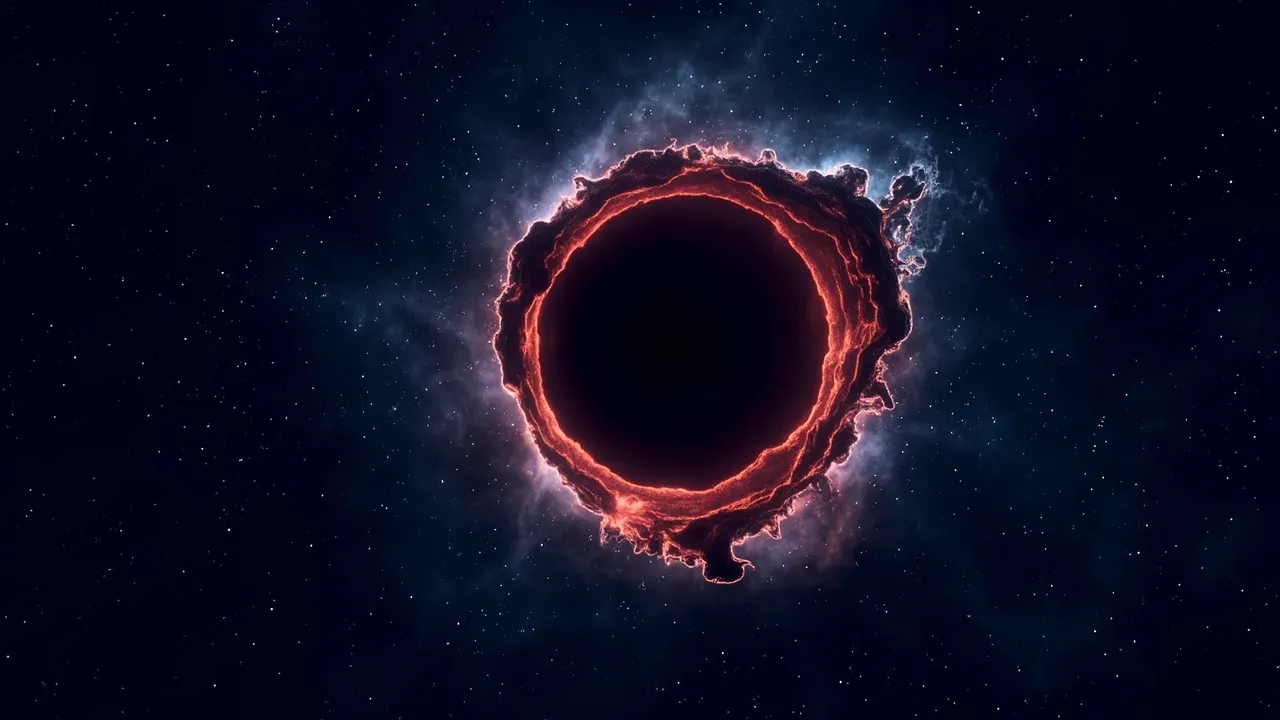
New observations reveal that black holes might not be the cosmic gluttons we've always imagined. Instead of swallowing everything in sight, these mysterious giants appear to spit out nearly as much material as they consume, making them surprisingly inefficient diners.
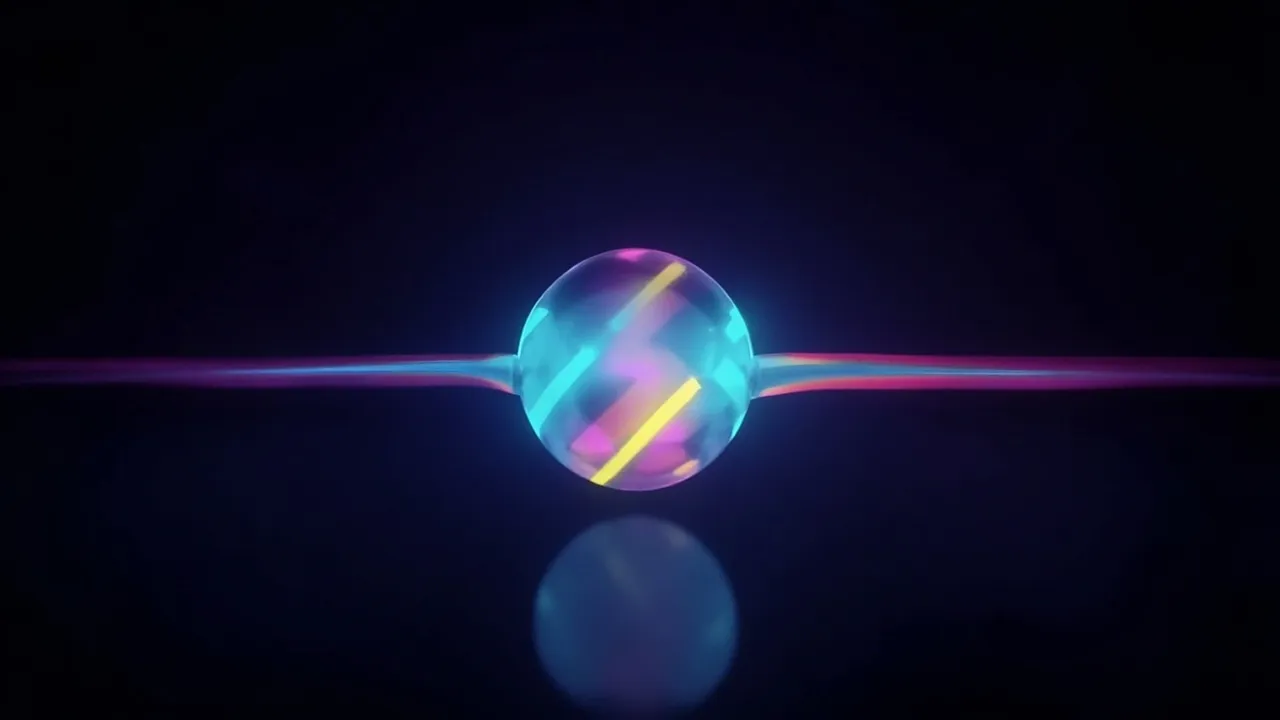
Researchers have created the world's first all-optical photonic time crystal, a material that can rapidly alter how it interacts with light — changing its optical properties in mere picoseconds. This breakthrough, achieved using a powerful terahertz facility in Germany, could eventually lead to ultrafast computers, revolutionary lasers, and entirely new ways to manipulate light. Here's why this matters and what it could mean for the future.

NASA scientists are scratching their heads over a wild discovery on Mars: an enormous field of honeycomb-like patterns stretching across the Martian landscape. The Curiosity rover captured these strange geometric formations, and researchers are now racing to figure out what on Earth (well, Mars) created them.
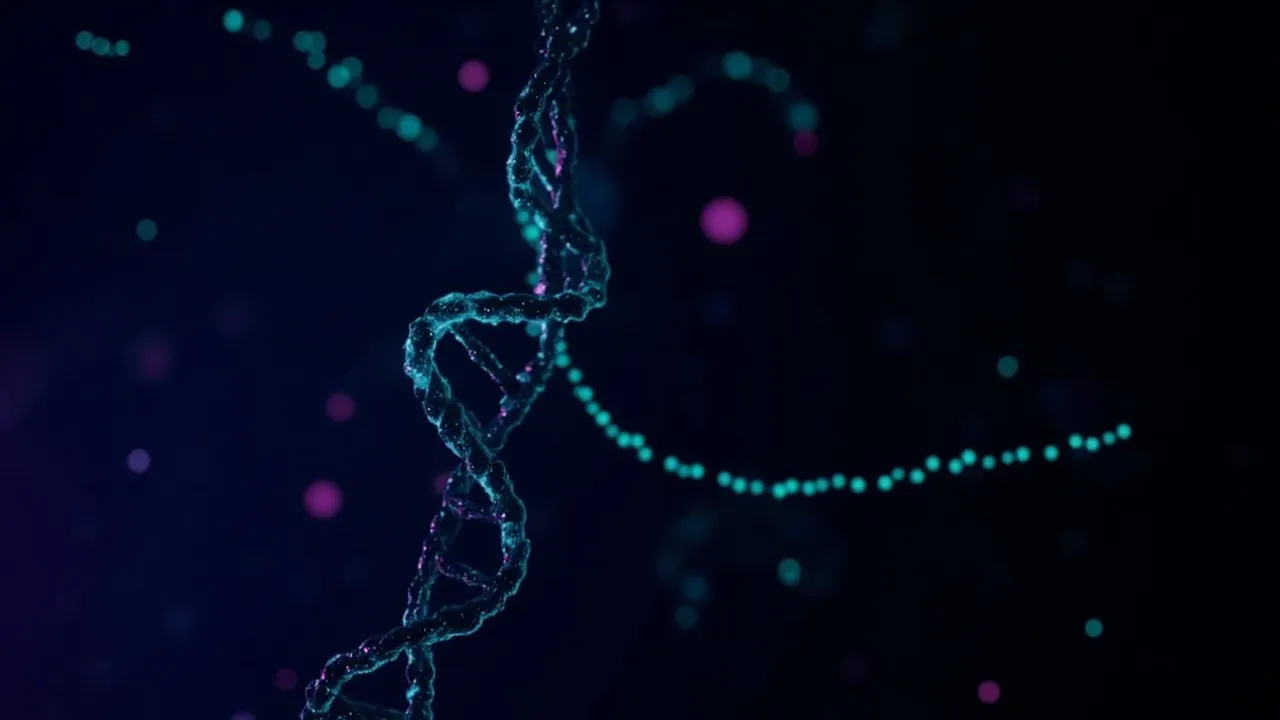
Imagine finding out that your family tree has a couple of mysterious relatives you never knew existed — except these relatives are ancient human species that went extinct hundreds of thousands of years ago. That's basically what happened when researchers at UC Berkeley discovered two previously unknown ancestors hiding in our DNA, adding even more branches to our already complicated family tree.

Archaeologists have uncovered a tiny silver amulet in Germany that contains the oldest evidence of Christianity north of the Alps—and it's forcing historians to rewrite their timelines. The 18-line inscription, hidden for nearly two millennia, was finally revealed using cutting-edge 3D scanning technology, and what it says will blow your mind.
Scientists have created a groundbreaking cobalt aluminum alloy that rivals steel in strength but doesn't shatter like typical super-strong materials. This isn't just another incremental improvement — it could revolutionize everything from jet engines to power plants.
Black holes might seem like the universe's most terrifying objects, but some physicists believe they could be humanity's greatest technological asset—even helping us detect advanced alien civilizations hiding in plain sight.