
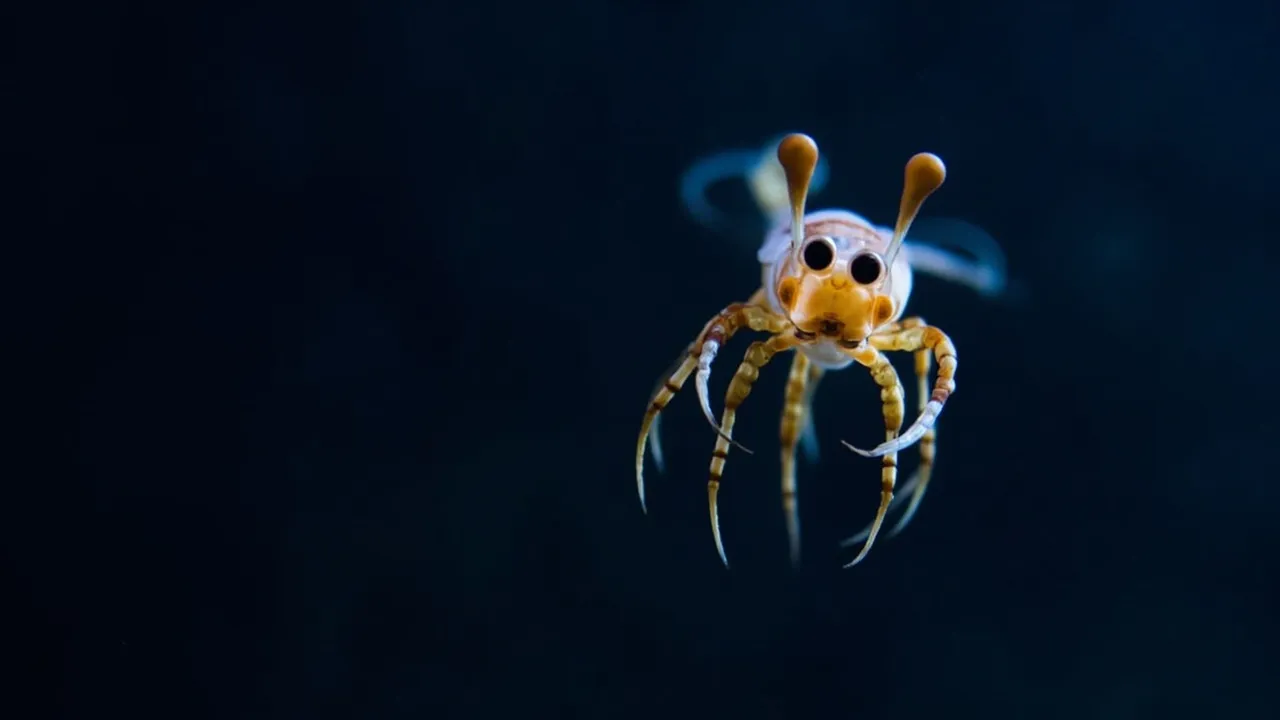
Hidden nearly five miles below the surface of the Pacific Ocean, researchers have discovered a new species of predatory crustacean with spring-loaded claws designed for hunting. And honestly? It's equal parts terrifying and fascinating.
Imagine a bustling ancient city where the richer it got, the more equal everyone became—and no pharaoh or king got a fancier tomb than anyone else. That's exactly what archaeologists are discovering about Mohenjo-daro, and honestly? It might just change how we think about cities, wealth, and human civilization itself.
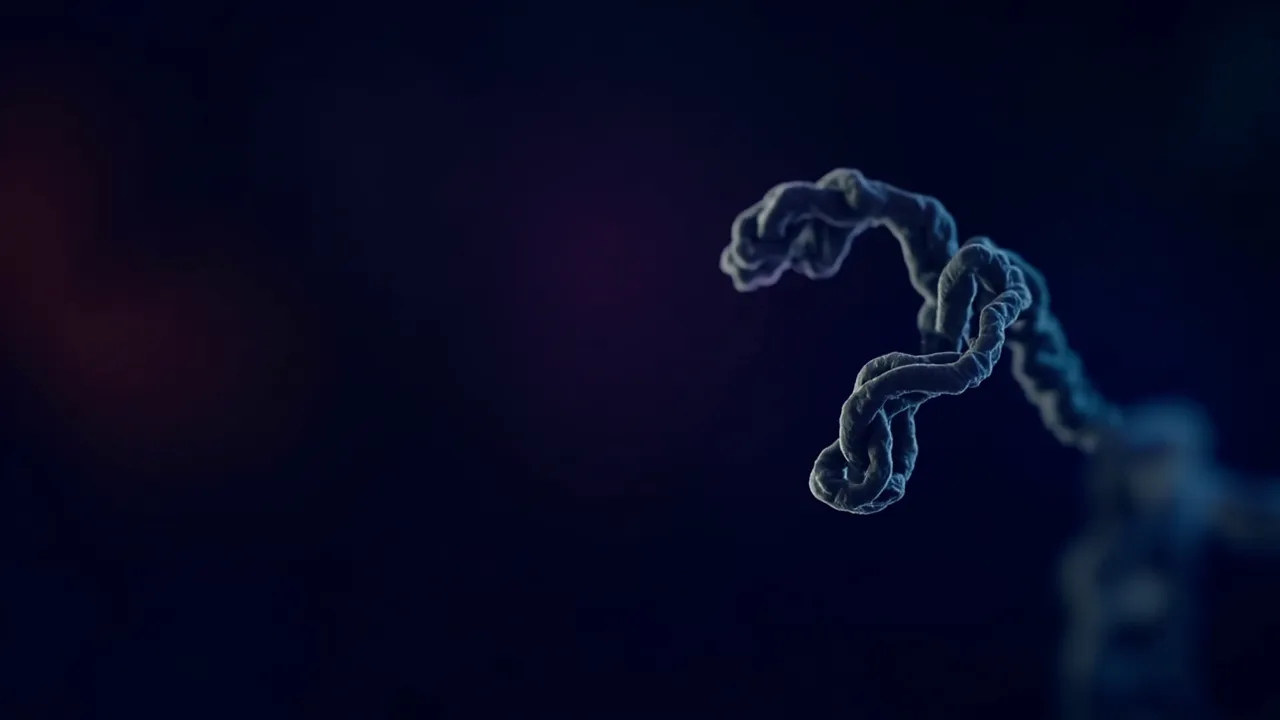
Scientists have discovered a tiny cellular machinery breakdown that could explain why some people's insulin-producing cells gradually give up. This new research reveals something fascinating about how our bodies try to manage protein quality control—and what happens when that system starts to fail.

When the CIA discovered an abandoned Soviet ice station in the Arctic, they faced a problem that seemed impossible to solve: how do you board an abandoned base when you can't land a plane or reach it by helicopter? The answer involved a larger-than-life inventor, a bizarre aerial retrieval system, and one of the most cloak-and-dagger operations of the entire Cold War.
Before we could instantly text anyone across the ocean, people had to wait weeks for letters to cross the Atlantic. Then someone decided to lay a wire under the sea—and everything went gloriously wrong.
Scientists have discovered that a specific genetic variant called APOE2 appears to shield brain cells from the kind of damage that leads to Alzheimer's disease. The findings reveal a mechanism that goes far beyond what researchers previously understood about how our genes influence brain aging.
Archaeologists have uncovered evidence that people living in the Philippines and Southeast Asia were sophisticated mariners at least 40,000 years ago—and they might have even crossed open oceans deliberately, not by accident. The discovery is forcing us to rethink everything we assumed about Paleolithic technology.

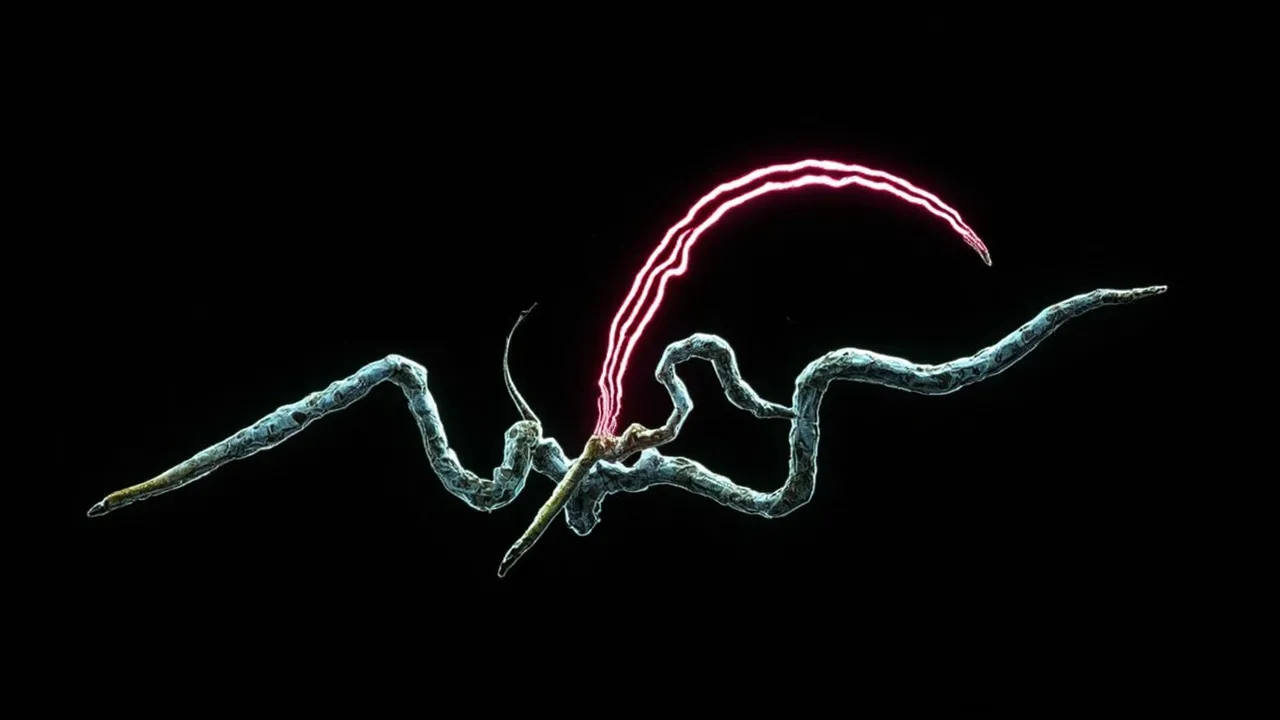
Imagine discovering a brand-new species not in the dusty dig sites of some remote desert, but in the basement of your own museum. That's exactly what happened to Yale paleontologists when they finally took a closer look at an old fossil that had been sitting around for decades. Say hello to Eosphorosuchus lacrimosa — a snappy little croc relative from 210 million years ago that's rewriting what we know about the early days of reptiles.

For nearly 500 years, a mysterious island appeared on maps in the Gulf of Mexico, sparking endless searches and fueling geopolitical disputes—until people finally looked where it was supposed to be and found absolutely nothing. The story of Isla Bermeja is a fascinating tale of cartographic errors, political desperation, and what happens when a country needs an island to exist for purely economic reasons.
Scientists may have been searching for alien signals in all the wrong places - and accidentally looking at way more stars than they realized. A researcher at the University of Manchester has found that our telescopes have been capturing millions of hidden stars that nobody counted, opening up exciting new possibilities in the hunt for extraterrestrial intelligence.
Researchers have discovered a clever molecular "basket" that lets rare earth metals like neodymium bond with oxygen in an entirely new way. This breakthrough could unlock chemical reactions that were previously thought impossible, potentially revolutionizing how we make pharmaceuticals, materials, and other useful compounds.
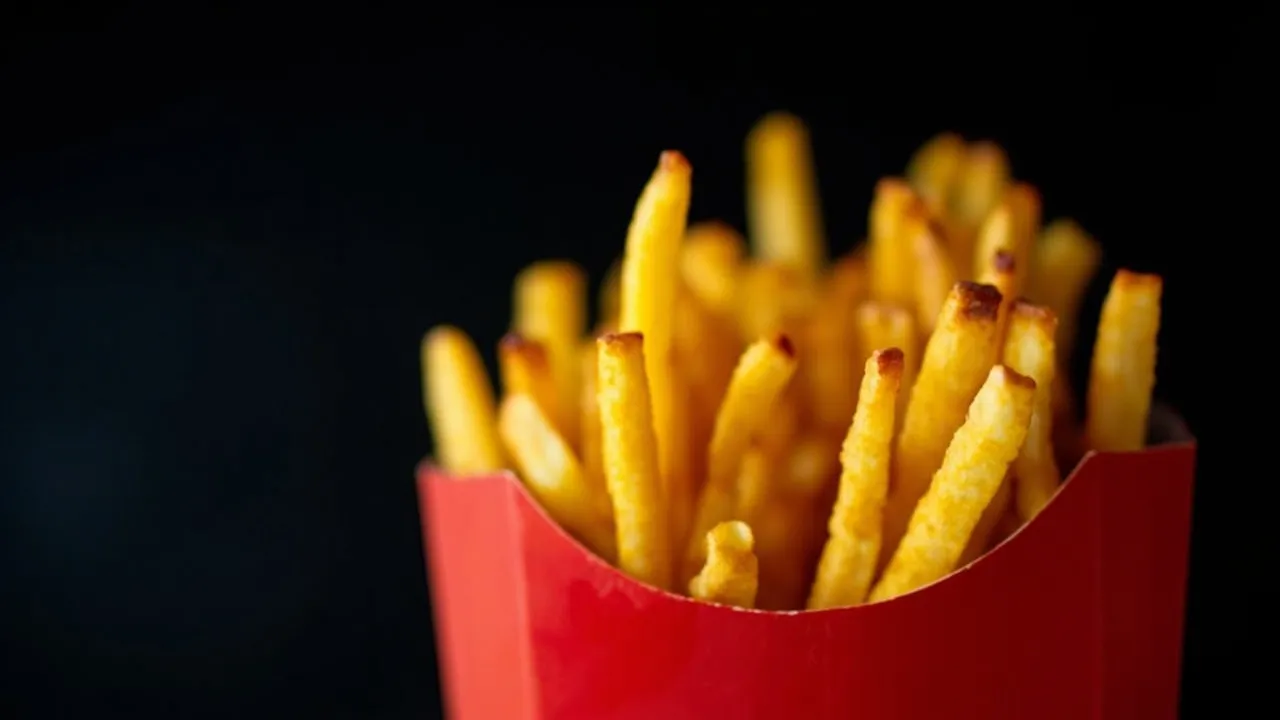
What if your favorite crispy, golden french fries could actually be good for you? Scientists are combining microwave energy with traditional frying methods to create lower-oil fries without sacrificing that satisfying crunch we all love.
Darwin thought he'd figured out the Galápagos, but these volcanic islands keep dropping jaw-dropping discoveries. New research reveals that giant daisies have been reinventing themselves through evolution in ways that completely challenge what scientists thought they understood about how species adapt. The findings? Mind-blowing.
Imagine a world where treating your child's cavity takes seconds, involves no drilling, and costs a fraction of traditional fillings. That world might be closer than you think, thanks to a simple liquid that's been hiding in dentists' toolkits for years.
Imagine being able to reach into your mind and soften the sharp edges of your worst memories—not erasing them, but taking away their power to hurt you. New research suggests this might one day be possible, and the science behind it is absolutely wild.
Scientists have discovered why certain underwater volcanic regions are packed with gold, and the answer involves a surprisingly familiar process: melting, over and over again, like a cosmic soup kitchen for precious metals. The research reveals that our oceans hide something extraordinary beneath them.
What if the feeling of being "you" — that inner voice, those vivid sensations, the experience of seeing blue or tasting chocolate — isn't actually manufactured by your brain? One of the world's leading consciousness researchers thinks we might be asking the wrong questions entirely.
Using incredibly fast X-ray flashes, researchers have caught a molecule mid-transformation, watching energy dance through its structure in trillionths of a second. The really wild part? Different atoms within the same molecule tell completely different stories about what's happening.
Imagine discovering that our ancient ancestors, long thought to be simple Stone Age nomads, were actually building structures half a million years ago. That's exactly what happened at Kalambo Falls in Zambia, where archaeologists found two carefully notched wooden logs that represent the oldest known wooden structure ever built by human hands.