

New research from Yale University reveals that aging doesn't have to mean decline. In fact, almost half of adults over 65 showed measurable improvements in cognitive function, physical abilities, or both over a 12-year period. The secret might be simpler than you'd think — and it starts with what we believe about getting older.
Despite centuries of dissection and modern imaging, scientists are discovering that human anatomy is far from fully understood. New research reveals the human body still holds surprises — and some of our oldest anatomical "facts" were built on shaky foundations.
Scientists have discovered that as your brain develops, the neurons making up your mind literally shatter their own DNA to squeeze into place. But here's the twist — this isn't a bug, it's a feature. The brain has evolved an elegant system to break and repair DNA on purpose, and understanding this process might just unlock secrets about neurological diseases.
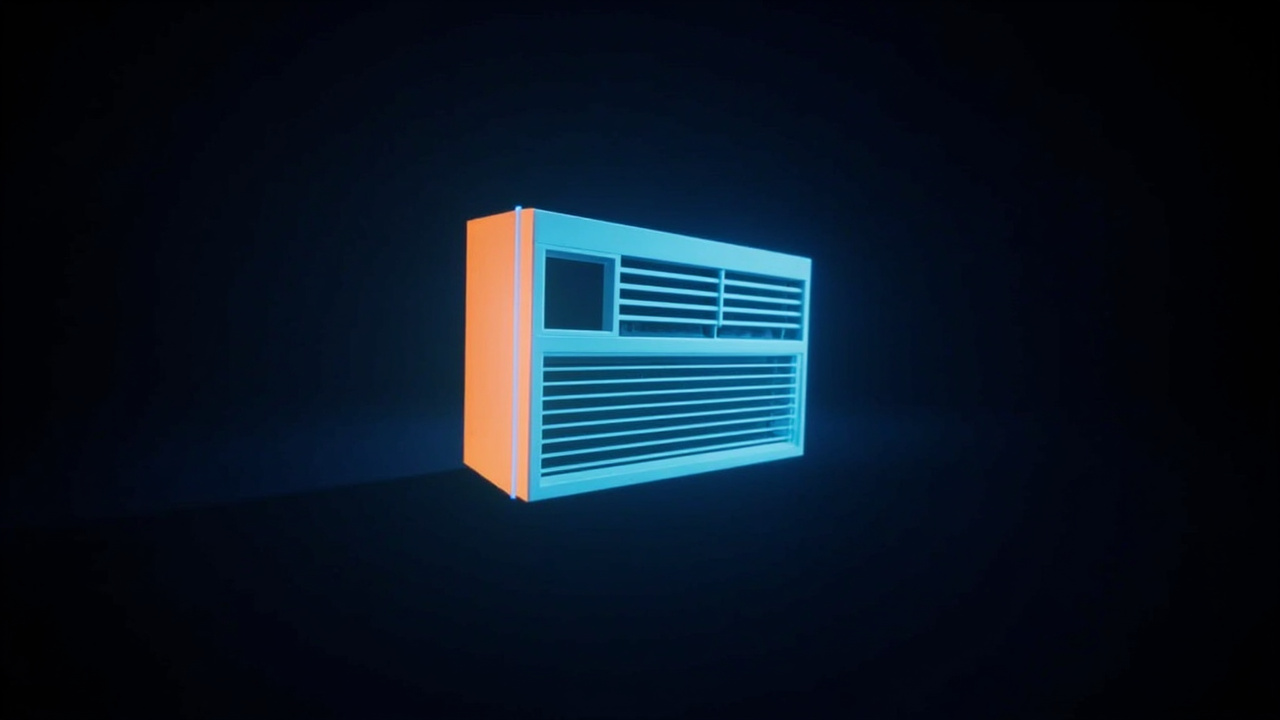
Window air conditioners have always been the necessary evil of home cooling — clunky, noisy, and guaranteed to block your entire view. But what if someone finally decided these boxes deserved a design upgrade? I took the GE Profile ClearView for a spin to find out if it's just a pretty face or if it actually delivers where it counts.

Those viral GLP-1 shots everyone's talking about? Turns out they might just be the warm-up act for something even bigger. Scientists are now saying the obesity treatment landscape is about to transform in ways that go far beyond a weekly injection.

Scientists have discovered something unexpected about a DNA repair gene—when there's too much of it, things go wrong. And this "too much of a good thing" situation might actually reveal a weakness we can exploit to fight cancer more effectively.

Researchers have discovered that specific compounds in cannabis called terpenes can significantly reduce chronic pain without producing any psychoactive effects. The findings could open doors for treating fibromyalgia and post-surgical pain with alternatives that don't carry the risks of opioids or the "high" of THC.
Scientists have discovered that the global supply chain for cobalt—a metal essential for electric vehicle batteries—is far more vulnerable to disruption than anyone realized. A single problem in one country could trigger a cascade of failures that ripples across the entire world, affecting everything from car production to renewable energy projects.
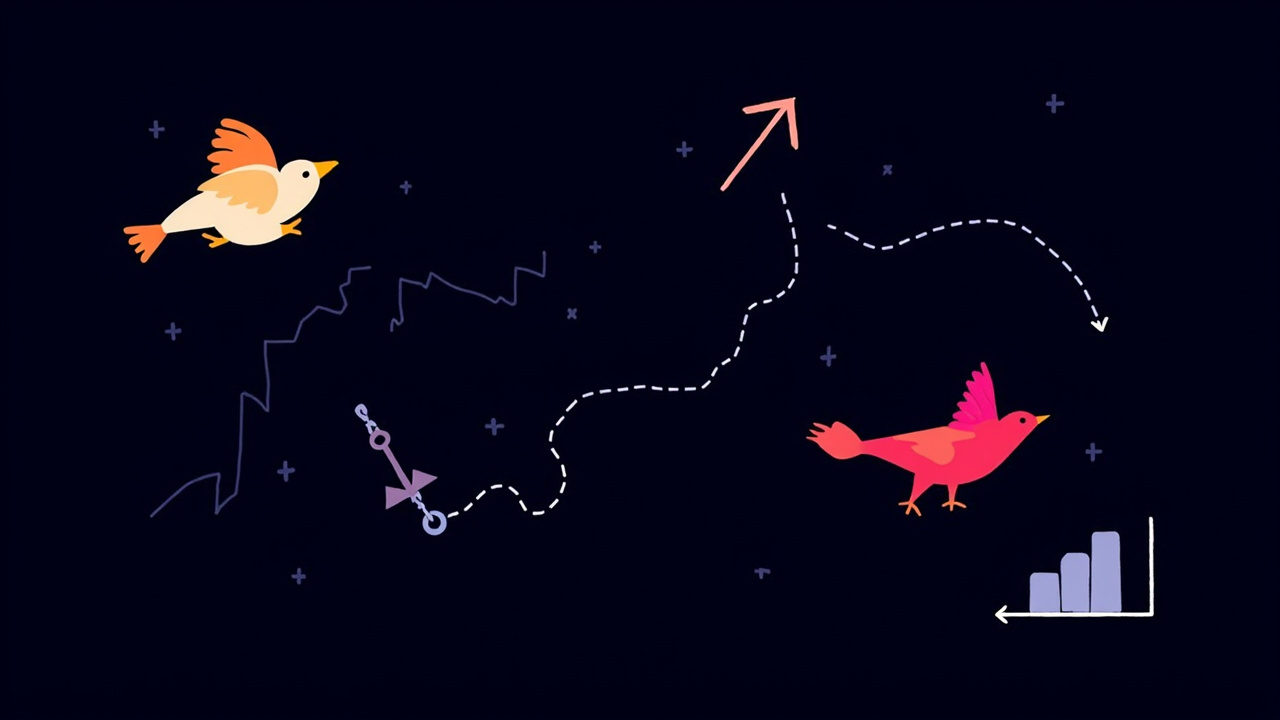
When a bird in Africa chirps at a human and flies off, then returns, it's not being random—it's having a conversation. New research reveals that animals from completely different species have developed their own "languages" to work together, and we're only just starting to understand how rich these conversations really are.
Scientists have discovered something unexpected happening beneath our feet as the Arctic warms — the very process we thought was releasing dangerous greenhouse gases is also triggering a counter mechanism that pulls carbon dioxide from the air. It's like discovering your car has both an accelerator and a built-in brake working simultaneously.
New research suggests our earliest primate relatives weren't lounging in tropical paradises as we imagined, but rather surviving in surprisingly cold and harsh environments. This discovery completely flips the script on what we thought we knew about human evolution.
Scientists have discovered something pretty remarkable: by literally twisting a thin material like you might twist a Rubik's cube, they can control the quantum particles that might power tomorrow's computers. This simple act could bring us one giant step closer to making quantum technology actually work in the real world.

Before Roald Dahl became the beloved (and sometimes terrifying) author of Charlie and the Chocolate Factory, he was a 23-year-old British pilot whose head stuck out above his plane's windshield like a giraffe on a tricycle. Then he crashed, survived what should have killed him, became a spy, and eventually channeled all that war trauma into stories that would make kids simultaneously laugh, gasp, and maybe check under their beds for giant insects.
Scientists are making jaw-dropping progress in the quest to help humans regrow limbs—and it's inspired by one of the weirdest little creatures on Earth. Could we soon heal injuries that once seemed permanent? Let's dig into what this research actually means.
Imagine if Wednesday had a color, or you could point to where next month "sits" in space. Turns out, some people actually experience time this way—and it's not just their imagination. This is one of the coolest quirks of the human brain I've ever come across.
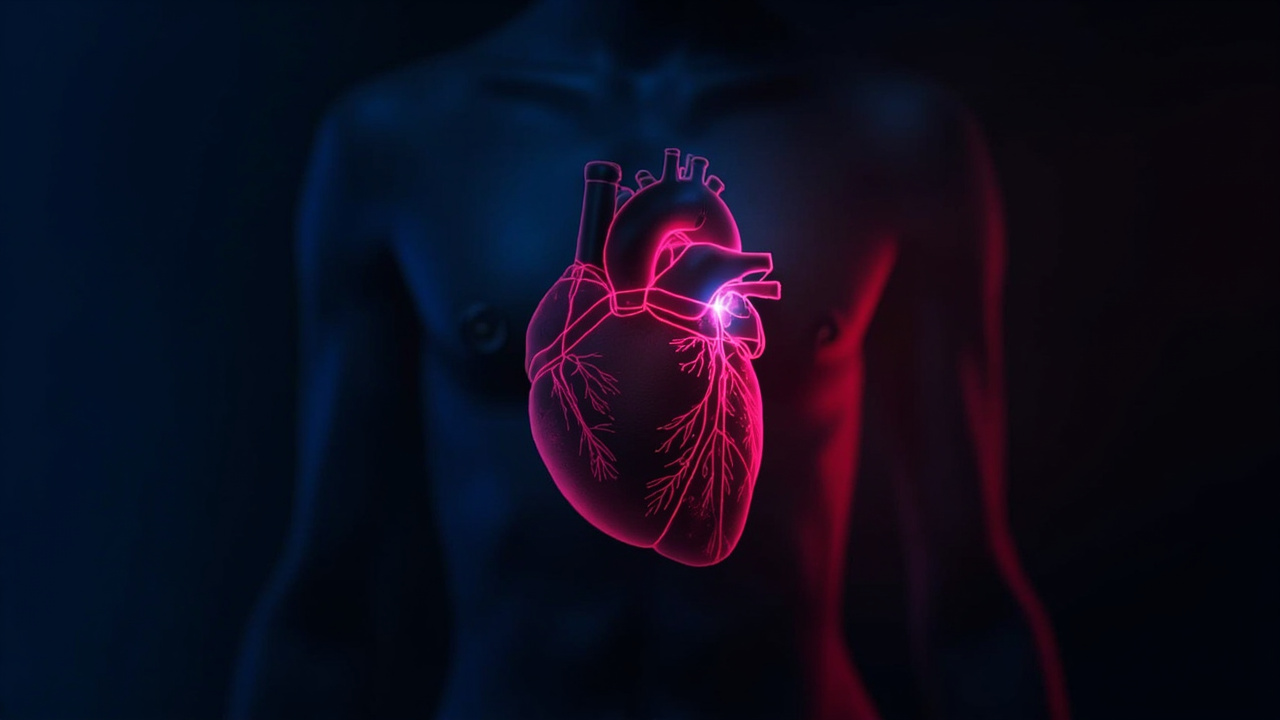
You eat your fruits and veggies every day, follow the rules, and yet a groundbreaking new study reveals that most of us—including the health-conscious—are still falling short on a specific nutrient that could genuinely protect our hearts. The culprit? We're not eating the right kinds of produce.
Scientists have discovered a promising molecule that could help restore the brain's natural defense systems against Alzheimer's disease. The compound, called OLE, appears to "reprogram" the brain's immune cells, giving them a much-needed boost to fight off the devastating effects of this condition.
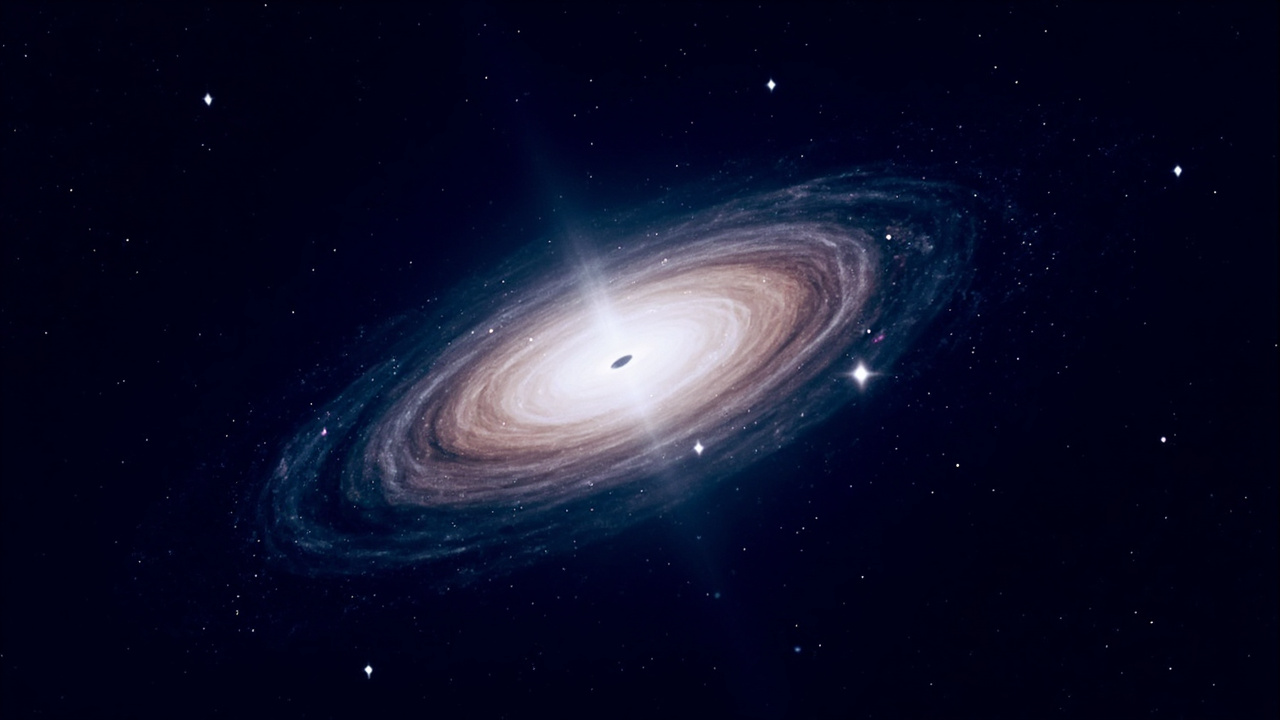
Scientists expected to find a black hole powering a distant galaxy, but instead discovered something far more surprising — a cosmic neutrino factory driven by frenzied star birth. Their findings could change our understanding of some of the universe's most elusive particles.
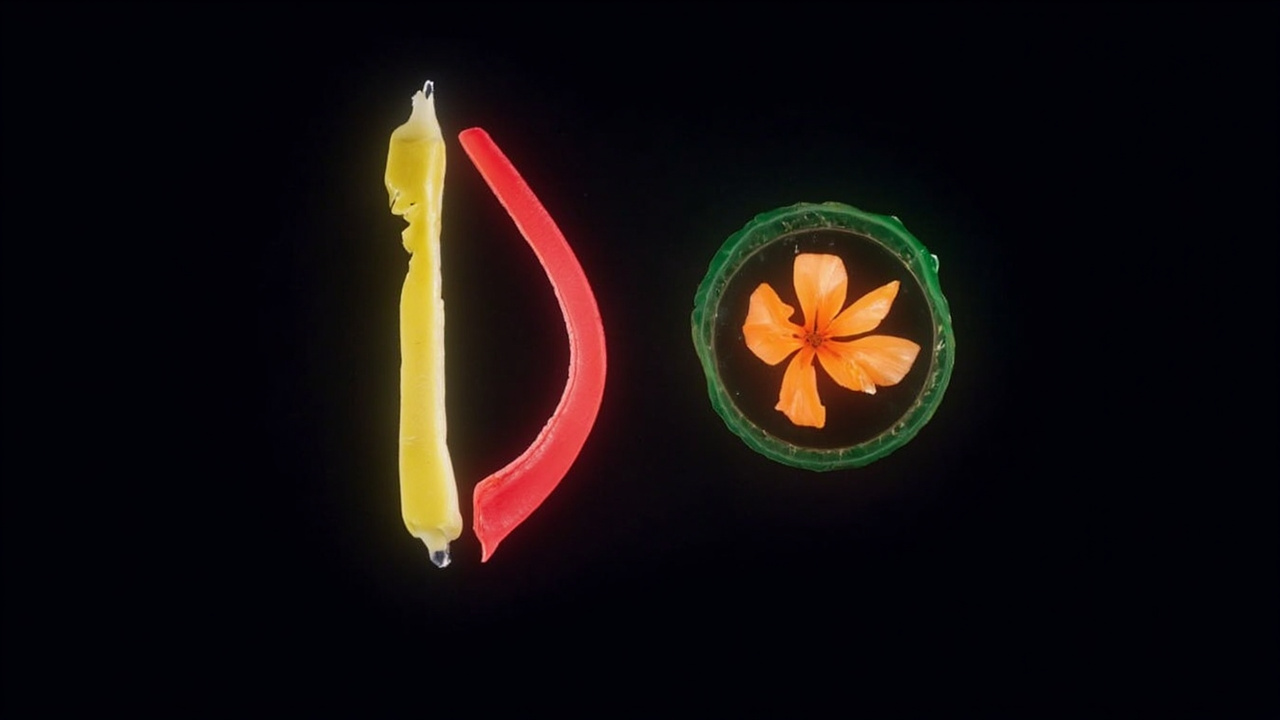
Scientists in Brazil have developed an experimental treatment for serious gum disease using an unexpected ingredient: jackfruit latex. Mixed with pomegranate peel and a common cholesterol medication, this weird-sounding combo might actually help regrow bone and tissue lost to periodontitis. Here's why I'm genuinely excited about this research.
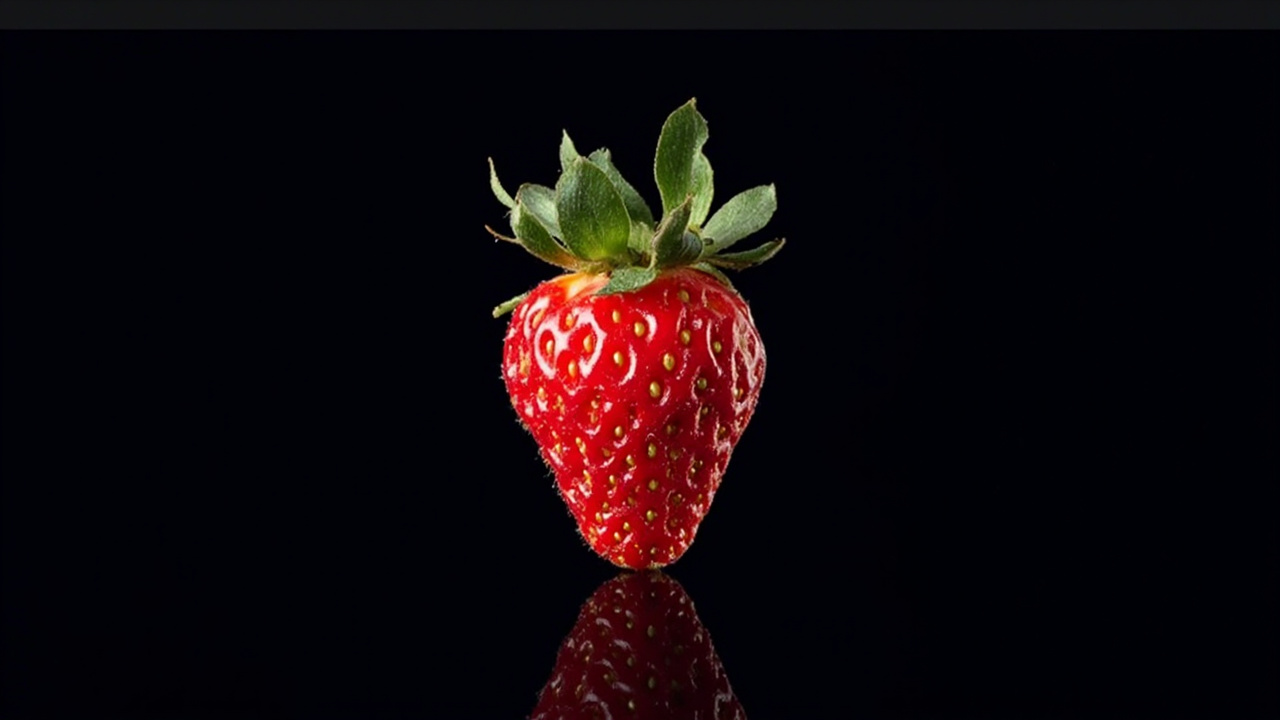
Scientists have discovered a clever new way to trace the evolutionary history of plants with complex genetics, and the strawberry's story is way more complicated—and fascinating—than you might expect. Turns out, that sweet berry in your shortcake has a tangled family tree stretching back millions of years.