
Olimlar Janubiy Kaliforniyaning ostidagi faol yorilish tizimining ming yildan ko‘p vaqt davomida eng katta kuchlanishga uchraganini aniqladilar. Kazon Pass deb ataladigan sirli chorrahada tadqiqotchilar ular “zilzila darvozasi” deb ataydigan narsani aniqladilar — bu geologik tor nuqta bo‘lib, keyingi katta zilzila cheklangan holatda qoladimi yoki ikkita asosiy faol yorilishni bir vaqtda yorib o‘tadimi, shuni belgilaydi. Ushbu xavotirli kashfiyot haqida bilishingiz kerak bo‘lgan ma’lumotlar quyida keltirilgan.
Tadqiqotchilar, uzoq Covid, revmatoid artrit va PTSD kabi turli kasalliklar barchasi bir xil og‘ir charchoqni keltirib chiqarishining sababini oxir oqir tushuntirishi mumkin bo‘lgan hayratlanuvchi naqshni aniqladilar. Javob genlarning o‘zida emas, balki ular hujayralarimiz ichida qanday tashkil etilganidadir.
Mana sizni hayratda qoldirishi mumkin bo‘lgan biror narsa: atrofingizdagi bo‘sh joy aslida umuman bo‘sh emas. Olimlar endi shu “hech narsa”ni materiallarning elektr tokini yanada yaxshiroq o‘tkazishini ta’minlash uchun ishlatish mumkinligini kashf etdilar. Bu xuddi bo‘sh turish joyingizning sizga parallel park qilishda yashirin ravishda yordam berayotganini bilishga o‘xshaydi.
Olimlar, RNA va DNK orasidagi bitta kislorod atomi farqi milliardlab yillar avval erta RNA molekulalarining himoya qonchlarini qanday shakllantirganini tushuntirishi mumkinligini aniqladilar — bu biologiyadagi eng qadimiy “tuxum va tovuq” muammolaridan birini hal qilishi mumkin.
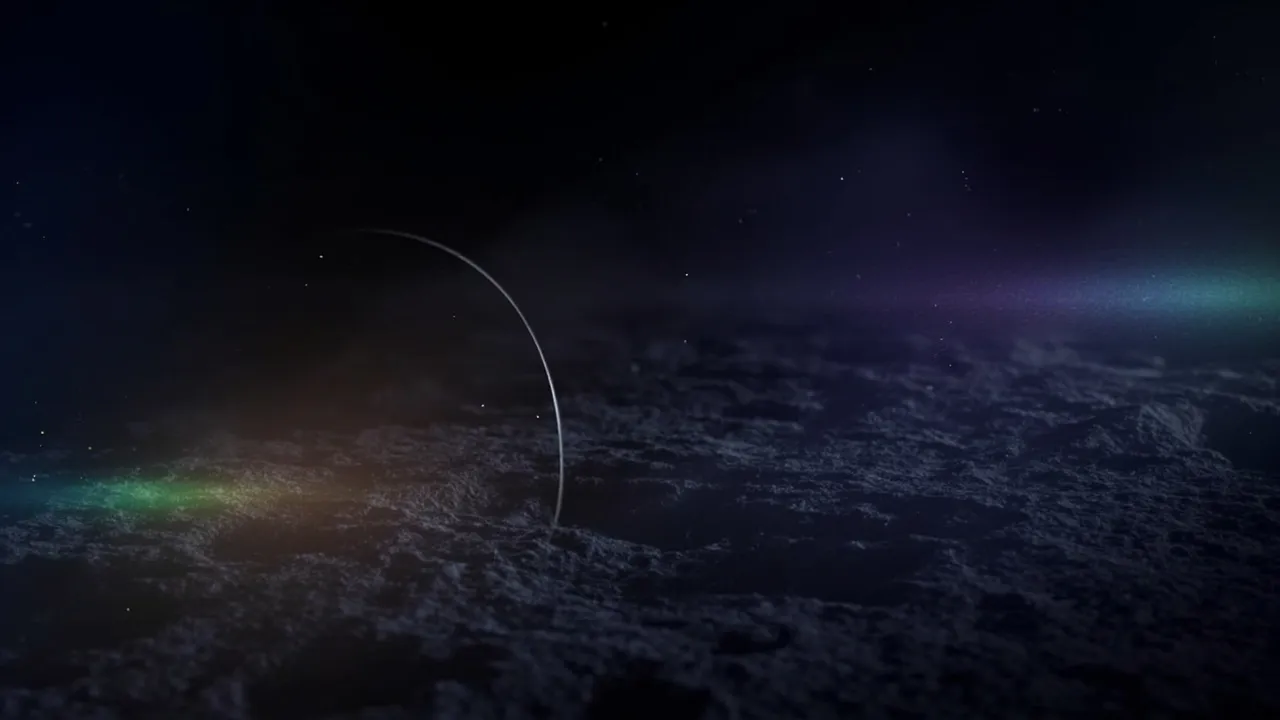
Oy tuprog‘i ichida, Xitoyning Chang’e-6 missiyasi olib qaytgan namunalar orasida olimlar kutilmagan narsani kashf etdilar: kichik magnit yozuvchisi kabi ishlaydigan kam uchraydigan temur turi, Oyning qadimiy o‘tmishiga oid dalillarni saqlab qolgan. Bu kashfiyot milliardlab yillar avval Oy o‘zining himoya magnit maydonini qanday yo‘qotganiga oid biz bilgan barcha narsani o‘zgartirishi mumkin.
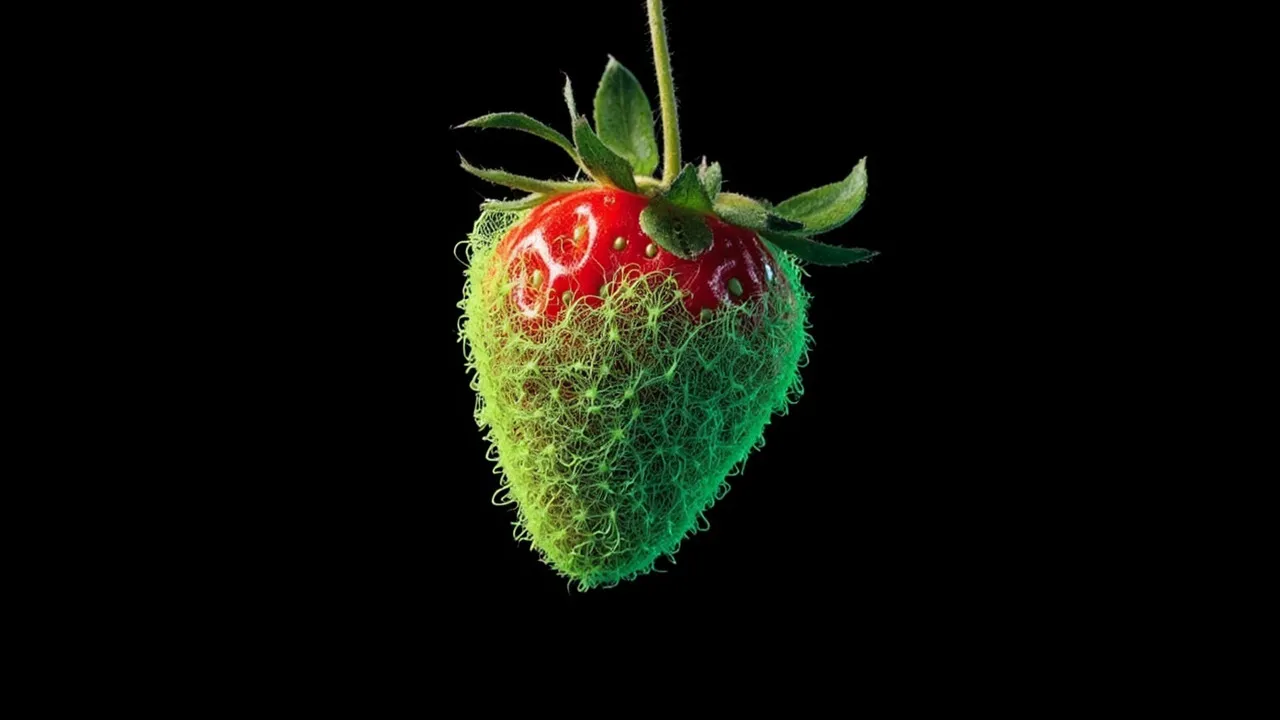
Olimlar quruqlovchi ehtiyojni kamaytirish orqali qulupnay hosildorligini uch baravar oshiradigan mato yaratdi — va bu kutilmagan manbadan, ya’ni harbiy tadqiqotlardan kelib chiqdi. Ushbu yutuq dehqonlar va tadqiqotchilarni qanday qilib hayajonlantirayotganini quyida ko’rib chiqamiz.
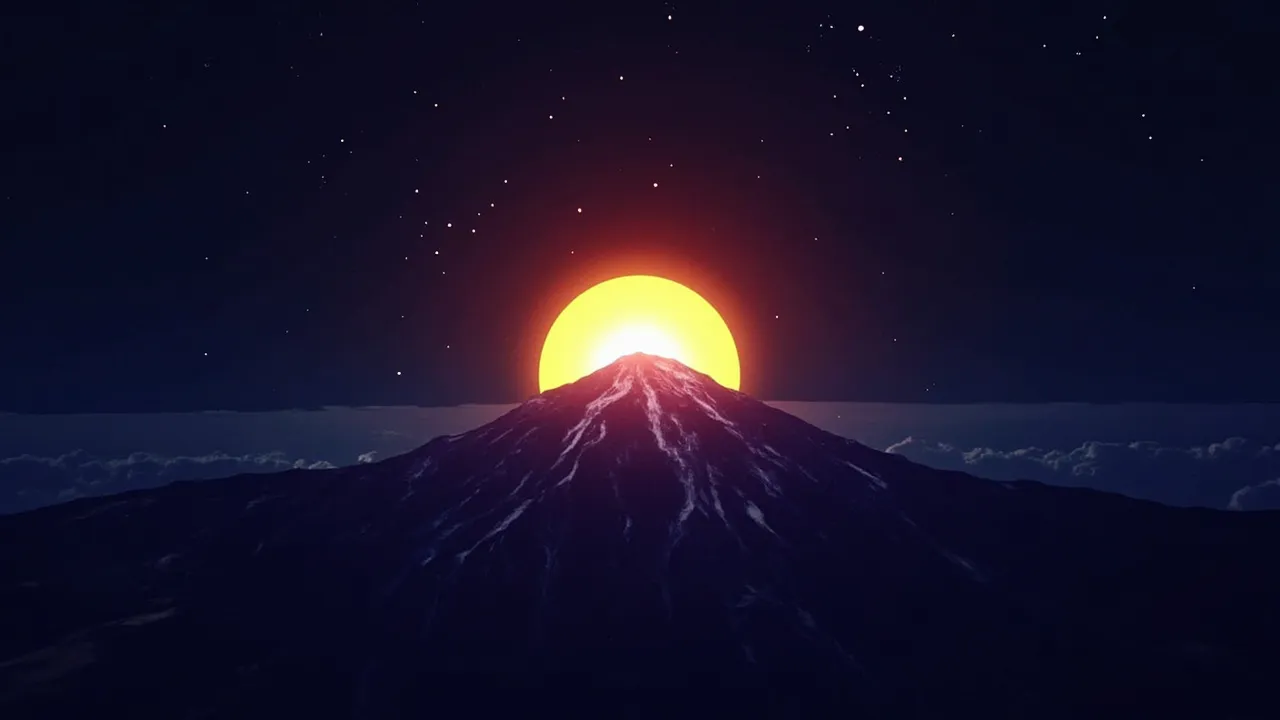
Shimoliy Koreya 2017-yilda o‘zining eng katta yadro bombasini portlatdi va sinov o‘tkazilgan tog‘ shundan beri silkinib kelmoqda. Olimlar endi portlash faqat zarralov zarar keltirib qolmay, balki yer ostidagi uyqudagi tektonik yoriqlarni ham doimiy ravishda faollashtirgan bo‘lishi mumkin, deb hisoblashmoqda.
Tasavvur qiling: Yerning istalgan boshqa joyida hech kim o‘qiy olmaydigan tilda yozilgan kutubxonani kashf etish. Aynan shu Easter orolida Rongorongo bilan yuz berdi — va hozirda yangi dalillar shuni ko‘rsatadiki, bu sirli yozuv qadimdan ham qadimroq bo‘lishi mumkin. Mana, nega bu muhim va nega men buni mutlaqo hayratlanarli deb topaman.
Hech qachon jonli tushlar ko‘rib, garchi butun tun davomida dam olgan bo‘lsangiz ham, mutlaqo charchagan holatda uyg‘onmadingizmi? Tadqiqotchilar intensiv tush ko‘rish jarayonida miyada aslida nima sodir bo‘layotganiga oid hayratlanarli bir narsani aniqladilar — va bu uyqu ba’zan jismoniy mashqlardan ham charchatuvchi bo‘lib tuyulishini tushuntirishi mumkin.
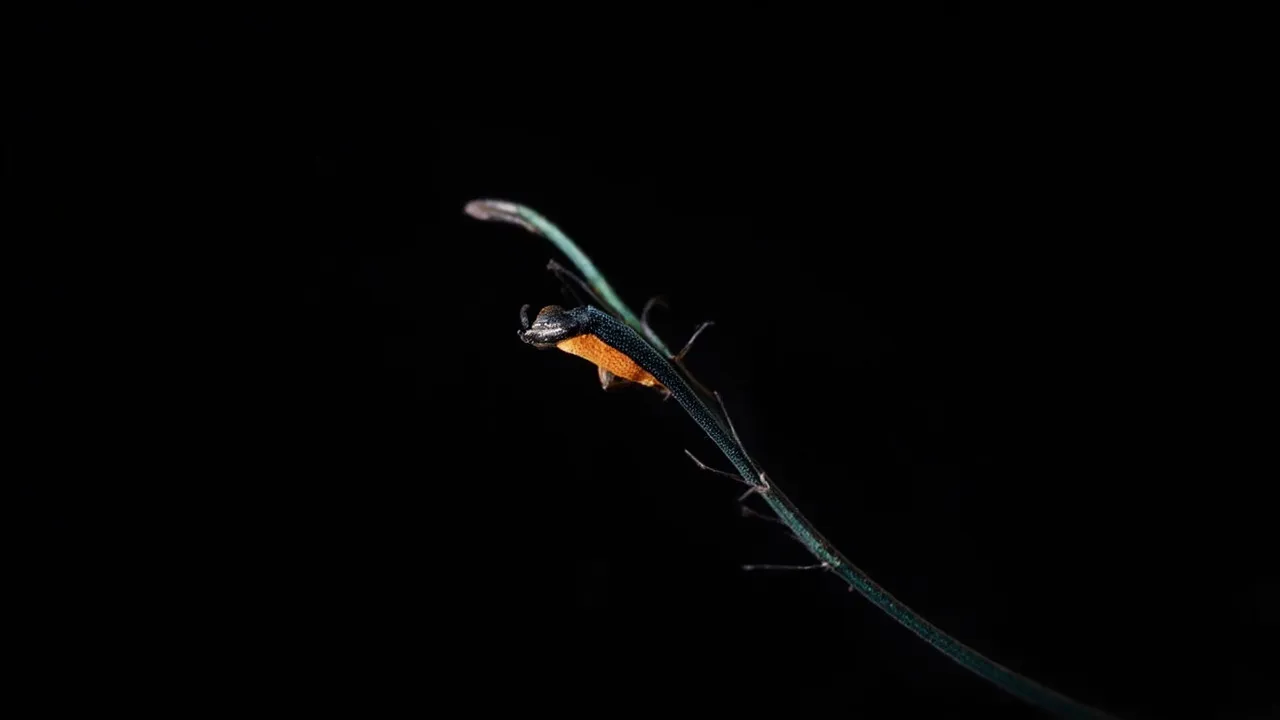
Bir xil chumchuq (stick insect) o‘nlab yillar davomida hamma nazar ostida yashiringan, mutaxassislarni ham, fuqaro olimlarini ham chalkashlikka solganida nima bo‘ladi? Spoiler: Ma’lum bo‘ladiki, biz bitta emas, ikki ham emas, balki besh xil tur haqida gapirayotgan ekanmiz. Ulardan biri esa qopqoqli tuxum qo‘yadi. Ha, men ham buni kutmagan edim.
Oyog'ingiz ostida, taxminan 3 000 mil chuqurlikda, g'ayritabiiy bir narsa sodir bo'lyapti. Sayyoramizning ichki qismi o'ziga xos tarzda harakatlanmoqda—o'z sur'atida aylanmoqda, uning ustidagi qatlamlarni tortmoqda va kunlarimizni millisekund miqyosida o'zgartirmoqda. Olimlar nihoyat bu kosmik raqsning qanday ishlashini aniqladilar va chin dildan aytganda, bu mening hayratimdan chiqayotgan holatdir.
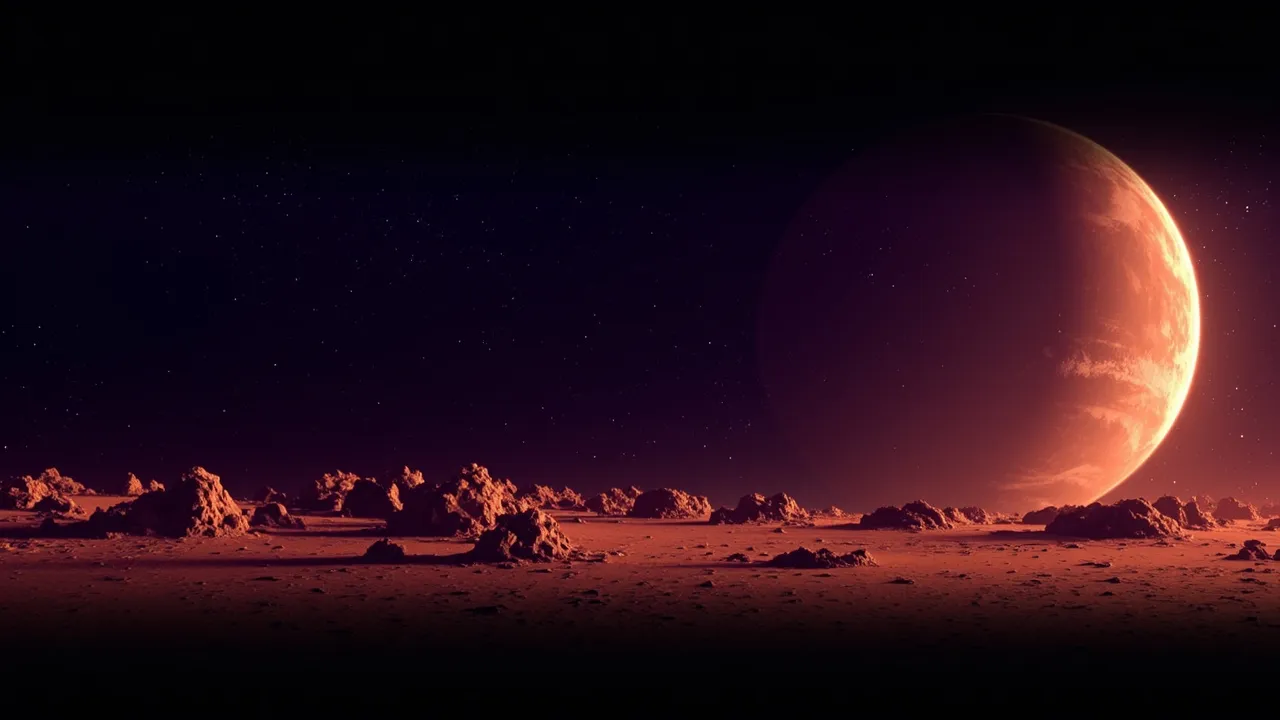
NASA-ning Perseverance roveri Marsda hali kashf etilgan eng hayratlanarli geologik hikoyalardan birini ochib berdi — va ma'lum bo'ldiki, Qizil sayyoraning suvli o'tmishi kim o'ylagandan ancha murakkab ekan. Olimlar kutgan oddiy qadimiy ko'ldan farqli ravishda, rover suv bilan uch marta alohida uchrashuvning dalillarini topdi, har biri o'ziga xos iz qoldirdi.
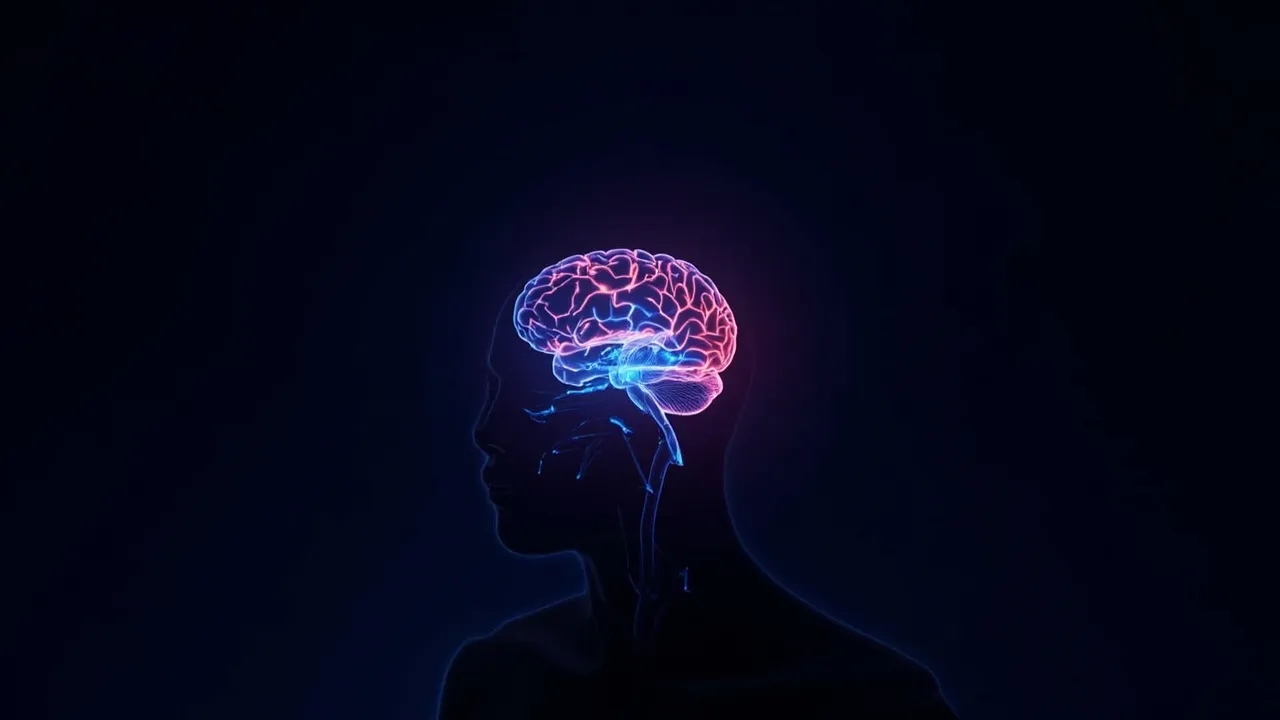
Veytsman institutining tadqiqotchilari Brain-IT deb nomlangan sun’iy intellekt tizimini yaratdi, u miya skanerlari orqali tasvirlarni hayratlanarli aniqlikda qayta tiklay oladi. Bu texnologiya bir kun kelib gapira olmaydigan odamlar uchun muloqot imkonini berishi mumkin, va chinakamiga? Bu ham qiziqarli, ham sal qo‘rqinchli.
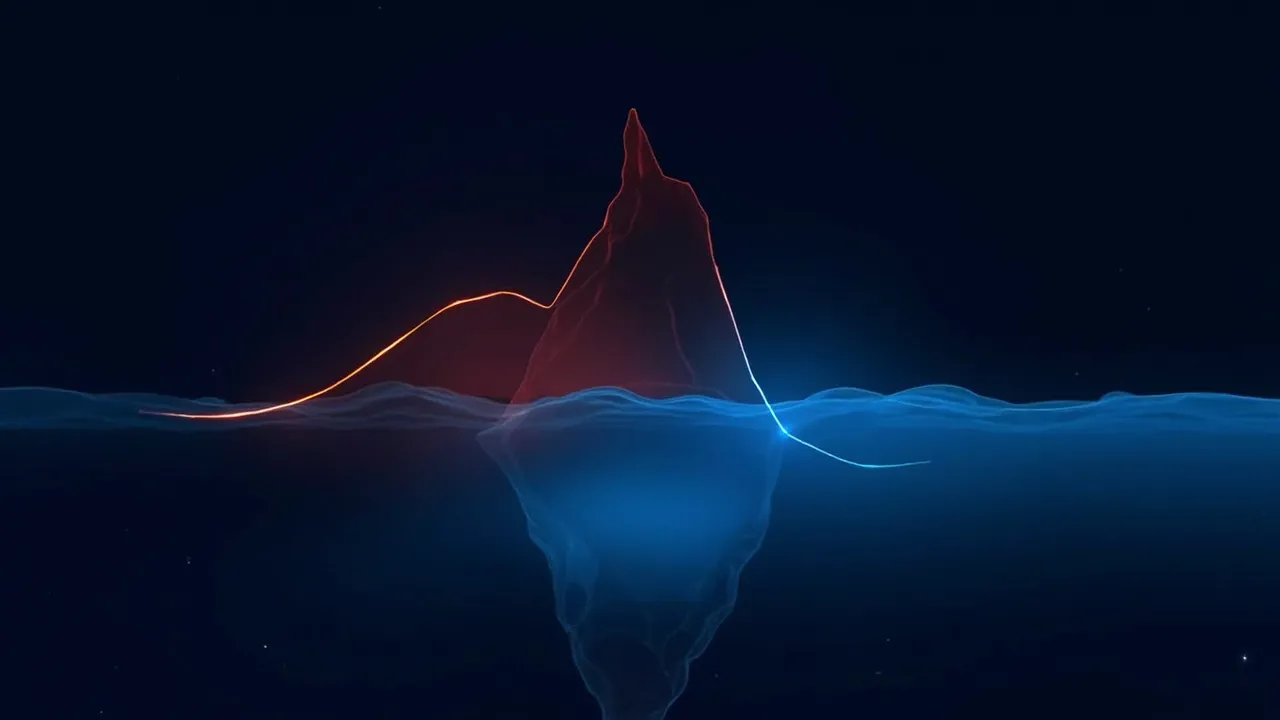
Olimlar, yangiliklarda eshitiladigan dengiz issiq tolqinlari aslida muz tog‘ining faqat uchi ekanini, aniqrog‘i, ancha uzoq davom etadigan isish davrining kichik bir qismi ekanini aniqladilar. Ma’lum bo‘ldiki, okeanlarimiz biz o‘ylagandan ancha ko‘p issiqlik stressiga duch kelmoqda va bu dengiz hayotini o‘rganish va uni himoya qilish usullarimizni butunlay o‘zgartirishi mumkin.
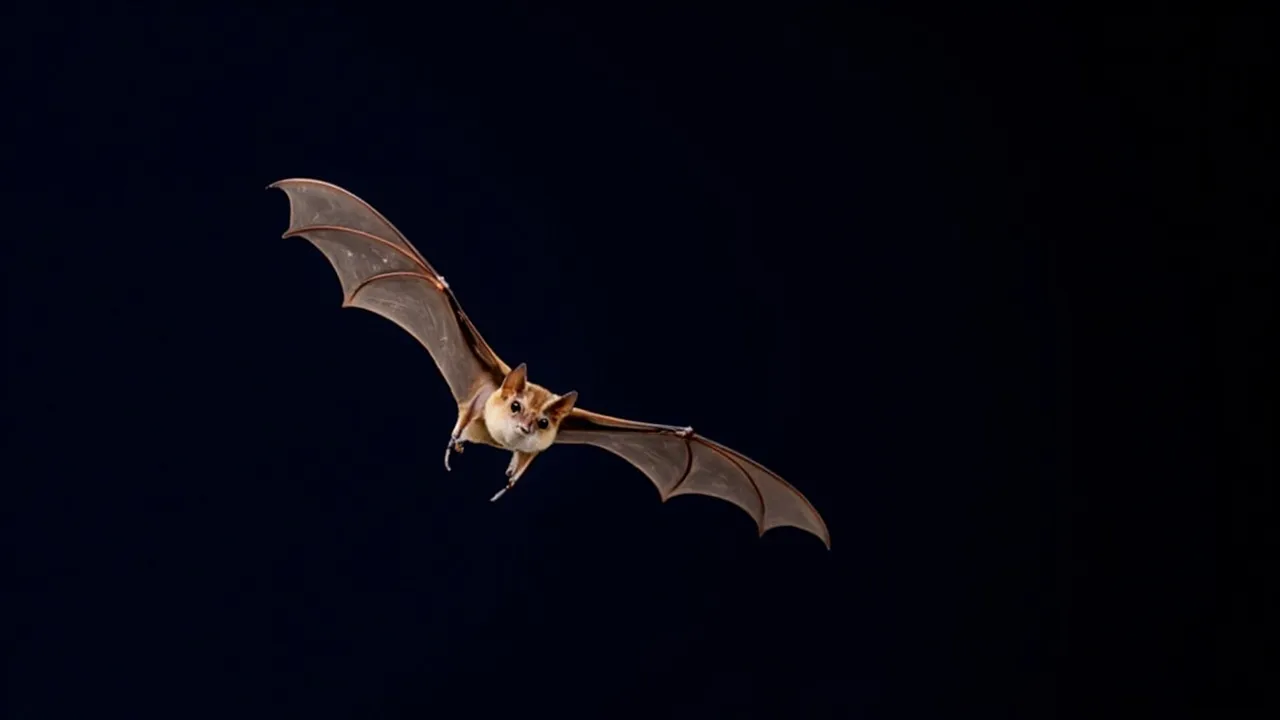
Yangi genetik tadqiqotlar shuni ko'rsatdiki, Yerdagi yagona haqiqiy uchuvchi sut emuruvchilar bo'lgan ko'rshapalaklar, avval o'ylanganidek Afrika yoki Osiyoda emas, balki millionlab yillar oldin Yevropada evolyutsiyaga uchragan. Olimlar ko'rshapalaklar evolyutsiyasining eng to'liq tasvirini yaratdilar va ular topgan narsa haqiqatan ham hayratlanarli.

UCLA tadqiqotchilari deepfake’larni deyarli 98 foiz aniqlik bilan aniqlash uchun yorug‘likdan foyalanadigan sun’iy intellekt tizimini yaratdi — va eng hayratlanarli qismi shundaki, u bitta videoni ketma-ket emas, balki 15 ta videoni bir vaqtda tahlil qila oladi.
Kalendaringiz 24 soatni ko‘rsatsa-da, Ona Yer boshqacha fikrda. Sayyoramizning chuqurligida, yadro va mantiya orasidagi yashirin raqs kunlarimiz davomiyligini doimiy ravishda o‘zgartirib turadi — va olimlar endi buning qanday ishlashini aniqladilar.
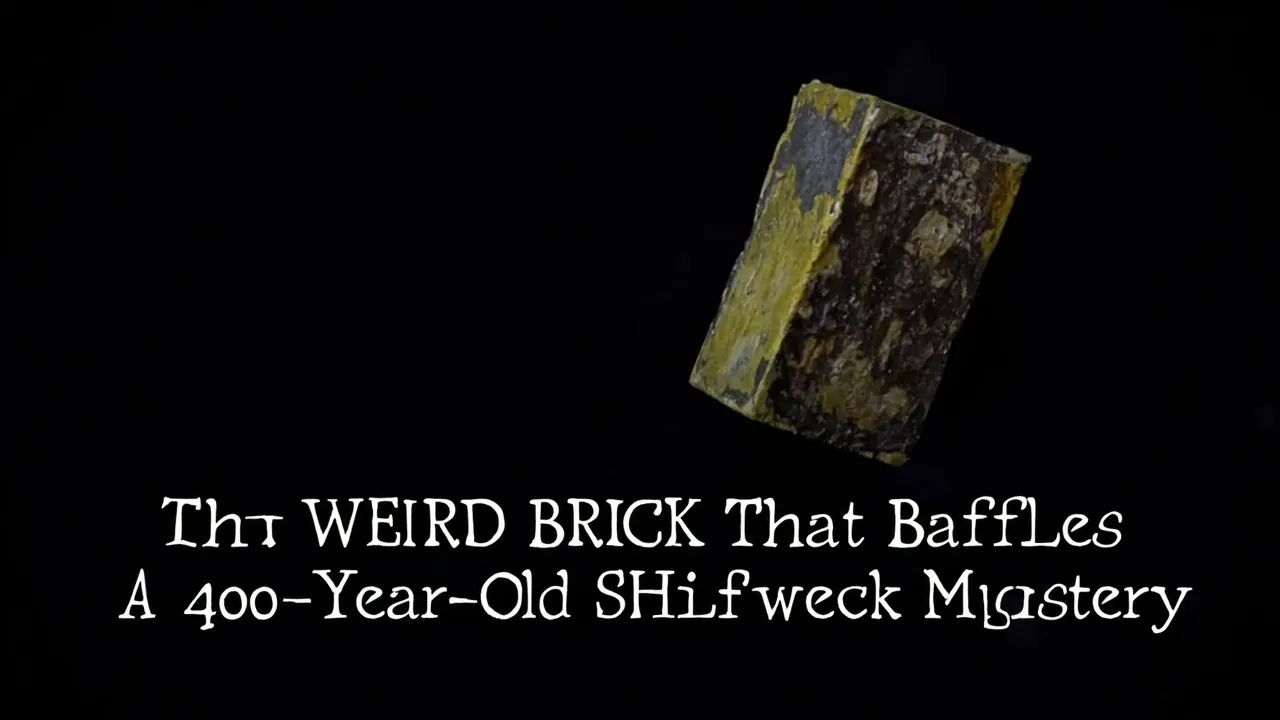
Germanniya, Greifsvold ko'rfazida quvur qo'yayotgan quruvchilar 1600-yillarga oid qadimiy kema qoldiqlarini topishdi. Hozirda tadqiqotchilar tarqoq artefaktlardan uning tarixini qayta qurmoqdalar, shu jumladan, mutaxassislarni ham hayratda qoldirayotgan aynan bir topilma ham bor.
Ko‘plab texnologiya sohasidagi yetakchilar biz sun’iy intellekt singulyarligining o‘rtasida ekanligimizni bemalol e’lon qilmoqdalar, ammo bashorat qilib bo‘lmaydigan narsani bashorat qilishning qiyinligi shundaki, bu murakkab masala. Keling, buning bizning qolganlarimiz uchun nimani anglatishini ochib beramiz.
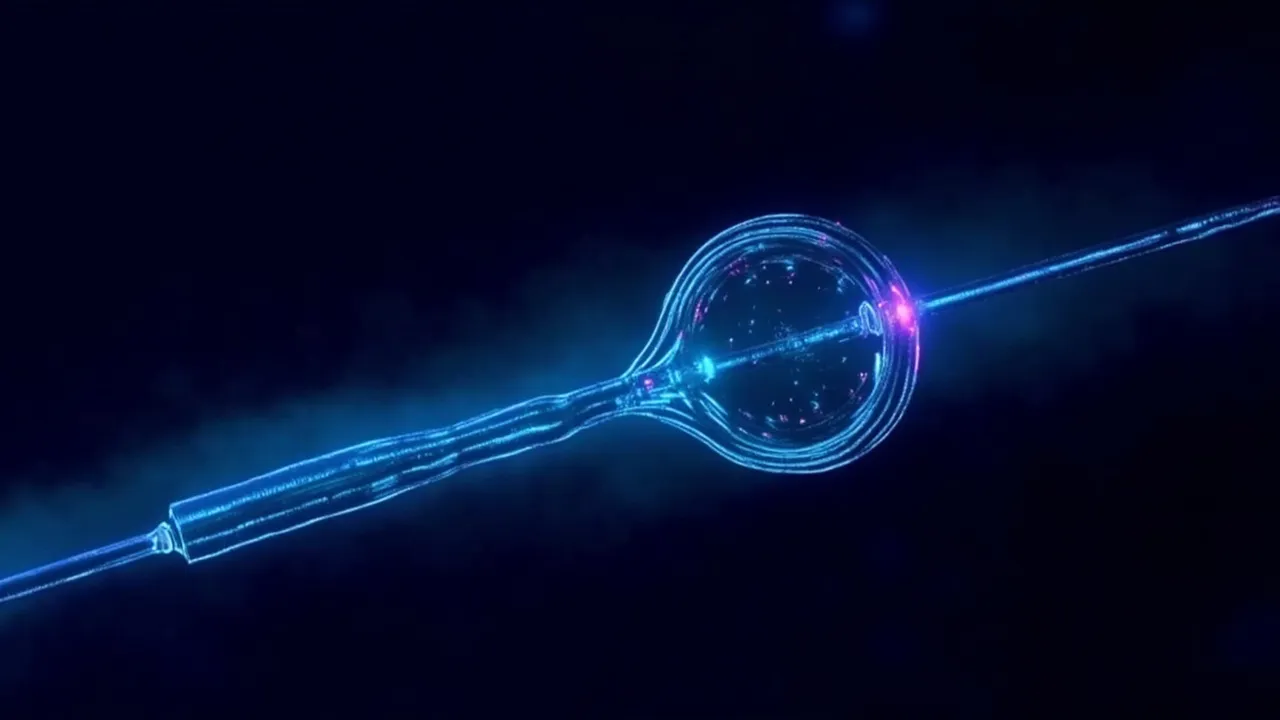
Olimlar superfluid geliydan foydalanib, zamonaviy dizaynlarga qaraganda 100 marta ishonchli bo‘lgan yangi turdagi kvant bitini yaratdi, bu esa kvant kompyuterlarining eng katta muammolaridan biri – tizimlar kattalashgani sari xatolarni nazorat ostida saqlashni – hal qilishi mumkin.