

Around 7,300 years ago, a massive underwater volcano blew up near Japan. Scientists figured the nearby communities must have been either wiped out completely or barely hanging on. But new research shows things were way more complex—and way more hopeful—than anyone expected.
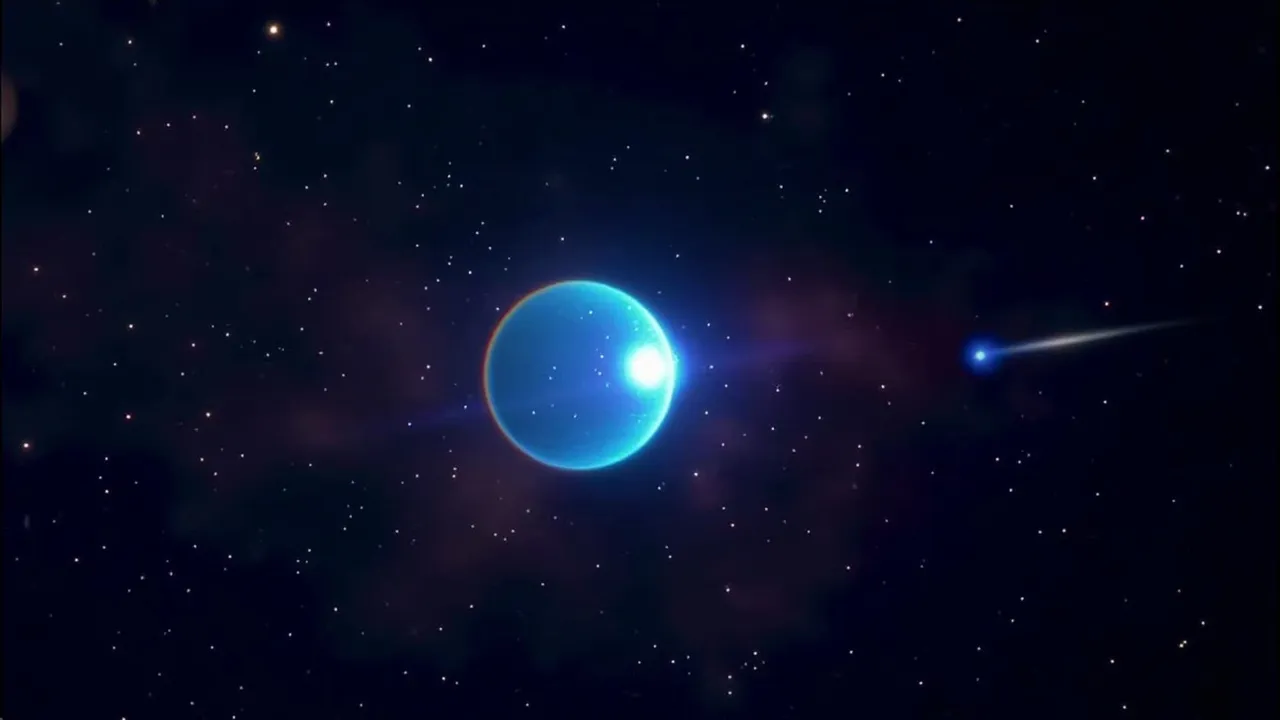
Researchers using NASA's James Webb Space Telescope have finally cracked the code on the wild weather patterns of a mysterious brown dwarf sitting about 20 light-years away—and the results completely blew them away. Even though this distant world looks like a chaotic, unpredictable mess from our vantage point, its atmosphere actually operates on some surprisingly simple rules.

What began as volunteers scouring a New Jersey battlefield for Revolutionary War artifacts turned into something far more sobering. They uncovered a mass grave of soldiers—a discovery that could reshape how we think about America's struggle for independence. It was a powerful reminder that every artifact we find carries a human story behind it.

Olimlar kvant materiyalarining yangi, g'ayrioddiy holatini yaratdilar. Bu holatda zarrachalar yuqori energiyali holatlarga o'tkazilganda ham yashirin tartibni saqlab qoladi. Bu bizning kvant tizimlari qanday ishlashi haqidagi tushunchalarimizga ziddir.

Here's something that's really got me thinking. Scientists have developed a new way to understand how animals experience time, and honestly? It's mind-blowing. Turns out, a second isn't really a second — at least not if you're a snail or a firefly trying to find love.

Tesla just dropped a flying car that hits 60 mph in under a second and floats through the air using jets of forced air. But before you start dreaming about owning one, it's worth remembering how many times we've been promised flying cars that never actually arrived.

Aynan UC Santa Cruz universitetidagi bir olim Altsgeymer bo'yicha o'ttiz yildan ortiq davom etgan tadqiqotlarni qayta ko'rib chiqishga chaqirmoqda. Uning fikricha, biz bir peptidega uncha e'tibor berayotgani yo'q. Xuddi shu peptide aslida biz yechishga harakat qilayotgan muammoning bir qismi bo'lishi mumkin.
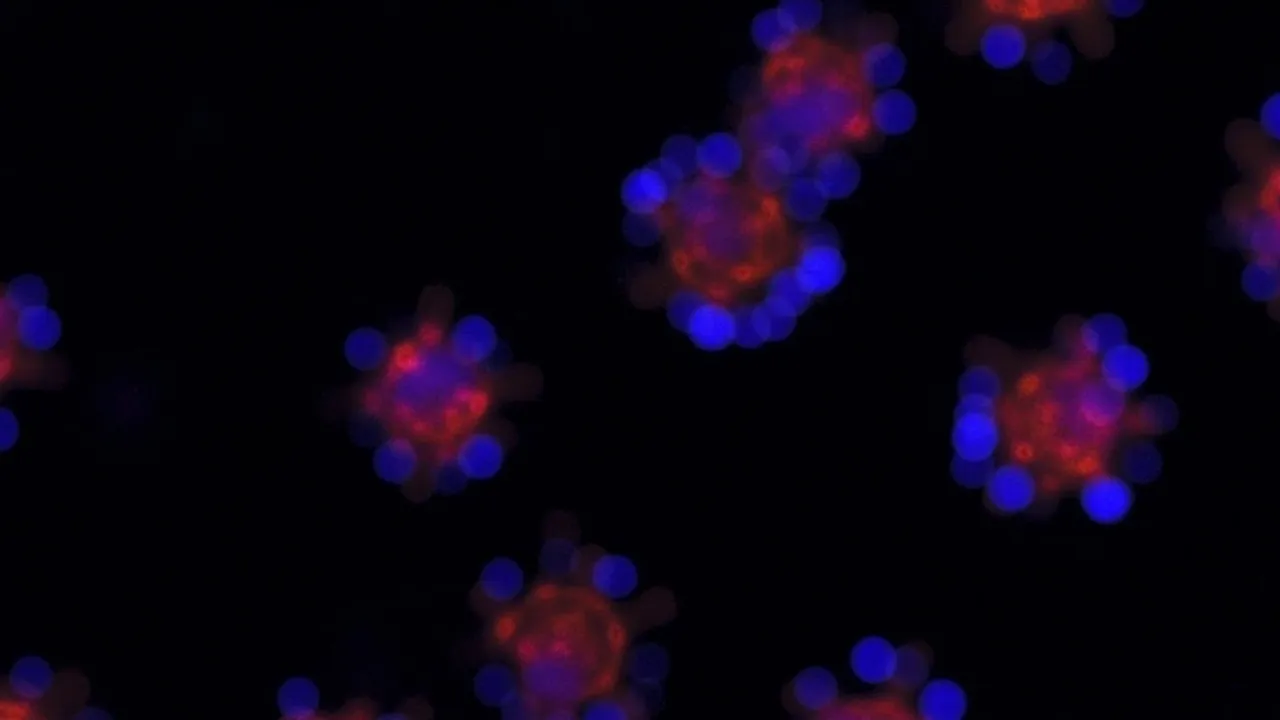
Stenford tadqiqotchilari yangi kuchli mikroskop yaratdilar, u olimlarga tirik hujayralarning ichiga qarash va ularning mayda ichki mexanizmlari qanday ishlashini real vaqt rejimida kuzatish imkonini beradi — buning uchun lyuminessensent bo'yoqlar yoki belgilar talab etilmaydi. Bu hujayralarning tashqi ta'sirlarsiz, tabiiy holatda qanday harakat qilishini tushunishda inqilobiy qadam bo'lishi mumkin.

Granola shiringizdagi kaloriyalar miqdori? U ehtimol barcha haqiqatni aytmayotgan bo'lishi mumkin. Olimlar ichakdagi bakteriyalar tanangiz oziq-ovqatdan qanchalik energiya olishini belgilashda ulkan rol o'ynashini aniqlashdi — va bu parhez, semizlik hamda salomatlik haqidagi tasavvurlarimizni butunlay o'zgartirishi mumkin.
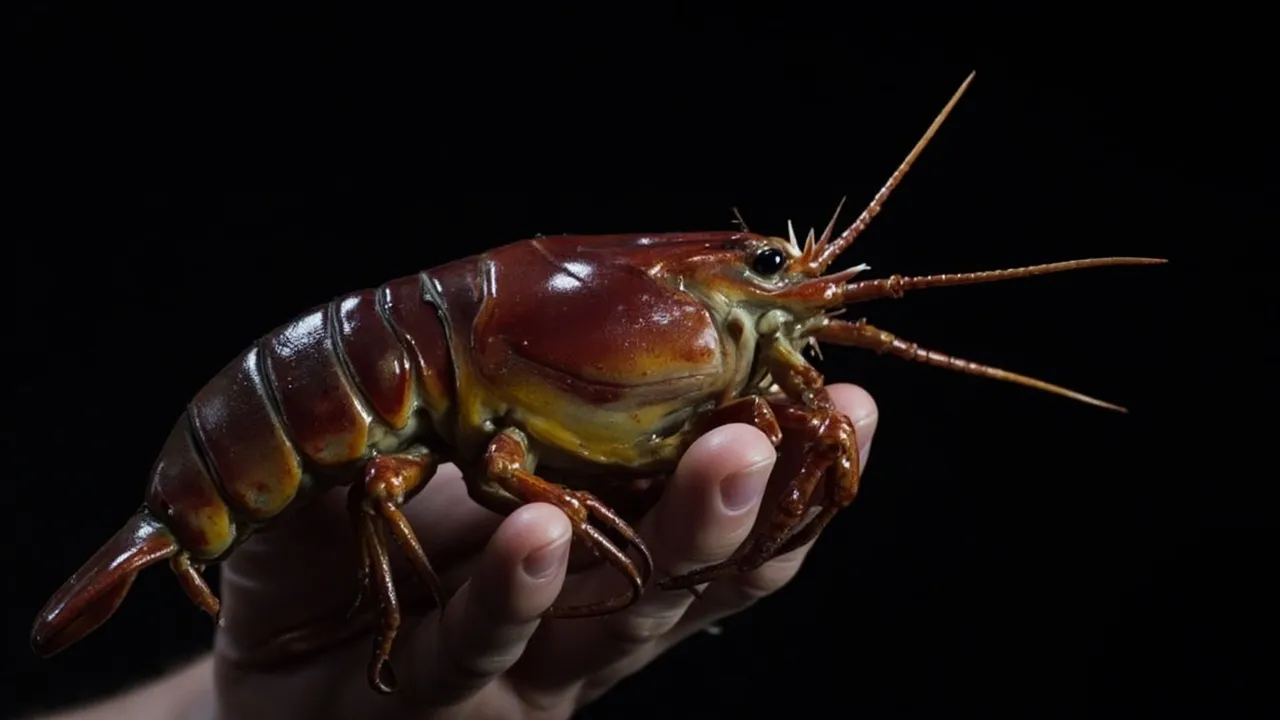
Kentakkidagi bir tadqiqotchi shunchalik hayratlanarli darajada ulkan bir qisqichbaqqa duch kelidiki, uni "Crawzilla" deb nomladi va u hozirgacha qayd etilgan eng katta qisqichbaqni topganiga qat'iy ishonib qoldi. Ammo uni hamkasbiga ko'rsatganida, unga ilmiy tilda aytganda "yaxshi, lekin men bundan ham kattasini tutganman" degan javobni oldi. Shundan so'ng, mega-qisqichbaqlarni qidirish bo'yicha butun mamlakat bo'ylab davom etgan izlanish tabiatning o'z chegaralari haqida kutilmagan bir haqiqatni ochib berdi.
USC tadqiqotchilari ma'lum bir immun hujayra prekursorlari laboratoriya sharoitida mohiyatan o'zini yangilab borishi mumkinligini aniqladilar, bu esa saratonni davolashning yanada qulay usullari uchun imkoniyatlar ochadi. Ushbu kashfiyot zamonaviy immunoterapiyadagi eng katta muammolardan birini — saratonga qarshi kurashish uchun hujayralar tugab qolmasdan yetarli miqdorda hujayra olish muammosini hal qilishi mumkin.

James Webb kosmik teleskopi yordamida ishlayotgan olimlar uzoqdagi gaz ulkan sayyoraning atmosferasi notekunli ekanligini, ya'ni uning bir tomoni ikkinchisiga qaraganda ko'proq bo'rtib chiqqanini aniqladilar. Bu shunchaki g'ayrioddiy holat emas, balki ekstremal issiqlik va kuchli shamollar begona dunyolarni qanday shakllantirishi haqidagi tadqiqotchilarning taxminlarini tasdiqlaydi.
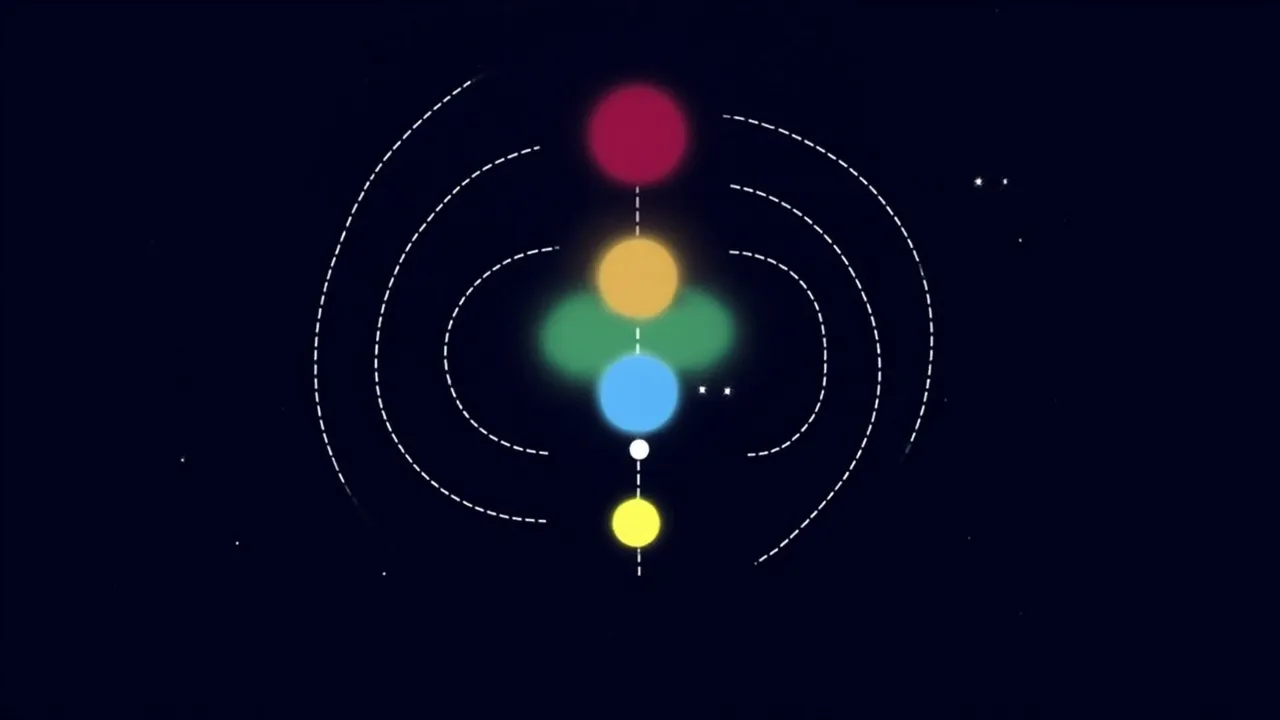
1960-yilda ba'zi juda jiddiy olimlar insoniyat 2026-yilning 13-noyabrida — ya'ni shu juma kuni — qiyomatga duch kelishini da'vo qilgan maqola nashr etishgan edi. Ularning hisob-kitoblari ishonchli ko'ringan va ma'lum vaqt davomida bashoratlari g'ayrioddiy darajada aniq bo'lgan. Xo'sh, nima noto'g'ri ketdi?

Olimlar qiziq bir sirni aniqladilar: Yer qanday qilib milliard yil oldin sodir bo'lgan katta o'zgarishlardan keyin ham atmosferaida yetarli kislorodni saqlab qolgan. Javob esa qadimgi okeanlarda ekan. Ular tabiatning eng yirik qayta ishlash markazlari vazifasini bajargan.
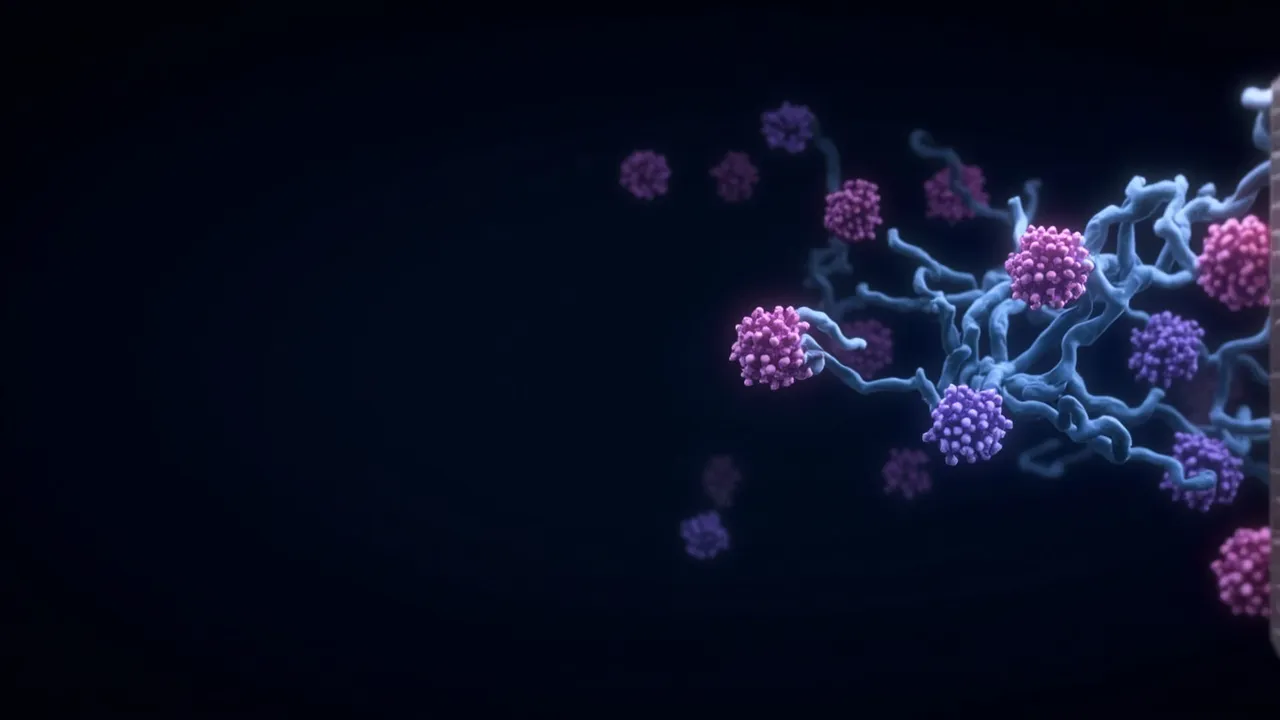
Researchers have stumbled onto something remarkable: a protein that cancer normally exploits to grow and spread can actually be turned against the tumors when activated in the right cells. This unexpected twist in cancer biology could open entirely new possibilities for treating the disease.
SpaceX yana bir bor Xalqaro Kosmos Stansiyasiga yuk yetkazdi. Bu safar ham ovqat, ham kerakli asbob-uskunalar bor edi, lekin yukning asosiy qismini boshqacha narsalar tashkil etdi — ilmiy fantastikaga o'xshagan tajribalar: sun'iy ko'zlar, laboratoriyada yetishtirilgan yuraklar va mikrogravitatsiyada suzayotgan kichkina miyalar.

1975-yilda "Edmund Fitzgerald" kemasi ichida 29 nafar dengizchi bilan cho‘kib ketdi. O‘n yillar o‘tib, bir tadqiqotchi hatto tajribali olimlarni ham javoblardan ko‘ra ko‘proq savollarga boy qilgan vahimali bir kashfiyotni amalga oshirdi. Quyida kichik sariq suv osti apparati chuqurliklarda javob izlashga chiqqanida nima sodir bo‘lganligi haqida hikoya qilinadi.

Olimshlar g'ayrioddiy iste'moga ega bo'lgan fermentni kashf etishdi: u ma'lum turdagi plastikni xuddi konfetdek yeydi, ammo eng qiziq tomoni shundaki, u penitsillinni ham parchalay oladi. Germaniyalik tadqiqotchilarning ushbu g'ayrioddiy topilmasi plastik ifloslanishiga qarshi kurashish haqidagi tasavvurlarimizni butunlay o'zgartirishi mumkin.
Uchdekad davomida Eastman Kodak Nyuyork shtati, Rochester shahridagi korporativ ofislarining ostida kichik hajmdagi yadro reaktorini ishlatib keldi va hech kim bunga uncha e’tibor ham bermadi. Quyida film ishlab chiqaruvchi kompaniya qanday qilib uran bilan ishlashni boshlagani haqidagi hayratlanarli darajada oddiy hikoya va bu narsa nima uchun siz o'ylagandan ko'ra mantiqan to'g'ri ekanligi haqida so'z boradi.

Olimlar Zimbabveda 210 million yillik dinozavr topdilar. Bu kashfiyot hamma uchun kutilmagan edi. Bu maxluqot mintaqa uchun butunlay yangi — yaqin atrofdagi Janubiy Afrikada topilgan dinozavrlar bilan hech qanday aloqasi yo'q. Bu kashfiyot Afrikadagi dinozavrlar evolyutsiyasi haqidagi tasavvurlarimizni tubdan o'zgartirmoqda.