
It's been over a decade since Malaysia Airlines Flight MH370 disappeared without a trace. For years, it seemed like we'd never know what happened. But now, scientists are turning to an unlikely ally — barnacles. These unassuming sea creatures might just hold the answers we've been searching for about the missing plane and the 239 people aboard.
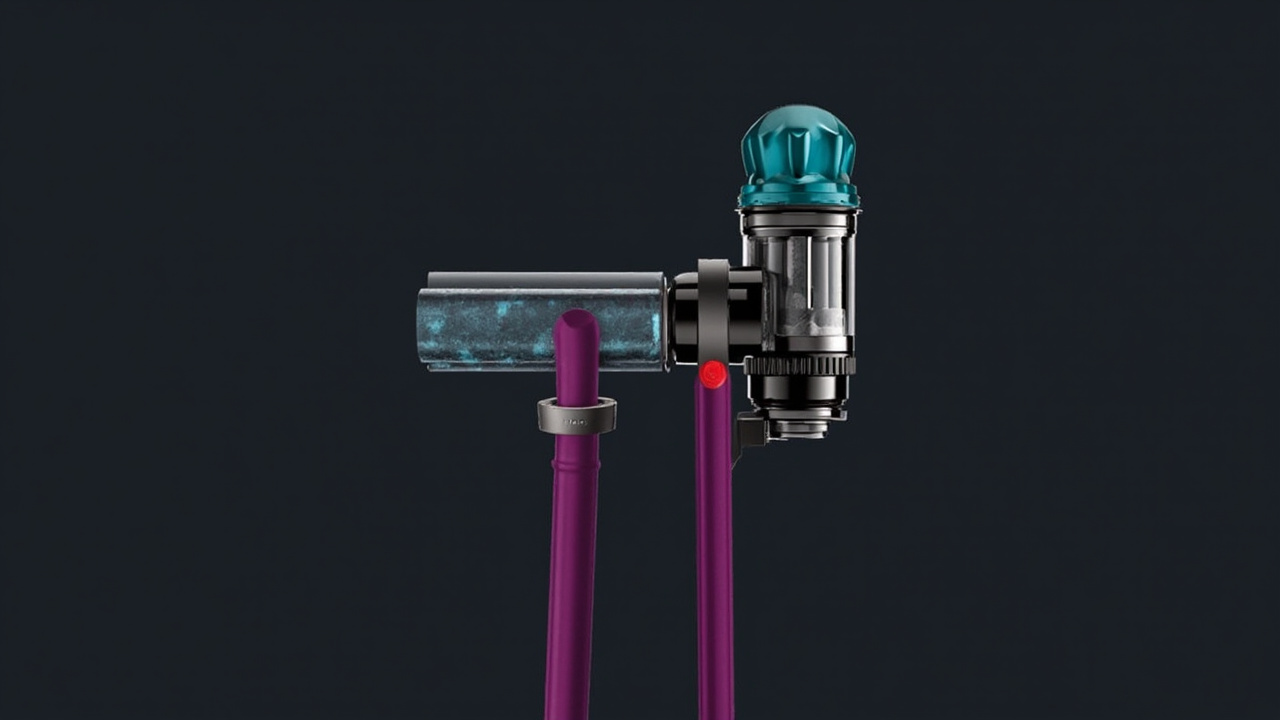
For years, my old vacuum was held together by nothing more than duct tape, stubbornness, and maybe a prayer. But I finally caved and upgraded. And honestly? It made me wonder why I waited so long.
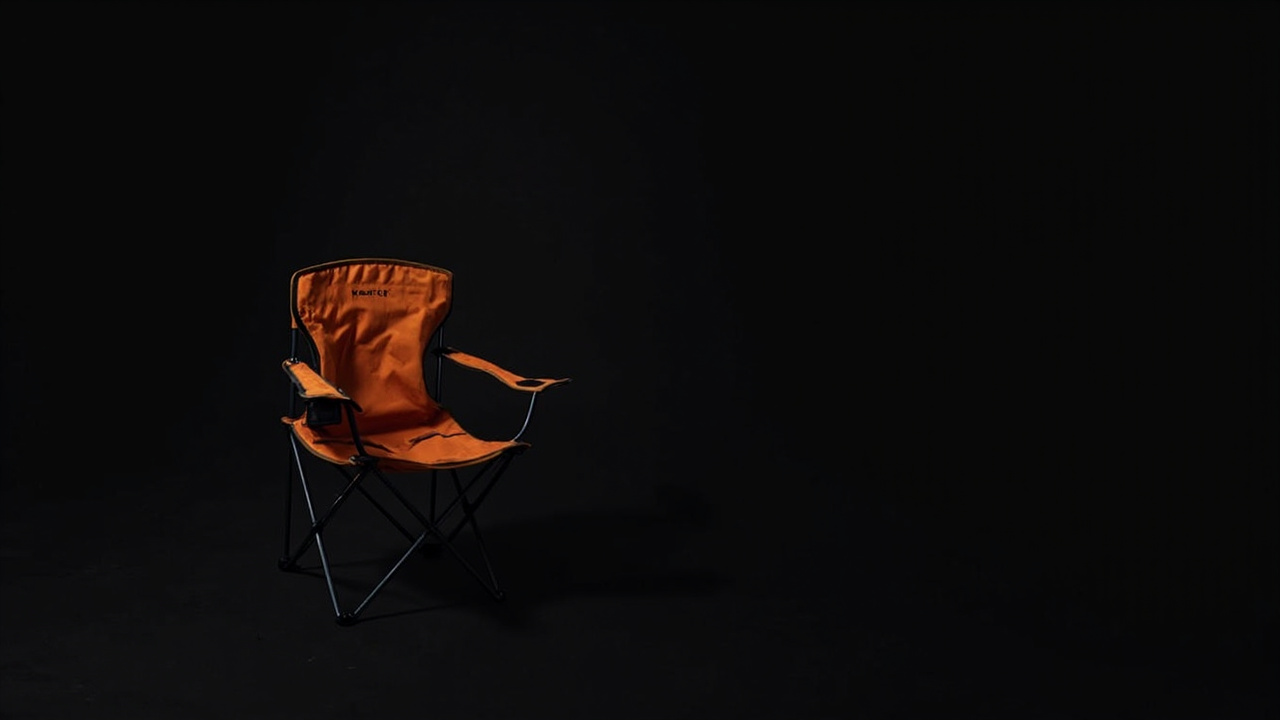
I used to hate those flimsy camping chairs that would tip over the moment a breeze blew by. Then I got my hands on the Kelty Rad-Arondack—a rugged outdoor seat that takes inspiration from the classic Adirondack chair. Let me tell you how it held up during testing and why it might completely change the way you think about sitting outdoors.

Scientists now know that Alaska's glaciers are far more sensitive to rising temperatures than we once thought. For every degree of warming, the melting season stretches by about three weeks. And new satellite radar technology is showing us just how fragile these massive ice formations really are.
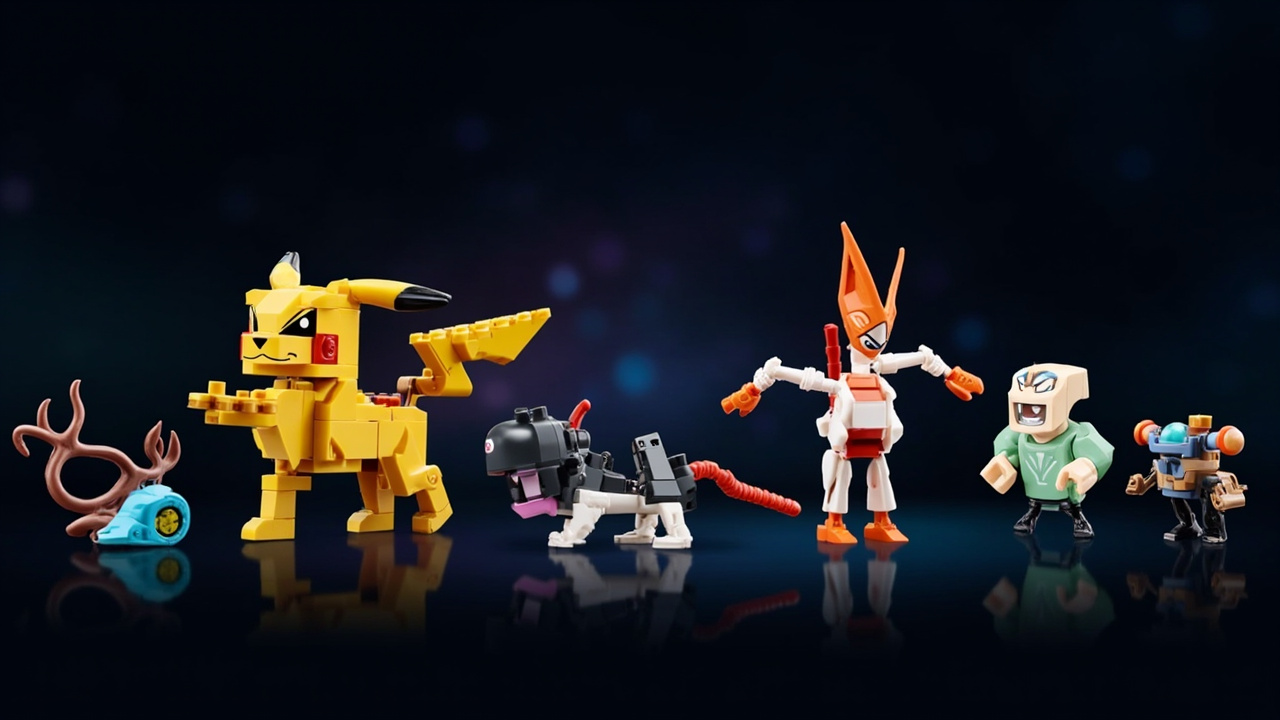
LEGO just dropped its first-ever Smart Play Pokémon sets, and after that jaw-dropping $650 Kanto Starters release, these new ones are way easier on the wallet. The latest wave brings interactive battles, fan-favorite characters, and even some Gen 9 newcomers to the mix.
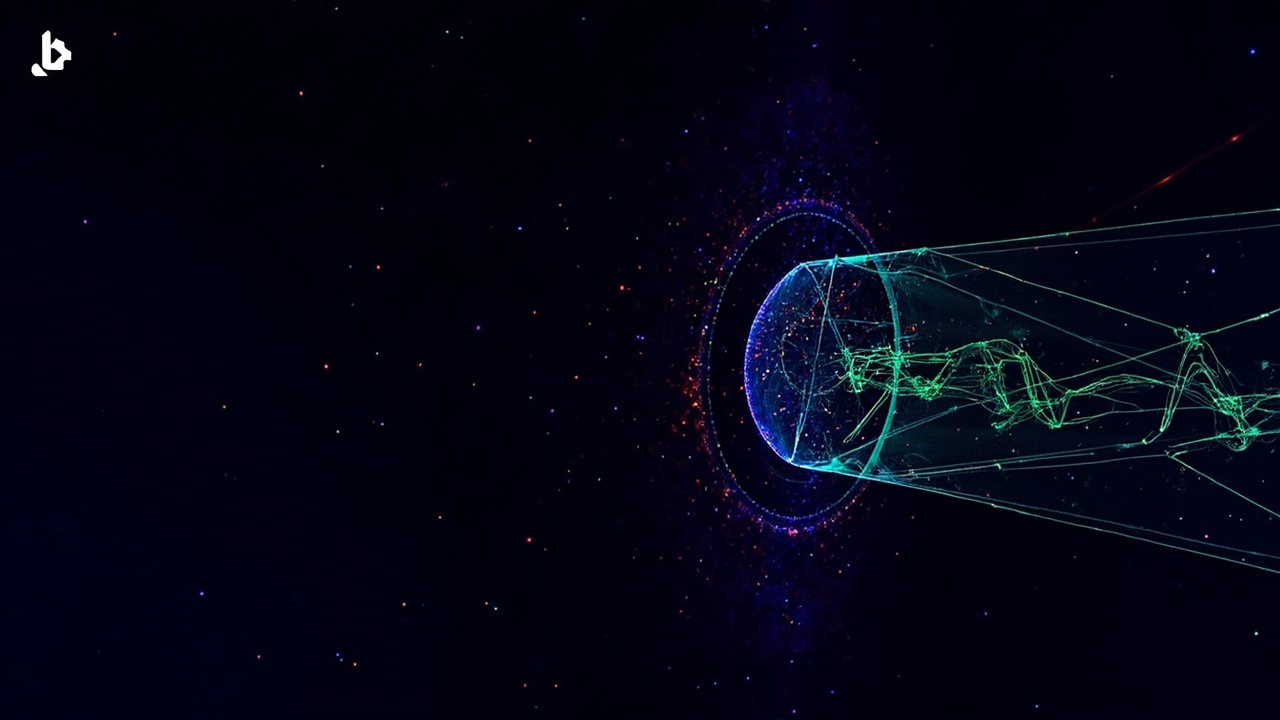
Scientists have just revealed the first major findings from JUNO — a huge neutrino detector hidden 700 meters underground in China. And honestly, what they've discovered is pretty extraordinary. It could actually help us answer some of the deepest questions about how our universe works.

Londondagi King's College universiteti olimlari kutilmagan narsani kashf etishdi: qisqa muddatli kaloriya cheklash parodontit — ya'ni milklar yallig'lanishini kamaytirishi mumkin ekan. Lekin nonushtani tashlab yuborishga shoshilmang — avval bu nima ekanligini tushuntiraman.
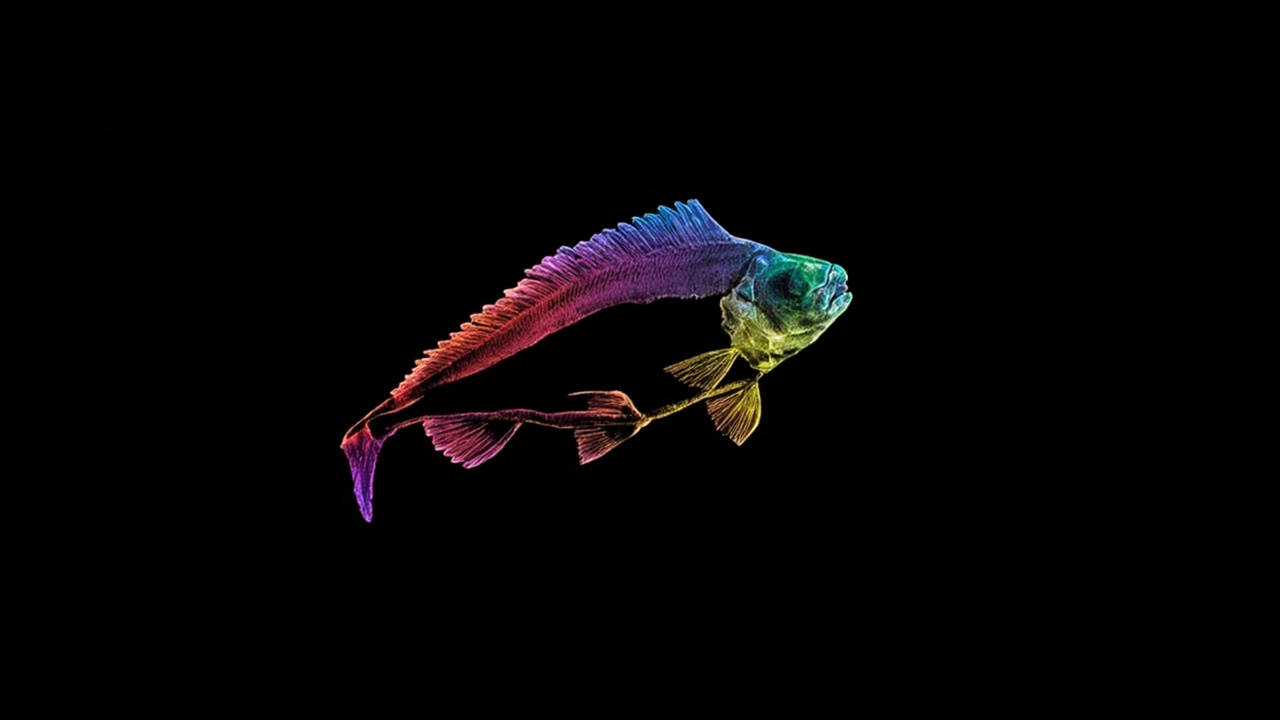
Tasavvur qiling: yillar davomida bir pushti yechimni qidirib, oxirida qo'shimcha qism kimnidir shiftidan topilganini bilasiz. New Zealandlik olimlar bilan ham aynan shunday bo'ldi. Bir paleontologning dalaga yozilgan daftarchalari to'g'ri paytda paydo bo'lib, ularga nodir baliq qazilmasini aniqlashda yordam berdi.
Scientists at RIKEN have figured out how to make quantum systems synchronize in just one direction—think of it as a quantum one-way street. The really striking part? This works even when the hardware has flaws. For anyone trying to build practical quantum computers that can actually function in the real world, this could be a major breakthrough.
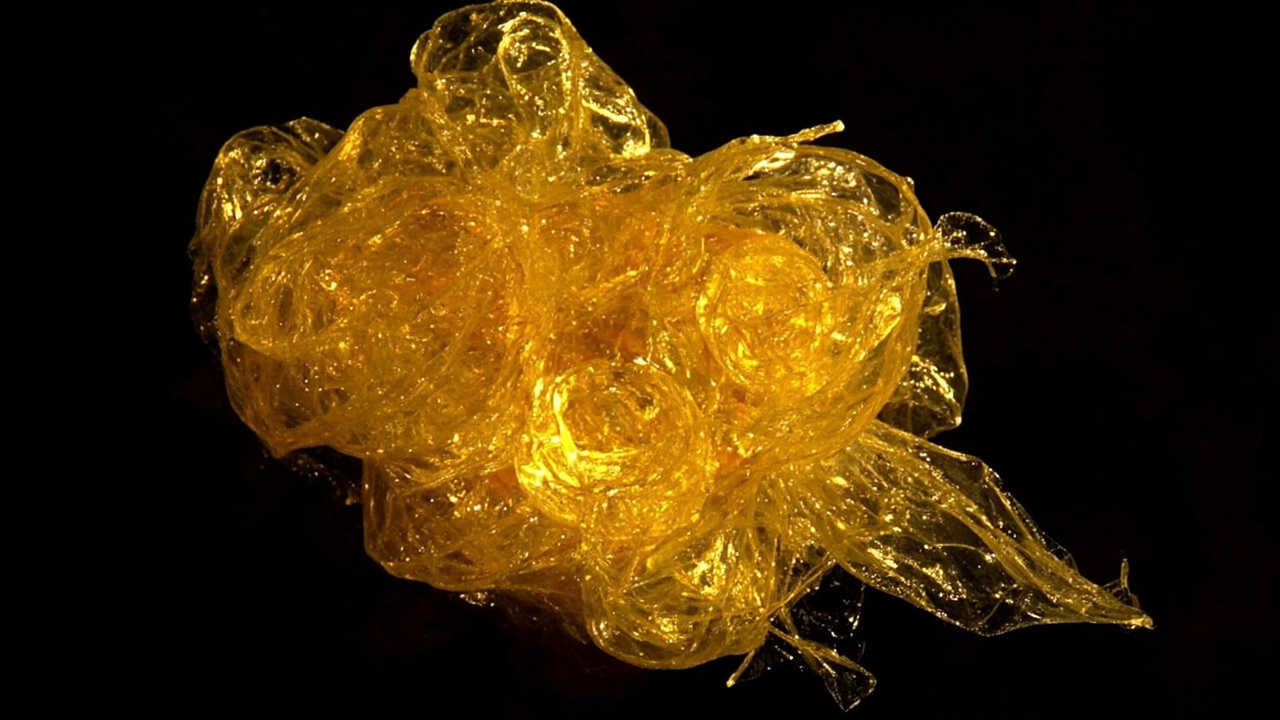
For two millennia, a shimmering golden fabric woven from sea creatures represented the ultimate luxury—accessible only to emperors and popes. Then it disappeared entirely. Now, South Korean researchers have brought this legendary material back to life, and in doing so, they've uncovered an astonishing reason it never loses its color. As it turns out, the secret lies in the same science that makes soap bubbles shimmer.
Researchers have stumbled onto something surprising: the immune cells in Alzheimer's patients' brains contain mutations you'd typically see in cancer. But here's what makes this exciting — since we already have drugs that target these kinds of mutations, this discovery could point the way to new treatments.
Researchers have developed ultra-fine filters with microscopic pores that can isolate molecules with remarkable accuracy. The breakthrough could fundamentally transform how we handle wastewater and tackle industrial pollution. Honestly, this ranks among the most promising clean water innovations in recent memory.
It turns out that just a tiny fraction of our DNA—less than 0.1% of the entire genome—might be what gives humans our unique ability to speak, read, and write. But here's what makes this really fascinating: these genetic "switches" were already present in Neanderthals, which means language is far more ancient than anyone ever realized.

Researchers have built a brain-inspired computer chip that runs at temperatures colder than deep space—and it might just tackle one of quantum computing's toughest challenges. The key component? Something you could probably find sitting in your garage right now.
Researchers at Stanford have found a way to regrow cartilage and possibly reverse arthritis by targeting a protein that builds up as we age. Tests in mice showed impressive results, and the method even worked on human tissue samples. This brings new hope for the millions of people dealing with joint pain.

Researchers have figured out how to create miniature nuclear fireballs in the lab—and no, they haven't lost their minds. These tiny recreations could help predict exactly where deadly radioactive fallout will spread, potentially saving millions of lives.
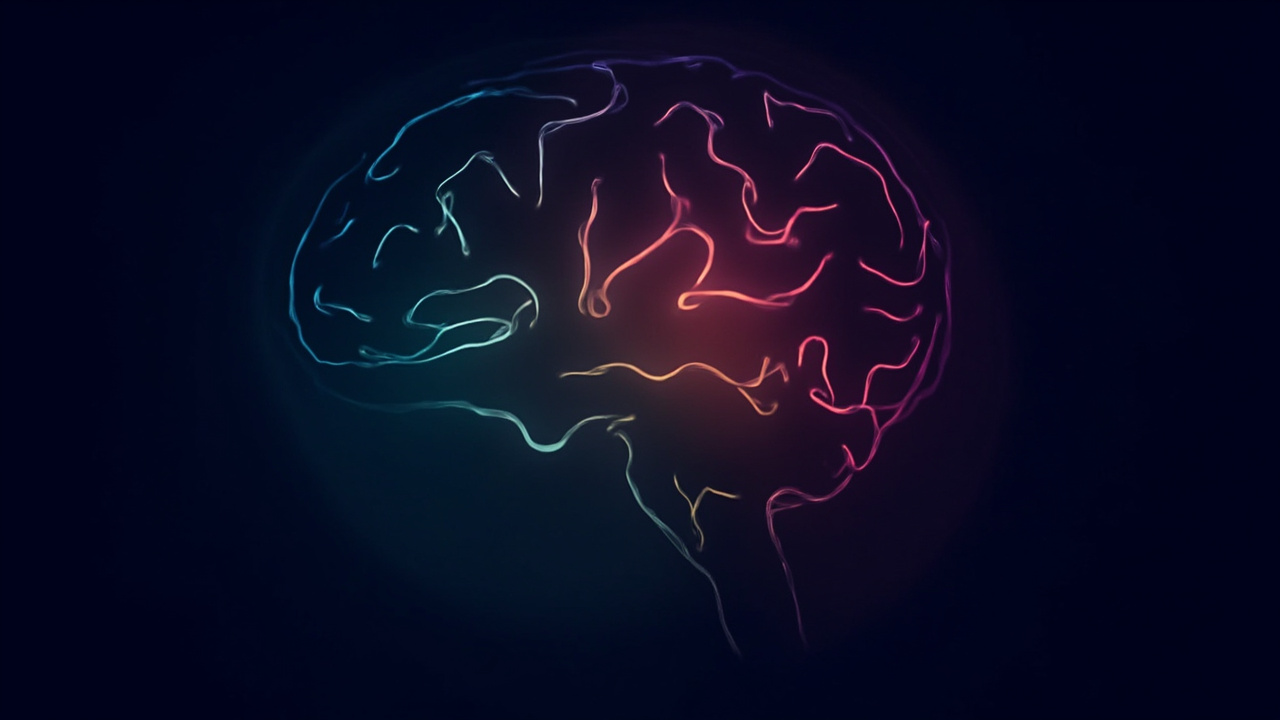
Tucked away in your brain is a secret army you've probably never heard of—millions of star-shaped cells working behind the scenes, pulling levers on your emotions, shaping your choices, and even deciding whether you give up or keep going when things get rough. And here's the wild part: what researchers are now uncovering about these tiny powerhouses might completely reshape how we think about who we really are.
For years, scientists have tried to reconcile quantum physics with Einstein's theory of relativity—and a new study suggests the answer could be far stranger than anyone expected. The research proposes that time itself might only exist under certain conditions. A Brazilian physicist has gone so far as to suggest that time could gradually wind down as the universe expands and becomes increasingly flat. Honestly, it's the kind of idea that makes you scratch your head in the best way possible.
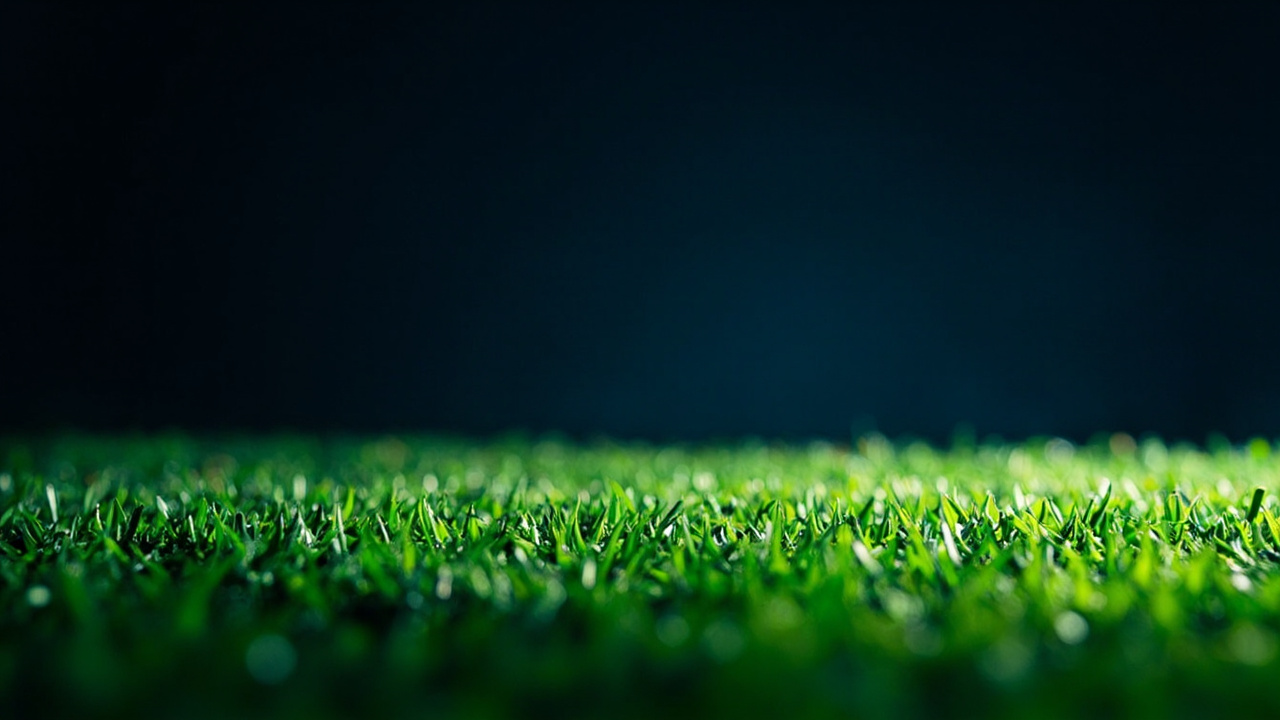
While you're busy cheering for those incredible goals, the grass under the players' feet is probably the last thing on your mind. But behind every perfect pitch at the 2026 World Cup sits a dedicated team of turf specialists pulling long hours. I had the chance to chat with the crew maintaining Team Ivory Coast's practice field, and honestly? These folks are total perfectionists—and I mean that as the highest compliment.
Fresh research hints that plants might actually be conscious—they can remember things, they're aware of their surroundings, and they might even be capable of learning. If this turns out to be true, it's going to turn everything we thought we knew about intelligence upside down. And honestly, it might make us realize we're not quite as special as we like to think.