
Scientists just found that a material everyone thought was boring and non-magnetic can actually become magnetic when stretched thin enough. This weird quantum trick might be the key to building computer memory that's smaller, faster, and way more efficient than anything we have today.
Imagine if losing your vision wasn't necessarily permanent—that a simple set of eye drops could help your eyes "see" again. Researchers have just achieved something remarkable in blind mice that might one day change what we thought was possible for millions of people worldwide.
Construction workers in Belgium were just trying to prep for some new apartments when they stumbled upon something far more valuable than real estate—remnants of a 16th-century Spanish castle built by Emperor Charles V himself. Now archaeologists are digging through centuries of history, and honestly, this discovery is the kind of story that makes you wonder what's hiding under your own backyard.

Subatomic particles called mesons are doing something that seems straight out of science fiction — they're shape-shifting between matter and antimatter right before our eyes. Physicists just got one step closer to understanding how, and honestly, the universe keeps finding new ways to blow our minds.
Scientists have discovered that the same red dirt beneath Western Australia could hold something far more valuable than iron ore — natural hydrogen gas. Researchers found that a common iron mineral can produce clean energy when water and heat work their underground magic, and they're now figuring out how to unlock this process at scale.
Researchers at Virginia Tech have discovered a way to transform one of the world's most difficult-to-recycle plastics into high-performance engine lubricant. The breakthrough could help tackle both the global plastic waste crisis and the environmental costs of making lubricants — killing two birds with one stone in the most unexpected way.
Scientists tested over 200 plant-based meat alternatives and plant-based milks from UK stores, and every single one contained mycotoxins—naturally occurring fungal toxins. Before you panic and throw out all your oat milk, let me walk you through what this actually means for you and me.
In 1888, tens of thousands of sheep across 200 square miles of England suddenly stampeded for no apparent reason, leaving farmers baffled. Nearly 150 years later, we still have no definitive answer for what caused the Great Sheep Panic.

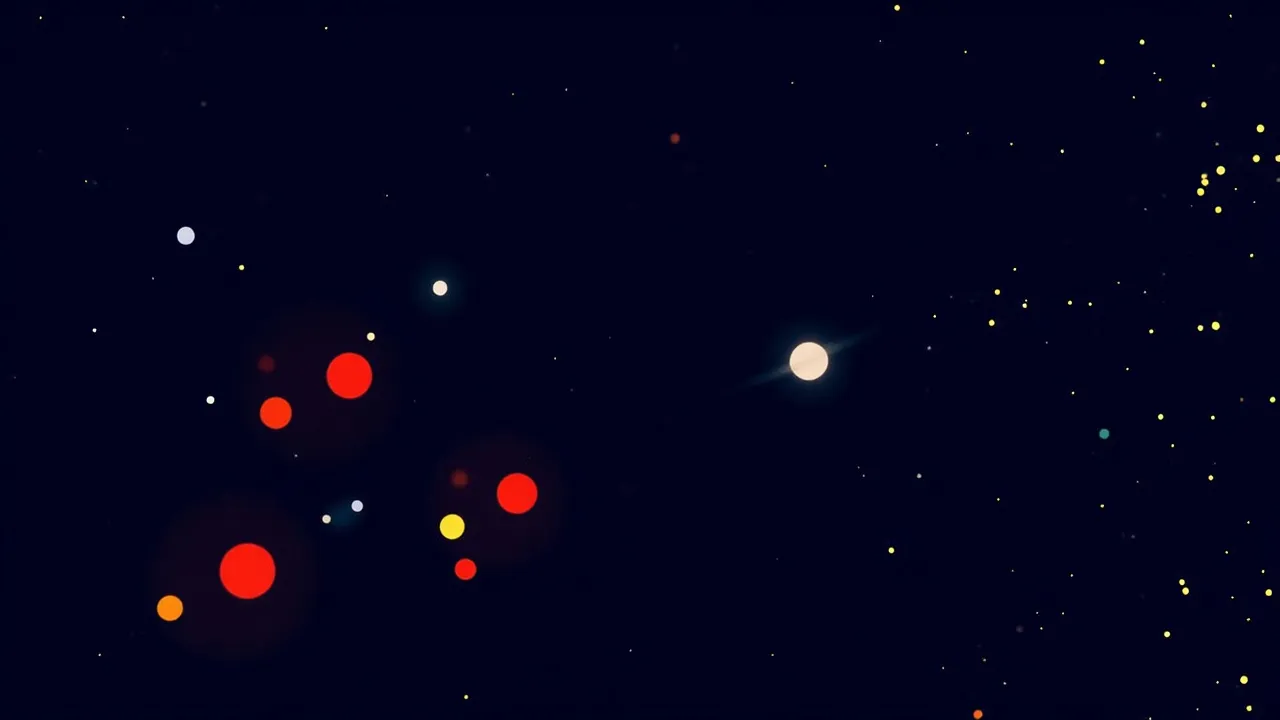
For almost a century, physicists have suspected that what we call "empty" space is anything but. Now, researchers have caught a glimpse of this quantum weirdness in action, thanks to one of the most extreme objects in the universe: a magnetar. And honestly, the implications are a little humbling.
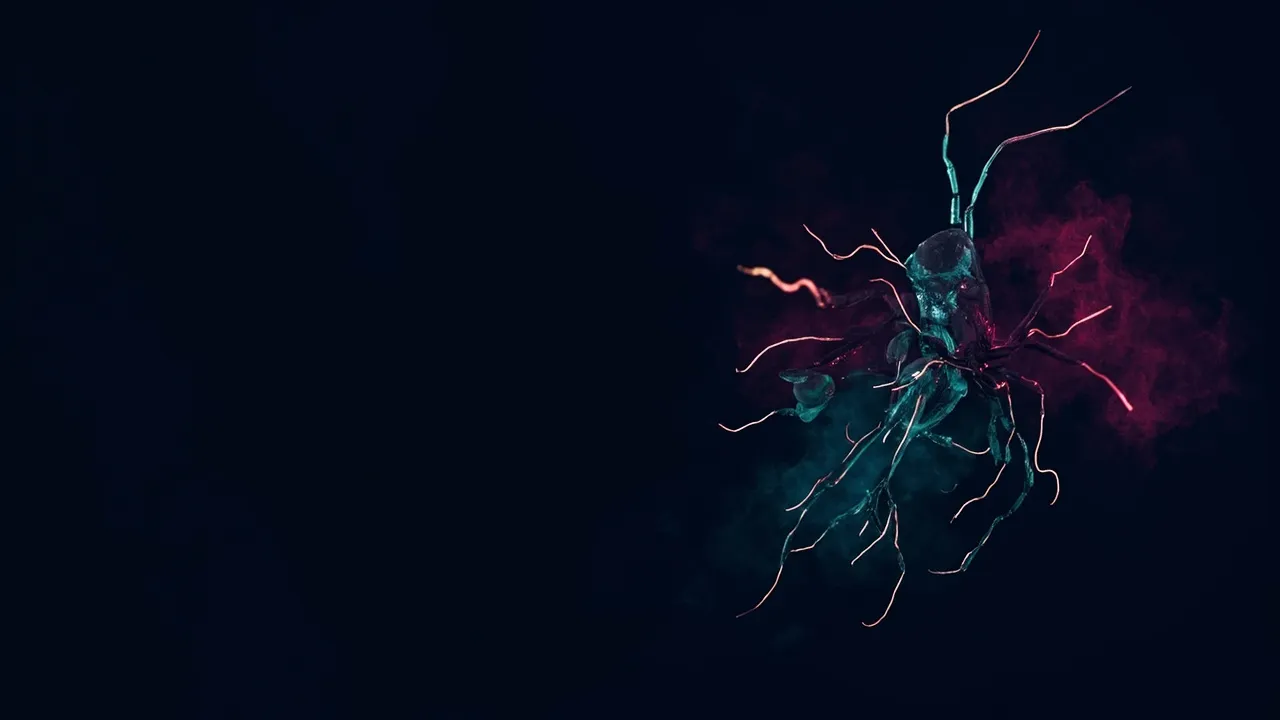
Scientists have discovered that the reason so many of us recoil at the thought of eating insects might be written into our DNA — and it goes back thousands of years. New research reveals that our European ancestors essentially "forgot" how to digest creepy-crawlies, leaving us with a deep-seated ick factor that persists today.
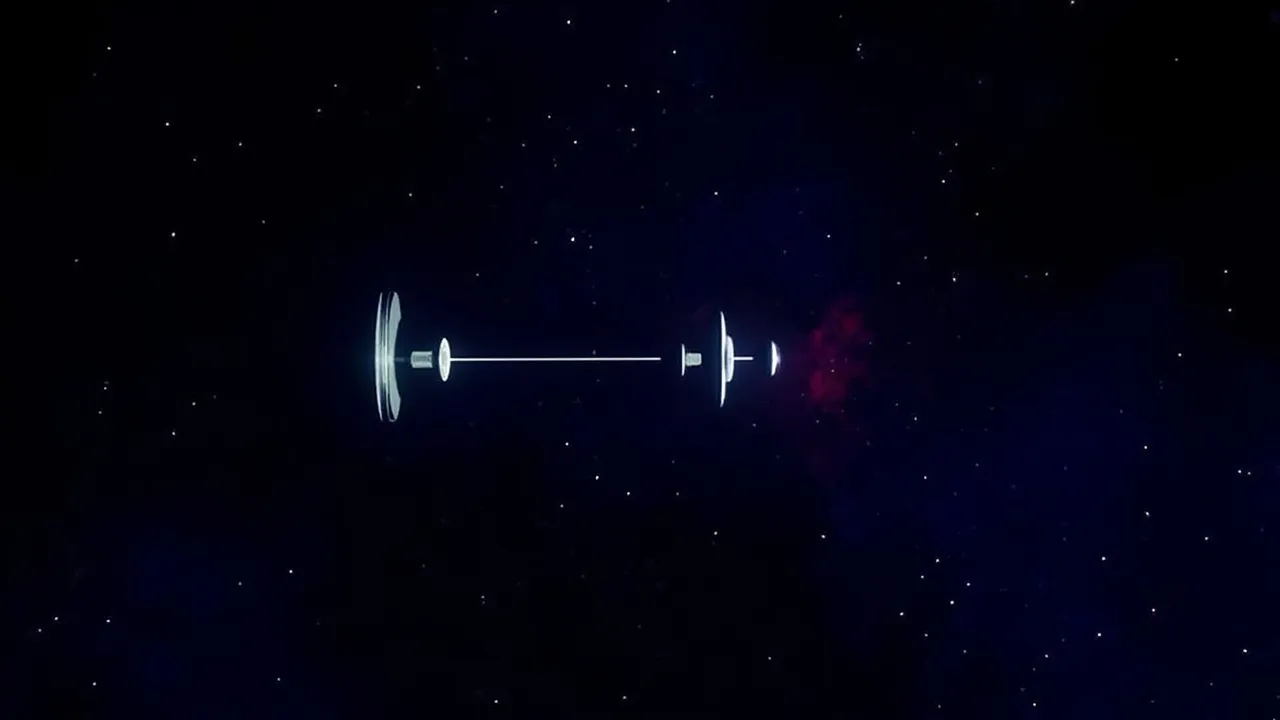
NASA's Nancy Grace Roman Space Telescope is about to launch, and it might just revolutionize our understanding of the cosmos. With the ability to survey 100 times more sky than Hubble, this incredible instrument could answer some of the biggest questions about our universe.
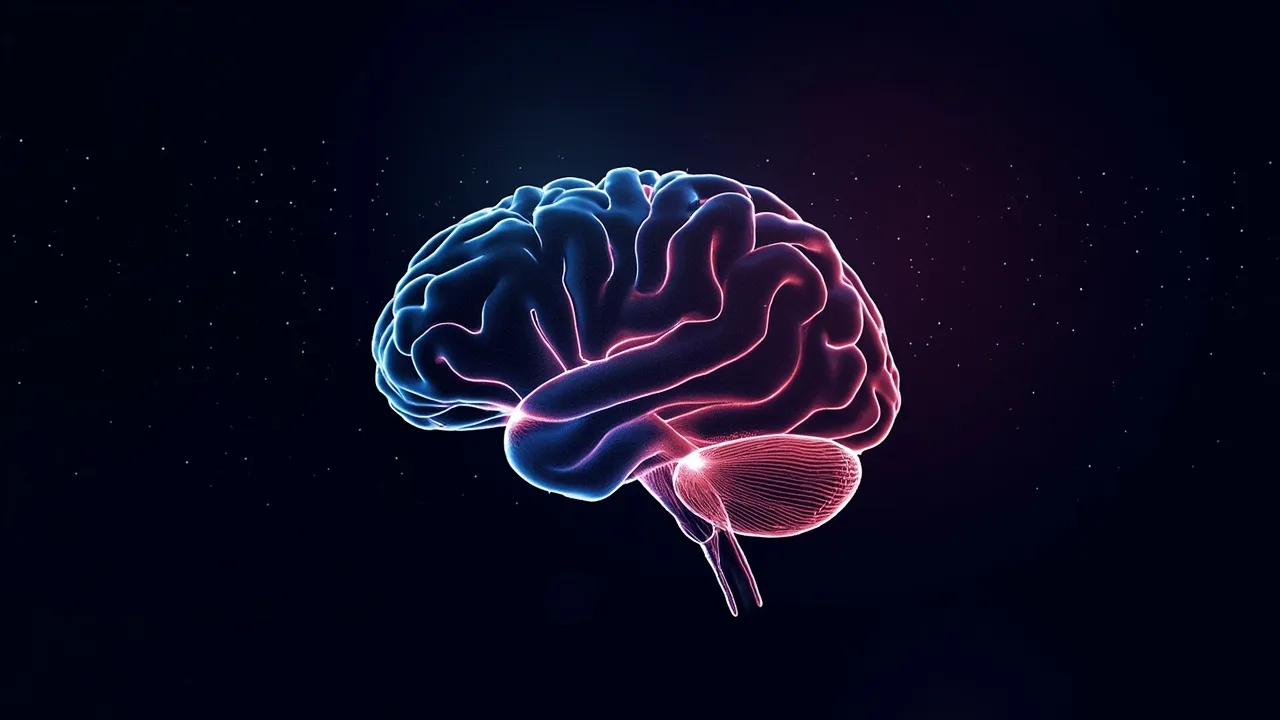
Scientists have discovered a rare form of epilepsy that can trigger overwhelming feelings of bliss and oneness with the universe—but this fleeting euphoria comes at a devastating price. Here's what researchers are learning about this bizarre phenomenon and what it might tell us about the nature of consciousness itself.
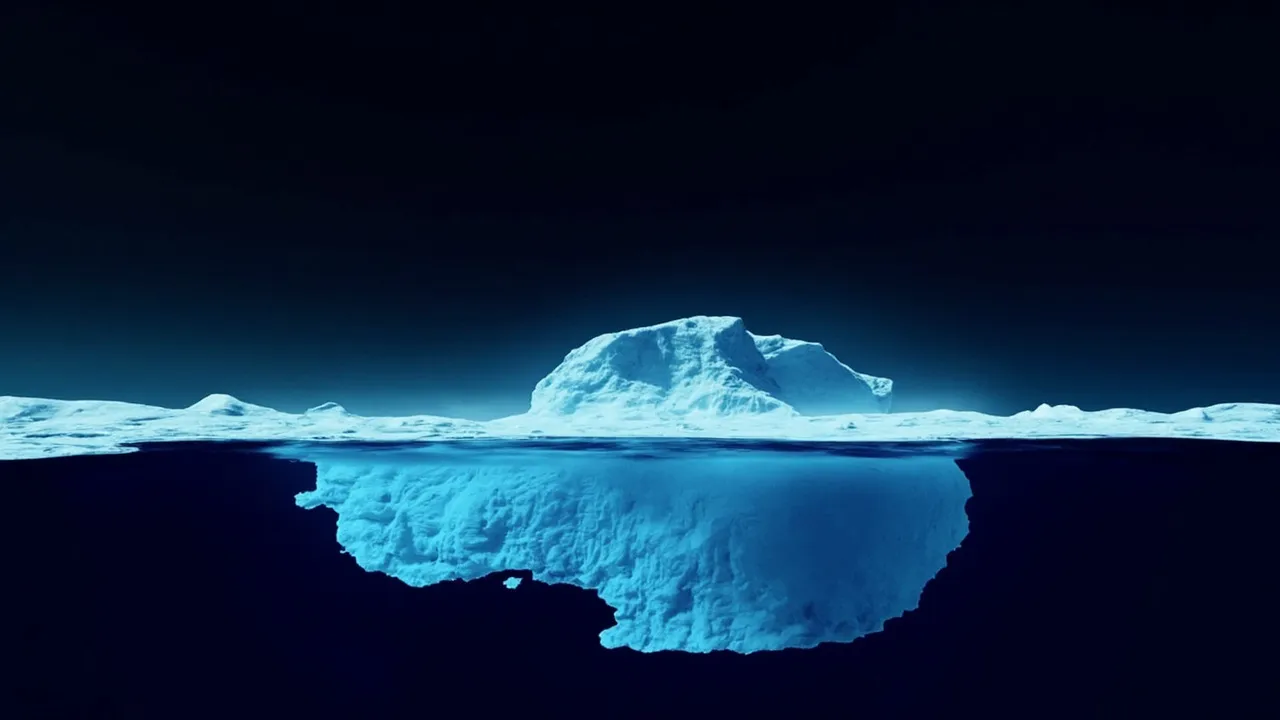
Here's a climate puzzle that actually kept scientists scratching their heads: why did Antarctica freeze into a giant ice cube millions of years before the Arctic did, even when Earth was actually warmer back then? Spoiler alert — the answer lies in something wild happening deep, deep underground.
Swiss researchers got 1,000 volunteers to bury their underwear in the name of science — and what they discovered reveals a lot about the hidden ecosystems beneath our feet. Spoiler alert: your neighbor's pristine lawn might actually be bad news for soil health.
When a wolf hears your footsteps on a hiking trail, it doesn't just see the trail—it sees you. New research tracking thousands of wild animals reveals that our mere presence affects wildlife in ways that go far beyond the roads and buildings we create. And honestly? The findings are both fascinating and a little bit sad.

Scientists have discovered that a specific immune protein might be the key to why calorie restriction seems to slow aging—and the findings suggest we might not need to starve ourselves to get these benefits.
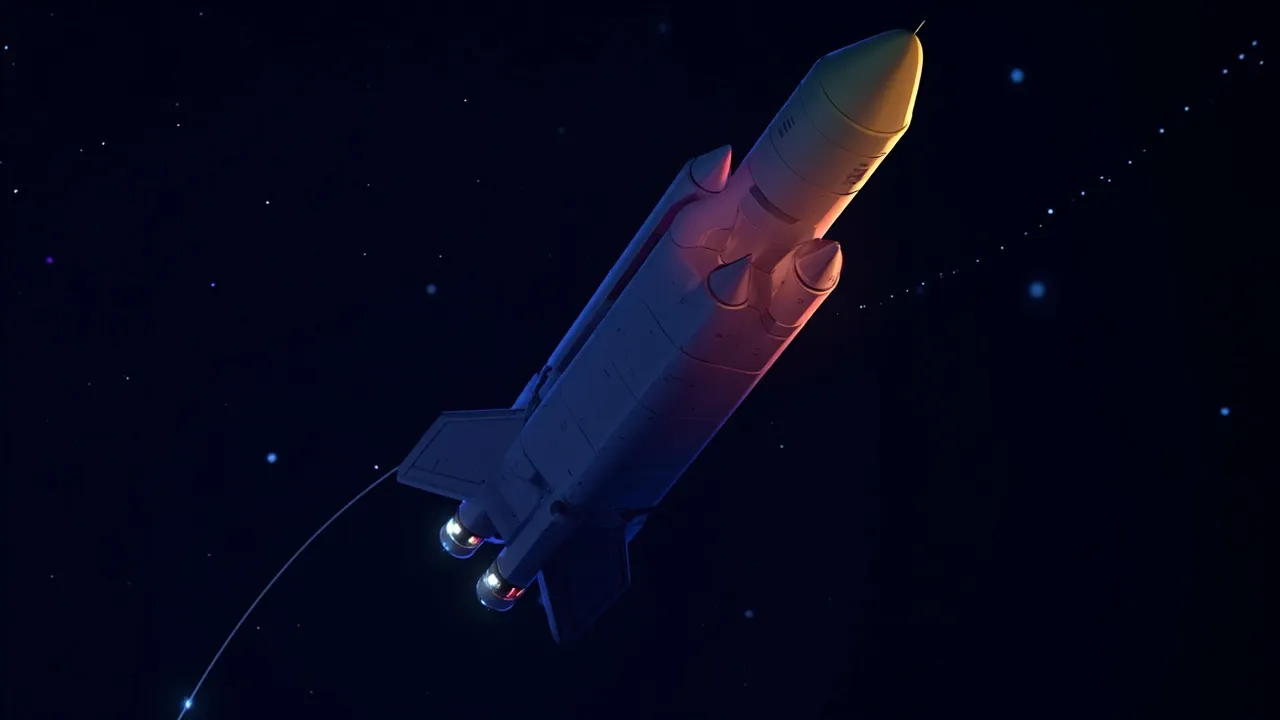
Scientists used artificial intelligence to solve a puzzle that would have taken humans millions of experiments and way too many ruined prototypes. The result? A cheaper way to 3D-print rocket parts using a special NASA alloy — and maybe even the key to discovering new medicines someday.