

Thirty-eight years after the world's worst nuclear disaster, something remarkable is happening in the radioactive ruins of Chernobyl: the wolves are thriving. Scientists have discovered that these apex predators have developed genetic adaptations that might one day help us treat cancer in humans. Let me tell you about what they're finding — because it's honestly one of the most fascinating things I've read this year.

Scientists have discovered that diamonds aren't just pretty rocks for jewelry—they might actually become tiny power generators. A team in Hong Kong has found a way to make diamond films produce electricity when bent, flipping everything we thought we knew about this mineral on its head. The implications? Think self-charging pacemakers, bend sensors in your smart clothes, and energy harvesters smaller than a grain of sand.
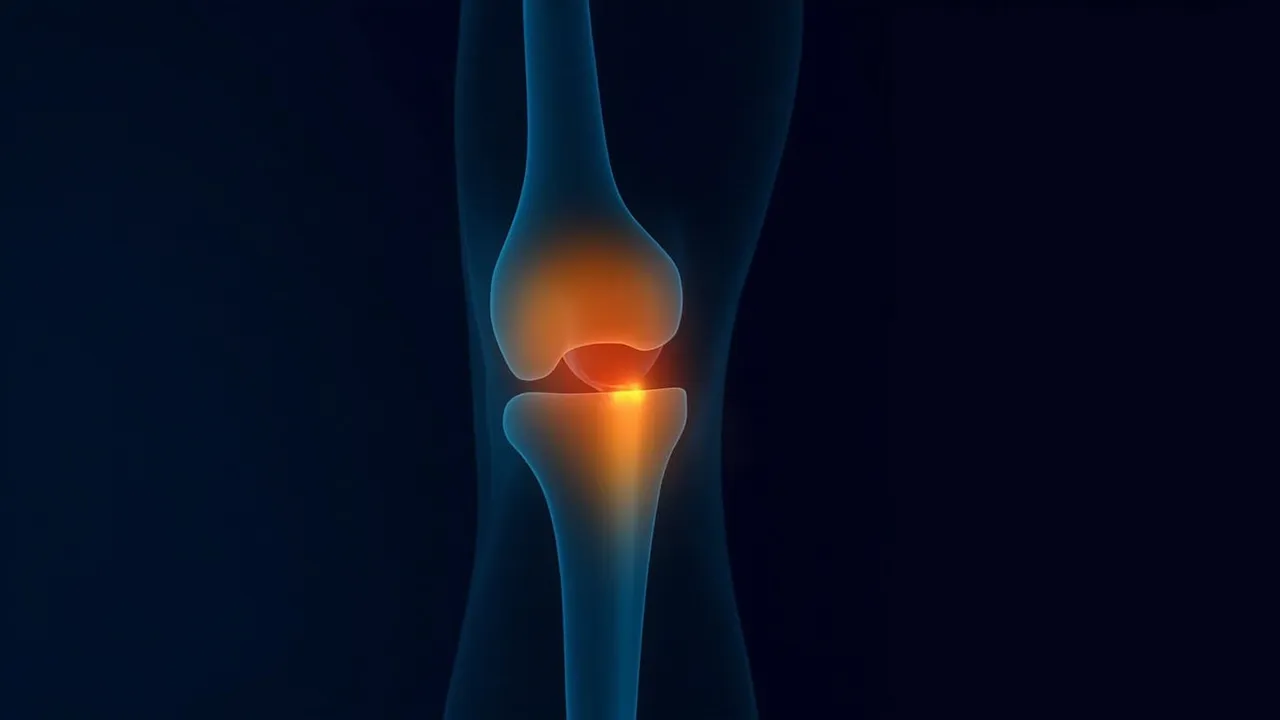
Researchers have created a clever little hydrogel that could revolutionize how we treat arthritis—imagine getting an injection that keeps working for weeks instead of days, while simultaneously lubricating your achy joint like WD-40 for your body.
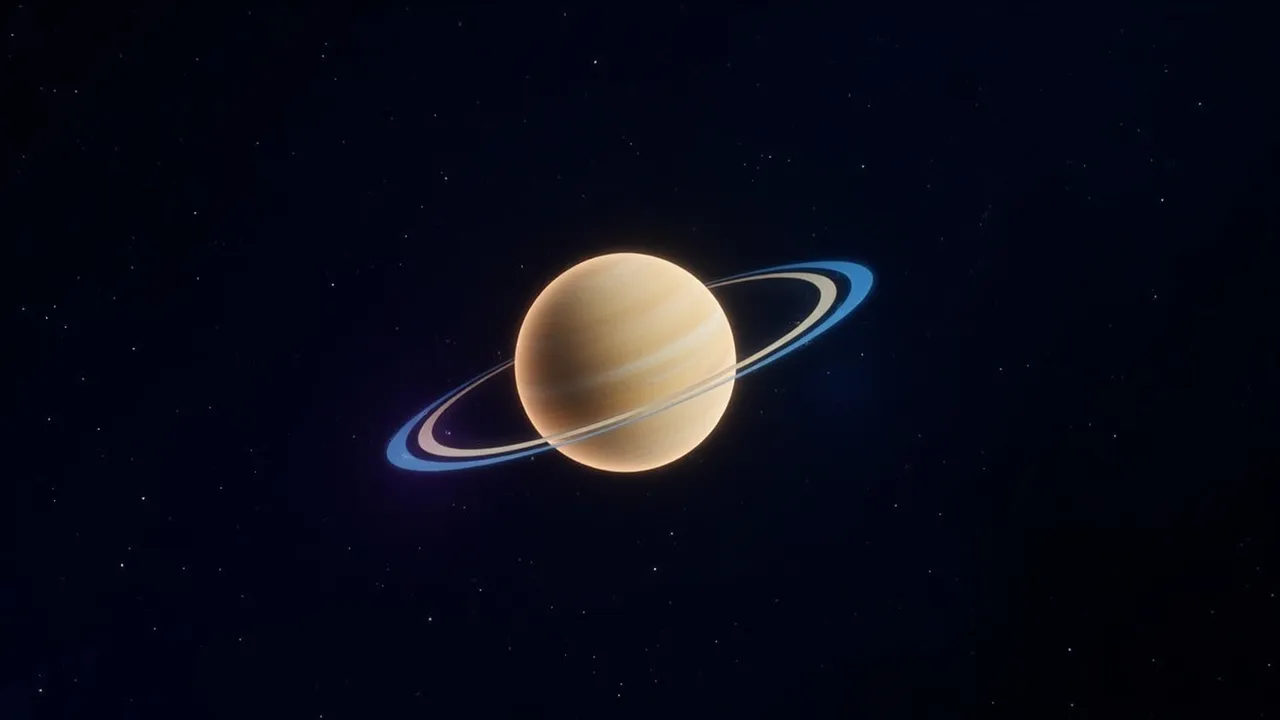
New research suggests that rocky planets—the kind made of rock and metal like Earth—could have formed just 100 million years after the Big Bang. That's incredibly early, considering the Universe is 13.8 billion years old. Scientists used computer simulations to discover that the necessary ingredients were floating around much sooner than we ever imagined.
Scientists have confirmed what most cosmologists already believed – the universe keeps expanding faster and faster. But before you get too comfortable with that answer, here's the twist: we still have absolutely no idea what's causing it.
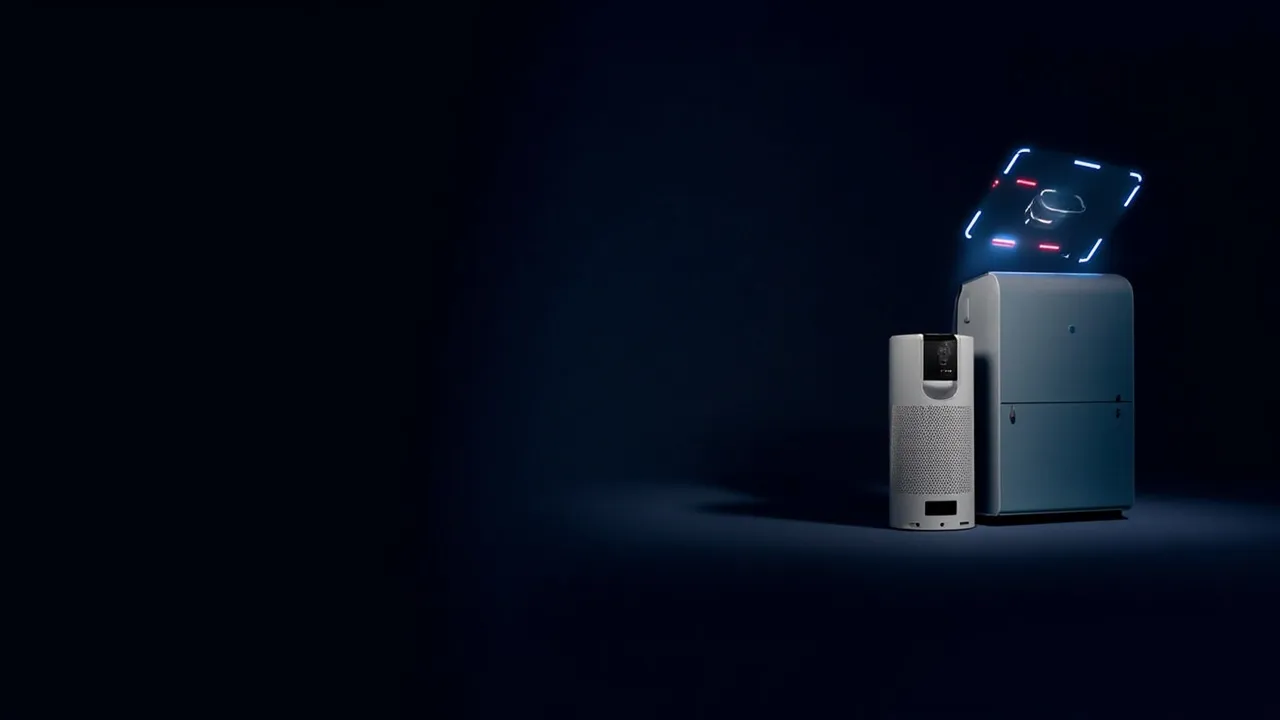
New research reveals that running a simple HEPA air purifier in your home for just one month can measurably boost brain function in adults over 40 — and honestly, this finding kind of blew my mind. Scientists found that participants solved cognitive puzzles 12% faster after breathing cleaner air, raising some fascinating questions about what we're actually breathing in our own living rooms.
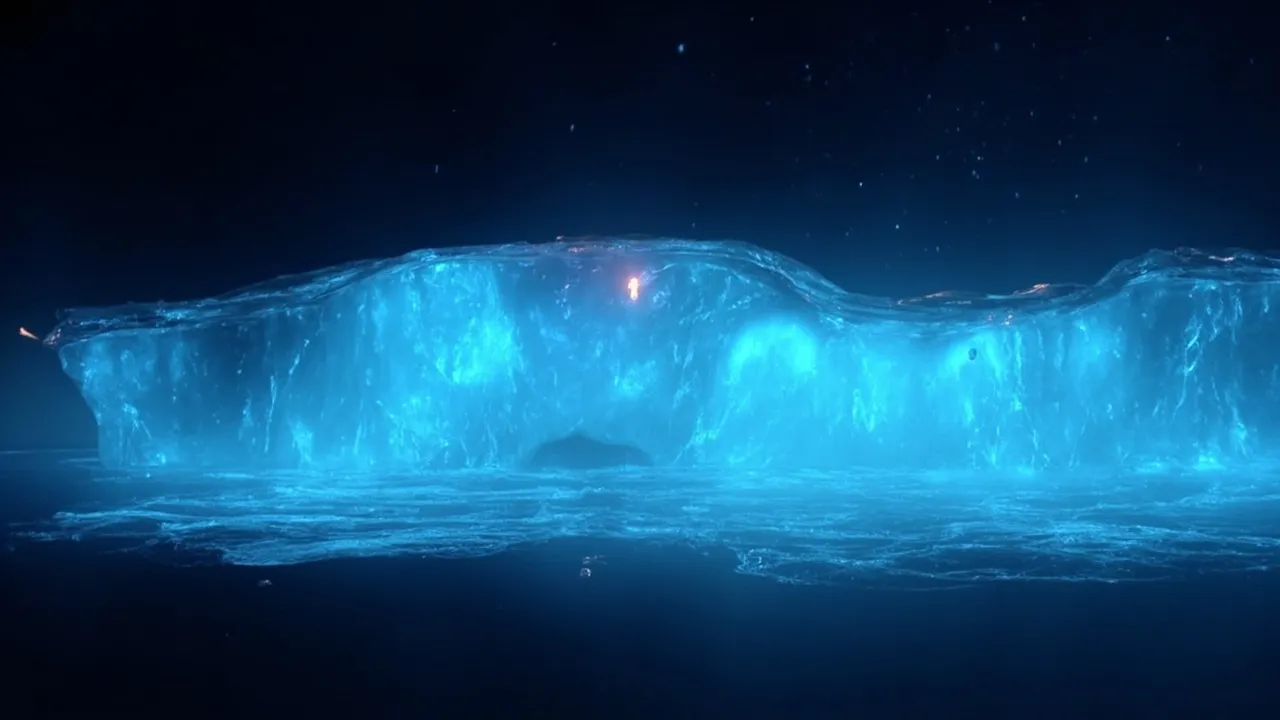
Scientists have discovered hundreds of hidden earthquakes hiding beneath the ice in Antarctica, and they're coming from one of the most feared glaciers on the planet. The findings reveal a frozen world that's far more restless than we ever imagined.
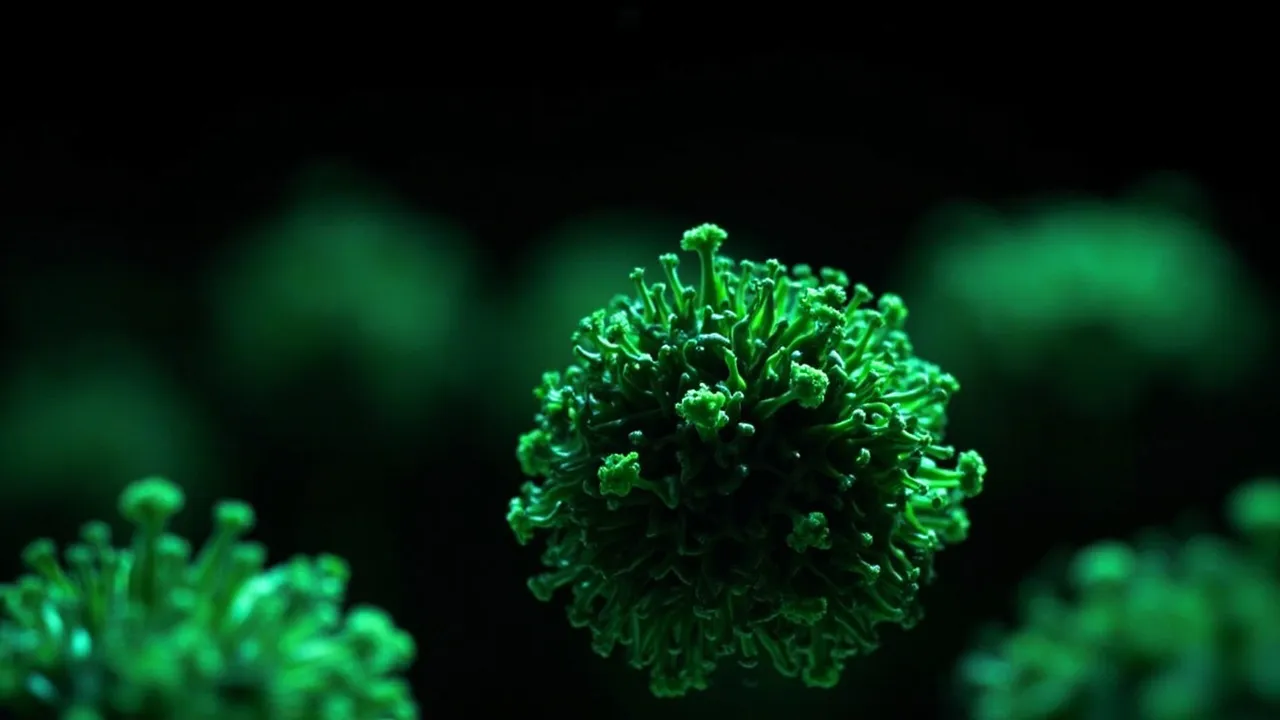
Researchers have engineered spirulina to produce real, usable vitamin B12 by manipulating the light it grows in — and the results are seriously impressive. This could be a game-changer for the billion-plus people worldwide struggling with B12 deficiency, all while being way better for the planet than relying on meat and dairy.

New research reveals that dogs and humans share surprising biological patterns tied to how long we live. Scientists from the Dog Aging Project found that certain metabolic "fingerprints" in dogs closely resemble those in humans, opening exciting new doors for understanding aging itself.

IBM's quantum computer just solved a problem in 15 minutes that would stump classical supercomputers for an impossibly long time. But here's the really cool part: they figured out a way to actually trust the answer. That's a huge deal.
Scientists have discovered that Mars has a dramatically uneven interior, with its southern half running hundreds of degrees hotter than the north. This hidden thermal anomaly could rewrite everything we thought we knew about the Red Planet's history, including whether it once had the right conditions for life.
Researchers have discovered a way to create nanocrystals from metal nitrides — materials that were previously thought impossible to synthesize at the nanoscale. This breakthrough could lead to flexible lighting, better medical implants, and improved superconductors.
New research suggests that those little midnight wake-ups you've been brushing off might actually be tiny warning signs from your brain. Scientists have found a surprising connection between sleep patterns and Alzheimer's risk that could change how we think about getting a good night's rest.
Imagine if the fabric of the universe could freeze like water into ice, but instead of a winter wonderland, you'd get a microscopic black hole. That's exactly what physicists are now describing in fascinating new research that bridges the gap between abstract mathematics and the violent cosmic phenomena we usually associate with black holes.
Scientists have discovered why our nerves struggle to repair themselves after injury, and the answer lies in a surprising protein that acts like an internal brake on healing. This breakthrough could eventually lead to new treatments for spinal cord injuries and damaged nerves.
Scientists just found that a material everyone thought was boring and non-magnetic can actually become magnetic when stretched thin enough. This weird quantum trick might be the key to building computer memory that's smaller, faster, and way more efficient than anything we have today.
Imagine if losing your vision wasn't necessarily permanent—that a simple set of eye drops could help your eyes "see" again. Researchers have just achieved something remarkable in blind mice that might one day change what we thought was possible for millions of people worldwide.
Construction workers in Belgium were just trying to prep for some new apartments when they stumbled upon something far more valuable than real estate—remnants of a 16th-century Spanish castle built by Emperor Charles V himself. Now archaeologists are digging through centuries of history, and honestly, this discovery is the kind of story that makes you wonder what's hiding under your own backyard.

Subatomic particles called mesons are doing something that seems straight out of science fiction — they're shape-shifting between matter and antimatter right before our eyes. Physicists just got one step closer to understanding how, and honestly, the universe keeps finding new ways to blow our minds.