
Deep beneath a Spanish mountainside, archaeologists have uncovered 120 Latin inscriptions left by an ancient women's cult worshipping a previously unknown water goddess. The discovery is rewriting our understanding of how Roman women practiced their faith in secret, sacred spaces.
Researchers have discovered a tiny region in the brain that acts like a natural pain dial, and it turns out this system goes haywire in people with chronic nerve pain. The good news? They think they've found a way to fix it.
Scientists have detected a mysterious gravitational wave background rippling through the universe, and now they're wondering if these cosmic whispers carry messages from some of the very first stars ever formed—stars powered by dark matter that could rewrite everything we know about black hole origins.
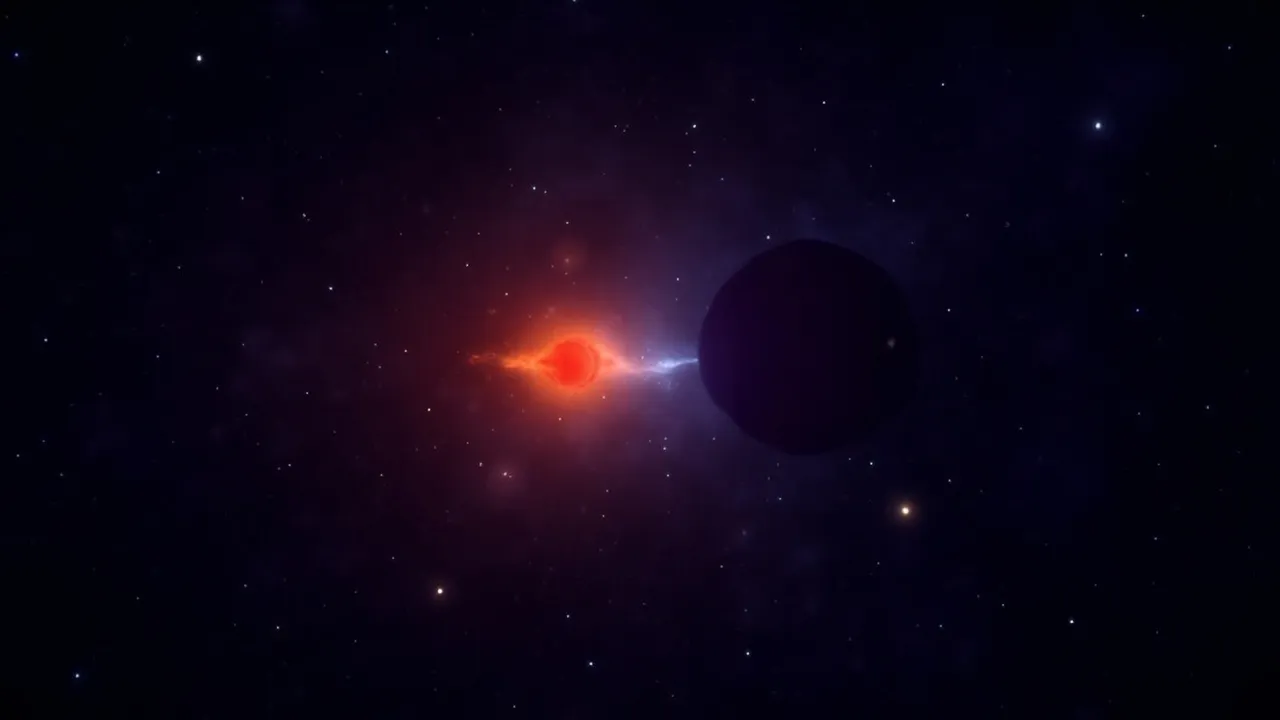
After a century of searching, astronomers have finally captured their clearest image yet of a star hiding in plain sight right next to one of the most famous stars in our night sky. The discovery of Betelgeuse B is being called "one of the best moments in science" — and honestly, after hearing the story, I completely agree.
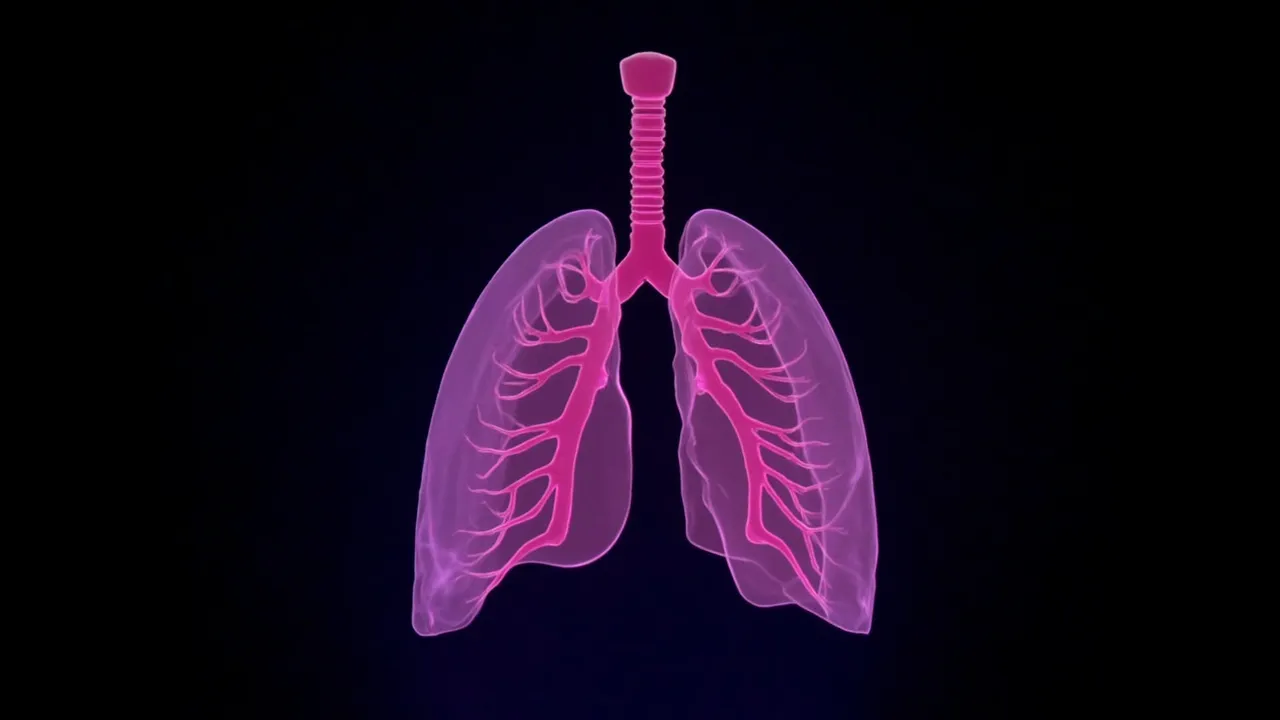
When archaeologists opened a royal tomb in Paris in 1959, they found mostly bones—but one surprising organ had survived the centuries. A recent re-examination revealed something remarkable about why this queen's lung defied time itself.
Scientists studying a bizarre cosmic object may have finally caught "nothing" doing something extraordinary — proving that even the vacuum of space isn't truly empty. This discovery, nearly 90 years in the making, could change how we understand the quantum universe.
NASA has successfully tested a system that lets satellites figure out where they are in space by looking at other objects around them — no GPS required. The technology, called FALCON, could completely change how we manage spacecraft in deep space and around the Moon.
Scientists have created a clever nanoparticle system that helps surgeons see brain tumors more clearly during surgery and then kills the cancer cells that get left behind afterward. It's like a two-in-one superhero tool against glioblastoma, the most aggressive form of brain cancer.
Imagine digging 10,000 feet into the Earth and hitting a treasure trove so massive it could make kings weep with joy. That's exactly what happened in China, where geologists stumbled upon what might be the biggest gold deposit ever discovered—and it's got everyone in the mining world absolutely losing their minds.

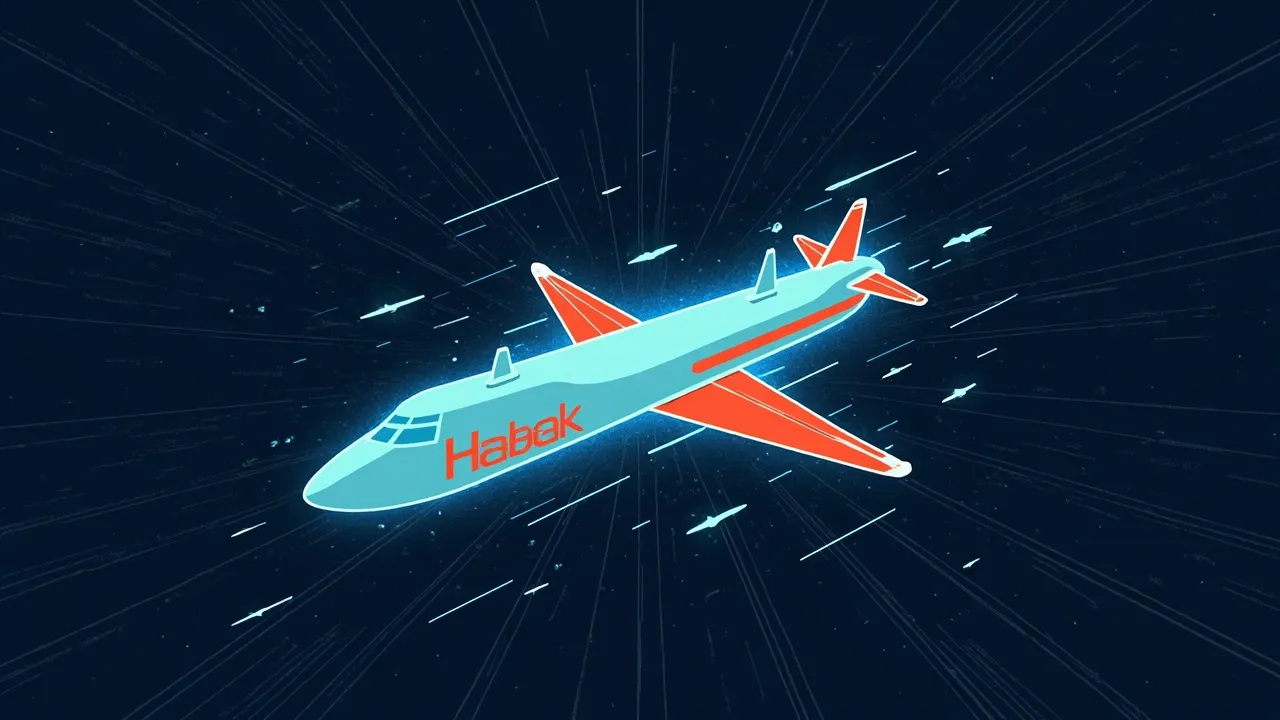
During World War II, British engineers actually tried to build the world's largest aircraft carrier using a mixture of ice and sawdust. It sounds like something out of a fever dream, but Project Habakkuk was a real (and seriously ambitious) wartime proposal that almost made it off the drawing board.
Scientists have discovered something remarkable: the amount of sugar a person consumed before their second birthday may influence their health well into their 70s. This isn't just about baby teeth or temporary sugar cravings—it's about cellular aging and cancer risk decades later.
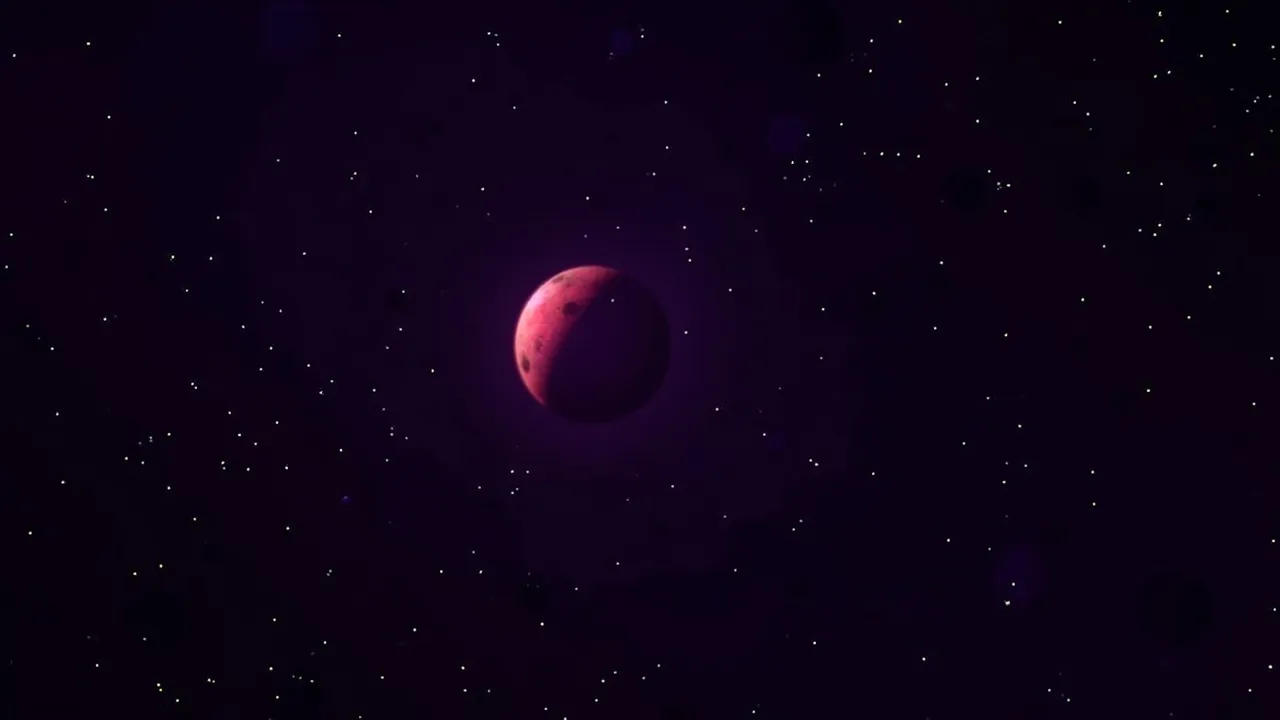
Scientists have discovered that one colossal asteroid impact might explain two of the biggest mysteries surrounding Deimos, Mars' smaller moon. By combining cutting-edge computer simulations with fresh data from Europe's Hera spacecraft, researchers found that a single space rock about 320 meters wide could have created both the moon's giant southern dent and its unusually smooth, dusty surface—all without blowing the little moon apart.
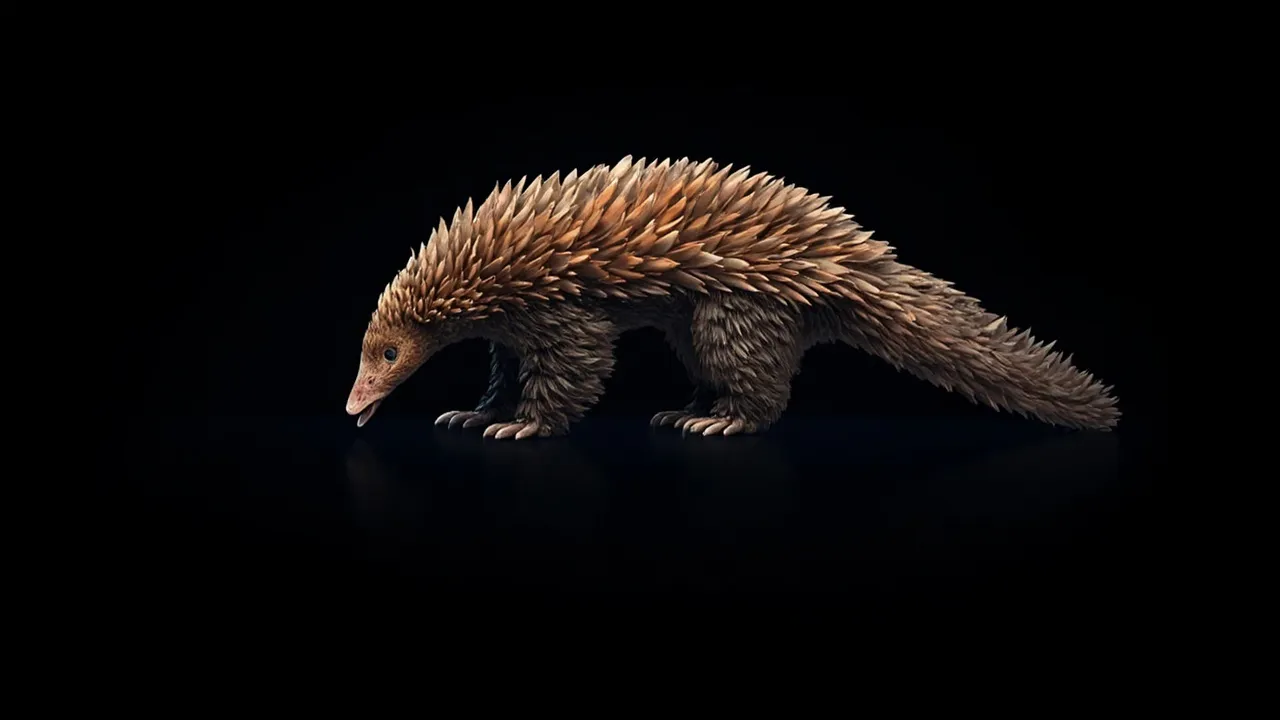
Scientists have just confirmed that a pangolin species hiding in the Himalayan foothills was officially "rediscovered" — and here's the wild part — using DNA from a museum specimen collected in 1836. The discovery is reshaping how we understand these mysterious, scale-covered mammals and could be a game-changer for stopping poachers.
What if I told you that the moment you decided to click on this article wasn't actually a "decision" in the way your brain experiences it? A neuroscientist is arguing that our entire understanding of how we make choices might be fundamentally backwards — and honestly, his reasoning makes a lot of sense.
Scientists have long debated whether imaginary numbers are essential to understanding reality—or just a mathematical shortcut. A team of German physicists just settled that debate in a surprisingly satisfying way, and the answer might change how you think about math itself.
Scientists have discovered that the white LED lights illuminating our homes and schools may be missing something crucial: a specific wavelength of indigo light that appears to protect developing eyes from becoming nearsighted. This finding could explain why myopia rates are skyrocketing worldwide—and offers a surprisingly simple solution.
Deep in the Ionian Sea, where history often stays buried beneath the waves, a team of explorers just pulled off something extraordinary. They discovered a German WWII speedboat that everyone thought had been lost forever — and what they found down there tells a wild story of innovation, war, and one very unlucky boat.
Scientists watched in awe as a massive chunk of ice roughly the size of Manhattan broke free from Greenland's Petermann Glacier on August 4th, 2026 — a stark reminder of how quickly our planet's frozen landscapes can transform. The event marks the largest Arctic calving since 2020 and has researchers around the world closely tracking what happens next.