
Scientists have made a mind-blowing discovery that could change how we think about Alzheimer's disease. It turns out the immune cells attacking your brain might actually be coming from somewhere completely unexpected — and that opens up a whole new way to fight back.
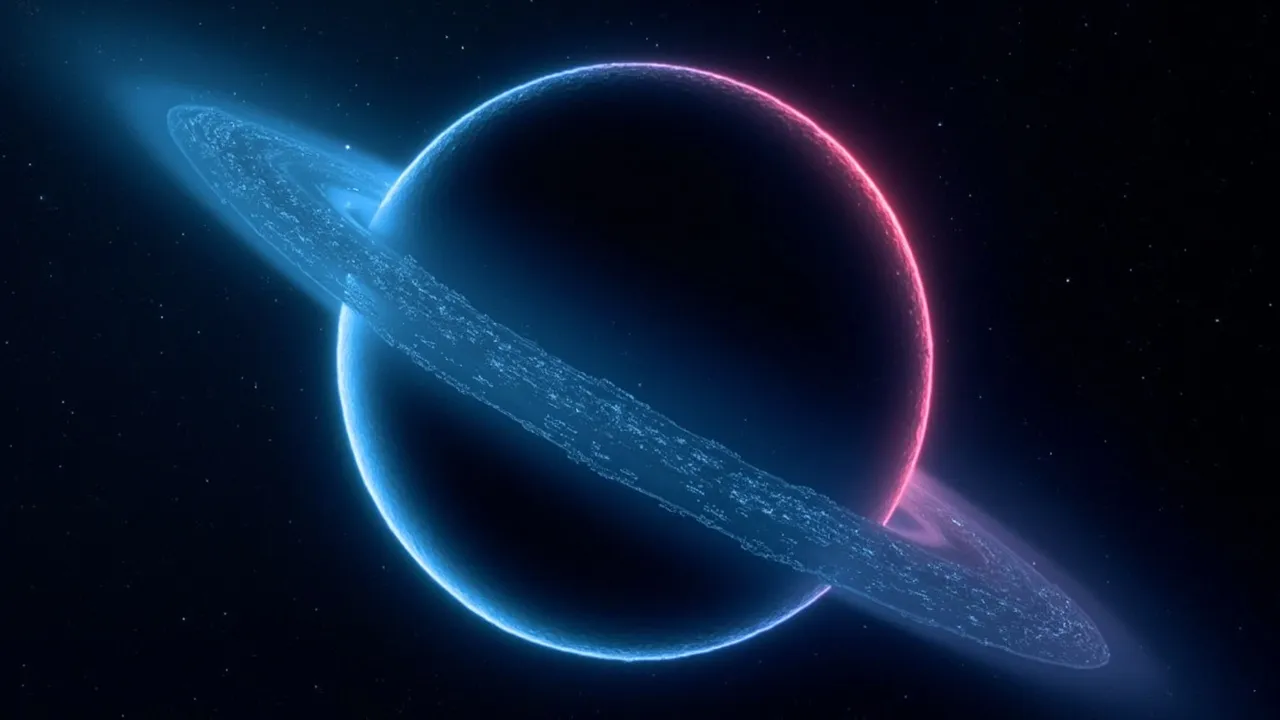
Scientists have discovered that ice particles erupting from Saturn's moon Enceladus contain far more chemical diversity than anyone expected — and it turns out the moon's frozen ocean spray behaves a lot like the popsicles you might have enjoyed as a kid. This discovery is reshaping how we think about what lies beneath that icy shell.
Scientists have built an impossibly tiny satellite to eavesdrop on the universe when it was nothing but darkness and hydrogen gas—no stars, no galaxies, just the afterglow of creation slowly fading into silence. And here's the wild part: they're sending it to hide behind the Moon to do it.
A plasma physicist believes ancient Martians were wiped out by nuclear explosions billions of years ago. His evidence? Strange xenon readings on the Red Planet. But when you dig into the science, things get way more complicated—and way more interesting—than a simple alien murder mystery.
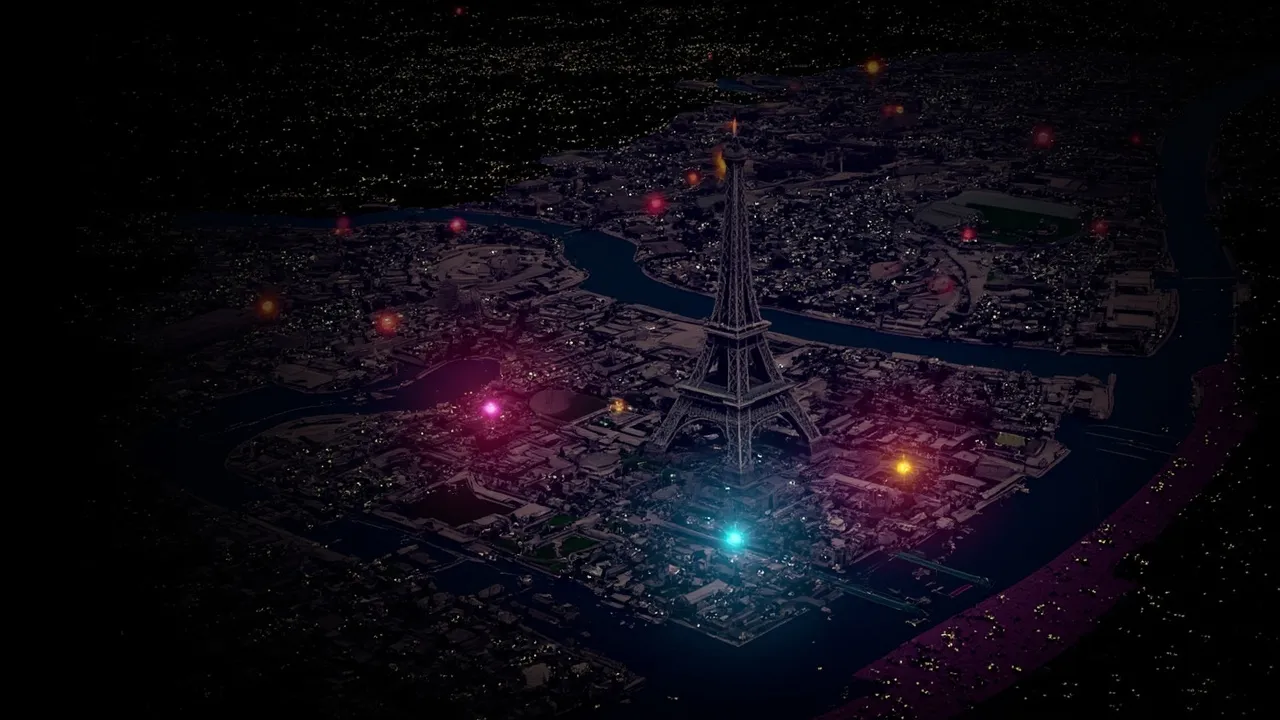
Imagine digging in a hospital courtyard in the heart of Paris and stumbling upon the original settlement where the city was born over 2,000 years ago. That's exactly what just happened, and archaeologists are calling it "dizzying" and potentially one of the most important finds for understanding how Paris came to be.
Here's a mind-blowing revelation that'll make you rethink what's between your ears: scientists have discovered that your brain isn't actually one organ — it's two. And these two brain halves have been keeping their own secrets since before dinosaurs even existed.

Researchers have found rare compounds called flavoalkaloids in cannabis leaves — chemicals so uncommon in nature that nobody knew the plant even had them. This discovery, made with super-sensitive lab equipment, suggests we've been throwing away something potentially valuable all along.
When you look up at the night sky, you're only seeing a tiny fraction of what's actually out there. But here's the really strange part: we might never know how much we're missing.
Scientists have discovered something remarkable hiding inside meteorites that fell to Earth billions of years after the Solar System began — evidence that magnetism, not just gravity, helped shape our cosmic neighborhood. This discovery rewrites a key chapter in the story of how we got here.
Next time you watch astronauts floating around on the International Space Station, you might want to ask them how their digestion is doing. Spoiler alert: it's probably not great. New research reveals exactly why space messes with your gut, and the answer involves some surprisingly yucky science.
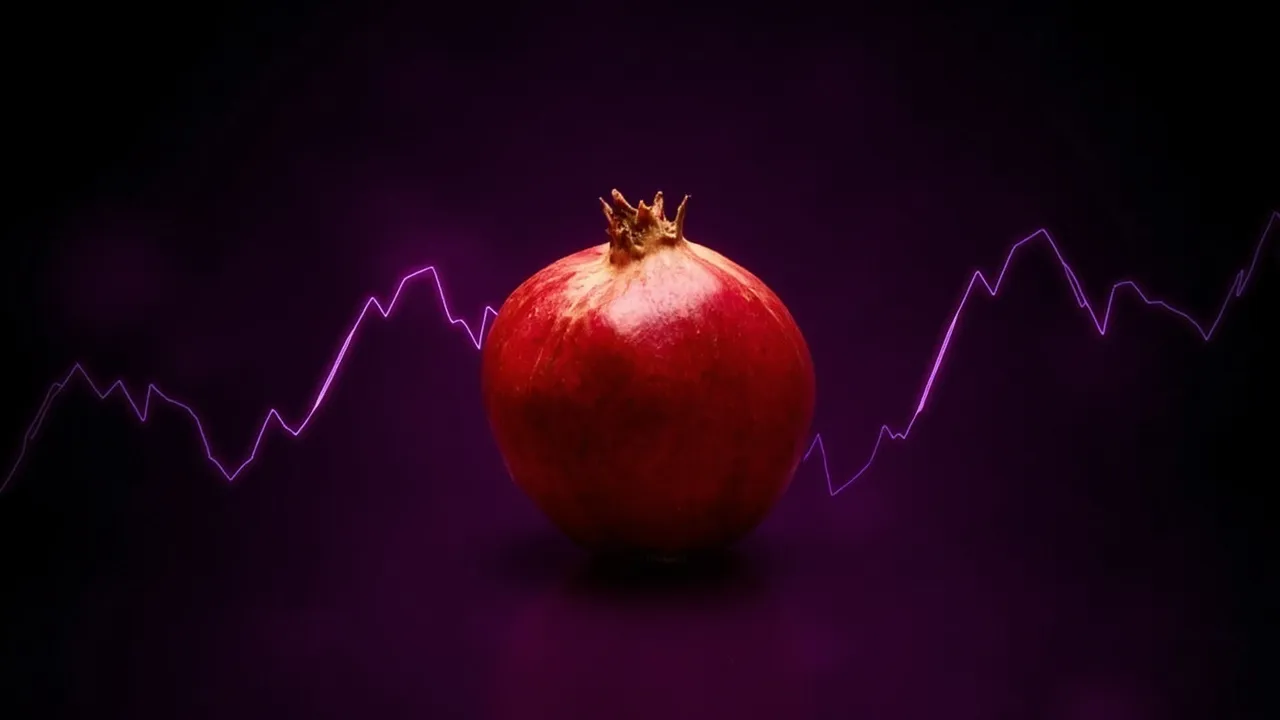
Researchers have discovered that urolithin A, a compound your body makes after eating pomegranates, could improve heart function by up to 80% in certain types of heart failure. But before you rush out to buy the whole produce section, let's talk about what this actually means.
Scientists now have tools that could theoretically allow someone to target specific populations through their DNA. Before you spiral into existential dread, let's unpack what this actually means—and what it doesn't.
Scientists have noticed something puzzling in the Arctic: after decades of the annual sea ice melt season getting longer and longer, the trend suddenly flattened around 2010. A new NASA study explores why this happened and what it means for the future of Earth's frozen north.
Researchers have brought ancient immune proteins back from the dead (well, extinction), and these prehistoric molecules show remarkable ability to kill drug-resistant bacteria. It's like they found a molecular time capsule, and the contents might just help us outsmart one of humanity's biggest health threats.
New high-tech scans of King Tut's burial chamber suggest there might be hidden rooms behind the walls—and the clues pointing to his famous stepmother Nefertiti are honestly pretty mind-blowing.
For over two centuries, historians debated whether Thomas Jefferson fathered children with Sally Hemings, an enslaved woman at Monticello. New DNA evidence from a single lock of hair—cut on the day Jefferson died—may have finally settled one of America's most controversial paternity mysteries.
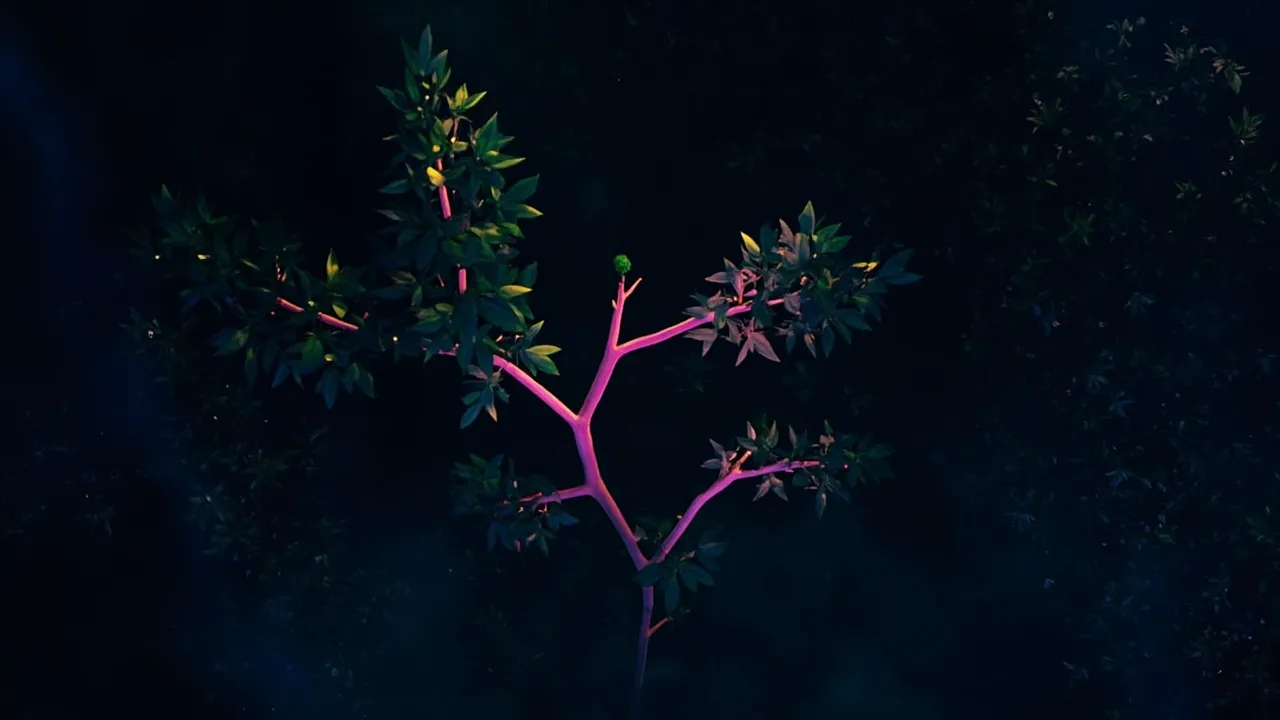
Imagine if plants could hold their breath during the hot daytime hours and only "exhale" when things cool down at night. Well, some tropical trees have figured out exactly that trick, and scientists are now understanding how they evolved this incredible water-saving superpower. The findings might just help us grow food in a warming, drying world.

Your beloved house cat might be more than just a cuddly companion — new research suggests our feline friends could hold the key to unlocking better cancer treatments for both them and us. Scientists have just completed the largest genetic study of cat cancers ever attempted, and what they found is pretty remarkable.
The James Webb Space Telescope keeps stumbling onto galaxies from the early universe that shouldn't exist yet — and now researchers think massive, primitive stars might be the key to understanding these cosmic oddities.
A groundbreaking study of over 2 million children in Denmark reveals that young people being diagnosed with ADHD and autism today look remarkably different from those diagnosed a decade ago. The findings challenge how we think about the surge in neurodevelopmental diagnoses — and might change the conversation entirely.