
Multiple tech leaders have casually announced we're in the middle of an AI singularity—but here's the thing about predicting the unpredictable: it's complicated. Let's unpack what this actually means for the rest of us.
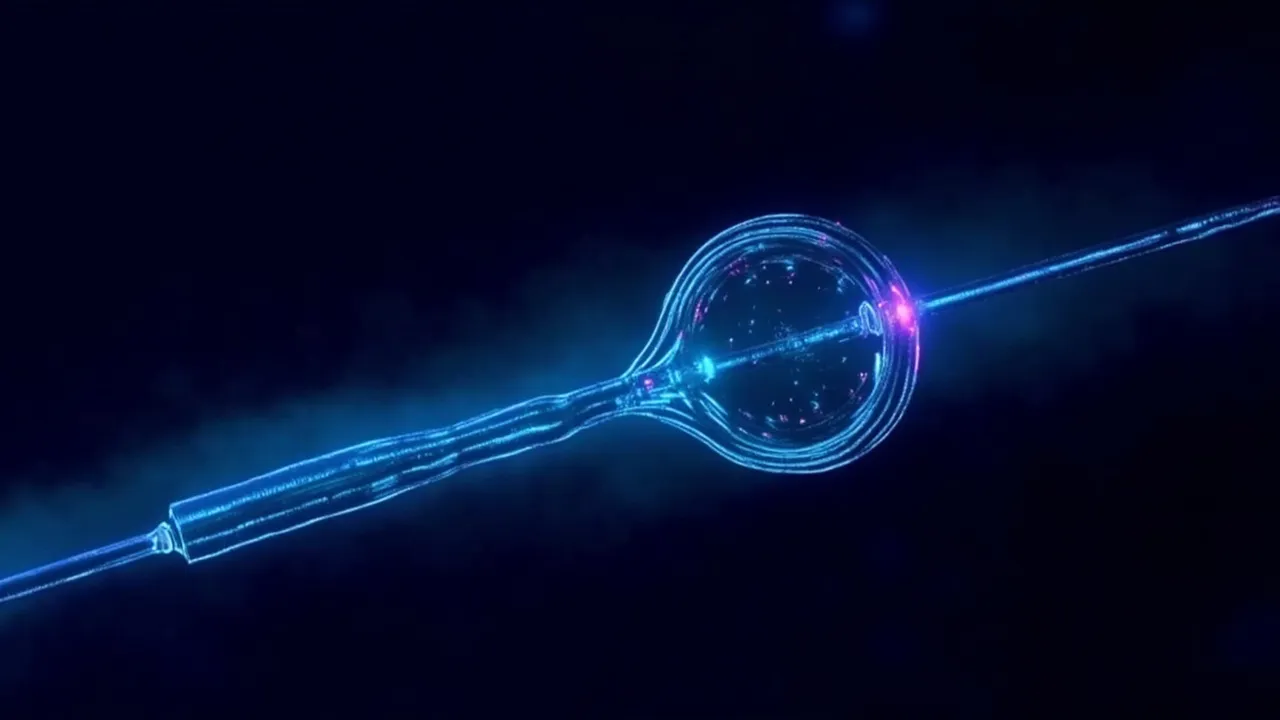
Scientists have created a new type of quantum bit using superfluid helium that could be 100 times more reliable than current designs, potentially solving one of quantum computing's biggest headaches: keeping errors under control as systems grow larger.

For over a century, a mysterious German wartime cipher sat unsolved—until a new AI model came along and read a message that had been hiding in plain sight since 1918. This isn't just a cool party trick; it might change how we understand history.
Imagine spending centuries beneath the desert sands, completely sealed off from the world. That's exactly what happened to a remarkable burial chamber in Peru — until archaeologists finally cracked it open and discovered something extraordinary waiting inside.
We've spent years worrying that AI might become too smart and turn against us. But what if the real problem isn't intelligence at all? A fascinating new theory suggests consciousness requires something AI can never have: skin in the game.
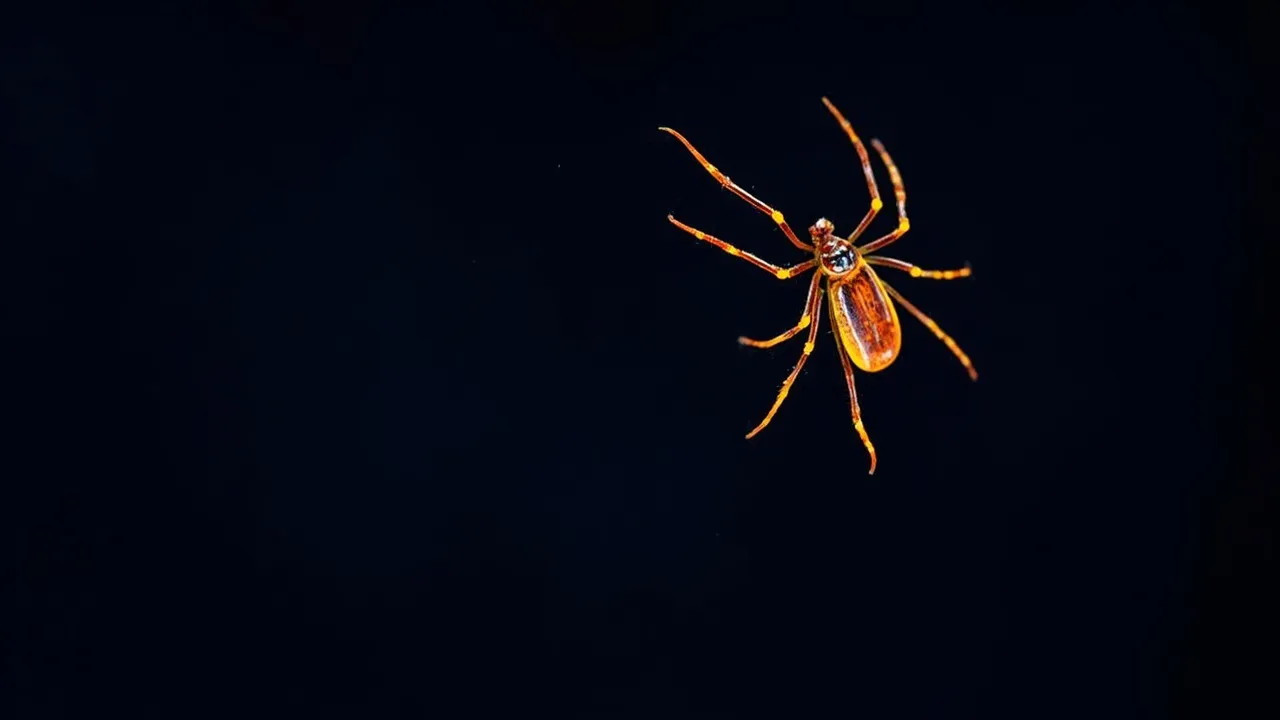
Researchers in China have discovered a previously unknown tick-borne virus that can make you seriously sick. What's really surprising? It might have been infecting people all along, just hiding under the radar. Here's what you need to know about this newly identified pathogen.
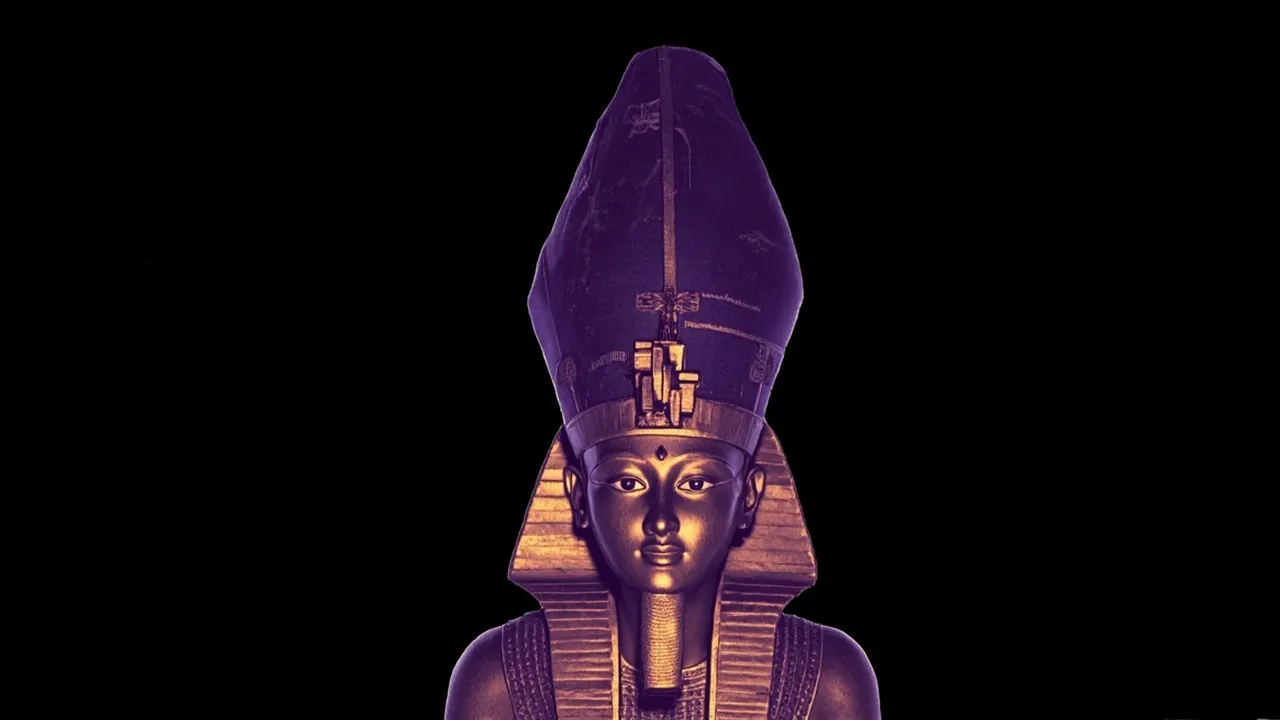
Ancient Egypt just got a little more interesting. Researchers using cutting-edge digital technology have been reexamining an 80-year-old grainy photograph — and the results might just rewrite history. The image could be the key to proving that a woman named Meretneith ruled as pharaoh over 5,000 years ago, long before Hatshepsut ever sat on the throne.
Scientists are testing a wild new technique that reshapes your cornea using nothing but a tiny electric current and a fancy platinum contact lens. No lasers, no cutting, no permanently removed tissue — just some clever chemistry and about 60 seconds of zapping.
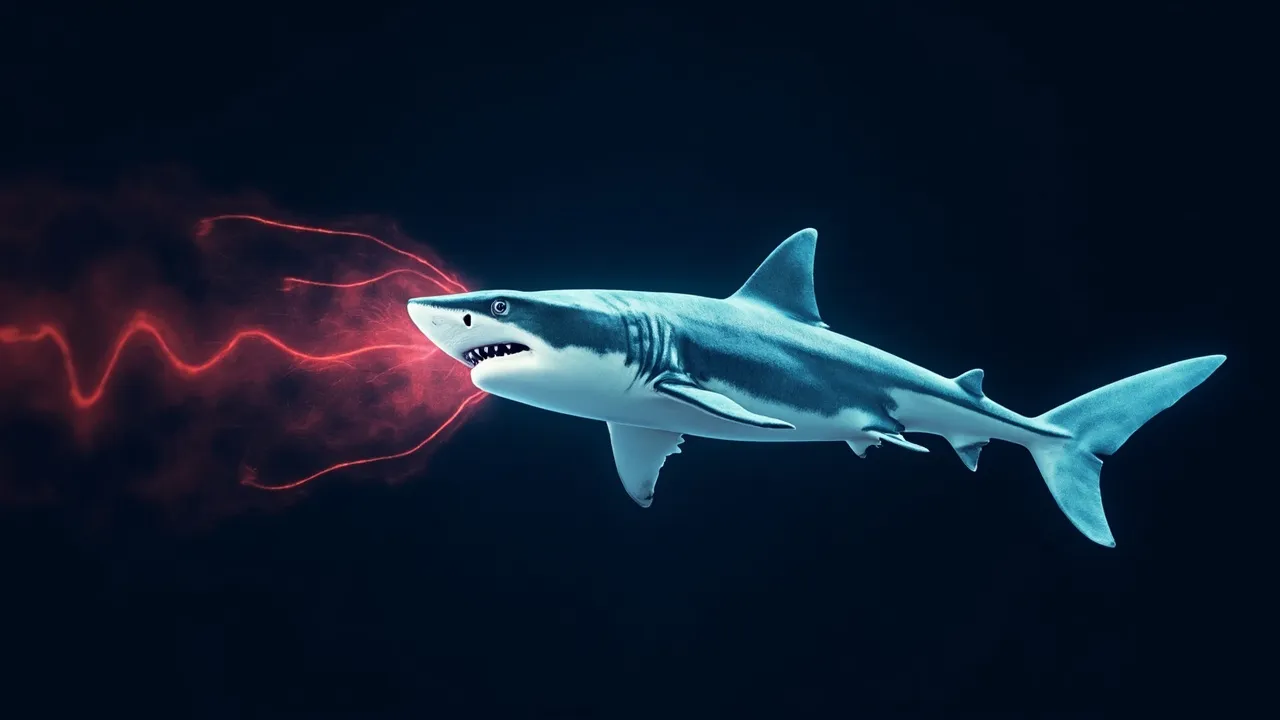
Turns out sharks have an incredible secret power you probably never knew about — they can hear sounds from nearly 250 feet away and know exactly where it's coming from. Researchers just conducted the first real-world study on shark hearing, and honestly? The results are kind of mind-blowing.
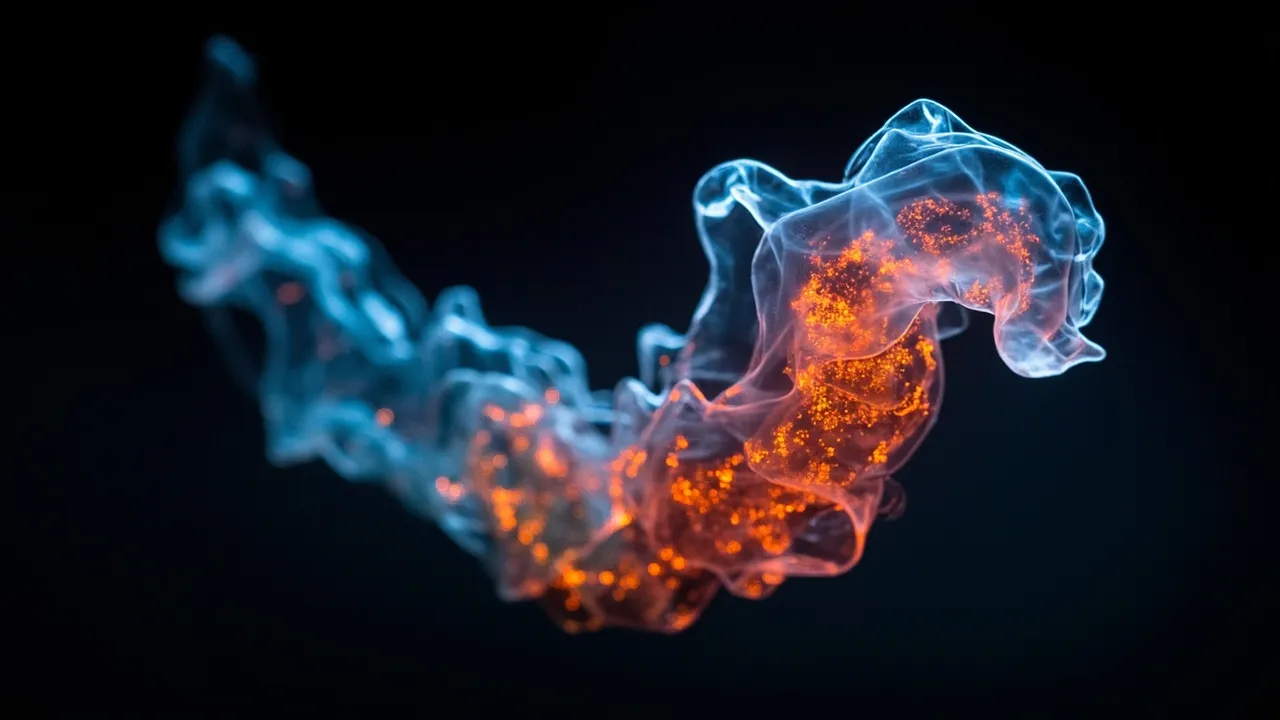
Scientists have discovered a tiny amoeba that survives in boiling geothermal pools—and it's changing what we thought was possible for complex life. This little powerhouse called Incendiamoeba cascadensis is making waves in the scientific world, and it might just be the first of many creatures hiding in Earth's most extreme environments.
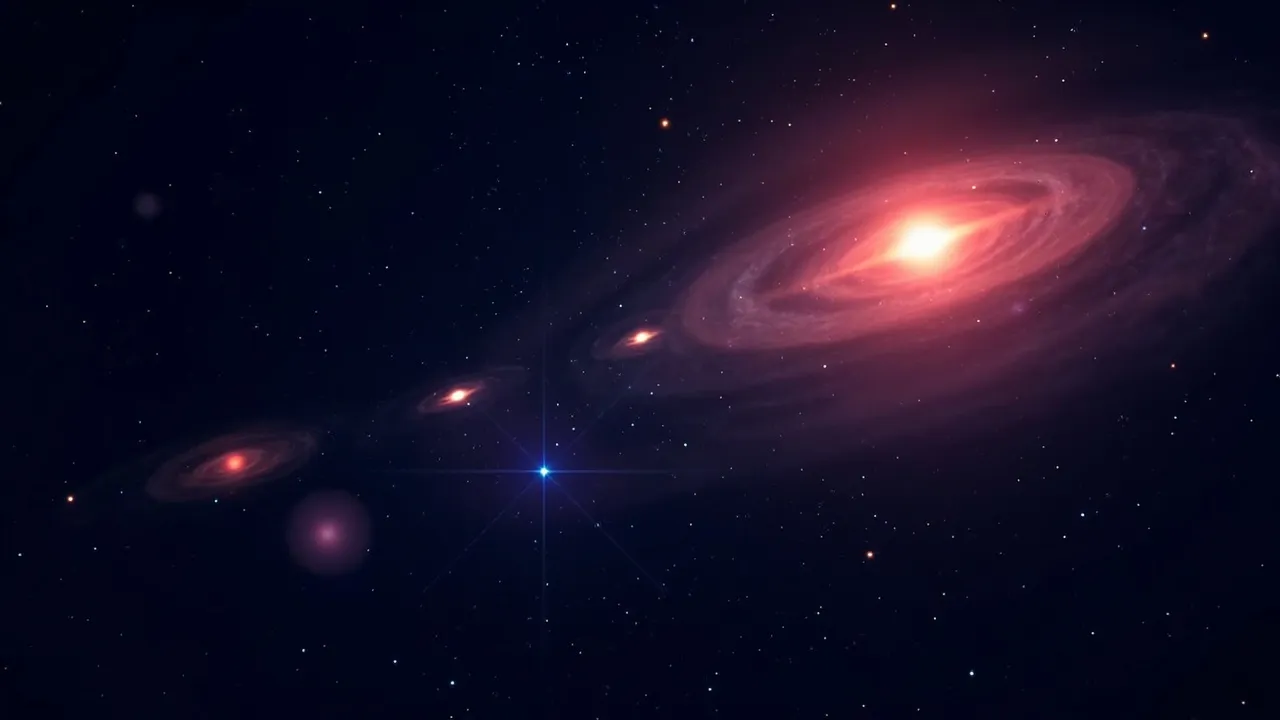
New research reveals that supermassive black holes, despite being incredibly small compared to their host galaxies, may be shaping the fate of entire galaxies by influencing the gas reservoirs needed for new star formation. Scientists have found that jets shooting from these black holes leave a distinctive signature on the surrounding cosmic gas, potentially determining whether galaxies can continue creating new stars for billions of years.
Deep beneath the waves, in a place where sunlight has never reached, something impossible is occurring: oxygen is being produced without a single ray of light. Scientists are now scrambling to understand what's creating this "dark oxygen," and the answer might be hiding in plain sight — in millions of tiny natural batteries scattered across the ocean floor.
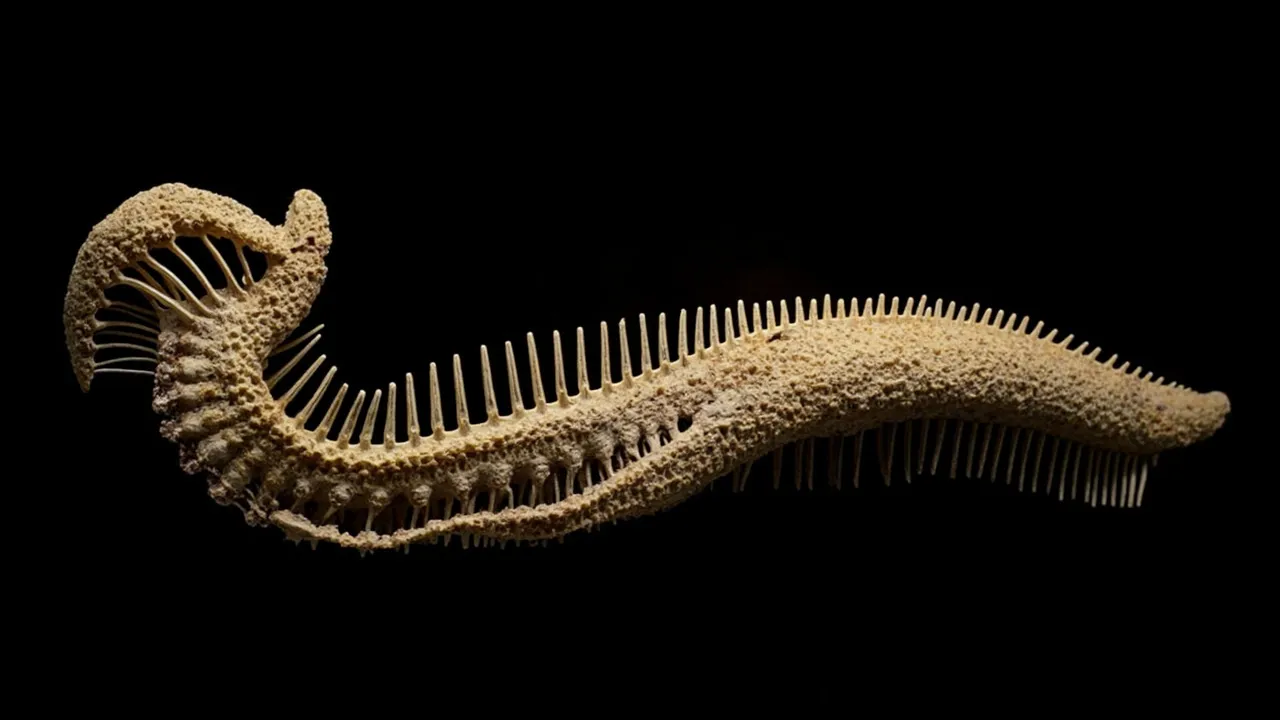
Scientists have discovered a fossil so well-preserved that you can literally see its stomach and intestines—245 million years later. And honestly, the story this creature tells about evolution is even more mind-blowing than its guts.
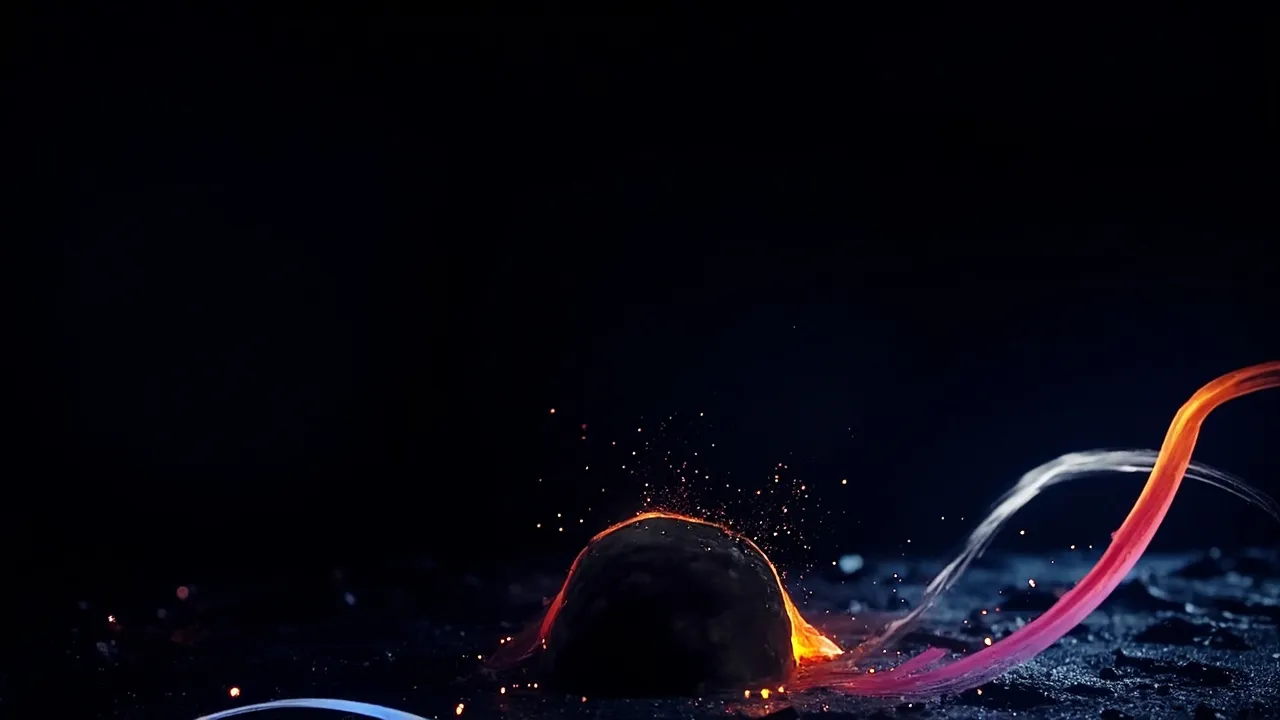
Imagine using a 2,000-year-old disaster to create the world's most precise clock for reading Earth's history. Scientists have done exactly that, and the results are pretty mind-blowing.
Scientists have finally achieved something quantum physicists have been chasing for a quarter of a century — a way to identify one of the most important quantum states without the usual computational headaches. This breakthrough could quietly revolutionize how we build quantum computers and communication systems.
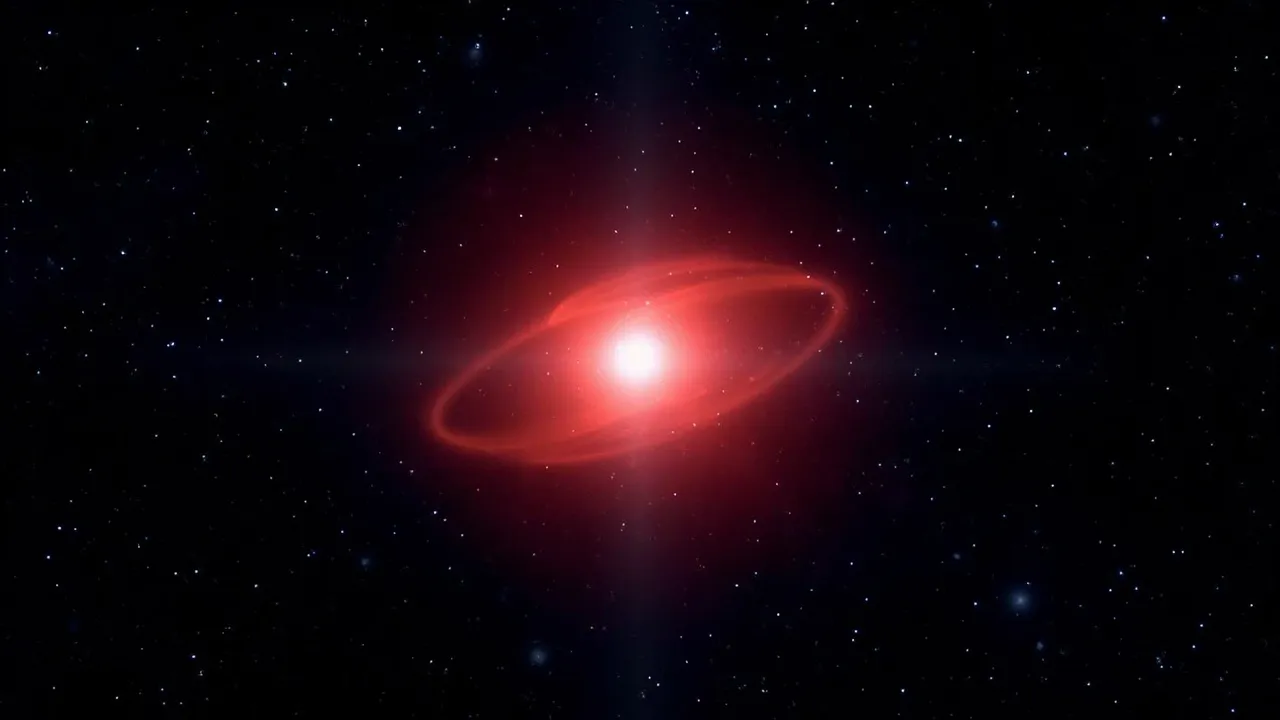
Scientists may have caught the moment a magnetar is born from two crushed stellar cores colliding in deep space—and they did it with an X-ray flash that lasted nearly ten minutes, the longest ever recorded. The discovery, made possible by rapid telescope teamwork, is giving astronomers their best look yet at one of the universe's most violent events.

You've probably heard that we lose muscle mass as we get older. But new research reveals the real culprit might be something most scientists completely overlooked: the communication breakdown between your nerves and muscles. And here's the exciting part — they might have found a way to fix it.
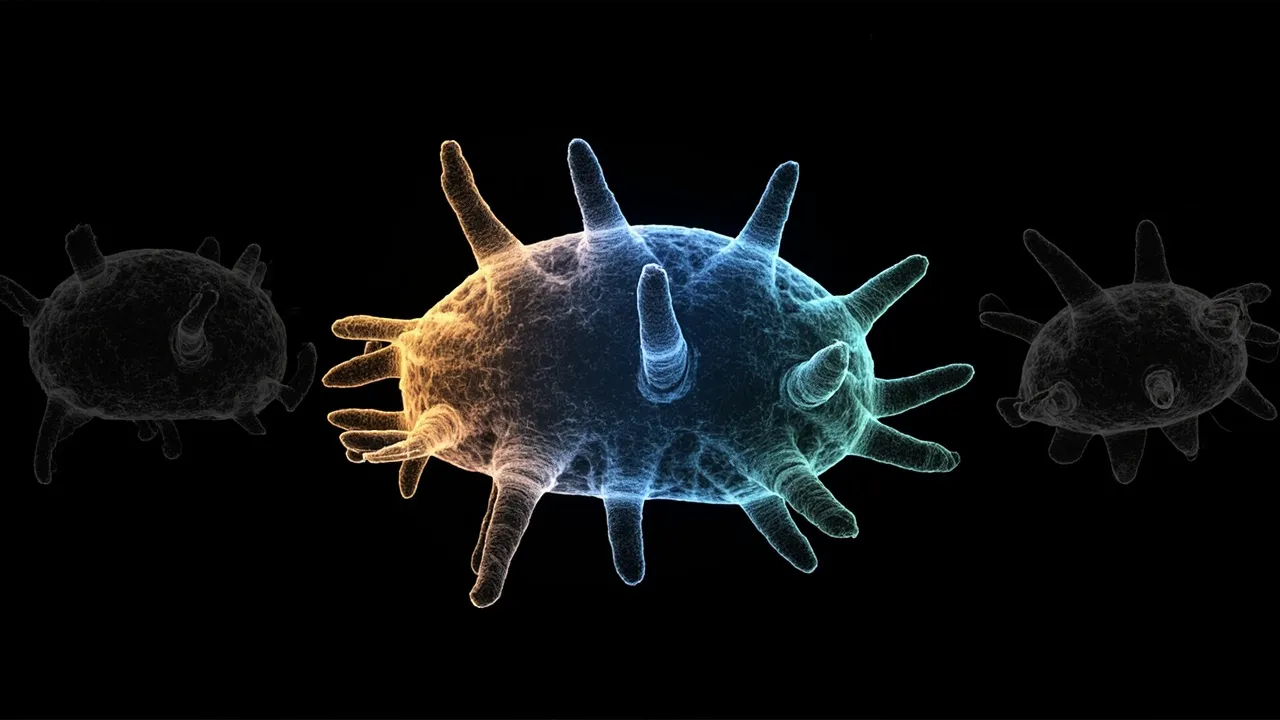
Scientists have uncovered ancient fossils in Australia that are rewriting the story of how complex life evolved on Earth—and it all comes down to one element: oxygen. These tiny, microscopic creatures from over 1.5 billion years ago might just hold the secret to why we exist at all.
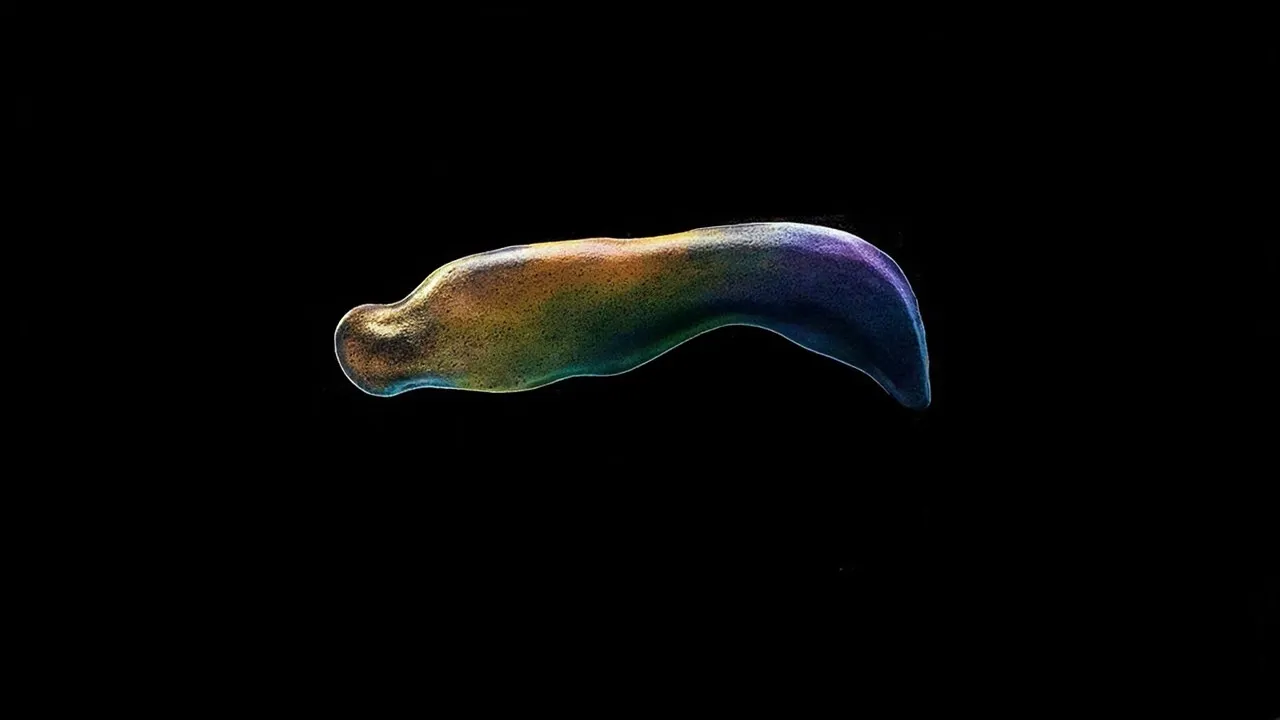
For nearly four decades, scientists thought they knew what a weird creature called a zhelestid was. Turns out, they had it completely backwards — and a single lucky fossil discovery in Mongolia's Gobi Desert just blew the whole theory apart.
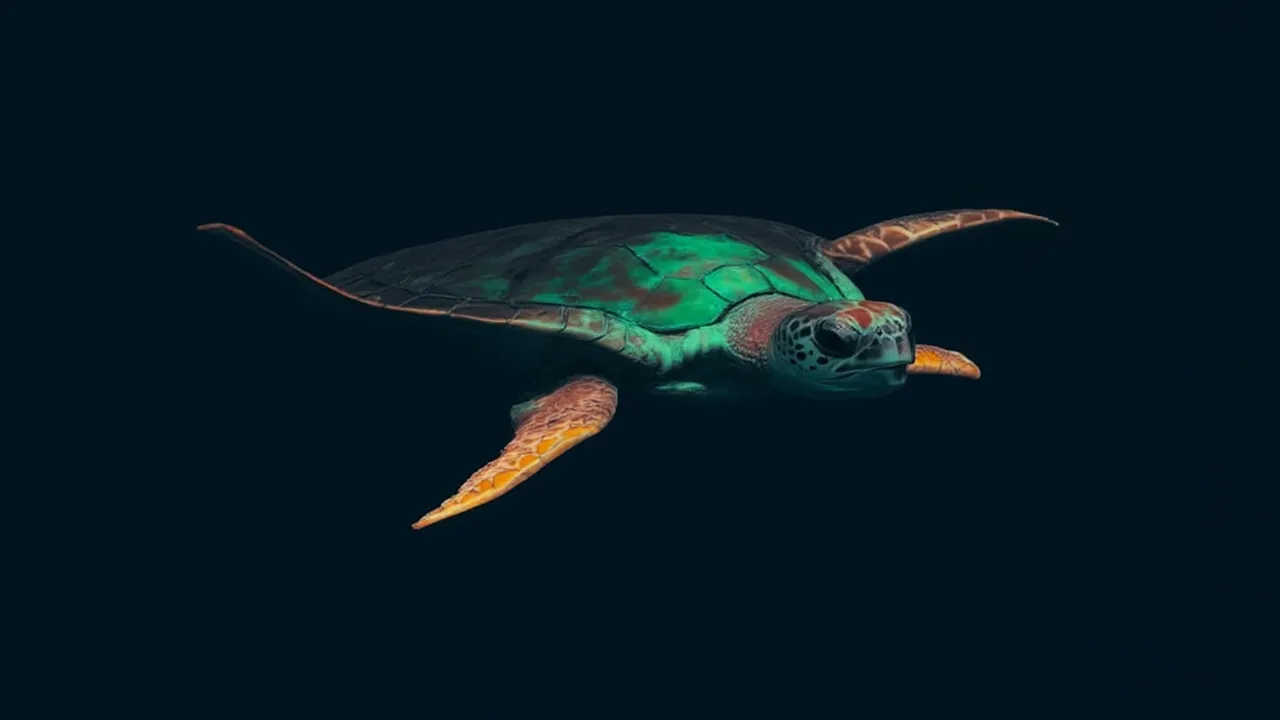
Researchers tracking sea turtles in the Galápagos expected to document long migrations across the Pacific. Instead, they discovered that yellow-morph green sea turtles barely left the archipelago at all, choosing to stay close to home for years. This unexpected behavior is rewriting what we know about these ancient mariners.