
Imagine two microscopic creatures, living billions of years ago, deciding to team up—and in doing so, creating every complex life form that has ever existed, including you. Scientists have just found the first direct evidence of how this legendary partnership might have actually happened, and it's both more beautiful and more bizarre than anyone imagined.
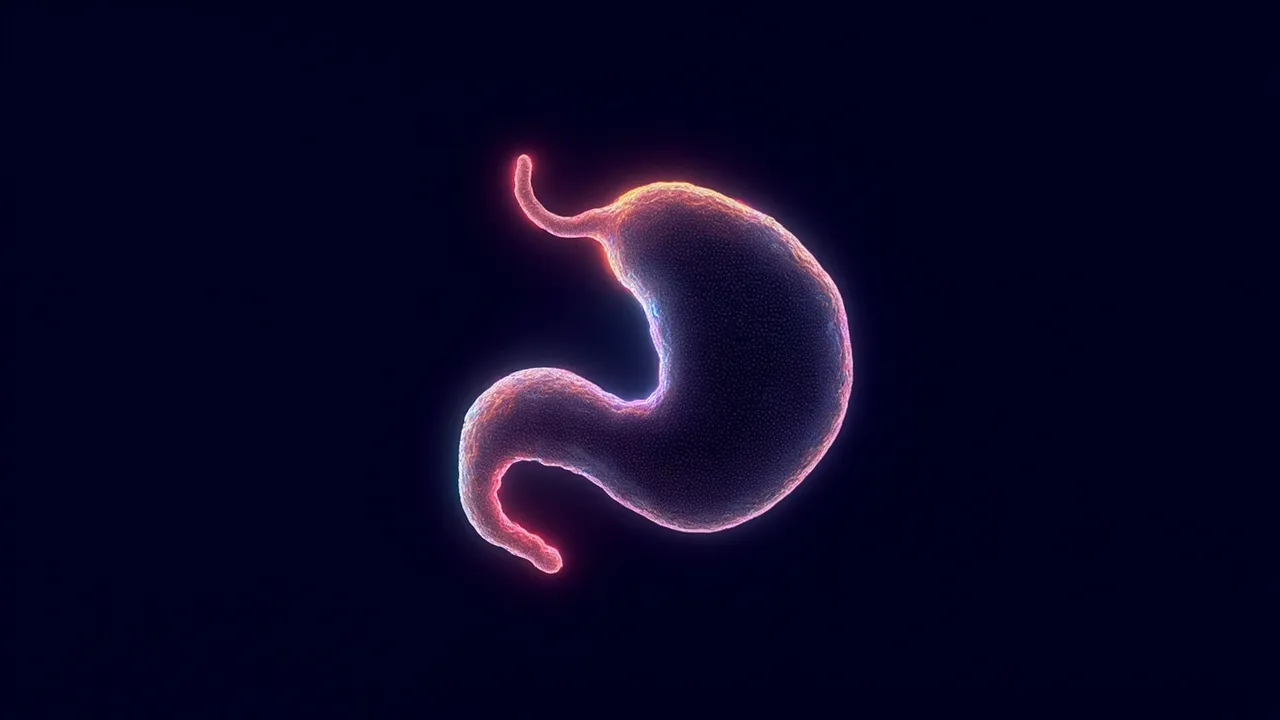
Scientists have discovered that the trillions of bacteria living in your gut are far more complex and contagious than we ever imagined—and some are spreading across continents like wildfire. This discovery could revolutionize how we treat everything from digestive disorders to diabetes.
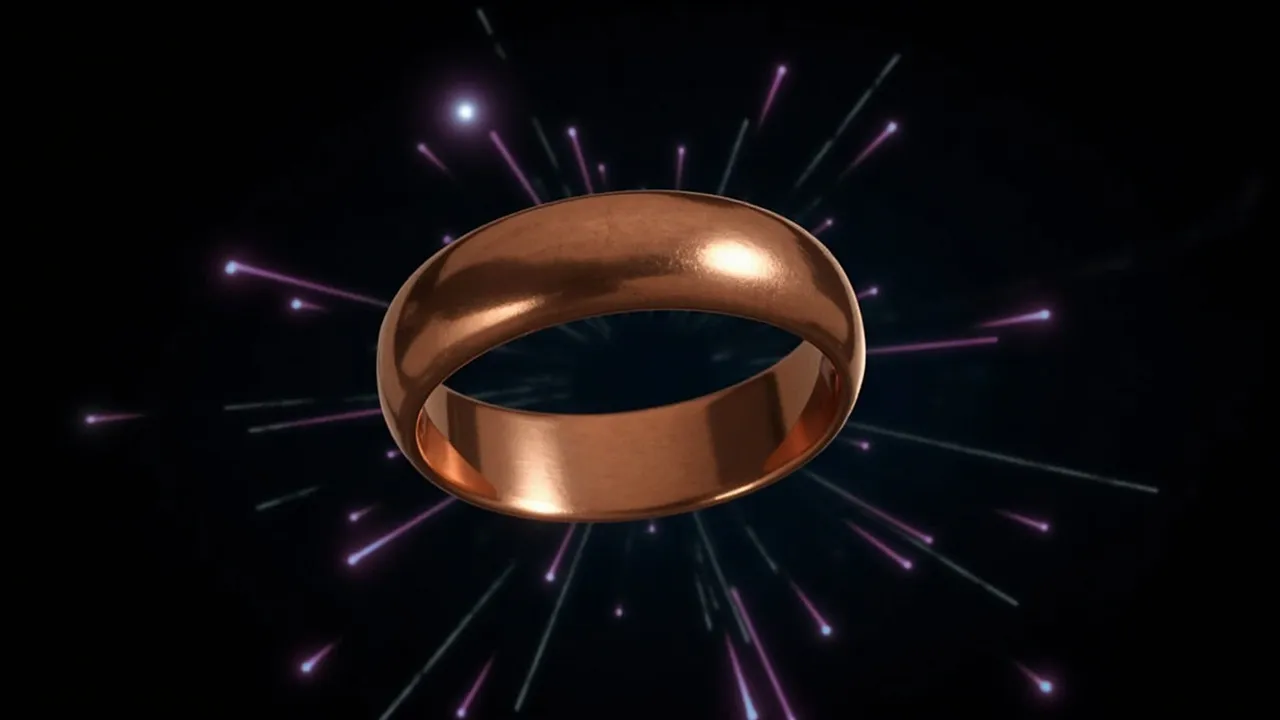
An unremarkable copper ring sat forgotten in a storage room for nearly 50 years before anyone noticed it bore the name of the man who ordered Jesus's crucifixion. But here's the twist: it probably wasn't his ring at all—and the story it tells is actually way more interesting than a celebrity's bling.
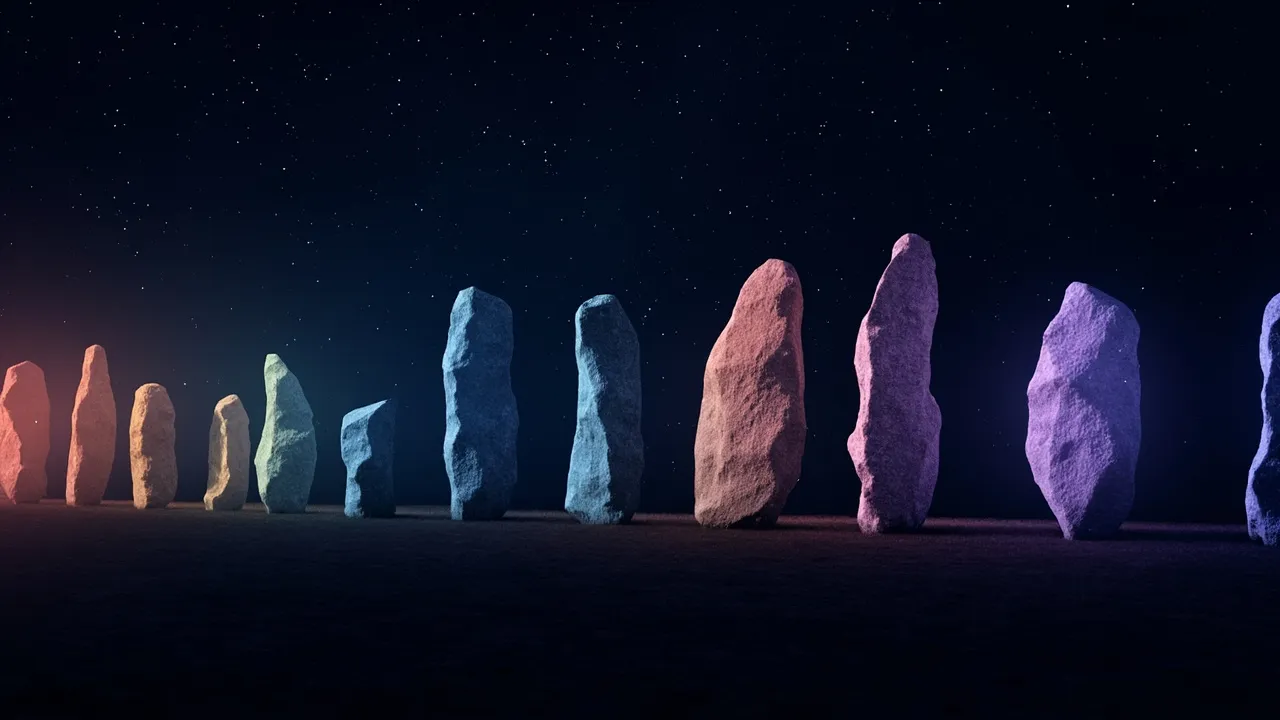
Scientists have finally cracked a 4,000-year-old mystery about Britain's tallest stone row, and honestly? The answer is way more mind-blowing than anyone expected. The massive stones at Devil's Arrows weren't grabbed from the nearest convenient spot — they were deliberately hauled across 11 miles of challenging countryside from a specific location that apparently meant something very special to ancient builders.
For years, textbooks portrayed British War of 1812 veteran Shadrack Byfield as a quiet, stoic soldier who endured hardship with quiet dignity. Turns out? He was a stubborn, fight-for-your-rights kind of guy who argued with employers, got into chapel brawls, and spent decades demanding the benefits he deserved. His real story is so much more human—and fascinating.

A team of German researchers has discovered a protein receptor that acts like a master switch for bone strength. When activated, it helps bones grow stronger—and they found a compound that can flip it on. The discovery could lead to entirely new ways of treating osteoporosis without the downsides of current medications.

Here's a climate curveball for you — while the world keeps heating up, Antarctica actually gained a record amount of ice between 2021 and 2023. But here's the really surprising part: scientists say that temporary ice gain was caused, at least in part, by unusually warm waters in a completely different part of the planet. Talk about our oceans being more connected than we thought!
Physicists have discovered a loophole in one of the universe's most fundamental rules, using nothing fancier than a beam of light and some quantum trickery. What they found challenges everything we thought we knew about entropy, and honestly, it sounds like science fiction turned real.
A team of scientists is challenging one of cosmology's most cherished ideas: that the universe is expanding faster and faster because of a mysterious force called dark energy. They're digging back into old supernova data and finding some eyebrow-raising results that have the scientific community buzzing.
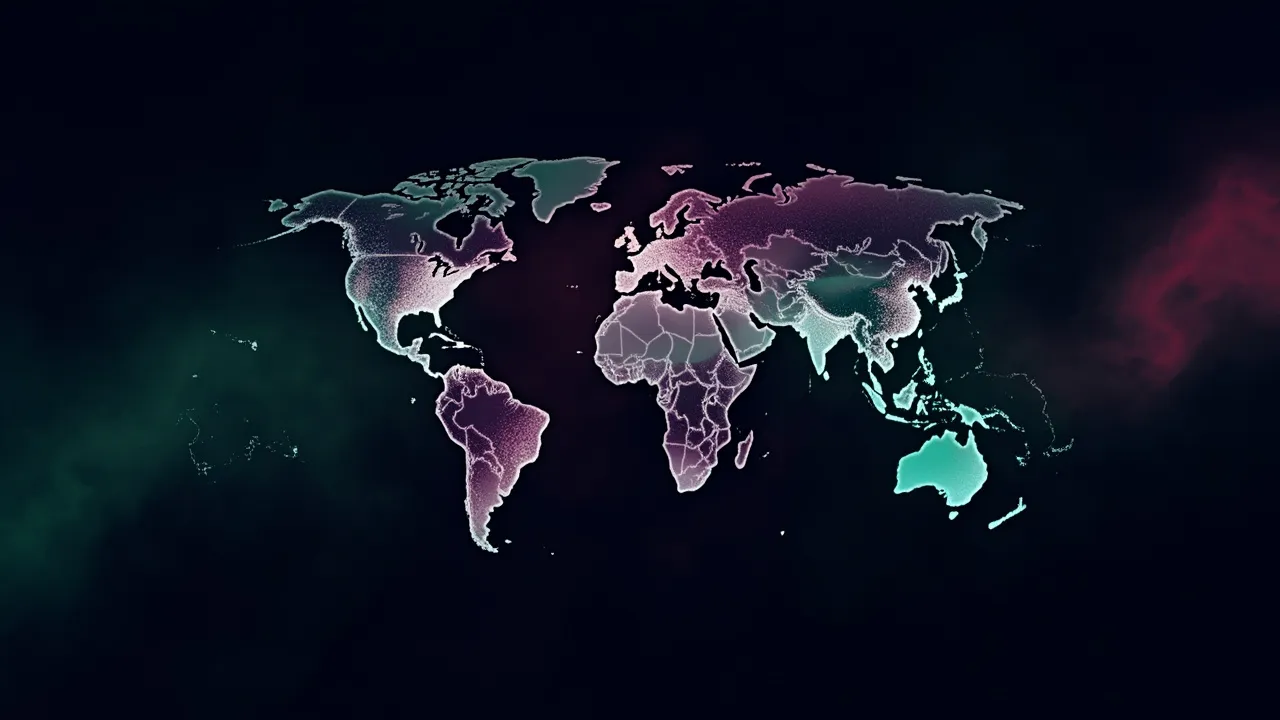
Geologists have discovered that Central and South America collided millions of years earlier than we previously thought. By studying ancient volcanic rocks in Colombia, researchers found evidence that the most intense tectonic action actually happened way before we realized. This discovery is changing how we understand the formation of one of the world's most dramatic mountain ranges.
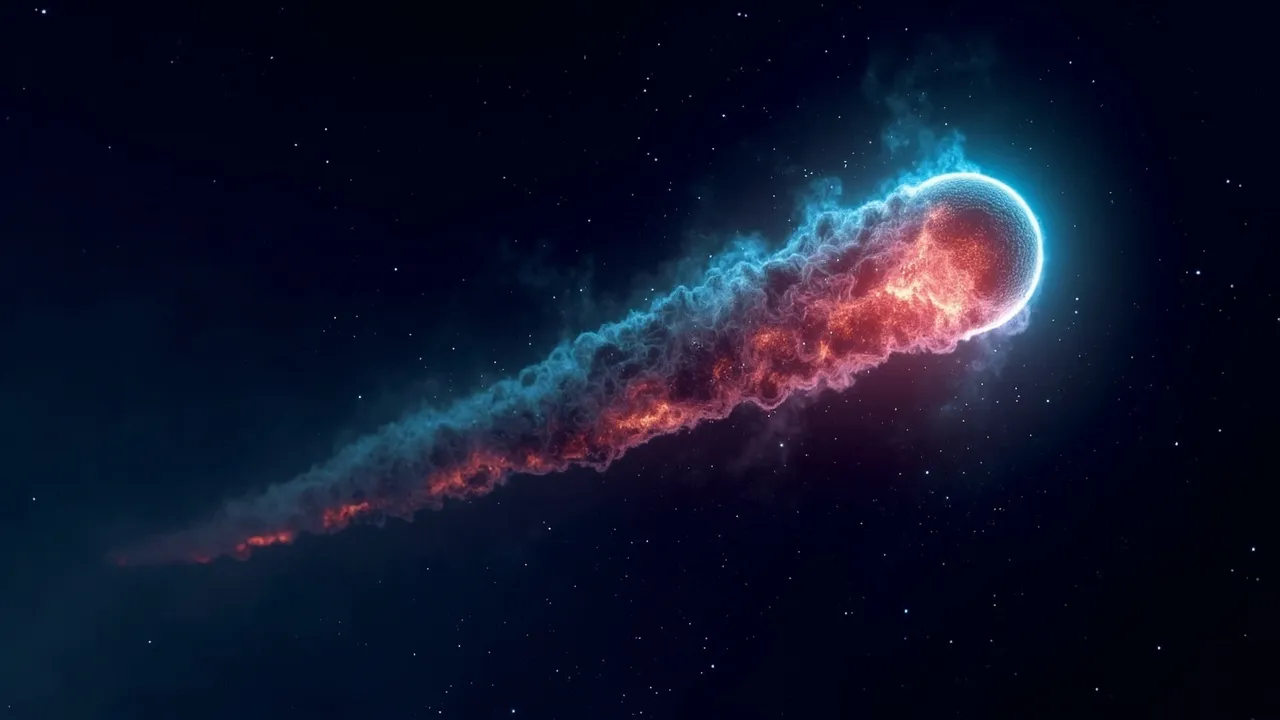
When astronomers pointed their instruments at a comet that came from another star system, they expected interesting data. What they didn't expect was to find the thing practically soaked in methanol. The discovery is raising big questions about how comets form in other parts of the galaxy.
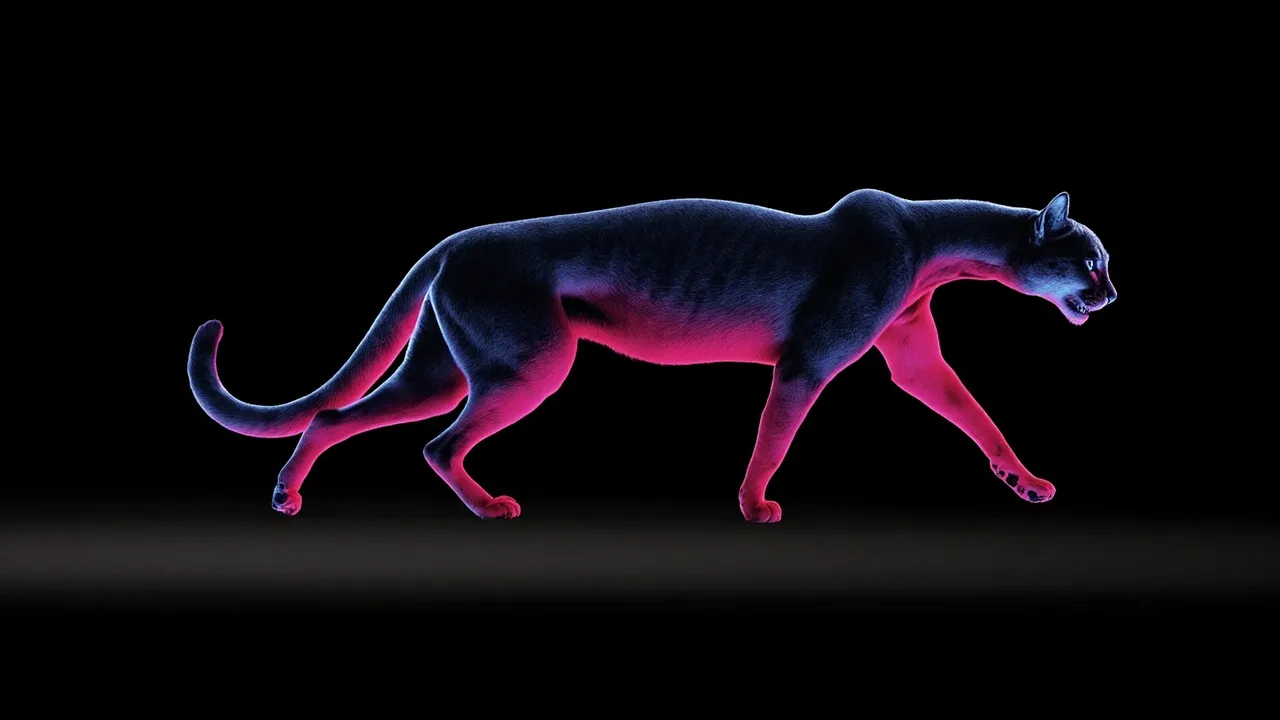
Scientists have cracked open a fascinating prehistoric puzzle, and the answer flips everything we thought we knew about one of North America's most mysterious Ice Age predators. Spoiler alert: the so-called "American cheetah" wasn't actually a cheetah at all.
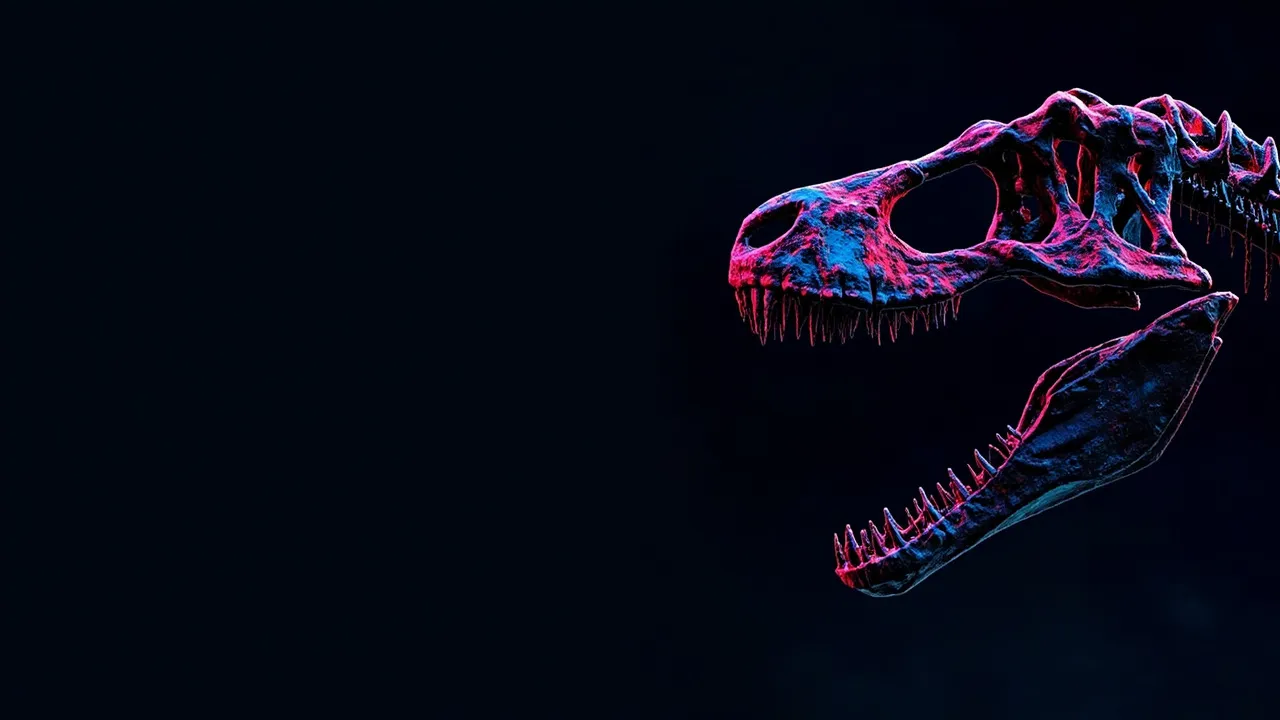
Construction workers in Brazil accidentally uncovered something far more impressive than they bargained for: the bones of a massive new dinosaur species. This 120-million-year-old giant is making scientists rethink what we know about how these colossal creatures moved across ancient supercontinents.
A critically endangered monkey named Masaya faced losing her foot to amputation — but a pioneering surgery changed everything. Just months later, she became a mother again, and veterinarians say her recovery might be even more meaningful than they first realized.
Scientists are using equations to predict relationship success, and honestly? Their findings are both fascinating and kind of romantic. Turns out, love might follow patterns we can actually understand.
Imagine breaking ground on your dream home and discovering you've accidentally stumbled upon a 2,000-year-old lost city. That's exactly what happened near Paris, where archaeologists uncovered a densely populated hillside that was once home to everyone from ancient Gauls to medieval families—all stacked on top of each other across the centuries.
MIT researchers have developed tiny, injectable liver clusters that could one day help patients with failing livers — without the need for major surgery. The breakthrough offers a glimpse into a future where organ transplants might not be the only option.
Scientists have finally caught gravity and quantum physics playing together — and Einstein was right again. A new experiment dropped atoms that existed in two quantum states simultaneously, watching how each path responded to gravity differently. The results might just be a tiny step toward solving physics' biggest mystery.
Scientists have discovered that rattlesnakes carry their own built-in antivenom in their blood, and when researchers combined these proteins, they created a treatment 10 times more powerful than what we currently use. Here's why this discovery has the potential to save tens of thousands of lives every year.
Researchers have discovered that a specific type of immune cell does far more than just clean up mess after an injury — it actually acts like a conductor, orchestrating the entire healing process. Even more exciting? They've found the molecular signal that makes this possible, and it might one day help humans recover from spinal cord injuries that currently leave us paralyzed.