
Imagine a room that's been sealed off since the 1600s, untouched for three centuries. That's exactly what archaeologists in Ukraine just discovered—and the clues they found inside are raising all kinds of fascinating questions about what this mysterious chamber was really used for.

Scientists recently proposed that warp drives might not require the impossible "negative energy" we always thought they did. But before you start packing your bags for Alpha Centauri, there are some pretty serious problems they still need to solve—and honestly, we're probably still decades away from anything practical.
On a summer evening in 1985, a Boeing 747 fell from the sky over Japan in what remains the worst single-aircraft accident in history. What makes this tragedy even more haunting? The passenger who died in the crash had a terrible feeling about the flight—and desperately tried to avoid getting on board.
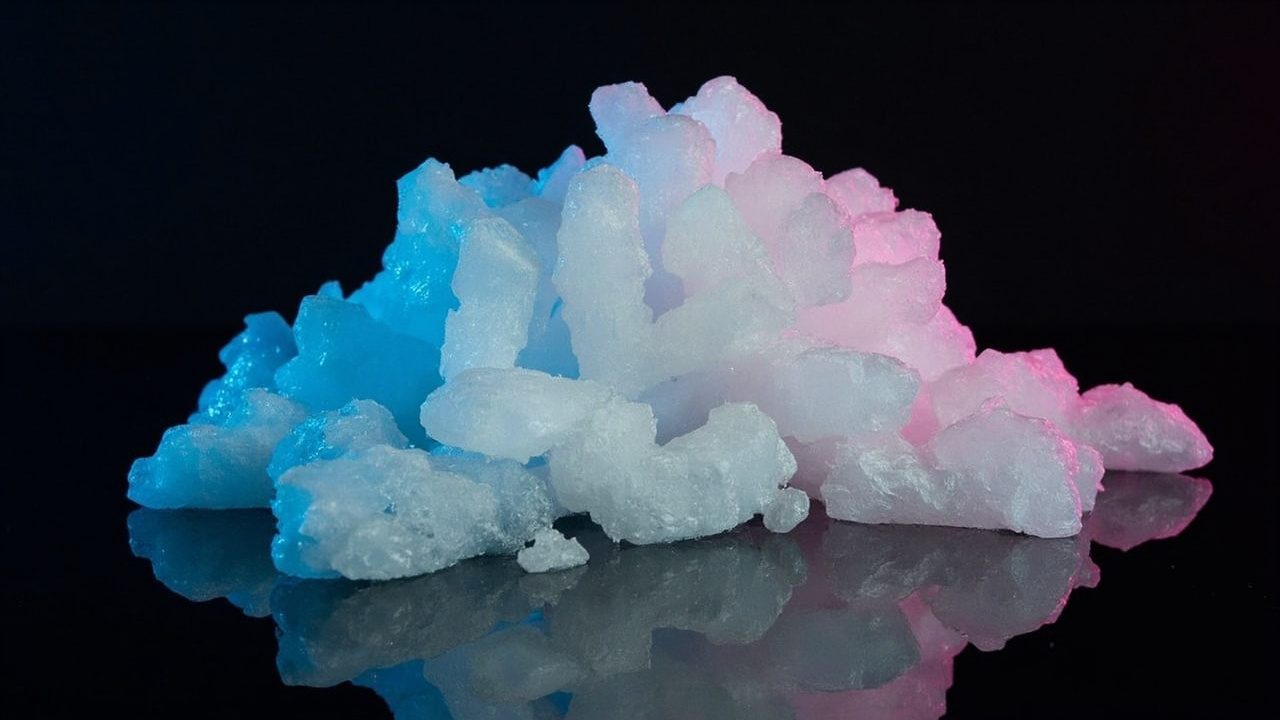
Nugget ice has gone from a Sonic Drive-In novelty to a full-blown home kitchen obsession. If you've found yourself craving that satisfying crunch and wondering which ice maker won't let you down, I've got the scoop on what actually works.

Sometimes the best archaeological discoveries happen by accident. Workers in Italy recently uncovered an ancient temple site that had been buried under river mud for centuries, complete with mysterious inscriptions and evidence of sacred rituals that spanned multiple civilizations.
Scientists just used DNA analysis to identify the remains of a young girl buried in a cave over 11,000 years ago—making her the oldest known person ever discovered in Northern Britain. The discovery is changing what we know about how ancient hunter-gatherers treated their dead, and it all started with one local archaeologist's passion project.
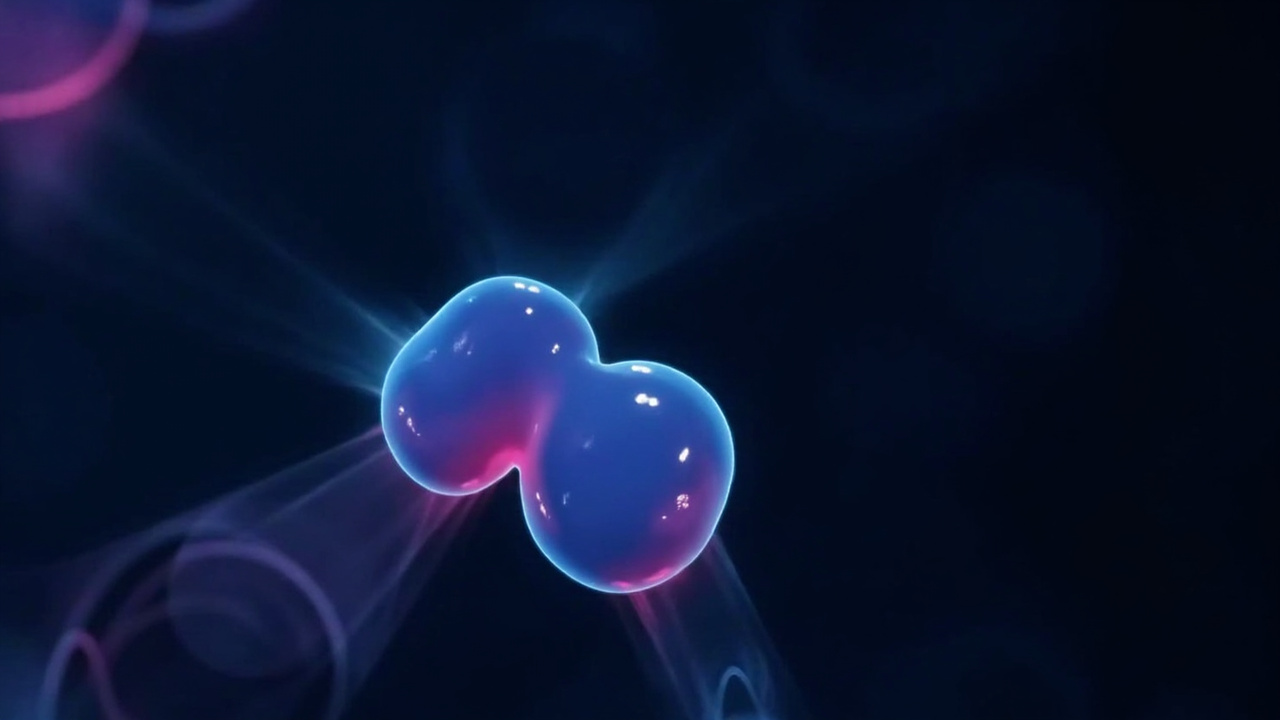
Researchers have figured out how to use light to build incredibly strained molecules called "housanes" that could become the building blocks of tomorrow's drugs. By cleverly blocking unwanted chemical reactions and letting photocatalysis do the heavy lifting, they've made something that was previously really hard to create now surprisingly accessible.
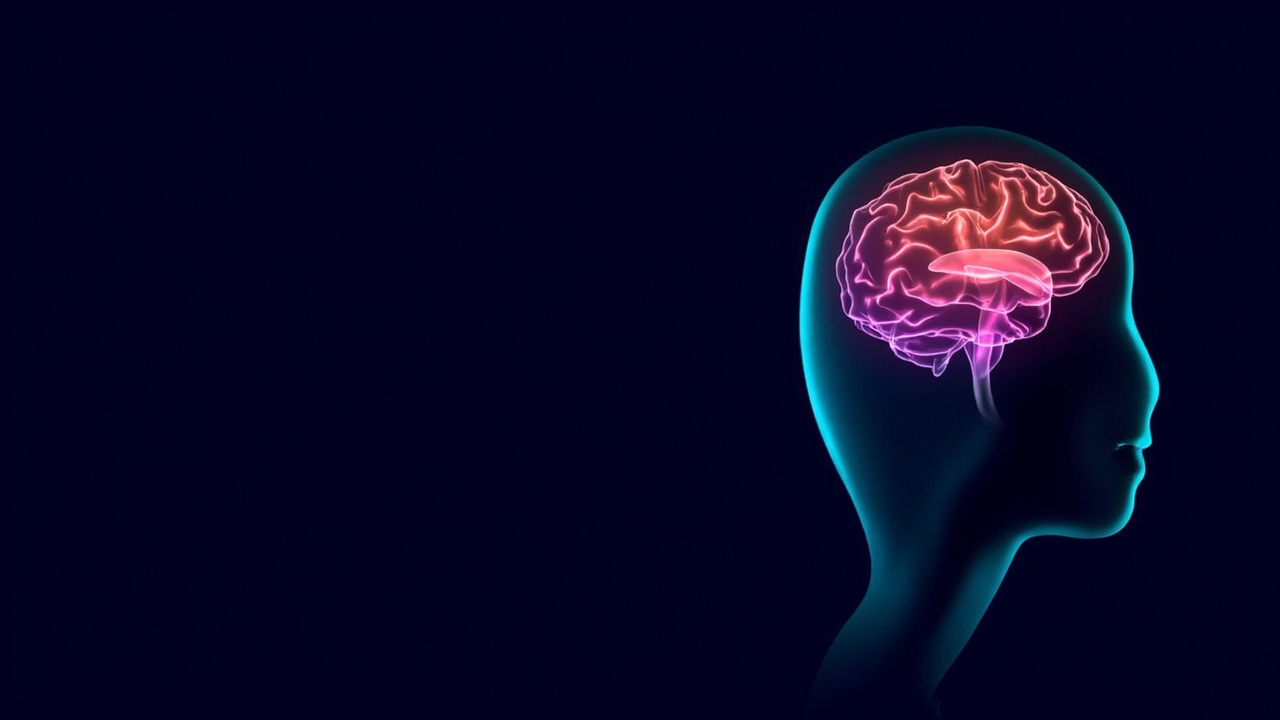
Here's something that's been quietly bothering researchers for years: women make up nearly two-thirds of Alzheimer's cases, and it's not just because they live longer. New science suggests women's brains might actually be more susceptible to the same risk factors that affect men—and understanding why could change how we prevent dementia.

Scientists in Canada have made a fascinating discovery: ancient bedrock is naturally producing hydrogen gas all on its own. This "white hydrogen" could be the clean energy breakthrough we've been waiting for, and it's literally beneath our feet.

Astronomers just discovered something wild hiding in plain sight—our Milky Way's magnetic field does a literal 180-degree flip in one arm of the galaxy. Thanks to a new telescope and some clever radio wave detective work, we're finally seeing the invisible force that holds our galaxy together.
Researchers have identified an enzyme lurking in our brain cells that seems to be a major player in Alzheimer's development. The exciting part? They've already figured out how to shut it down in the lab, and the results are seriously promising.
In the 1950s, a Brazilian geneticist tried to create the perfect super bee by mixing aggressive African bees with gentle European ones. A careless mistake by his assistant let 26 queens loose, and decades later, their descendants are still marching north—and climate change is about to make things way worse.
For centuries, nobody really knew why most of us reach for things with our right hand. A team of researchers just cracked the code by studying primates across the globe, and the answer involves walking upright and having massive brains.
Scientists just discovered something wild: indigenous Andean people evolved extra genes specifically designed to digest potatoes better, thanks to eating them for thousands of years. It's a real-world example of how the food we eat can actually change our DNA over generations. This discovery challenges everything we thought we knew about human evolution.
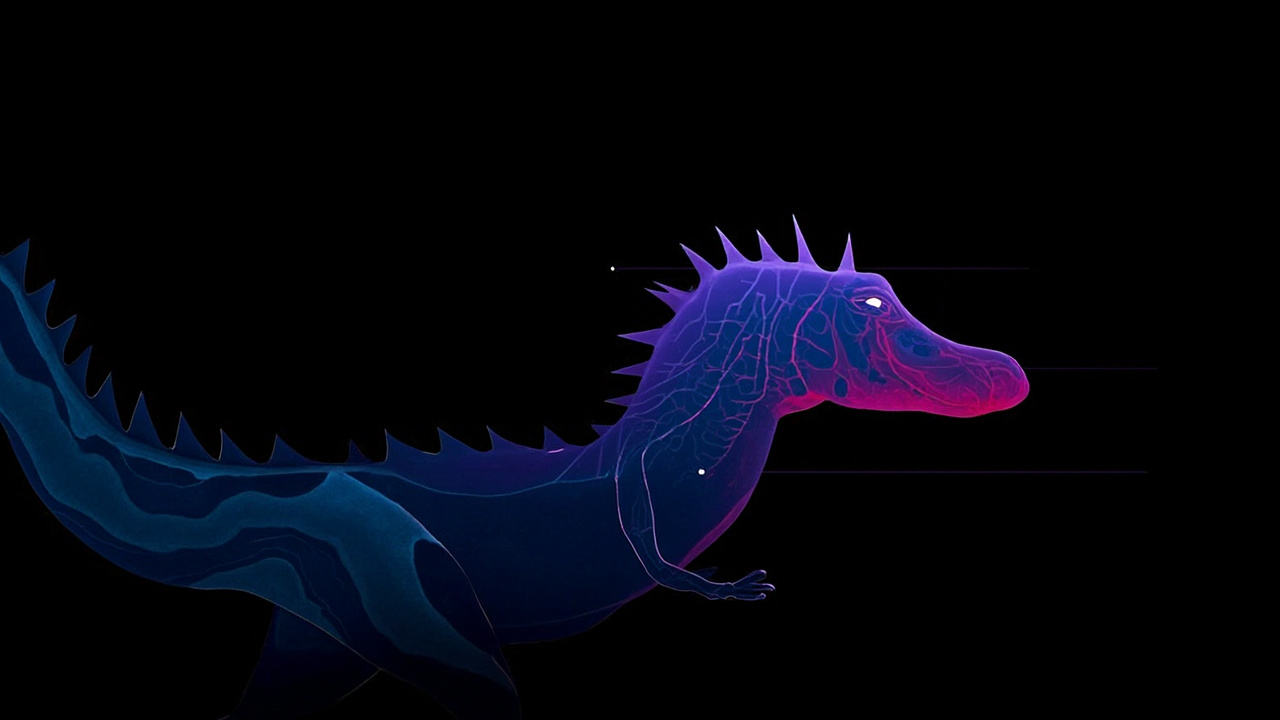
Scientists just cracked one of paleontology's greatest mysteries: those famously useless T. rex arms weren't a random evolutionary accident. They were the result of dinosaurs essentially deciding to go all-in on bite attacks instead of grabbing prey. It's the ultimate case of "use it or lose it."
For decades, scientists assumed early humans avoided dense rainforests, sticking to grasslands and coasts instead. A stunning discovery in West Africa just rewrote that entire narrative, pushing back rainforest habitation by 150,000 years and revealing that our ancestors were way more adaptable than anyone realized.
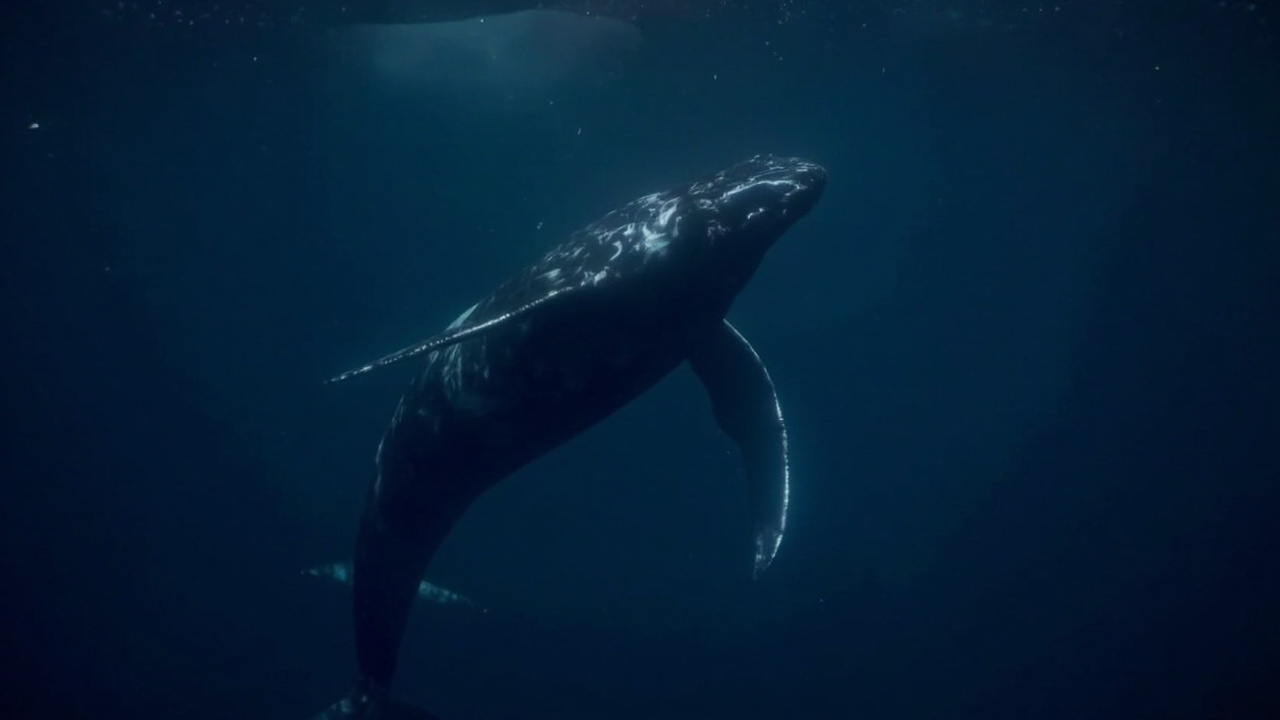
Researchers have documented something truly mind-blowing: humpback whales making a jaw-dropping 15,000-kilometer journey between Australia and Brazil—a migration so rare and extreme that it's only happened twice in over 40 years of tracking. It's the kind of discovery that reminds us how much we still don't understand about these ocean giants.
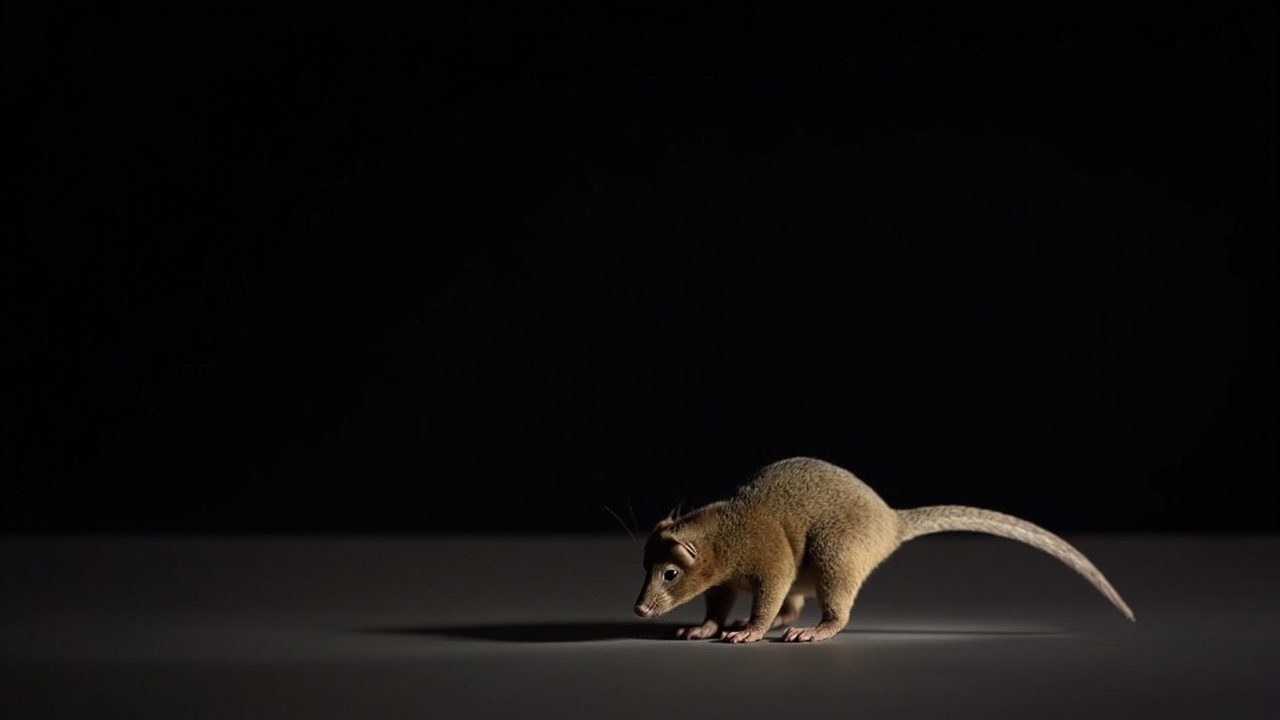
Scientists are literally analyzing marsupial droppings to save one of Earth's most endangered animals. It sounds quirky, but this clever detective work might be the key to bringing the Gilbert's potoroo back from the brink of extinction.
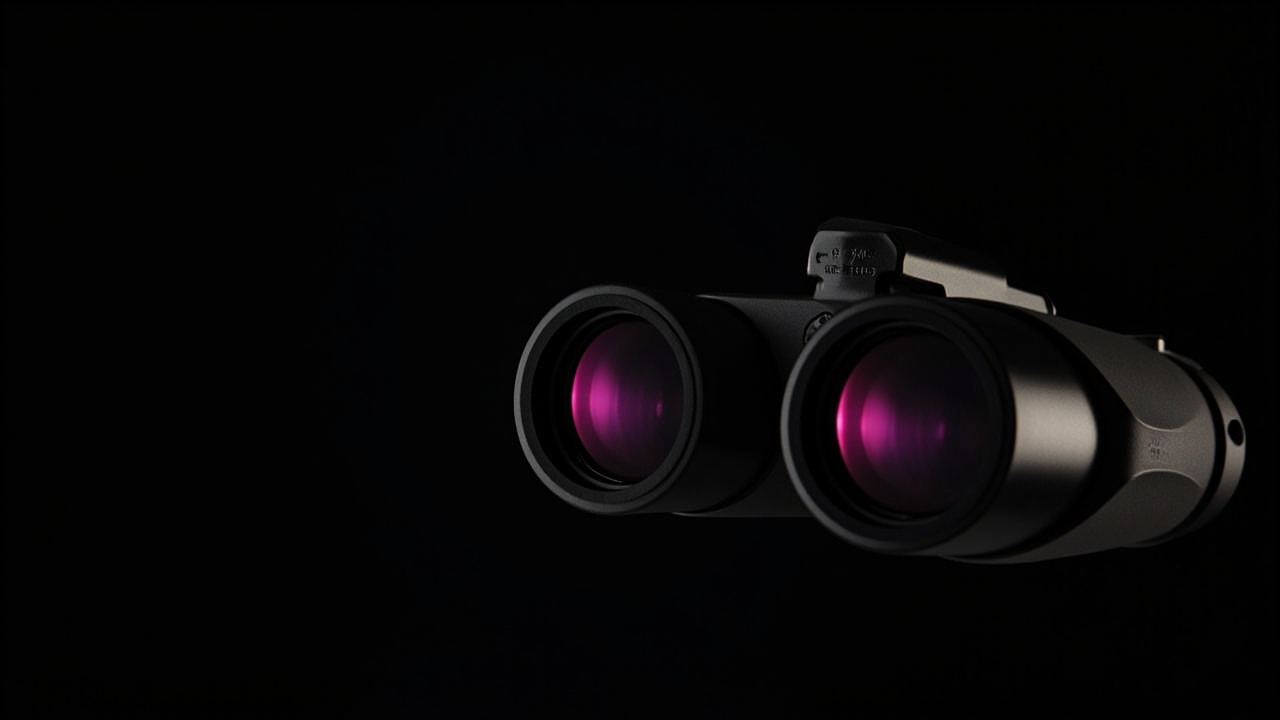
There's a myth that you need to spend serious money to see clearly through binoculars. But the Vortex Triumph HD challenges that wisdom—and after putting it to the test, I'm genuinely impressed. Here's why this affordable optic might be the smartest first purchase you make for birdwatching or hiking.

On a sunny day in June 2023, a private jet cruised over Washington D.C. for over an hour with no one responding to radio calls. The scary part? The plane kept flying perfectly fine on its own, making it one of aviation's most eerie mysteries.