
CERNdagi fiziklar Katta Adron Kollayderini "glyuon mikroskopi" sifatida ishlatib, atom yadrolarining ichiga qarashdi. Va topilgan narsa massa tushunchamizni savol ostiga qo'ydi. Tadqiqotchilar fikricha, kvarklarni bir-biriga bog'lovchi glyuonlar kutilmagan tarzda tutasha yotir.
Mercury—the solar system's smallest planet—has a fiery secret it's been hiding. New research shows its volcanic past was even more intense than scientists realized. And now, a clever experiment with tiny glass beads is helping us finally understand what's really happening on this scorched world.

Researchers at Harvard have developed a clever new technique that could help tackle one of quantum computing's biggest challenges. By essentially "dressing" fragile quantum bits with mechanical vibrations, they've found a way to shield sensitive quantum information from getting scrambled—while still letting it move freely within quantum chips.
For over a century, Venus has baffled scientists with strange dark patches drifting across its yellow clouds. Often called Earth's evil twin, this mysterious planet may finally be giving up its secrets. Researchers have now uncovered what this "unknown absorber" might actually be — and it's stranger than you might expect.
For years, the government insisted those strange metal pieces scattered across the New Mexico desert were nothing more than a weather balloon. They were lying. It was actually Project Mogul—a highly classified Cold War spy operation—and they didn't come clean until 1994. The real story behind America's most famous "UFO" incident is stranger than the conspiracy theories, and honestly, way more fascinating.
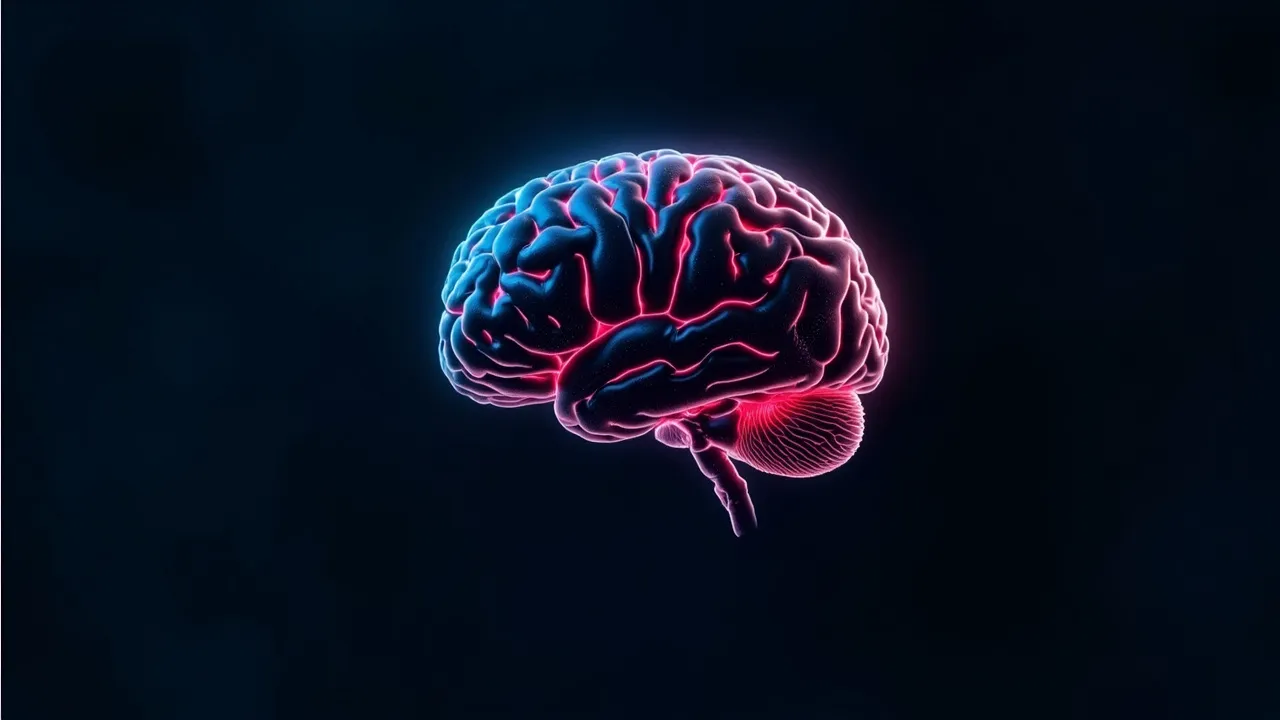
Olimlar og'irlik kuchi butunlay yo'qolganda nima bo'lishini tekshirmoqda. Bu faqat tanalarimizga emas, aql-u zehnimizga ham, hatto inson evolyutsiyasining o'zigagacha ta'sir qilishi mumkin. Qiziq, bizning miyamiz butun vaqt davomida gravitatsiyaga tayanib kelgan ekan — va endi bu bog'liqlikdan voz kechish kutilmagan imkoniyatlarni ochishi mumkin.
Oshqozon osti bezi saratoni davolashda o‘ta qiyin hisoblanadi, ammo tadqiqotchilar uning asosiy himoya mexanizmlaridan birini yo‘q qilishning aqlli usulini kashf etgan bo‘lishi mumkin. O‘smalarning davolashga qarshilik ko‘rsatishiga yordam beradigan aniq retseptorga yo‘naltirilgan holda, olimlar mavjud davolash usullarini ancha samaraliroq qilishga umid qilmoqda va yangi klinik tadqiqot ushbu yondashuvni sinovdan o‘tkazishga tayyorlanmoqda.
Finlandiyalik metall detektoridan foydalanuvchi tadqiqotchi Finlandiyada hozirgacha topilgan eng katta viking davriga oid kumush xazinani aniqladi – eng hayratlanarli jihat shundaki, xazina bir-biridan atigi 12 metr masofada joylashgan ikkita alohida yashirin joyga bo‘lingan edi. Ushbu kashfiyot Skandinaviyada shu yil davomida topilgan bir qator ajoyib viking xazinalariga qo‘shildi.
Arktika muzliklarida bedarak boʻlgan Franklin ekspeditsiyasi voqeasiga 170 yildan koʻproq vaqt boʻldi. Endi olimlar DNK yordamida noma'lum dengizchilarni topib, ularga ismlarini qaytarishmoqda. Shu kashfiyotlardan birida BBC jurnalisti oʻz ajdodi oʻliklar orasida ekanini bilib qoldi.
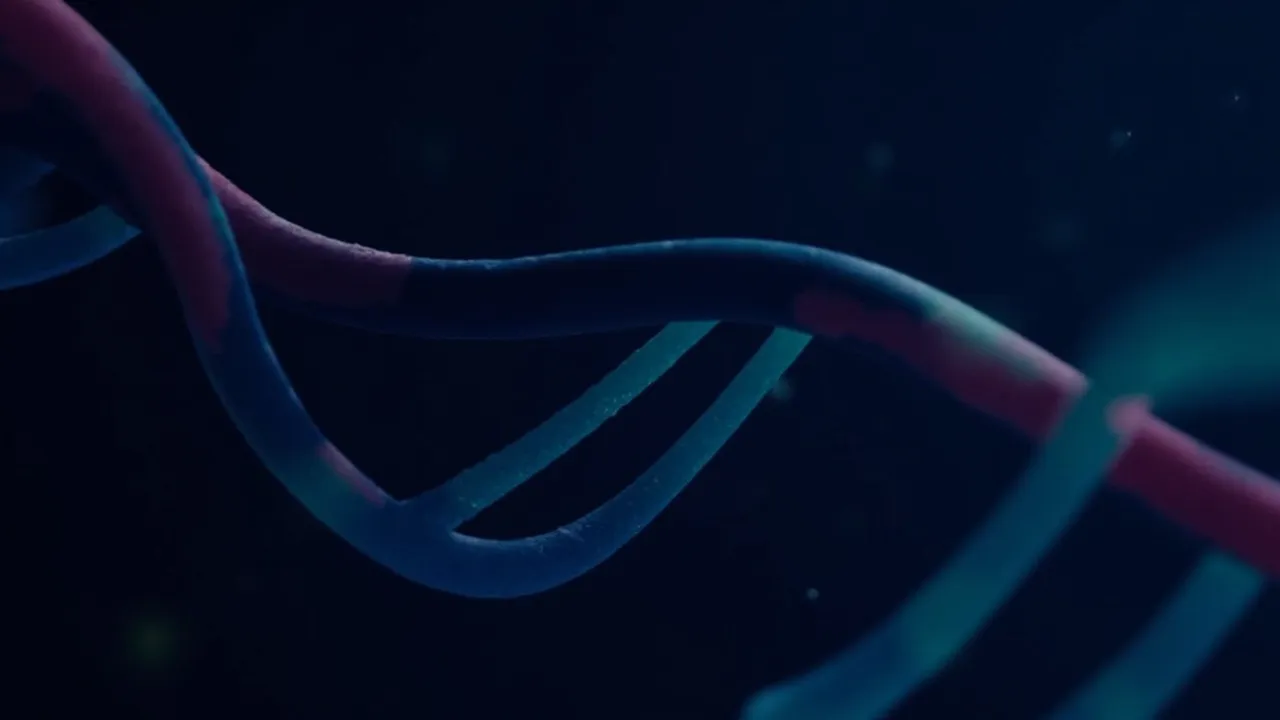
Olimlar DNK zanjirlarining real vaqtda bir-biriga moslashib, juftlashayotganini aks ettiruvchi birinchi tasvirlarni qayd etib, bu manfiy zaryadli molekulalar bir-birini tanib olish uchun yetarlicha yaqin kelishiga qanday erishishini ochib berdi. Eslatma: mayda metall ionlari molekulaviy qo‘shuvchilar vazifasini bajarib, zanjirlar orasidagi masofani to‘ldiradi.
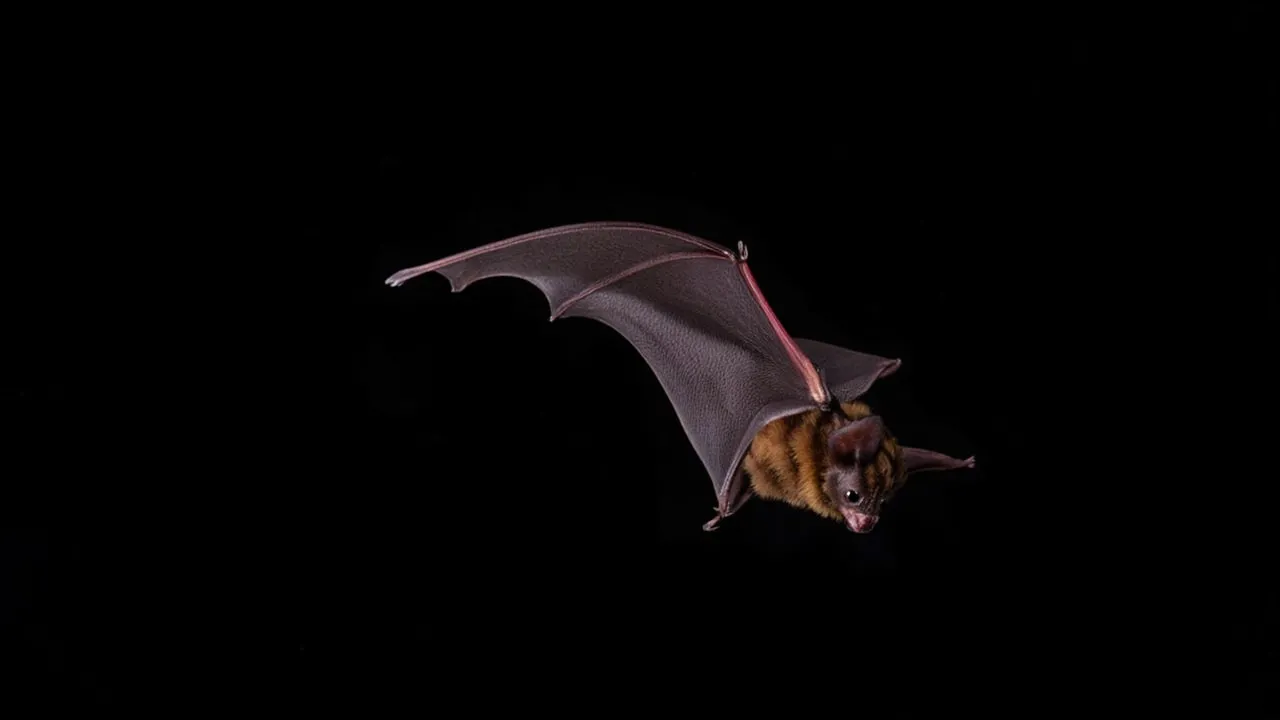
Olimlar, kalamushlar kichik hajmiga qaramay, sog‘lom va uzoq umr ko‘rishimizga yordam berishi mumkin bo‘lgan genetik sirlarni o‘zida saqlayotganini aniqladilar. Bu ma’lumotlar qarish, saraton kasalligiga chidamlilik va hech qachon taslim bo‘lmaydigan immunitet tizimi o‘rtasidagi hayratlanarli bog‘liqlikka ishora qiladi.

Arxeologlar insonlarning ong holatini o‘zgartiruvchi moddalarni avval o‘ylaganimizdan o‘n minglab yillar oldinroq ishlatganini yangi kashf etdi — eng hayratlanarli tomoni esa, ular buni tish og‘rig‘i tufayli boshlagan bo‘lishi mumkin.

One day, a scientist in Montana picked up a random rock without knowing it would change everything. Inside what turned out to be fossilized dinosaur poop, he found a perfectly preserved feather. This little discovery might help solve one of paleontology's biggest mysteries.
It's not every day you come across a story like this, and honestly, you'll never look at bird droppings the same way again.
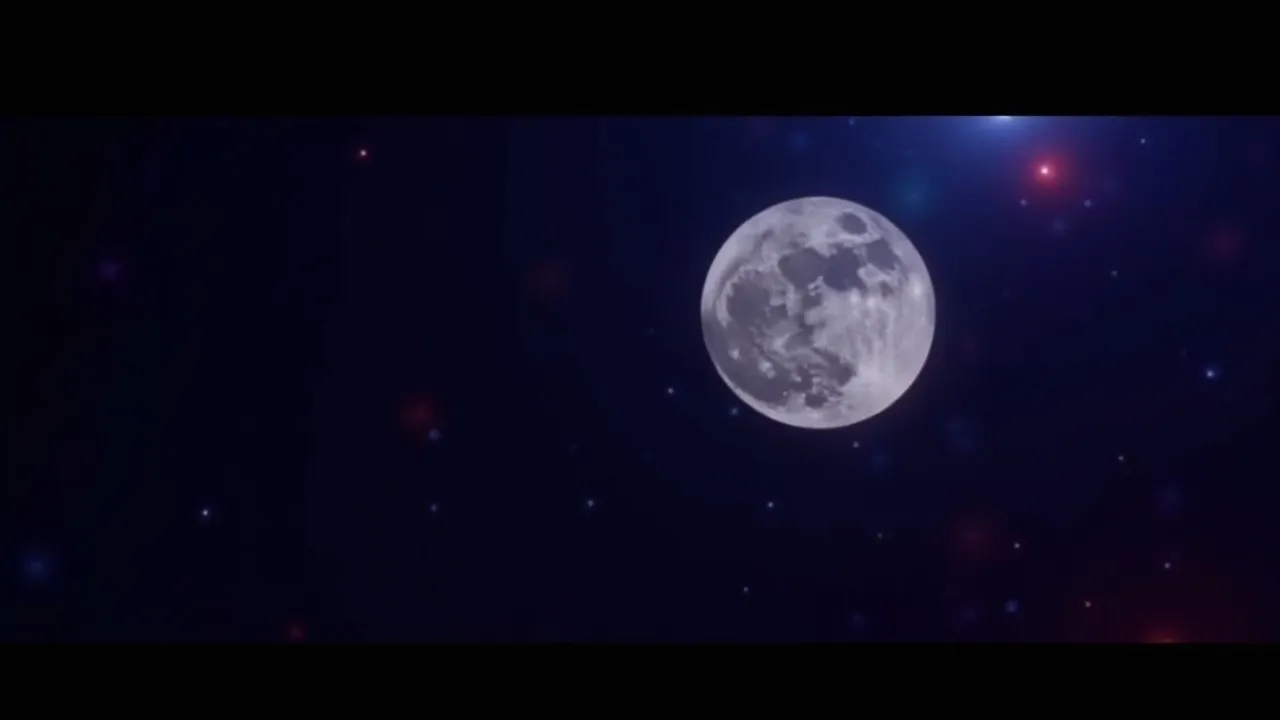
Olimlar Oy biz tasavvur qilgandanham tezroq shakllangan bo'lishi mumkinligini aniqlashdi — ehtimol, katta kosmik to'qnashuvdan so'ng atiga bir necha soat ichida. Yangi kompyuter modellashtirishlari shuni ko'rsatadiki, qadimiy sayyora jismlarini realroq, qattiq obyektlar sifatida qarab chiqish bizning Oyimizning paydo bo'lishi haqidagi bilimlarimizni tubdan o'zgartiradi.

Mana hayratlanarli bir narsa: olimlar inson yuragi yurak xurujidan keyin yangi mushak hujayralarini o‘stira olishini aniqladi. O‘nlab yillar davomida biz yurak shikastlanishi qaytarib bo‘lmaydi deb o‘ylagan edik, ammo bu yangi tadqiqot yuragimizning o‘z-o‘zidan kurashayotganini ko‘rsatmoqda. Lekin bir jihat bormi? Ular hali bu kurashda g‘alaba qozonishmagan, ammo endi ularga qanday yordam berishni bilamiz.

Kvant mexanikasining muqobil nazariyalarini o‘rganayotgan olimlar meni hayratda qoldirgan bir narsaga duch kelishdi: vaqt biz o‘ylaganimizdek mutlaqo barqaror bo‘lmasligi mumkin. Soatingiz noto‘g‘ri ko‘rsatayotgani haqida tashvishlanishdan oldin, bu hodisa nima uchun bir vaqtning o‘zida qiziqarli va kundalik hayot uchun ahamiyatsiz ekanligini tushuntirib beray.

Olimlar bir tomchi oq pigment ishlatmasdan, ajoyib darajada oq materiallar yaratish usulini kashf etdi va bu sir to‘g‘ridan-to‘g‘ri tabiatning tajribasidan olingan. Bulutlar, qor va hatto baqa uyalari yorug‘likni qanday tarqatishini taqlid qilish orqali tadqiqotchilar kundalik mahsulotlardagi ba’zi muammoli kimyoviy moddalarni almashtirishi mumkin bo‘lgan aqlli ishlab chiqarish texnikasini ishlab chiqdilar.

A groundbreaking new study reveals that having just one sugary drink a day could more than double your chances of developing stomach cancer — and it's making people think twice about what they consume every day.

AI reads everything you upload — and Google Photos is the perfect example why. That's why so many people are now moving their entire photo library to their own servers. PixCarry makes it effortless on iPhone, Android, and Mac.

Keyingi safar ko‘k nurli reaktor yadrolari tasvirlangan ilmiy-fantastik filmni ko‘rganingizda, eng hayratlanarli jihat shundaki: bu haqiqat. Zarralar suv orqali yorug‘likdan ham tez harakatlanib, ilmiy-fantastik filmlardagidek afsonaviy ko‘k nur hosil qiladigan haqiqiy hodisa mavjud.