

If you've been eyeing drones but feel overwhelmed by all the options, you're not alone. I've spent some time with the best drones hitting the market right now, and I'm here to break down which ones are worth your hard-earned cash—and more importantly, which ones are just hype.

After testing countless cordless vacuums, I've found one that genuinely surprised me—and it's not just about raw suction power. The Shark PowerDetect's flexible center pole is honestly mind-bending, and combined with its smart features, it might just be worth the investment for anyone tired of contorting themselves under furniture.

Star Wars Day is here, and Lego is throwing down some genuinely good deals that go beyond the usual hype. Whether you're a die-hard collector or just looking to build something cool, there's actually something worth your attention this year—especially if you're an Insider member.
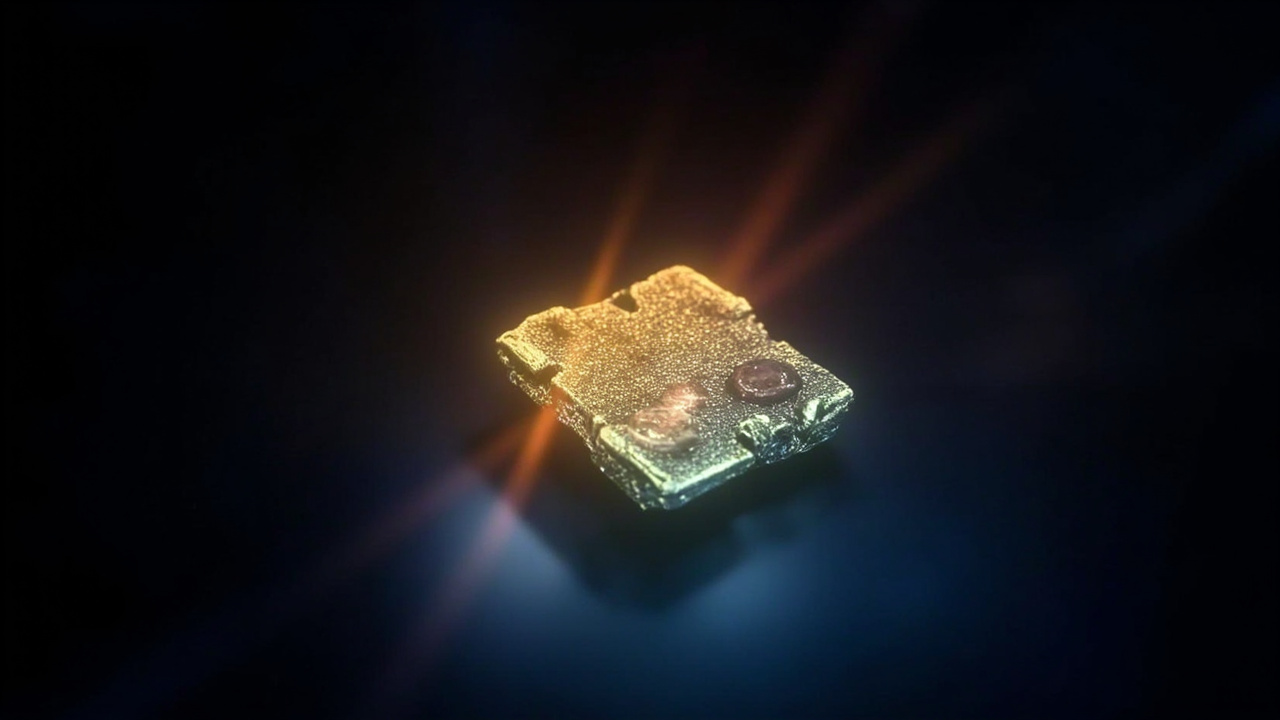
For decades, a corroded piece of metal found in the Pacific has fueled hopes of cracking the Amelia Earhart case. So researchers at Penn State did something pretty extraordinary: they aimed a nuclear reactor at it. Here's what they actually discovered—and why even "nothing" matters in a mystery this big.

Hisense is making waves with its new UR9 TV, and honestly? It might be the smartest move for anyone tired of spending a fortune on premium displays. The brand just figured out how to pack serious high-end picture quality into a price tag that won't make you cry.
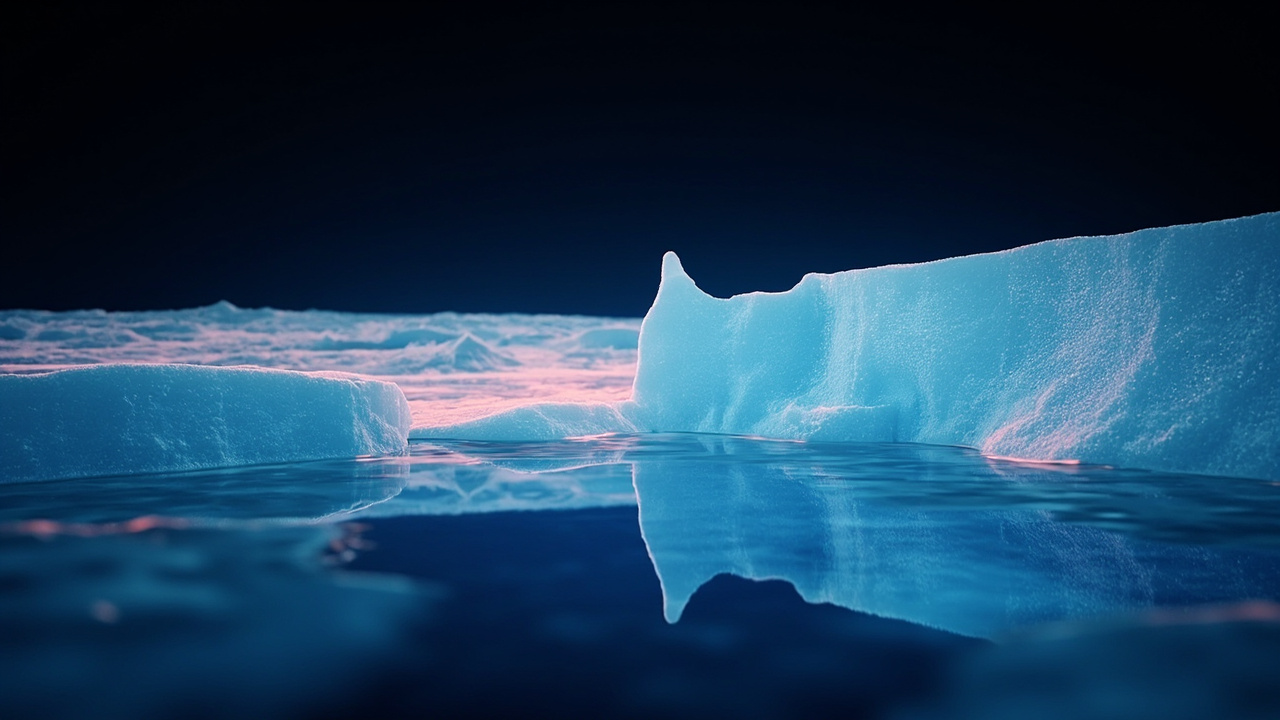
Greenland's ice sheet is melting at an alarming rate that scientists didn't predict even a decade ago. A groundbreaking new study reveals that extreme melting events are happening more frequently, affecting much larger areas, and dumping jaw-dropping amounts of water into our oceans. Here's what's actually happening up north and why it should matter to all of us.
Scientists just discovered that arginine—a common, inexpensive amino acid you can buy at any health store—might actually slow down Alzheimer's disease. In studies with mice and fruit flies, this humble supplement reduced the toxic protein buildup that damages brains. Here's why this could be a game-changer for millions of people.

In January 2005, the USS San Francisco was supposed to be on a routine cruise to Australia. Instead, it smashed into an underwater mountain at full speed, nearly killing everyone on board. Here's how a submarine crew's exceptional training and tight-knit teamwork turned a catastrophic disaster into an incredible survival story.
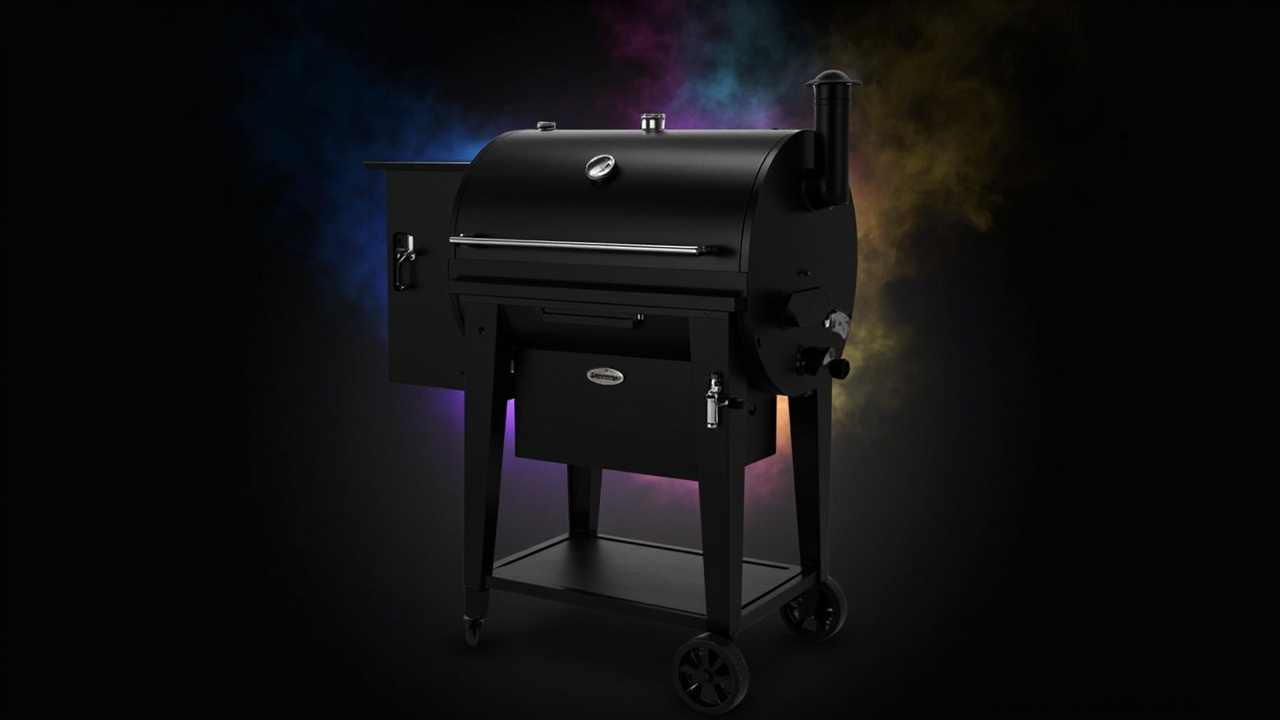
When it came time to finally buy an outdoor smoker, I had to choose between the household name everyone knows and a challenger brand that keeps getting mentioned in online forums. After testing both, I'm ready to explain why the less famous option earned its place in my backyard.
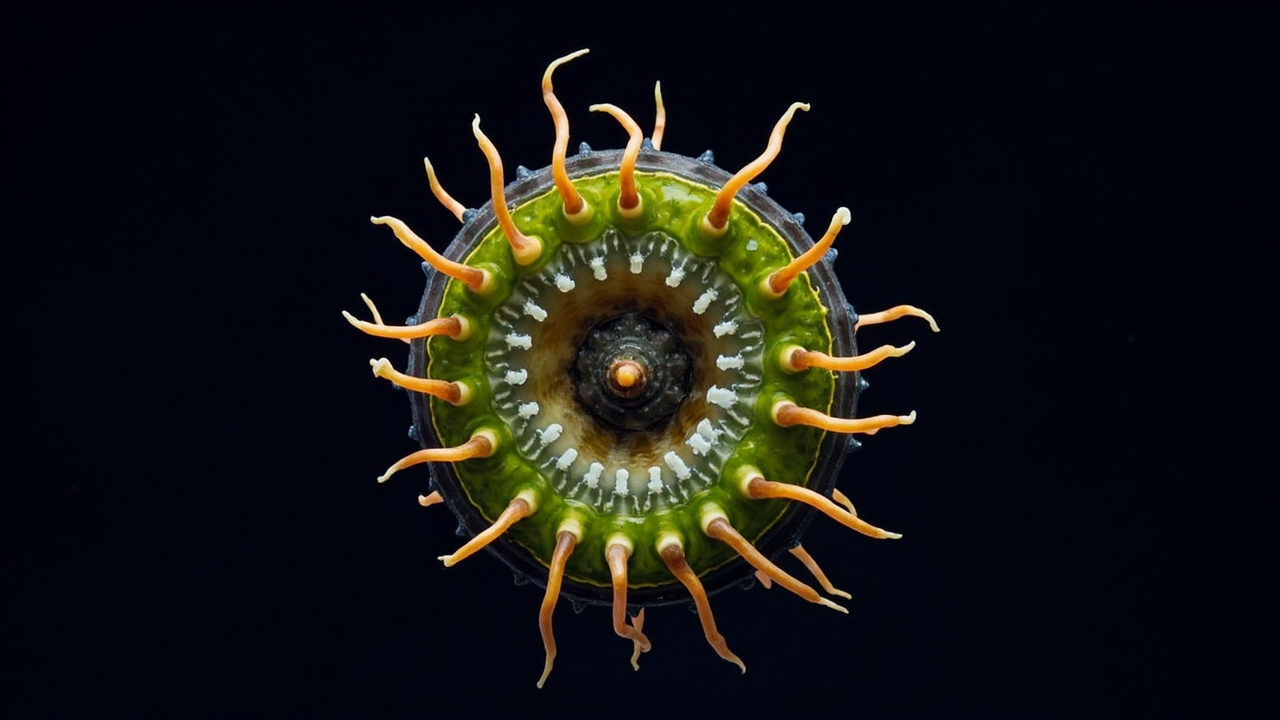
A decade after Malaysia Airlines Flight MH370 vanished, scientists are turning to an unexpected detective: tiny shellfish. These barnacles hitched a ride on debris from the wreckage and are now revealing secrets about where the plane went down—clues that inspired a massive new undersea search.
Scientists have discovered that examining how your immune cells age could reveal depression hiding in your body — potentially before you even realize it's there. This breakthrough could finally give doctors an objective way to diagnose depression instead of relying solely on what patients tell them about how they're feeling.
You've probably heard of creatine as a gym supplement, but scientists are discovering it does way more than just build muscles. This compound could be a game-changer for brain health, aging, and even treating certain diseases—and your body actually makes it naturally.
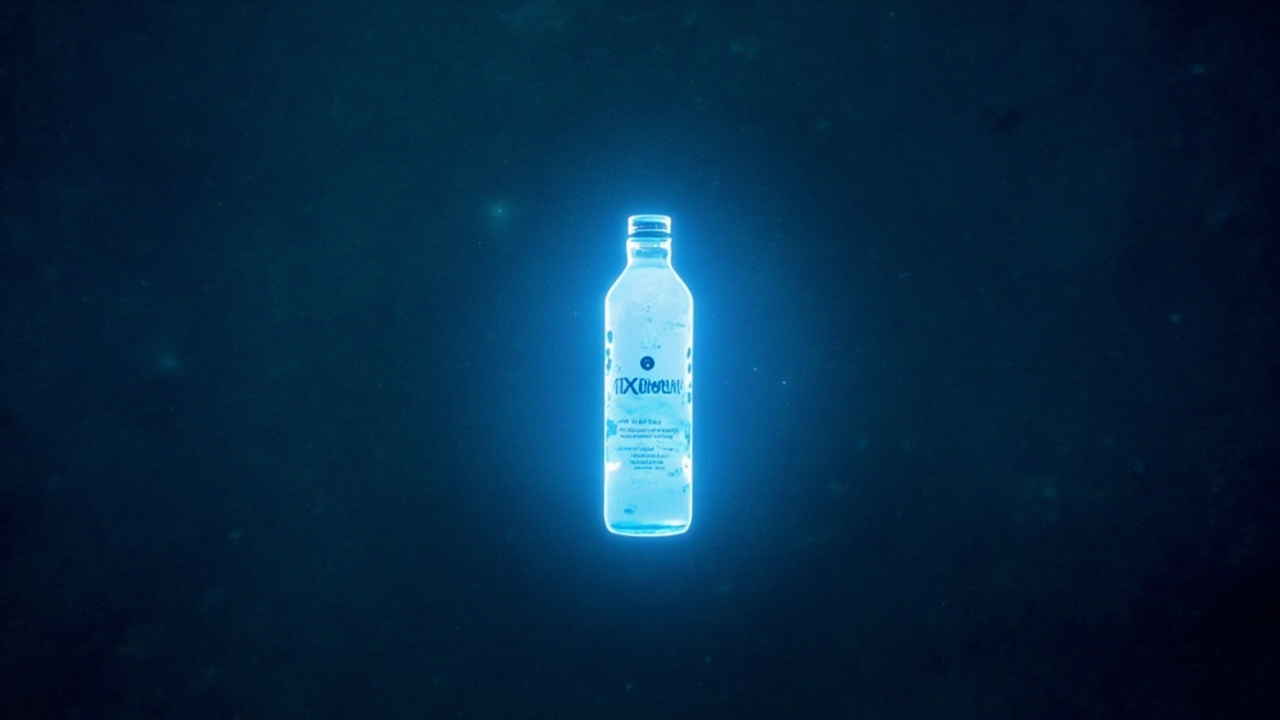
Deep beneath the waves where no sunlight reaches, scientists discovered that rocks are mysteriously producing oxygen all on their own. This mind-bending finding could completely change how we think about where life came from — but it's also throwing a wrench into plans to mine the ocean floor for green energy materials.
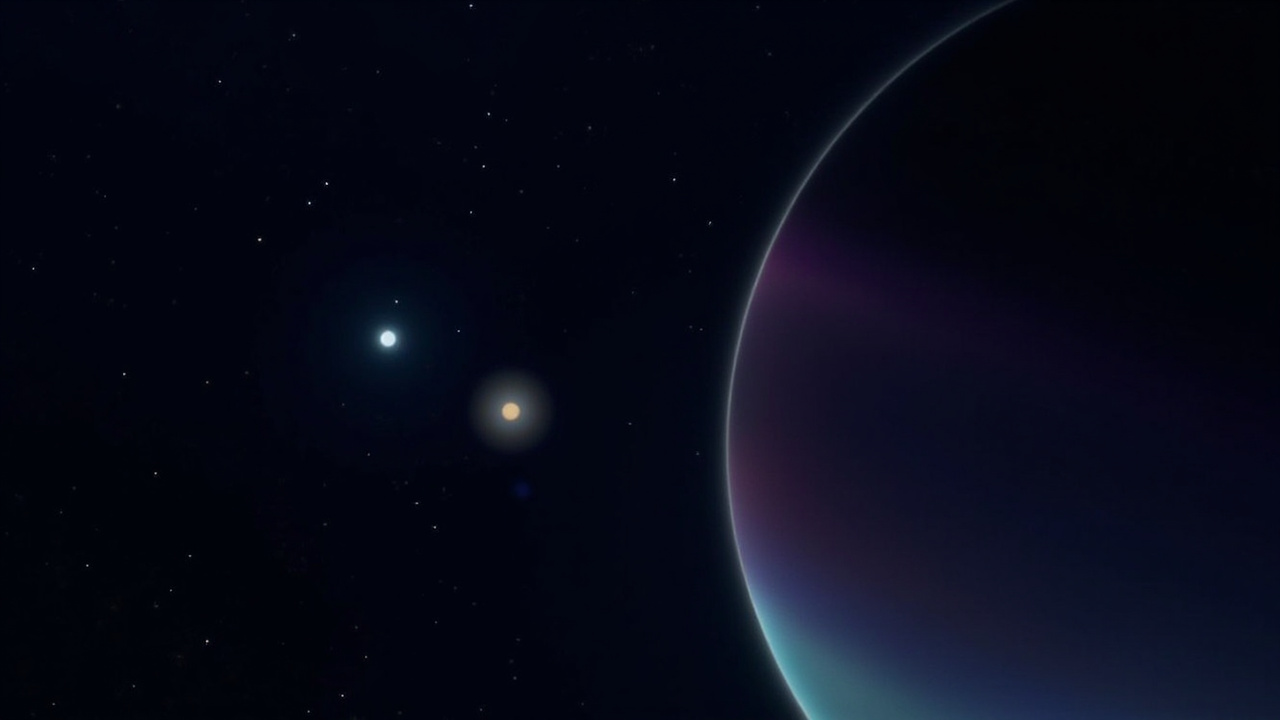
After nearly five decades of faithful service, NASA has made the tough call to shut down one of Voyager 1's instruments to keep the legendary spacecraft alive just a little bit longer. It sounds sad, but it's actually a brilliant example of how we keep our most important scientific missions going against impossible odds.
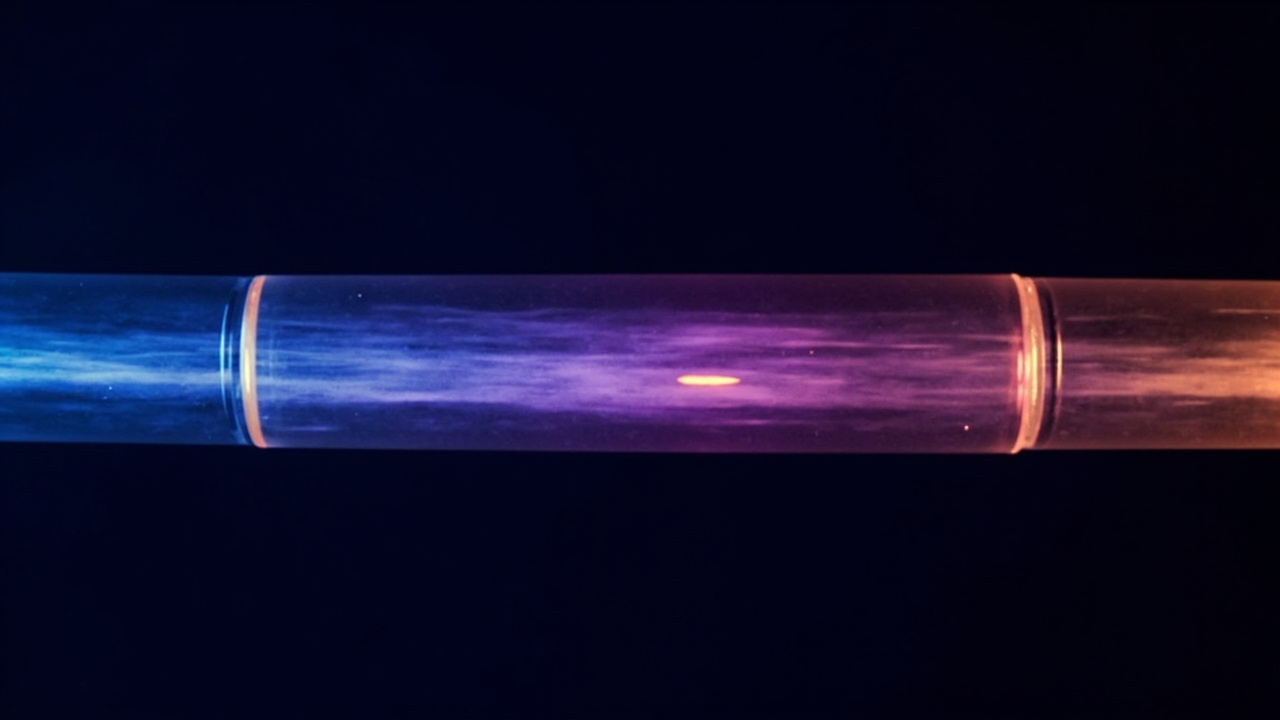
Researchers at MIT just cracked a decades-old mystery about how certain materials work at the atomic level—and it could revolutionize everything from your phone's sensors to medical ultrasound machines. They used an incredibly clever microscope technique to finally see what's been going on inside these materials all along.
NASA's Artemis II mission splashed down successfully, and the data scientists are collecting right now could be the key to sending humans back to the Moon within the next few years. Engineers have been poring over mission data, and the results are surprisingly good—especially when it comes to keeping astronauts safe during the scorching journey home.

Imagine if the plastic bottle you tossed in the trash could be transformed into clean hydrogen fuel using nothing but sunlight. Scientists are making this sound less like science fiction and more like real possibility, and the implications could be pretty transformative for both our energy crisis and our overflowing landfills.
Scientists are getting closer to unlocking the DNA of history's greatest genius. By tracing Leonardo's family tree across 500 years and 21 generations, researchers have found living descendants and ancient remains that could finally reveal what made his brain so extraordinary.
For over a century, physicists suspected water was hiding something wild in its molecular closet. Now, using some seriously high-tech laser magic, researchers have finally caught water red-handed existing in two completely different forms at the same time. Spoiler alert: this discovery might finally explain why water is basically the rebellious weirdo of the liquid world.
Two hobbyists with metal detectors went out for a regular search in a Norwegian field and accidentally uncovered over 3,000 ancient Viking silver coins — the biggest haul ever found in the country. The crazy part? Archaeologists think there might be even more coins still buried there waiting to be discovered.