
Deep in Mexico's Chihuahuan Desert lies a place so mysteriously silent that a U.S. missile crashed there in 1970, sparking decades of UFO folklore. But the real mystery might be way less exciting than aliens—and that's actually kind of a shame, because the truth about La Zona del Silencio is genuinely weird.
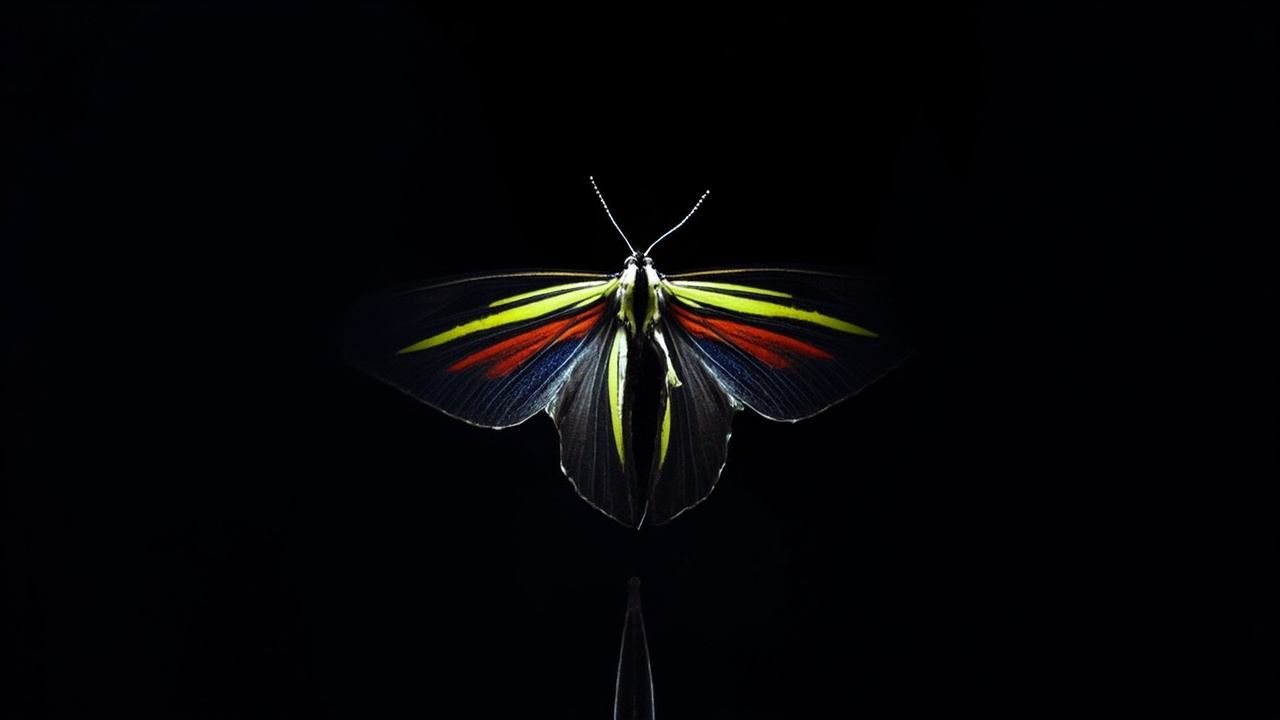
Scientists studying colorful butterflies and moths stumbled onto something mind-bending: evolution has been using the exact same genetic playbook for over 120 million years. This discovery suggests that evolution isn't as random as we thought—nature actually has favorite solutions it returns to again and again.
For decades, scientists have been chasing one simple theory to cure Alzheimer's: remove the toxic protein buildup in the brain, and the disease goes away. But a massive new review of clinical trials just dropped a bombshell—these expensive drugs don't actually work the way we hoped, and they might even cause harm.
A massive study tracking nearly 100,000 people just revealed something wild: medications like Ozempic and Wegovy aren't just helping people lose weight—they're also dramatically reducing depression, anxiety, and even suicidal thoughts. Researchers are still puzzled about the exact mechanism, but the results are so striking they're calling for more investigation.
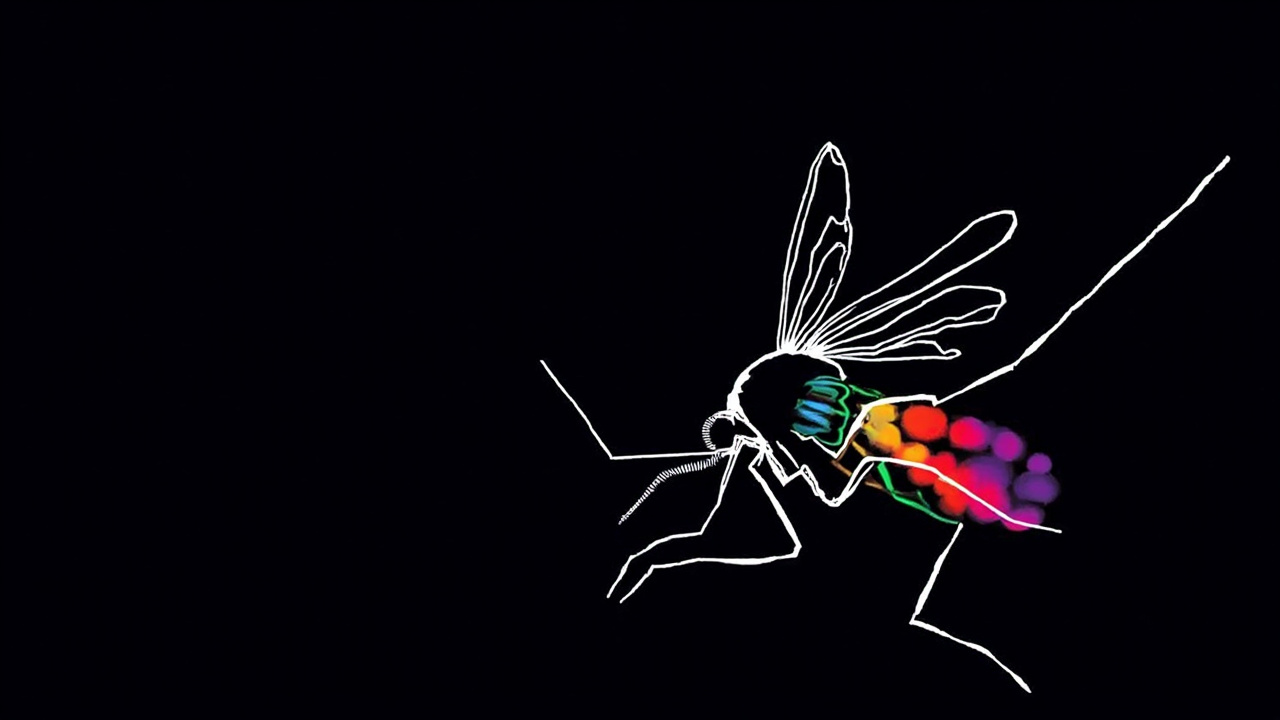
Here's something wild: the disease that still kills hundreds of thousands of people today didn't just threaten our ancestors—it literally shaped who we are as a species. New research reveals that malaria may have been one of the invisible hands guiding human evolution across Africa, pushing populations apart and creating the genetic diversity we see in humans today.
Ever felt inexplicably creeped out in an old building, even though nothing seemed visibly wrong? Scientists have discovered that sounds you literally cannot hear might be messing with your mood and stress levels. Here's the surprisingly mundane explanation for that "haunted house" feeling.
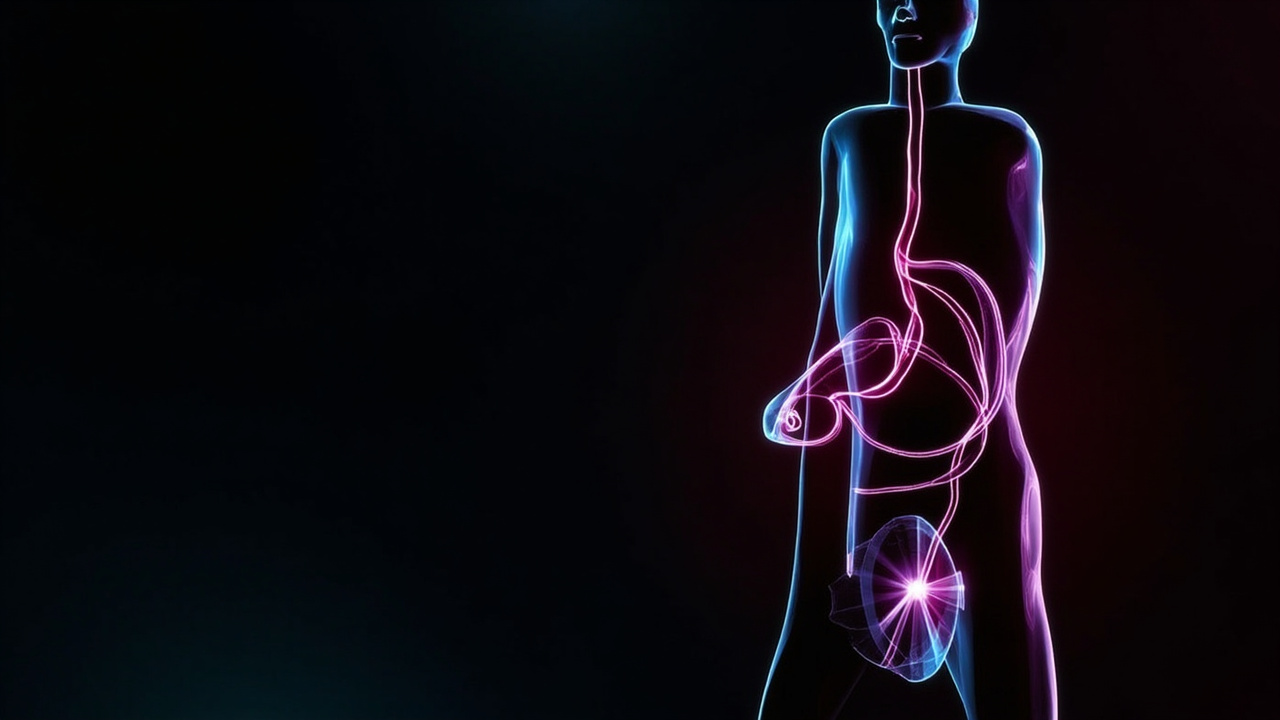
Scientists just figured out something wild: coffee isn't just waking up your brain—it's literally having a conversation with your gut bacteria and your mental health. New research reveals that both caffeinated and decaf coffee are reshaping your microbiome in ways that could explain why you feel so much better after that morning cup.
Everything you learned about how babies' brains develop might be backwards. New research shows our brains start out ridiculously overconnected, then spend years cleaning house by deleting unnecessary connections. It's like your brain is a overstuffed junk drawer that needs serious organizing.
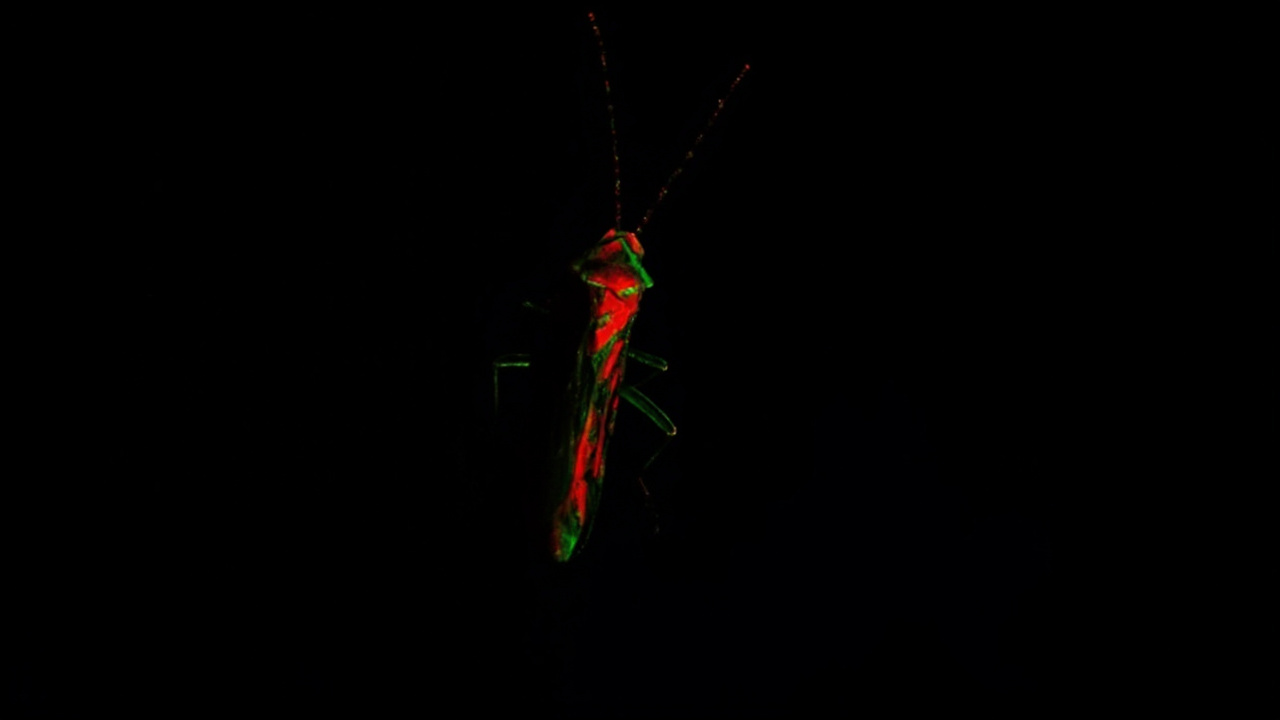
Imagine if you could change colors to perfectly blend into your surroundings—and do it in just two weeks. Scientists just discovered that a rainforest katydid is actually doing exactly this, ditching its hot pink outfit for a sleek green one. It's camouflage taken to a whole new level.
Scientists just flipped conventional wisdom on its head by creating a memory chip that actually performs better the smaller it gets. This breakthrough could mean your phone stays cool, your smartwatch lasts for months on a single charge, and our devices consume a fraction of the energy they do today.
Physicists exploring alternative quantum mechanics theories have stumbled onto something wild: time itself might have a built-in fuzziness to it. Don't worry though—it's so incredibly tiny that your watch will never notice, but it could completely reshape how we think about the universe.
A group of physicists just published research on one of the weirdest ideas in science: the possibility that your memories might not be real at all, but instead just random flukes of physics. Sounds like science fiction, but there's actually some serious mathematics behind this brain-bending concept. Let's break down what's happening and why physicists are taking this seriously.
An AI system just discovered over 100 new planets hiding in data that humans had already looked at thousands of times. This breakthrough shows how machine learning is becoming astronomy's secret weapon, finding weird alien worlds that shouldn't even exist according to our current theories.
Imagine finding over 2,000 ancient silver coins while taking a stroll through the Czech countryside. That's exactly what happened to one lucky woman in 2024—and archaeologists are calling it one of the most important discoveries in years.
Scientists just pushed back the clock on when life first appeared on Earth by potentially hundreds of millions of years. And here's the wild part: this ancient ancestor apparently had an immune system and was already battling viruses in a planet that was basically hell.
Imagine watching a metal wire transform into a blazing inferno—and then hitting pause to study individual atoms losing their electrons one by one. Researchers just pulled off exactly that by combining two super-powerful lasers to capture the chaos of plasma creation in mind-bending slow-motion. Here's what they found, and why it could change the future of clean energy.
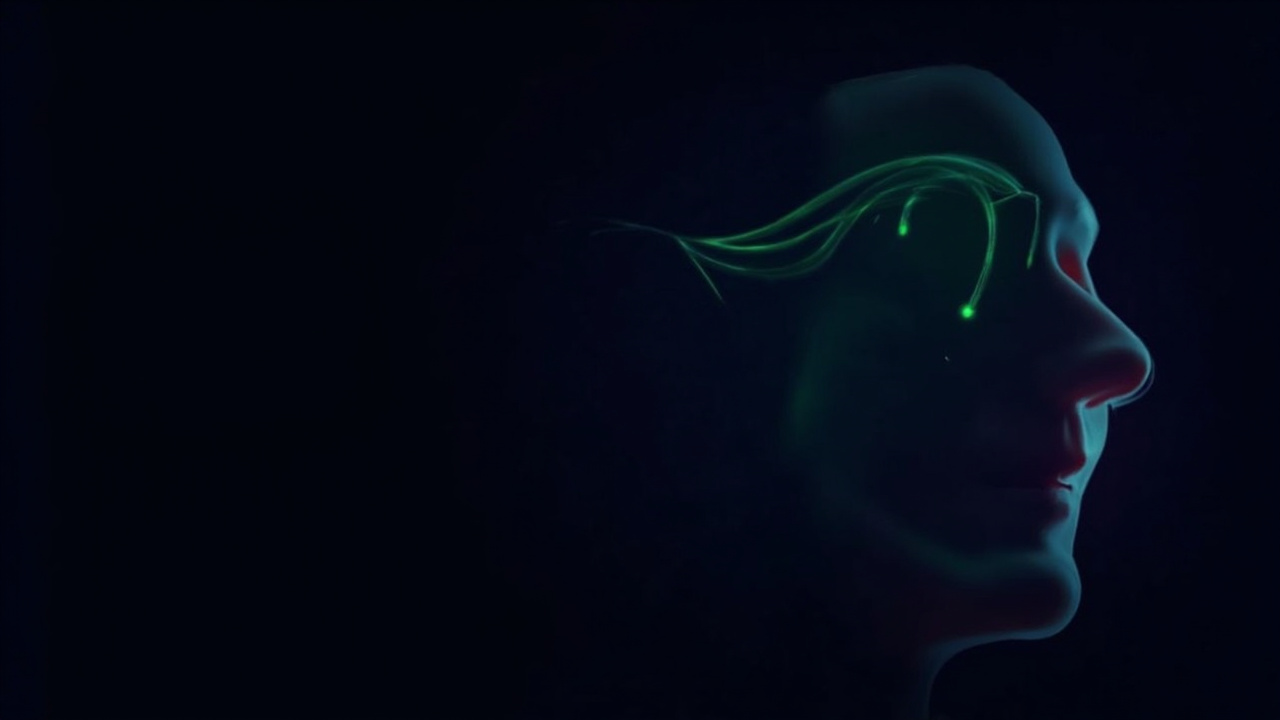
Scientists just discovered something wild—your brain gets a little workout every time you move, and it's basically giving yourself a natural cleaning cycle. It turns out that everyday movements like standing up or bracing your core trigger a hidden mechanism that helps flush out brain waste. Here's why this changes how we should think about exercise and health.
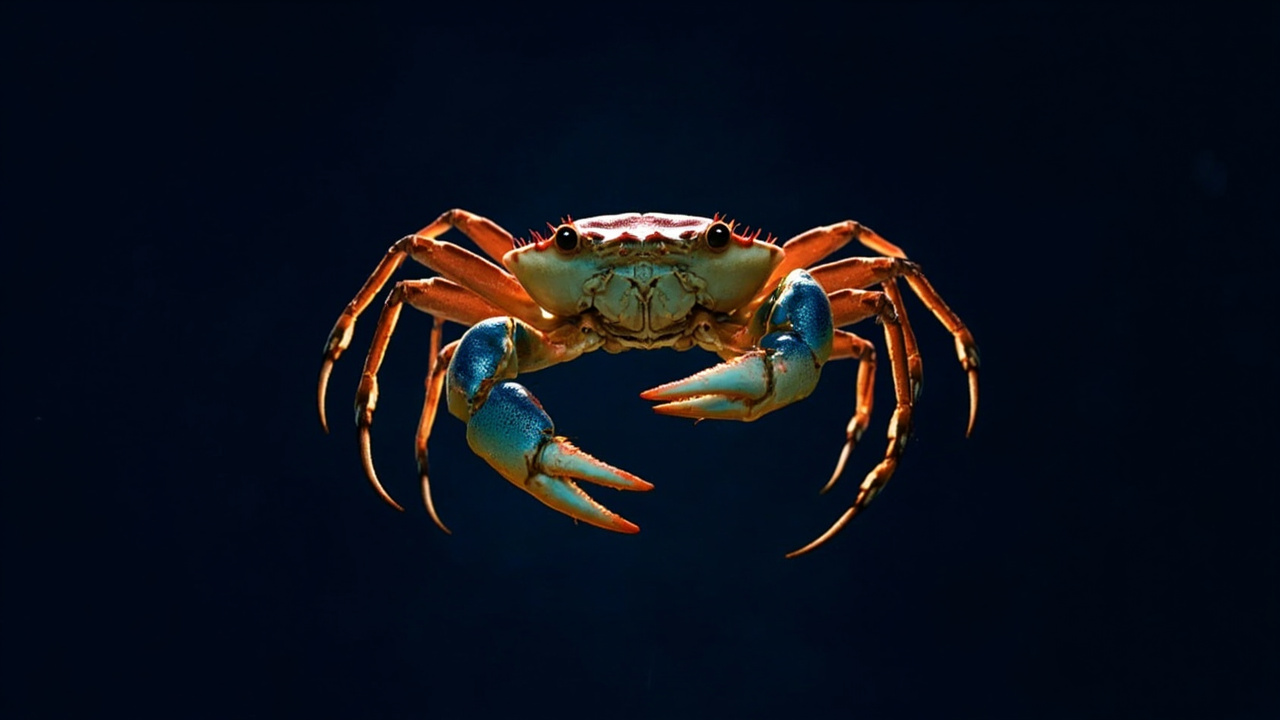
Ever wonder why crabs scuttle sideways instead of walking straight like normal animals? Scientists just figured out that this quirky behavior evolved exactly once, about 200 million years ago, and that single evolutionary decision might be the reason crabs became the most successful creatures in their entire family. It's a fascinating reminder that sometimes one small change can change everything.
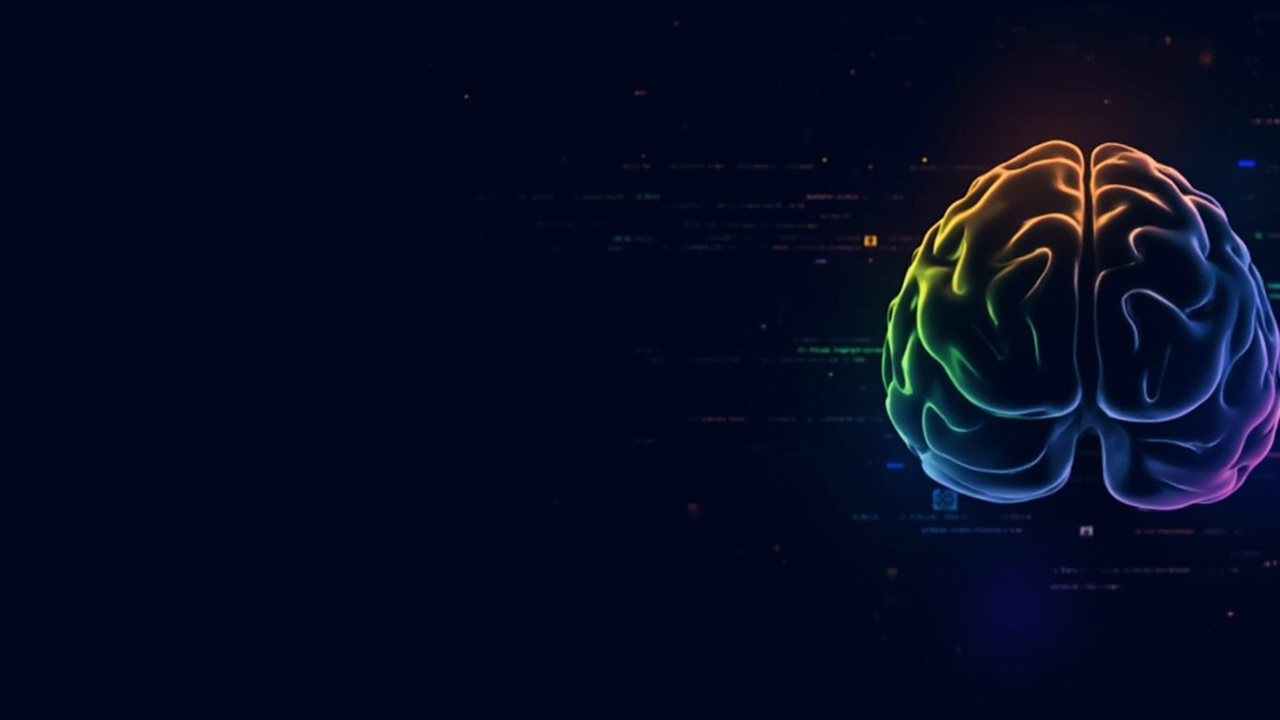
What if I told you your brain already has built-in cleanup crews that can remove the toxic gunk causing Alzheimer's? Researchers just discovered a simple trick to activate these cellular janitors, and the results in early studies are genuinely exciting.
There's a microscopic threat lurking in water systems around the world, and most of us have no idea it exists. Scientists are sounding the alarm about free-living amoebas—hardy little organisms that can survive chlorine, thrive in warming waters, and even smuggle dangerous pathogens right past our defenses. Here's what you need to know about this sneaky health risk.