


Imagine standing on the shores of an ancient lake in Kenya, watching eight individuals walk by—not humans as we know them, but distant relatives called Paranthropus boisei. Scientists recently discovered their footprints, and what they found challenges everything we thought we knew about our ancient cousins.

Physicists at Jefferson Lab were hunting for one mysterious particle but stumbled upon two completely unexpected structures instead. Their discovery might just help us finally make sense of some of the weirdest particles in the universe.
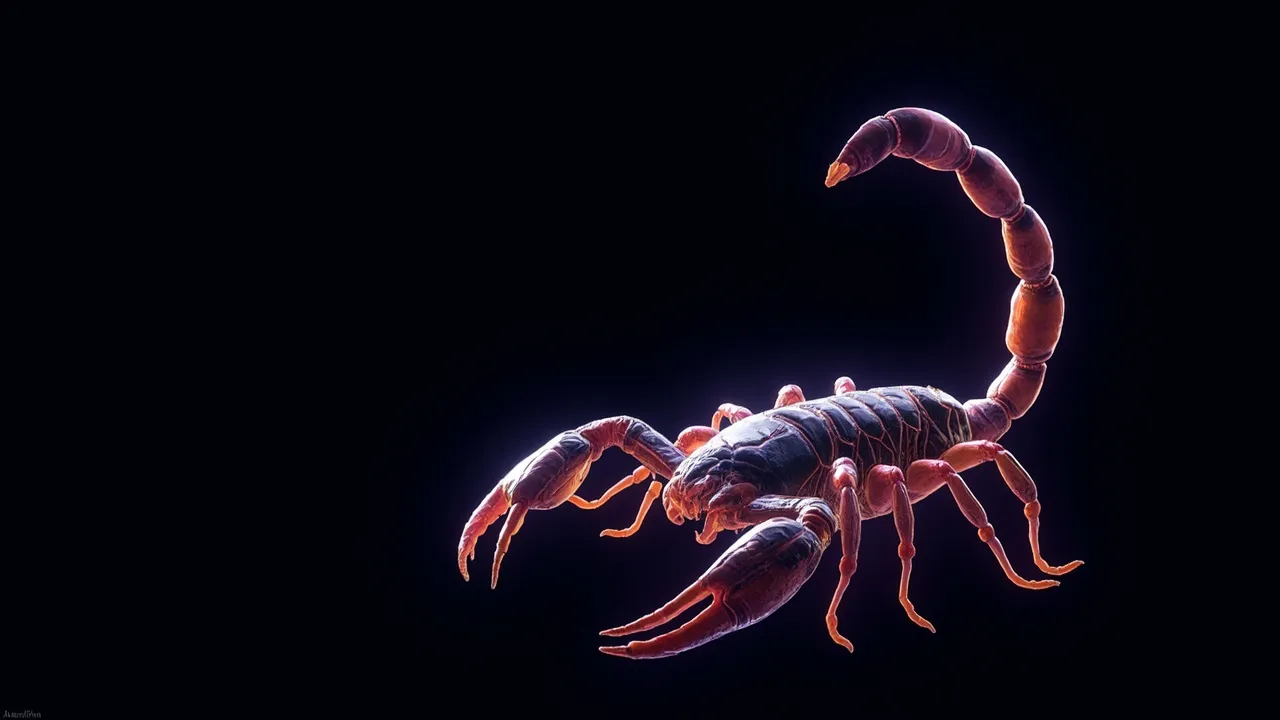
Scientists have just confirmed that a terrifying scorpion the size of a coffee table once ruled ancient Earth—but here's the truly wild part: it was lurking around a staggering 50 million years before forests ever existed. This creature rewrites everything we thought we knew about giant creepy-crawlies.
Workers building a new motorway in the Czech Republic accidentally uncovered something far more valuable than a shortcut — an entire Celtic trading hub frozen in time, complete with gold coins, jewelry, and evidence of ancient "luxury goods manufacturing." The discovery is being called one of the most significant archaeological finds in the region.

New NASA research reveals our planet may have been left completely exposed to the harsh cosmic environment multiple times in its history—and these moments might explain some of Earth's mysterious climate shifts.

If you've ever tried to sleep with a CPAP machine and felt like you were being fitted for a fighter pilot helmet, there's hope on the horizon. A new oral medication just showed incredible results in clinical trials, cutting breathing interruptions by nearly half — and it comes as a simple pill you take once nightly.

A research psychologist just proposed that human brains might be receivers tapping into another dimension—and this connection could explain creativity, genius, and why we became the smartest species on Earth.

In the winter of 1811-1812, a series of earthquakes struck the heart of America with such force that they temporarily reversed the flow of the Mississippi River. More than 200 years later, scientists are still debating whether history could repeat itself—and the numbers are honestly terrifying.
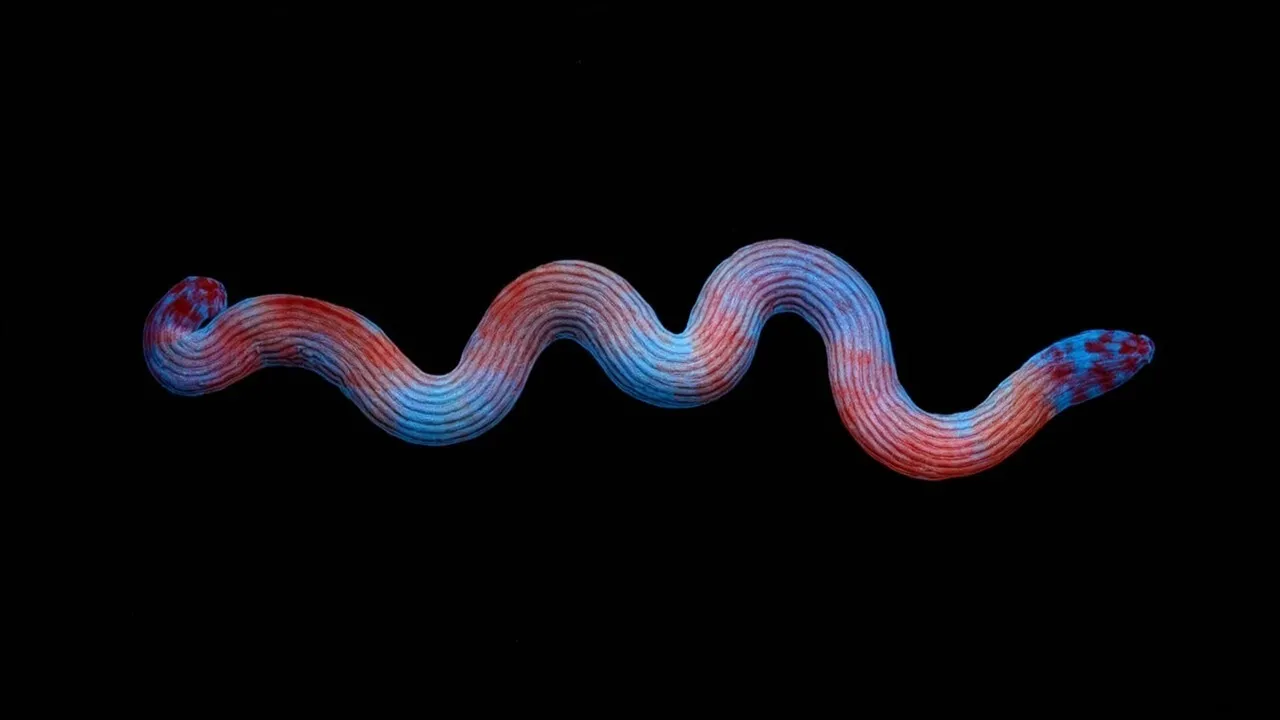
Scientists have finally cracked why snake embryos curl into tight spirals during development — and honestly, the answer is way cooler than I expected. It turns out these little guys have a gut problem, literally.
The Atacama Desert in Chile is so impossibly dry that NASA uses it to test Mars rovers. So imagine everyone's surprise when one of the world's most extreme deserts recently got buried under snow — and then got hammered with a month's worth of rain in just three days.
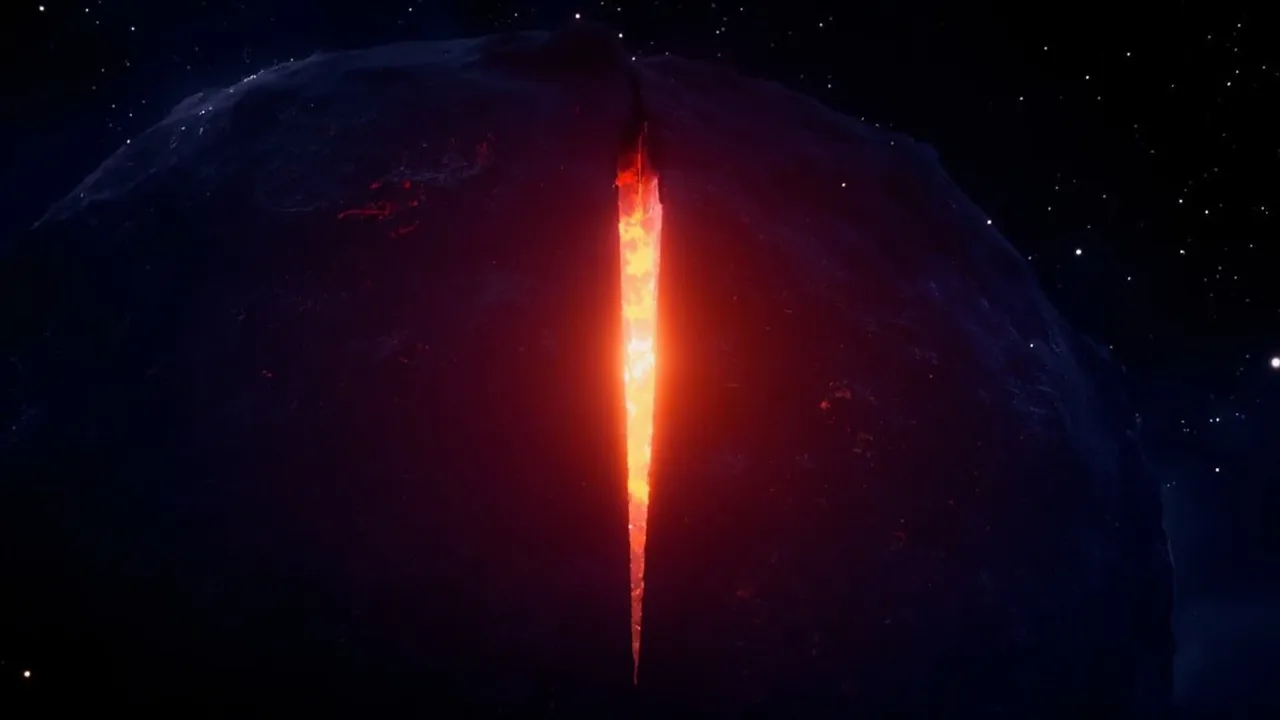
Deep beneath the African continent, an enormous plume of superheated rock is rising from thousands of kilometers below Earth's surface, slowly but relentlessly pushing the land apart. New computer models finally explain a puzzling pattern of movement that has baffled geologists for years.
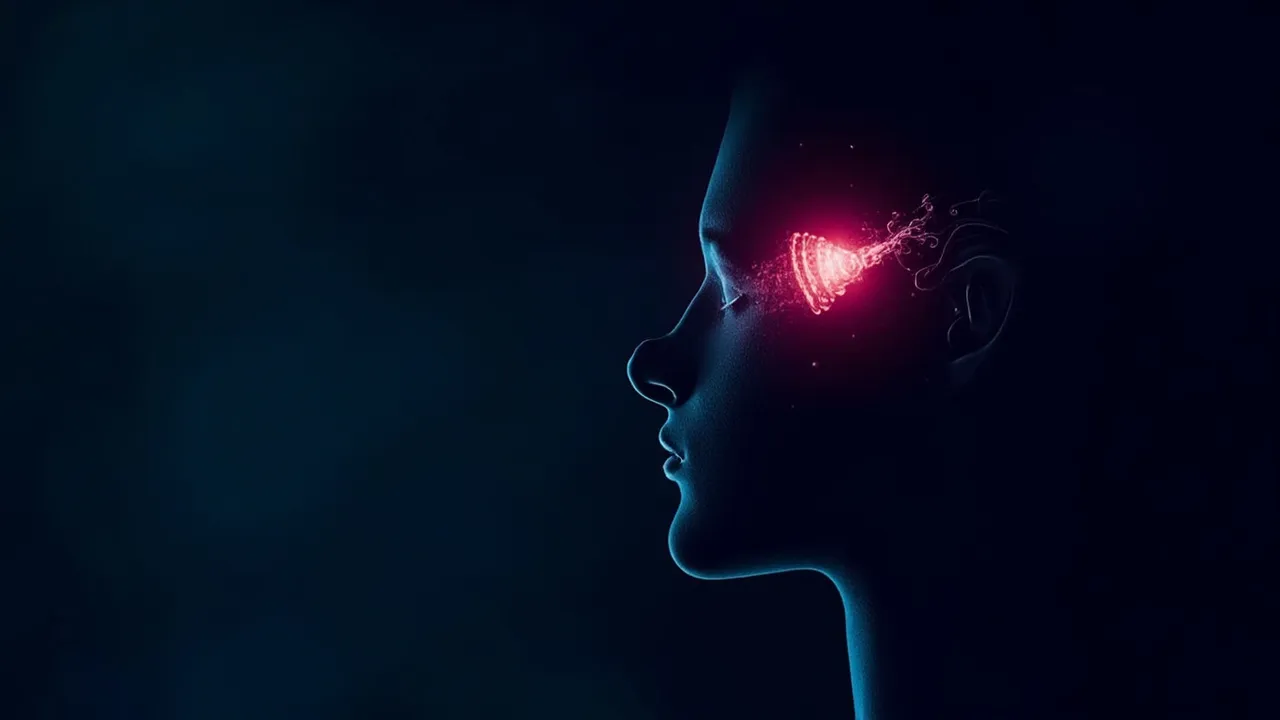
Scientists have discovered that humans carry a unique gene that helps explain why our brains take so incredibly long to develop compared to every other species on Earth. The findings could even help us understand brain disorders like autism and Alzheimer's.

Researchers have discovered that vanillin—the same chemical that gives vanilla its cozy scent—could interfere with the earliest stages of human development when inhaled through e-cigarettes. The findings are raising serious questions about what pregnant women (and those trying to conceive) are actually putting into their bodies when they vape.
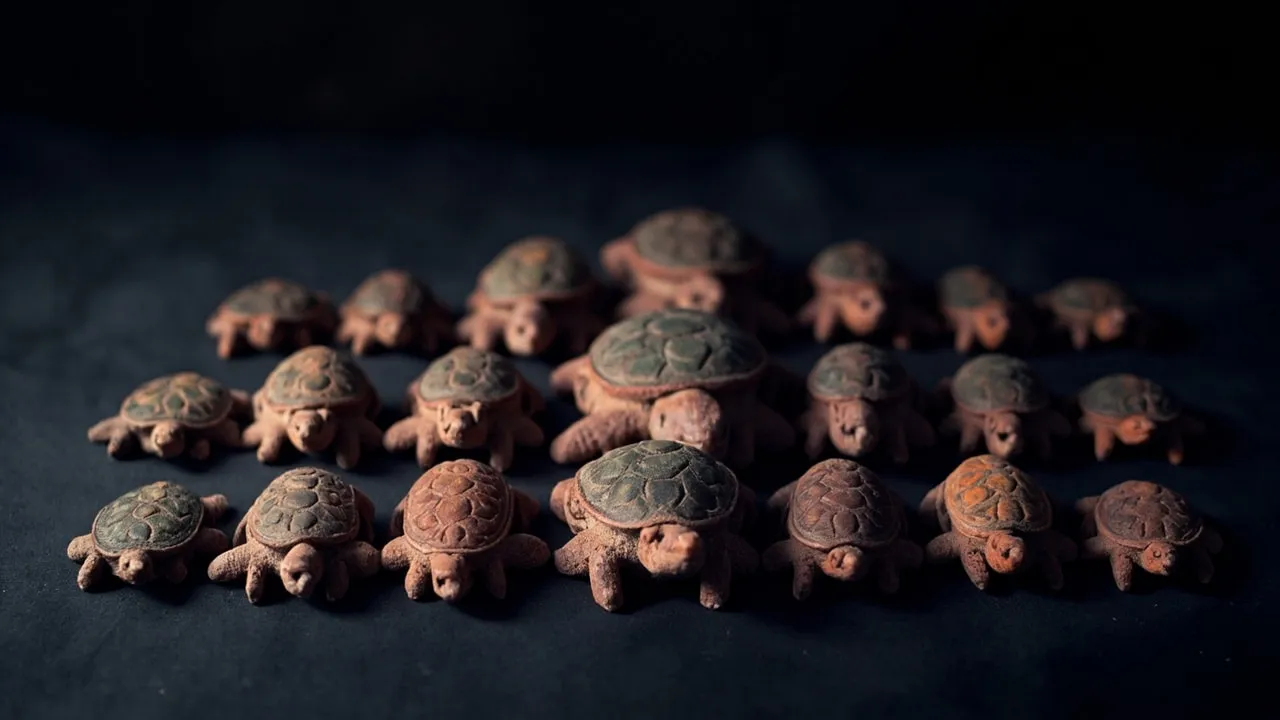
Archaeologists in Turkey have uncovered 25 crudely carved limestone turtles buried around an ancient stone structure deep inside a cave. Dating back up to 16,000 years, these little stone reptiles have experts scratching their heads. What were ancient people thinking when they carved and deliberately planted these turtles in the ground? The truth is, nobody really knows — and that's what makes archaeology so endlessly fascinating.
Scientists just figured out how to make quantum computers talk to each other without holding their hands the whole time — and it involves something called a "quantum bath" that sounds way cooler than it probably should.

New research reveals that monkeys might be just as skilled at vertical tree climbing as our ape relatives—and this discovery is rewriting what we thought we knew about human evolution. Scientists studying wild monkeys in West Africa have captured video evidence that challenges long-held assumptions about how our earliest ancestors moved through ancient forests.

A new FDA-approved drug made from ordinary elements is showing incredible promise for one of the deadliest cancers, nearly doubling survival time in clinical trials. Here's why this matters so much for patients who have been running out of options.

Beneath the rocky surface of Utah's mountains lies a hidden world of ice—enough frozen water to fill hundreds of swimming pools, and most hikers have no idea it's there. Scientists just discovered how to see through the rubble and measure what's really underneath. ---
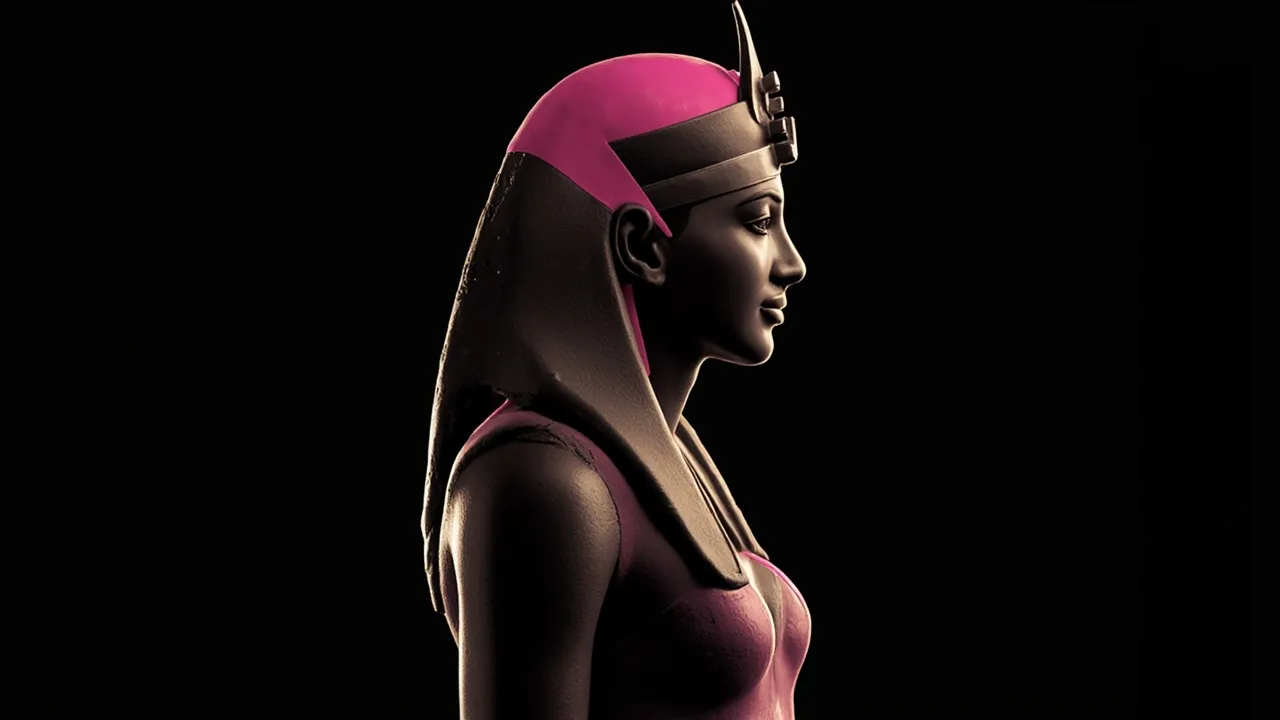
When archaeologists recently examined the skeletal remains of royal Egyptian women from around 4,000 years ago, they expected to find evidence of pampered palace life. What they discovered instead completely flipped the script: these princesses were warriors. Their bones show the telltale signs of serious weapon training, and the bows, arrows, and daggers buried alongside them weren't ceremonial props — they were tools these women actually used.