
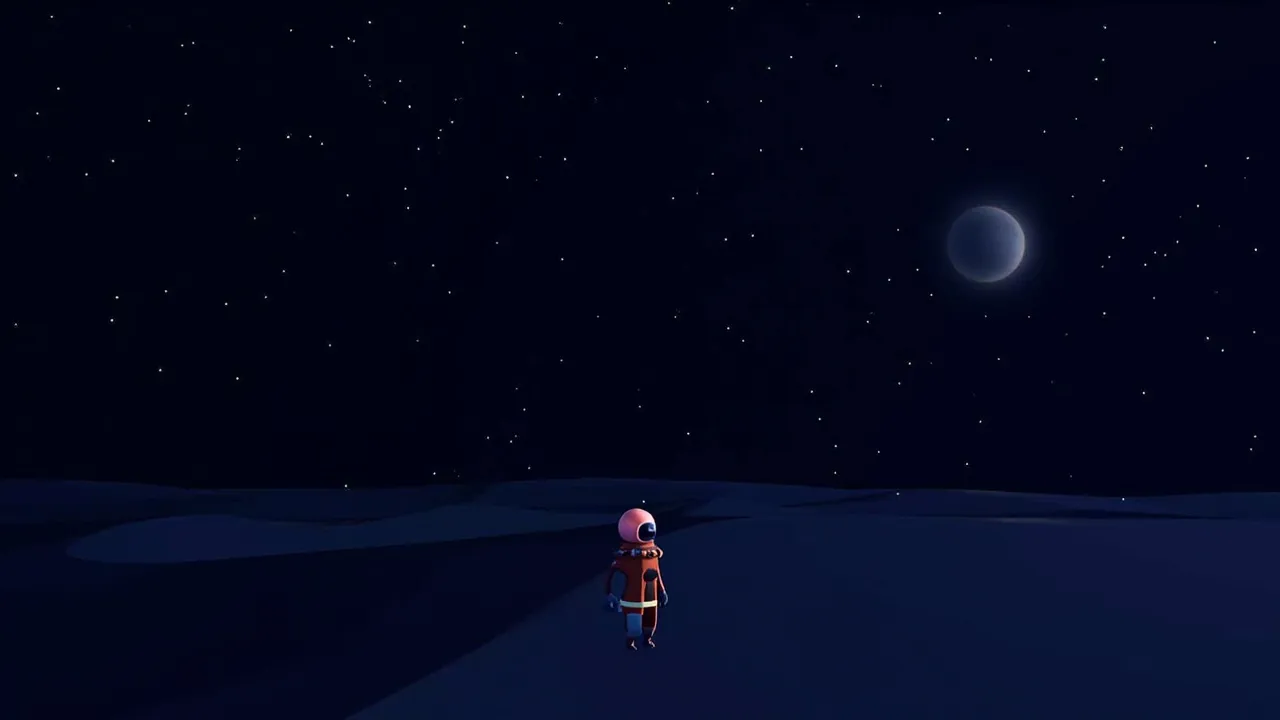
NASA scientists just discovered that some of the microscopic stowaways we accidentally bring to the Moon might actually survive there—and that's both a problem and a potential opportunity for science. Before humans establish a more permanent lunar presence, researchers want to figure out exactly which tiny hitchhikers could make the journey and where they might end up.
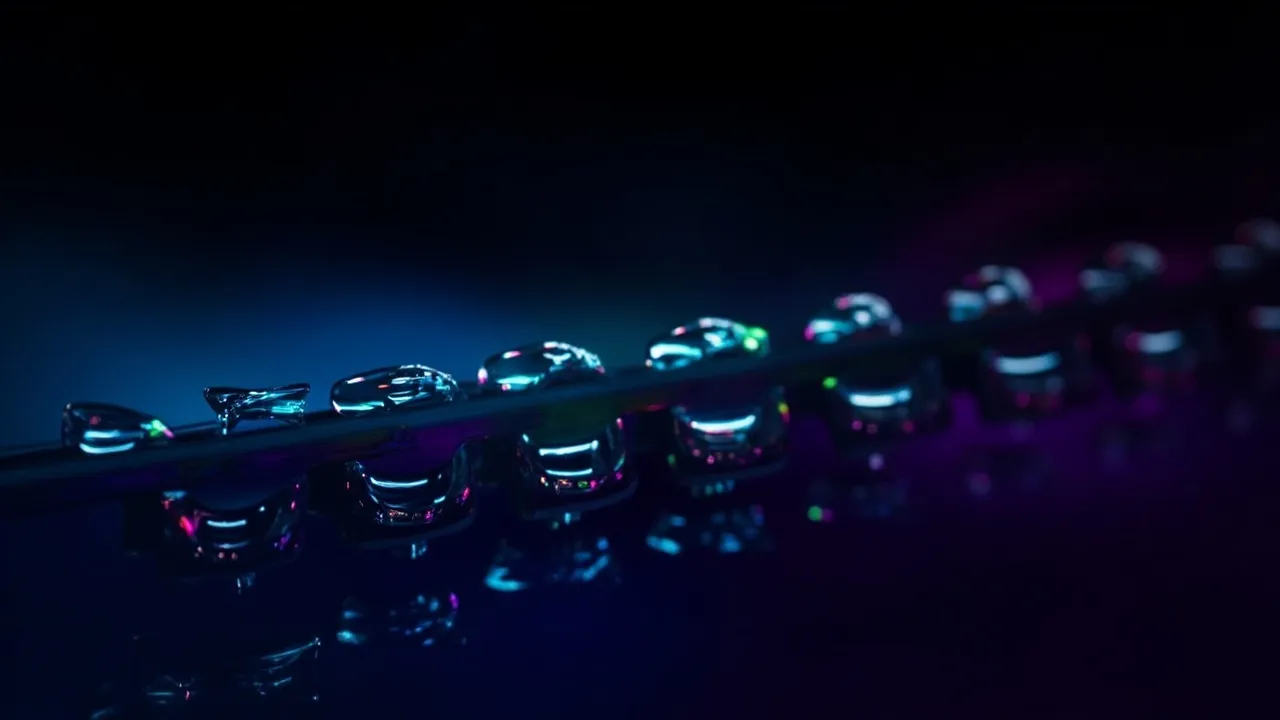
A team of researchers just figured out how to make water droplets behave in a way that could revolutionize how we cool everything from power plants to your phone. The secret? Embracing the tiny "flaws" everyone else was trying to eliminate.
Researchers have found a way to transform regular immune cells into cancer-fighting machines that can actually infiltrate solid tumors, which have always been notoriously difficult to treat. The key? A delicate recipe involving a signaling protein that acts like a cellular training program, turning natural killer cells into specialized tumor hunters that could eventually be produced as "off-the-shelf" treatments.

Imagine flipping through what you thought was the complete lineup of rulers for one of history's greatest empires, only to discover someone deliberately erased three of them. That's exactly what two researchers just found—and the reason why might surprise you.
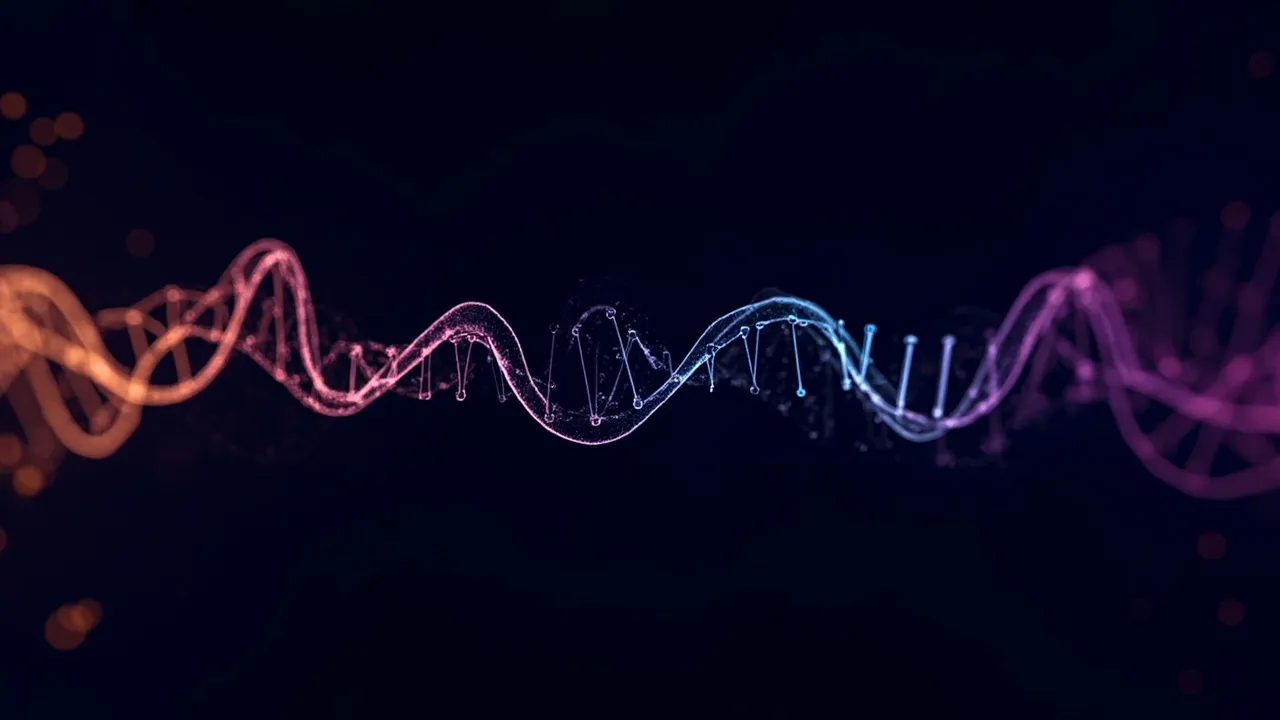
Researchers at the University of Vienna have discovered that animal evolution isn't as random as we thought. It turns out genomes travel along specific "evolutionary highways" that shape how all living creatures — from humans to octopuses to coral — came to be. The findings reveal fascinating rules about how life on Earth diversified.
Deep in a Louisiana swamp lies a 5,400-year-old mystery—eleven massive earthen mounds arranged in a perfect circle, built by people we thought were too "primitive" for such feats. But here's the kicker: they were nomadic hunter-gatherers who didn't even have agriculture yet.
After half a century of searching, physicists may finally be on the verge of confirming one of the most bizarre predictions in quantum physics—the existence of a particle made almost entirely of pure "glue." No, really. It's called a glueball, and it might just be hiding in the data from a collider in Beijing.
A massive new study of nearly half a million people reveals that both sleeping too little AND too much may be accelerating aging in your brain, heart, immune system, and other organs. The research suggests there's a "sweet spot" for sleep duration—and most of us are probably missing it.
DARPA is working on a technology that could let scientists upload genetic instructions to cells the same way you'd send a file to a 3D printer — except the printer would be smaller than a single cell, and it would use light instead of plastic. It's equal parts fascinating and slightly terrifying, and honestly, I can't stop thinking about it.
Scientists have created a tiny chip that generates something called a "rainbow on a chip" — and this little rainbow could one day make your internet insanely faster while also revolutionizing quantum computers. Sound too sci-fi to be real? Stick around, because this is genuinely cool stuff.
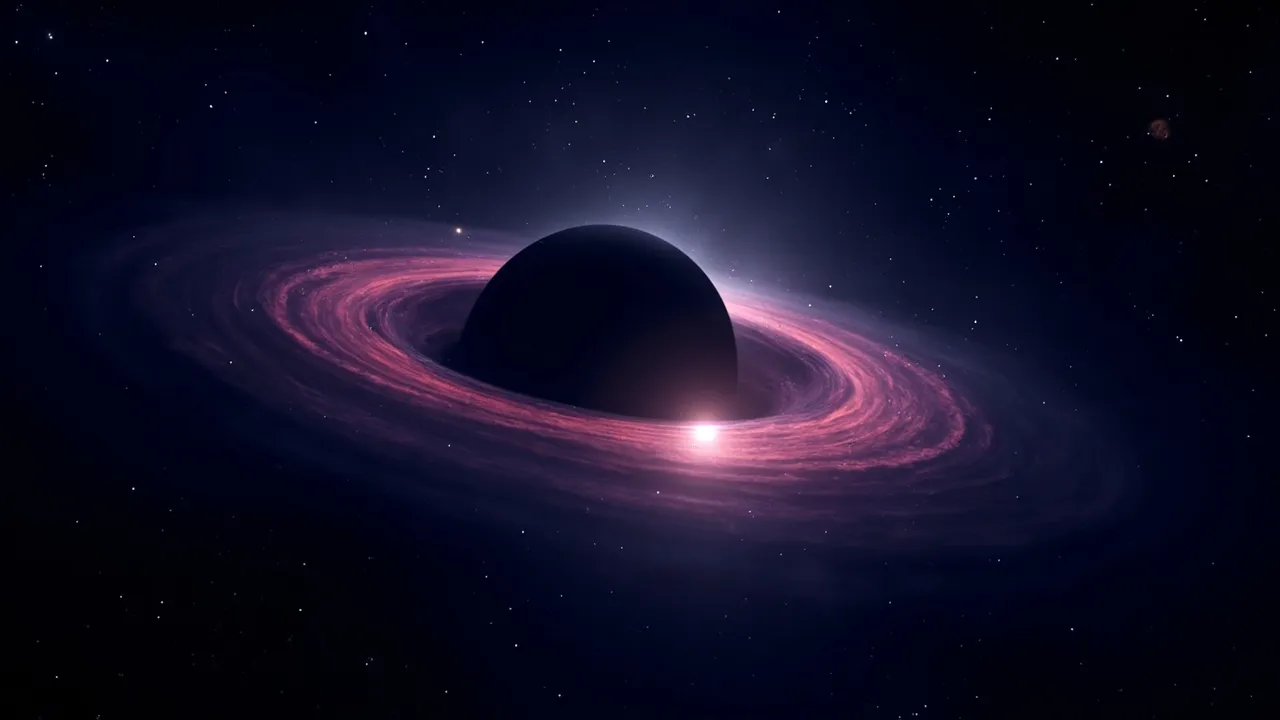
When stars venture too close to the supermassive black holes lurking at galaxy centers, astronomers expected predictable fireworks. Instead, they're getting puzzling fade-outs that defied explanation for years. Now, researchers think they've found the surprising culprit hiding in the stars themselves.
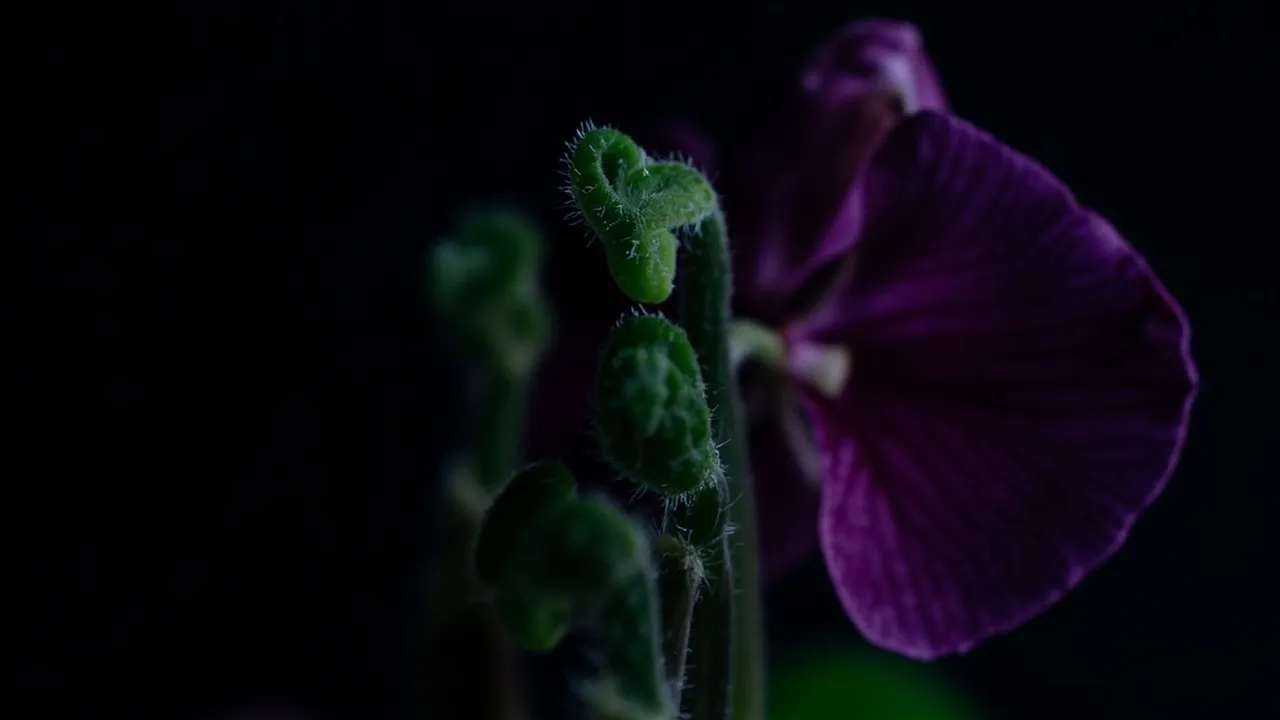
A remarkable 11-year study reveals that abandoned farmland doesn't need expensive seed mixes or elaborate restoration plans to become a thriving wildflower meadow — sometimes nature just needs a little time and space to work its magic.
Imagine casually renovating your home and discovering that your basement ceiling is, quite literally, an ancient ship. That's exactly what happened to researchers in Germany, and what they found is rewriting what we know about medieval craftsmanship.
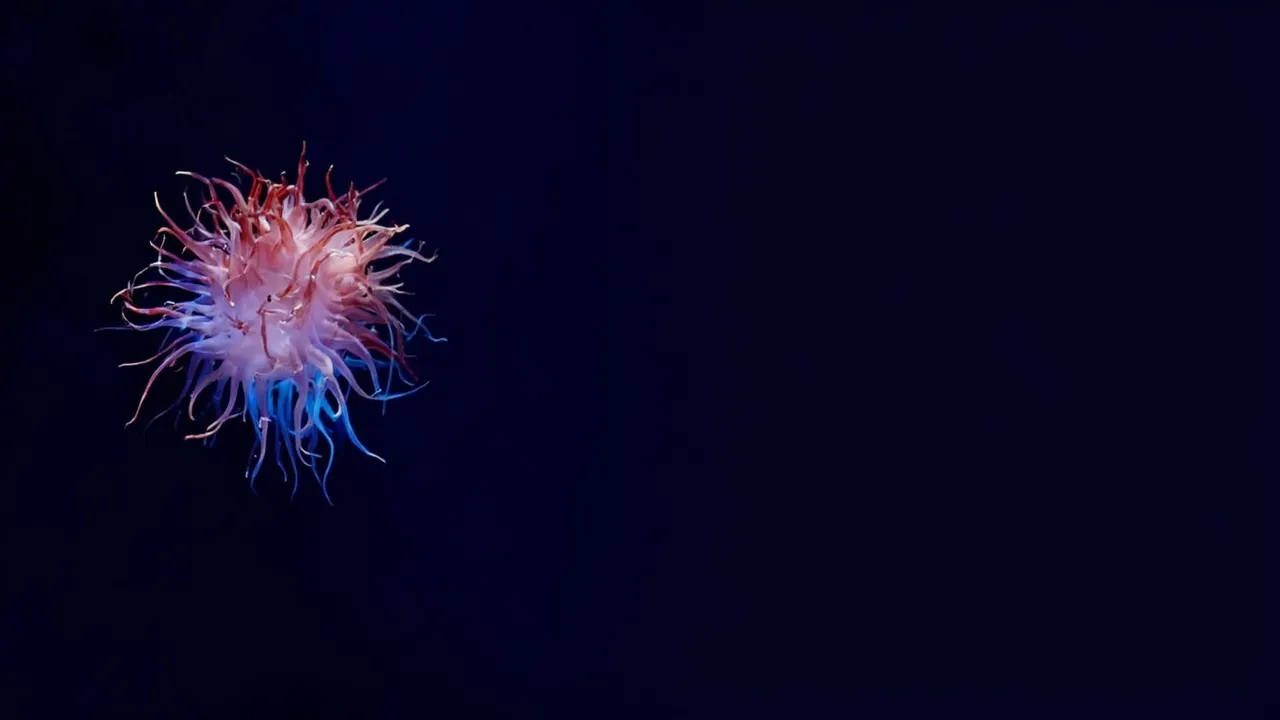
Scientists just found that sea anemones—those colorful, brainless ocean creatures you might have seen at aquariums—use the same genetic "blueprint" that humans do to build their bodies. This mind-bending discovery suggests some of our most fundamental body-building instructions might be over 600 million years old.

Researchers have finally decoded a crucial "on switch" in human DNA that tells genes when to activate, using AI to crack a genetic code that's puzzled scientists for decades. The discovery could help us predict and prevent diseases before they even start.
Imagine trying to photograph something that doesn't technically exist in any single place until you look at it. That's essentially what researchers just did, capturing the hidden "quantum shape" of a tiny molecule for the very first time. The implications? Well, let's just say we might be on the verge of watching molecules dance in real-time.
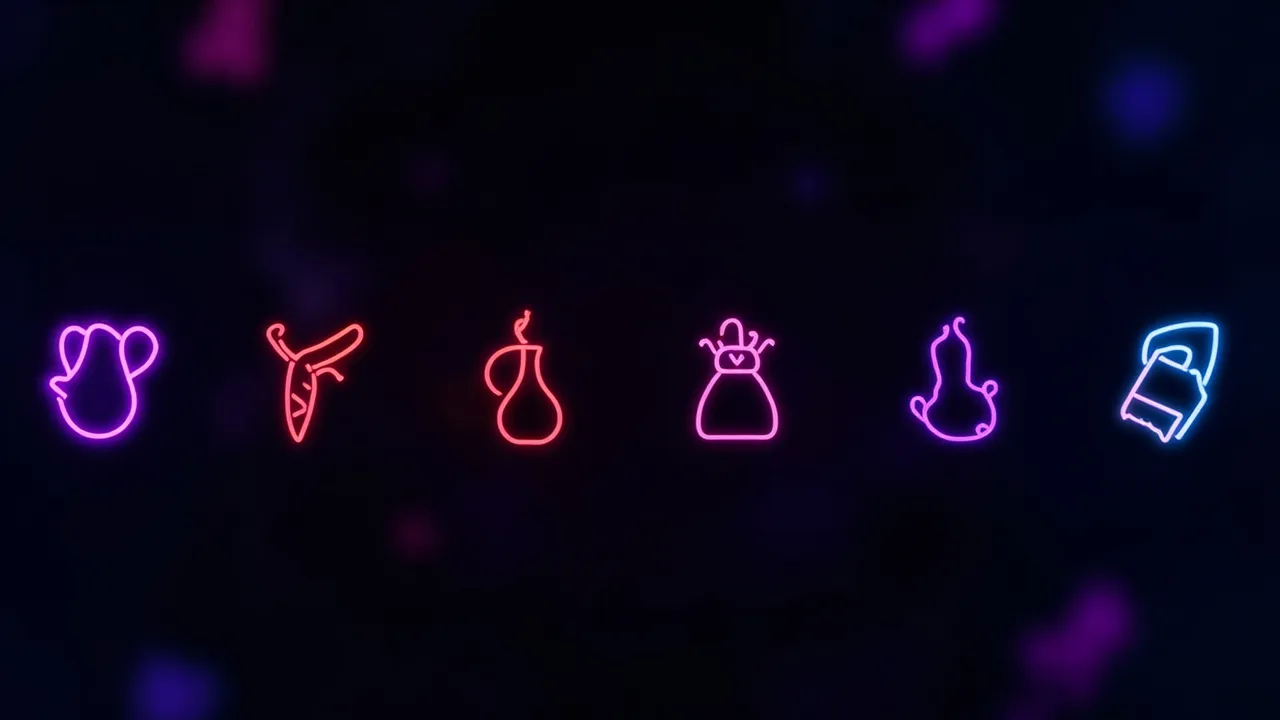
When you think of ancient branding, you might picture Roman sword makers etching their logos into steel. But new research suggests the world's very first "brand" might actually be much, much older—and it comes from an unexpected place in the Arabian desert.

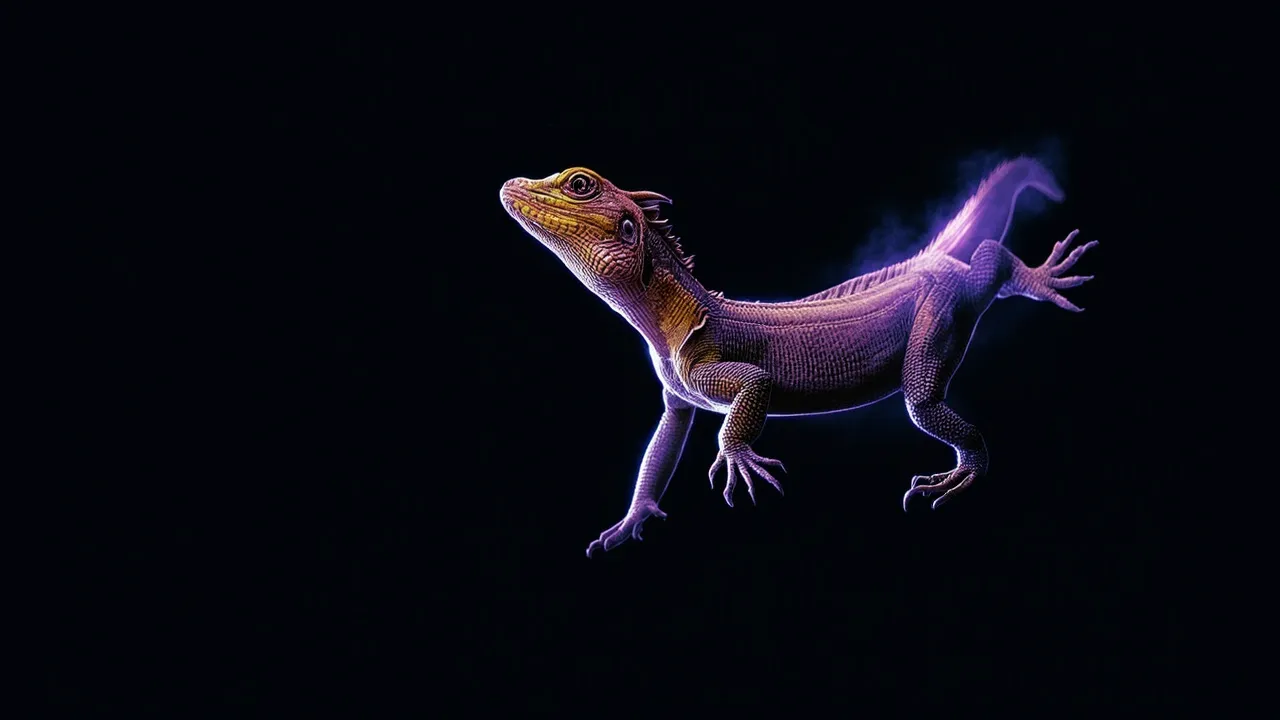
Imagine hiking through misty mountain forests in Thailand and stumbling upon a lizard that looks like it belongs in Westeros. That's exactly what happened to researchers who discovered a stunning new species and gave it a Game of Thrones name. Trust me, this is the kind of science news that makes my inner nerd do a happy dance.
While the Rosenberg trial gripped America with its drama and ultimate tragedy, another couple with far more damaging secrets was slipping away into the night—one of whom had actually handed the Soviets the complete blueprint for the atomic bomb. This is the wild, almost unbelievable story of how two committed Communists went from New York apartments to the heart of Los Alamos, and how they managed to escape when the walls came crashing down.