Imagine being able to peek into the genetic code of animals that lived over a thousand years ago, just by gently brushing the pages of an old book. That's exactly what researchers have figured out, and honestly? It feels like something straight out of a science fiction novel — except it's real, it's happening now, and it could completely change how we understand our shared history with animals.
Imagine declaring yourself emperor of your own little kingdom while the actual Roman Empire is still going strong. That's exactly what a military commander named Carausius did around 1,700 years ago—and archaeologists just found one of his coins buried beneath a future railway line between Oxford and Cambridge.
Scientists have discovered that rocky nodules on the deep ocean floor are producing oxygen 4,000 meters below the surface—where sunlight literally cannot reach. This finding could completely change how we think about the origins of life on Earth, and honestly, it makes me question everything I thought I knew about our planet.
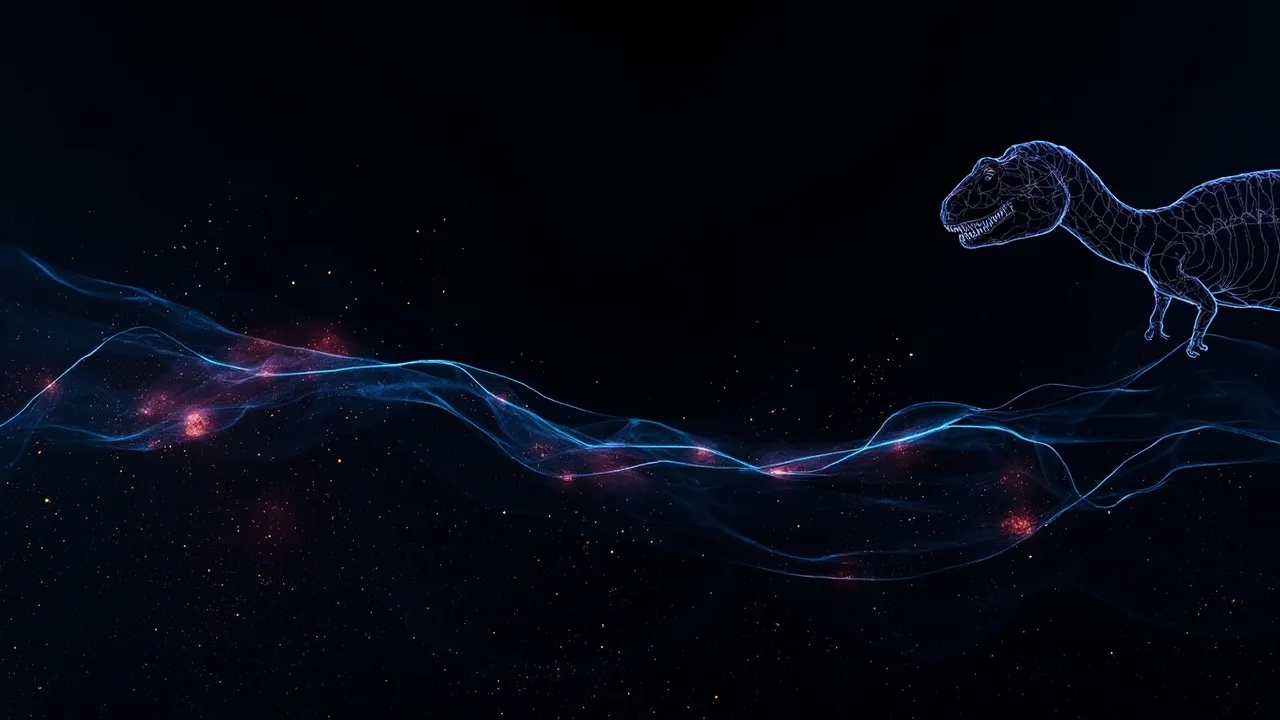
Imagine following a dinosaur's footsteps for nearly 100 meters—only to discover it made a complete U-turn and kept walking in the same direction. That's exactly what happened when researchers analyzed ancient footprints in Colorado, and the clues they found might reveal something surprisingly personal about this giant creature.
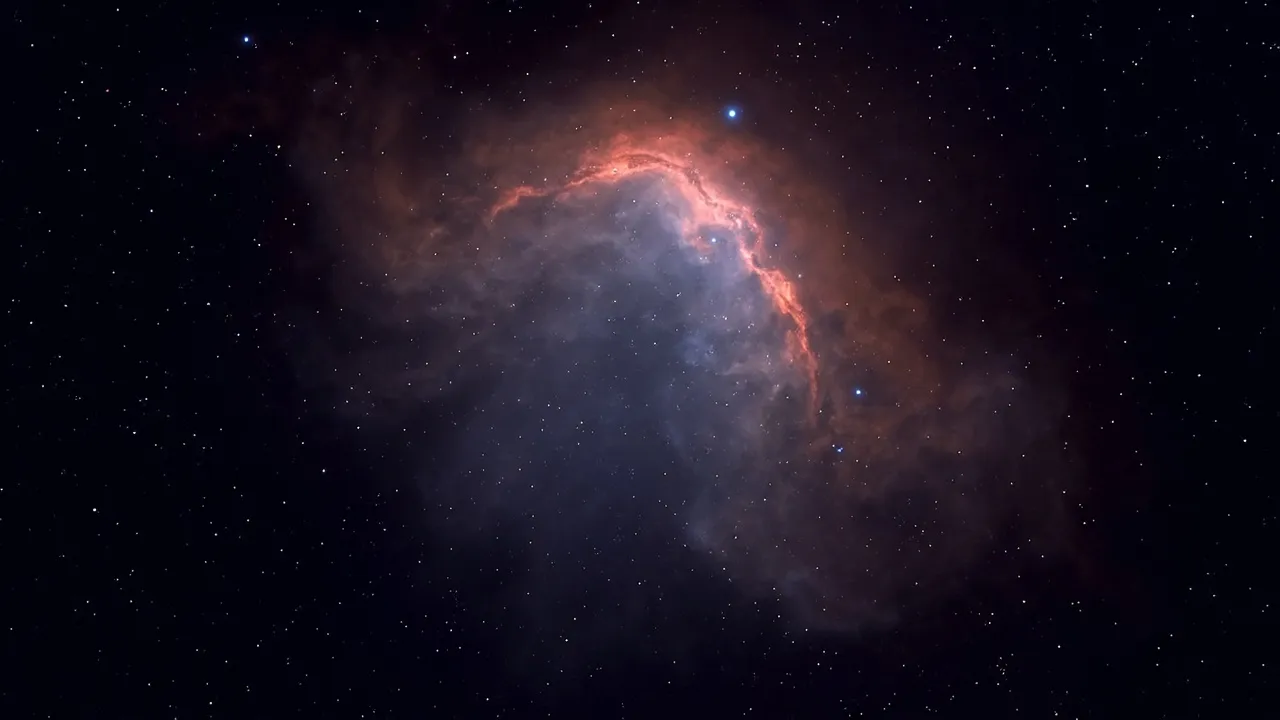
The James Webb Space Telescope has turned its powerful infrared eyes toward NGC 2392, nicknamed the Lion Nebula, and what it found will make you appreciate our universe's incredible artistic talents. This ethereal structure was sculpted by a dying star over thousands of years, and the new images reveal details we've never seen before.
Researchers have discovered that the humble WiFi router sitting in your home or local café could potentially identify you with almost perfect accuracy—without any cameras, without you carrying a phone, and without you noticing a thing. It's equal parts fascinating and terrifying.
Scientists have uncovered evidence that life on Earth may have emerged not once, but twice — in two completely different forms. By studying the ancient chemical reactions that power all living cells, researchers found that bacteria and archaea might represent truly independent origins of life, each born from the same primordial soup but taking entirely different paths to cellular existence.
Researchers at the University of Hong Kong have developed a revolutionary new stainless steel that could make clean hydrogen production way cheaper—and here's the wild part, even they don't fully understand why it works so well. Manganese, an element everyone assumed made stainless steel worse, is doing something that contradicts decades of scientific knowledge.
Scientists have discovered that wool—yes, the fluffy stuff from sheep—might become an unexpected hero in the world of medicine. Researchers at King's College London have found that keratin extracted from wool can actually help bones heal, and in some ways, it might work even better than the materials doctors currently use.
Scientists are exploring a wild new idea: what if black holes existed before the Big Bang and somehow survived into our universe? These "cosmic fossils" could be the key to understanding dark matter, the mysterious invisible stuff that makes up most of the universe. It's a mind-bending concept that might just revolutionize how we think about cosmic history.
Scientists just discovered that your brain has a hidden ability to heal itself — and it does something absolutely wild to fix damaged areas. A team at the University of Zurich found that special support cells in the brain can actually send their nuclei traveling through tiny "tunnels" to rebuild damaged tissue. This could change everything we thought we knew about recovering from brain injuries and diseases.
Physicists have discovered how to use light to peek inside one of the most mysterious states of matter — the Wigner crystal — and what they found is changing how we understand electrons behaving collectively. It's like giving scientists a superpower to watch particles coordinate their movements in real-time.
Turns out those thousands of tiny Starlink satellites zipping around Earth aren't just providing internet to rural areas—they're also double agents for science. Researchers have figured out how to use them as a giant scanning system to map the mysterious upper atmosphere, and honestly, the results are pretty mind-blowing.
For decades, we've imagined fertilization as a frantic competition where millions of sperm dash toward a single egg. But groundbreaking new research suggests this picture is missing something huge: teamwork. Scientists have discovered that sperm cooperation is far more common than we ever realized, and it might just change how we think about reproduction itself.
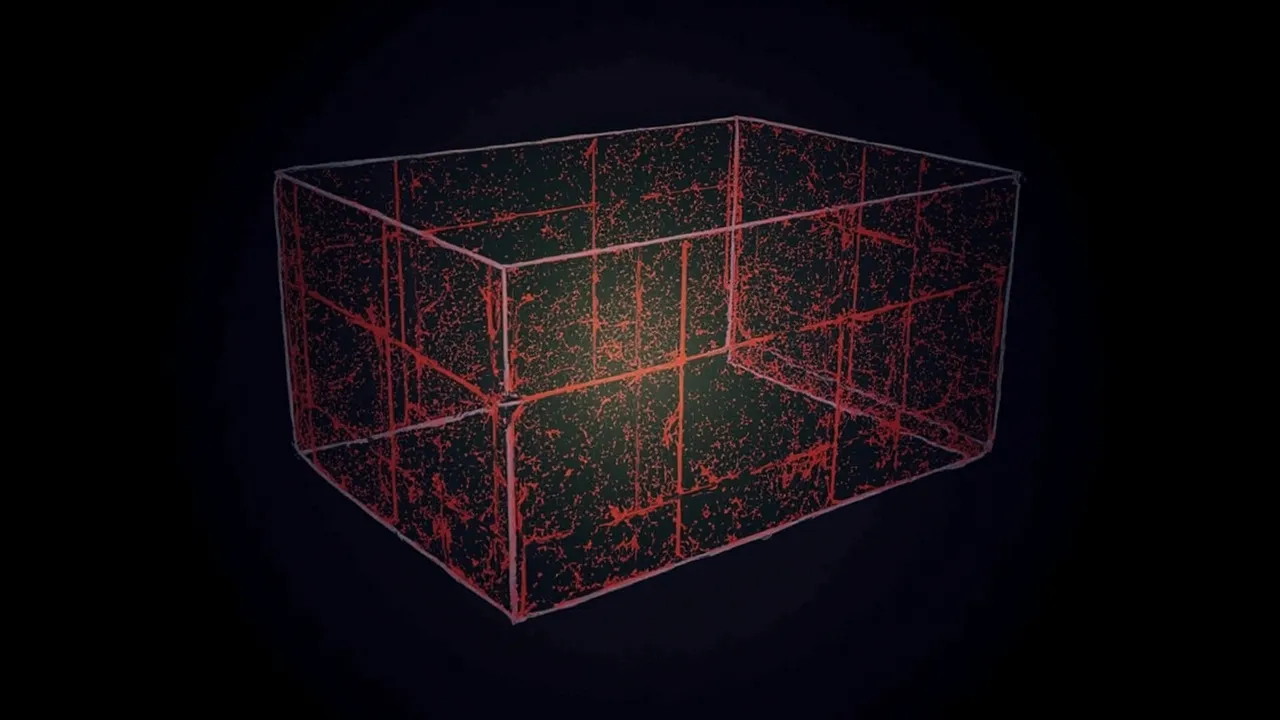
What started as routine repairs on a salt-damaged church in France turned into a real-life treasure hunt through time. Beneath the Church of Saint-Philibert in Dijon, archaeologists discovered they're standing on a historical goldmine—literally layers of human history stacked from Roman times all the way to the medieval period. And the best part? They've probably only scratched the surface.

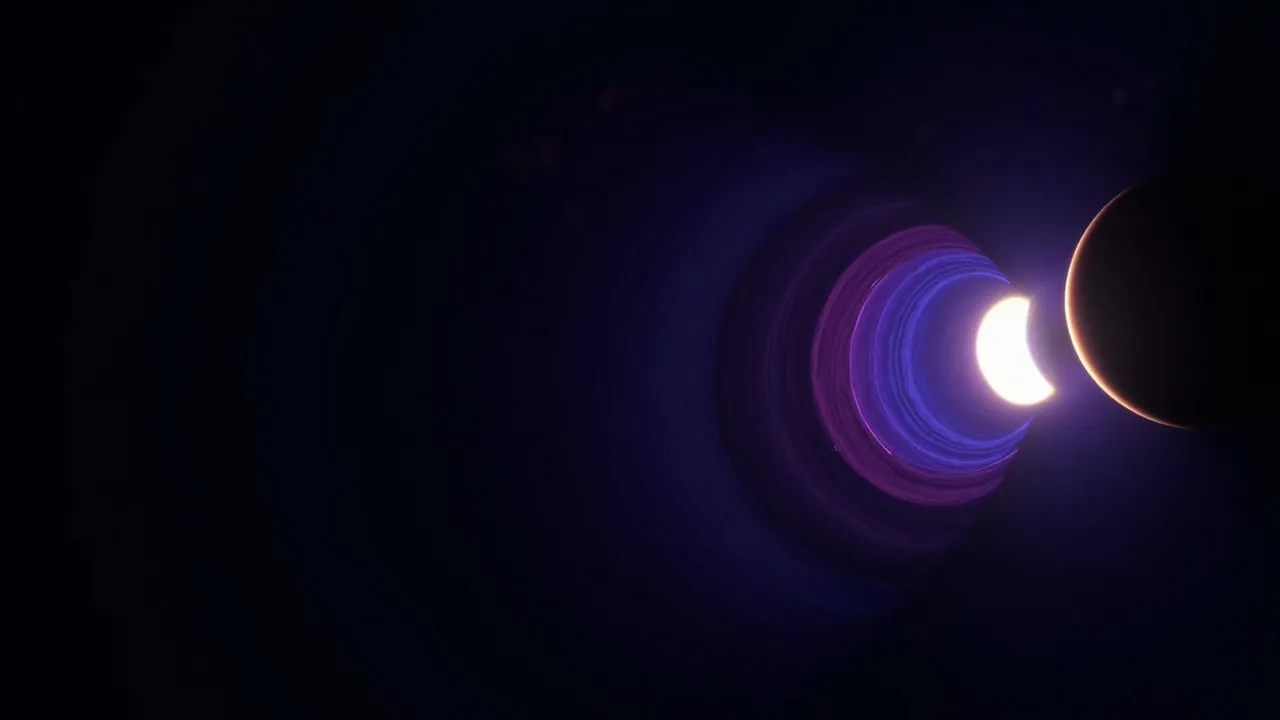
Scientists studying old data from the Cassini mission just discovered something surprising about Saturn's invisible protective bubble. Turns out, the ringed planet's magnetic shield works in a completely different way than Earth's — and it all comes down to one thing: how fast the planet spins.
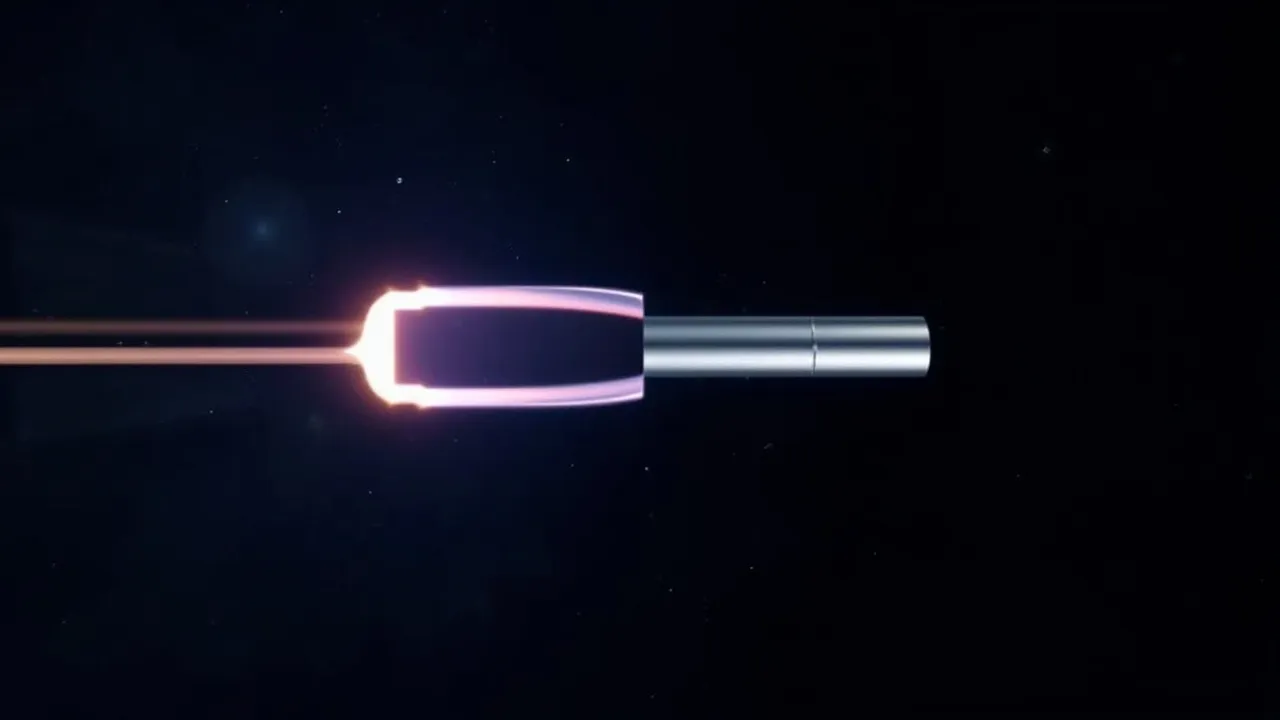
A company called Exodus Propulsion Technologies says they've developed a device that can generate thrust without expelling any propellant, potentially overcoming Earth's gravity using only electric fields. While the history of similar claims is littered with dashed hopes, this one has some interesting wrinkles that make it worth watching.