
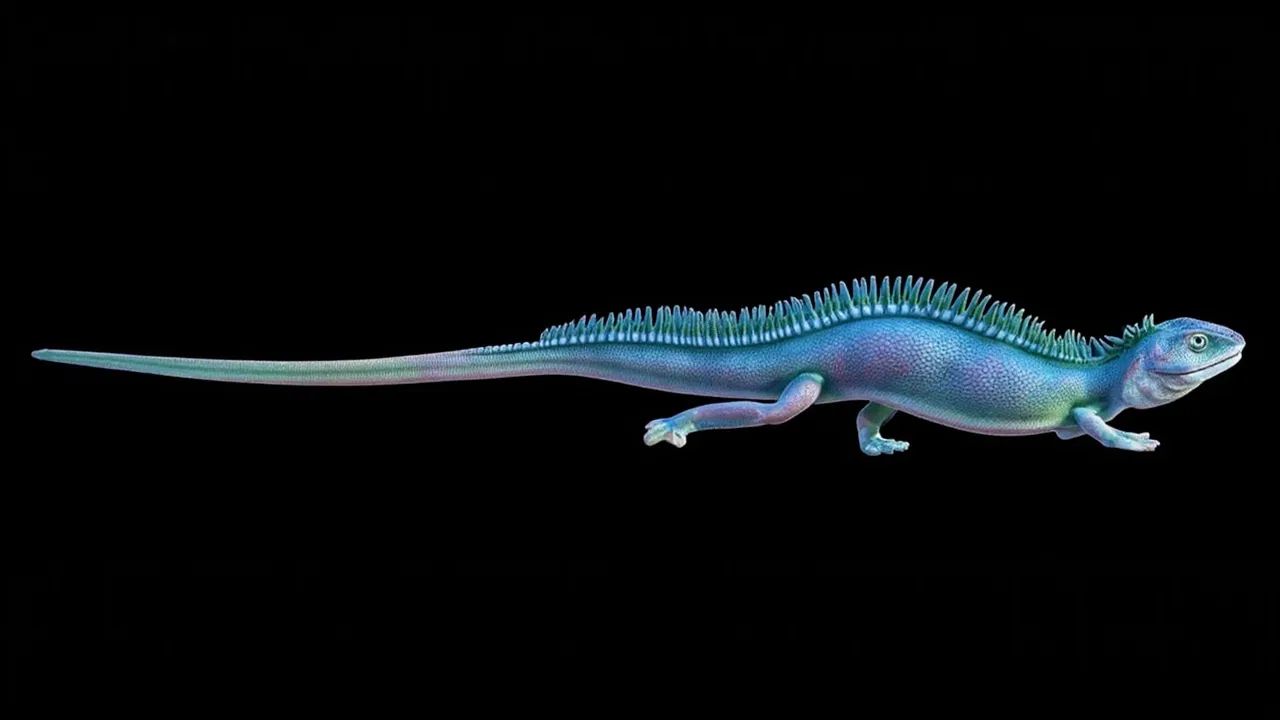
Scientists have just introduced us to Silescelida acristata, a 240-million-year-old reptile that lived right after Earth's worst mass extinction. The really wild part? Part of its fossil was forgotten in a museum collection for two decades before anyone realized what they had.

Scientists are rethinking the humble mitochondrion, giving this cellular organelle a major promotion from "battery" to "behavior director." A sweeping new review suggests mitochondria do way more than just power your cells—they might be pulling the strings on your anxiety, motivation, and even how you learn.
A groundbreaking study reveals that targeting a specific brain mechanism could restore communication between neurons in adult mice with autism-like symptoms, offering new hope that the condition might be treatable even after the brain has fully developed.
In 2021, researchers at Penn State did something pretty wild — they pointed a nuclear reactor at a piece of metal that might have come from Amelia Earhart's missing plane. Let me tell you why this is one of the coolest science-meets-mystery stories you'll read today.
UCLA researchers have discovered that heat can be channeled through certain crystals at room temperature, moving in concentrated rays instead of spreading randomly like it does in everyday materials. This breakthrough could solve one of the biggest headaches in modern electronics: keeping things cool. And here's the wild part — it works kind of like how fiber optics guide light, but for heat instead.
Scientists have created a soft, wearable patch that gently zaps your brain with ultrasound to help you reach deeper, more restorative sleep—without pills, surgery, or any of those annoying sleep apnea machines. And the results are pretty remarkable.
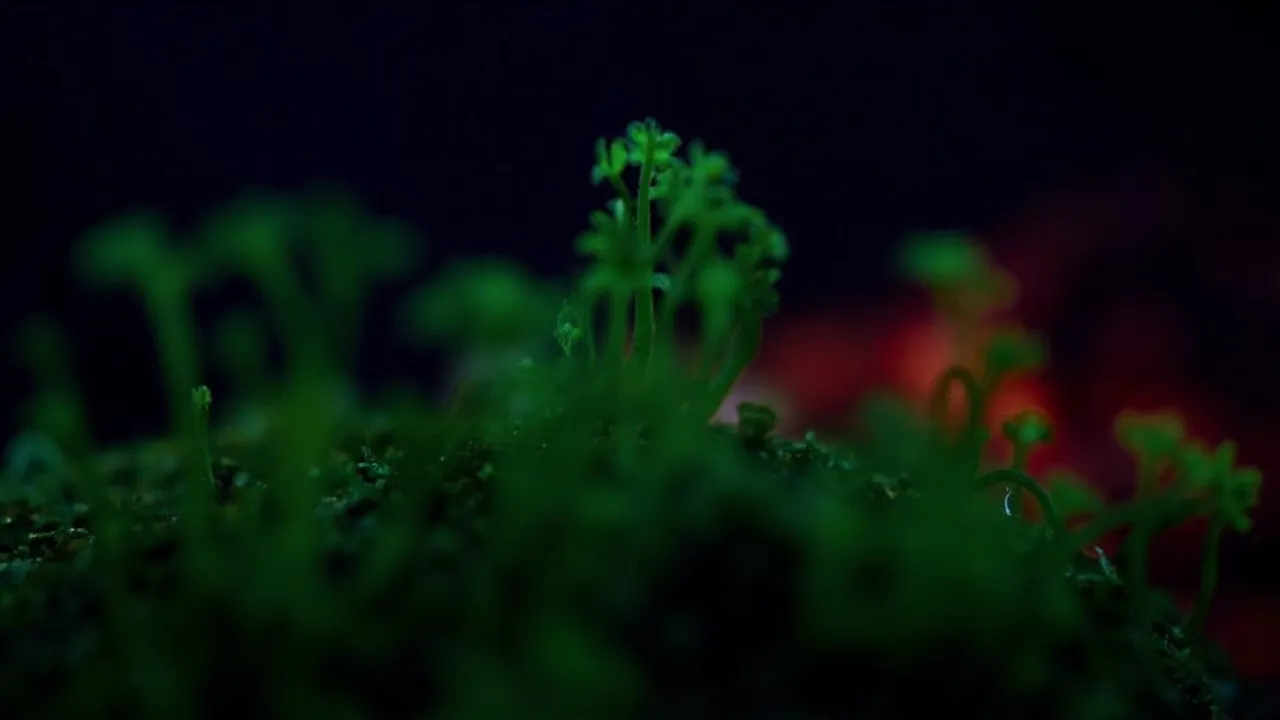
New research suggests that one of Earth's oldest and most overlooked organisms—moss—might have a secret communication system hidden in plain sight. Scientists recorded electrical signals in moss that look eerily like simple neural activity, challenging everything we thought we knew about plant "intelligence."
A team of chemists has figured out how to trick electrons into ignoring their natural preferences, opening up entirely new possibilities for building complex molecules. The discovery could make drug development and materials science much more flexible.


Engineers at NASA have pulled off something pretty remarkable: they found a way to give Voyager 2 more time to live by literally rewiring it from Earth. Let me tell you why this matters and how they did it.
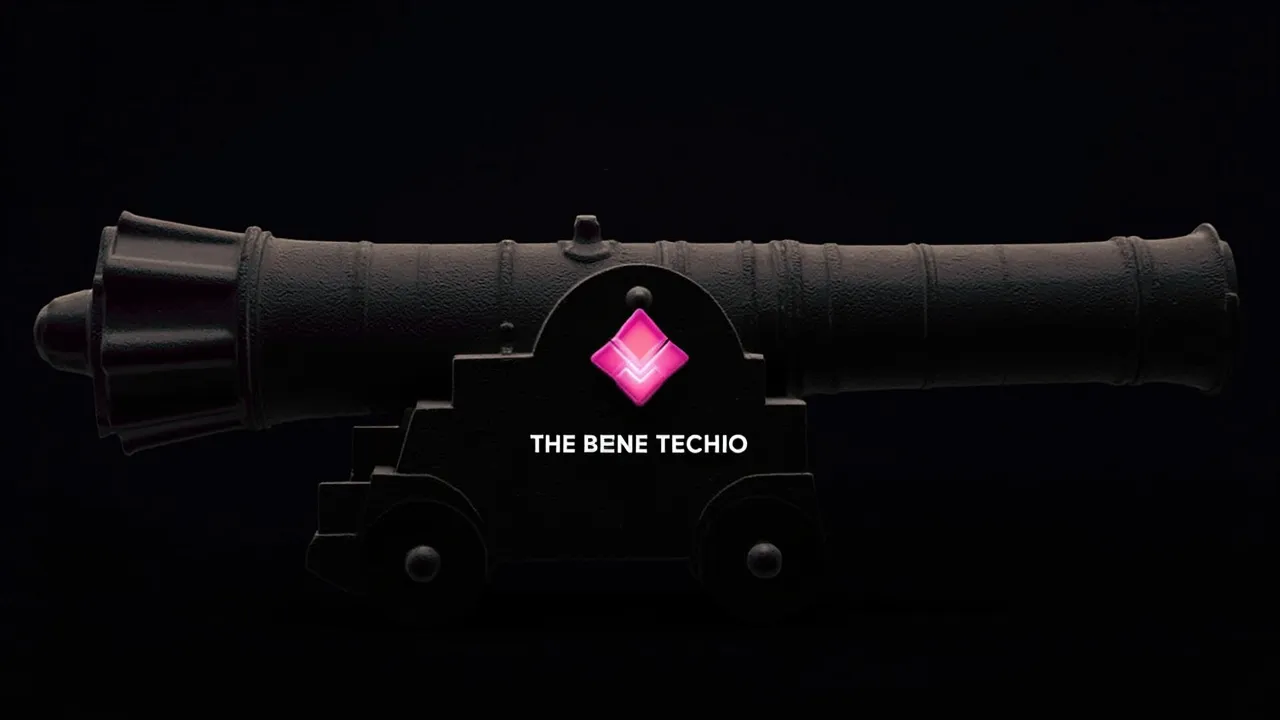
Archaeologists working on China's Great Wall recently uncovered something pretty remarkable: a nearly 250-pound Ming Dynasty cannon, complete with an inscription dating it back to 1632. But here's what really got me excited—this thing looks suspiciously like European cannons, which tells us something fascinating about ancient global trade networks.
Imagine if the same tool could hammer nails and drive screws — depending on which way you turned it. That's essentially what researchers just discovered silver nanocatalysts can do inside clean energy devices. And this little switch might be the key to making hydrogen power actually work at scale.
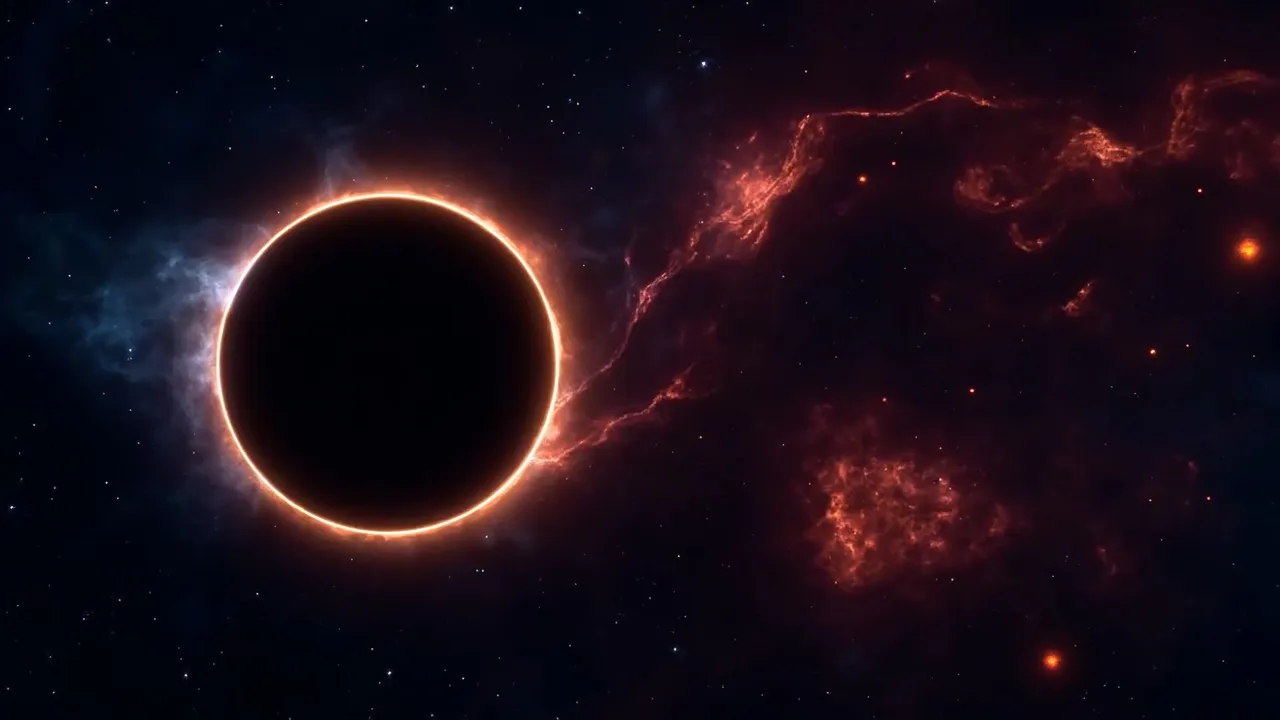
Scientists have spotted a supermassive black hole that's taken a mysterious detour far from its galaxy's center, and it was caught red-handed tearing apart a passing star. The discovery is shaking up everything we thought we knew about where these cosmic giants like to hang out.
What if the biggest obstacle to living on Mars isn't building habitats or growing food, but something far more mundane: shipping costs? Scientists in Switzerland have been running the numbers, and the results might surprise you.
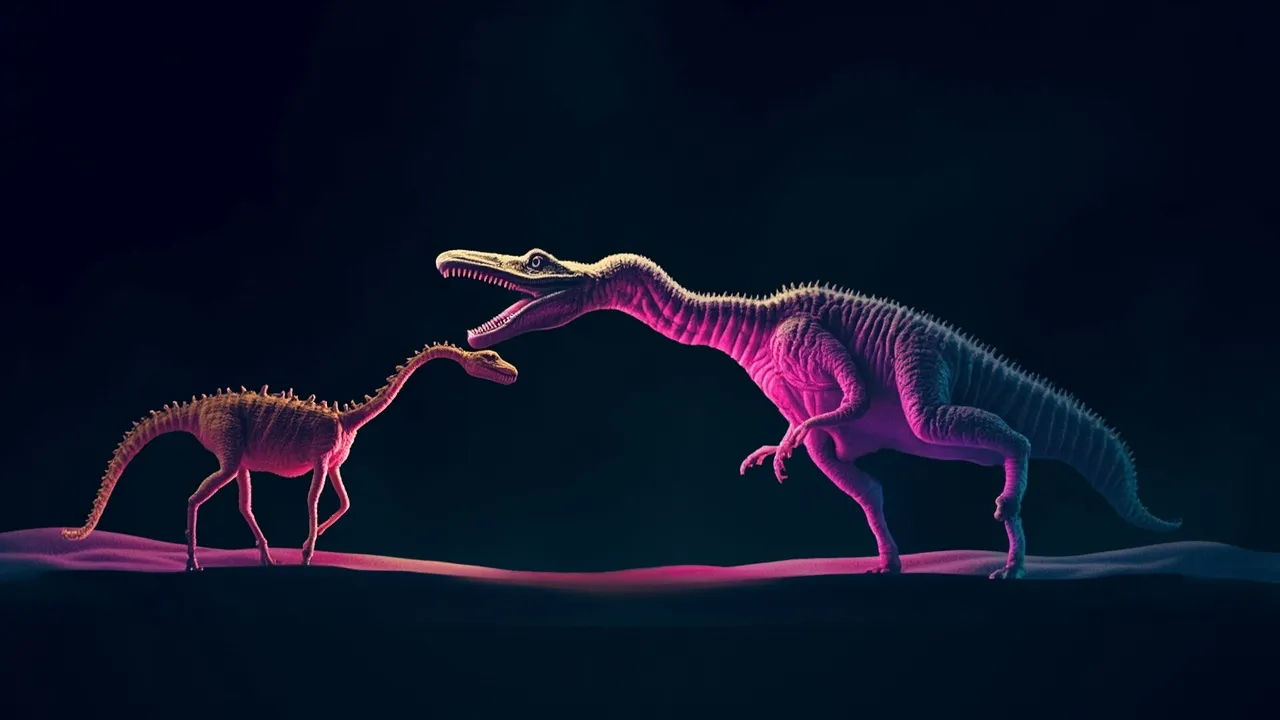
We've always been fascinated by giant dinosaurs, but scientists are now asking a fascinating question on the opposite end of the size spectrum: why did dinosaurs never shrink down to the tiny sizes we see in so many modern animals? New research suggests that competition with early mammals may have kept our dinosaur friends from ever becoming the mouse-sized creatures we might find adorable today.
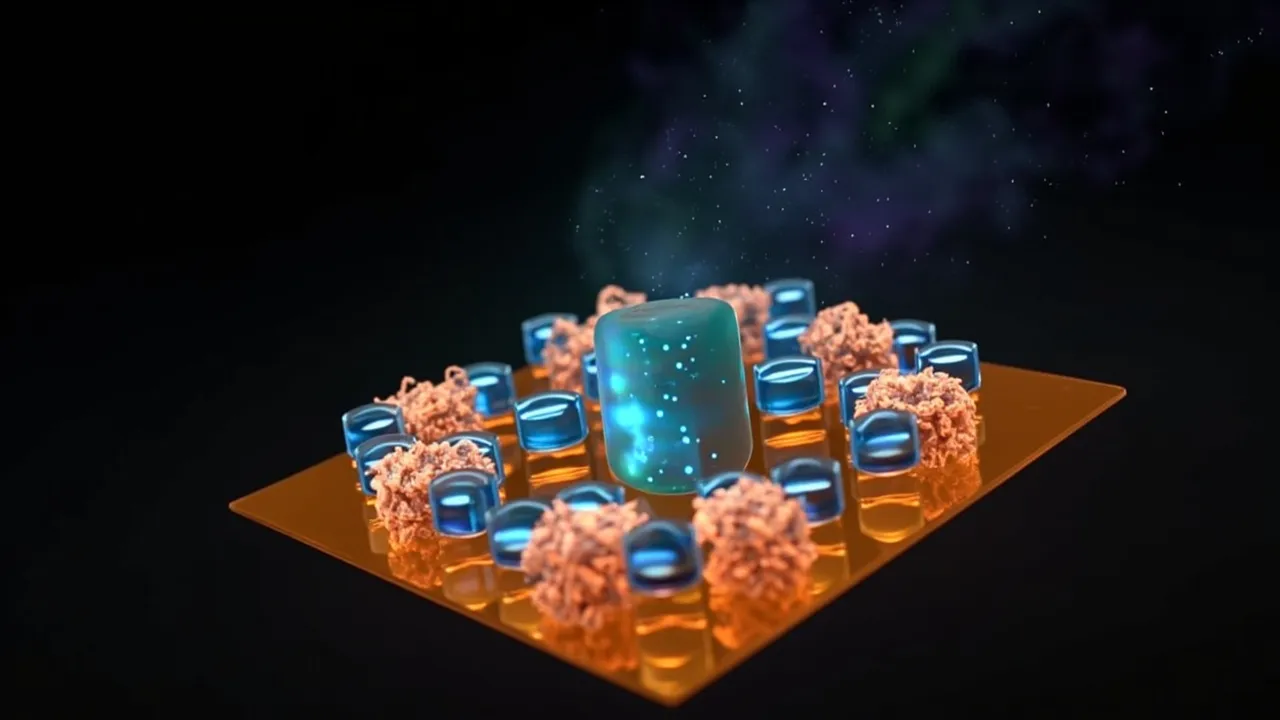
Imagine a miniature factory so clever that it copies the way actual living cells work, and then uses nothing but sunlight to churn out hydrogen peroxide. That's exactly what researchers in China have created, and honestly, it sounds like something straight out of science fiction.
When you picture our ancient ancestors 60,000 years ago, what comes to mind? Probably not someone sitting down to plan out geometric patterns with mathematical precision. But that's exactly what new research suggests they were doing — and it might change everything we thought we knew about how human thinking evolved.
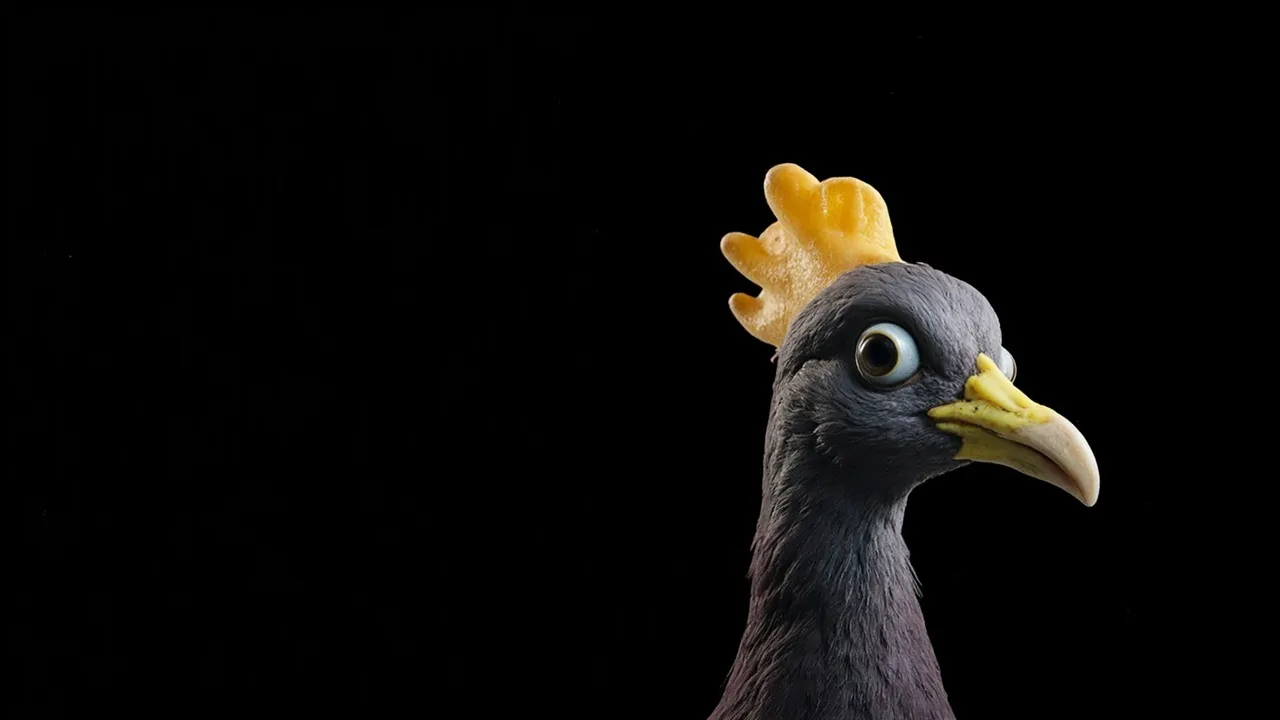
New research on the world's rarest skulls reveals that the dodo had a surprisingly sophisticated way of experiencing its environment, with abilities that might actually make modern pigeons look basic by comparison.