
Imagine rubbing your hands together to warm up—that's friction working as expected. Now imagine friction appearing out of nowhere, with absolutely no surfaces touching. That's exactly what researchers just discovered is happening on a quantum level, and it's both fascinating and a little bit unsettling.
Scientists have developed an experimental antiviral drug that successfully stopped measles transmission between ferrets through both direct contact and airborne spread. The treatment, taken orally, works even when given shortly after exposure, offering hope for a new tool to combat the alarming return of measles across North America.
You know that nagging feeling you get when you toss a plastic bottle in the trash instead of the recycling bin? Yeah, me too. But here's some surprising news: scientists have found that your personal green habits don't actually make you less likely to care about bigger climate solutions. Spoiler alert — you can keep your reusable water bottle and still want to march for the planet.
The universe is only about 13.8 billion years old, yet we can see objects roughly 45 billion light-years away. Before you call shenanigans, let me explain why this doesn't violate Einstein's famous speed limit — and why things are only going to get weirder from here.
Venus has always been the solar system's least welcoming neighbor, but new research suggests our fiery twin isn't the geologically dead world we assumed it was. Scientists have found evidence that the planet may still be tectonically active, with enormous rift valleys potentially forming right now.
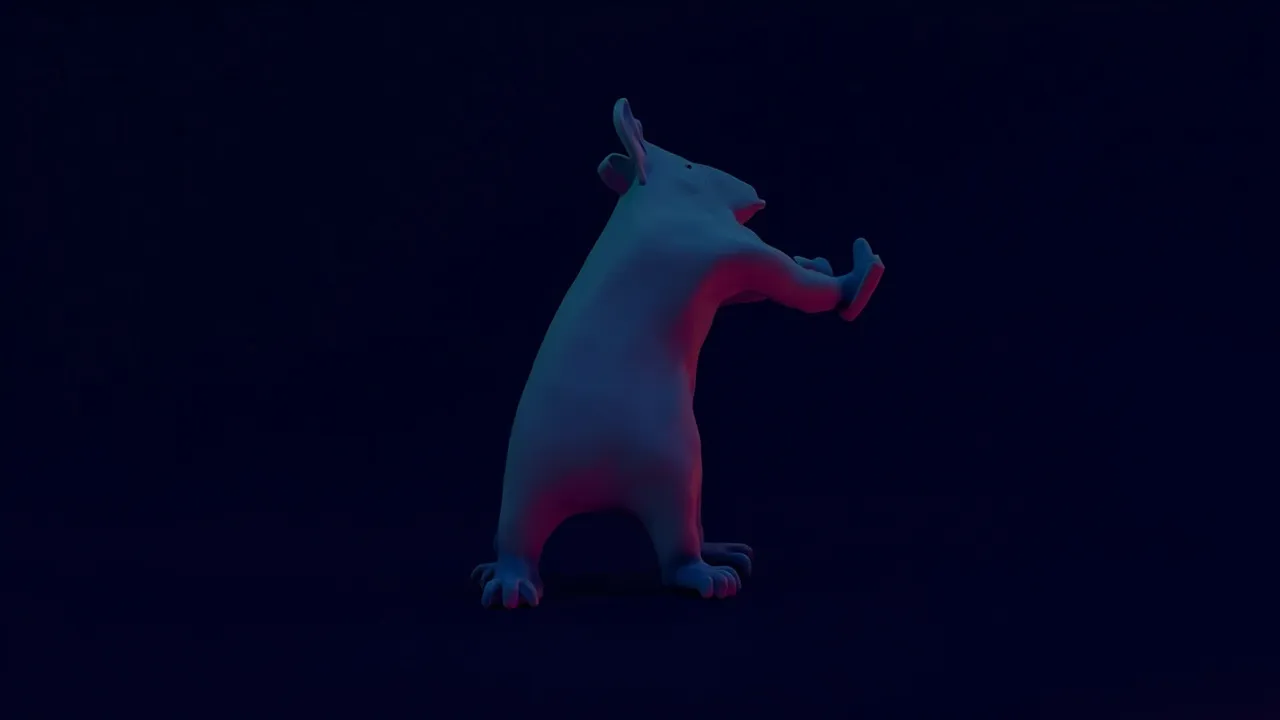
A groundbreaking UCLA study found that a single dose of an immune-suppressing drug could temporarily reverse autism-like behaviors in adult mice within hours—suggesting the adult brain may be far more adaptable than we ever imagined. Here's what this means for understanding brain flexibility and future treatments.
NASA's James Webb Space Telescope has discovered a new giant planet in one of the most famous star systems in our galaxy — and the way they found it is absolutely wild. Instead of taking a picture, they essentially smelled its atmosphere.
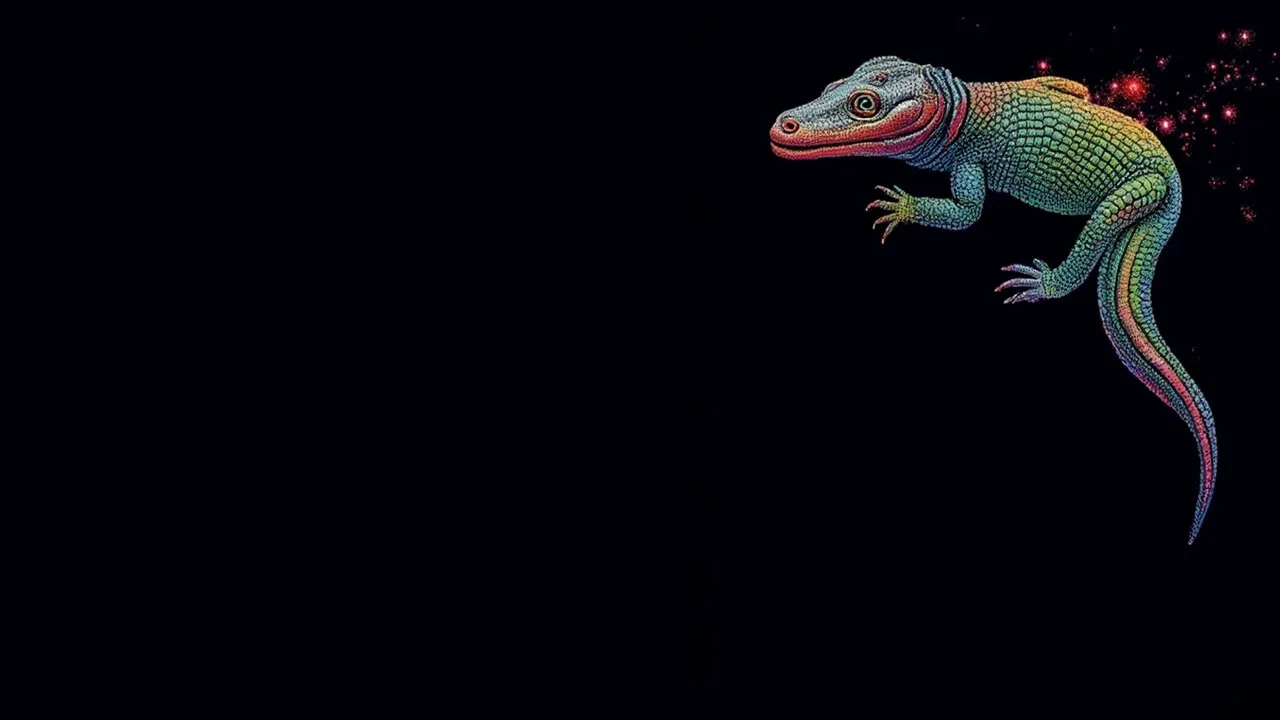
Scientists have just announced the discovery of a brand-new genus of giant salamander from ancient Japanese fossils—and the story of what this creature's world looked like is absolutely mind-blowing. Think warm lakes, crocodiles, and elephants roaming where cherry blossoms now grow.

Around 201 million years ago, Earth experienced a catastrophic mass extinction. As giant volcanoes reshaped the planet and temperatures soared, an unlikely survivor moved in to dominate the landscape — and new research suggests these humble ferns may have turned a bad situation into an absolute inferno.
MIT researchers just solved one of the biggest headaches in self-driving car technology, creating a tiny lidar chip that could see more clearly and last longer than anything we have today. And honestly? This might be the upgrade autonomous vehicles desperately needed.
Deep beneath Sweden's snowy landscapes lies something that might just shake up the global economy and help us build a greener future. Scientists there are quietly working on a solution to one of the biggest supply chain nightmares facing clean technology today—and honestly, their work flew under my radar until now.
New research reveals that Antarctica's ice loss is actually predictable for the next few decades, giving coastal cities precious time to prepare. But the window won't stay open forever, and scientists say we need to act now.
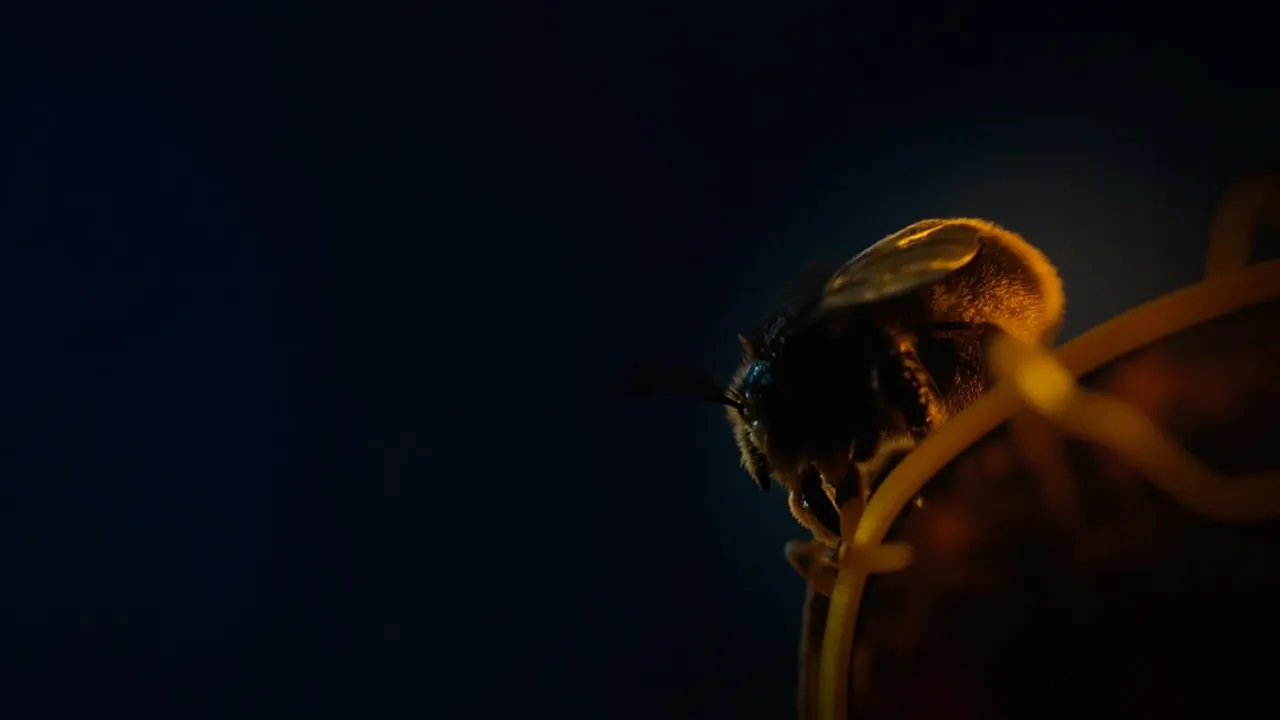
Researchers have discovered that bees have a hidden brain switch that controls which jobs they do in the hive, and they can actually flip that switch to change a bee's role. This mind-blowing finding shows us how bee colonies manage to run themselves without any boss telling anyone what to do.
Scientists have created a groundbreaking gel that can actually rebuild tooth enamel—the stuff we always thought was gone forever once it wore away. And get this: it works by mimicking the same proteins our bodies use to grow teeth in the first place.
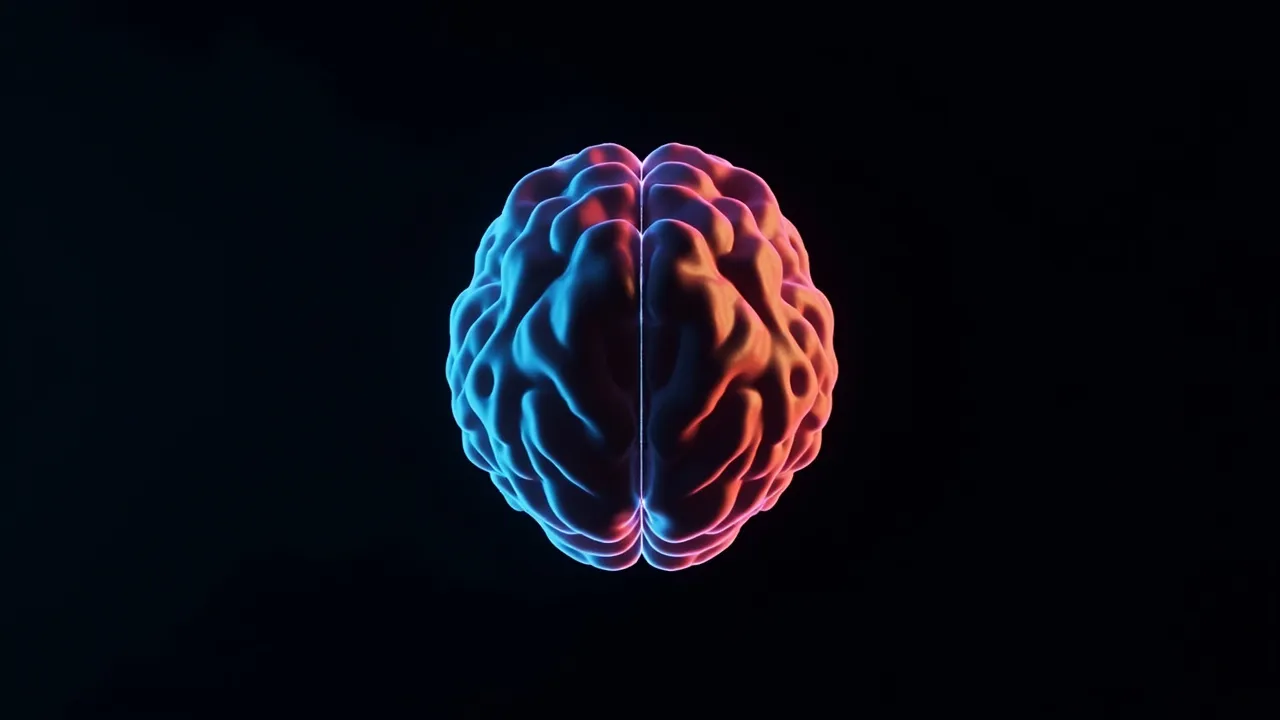
Stanford researchers, armed with artificial intelligence, stumbled upon a tiny molecule hiding in plain sight that could control hunger without the unpleasant side effects of current weight-loss drugs. And here's the really cool part — it's something our bodies already make.
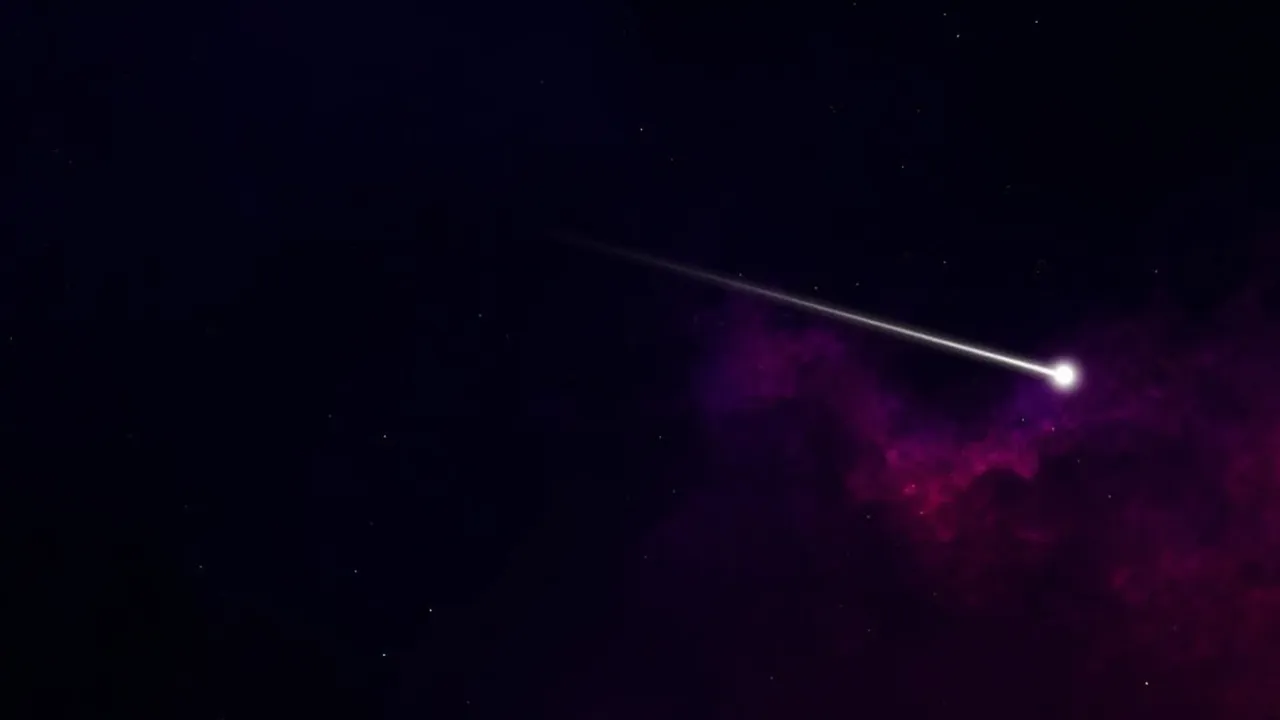
When a comet from beyond our solar system swung past Mars, space agencies around the world pointed their cameras skyward. China's Tianwen-1 managed to capture the faint, speedy visitor, and honestly? The images are pretty remarkable considering what they were working with.
Scientists have uncovered fossils of a previously unknown ancient ape species in Egypt's Sahara Desert, and this little guy might just shake up everything we thought we knew about where we come from.
Scientists have engineered sugar-coated nanoparticles that sneak past the brain's natural defenses and deliver a powerful tumor-suppressing treatment, extending survival in mice by 50%. It's a creative workaround that tackles one of medicine's most stubborn problems.
After decades of mystery, researchers have pinpointed what kind of space rock wiped out the dinosaurs 66 million years ago. Spoiler alert: it was an incredibly rare type of meteorite that most of us have probably never heard of.