
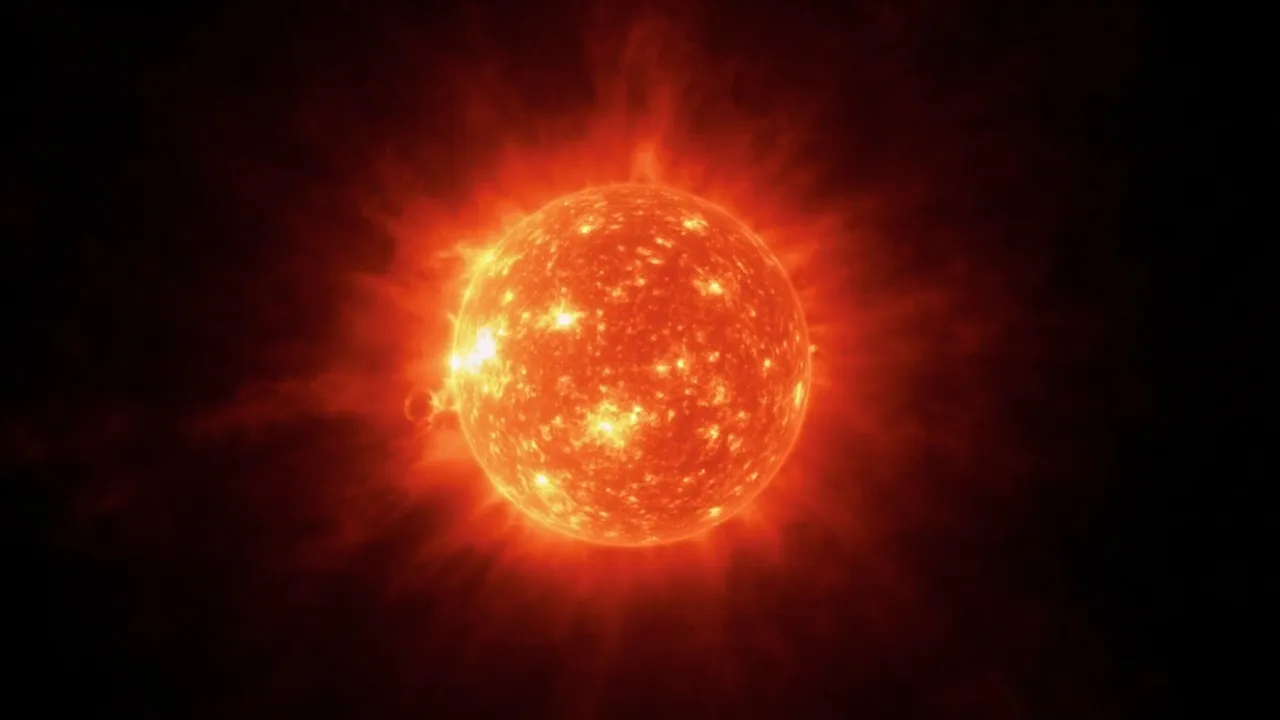
Researchers have discovered that the Sun has a hidden checkpoint in its cycle where the wildest space weather suddenly stops. By measuring sunspots at this moment, they can now predict how intense the next solar tantrum will be — up to seven years ahead of time.
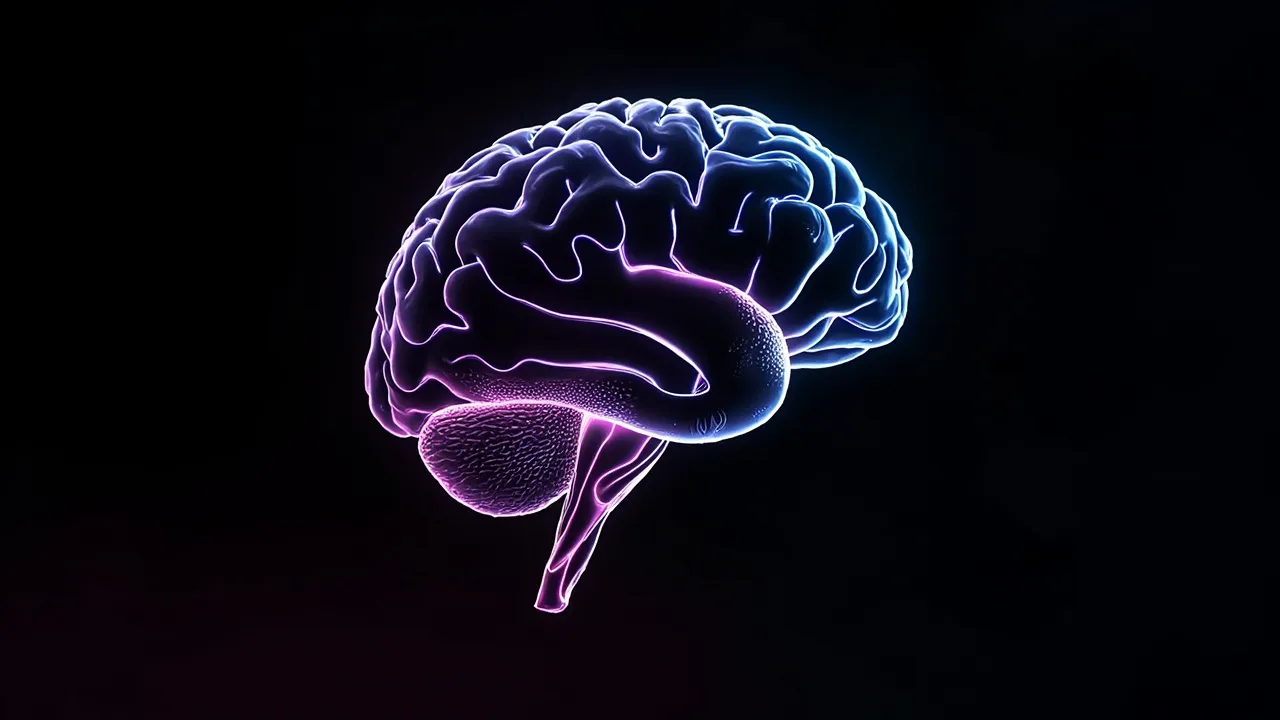
Researchers have discovered that a single powerful dose of psilocybin—the psychedelic compound in magic mushrooms—may reshape the physical structure of the brain in ways that persist for at least a month. Even more fascinating? The intensity of the actual trip itself seems to predict how much people benefit down the road.

Scientists have discovered a fascinating link between finger proportions and brain size in newborns, suggesting our bodies carry tiny echoes of human evolution. Turns out, those digits on your hands might be whispering secrets about the hormonal environment you experienced before you were even born.
Scientists have done something pretty remarkable—they solved a quantum physics problem that was supposed to require fancy quantum computers, using nothing more than a regular laptop and some clever math tricks. This isn't just a technical achievement; it's a reminder that sometimes the "impossible" is just waiting for someone to think differently.
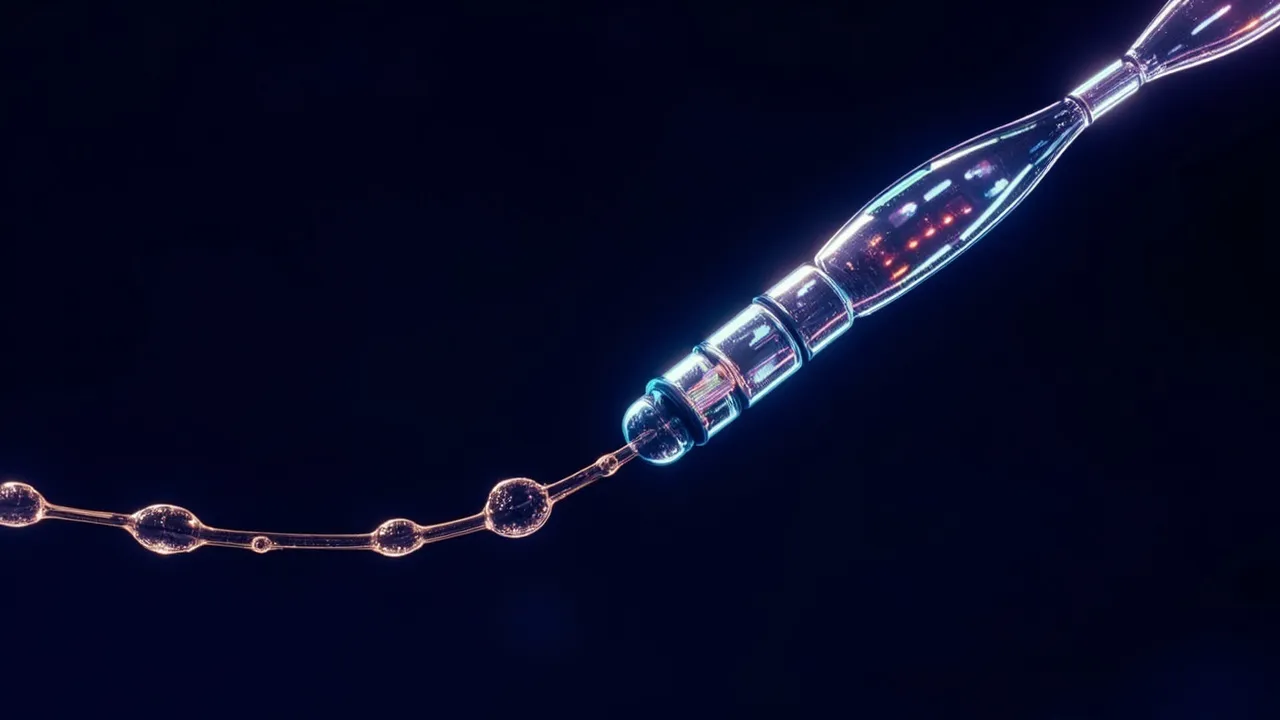
Scientists in Germany have developed two innovative technologies that can actually break down those stubborn "forever chemicals" contaminating our water supplies. One uses collapsing bubbles to create thousands of degrees of heat, while another employs plasma to obliterate PFAS molecules. Here's why this matters so much for the future of clean water.
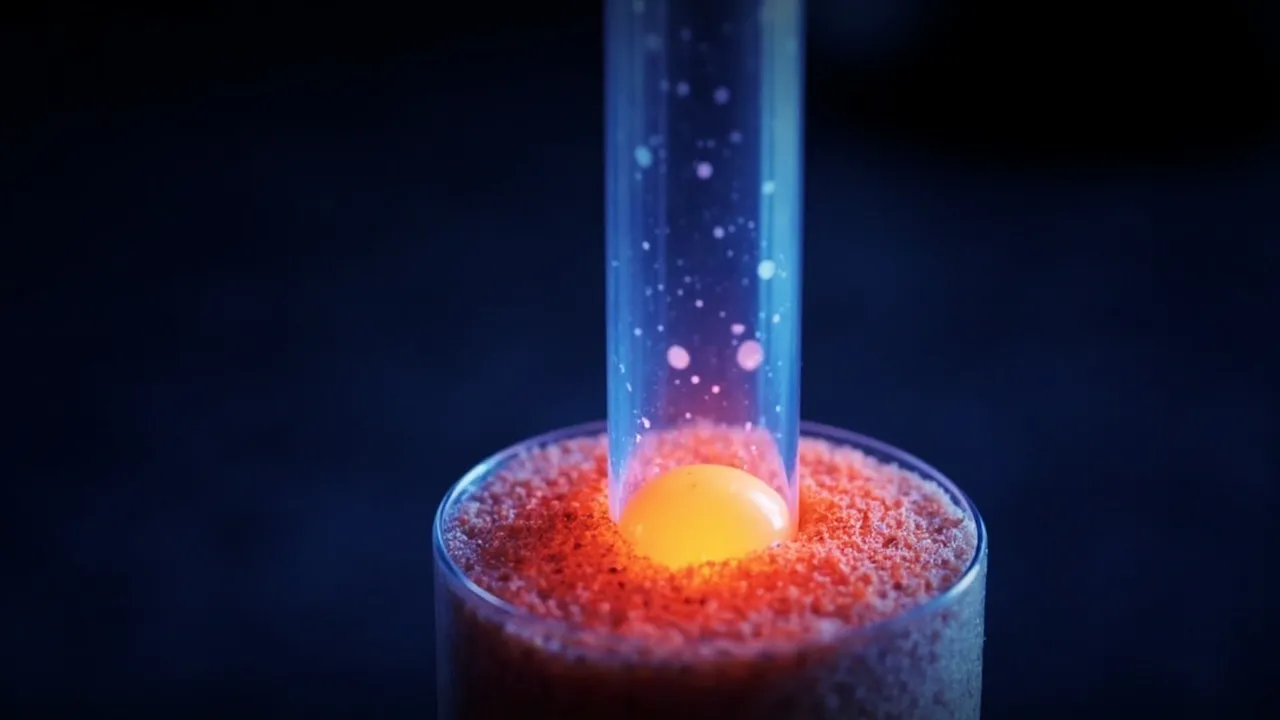
A PhD student in Sydney figured out how to create cosmic dust from scratch inside a glass tube, and this experiment could help us understand how the ingredients for life were formed billions of years before Earth even existed.
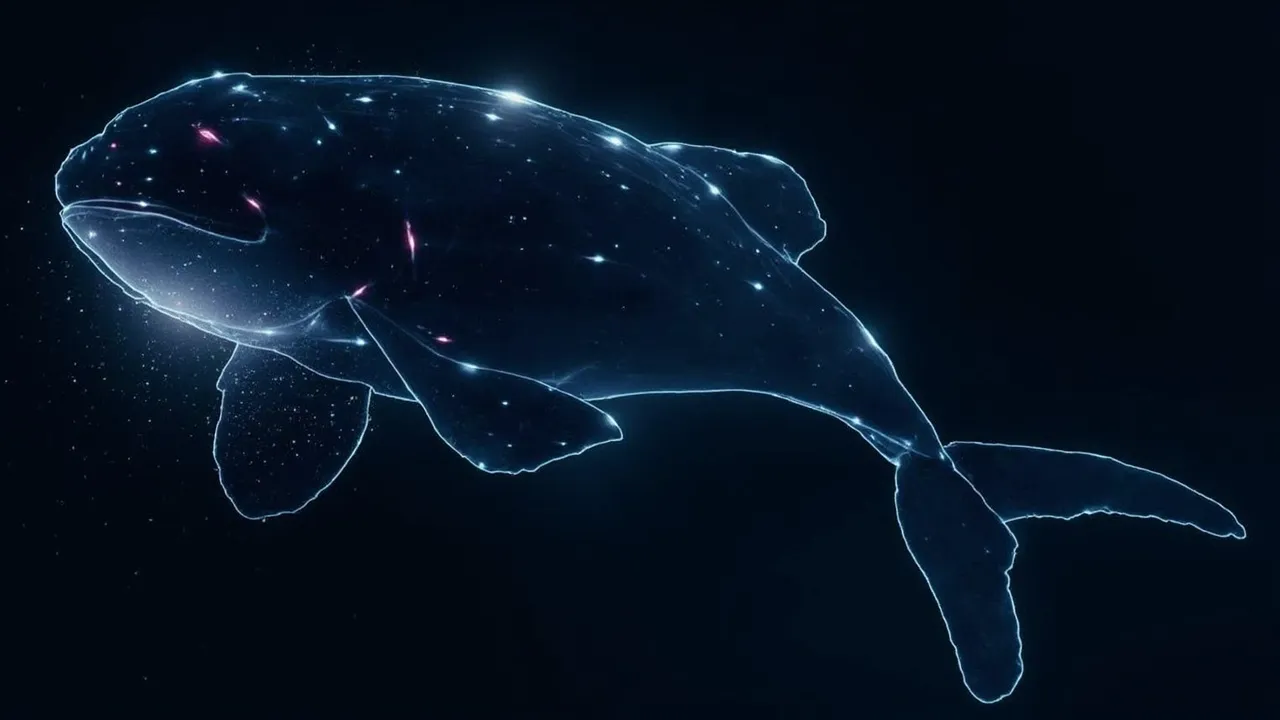
Scientists recently caught orcas on camera performing what might be the wildest hunting technique ever documented—ramming dead sunfish so hard they shatter into thousands of pieces. It's like something you'd see in a nature documentary trying way too hard to be dramatic, except it's real and absolutely fascinating.
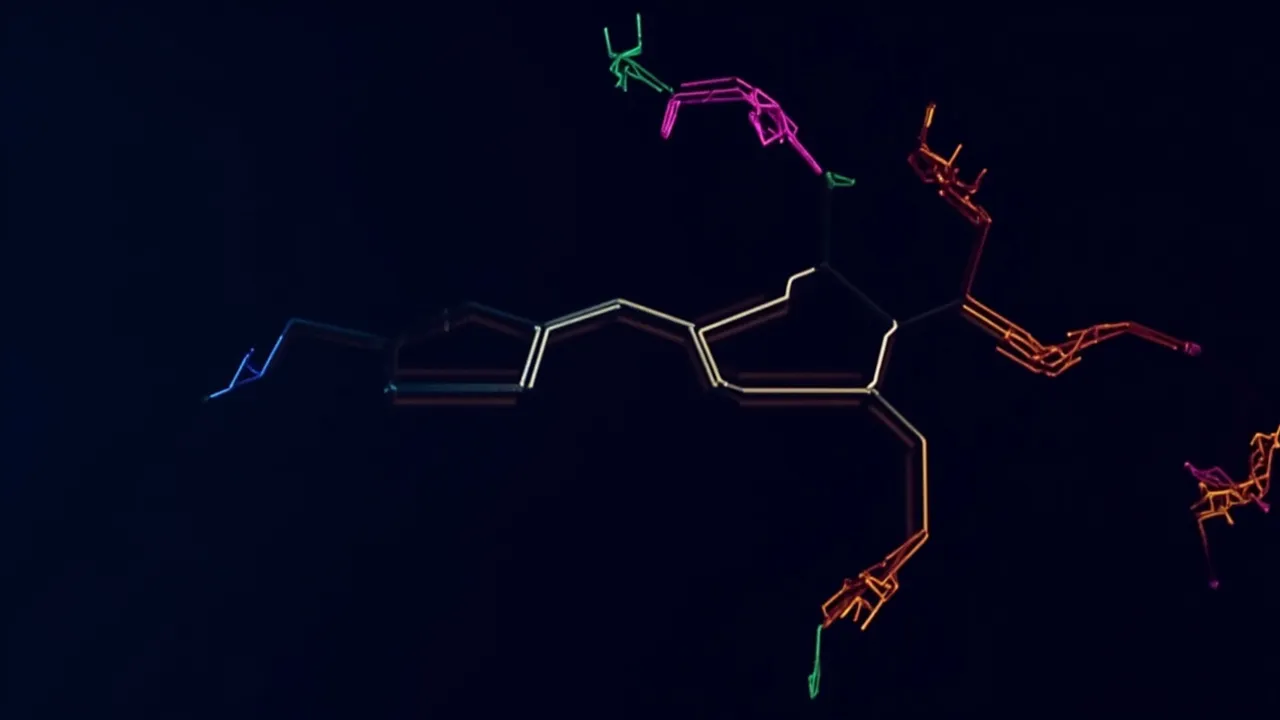
Scientists have found a clever way to revive an antibiotic that superbugs had rendered useless — and the most exciting part? It wasn't even their original goal. A team at Cold Spring Harbor Laboratory stumbled onto this breakthrough while doing basic chemistry research, proving once again that sometimes the biggest discoveries happen when you're not explicitly looking for them.
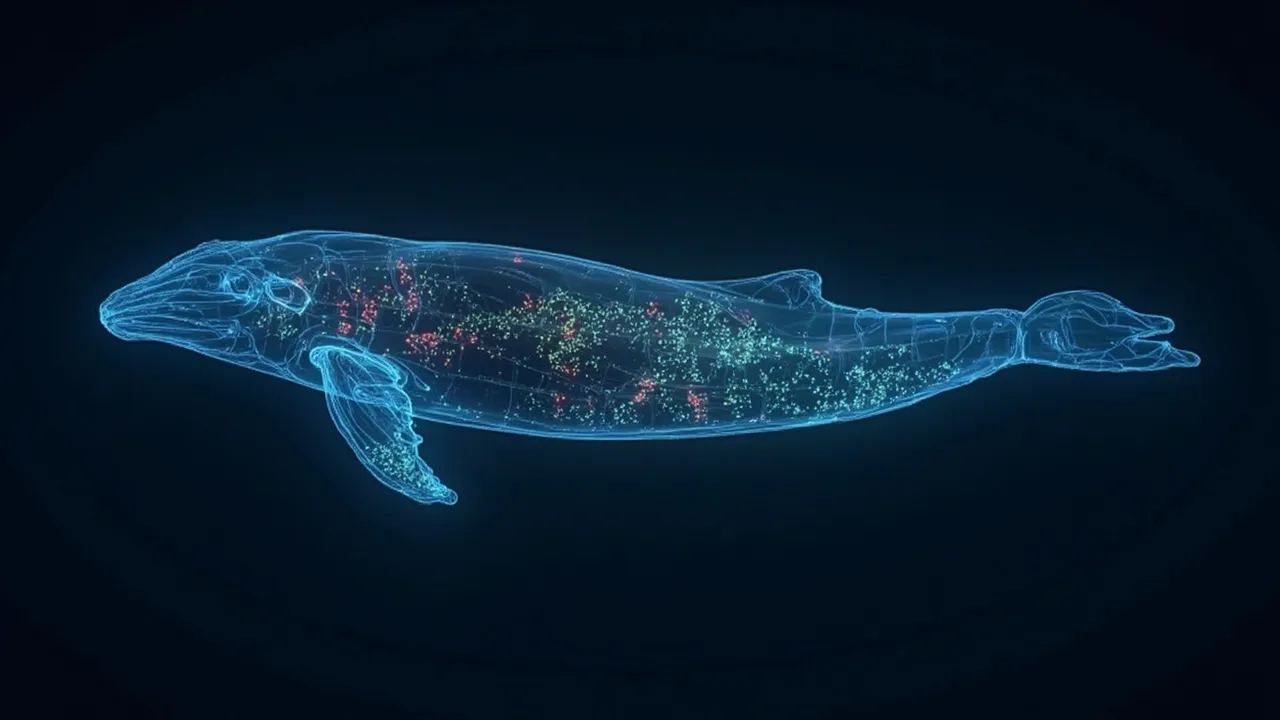
Pygmy sperm whales are so elusive that scientists know almost nothing about them. Now, researchers have discovered three completely new types of stomach bacteria living inside these mysterious creatures — and the findings are raising important questions about whale health, ocean ecosystems, and the hidden diseases lurking beneath the waves.
In a breakthrough that space scientists have been waiting years for, researchers have confirmed that a rocky planet outside our solar system has an atmosphere — the first rocky world in a star's habitable zone proven to hold onto its protective gas layer. This discovery around planet LHS 1140 b brings us one huge step closer to answering whether we're alone in the universe.
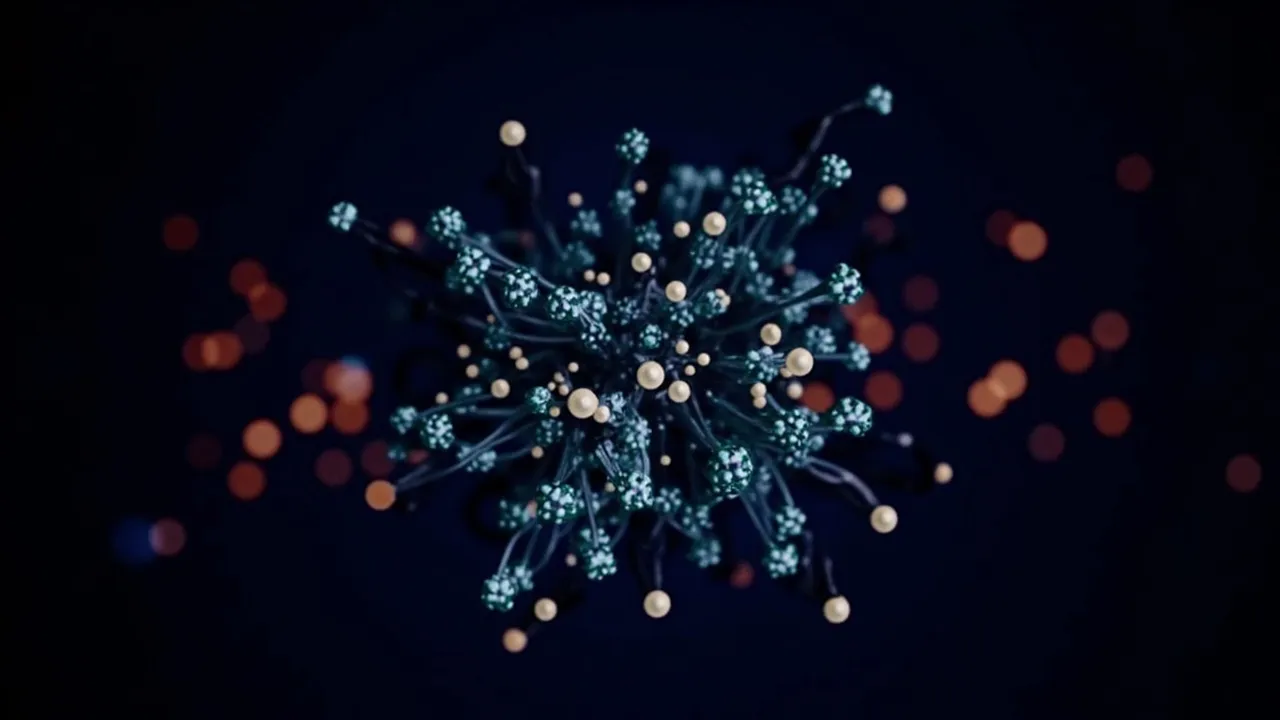
UCLA researchers have engineered a clever fix for one of the biggest reasons people skip sunscreen: the ghostly white residue. Their secret? Tiny four-armed particles that play nice instead of clumping together.
Researchers have uncovered a bizarre quantum trick that makes energy transfer work way better than anyone expected — and get this, it happens at room temperature. The secret? Protons doing the limbo.
Scientists have finally cracked the genetic code of Shimao, one of China's most mysterious ancient settlements—and what they found is both fascinating and deeply unsettling. From family trees spanning centuries to the disturbing truth about sacrificial victims, this research is rewriting our understanding of early Chinese civilization.
Have you ever heard a low buzzing or humming sound that nobody else seems to notice? You're not imagining it, and you're definitely not alone. Researchers have been studying this mysterious phenomenon for decades, and they might finally be getting closer to answers.
A groundbreaking theory suggests gravity might emerge from the fabric of entropy itself, potentially solving one of cosmology's biggest puzzles: how the Universe managed to create galaxies, stars, planets, and eventually life while the second law of thermodynamics tells us everything should be becoming more chaotic.
Scientists in South Korea have built a revolutionary programmable chip that can actually slow down light on command — something that sounds like science fiction but could completely transform how our future computers work.
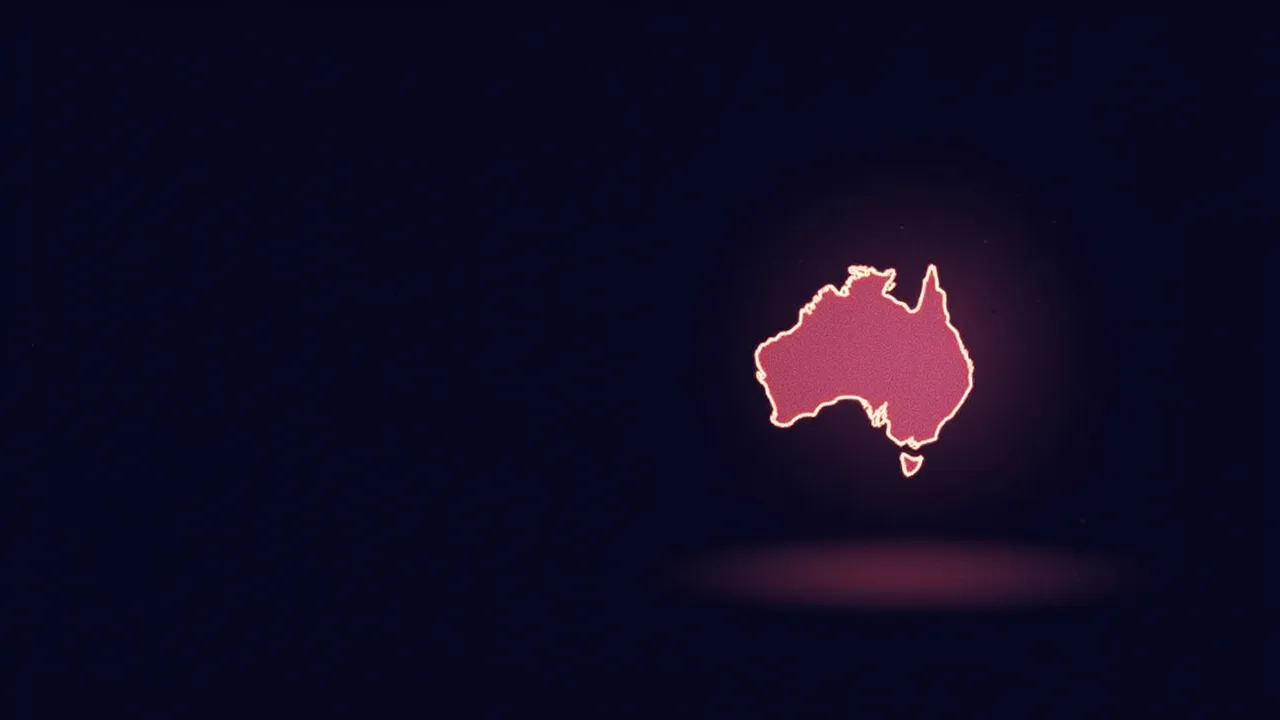
Paleontologists have uncovered evidence of a mysterious ancient marsupial lineage that survived in Australian rainforests for millions of years before vanishing. This discovery suggests our understanding of how Australia's unique animals evolved might be fundamentally incomplete.
China's Chang'e-6 mission just discovered something wild: Earth has been quietly shielding one side of the Moon from the Sun for billions of years. And we didn't even know it was happening until now.
Scientists have discovered that ordinary streetlights are causing thousands of pill bugs to abandon their normal lives and join massive, mesmerizing "death spirals" — and it's all because of one simple geometric quirk of how our lights work. The behavior, observed for the first time in Israel, shows how even the smallest changes to our environment can create traps we never intended.
Imagine being buried with a heavy padlock clamped around your feet and a sickle resting dangerously close to your throat. That's exactly what happened to some folks in 17th-century Poland, and archaeologists are still uncovering these wild anti-vampire burials today. But here's the thing — these weren't crazy people. They had surprisingly logical reasons for their fears.