
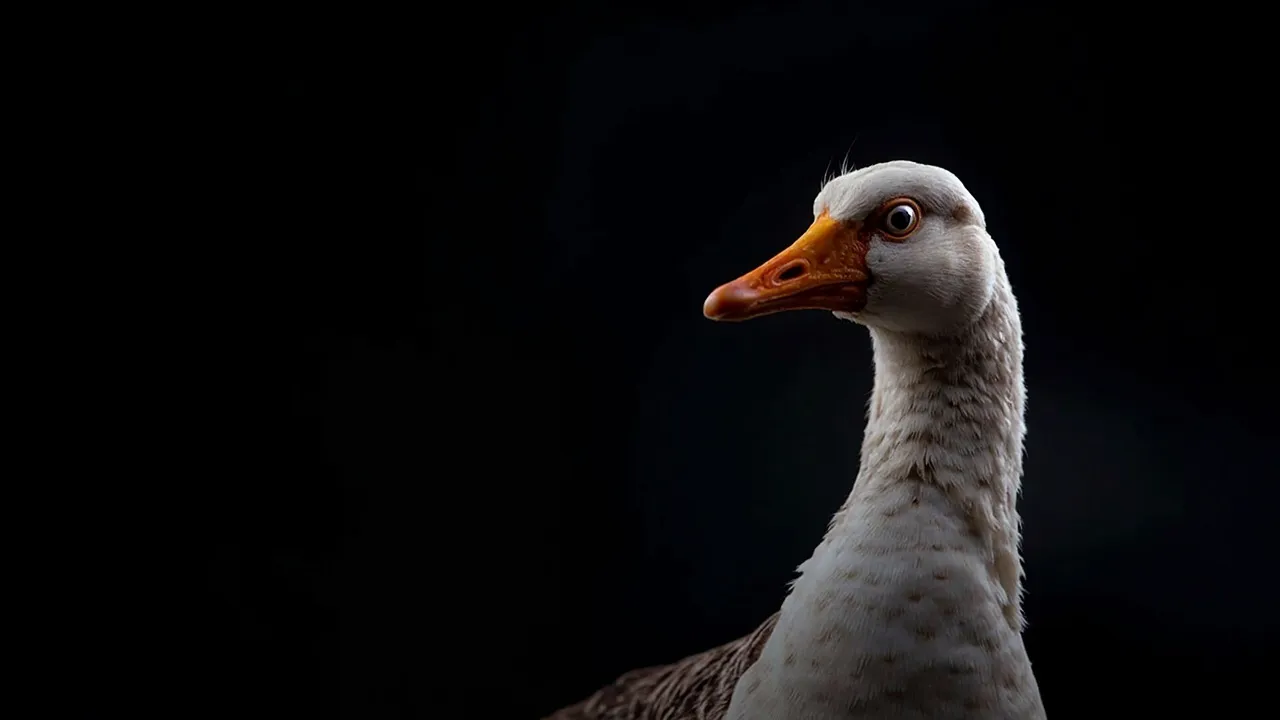
Scientists have uncovered a mysterious fossil goose hiding in plain sight among museum collections, and its story is far more fascinating than anyone expected. This discovery challenges what we thought we knew about how New Zealand's bizarre and wonderful birds came to exist.
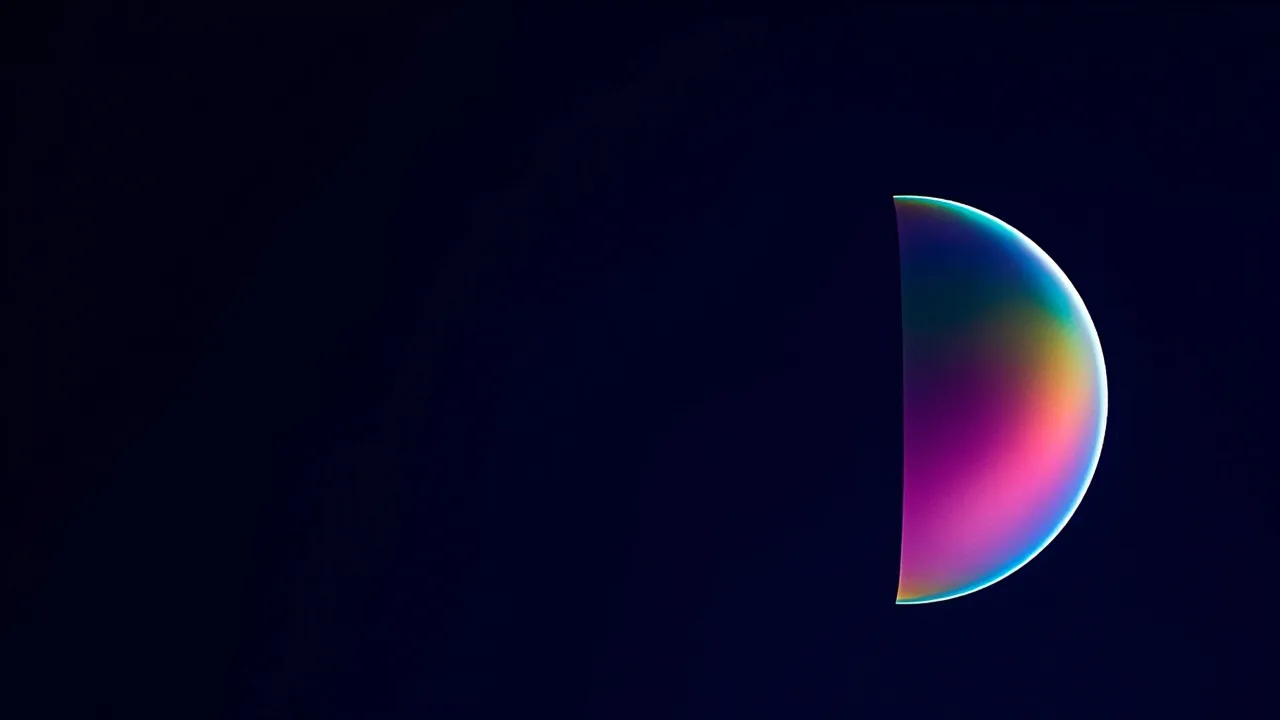
Scientists have discovered that adding nano-sized bubbles to ink gives us crazy control over how droplets dry — no chemicals required. It's a game-changer for printing microchips, sensors, and other tiny tech.
Researchers have discovered that applying an electric field to certain ceramics can dramatically boost how quickly heat moves through the material — nearly tripling its efficiency. This surprising finding could revolutionize how we cool electronics, capture waste heat, and design more efficient energy systems.
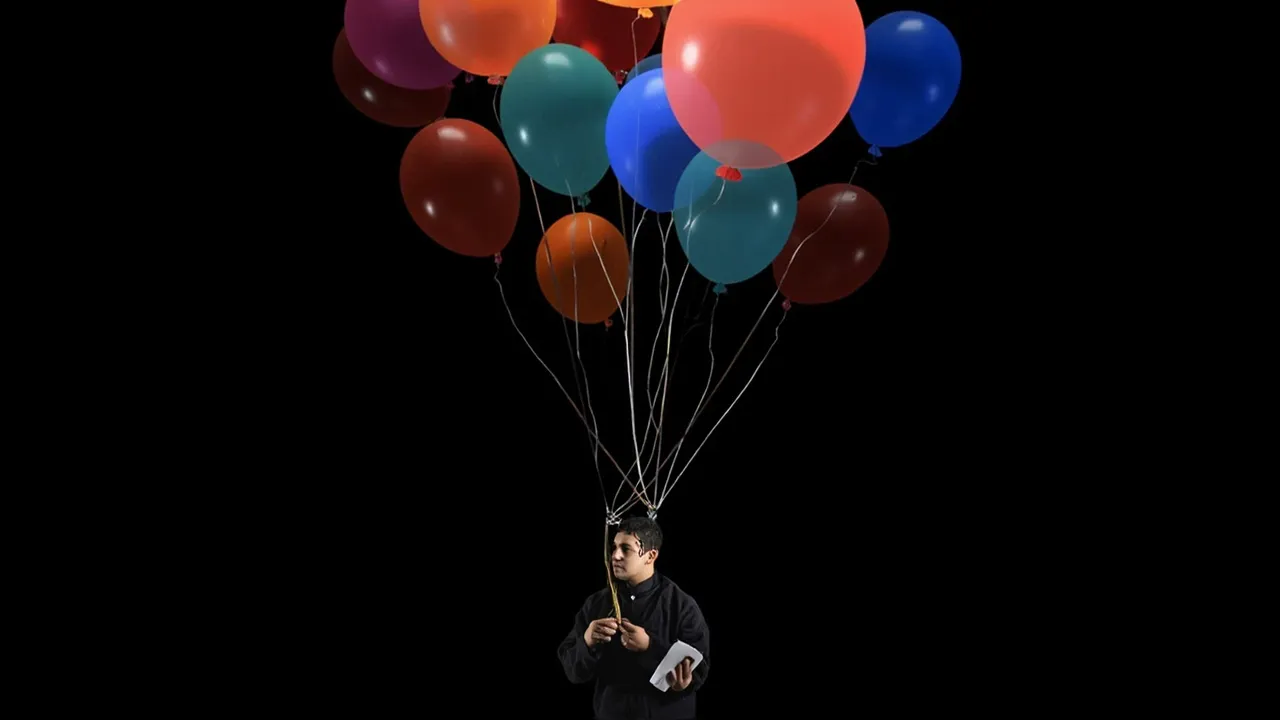
In 2008, a Brazilian priest named Adelir Antônio de Carli decided to raise money for truck drivers by strapping himself to 1,000 party balloons and flying across the sky. What could possibly go wrong? Let me tell you about this wild, heartbreaking story that still makes me shake my head in disbelief.

After nearly nine decades of speculation, a research team believes they've uncovered a long-overlooked clue that might finally explain what happened to Amelia Earhart and her Lockheed Electra. This isn't the first time we've heard exciting claims, but something about this new evidence feels different — and it might have been hiding in plain sight all along.
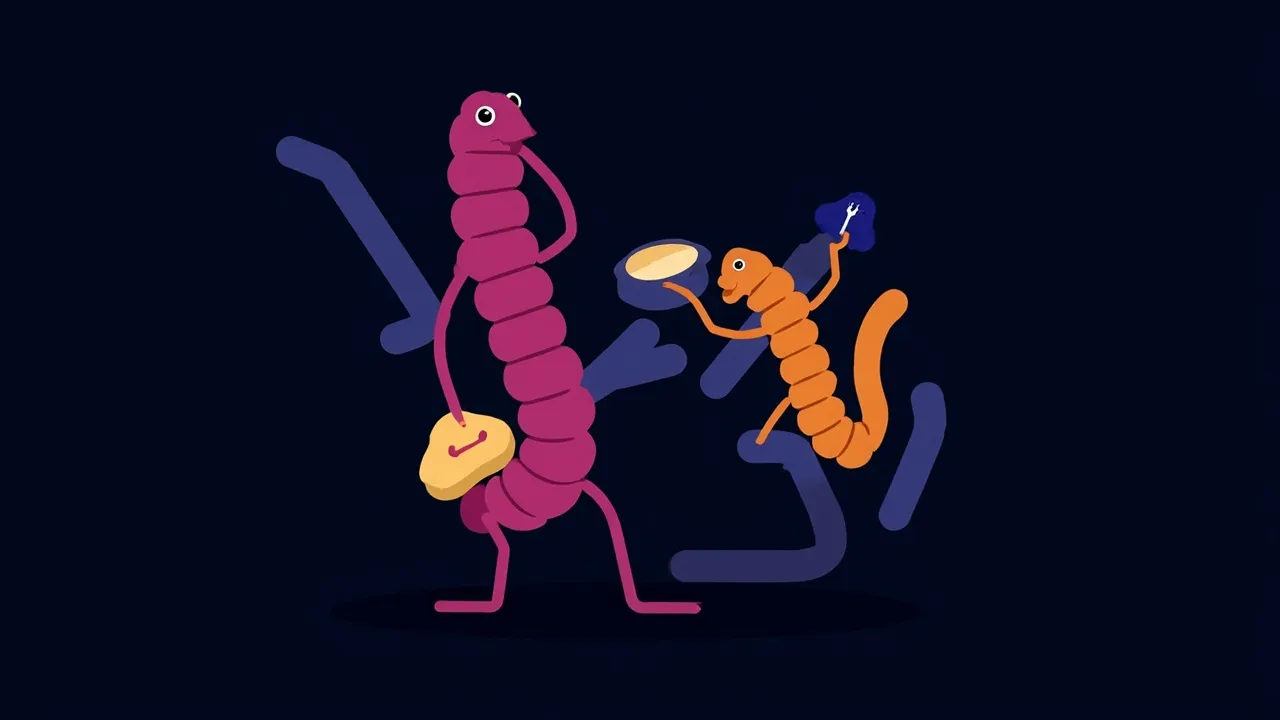
Here's a head-scratcher: scientists have discovered that the anti-inflammatory benefits of intestinal worms depend entirely on one unexpected ingredient—fiber. Without enough of it, these little helpers basically hit the snooze button and stop doing their job. Let me explain why this matters for your health.

Scientists have discovered something fascinating about trees that could change how we think about forests and climate change. It turns out trees keep absorbing carbon dioxide long after they've stopped growing taller, which means our climate models might be overestimating how much carbon forests can actually lock away. I found this absolutely mind-blowing, and I think you will too.
Scientists have finally unlocked one of nature's best-kept secrets: how bacteria manufacture multiple versions of powerful cancer-fighting drugs. This breakthrough discovery, hiding in plain sight inside microscopic organisms, could transform how we develop new treatments for cancers that desperately need better options.
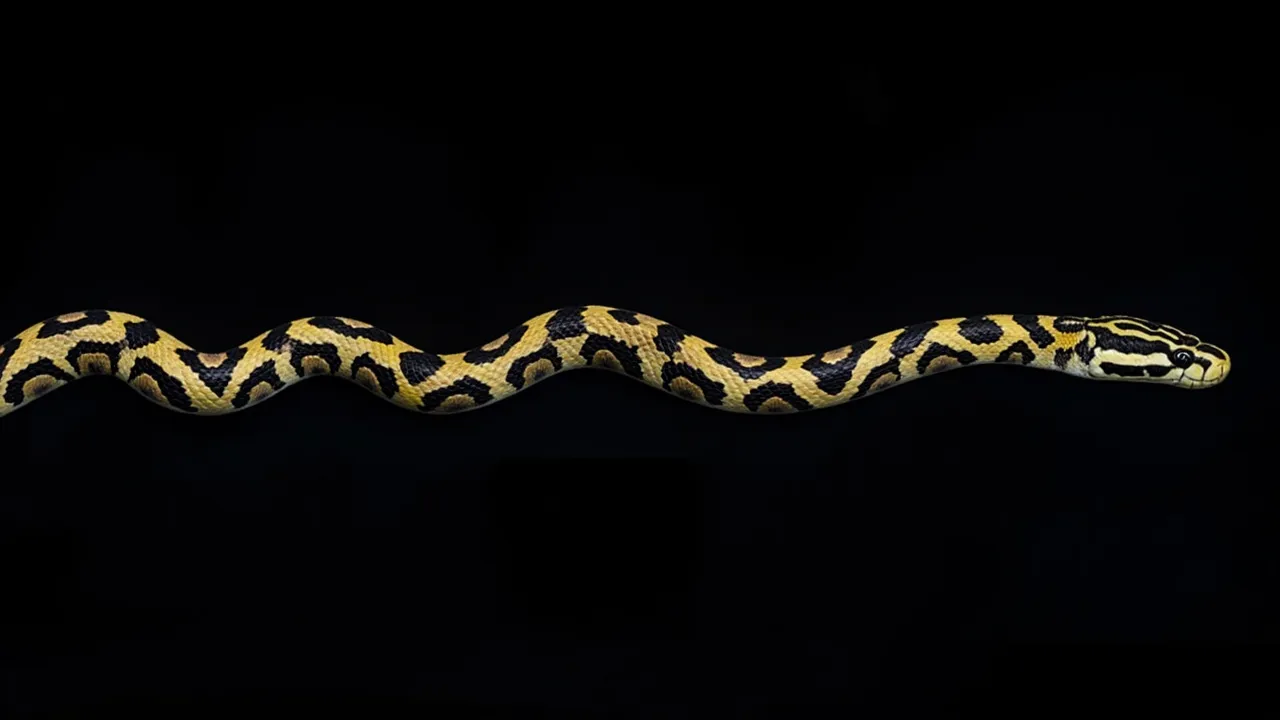
New research finally puts to rest one of the most persistent and dangerous myths about rattlesnakes—and the truth might surprise you. Spoiler: it's the grown-ups you really need to worry about.
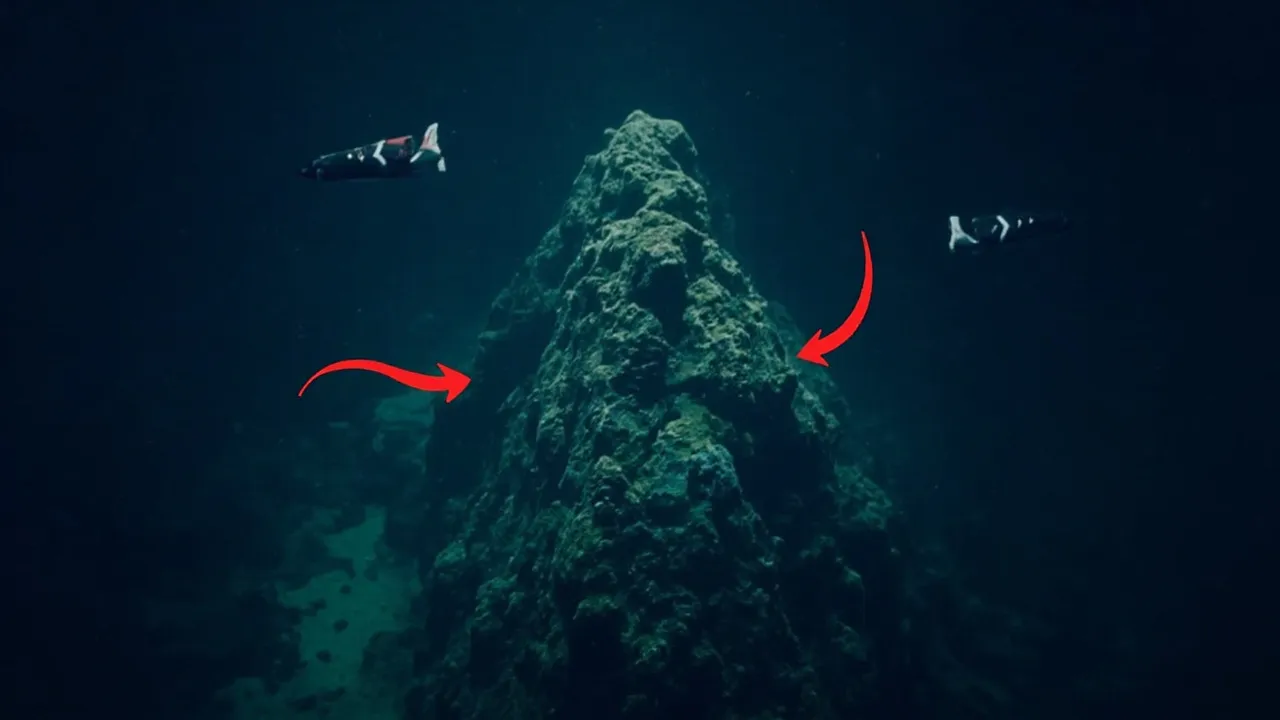
Thirty-five years ago, a Japanese diving instructor stumbled upon something extraordinary off the coast of a tiny island near Taiwan. What he found could be either a lost pyramid built by an ancient civilization—or just really, really weird rocks. Either way, it's absolutely fascinating.
In 1968, a simple fishing trip turned into one of the ocean's most puzzling mysteries. Four men set sail from the Canary Islands and somehow ended up drifting 1,800 miles away, with only one decomposed body, a mysterious notebook, and absolutely no explanation for why they refused help when it was offered.
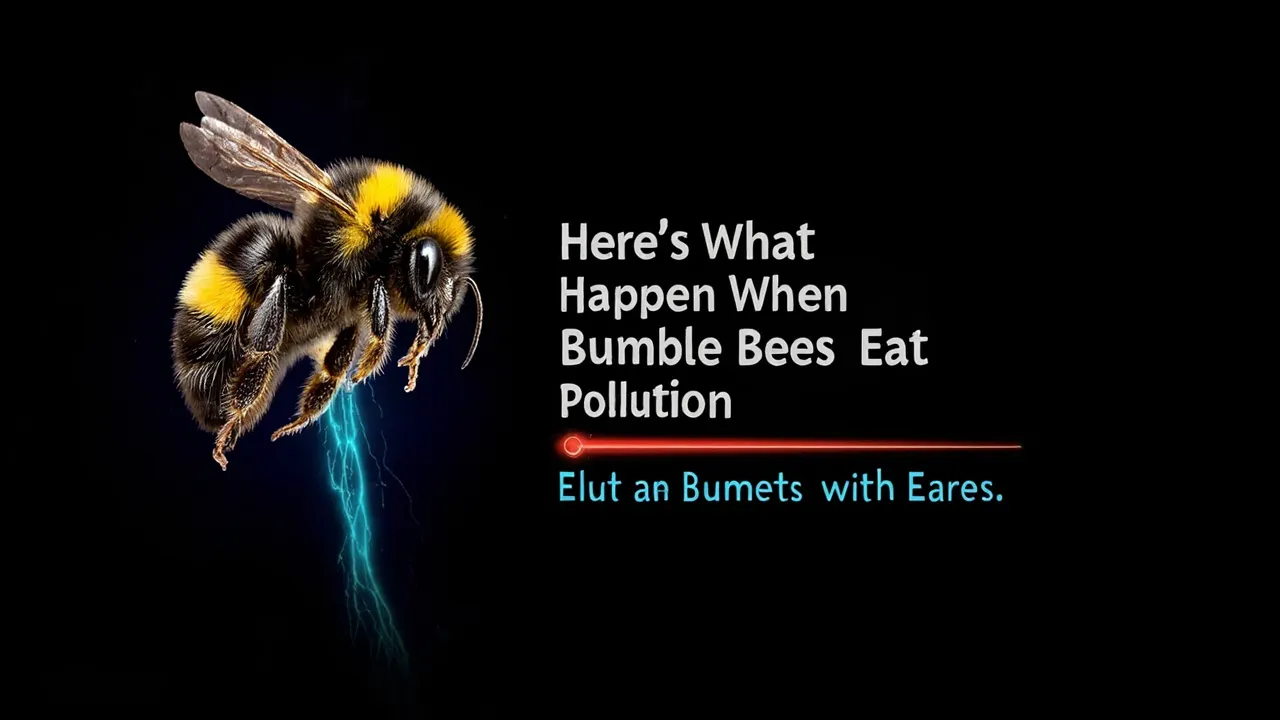
Bumblebees might be cuter and fuzzier than their honeybee cousins, but new research reveals they could be paying a heavy price for that extra fluffiness. Scientists have discovered these charming garden visitors are accumulating up to seven times more toxic heavy metals than honeybees—even when they're buzzing through the same flowers just a few feet away. It's a troubling finding that makes me think twice about what our gardens might really be feeding these little pollinators.

We're living in an incredible era of space exploration, but there's a dirty secret hiding in all those rocket launches. Scientists are warning that the soot from our growing launch cadence might be triggering an accidental geoengineering experiment—one that's already changing Earth's upper atmosphere in ways we're only beginning to understand.
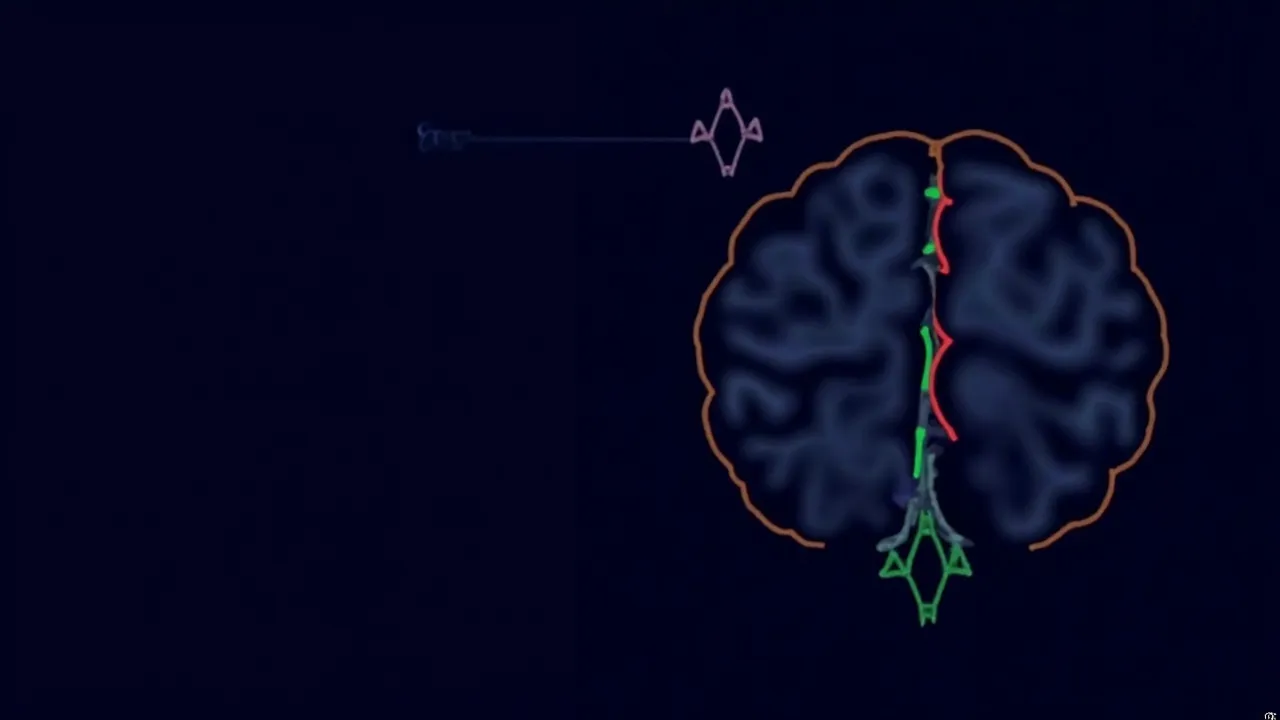
Researchers have uncovered a fascinating clue about why roughly one in three people with Alzheimer's pathology never develop symptoms—and it's not what they expected.

Ever wonder why your grandmother's gold ring still looks brand new after 50 years while your silver bracelet turns black after a month? Scientists at Tulane University just cracked the case, and trust me, the answer is way more fascinating than you'd expect. It's not just about gold being "chemically lazy" — it's about tiny atoms doing a protective dance that puts our best engineering to shame.
You've probably heard of creatine as that supplement your gym-obsessed friend takes to bulk up. But scientists at UCLA just discovered it might do something way more exciting than building biceps — it could help your immune system hunt down cancer cells. Let me break down what they found and why it has researchers genuinely excited.
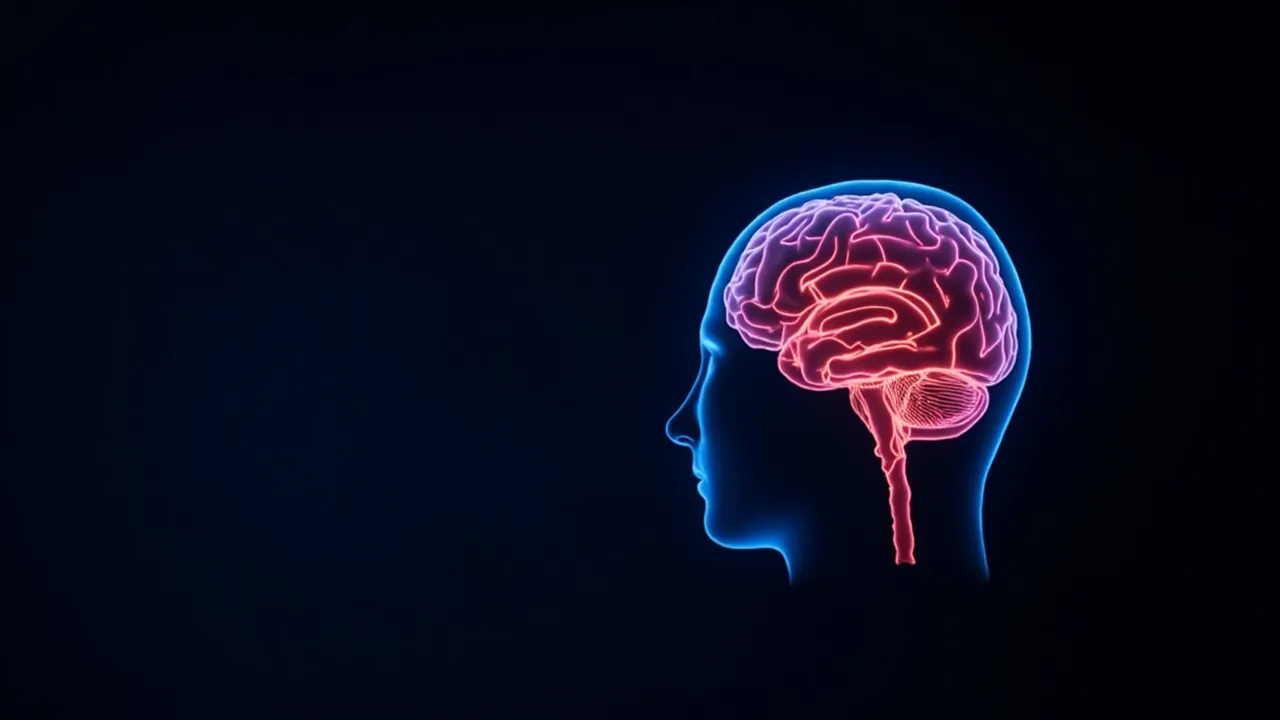
Researchers at Yale may have discovered how the protein behind Parkinson's disease moves from neuron to neuron. It's a finding that could change how we treat this devastating condition—and maybe, just maybe, slow it down.
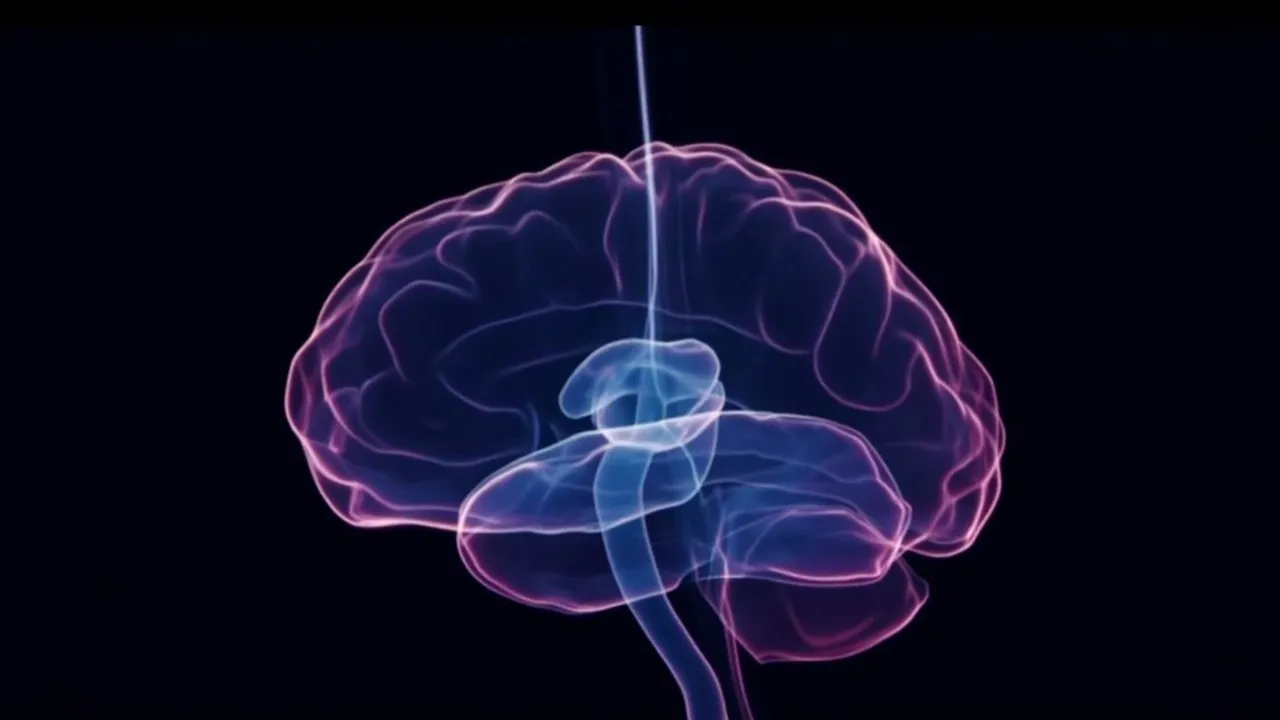
Scientists have developed a revolutionary new MRI antenna using metamaterials that produces sharper images in less time—and the best part? It works with existing machines, not just brand-new ones.
Scientists have discovered that an old, inexpensive blood pressure medication might make a powerful class of cancer drugs work for many more patients than they currently do. The findings have already sparked real-world trials, and early results are turning heads in the oncology world.

Scientists have developed an oral weight-loss medication that outperforms current oral options in clinical trials, and it might just solve some of the biggest problems holding back these drugs from reaching millions of people who need them.