


Scientists have discovered that the fault system beneath Southern California is more stressed than it's been in over a thousand years. At a mysterious junction called Cajon Pass, researchers have identified what they're calling an "earthquake gate" — a geological chokepoint that could determine whether the next big quake stays contained or tears through two major fault lines at once. Here's what you need to know about this unsettling discovery.
Researchers have uncovered a striking pattern that might finally explain why such different illnesses — from long Covid to rheumatoid arthritis to PTSD — all produce that same crushing fatigue. The answer isn't in our genes themselves, but in how they're organized inside our cells.
Here's something that might blow your mind: the empty space around you isn't actually empty at all. Scientists just discovered they can use this "nothing" to make materials superconduct electricity even better. It's like finding out your empty parking spot has been secretly helping you parallel park.
Scientists have discovered that a single oxygen atom difference between RNA and DNA could explain how early RNA molecules formed protective droplets billions of years ago—potentially solving one of biology's oldest chicken-and-egg problems.
Deep inside lunar soil brought back by China's Chang'e-6 mission, scientists discovered something unexpected: a rare form of iron that acts like a tiny magnetic recorder, preserving clues about the Moon's ancient past. This finding could change everything we thought we knew about how our Moon lost its protective magnetic field billions of years ago.
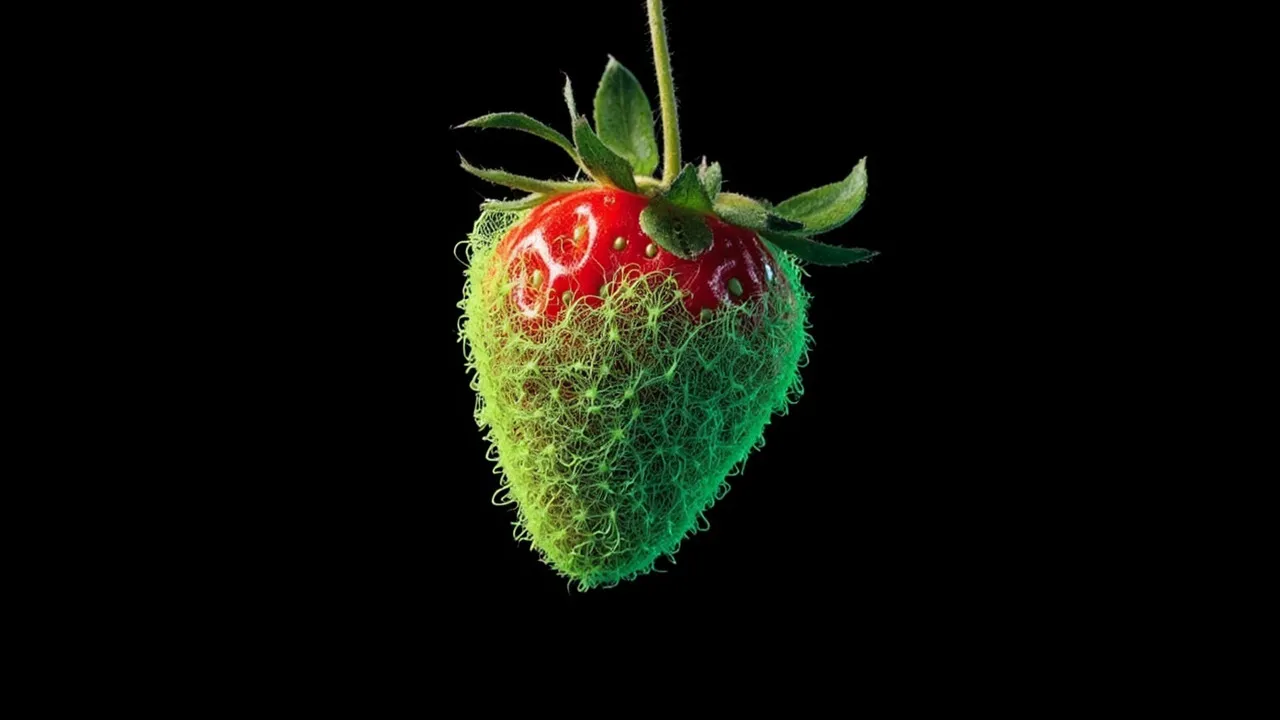
Scientists have created a fabric that can triple strawberry yields while reducing the need for pesticides—and it came from an unexpected place: military research. Here's why this breakthrough has farmers and researchers so excited.
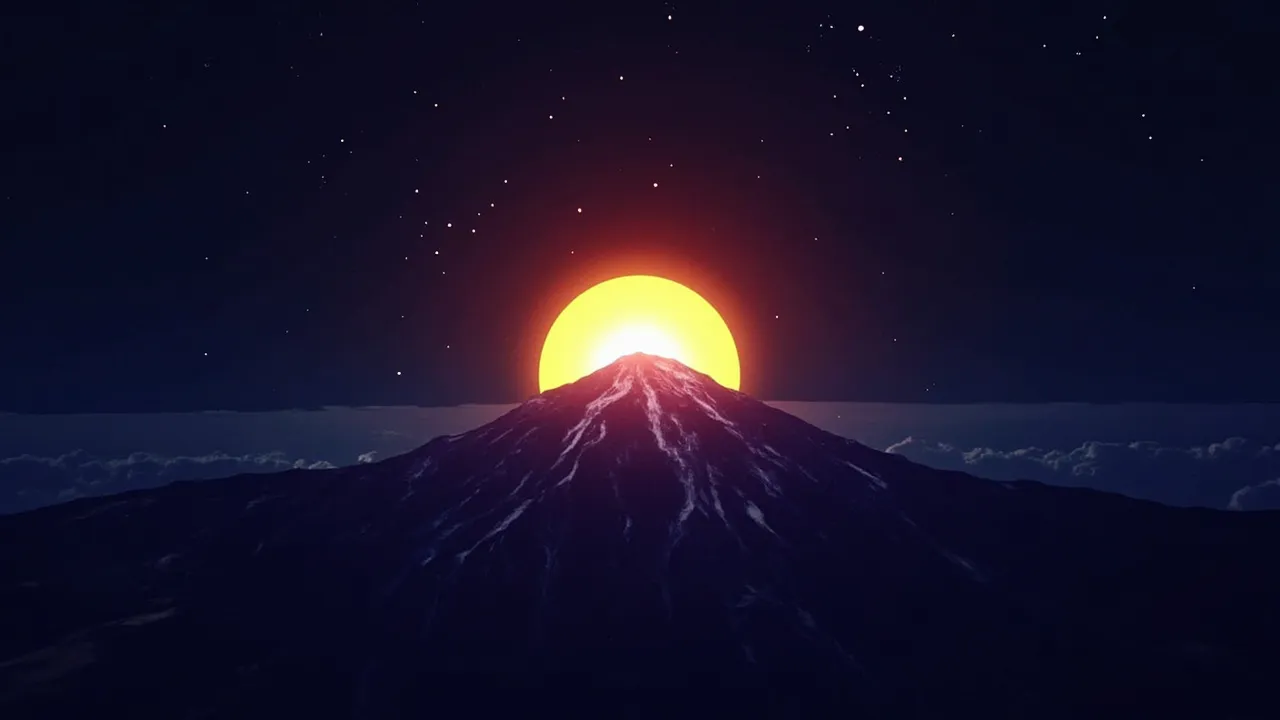
North Korea detonated its largest nuclear bomb in 2017, and the mountain where it was tested has been shaking ever since. Scientists now believe the blast didn't just cause immediate damage—it may have permanently awakened sleeping fault lines underground.
Imagine discovering a library written in a language nobody on Earth can read. That's exactly what happened on Easter Island with Rongorongo — and now, new evidence suggests this mysterious script might be far older than anyone imagined. Here's why this matters, and why I find this absolutely fascinating.
Ever wake up from a night of vivid dreams feeling absolutely wrecked, even though you were technically resting the whole time? Researchers have discovered something fascinating about what's actually happening in your brain during those intense dream sequences — and it might explain why sleep can sometimes feel more exhausting than a workout.
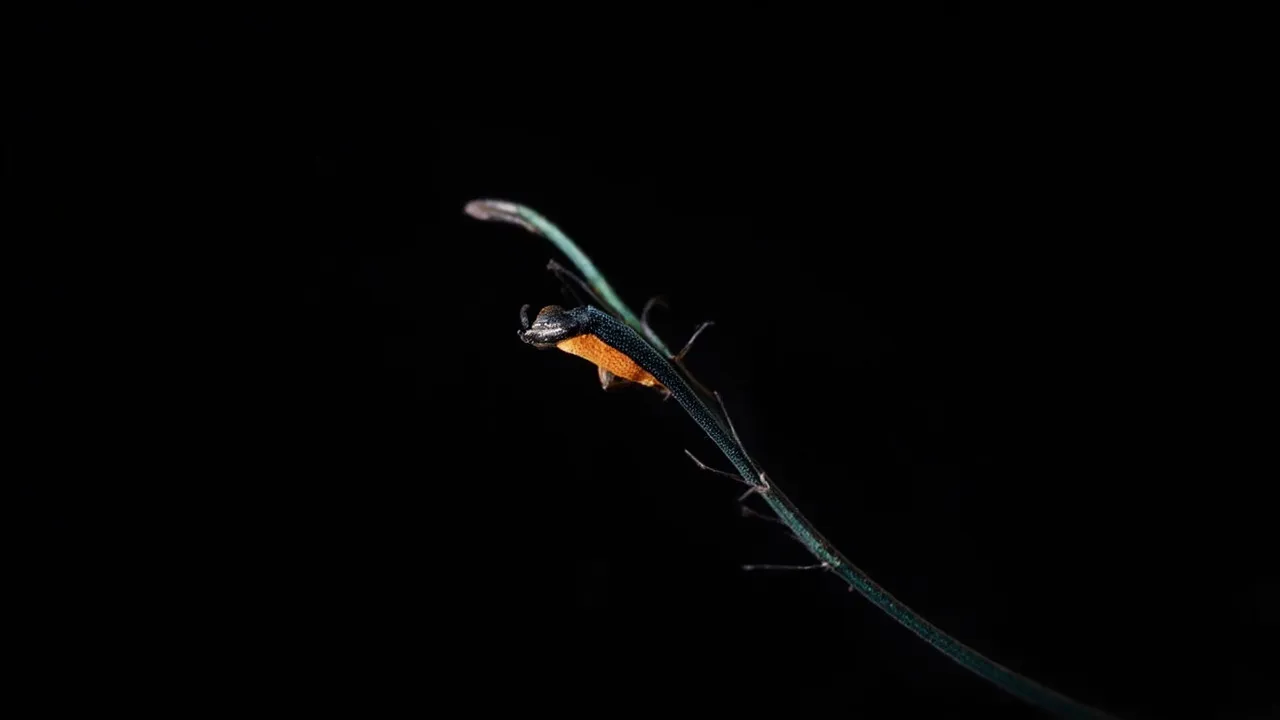
What happens when the same stick insect has been hiding in plain sight for decades, confusing experts and tricking citizen scientists alike? Spoiler: It turns out we were all looking at not two, not three, but FIVE different species. And one of them lays eggs with a built-in lid. Yeah, I didn't see that coming either.
Beneath your feet, about 3,000 miles down, something strange is happening. The inner core of our planet has been doing its own thing—spinning at its own pace, tugging at the layers above it, and making our days vary by tiny milliseconds. Scientists have finally figured out how this cosmic dance works, and honestly, it's blowing my mind.

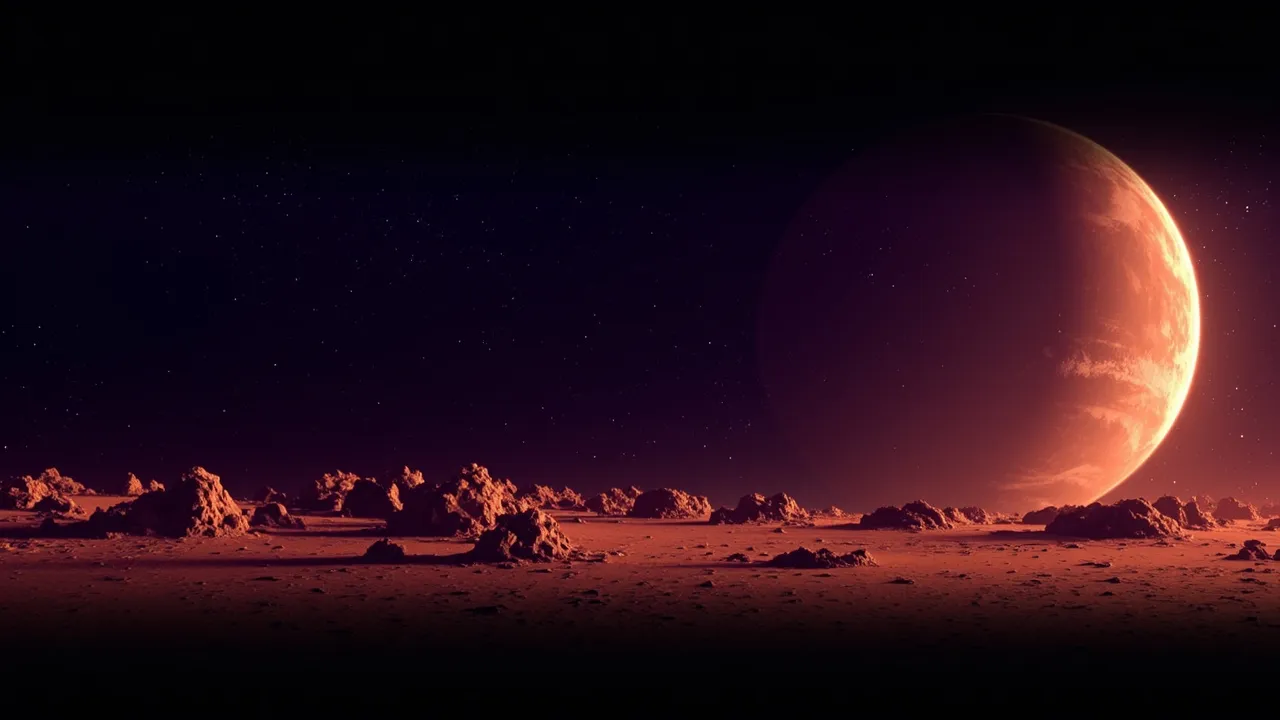
NASA's Perseverance rover just uncovered one of the most surprising geological stories on Mars yet—and it turns out the Red Planet's watery past is way more complicated than anyone imagined. Instead of the simple ancient lake scientists expected, the rover discovered evidence of not one, not two, but three separate encounters with water, each one leaving its own distinct fingerprint on the rocks.
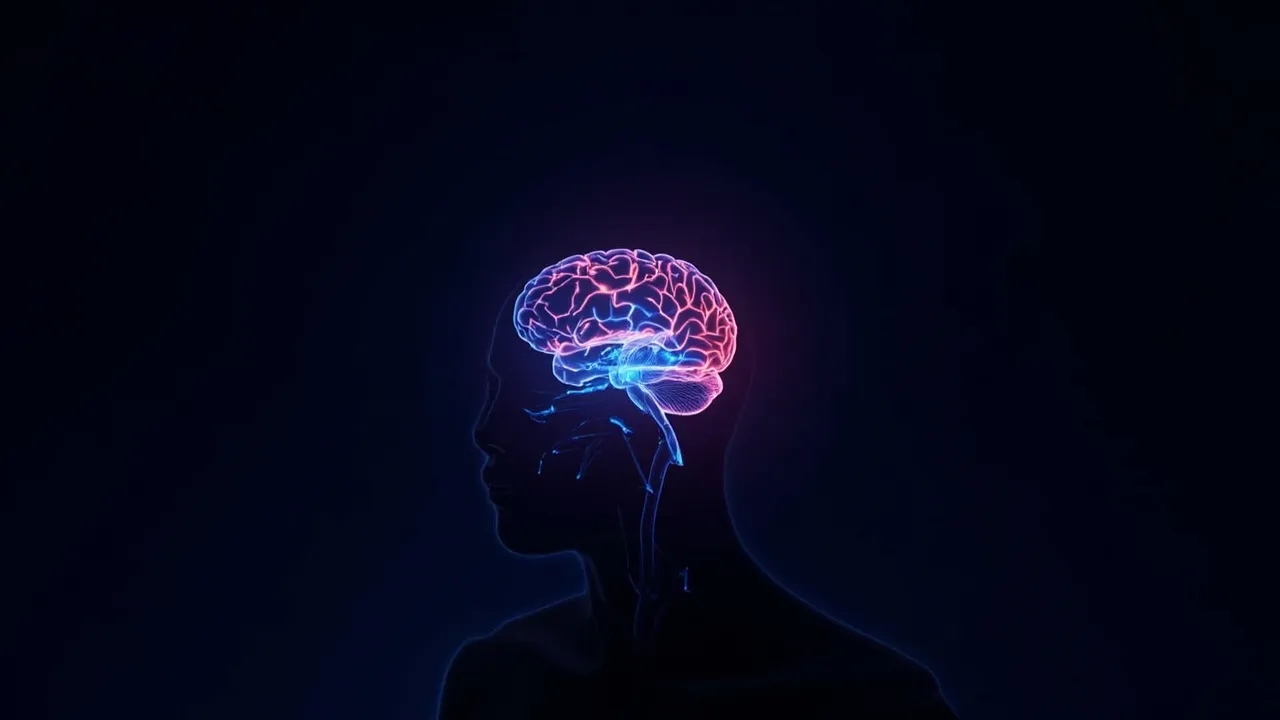
Researchers at the Weizmann Institute have created an AI system called Brain-IT that can reconstruct images from your brain scans with eerie accuracy. The technology could one day help people who can't speak communicate, and honestly? It's both fascinating and slightly terrifying.
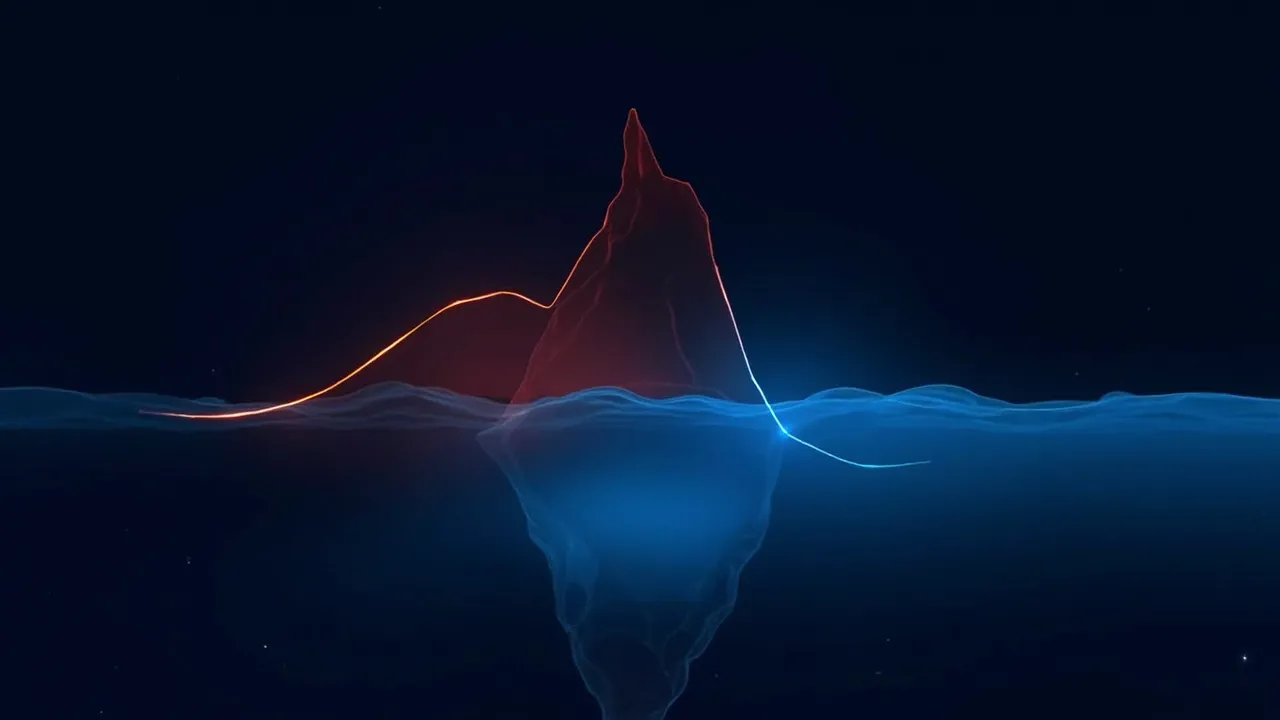
Scientists have discovered that the marine heatwaves we hear about on the news are actually just the tip of the iceberg—or more accurately, just a small part of a much longer warm-up period. It turns out our oceans are experiencing way more heat stress than we ever realized, and this could change everything about how we study and protect marine life.
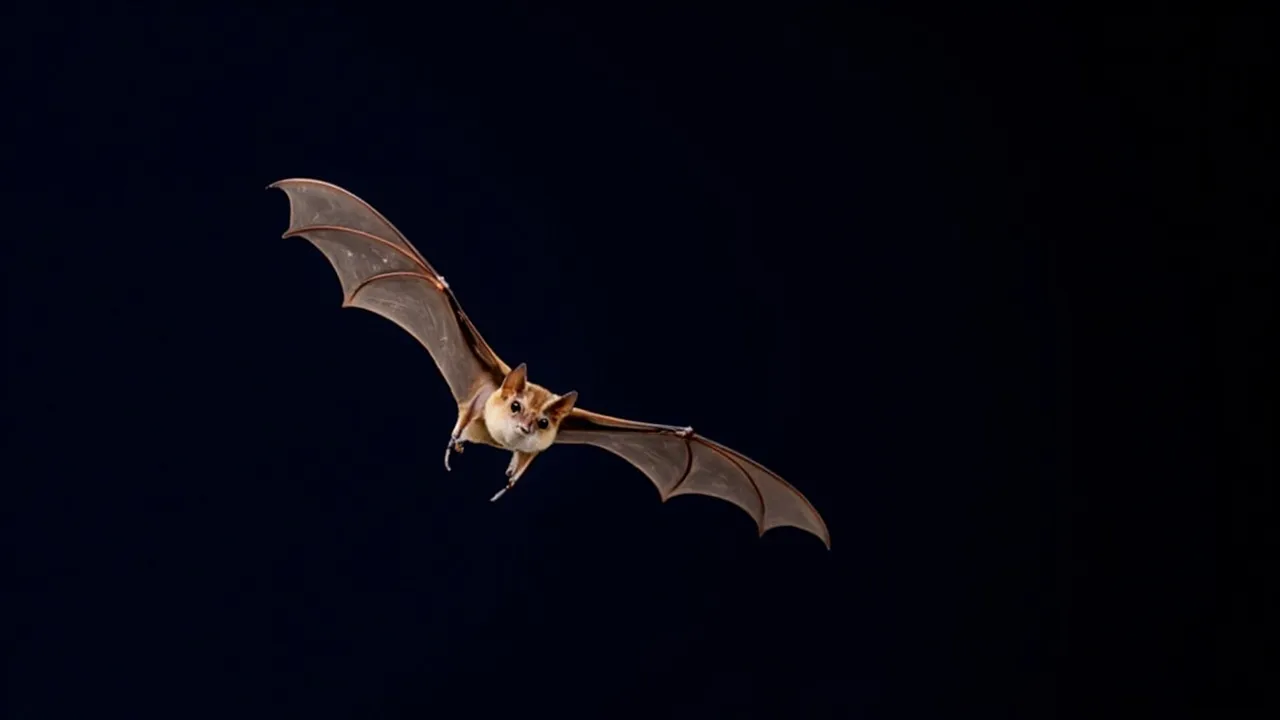
New genetic research reveals that bats—the only true flying mammals on Earth—likely evolved in Europe millions of years ago, not Africa or Asia as previously thought. Scientists have created the most complete picture of bat evolution ever, and honestly, what they found is absolutely fascinating.
UCLA researchers have built an AI system that uses light itself to detect deepfakes with nearly 98% accuracy — and here's the really wild part: it can analyze 15 videos simultaneously instead of one by one.
Your calendar says 24 hours, but Mother Earth has other ideas. Deep inside our planet, a hidden dance between the core and mantle is constantly nudging the length of our days — and scientists just figured out how it works.

Construction workers laying a pipeline stumbled upon something extraordinary in the Bay of Greifswald, Germany—an ancient shipwreck from the 1600s. Now researchers are piecing together its story from scattered artifacts, including one particularly puzzling object that has even the experts scratching their heads.