
Researchers at Scripps Research have discovered a molecular mechanism that acts like a stuck light switch in the brain, driving the inflammation seen in Alzheimer's disease. The exciting part? They found a way to flip that switch off — and it protected the crucial connections between brain cells in their experiments.
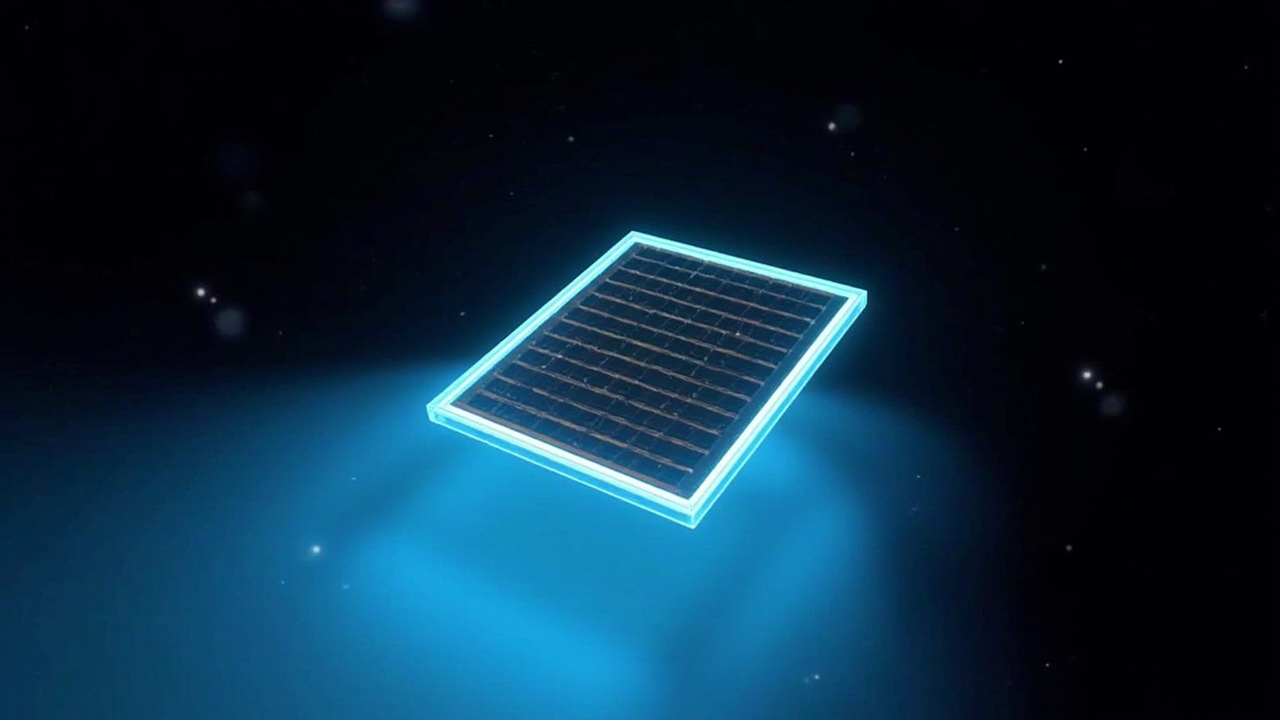
Billions of people worldwide still lack access to clean drinking water, but researchers at the University of Rochester have developed a game-changing solution using nothing more than sunlight and some seriously clever laser technology. Their new desalination system produces fresh water from the ocean while actually collecting valuable minerals instead of creating environmentally harmful brine.
Scientists have created a tiny, clever device that could finally make it practical to detect a tricky type of radiation called terahertz waves. Using a quantum trick and a specially designed surface, they've built a detector that's 20 times more sensitive than anything that came before it — and it might even work without needing to be supercooled.
Scientists just discovered something remarkable hiding inside our own eyes—our bodies have a secret weapon for fighting vision loss, and it turns out our gender might determine how well it works.

What if everything you see, touch, and experience is nothing more than a carefully designed user interface—not reality itself? A cognitive scientist named Donald Hoffman thinks this might be exactly what's happening, and his reasoning will make you question everything you thought you knew about the nature of existence.

Archaeologists in France just uncovered something chilling beneath a modern park site—a 16th-century gallows with the remains of at least 32 people buried alongside it. The discovery is rewriting what we know about how cities treated the "undeserving dead."
When construction workers broke ground on a California high school renovation, they expected dust, debris, and maybe some old pipes. Instead, they uncovered millions of fossils from an ancient ocean that existed 9 million years ago — right underneath the students' feet.
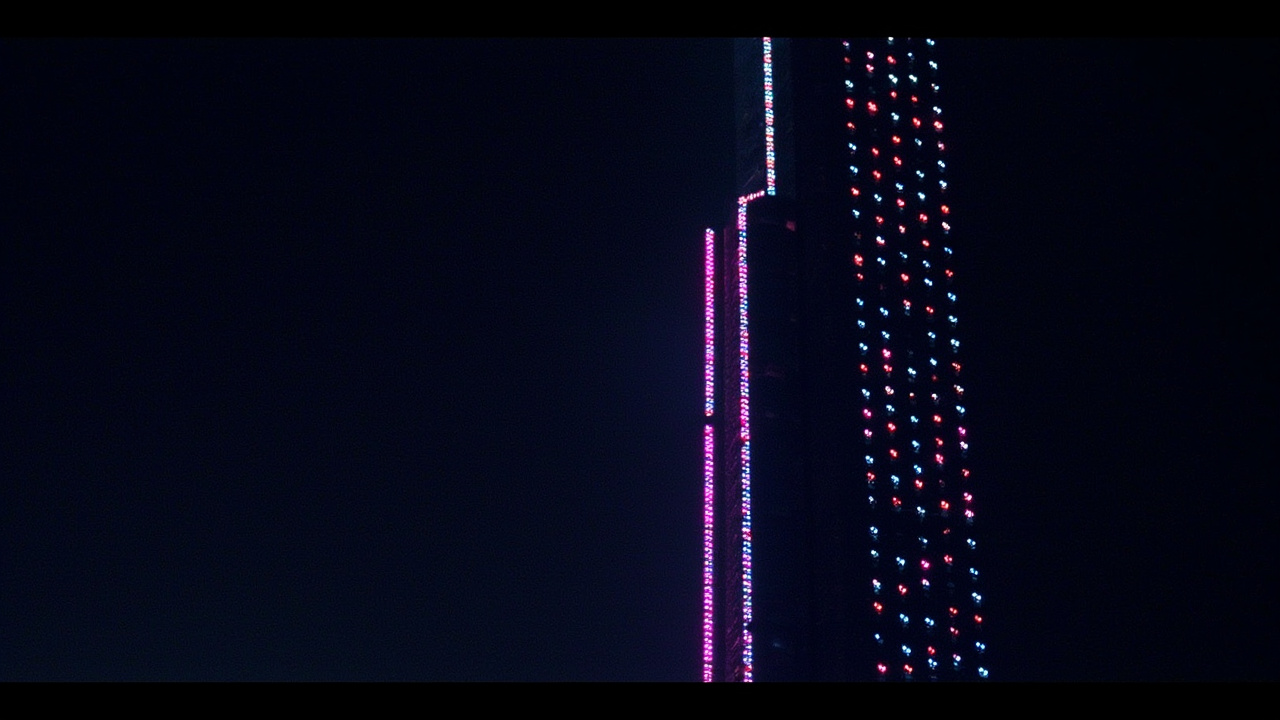
When Alex Honnold climbed Taipei 101 without ropes, the world held its breath. But behind every death-defying headline lies a sport built on razor-thin margins—where one lost moment of focus means everything ends. Here's what we can learn from the climbers who pushed too far.
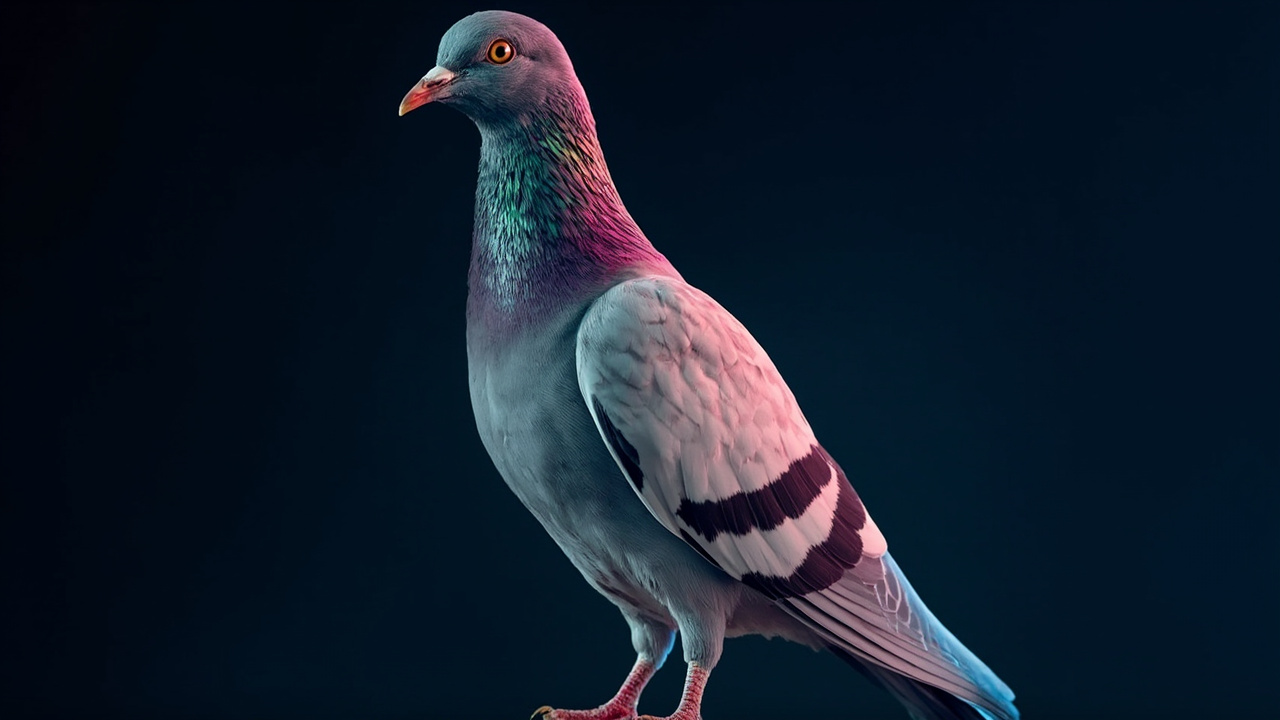
Scientists have discovered that pigeons might be using immune cells in their livers as built-in GPS systems, detecting Earth's magnetic field through iron-rich macrophages. When they removed these cells, pigeons got completely lost on cloudy days, but navigated fine when the sun was out.
New research reveals that intermittent fasting doesn't just shrink your waistline—it fundamentally rewires the conversation between your gut and your brain in ways that could make long-term weight management actually achievable.
Scientists just discovered something that might reshape how we understand type 2 diabetes — and it involves humble fish oil supplements. A Brazilian research team found that omega-3 fatty acids helped reduce insulin resistance in rats that weren't even overweight. If you're one of the millions担心血糖问题的人, this research might give you something new to think about.
A Harvard scientist named David Sinclair has a theory that aging isn't about our DNA wearing out—it's more like our body's instruction manual becoming illegible. And here's the wild part: he thinks we might be able to fix it. Let me explain why this isn't as sci-fi as it sounds.
Imagine capturing a split-second moment during a transformation so fleeting that no one had ever seen it before. That's exactly what researchers at Brown University and the University of Michigan just did — and they're saying it could open doors to quantum computers that actually work at room temperature. Mind. Blown.
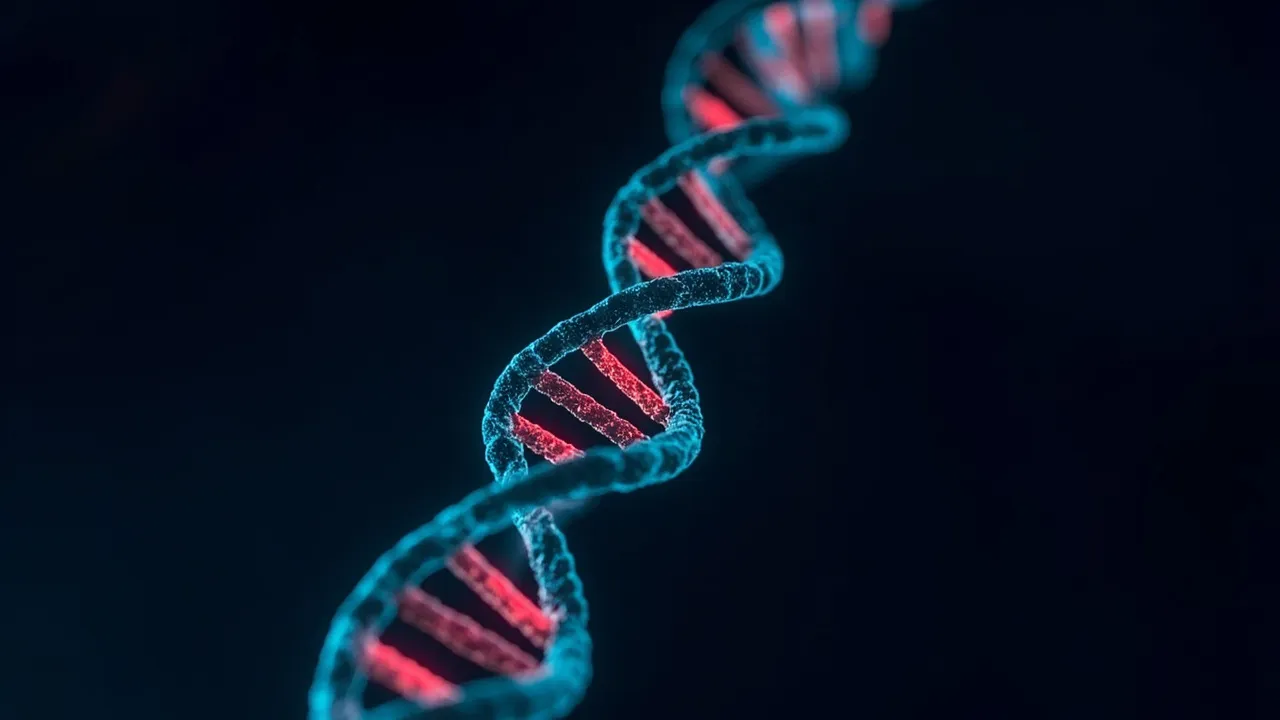
Ancient DNA analysis is revealing that Europe's prehistoric settlement story is far more complex and fascinating than we imagined — and women may have been the key agents of cultural change, carrying farming knowledge across communities through marriage and social connections.
Melatonin could do more than just help you fall asleep — a new study suggests it might supercharge your body's ability to repair DNA damage, especially for those working the night shift.

Scientists have figured out how to build computer chips in 3D instead of just making them flatter. This could keep your devices getting faster for years to come, using a clever workaround when the laws of physics started saying "no more."
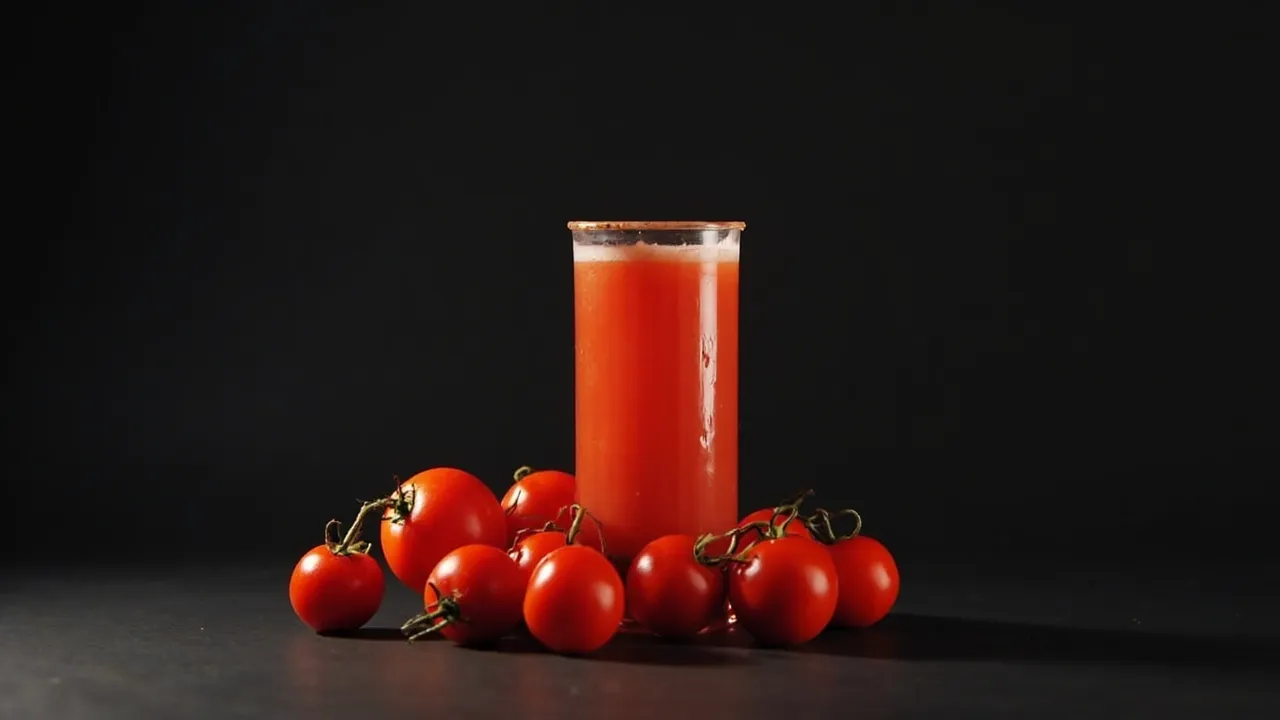
A new study found that drinking tomato-soy juice daily significantly reduced inflammatory markers in adults with obesity after just four weeks. The research, conducted at Ohio State University, highlights how functional foods could become a powerful tool for managing chronic inflammation without medication.

That cup of joe you're reaching for after a rough night's sleep might be doing your brain more favors than you realized. New research reveals that caffeine can actually restore specific memory functions that get disrupted when we don't get enough rest—and it does so in a surprisingly targeted way.
Stanford researchers have figured out how to make quantum computers work without the extreme cold that usually makes them so impractical. Their secret? Twisted light and some seriously clever nanotechnology that could bring quantum tech out of the lab and into the real world.
When a nurse named Efren Saldivar confessed to killing over 100 patients, investigators hit a wall—how do you prove murder years after the body decays? One brilliant forensic scientist turned to a technique originally designed for chemical warfare detection, and what happened next changed criminal science forever.