
Jeyms Vebs kosmik teleskopi hali mavjud bo‘lmasligi kerak bo‘lgan dastlabki koinot galaksilarini kashf etishda davom etmoqda — va hozirda tadqiqotchilar katta, primitiv yulduzlar ushbu kosmik g‘aroyib holatlarni tushunishning asosiy kaliti bo‘lishi mumkin deb hisoblashmoqda.
DANIYADA 2 milliondan ortiq bolani qamrab olgan inqilobiy tadqiqot shuni ko‘rsatdiki, bugun ADHD va autizm bilan kasallangan deb aniqlangan yoshlar o‘n yil avval aniqlanganlarga qaraganda sezilarli darajada farq qiladi. Ushbu xulosalar neyrodasturiy diagnostika holatlarining keskin o‘sishiga qanday qarashimizga chek qo‘yadi va suhbatni butunlay o‘zgartirishi mumkin.

Thousands of people with rheumatoid arthritis are still dealing with constant pain and tiredness — even when their blood tests show everything looks fine. And what's behind it might actually shock you.
Olimlar juda ahamiyatli bir ishni amalga oshirdilar — ular o‘murtqa miya hujayralaridan foydalanib, insultdan keyin sichqon miyasini haqiqatan ham tikladilar. Zararni faqat sekinlashtirish emas, balki uni qaytarish. Va meni chinakam hayajonlantiradigan narsa shuki, davolash faqat yangi neyronlarni yaratish bilan cheklanmay, butun miya bo‘ylab shifo jarayonining kaskadini faollashtirdi. Biz hali insonlar uchun sinovlardan uzoqda bo‘lsak-da, bu tadqiqot avvallari umid kam bo‘lgan joyda umid bermoqda.
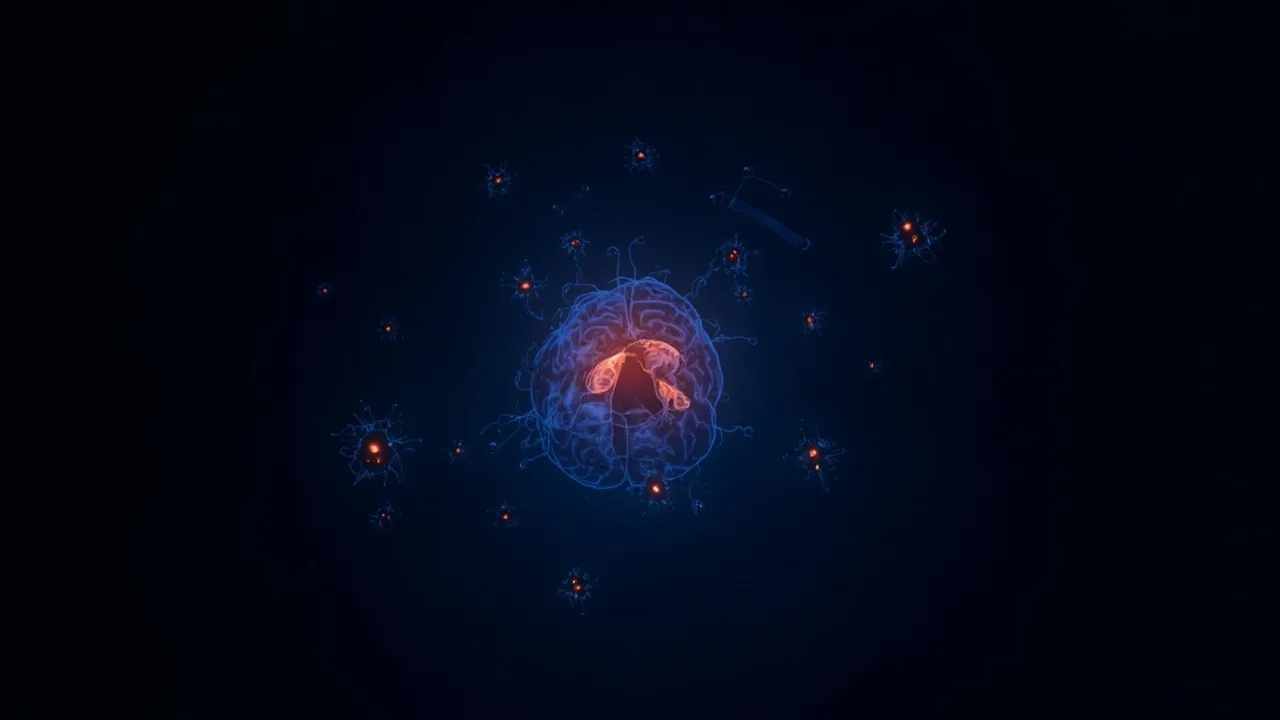
Inson inqilobiy tadqiqot shuni ko'rsatdiki, tadqiqotchilar sichqonlarda xotira yo'qolishini qisman tiklashga muvaffaq bo'ldi, buning uchun ular miyaning ma'lum hujayralarini yosh holatga qaytarish usulidan foydalandi. Ushbu texnika faqat xotirani saqlaydigan neyronlarga qaratilgan bo'lib, butun miyaga ta'sir qiluvchi xavfli usullardan qochish imkonini beradi. Biz hali insonlar ustida sinov o'tkazishdan uzoq bo'lsak-da, Alzheimer kabi kasalliklarni davolashda bu yutuqning ahamiyati haqiqatan ham hayajonli.

Olimlar endi maʼlum qilishdiki, bitta CRISPR asosidagi davolanish bemorlarda zararli qon yogʻlarini taxminan 50% ga kamaytirdi va bu natijalar bir yil davomida saqlanib qoldi. Ushbu yutuq yurak salomatligi uchun nima uchun hal qiluvchi omil boʻlishi mumkinligi quyida bayon etilgan.
Yangi tozalangan uyingizdan taralayotgan yangi qoraqam yoki sitrus hidi? Ma'lumki, bu hid invisible nanopartikullarni hosil qilishi mumkin, ular esa nafas olish organlaringizga tirband yo'l yonida turish kabi zararli bo'lishi mumkin. Tadqiqotchilar shuni aniqladilarki, tozalik bilan bog'laydigan xushbo' hidlar aslida ichki havo ifloslanishini keltirib chiqaradi.
Arxeologlar kattalar va bolalarni birga daf etilgan holda topganda, ko‘pchilik ular oilani tashkil qilgan deb faraz qiladi. Ammo Shvetsiyadagi inqilobiy DNK tadqiqotlari viking davri va o‘rta asrlar dafn marosimlari butunlay boshqa hikoyani ochib beradi — bu esa biz qadimiy jamoalar qanday yashagan, qanday yas tutgan va farzandlariga qanday munosabatda bo‘lganini bilamiz deb o‘ylagan barcha narsalarga zid keladi.
Tadqiqotchilar tasodifan noto‘g‘ri joydan oltin qatlamlarini yig‘ib olganda, ular AQShning eng xavfli ikki zilzila zonasi aslida mustaqil ishlamasligini ko‘rsatuvchi dalillarga duch kelishdi. Buning ahamiyati haqiqatan ham xavotirli.
Astronomlar o‘zimizning Quyosh galaktikasidan tashqari birinchi yulduz oqimini kashf etdilar va bu kosmik yulduzlar lentasi koinotning asosiy qismini tashkil etuvchi ko‘rinmas qorong‘u moddani xaritalash uchun hozirgacha eng yaxshi vosita bo‘lishi mumkin. Ushbu kashfiyot tadqiqotchilar bilmagan eshiklarni ochmoqda.
A brand new study using brain scans has uncovered something that might finally explain why long COVID leaves people feeling completely wiped out, mentally foggy, and lacking all motivation. And honestly? It could completely change how we approach treating this condition.
Billions of years of Earth's history lie hidden in ancient rocks scattered across Russia. But new research now suggests scientists may have been misinterpreting these geological clues all along. So what does this mean for everything we thought we knew about our planet's past?
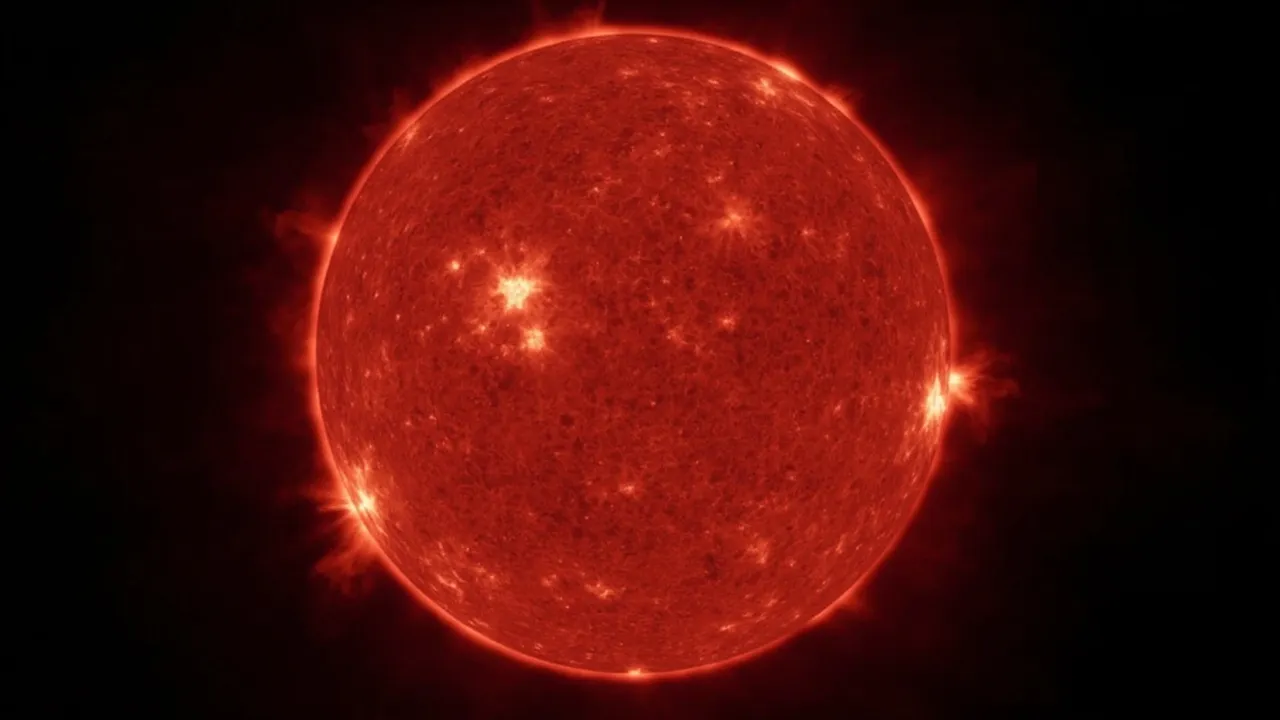
Our sun looks suspiciously quiet compared to other stars like it. But new research suggests it might be holding back something catastrophic. Scientists have found evidence that our gentle-looking star could unleash explosive tantrums equivalent to a trillion hydrogen bombs—and we've already had a close call.
Researchers have found a compelling new piece of the puzzle in one of archaeology's biggest enigmas: how did a massive 6-ton stone make its epic journey from Scotland all the way to Stonehenge? The answer might lie in ancient glaciers, a long-lost landscape, and a determined group of Neolithic people who simply refused to leave their sacred stone behind.
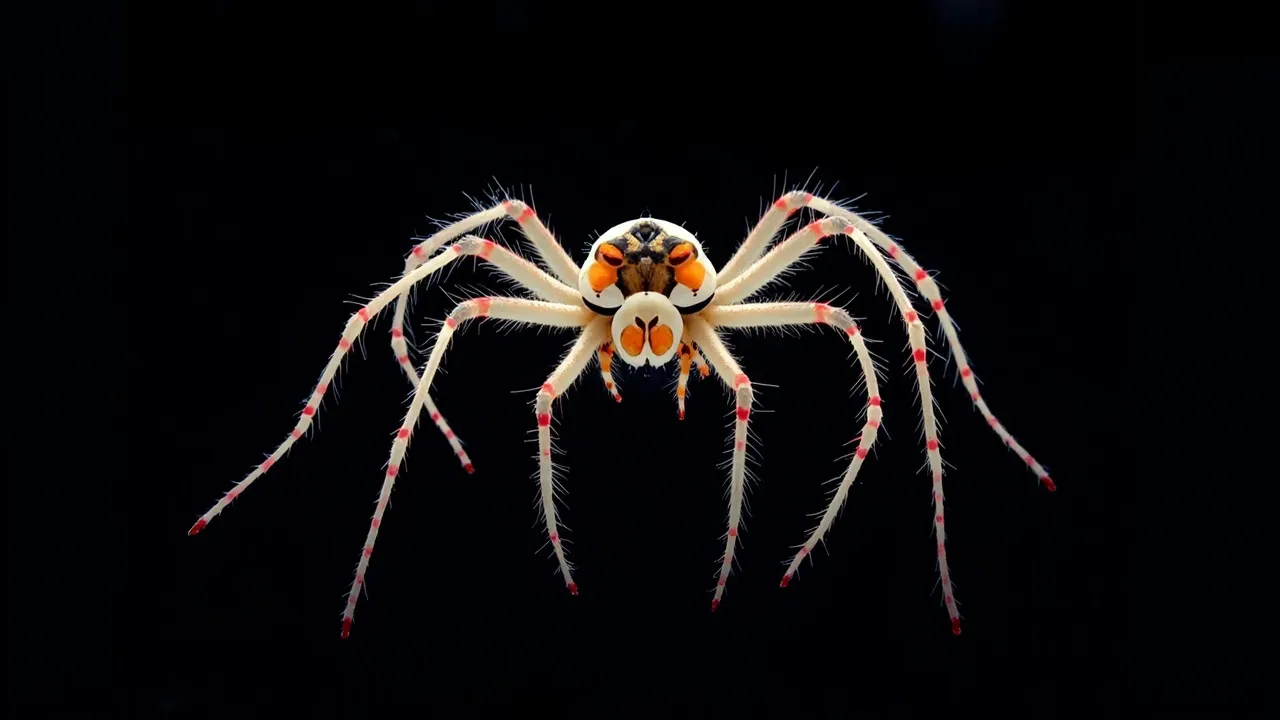
Researchers recently discovered two brand-new species of sea spiders in the waters off British Columbia, and honestly, nature really pushed the boundaries this time. One of them has incredibly hairy legs and striking red eyes that any horror film monster would envy. The other one? It's basically a moving home for parasites. I genuinely can't decide which one is more unsettling.

Tasavvur qiling: puxta ishlangan svitokni kuydiryapsiz, u qora ko'mirga aylanadi, va shu buzilish orqali qadimgi dunyoning sirlarini ochyapsiz. Aynan shunday qilgan tadqiqotchilar ikki ming yillik sirni yechdi. Topilgan narsa yo'qolgan adabiyot haqidagi tushunchalarimizni tubdan o'zgartirishi mumkin.
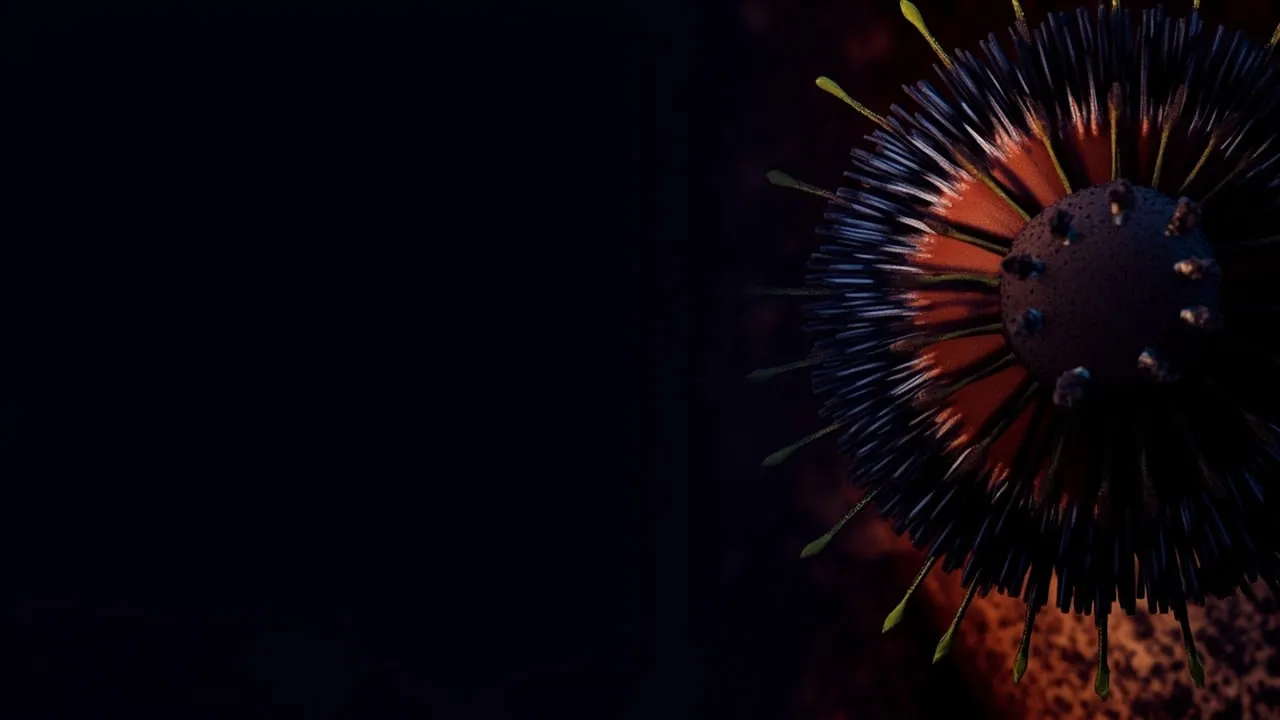
Researchers are finding that fungi might be the key to growing food on Mars. These microscopic organisms could solve one of the biggest hurdles for future colonists: farming in the planet's harsh, nutrient-starved soil.
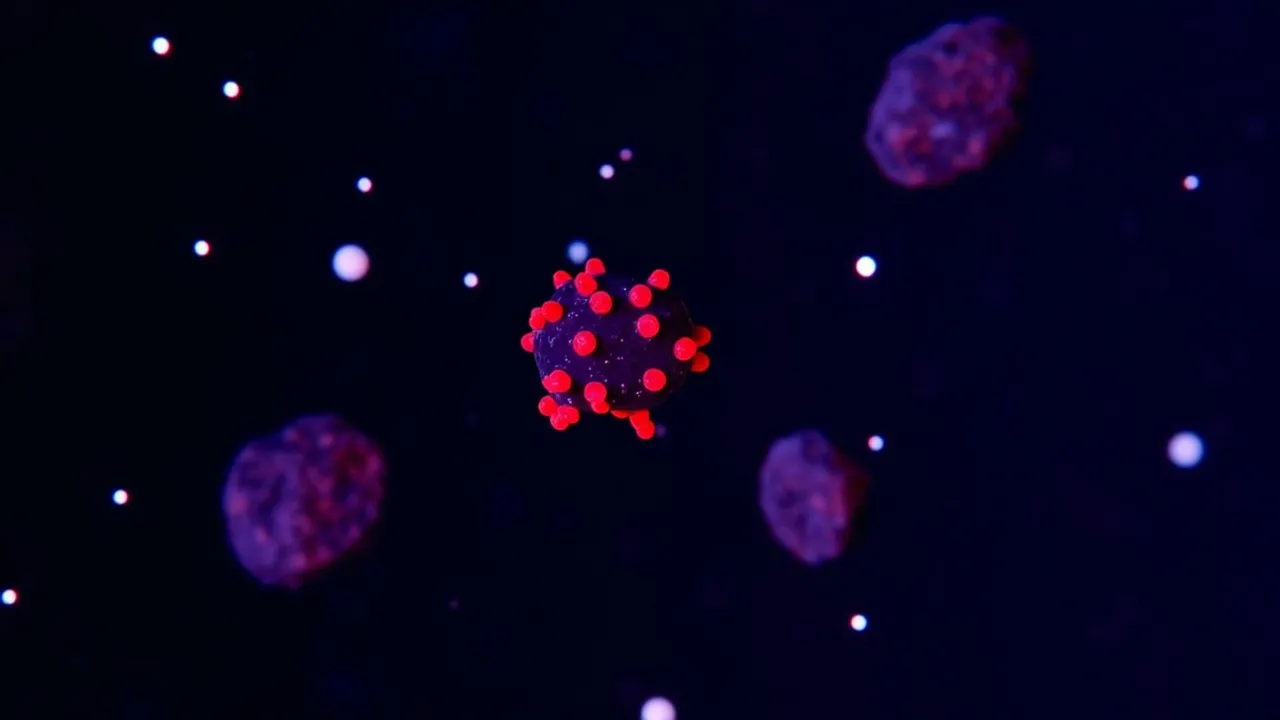
Scientists have created a new CRISPR technique that could transform how we treat blood cancer. The method involves removing a specific protein from healthy donor cells before transplanting them into patients. This allows doctors to zero in on cancer cells while leaving the rest of the immune system intact.
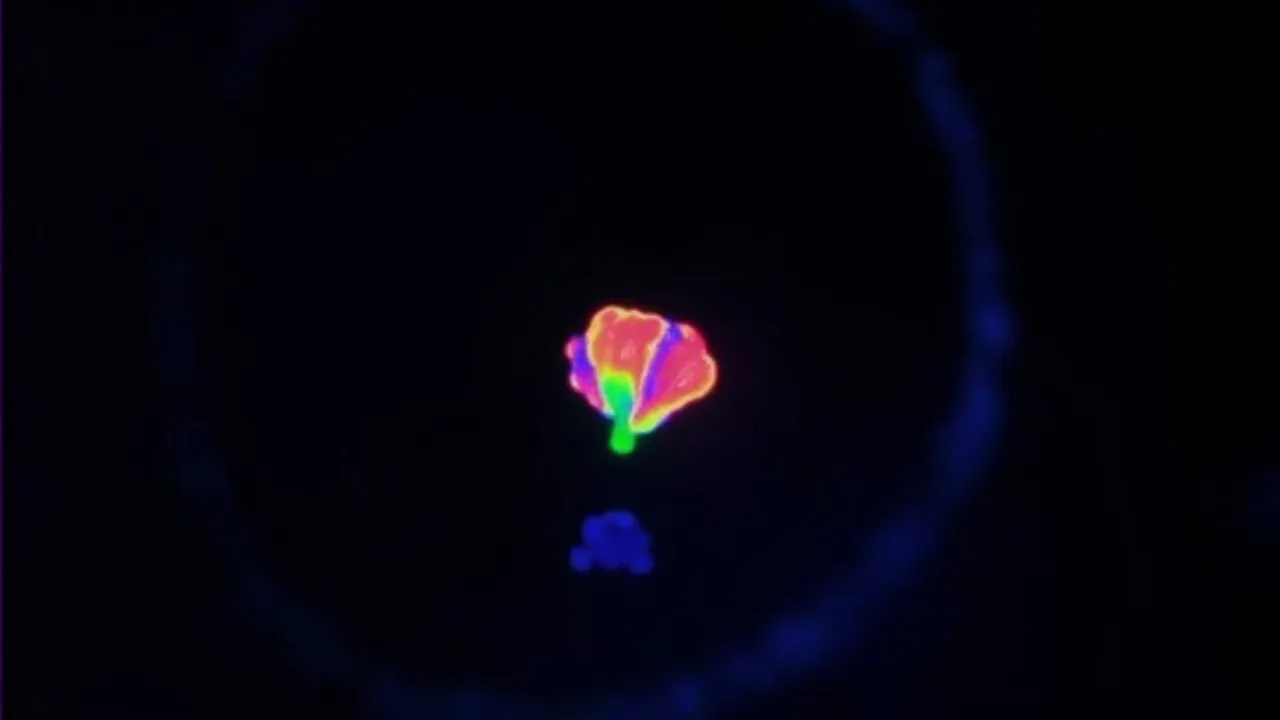
You know that moment when you're looking at a shadow and for just a split second, you're sure you see a face staring back? It's not your imagination—your brain is actually pulling off something pretty clever. And researchers just figured out exactly how it works.
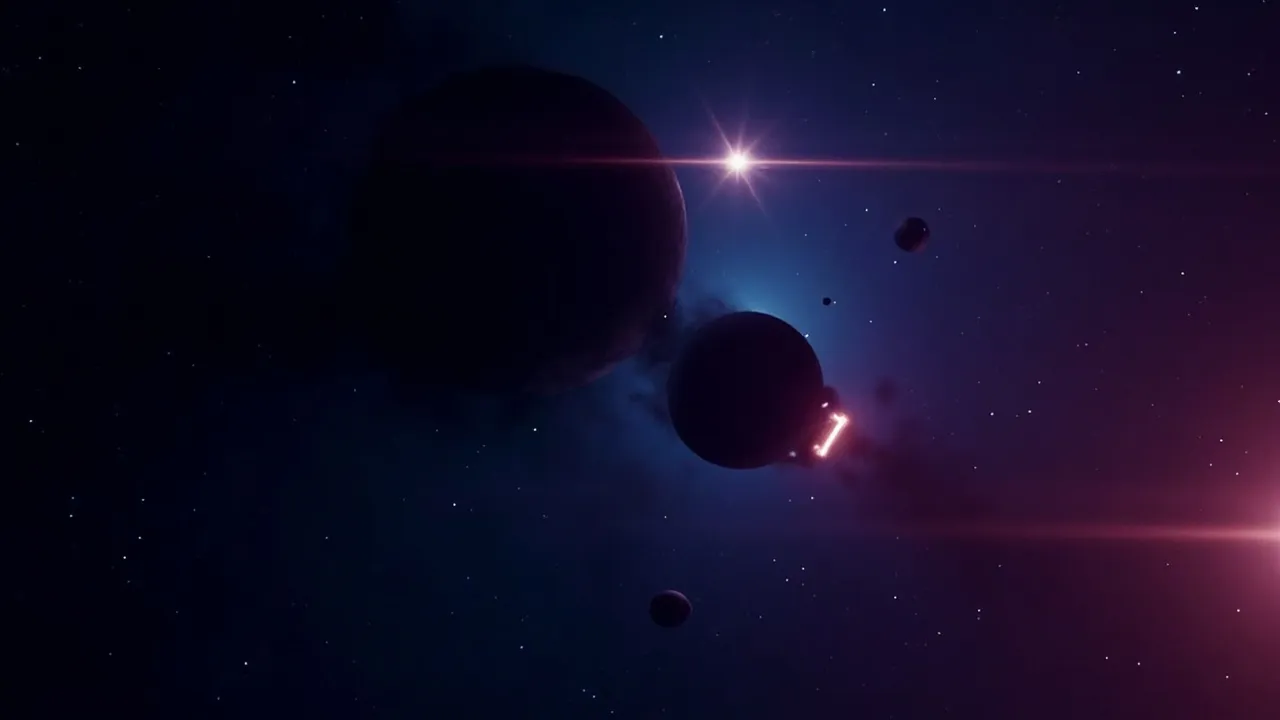
Scientists have stumbled onto something around a distant dead star that defies everything we thought we understood about how the universe works. A white dwarf drifting quietly through space is somehow generating a powerful shock wave, and researchers are completely stumped about how it's pulling this off. The answer likely involves magnets, mysteries, and possibly something that could only be described as a "mystery engine.