
Here's a brain-bending idea: what if time had three dimensions instead of one? A new theory suggests this could finally make sense of quantum mechanics' strangest phenomena. There's just one catch—it only works if you imagine living in a universe where particles can travel faster than light.

It turns out Einstein's "spooky action at a distance" isn't just a lab curiosity. Researchers have demonstrated that this strange quantum phenomenon works even in the wild, chaotic environment of the world's most powerful particle collider, among particles so heavy and short-lived they barely exist. This discovery is reshaping our understanding of the quantum world.
Researchers have developed a needle-thin device that can record brain signals, deliver drugs, and stimulate neurons—all at once. Its secret? Soft, flexible materials that solve one of the biggest headaches with traditional brain implants: they tend to irritate the brain.
Scientists have long been captivated by deep-sea organisms that manage to survive in conditions where most life simply couldn't exist. But a recent discovery pushes this idea to an entirely different level. Researchers have uncovered an enzyme from a volcanic deep-sea archaea that not only withstands temperatures beyond boiling but actually depends on that intense heat to work. This isn't just an impressive party trick—it could be the missing piece in understanding one of life's most essential chemical reactions.
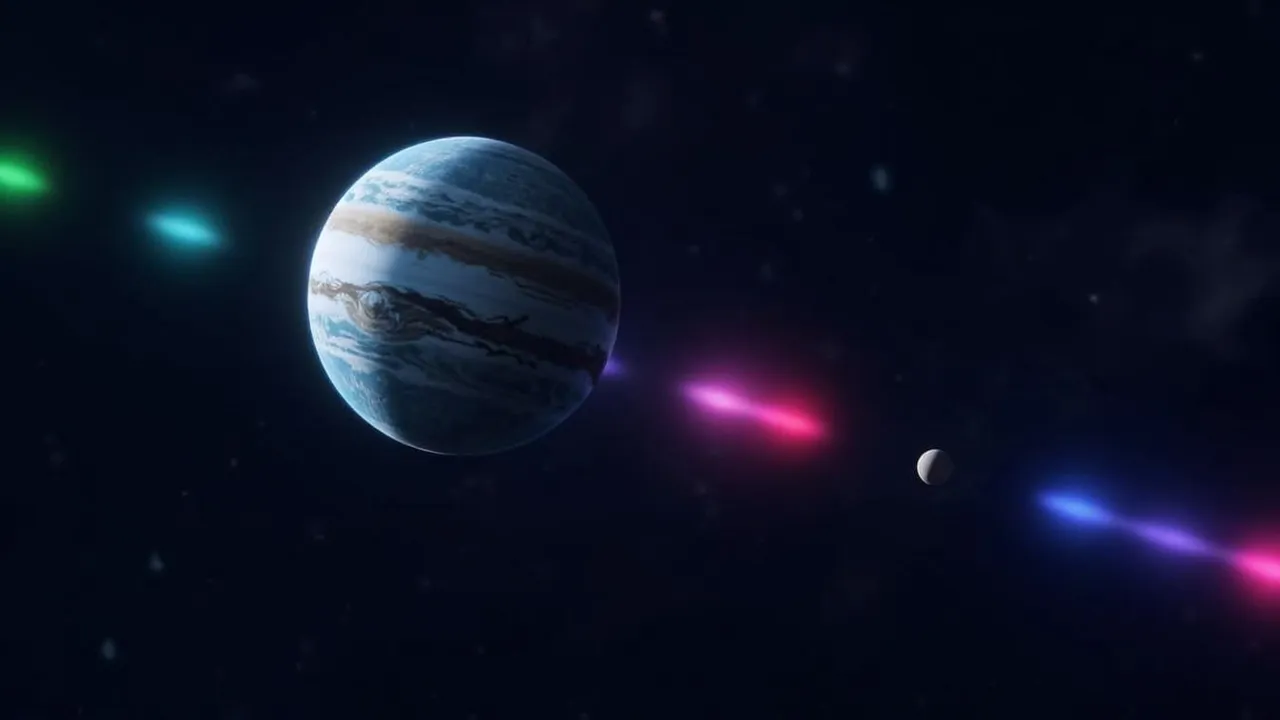
Scientists have just confirmed the discovery of the youngest planet ever found — and at under a million years old, it's practically a newborn in space terms. This tiny world is still drifting around in the dusty disk where it was born, giving us a rare glimpse into how planets actually come to life.

2022-yilda Hunga Tonga vulqoni otilganda, olimlar odatiy tartibsizlikni kutishgan. Lekin ular kutilmagan narsani topishdi: vulqon buluti o'zining metan ifloslanishining bir qismini faol ravishda yo'q qilayotgan ekan. Bu g'alati kashfiyot kelajakda iqlim o'zgarishiga qarshi kurashishda yordam berishi mumkin.
Think about being able to spot a single drop of dye in an Olympic-sized swimming pool — and then imagine being able to tell the difference between two drops that look almost exactly the same. That's essentially what researchers at the University of Toronto have done with their new nanoparticle technology, and honestly, it's pretty amazing.
Scientists have found a chemical that exploits one of termites' most vital life functions, essentially turning their own biology against them. It wipes out almost an entire colony while staying completely harmless to humans and other mammals. The really clever part? A few infected termites carry the deadly dose right back to their hidden colony, spreading it to the rest.
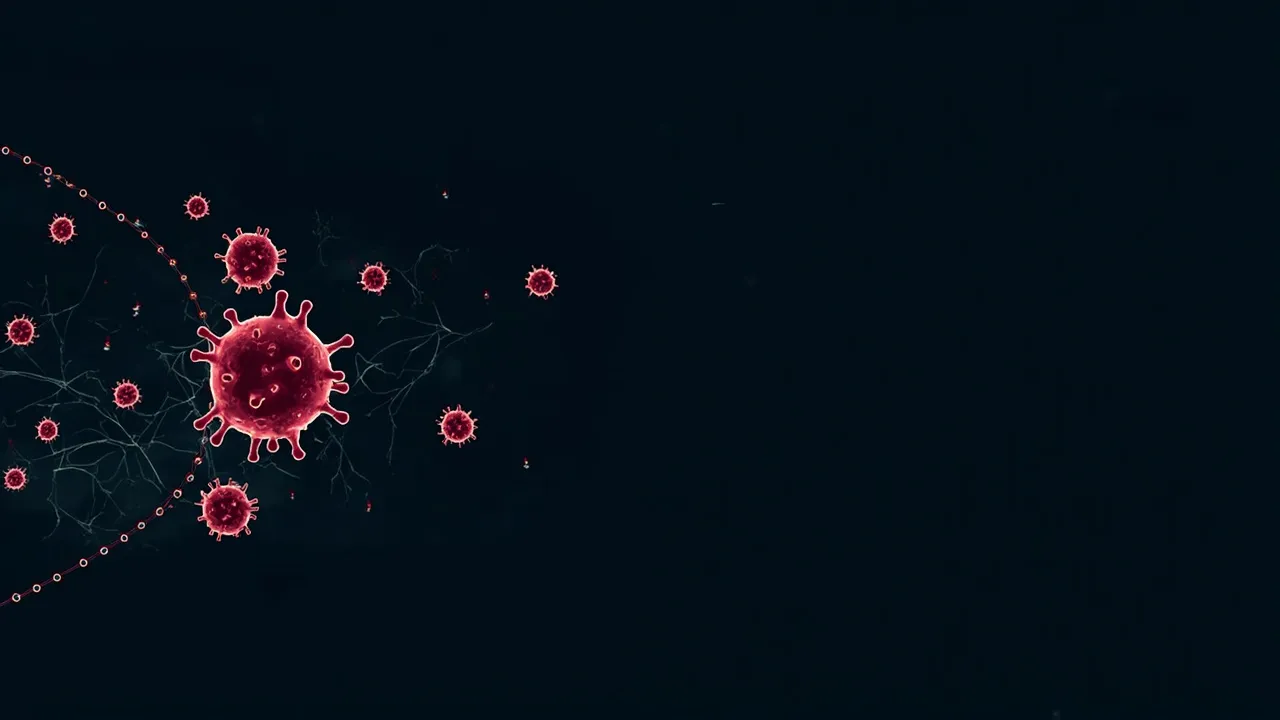
When most people picture the Black Death, they imagine a single devastating outbreak that struck and then disappeared. But new DNA research tells a different, more terrifying story—for the next 400 years, plague kept returning again and again, each wave reshaping cities, economies, and the very foundations of European society.

After ten years of chasing one of science's most elusive numbers, a physicist finally got his answer — sealed in an envelope. His anxious wait reveals why measuring the strength of gravity has frustrated scientists for more than two centuries.
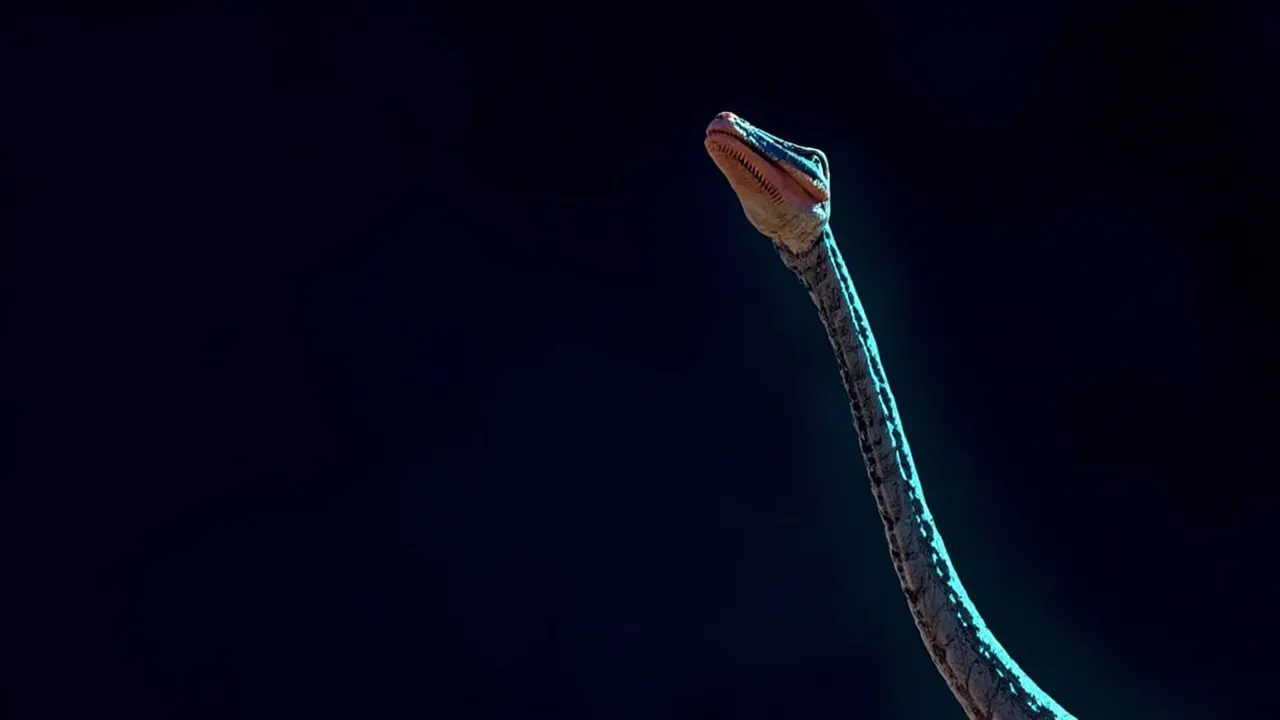
Olimlar muhim kashfiyotgaqo'l oldilar. Uzoq vaqt davomida Diplodocuslar — ya'ni biz muzeylarda ko'rgan uzun bo'yinli gigant dinozavrlar — faqat Shimoliy Amerikada yashagan deb hisoblanardi. Lekin Ispaniyada topilgan qazilma qoldiqlar buni o'zgartirdi. Endi ma'lum bo'ldiki, bu ulkan yaratqlar aslida Yevropada ham sayragan ekan. Paleontologlar endi bu hayvonlar qayerda yashaganligi haqida o'ylarini tubdan o'zgartirishi kerak.
As the world keeps an eye on familiar threats like COVID and flu season, another dangerous virus is quietly making a comeback in Central Africa — and it turns out we might be less prepared than we thought.
What if a calendar so perfectly organized that holidays always fell on the same day of the week actually destroyed itself over time? That's the paradox at the center of new research into the Dead Sea Scrolls and the unusual 364-day calendar used by the Qumran community.
Mars has two tiny moons, and for decades, scientists have argued over where they came from. Are they asteroids that got caught in Mars' gravity? Or remnants from ancient collisions? Researchers are now studying a massive crater on Phobos hoping to finally settle this debate—and what they're finding is genuinely fascinating.
What started as a viral math puzzle is now making waves in physics labs. The Smith hat, a quirky shape that solved a famous tiling problem, is now surprising researchers again—this time by manipulating laser light in unexpected ways. When scientists bounced lasers off tiny structures based on this hat, the light began twisting in strange patterns. These patterns are revealing something fascinating: a hidden link between geometry and how light behaves.
Ko'p yillardir sir saqlab kelgan bu qon hujayralaridagi belki nihoyat o'z yechimini topdi. Olimlarning aytishicha, javob hamma kutgandan ham hayratlanarli bo'lib chiqdi. Bu kashfiyot nafaqat qiziqarli ilmiy yutuq — u muayyan bemorlar uchun haqiqiy qutqaruv bo'lishi mumkin.

You'd think Arctic sea ice drifting across the ocean is all about the wind — and honestly, that makes sense. But researchers just found something unexpected: the ice doesn't always go where the wind blows. It turns out the answer might be simpler and more relatable than you'd think — it's just all those pieces of ice bumping into each other.
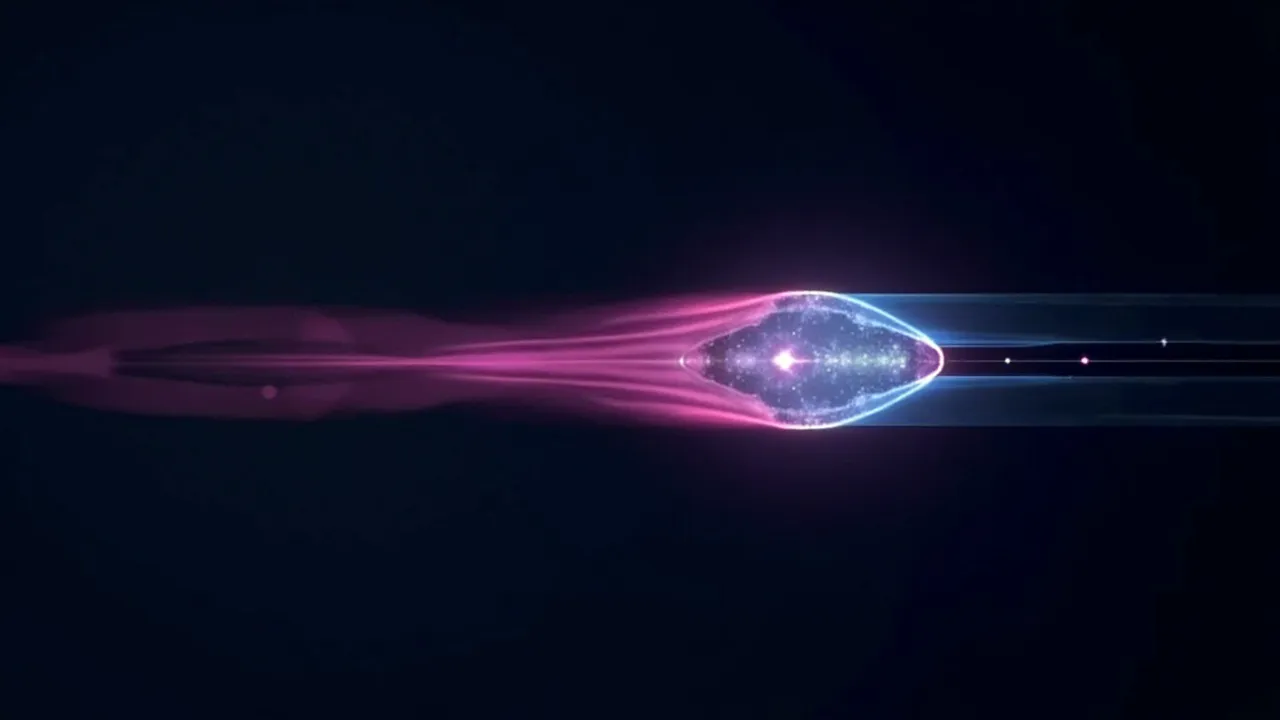
Researchers have figured out how a tiny single-celled organism manages to shrink down to just a quarter of its size in mere milliseconds—hundreds of times quicker than the average blink. The key is a clever protein structure that acts like a fishnet, and it might one day lead to faster artificial muscles.
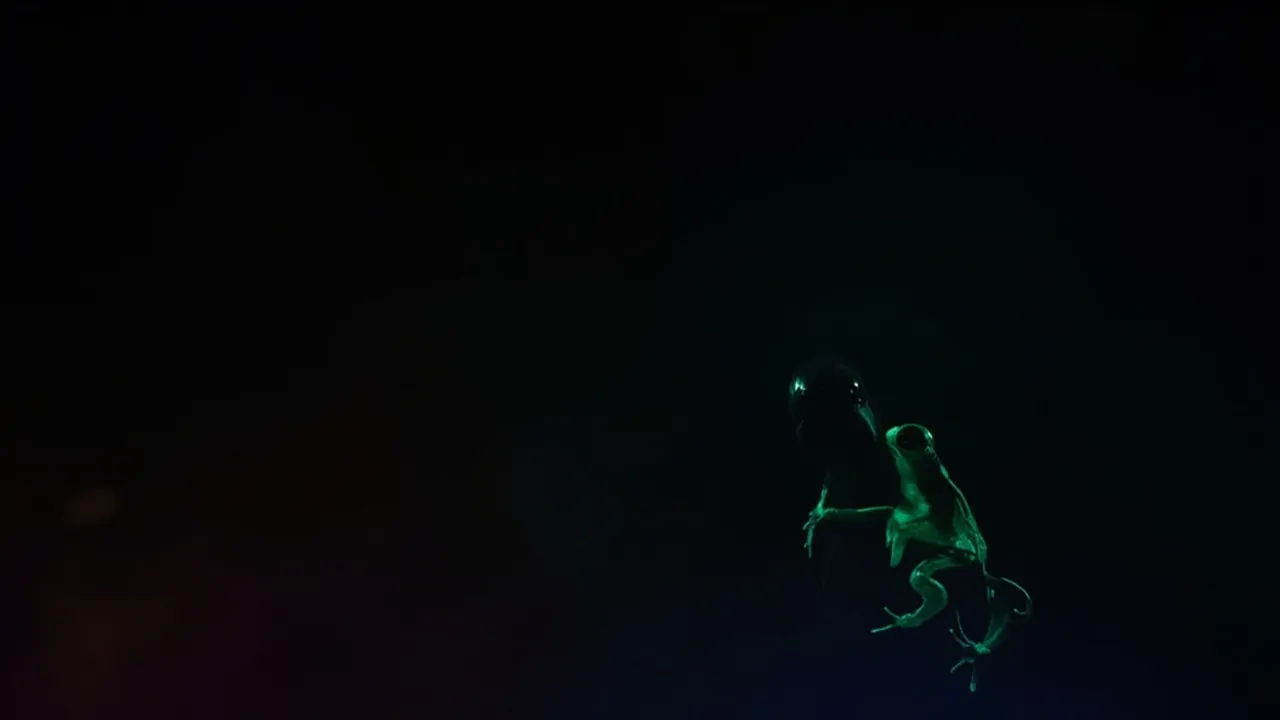
Hidden away in the depths of the western Amazon, scientists have stumbled upon a tiny frog species that was right under our noses all along. At first glance, this little amphibian looks nearly identical to its relatives, but its DNA and unique call tell a completely different story. This discovery just goes to show how much of our planet's biodiversity we still haven't uncovered.

For more than six decades, Bill Andrews has been chasing a dream that started with his father — finding a cure for aging. Now at 74, the molecular biologist believes he's closer than ever to an anti-aging pill that could hit the market within the next ten years. But is this groundbreaking science or just wishful thinking? Let's find out.