
A biophysicist is throwing out a wild idea — what if intelligence is a fundamental part of reality, just like gravity or electromagnetism? It gets even more intriguing: he believes AI could unlock forms of thought that our brains simply aren't capable of. But before you get too excited — or nervous — there's a catch.
For decades, a strange fossil gathered dust in a museum collection. Now it's overturning everything we thought we knew about where dinosaurs came from. And it all started with a PhD student who had an idea everyone dismissed.
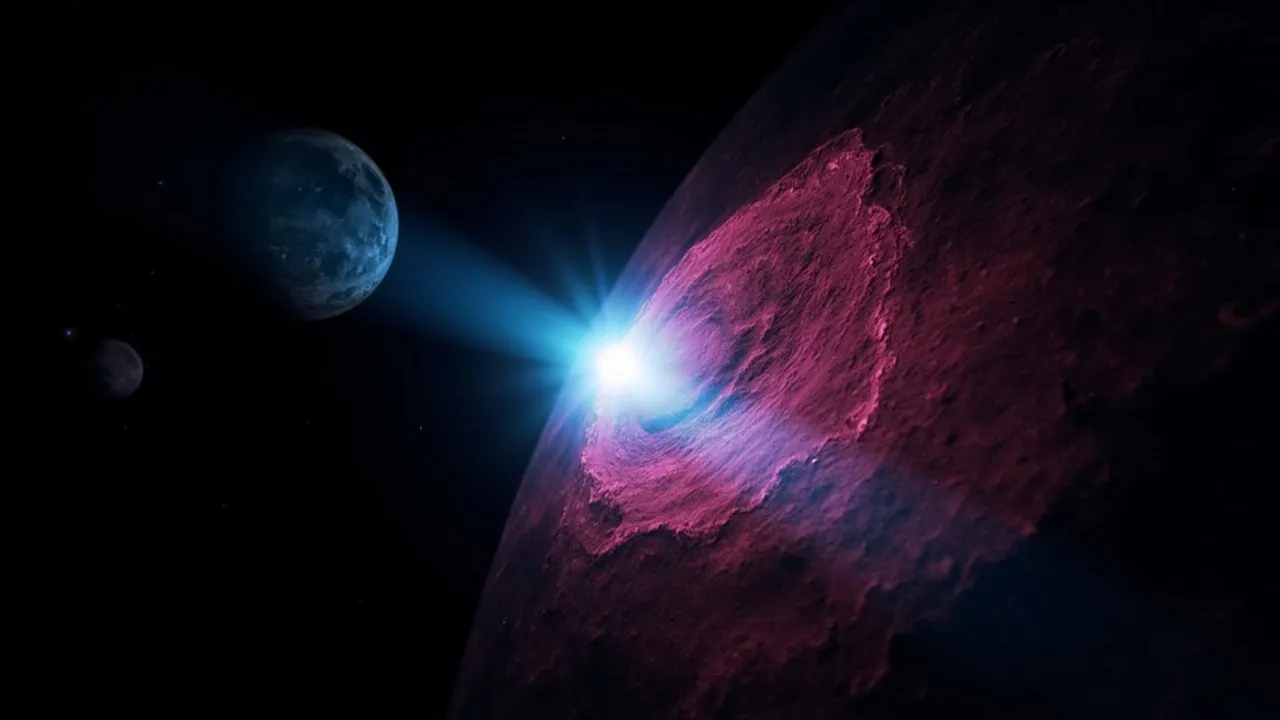
NASA's lunar probe stumbled upon a massive new crater, and it's pretty incredible. Measuring 728 feet across and deep enough to stack three school buses, it's the largest impact crater ever found forming anywhere in our solar system. The crazy part? Scientists nearly overlooked it completely.

When researchers named a newly discovered snake species after Slash from Guns N' Roses, it was more than just a celebrity gimmick. A young herpetologist was actually inspired by Slash himself, and this quirky naming choice shines a light on just how much we still have to learn about the creatures sharing our planet.
In 1988, a Soviet scientist accidentally pricked himself with a syringe containing Marburg virus. What followed was two weeks of hell that ended in his death—but not before the virus inside him had mutated into something far more terrifying. Decades later, that evolved strain still sits frozen in a Russian laboratory, waiting.
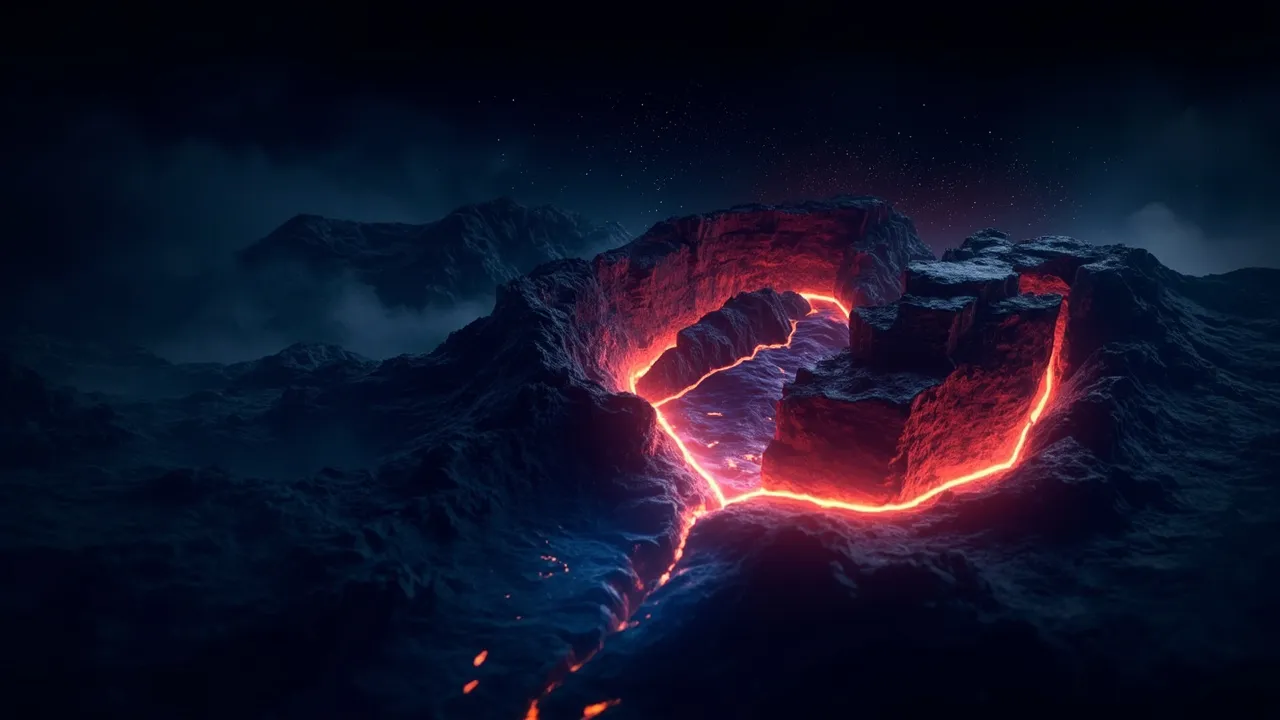
Italiya Yevropaning eng zilzila xavfi yuqori bo'lgan mintaqalaridan birida joylashgan. Geologlar nihoyat buning sababini aniqlashdi — javob esa kutilganidan ham g'alatiroq chiqdi. Tadqiqot shuni ko'rsatadiki, Apennin tog'lari faqat to'qnashuvchi plitalarning bosimi ostida emas, balki ichkaridan yorilmoqda — Yer po'stining pastki qatlamlari yengiz yechilgandek ajralmoqda.
Researchers have uncovered a massive ocean current that has quietly controlled our climate and food supply for thousands of years. Now, it's weakening at an alarming pace. New studies suggest this could trigger major crop failures and soaring food prices within just a few decades.
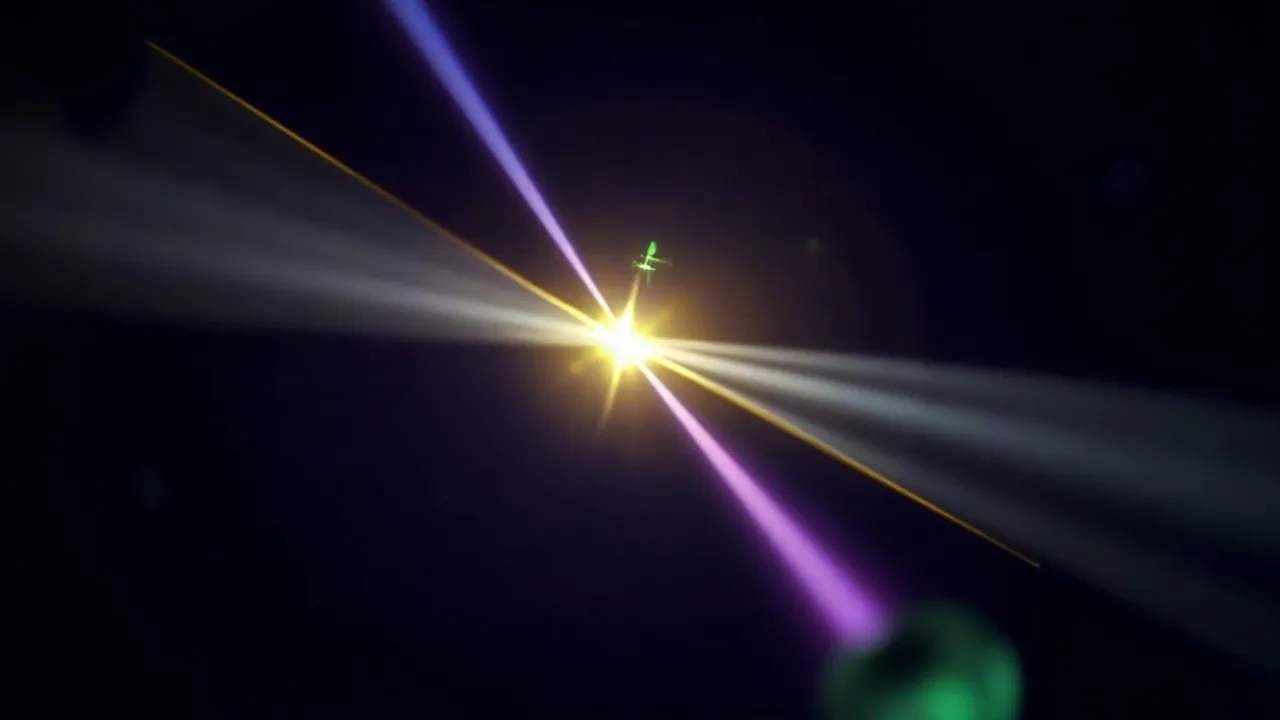
Researchers at Caltech have built a minuscule chip that can redirect light beams using other light beams—and they do it in virtually no time at all. We're talking just 74 femtoseconds. This breakthrough could pave the way for ultra-fast optical computers and communication systems that would leave our current technology in the dust.
Somewhere out there, scientists are getting ready to test gravity using one of the weirdest particles in nature. The idea is to essentially build an "atomic cannon" that shoots atoms straight through superfluid helium. Depending on what they find, this could either back up what we already know about gravity or completely rewrite the textbooks.
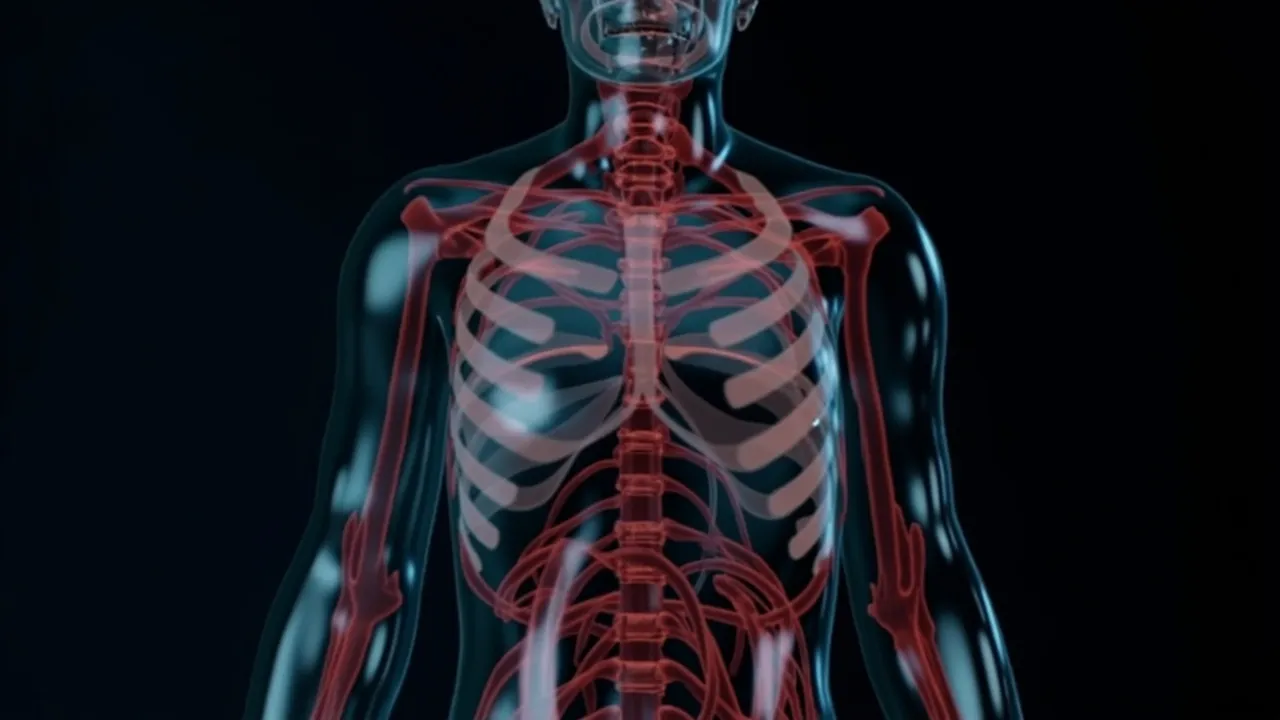
Olimlar juda qiziq bir kashfiyot qilishdi. Ba'zi hujayralar o'lish arafasida juda hiyla-nayrang ishlatadi. Ajoyibi shundaki, shu hiyla-nayrang organizmimiz jiddiy shikastlanganda o'zini tiklab olishiga ham yordam beradi. Lekin bir tomoni bor — aynan shu hujayralar ba'zi saraton kasalliklari nima uchun yanada kuchli qaytib keladi, shuni ham izah qilishi mumkin ekan.
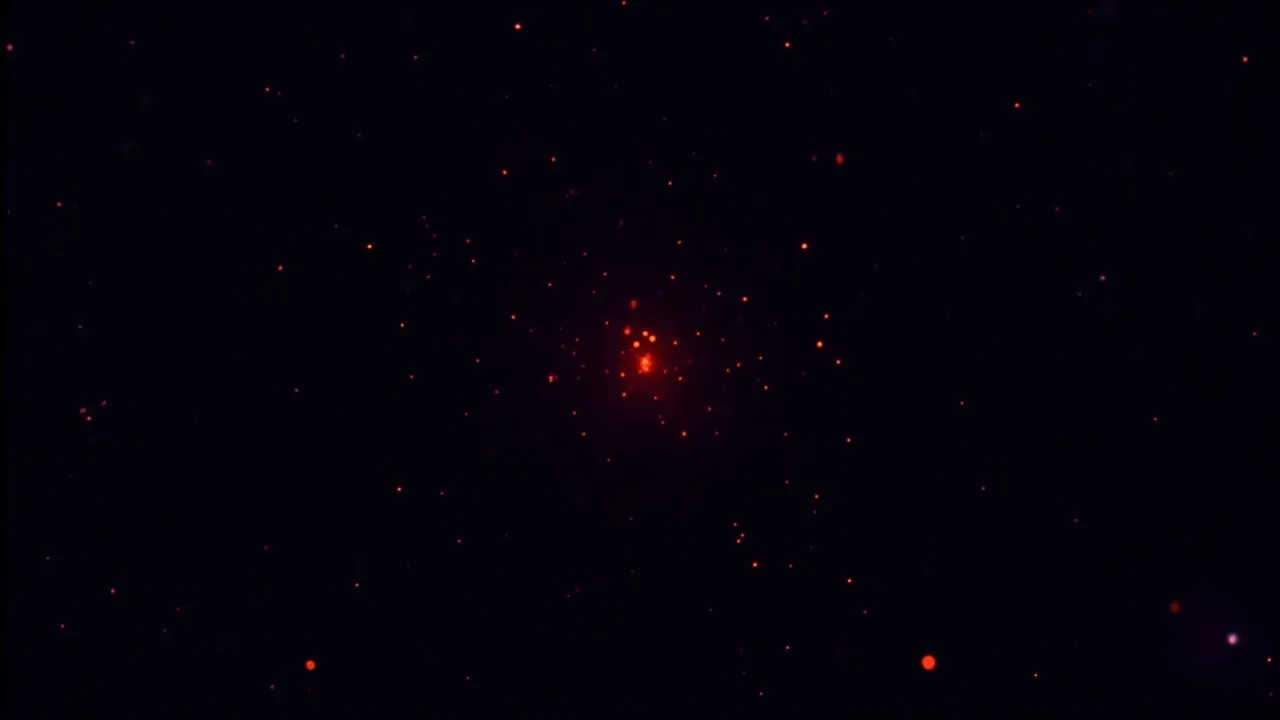
The James Webb Space Telescope has spotted something weird hiding in the early universe, and scientists think they might finally know what it is. Turns out, it's got to do with black holes that grew at ridiculously fast speeds.

While excavating an Indonesian cave, researchers made an unexpected discovery in two ancient skeletons—worn grooves in their teeth that paint a surprisingly familiar picture. These marks tell a story of addiction, pain, and the age-old human desire to escape discomfort, stretching back tens of thousands of years. As it turns out, our ancestors were getting high far longer ago than anyone realized.
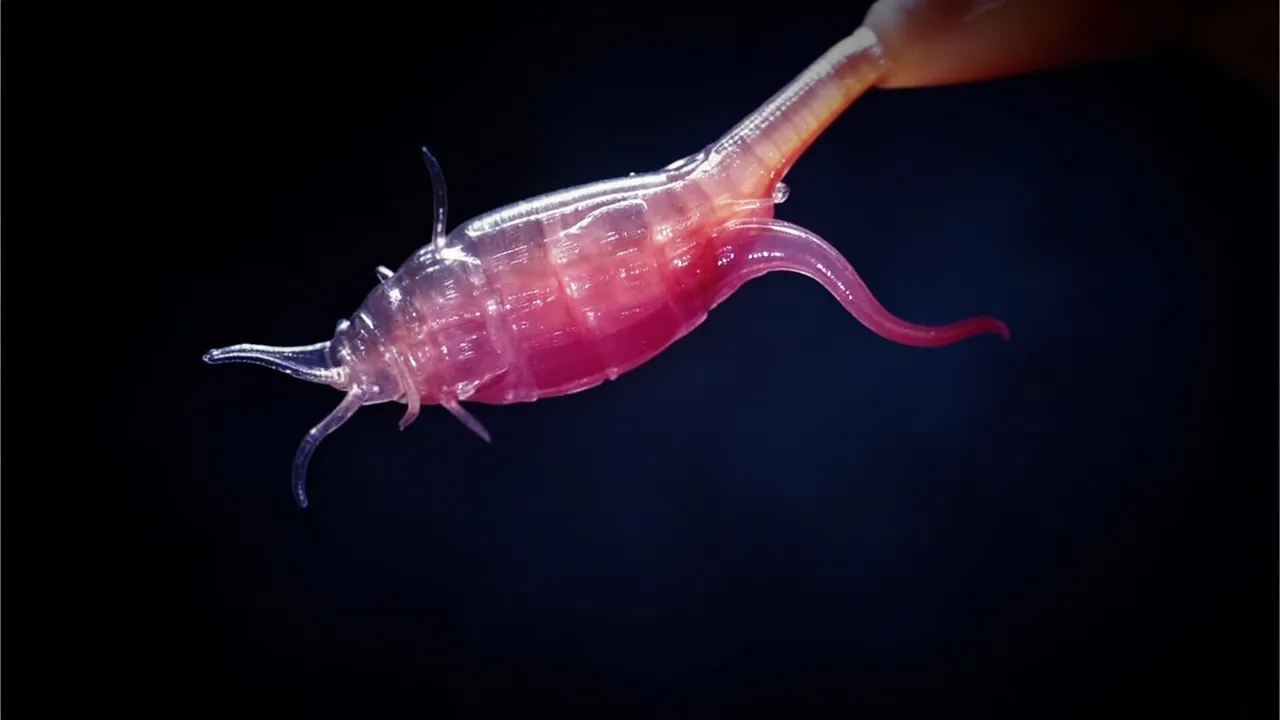
You'd think we got rid of this nightmare decades ago. Think again. The New World screwworm — a flesh-eating maggot — is back in the United States. Now scientists are scrambling to track its spread using some impressive technology.
New research suggests that oxalates— compounds found naturally in foods like spinach and almonds— may actually be making inflammation worse in people with inflammatory bowel disease. And here's the surprising part: the issue isn't what they're eating, but how their bodies break down these compounds.
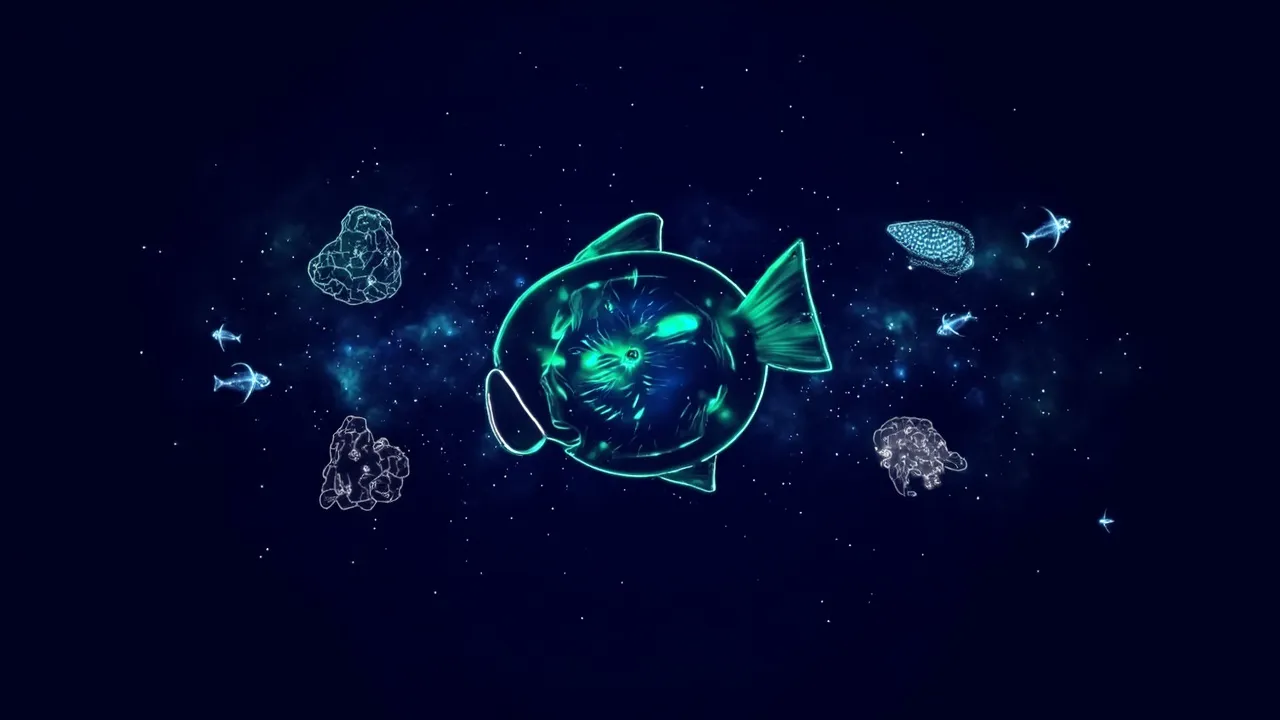
Off the coast of Benin, researchers stumbled upon something remarkable: a coral reef that was written off as dead over 60 years ago is actually teeming with life. They found eight coral species and eight types of fish thriving there. Now scientists are asking — how many other supposedly "forgotten" ecosystems might be hiding right under our noses?
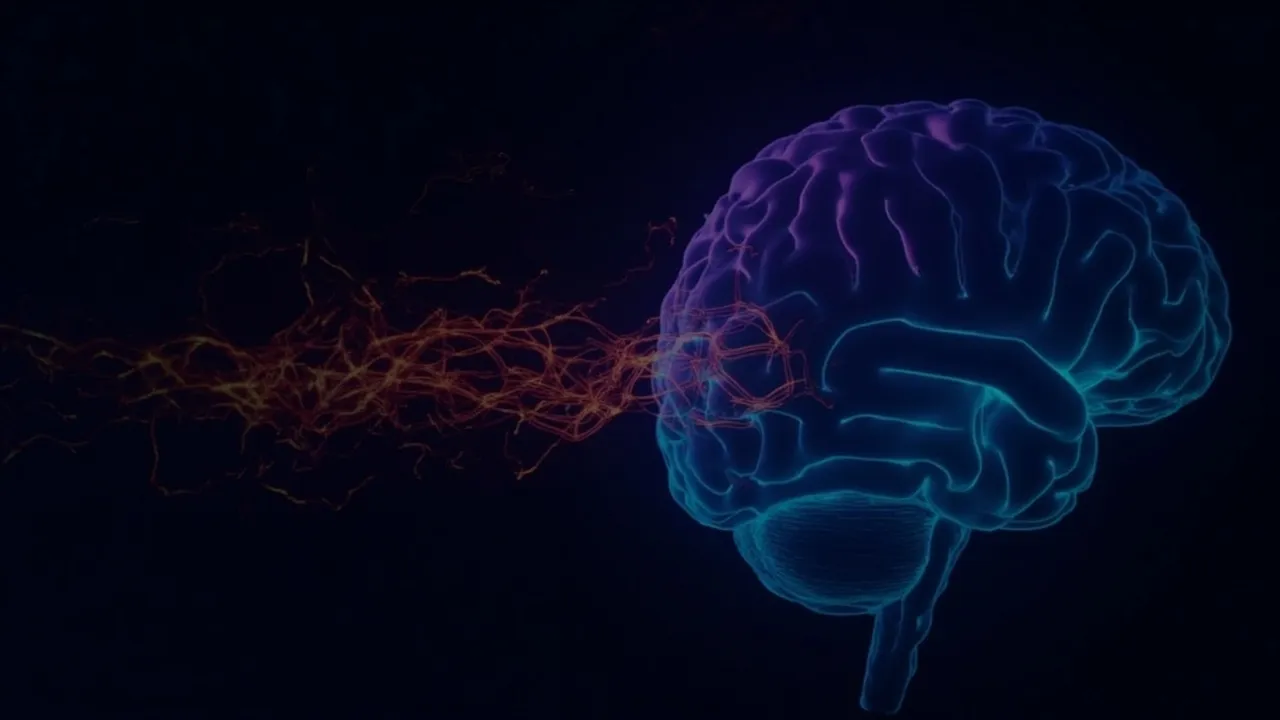
For over a century, textbooks and scientific diagrams have shown brain cell connections as smooth, tube-like structures. But new research suggests these familiar illustrations might be completely off base.
Scientists at Johns Hopkins have discovered that the tiny cables responsible for transmitting signals in your brain actually look more like strings of pearls. This surprising finding could completely change how we understand everything from memory to disease.
Right now, invisible particles from exploding stars are streaming through your body every single second. A physicist at the University of Delaware has built a $100 detector that lets anyone catch a glimpse of these ghost particles — and it's making discoveries that once seemed impossible.
It turns out your immune system can accidentally turn against your own DNA, triggering inflammation that makes you age faster. The real surprise? When researchers quieted down this false alarm, aging didn't just slow—it actually reversed in some tissues. This points to something remarkable: our bodies have more staying power than we realized.
What if the universe has hidden cracks where ideas and information from other realities slip through? A bold new physics theory is suggesting exactly that—and the idea that another version of you might have already figured out your life's answers is honestly pretty wild.
A quantum physicist has now proposed an experiment that directly challenges one of physics' most fundamental principles. It's the kind of thing that makes you pause and think twice about reality itself.
Scientists have discovered that hunter-gatherer communities in Siberia were dying from the plague thousands of years before the disease became synonymous with cities, rats, and fleas. This finding overturns everything we thought we knew about where and how plague outbreaks begin.