
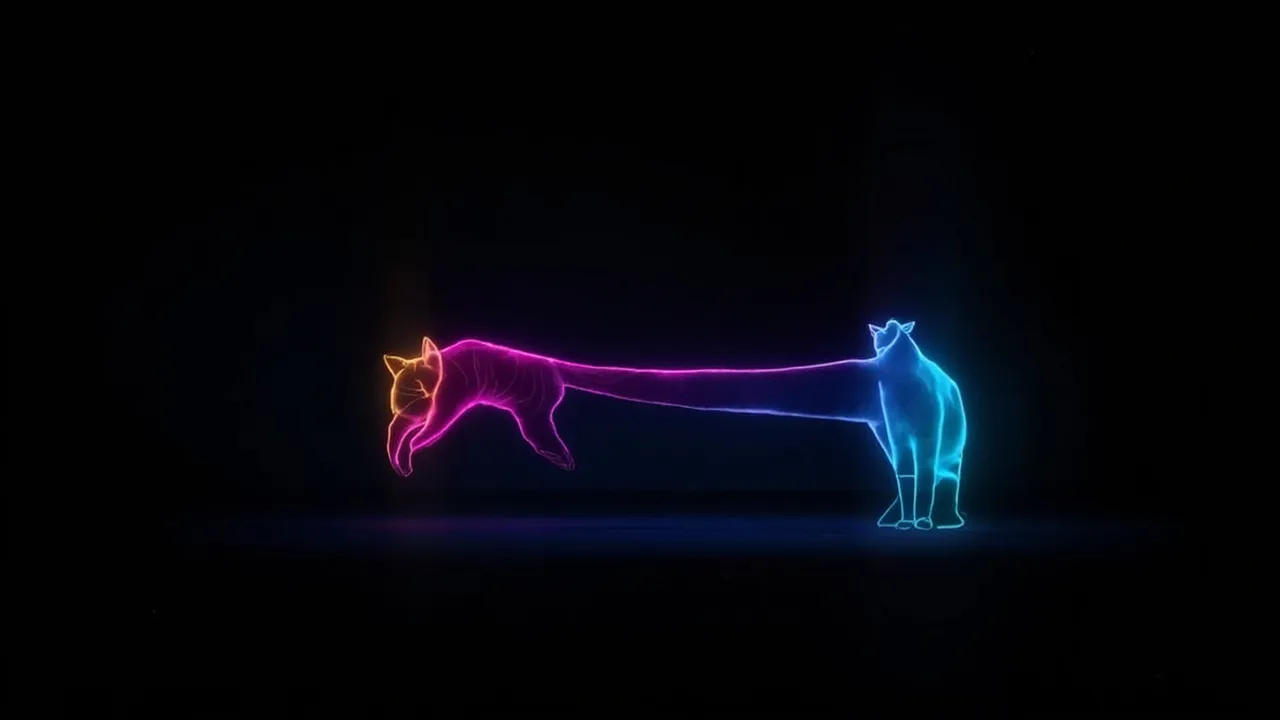
Scientists have found that cats leave a kind of chemical ID card in their urine. It's made up of special fatty acids that stay stable for days. This is why cats can recognize each other even long after a scent mark has been left behind.
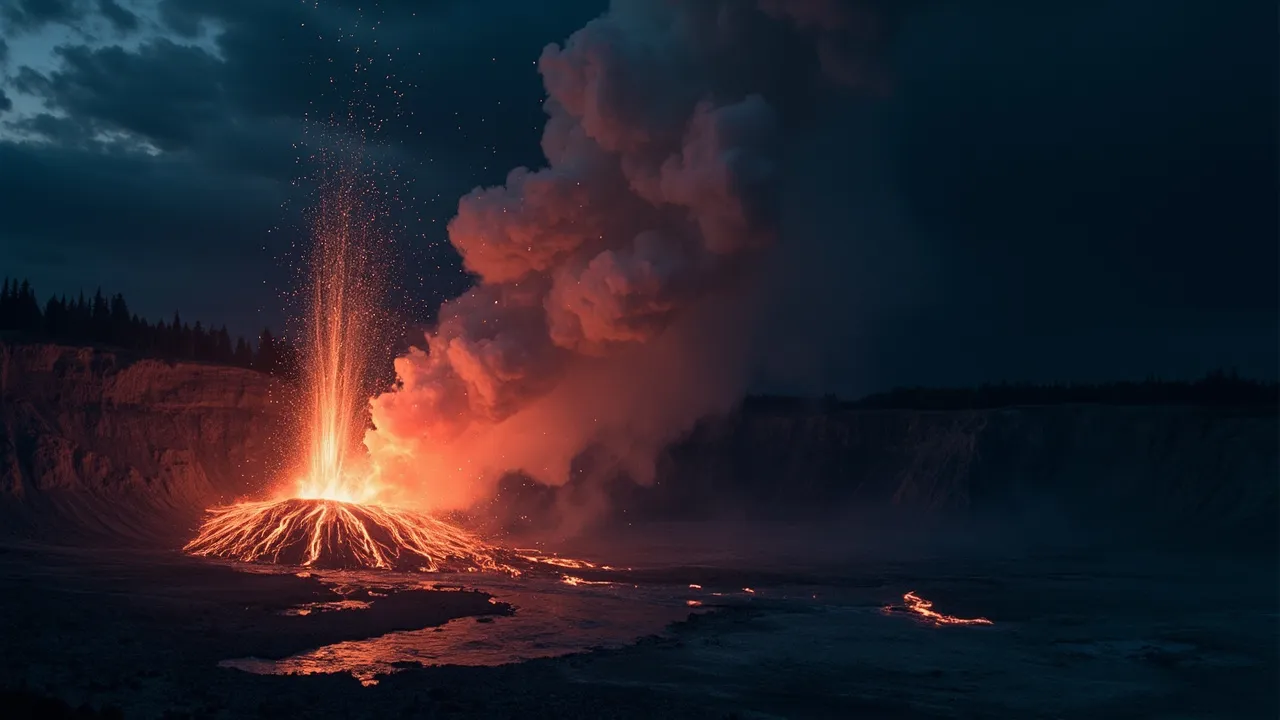
Scientists have tried to picture what would happen if the Yellowstone supervolcano erupted, and honestly, it's equal parts fascinating and absolutely terrifying. Let's walk through what this nightmare scenario might actually look like.
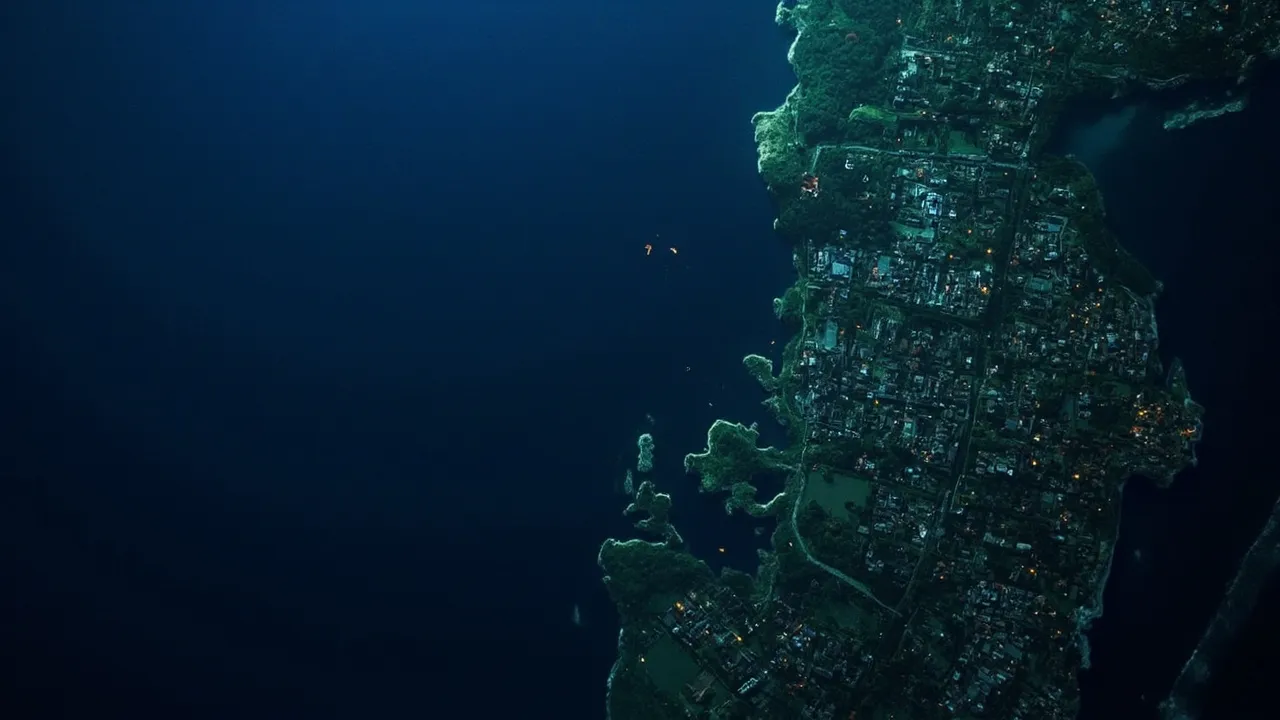
Picture this: an entire town—churches, manor houses, a busy harbor—swallowed by the sea and now resting on the floor of the North Sea, just 1,300 feet from shore. That's exactly what's happening off the Norfolk coast, where divers are uncovering the lost village of Shipden. It's a story that sounds more like fantasy than fact.
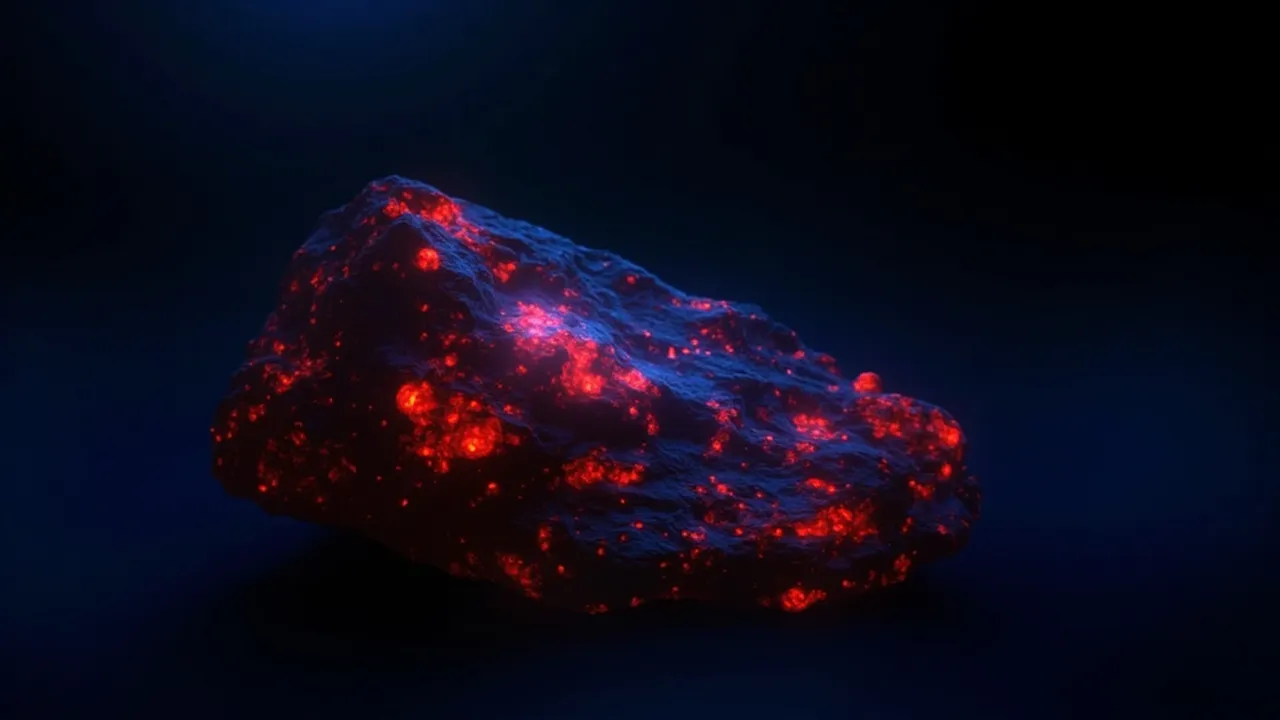
Researchers have discovered that a type of iron ore found throughout Western Australia can produce hydrogen gas when it reacts with water under extreme conditions—and this could be a game-changer for our clean energy future.

Picture this: hauling 27-ton stones across 11 miles of countryside, 4,000 years ago, with no trucks, no cranes, and no wheels in sight. That's exactly what the people who built England's puzzling Devil's Arrows pulled off. And now researchers have finally traced where these enormous stones came from — and the answer flips everything we thought we knew upside down.
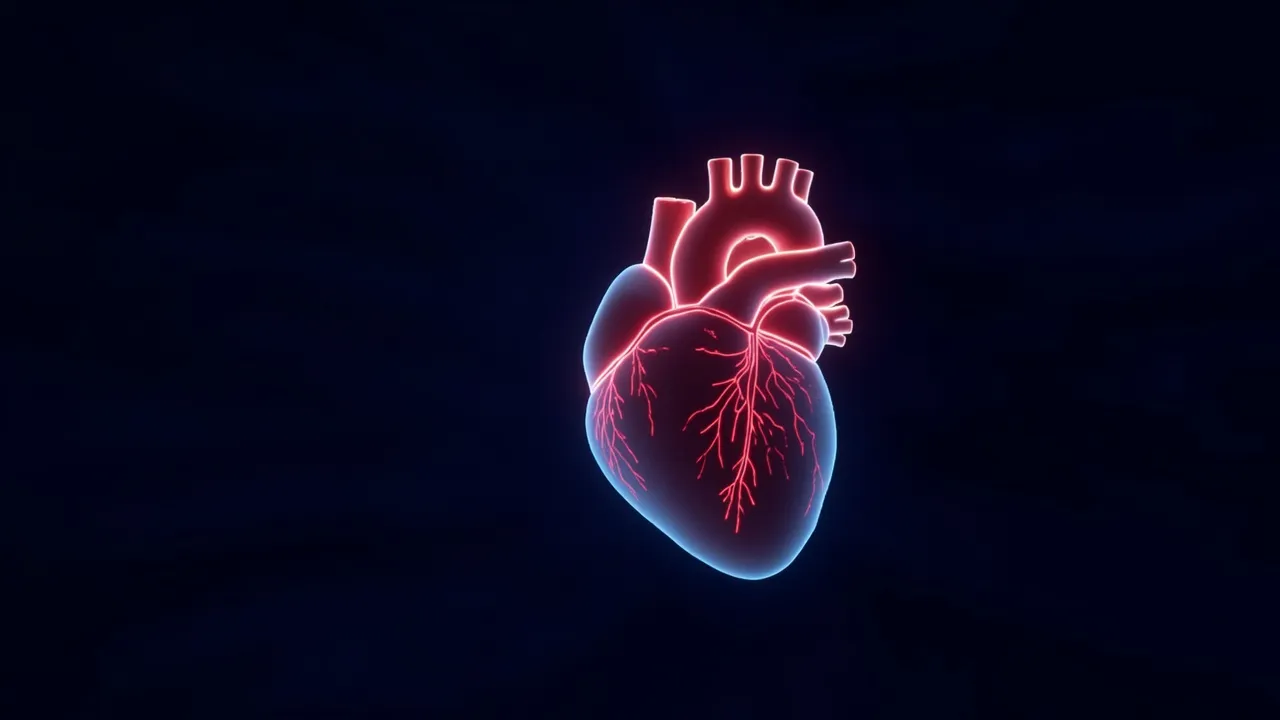
Yangi katta tadqiqot 500 mingdan ziyod odamni o'rgangan holda muhim xulosaga keldi: surunkali stress yurakda yashirin yallig'lanishni keltirib chiqaradi, bu esa yurakni jismoniy tarzda o'zgartiradi va yurak xuruji hamda insult xatari 43 foizga oshadi. Eng xavotirli tomoni shundaki, bu zarar yillar davomida sezilmay qoladi — to siz biror noqulaylik sezguningizcha.
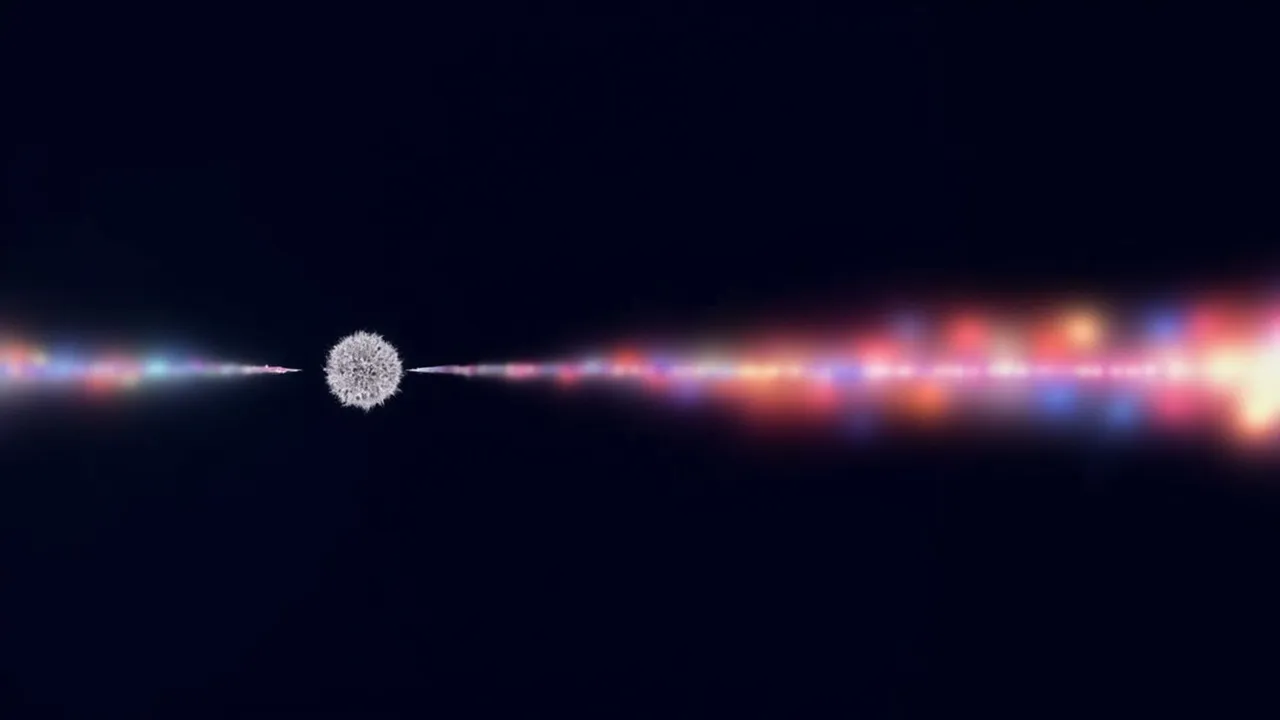
Stanford researchers just pulled off something incredible—they're the first ever to watch sound particles jump between energy states in real time. Honestly, it's way cooler than it sounds. This breakthrough could help us finally build working quantum computers, and maybe even detect diseases before we get sick.
Scientists have developed an experimental drug called CS18 that targets cancer's control center - essentially the part of a tumor that helps it resist treatment. Early tests suggest it could make existing cancer drugs work again, even against tumors that doctors had written off as untreatable.
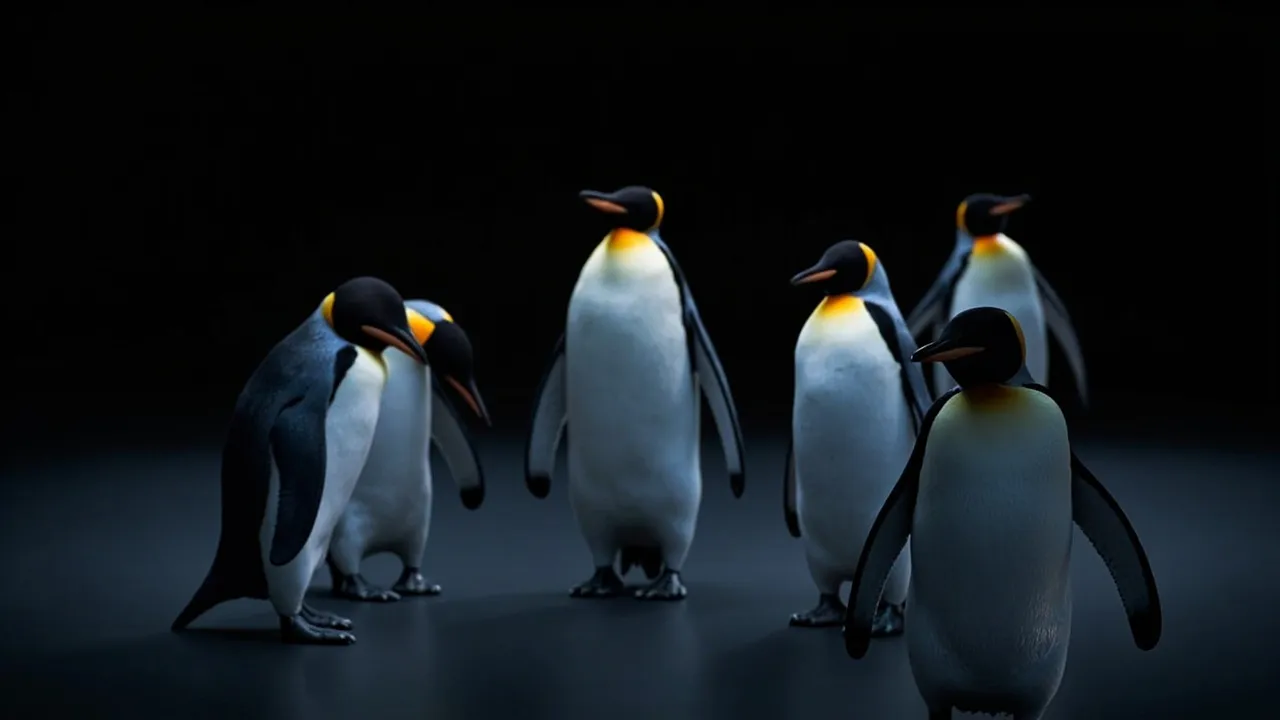
Here's a wild one: what everyone thought was one penguin species turned out to be four distinct ones, sneaking under the radar for decades. That's the story behind gentoo penguins, and honestly, learning how scientists cracked this case has been one of the most fascinating things I've come across this year.
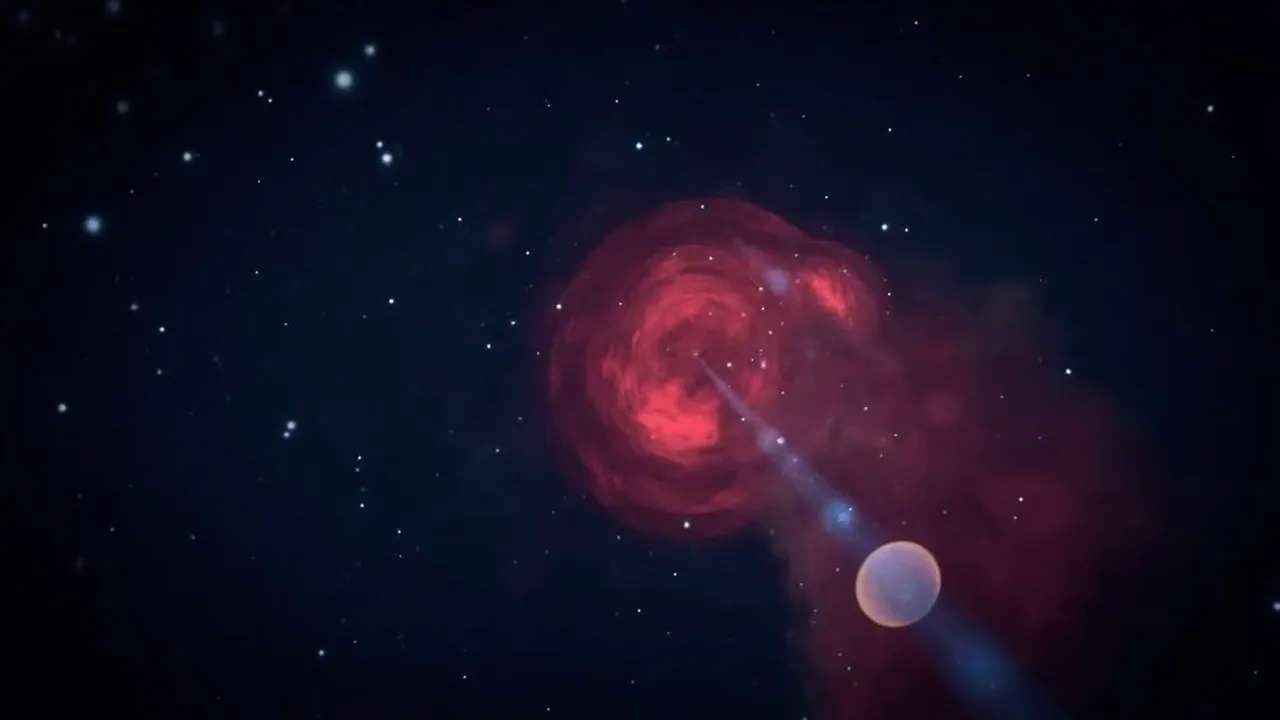
NASA has successfully turned on the Nancy Grace Roman Space Telescope's 300-megapixel camera, and it's honestly going to change the way we look at the universe forever. Right now, scientists are putting the telescope's infrared detectors and advanced optics through their paces as the spacecraft makes its way to its final orbit about a million miles from Earth.
A hundred years ago, Austrian biologist Paul Kammerer committed suicide after being accused of faking experiments with a strange toad. But what if the scientific establishment ruined him not for fraud, but for daring to question Darwin himself? This is a story about ambition, betrayal, and one of science's most unsettling controversies.
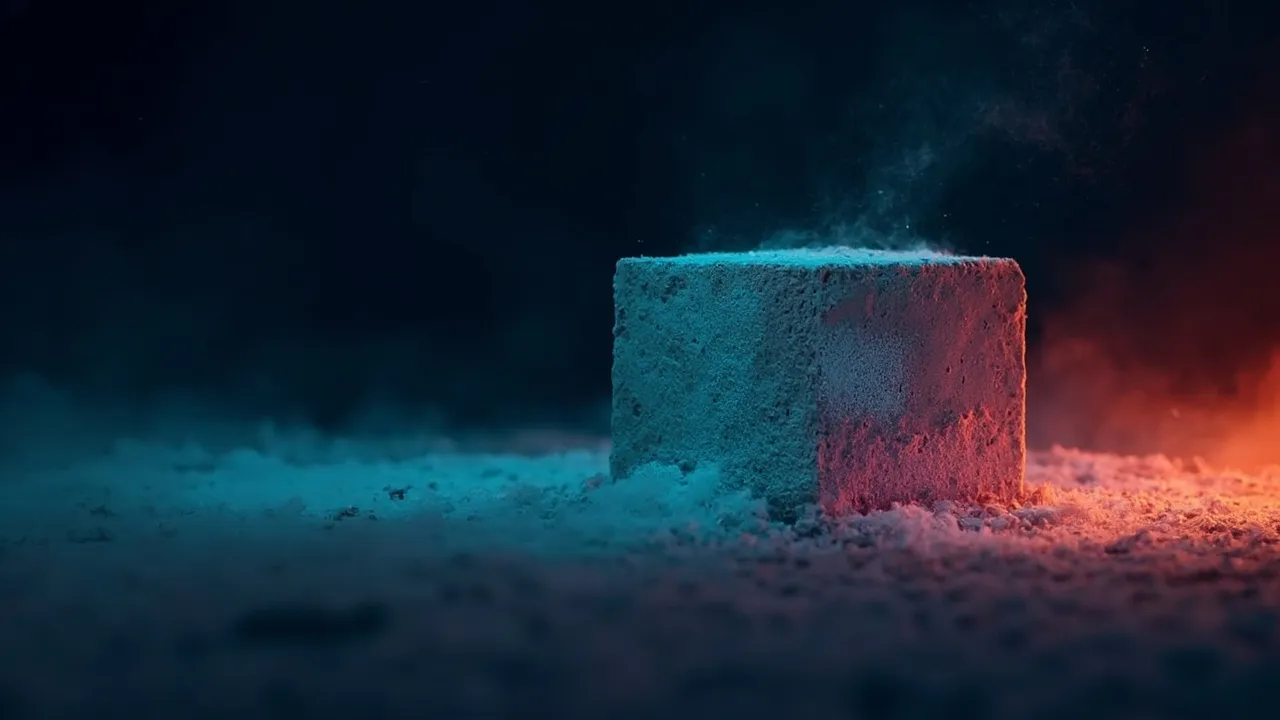
Hindistondagi olimlar yangi turdagi beton yaratishdi. U odatiy betondan ham puxtaroq bo'lib, havodan karbonat gazni o'zi tortib oladi. Zeolit va bambuk ko'miri qo'shilgan bu beton qurilish sohasi va atrof-muhitni himoya qilishda katta yangilik bo'lishi mumkin.
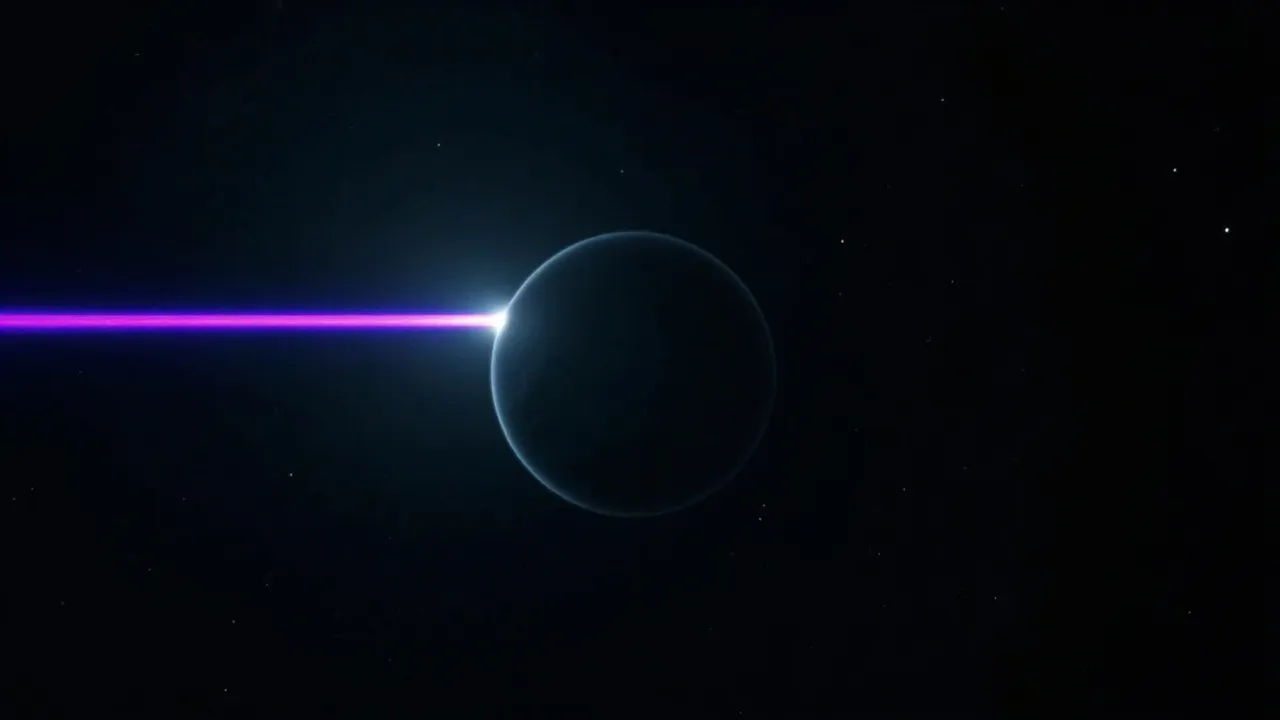
Qochirim tayyorgarlik kechirayotgan havaskor astronom Joël Lapointe Quebecning chekka hududlarida kemping uchun joy qidirarkan, sun'iy yo'ldosh xaritalarida mantiqsiz narsa ko'ziga tushdi — dumaloq shakl. Bu tasodifiy kuzatuv keyinchalik olimlarni Yerning eng muhim yangi kashfiyotlaridan biriga olib keldi va shuni isbotladi: eng yaxshi kashfiyotlar ba'zan "bu nima?" deb so'rashdan qo'rqmaydigan odamlardan keladi.
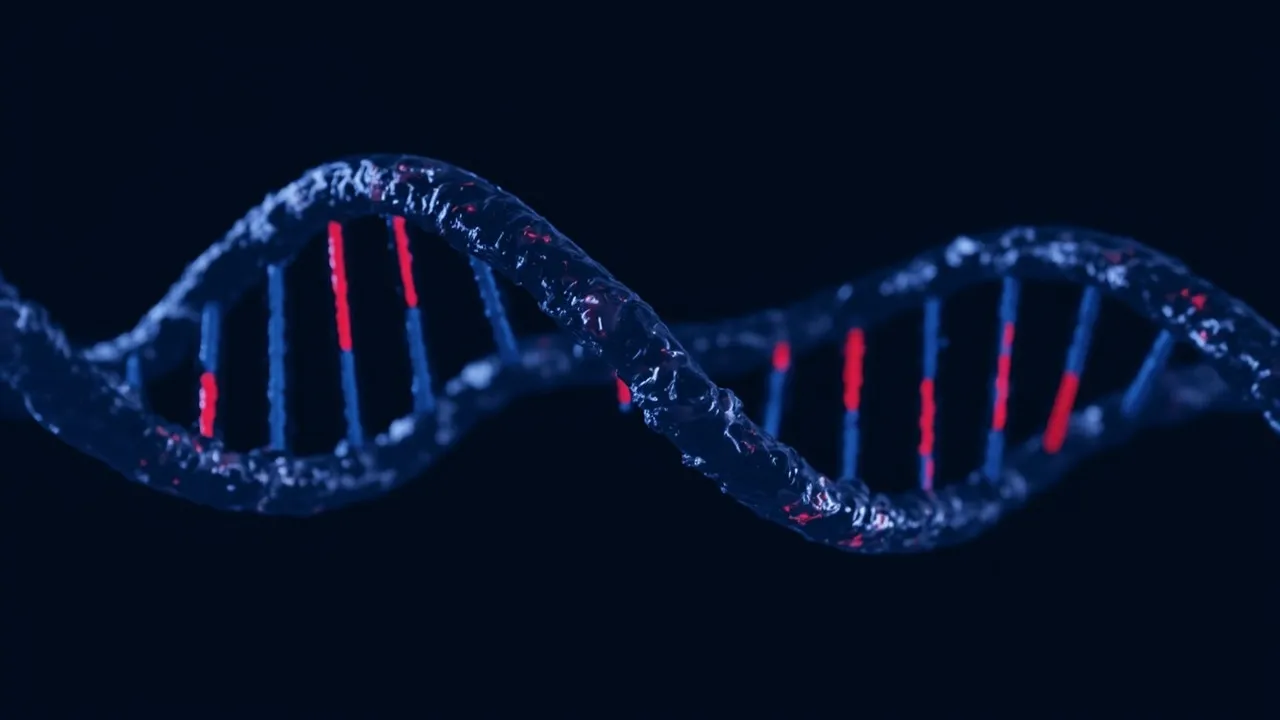
Researchers have uncovered more than a thousand genetic variants that shape our personalities, and honestly, it's pretty mind-blowing. The findings suggest our traits might be coded in our DNA far more than we realized — but before you rush to blame your parents for your quirks, there's a lot more to it than that.
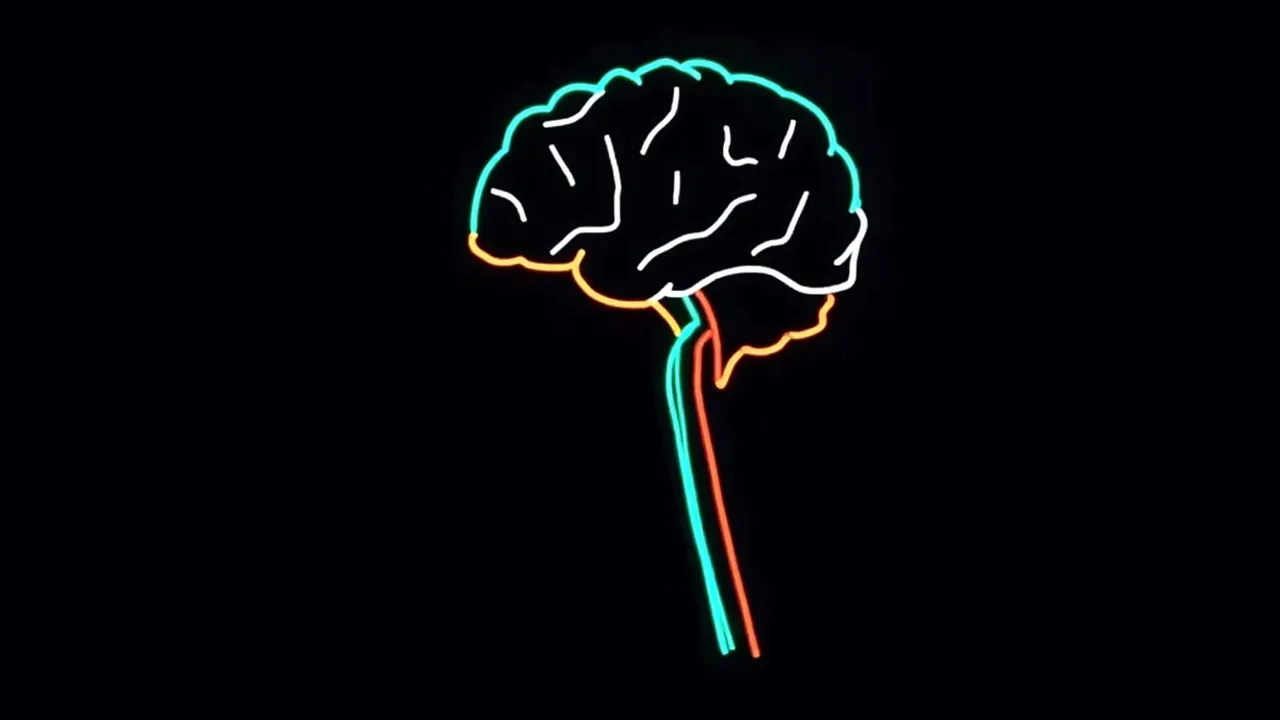
Stanford researchers just revealed something that could flip everything we thought we knew about the brain upside down. It turns out we've basically been walking around our whole lives with two nervous systems fused into one—except they never fully merged. One handles everything you do without thinking: breathing, digestion, your heart beating away. The other is what makes you distinctly human—writing poetry, debating pizza toppings, all that stuff.
Olimlar qiziq bir kashfiyot qilishdi: bosh miyaning kichkina bir qismidagi bitta oqsil butun organizmning qarish jarayoniga ta'sir ko'rsatadi. Xotira va fikrlash qobiliyatidan tortib, suyak zichligi va teri qalinligigacha — hamma narsa shu oqsilga bog'liq ekan.
Keyinchalik o'tkazilgan tajribalar yanada hayratlanarli bo'ldi. Yosh katta bo'lgan sichqonlarda shu oqsilni tiklab ko'rishganda, qarish belgilari orqaga qaytara boshladi. Bu — umr uzaytish sohasida endigina ochilayotgan yangi imkoniyatlar eshigi edi, garchi bunday imkoniyatlar mavjudligini hech kim o'ylamagan bo'lsa ham.
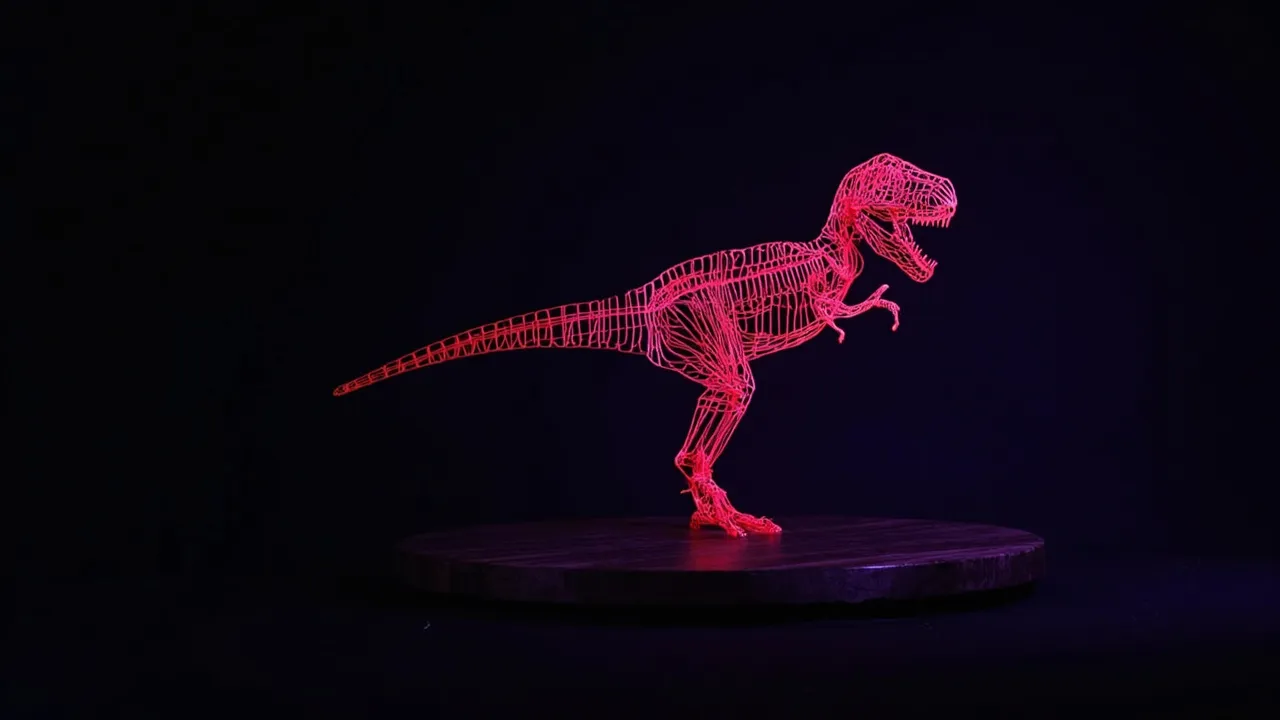
Scientists may have finally answered one of paleontology's biggest questions — and the answer sounds like something out of science fiction. How warm was a T. rex, really? Surprisingly, it turns out they ran at almost exactly our body temperature.
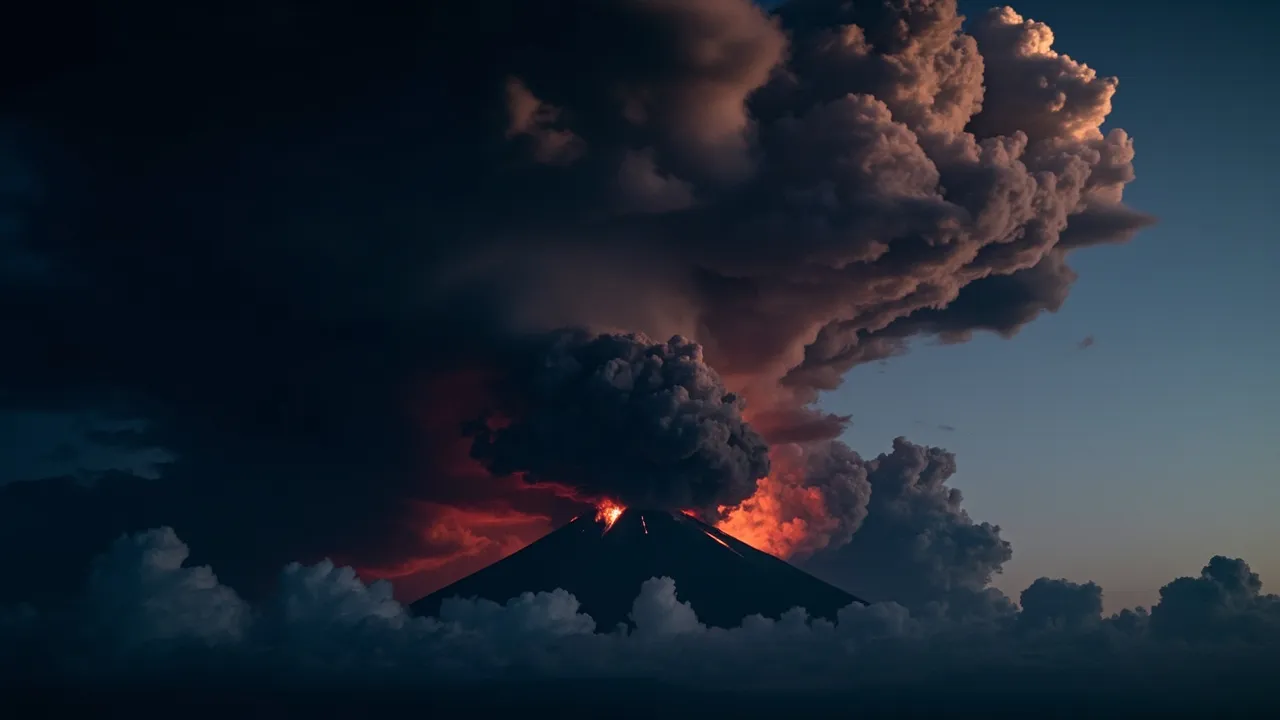
When Anak Krakatau decides to wake up, the whole region feels it. This small but feisty volcano off Indonesia recently put on a 24-hour explosive show — shooting ash sky-high, grounding flights, and leaving millions of people breathing in some pretty nasty air. Here's what happened — and why this little volcano deserves way more respect than it gets.

Scientists have developed an AI that can design viruses from scratch, and honestly, it's both thrilling and a little scary. Let me walk you through what's happening, why it matters, and what we might do about it.
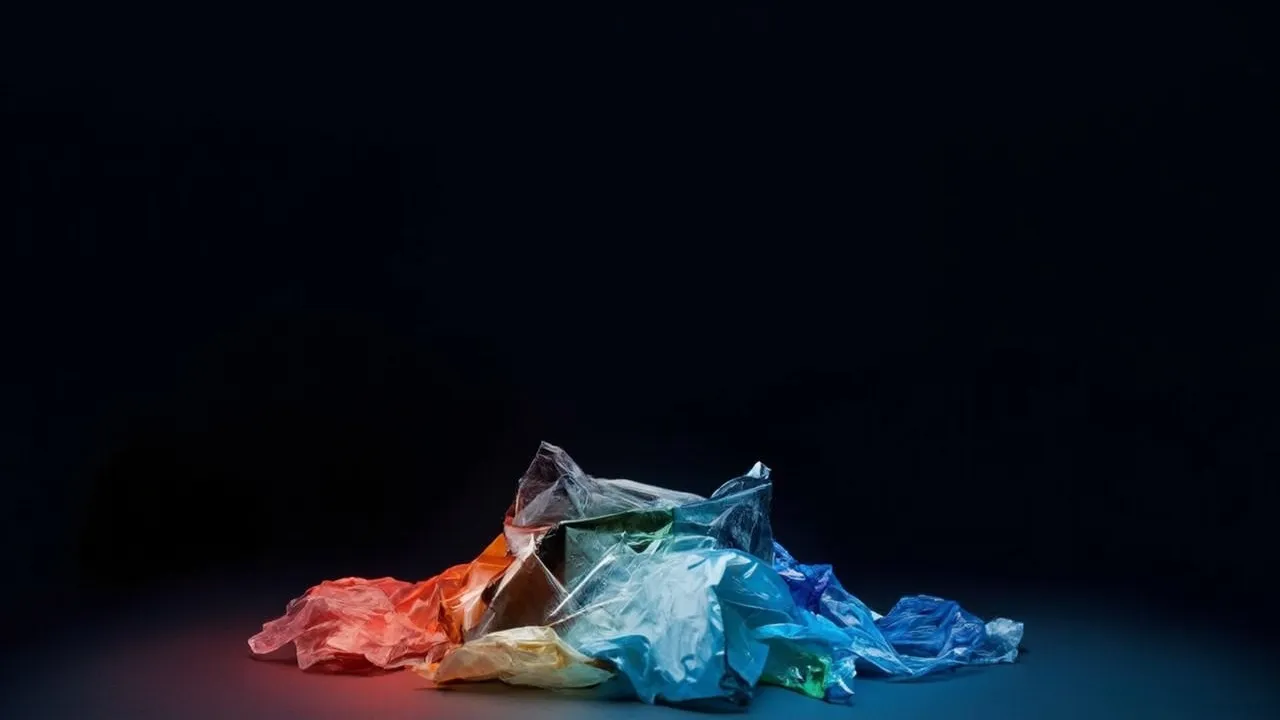
What if we could turn all that plastic choking our landfills and oceans into fuel for our cars? That's exactly what researchers at Oak Ridge National Laboratory have figured out—and the really cool part? Their method works at temperatures lower than your average kitchen oven. This breakthrough has the potential to change everything.