
Researchers just stumbled onto something that proves science still has plenty of surprises up its sleeve. Two materials that scientists thought they had completely figured out turned out to be keeping a secret all along—one that was just waiting for someone with the right tools to come along and spot it.
Buried deep beneath an old gold mine in South Dakota, researchers working with the LUX-ZEPLIN detector may have caught a glimpse of something extraordinary—a single collision that could be dark matter's signature. It's too early to celebrate, but this tiny flash has physicists buzzing with excitement.
What if you could stand on the shore of an ancient Kenyan lake and watch eight of our distant relatives walk by? These weren't humans as we know them—they were Paranthropus boisei. Scientists have just discovered their footprints, and the findings are rewriting everything we thought we knew about our ancient cousins.
Jefferson Lab researchers set out to find one elusive particle. Instead, they stumbled upon two completely unexpected structures. This discovery could finally help us understand some of the strangest particles in the universe.
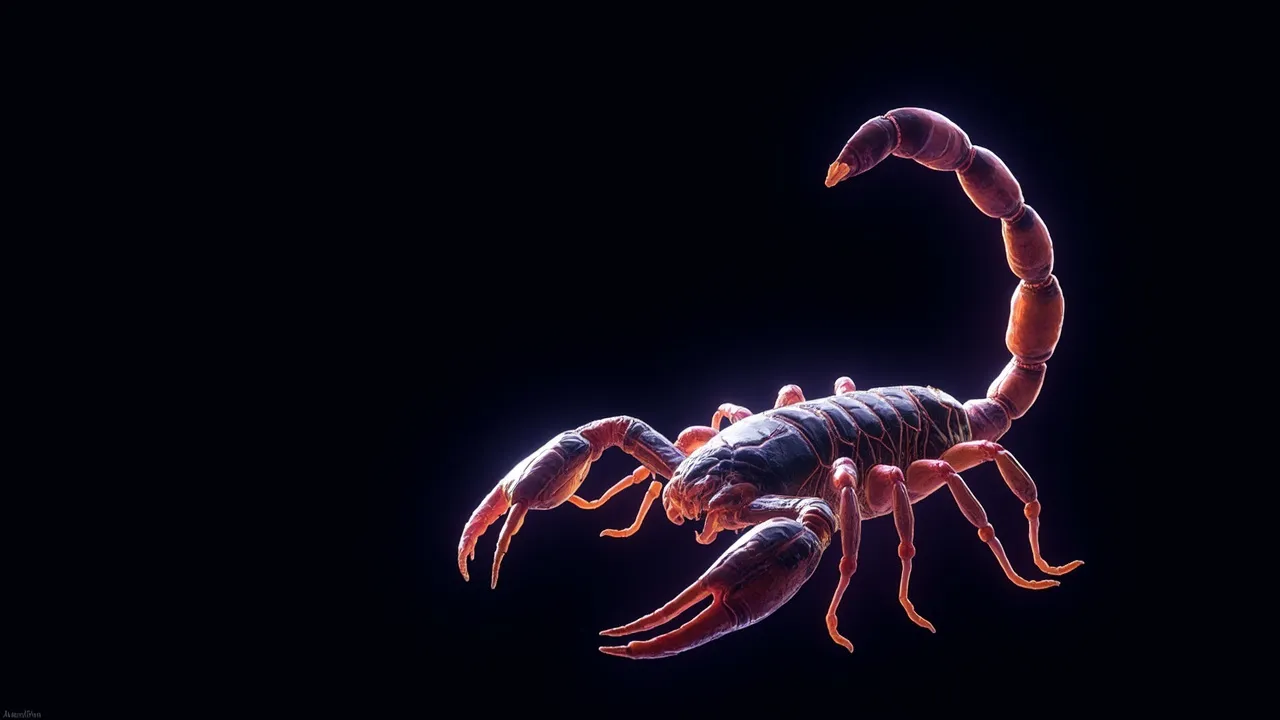
Scientists have confirmed that a massive scorpion the size of a coffee table once dominated ancient Earth—and here's the really crazy part: it showed up about 50 million years before forests even existed. This discovery completely changes what we thought we knew about giant creepy-crawlies.
Construction workers building a new motorway in the Czech Republic stumbled upon far more than they bargained for — an entire Celtic trading hub, remarkably well-preserved and filled with gold coins, jewelry, and evidence of ancient luxury goods production. Experts are calling it one of the most significant archaeological discoveries in the region in recent memory.
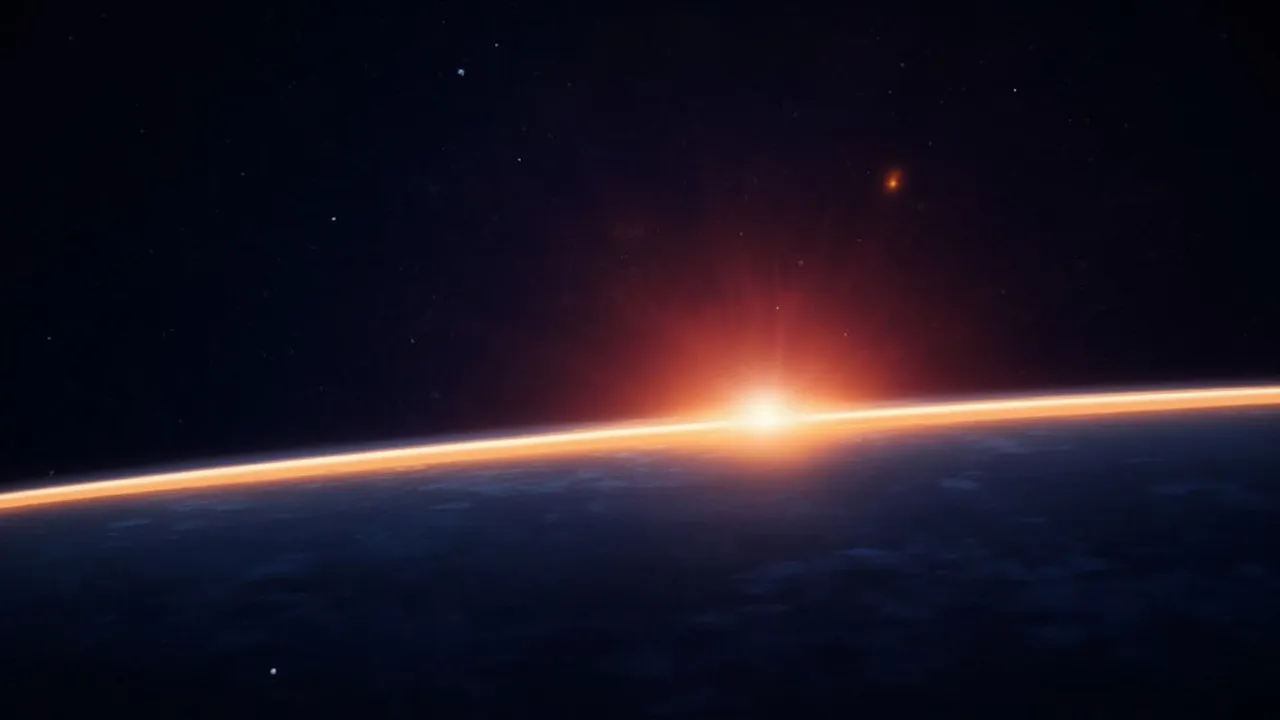
NASA scientists have discovered something intriguing: Earth may have been left completely defenseless against the harsh realities of space multiple times throughout its history. These vulnerable periods could be the missing piece of the puzzle when it comes to understanding some of our planet's most mysterious climate changes.
If you've ever tried sleeping with a CPAP machine and felt like you were strapping into a spacecraft, there's finally some good news. A new oral medication just came out of clinical trials looking incredibly promising — cutting breathing interruptions by nearly half. And it comes as a simple pill you just take once a night.
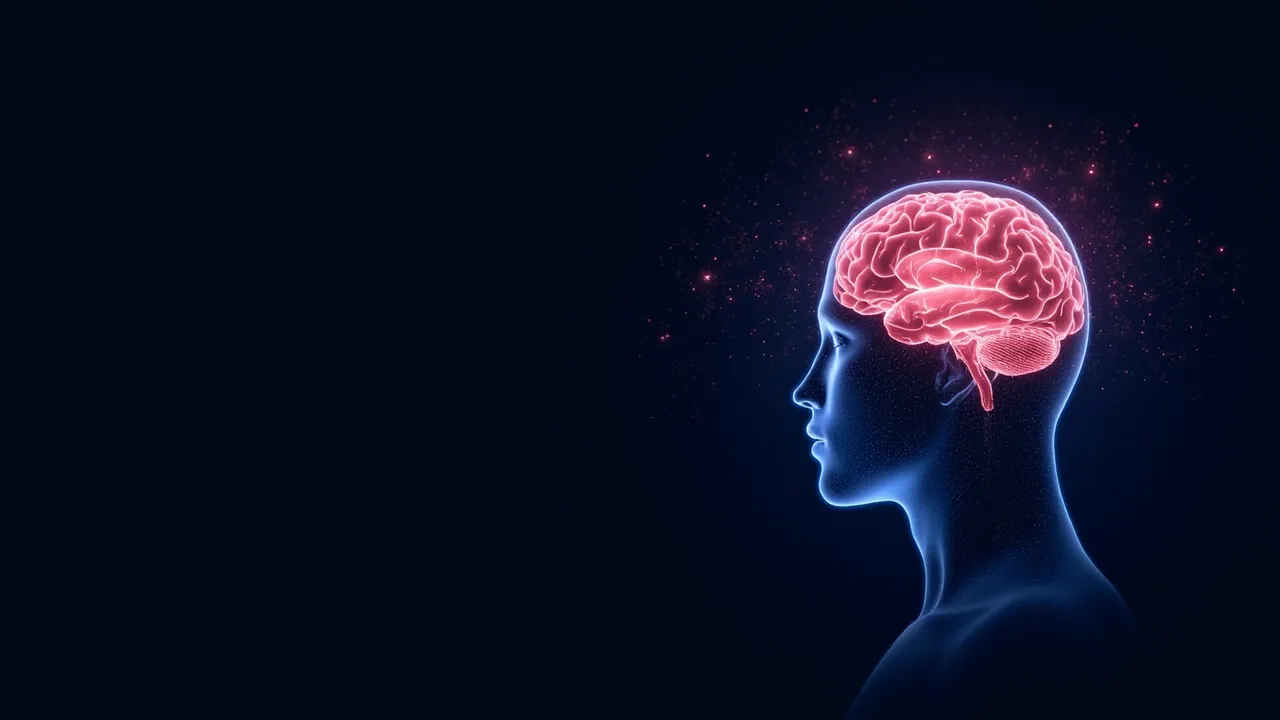
A research psychologist has put forward an intriguing idea: what if our brains aren't just biological organs, but actually receivers picking up signals from another dimension? This theory might just explain where creativity comes from, what drives genius-level thinking, and why humans ended up as the most intelligent species on the planet.

The winter of 1811-1812 saw a series of powerful earthquakes tear through the heart of America—strong enough to actually push the Mississippi River backward. More than two centuries on, scientists are still arguing about whether the same thing could happen again, and honestly, the evidence is unsettling.
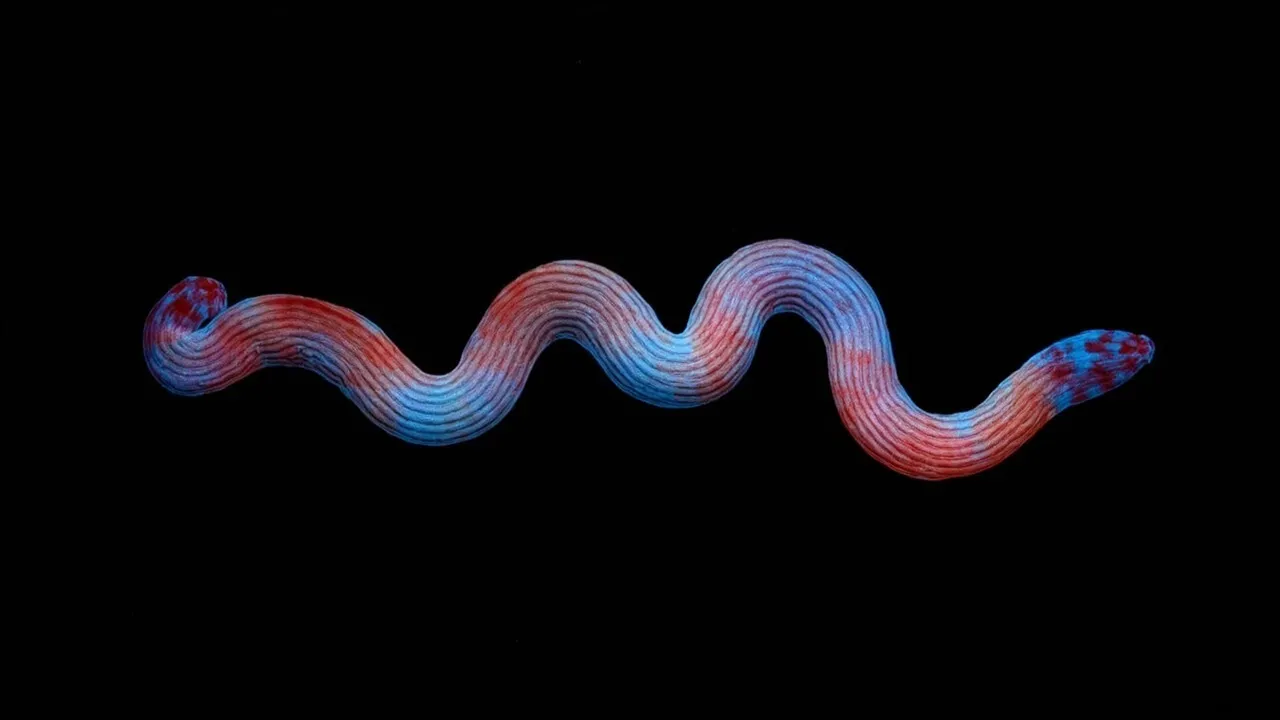
Scientists have finally cracked why snake embryos curl into tight spirals during development — and honestly, the answer is way cooler than I expected. Turns out these little guys have a gut problem. Literally.
The Atacama Desert in Chile is so incredibly dry that NASA actually uses it to test Mars rovers. So you can imagine everyone's shock when one of the world's most extreme deserts recently got buried under snow — and then got slammed with a month's worth of rain in just three days.
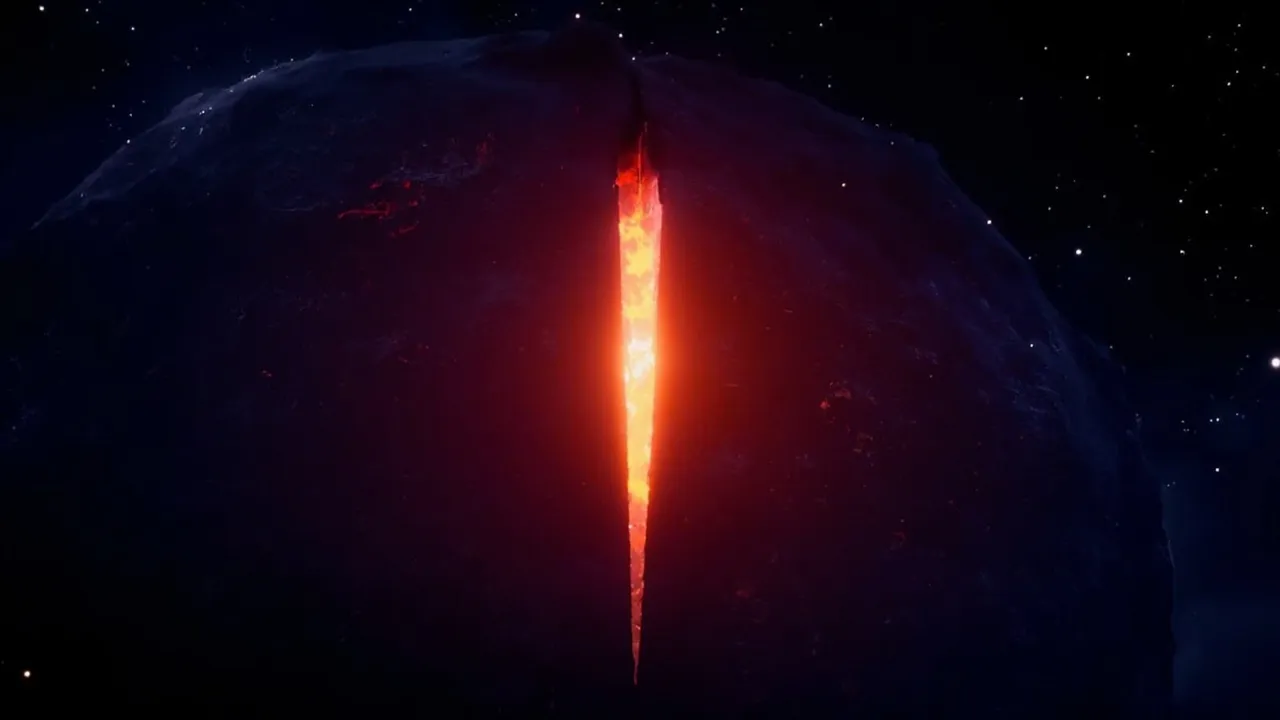
Far below Africa, a massive column of superheated rock is pushing up from thousands of kilometers deep, gradually forcing the land to split apart. Scientists have finally developed computer models that explain a mysterious pattern of movement that had left geologists scratching their heads for years.
Researchers have discovered that humans carry a unique gene that may explain why our brains develop so much more slowly than any other species on the planet. This finding could also give us new clues about brain disorders like autism and Alzheimer's.

Olimlar kashf etishdiki, vanilin—ya'ni vanilning yoqimli hidini beruvchi kimyoviy modda—elektron sigaretlar orqali nafas olganda insonning eng dastlabki rivojlanish bosqichlariga salbiy ta'sir ko'rsatishi mumkin. Bu kashfiyot homilador ayollar va homilador bo'lishga harakat qilayotganlar elektron sigaretlardan foydalanganda aslida o'z organizmlariga nima solayotganlari haqida jiddiy savollar tug'dirmoqda.
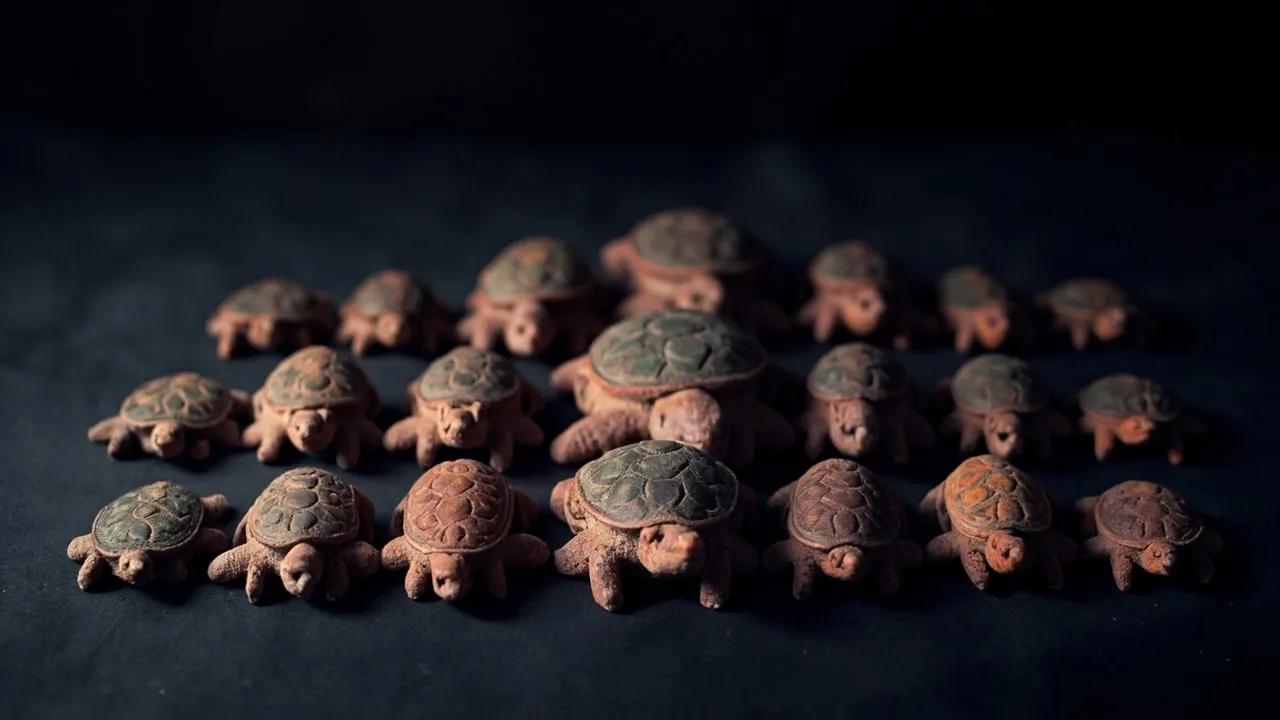
In Turkey, archaeologists have unearthed something unusual: 25 roughly carved limestone turtles, buried around an ancient stone structure deep inside a cave. These little stone reptiles date back as far as 16,000 years, and experts are still trying to figure out why they're there. What possessed ancient people to carve these turtles and deliberately plant them in the ground? Nobody really knows for certain — and that's exactly what makes archaeology so endlessly fascinating.
Olimlar quantum kompyuterlarni bir-biri bilan doimiy qo'l ushlab turmasdan ham gaplashishga o'rgatib qo'yishdi. Buning uchun esa "quantum vanna" deb nomlangan narsa ishlatiladi — nomi eshitganda qiziq tuyulsa-da, aslida juda muhim kashfiyot bu.
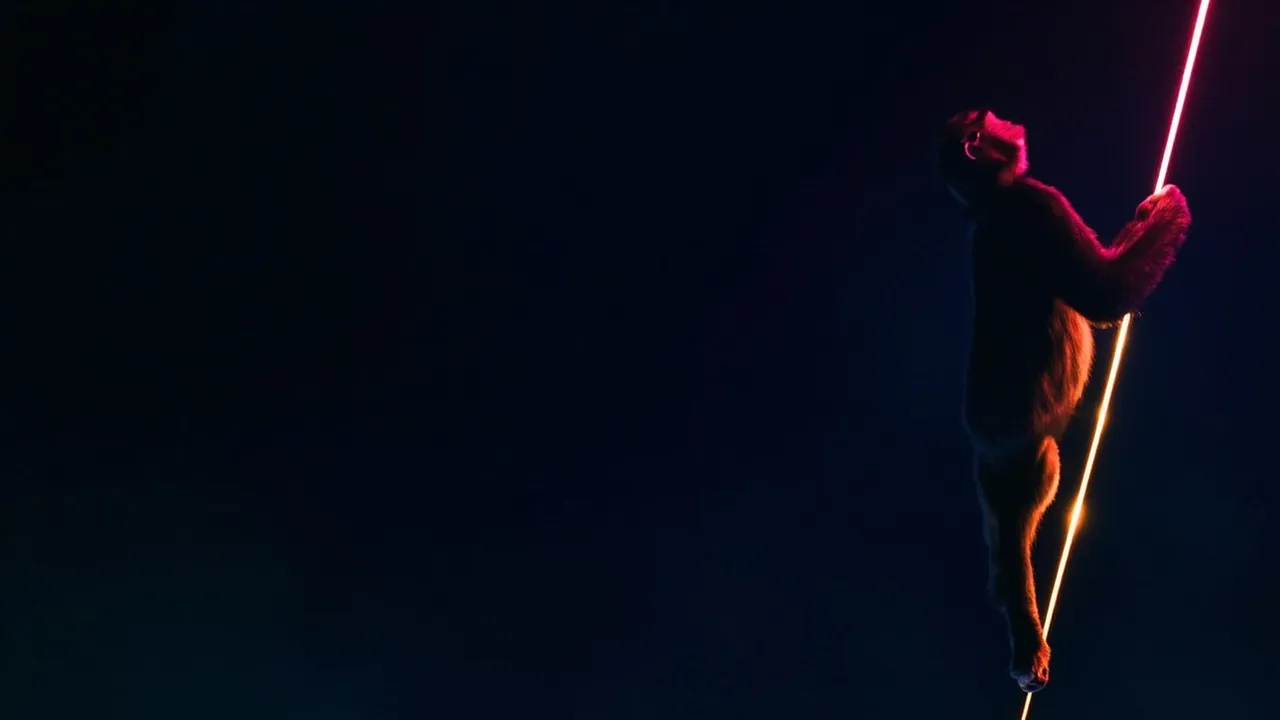
New research suggests monkeys may be just as good at climbing trees vertically as their ape cousins—and this finding is changing what we thought we knew about how humans evolved. Researchers studying wild monkeys in West Africa have recorded video footage that challenges old beliefs about how our earliest ancestors moved through ancient forests.

There's fresh hope for patients facing one of the deadliest cancers. A new drug — recently approved by the FDA and made from simple, common elements — is delivering stunning results in clinical trials, nearly doubling survival time. For people who'd been told there were no good options left, this is a game-changer.
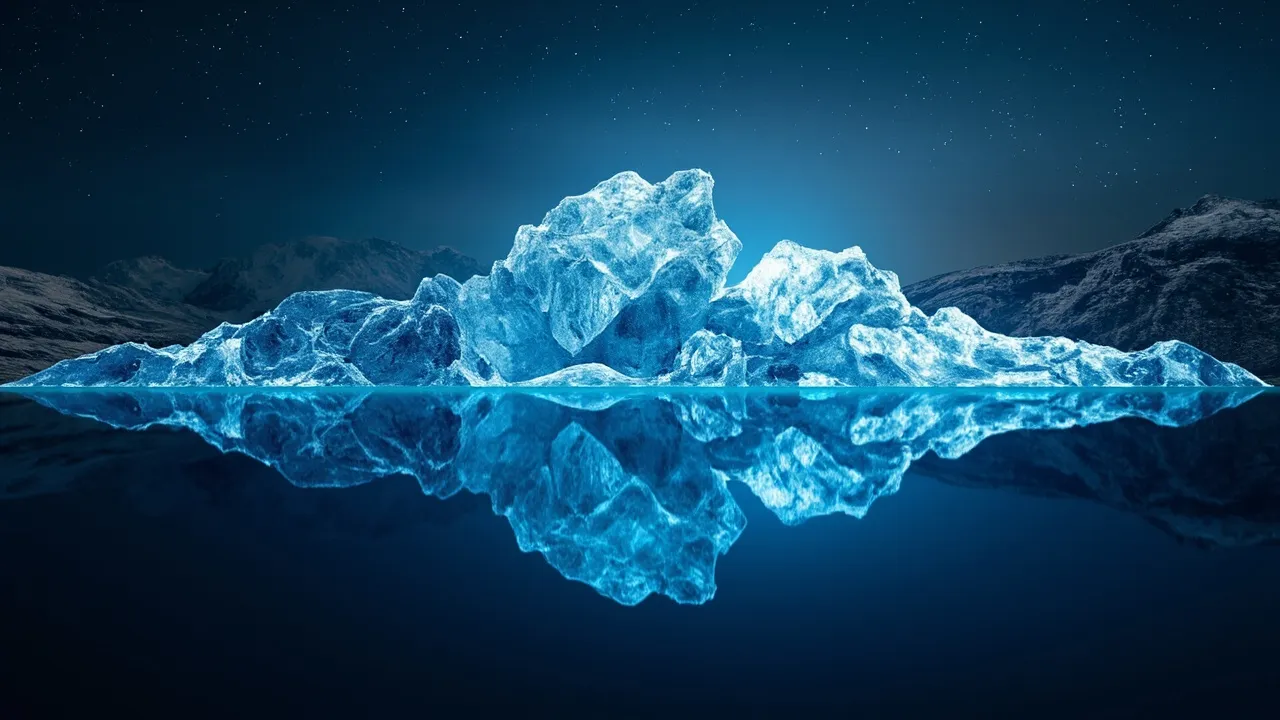
Deep under the rocky mountains of Utah, there's a secret world of ice—enough frozen water to fill hundreds of swimming pools. And most hikers walking right over it have no idea it's there. Now, scientists have figured out how to see through the rock and measure what's really hidden below.