

150 years ago, a perfect storm of climate events and human failures created the deadliest disaster in modern history. Now, with a new super El Niño brewing, scientists are racing to understand what went wrong — and whether we're any better prepared this time around.

After years of losing work to unexpected power outages, I finally tested an affordable solution that's been hiding in plain sight on Amazon—and it might just be the most practical tech purchase you make for your home office this year.

Scientists have discovered something unexpected about popular weight-loss and diabetes drugs like Ozempic and Wegovy. New research suggests these medications might do more than just curb appetite—they could also reduce violent behavior by changing how people respond to impulses and alcohol. Here's what this means and why it's got researchers so intrigued.
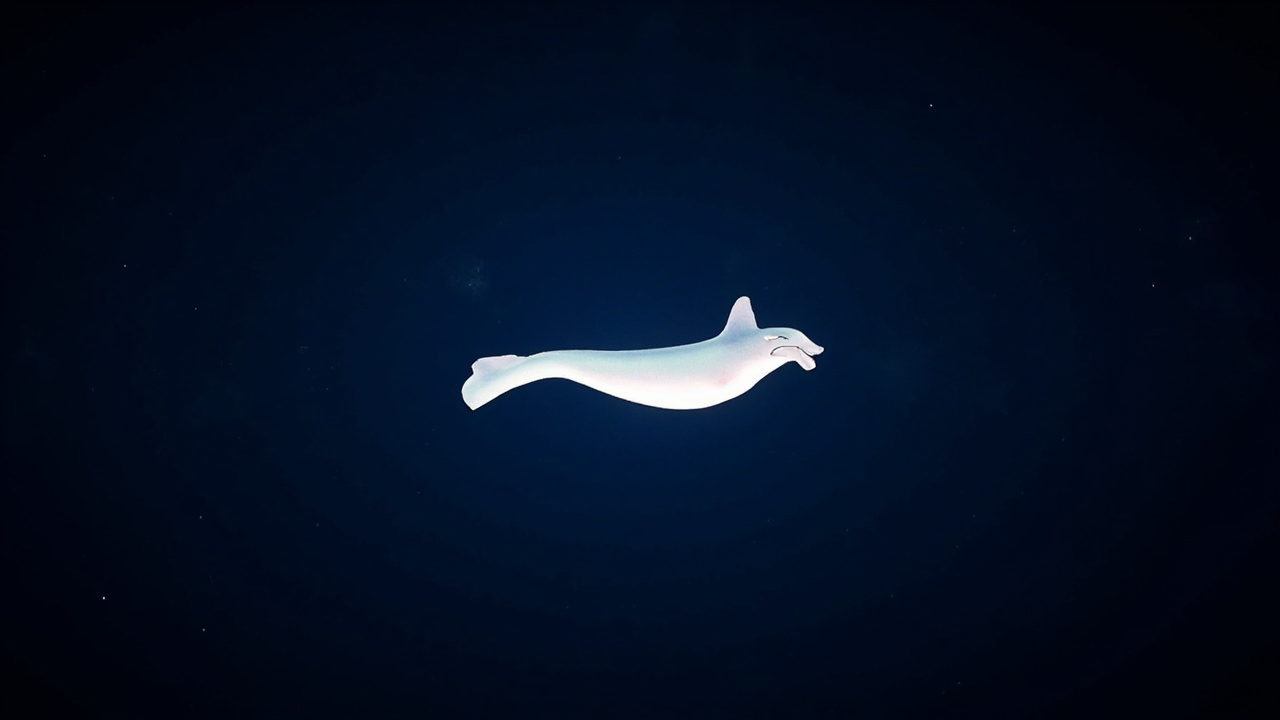
The vaquita—the world's smallest and most endangered porpoise—has been quietly disappearing from Mexico's Gulf of California for decades. With fewer than a handful left in the wild, researchers are now racing against extinction itself, using cutting-edge 3D scanning technology to create a detailed digital record before it's too late.
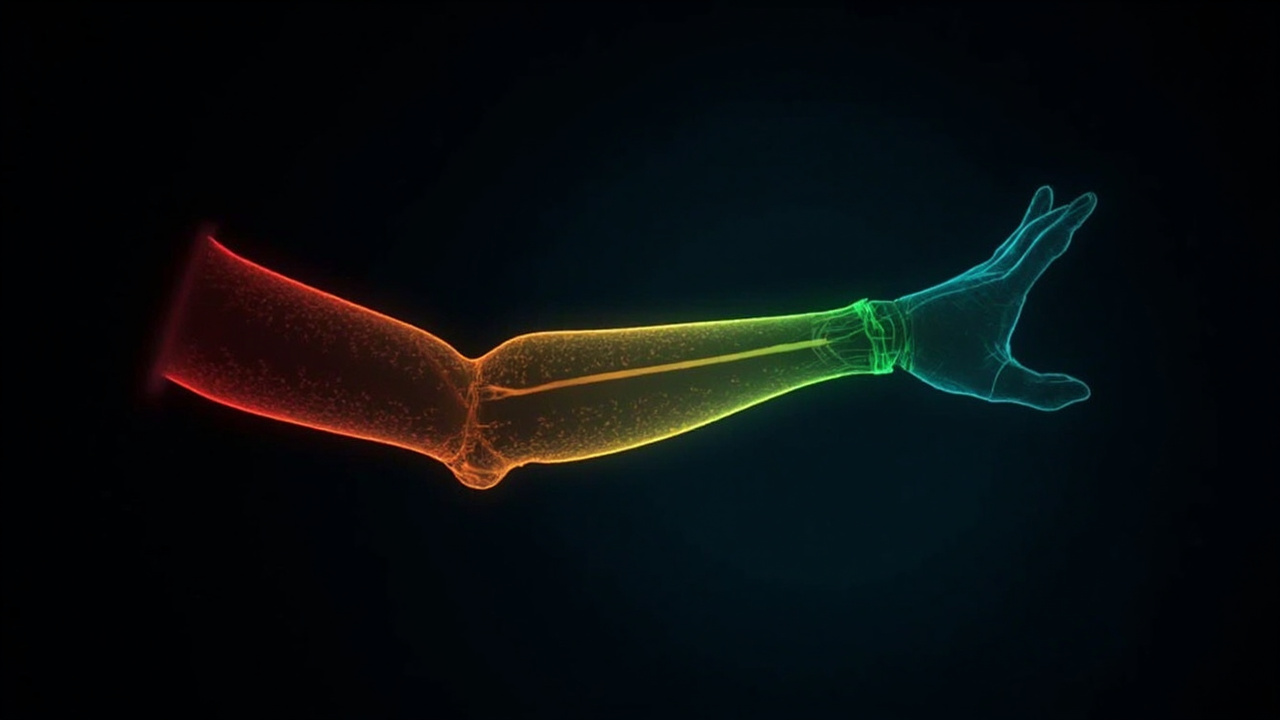
New research suggests our bodies might already have the tools for regeneration buried deep inside—we just haven't figured out how to unlock them yet. A Texas A&M team has discovered a two-step approach that could change everything we thought we knew about human healing.
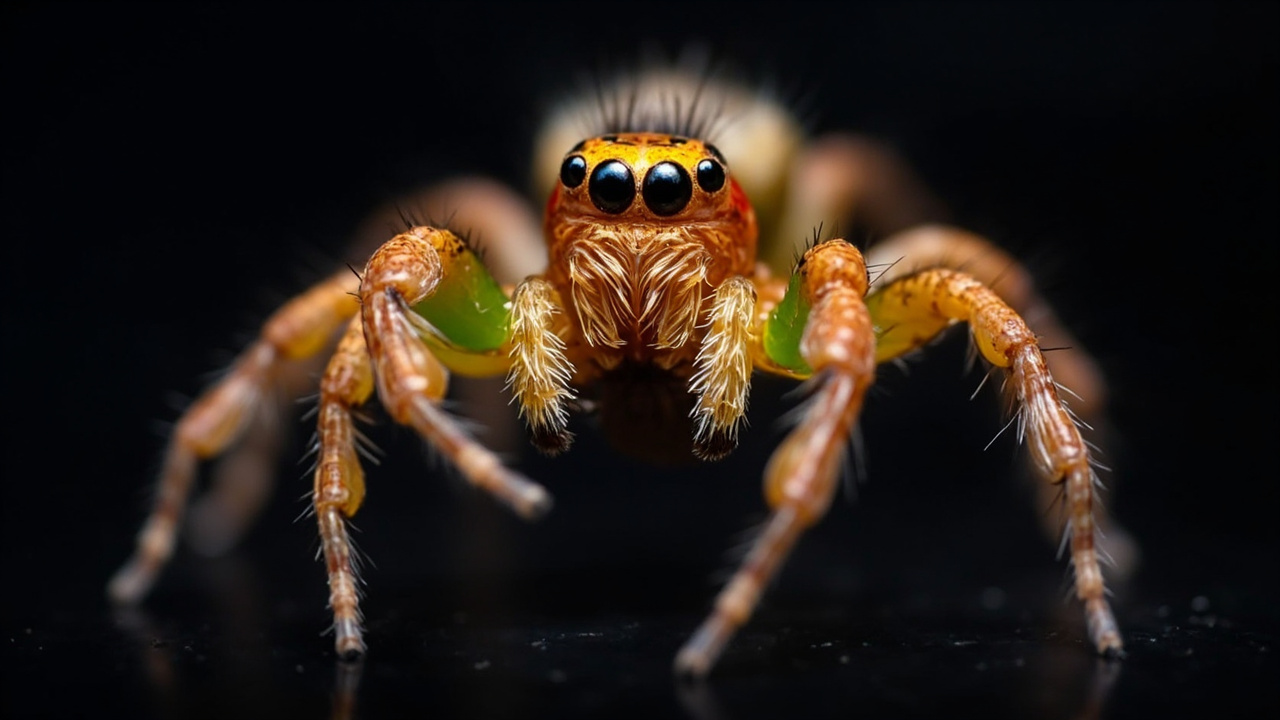
Scientists have discovered a wild new spider species in the Ecuadorian Amazon that looks exactly like a deadly fungus growing on its own kind. Talk about playing with fire! This sneaky little arachnid has evolved an incredibly specific disguise that might be the creepiest survival strategy in the entire animal kingdom.

In 1934, a luxury cruise ship set sail from Havana to New York with 549 passengers aboard. Hours after the captain was found dead under mysterious circumstances, the S.S. Morro Castle became an inferno. Nearly a century later, we're still asking: what really happened that night?
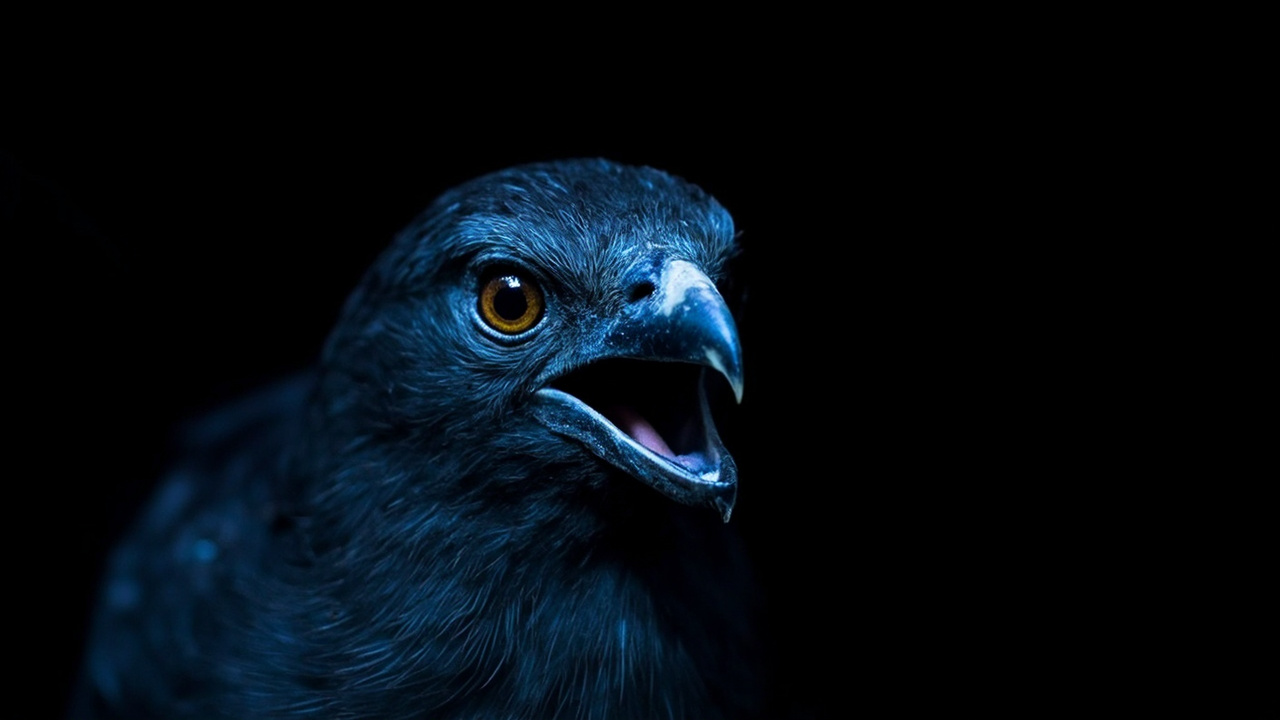
For over 100 years, people in Sri Lanka have been terrified of a nightmarish creature called the Ulama, or Devil Bird, whose blood-curdling screams were said to signal bad luck. Turns out, scientists might have finally figured out what's really lurking in those jungles — and spoiler alert, it's just a very ugly owl having a bad night.

While Alan Turing was busy breaking Nazi codes at Bletchley Park, he was secretly working on another mind-blowing invention — a portable voice encryption device called Delilah. And honestly? This might be even more impressive than cracking Enigma.

New research reveals that a chemical lurking in everyday plastic products could influence anxiety levels for life—even if exposure only happened during pregnancy and early childhood. Scientists found that male rats exposed to a common plasticizer showed lasting behavioral changes, but here's the hopeful part: there might be a way to reverse them.
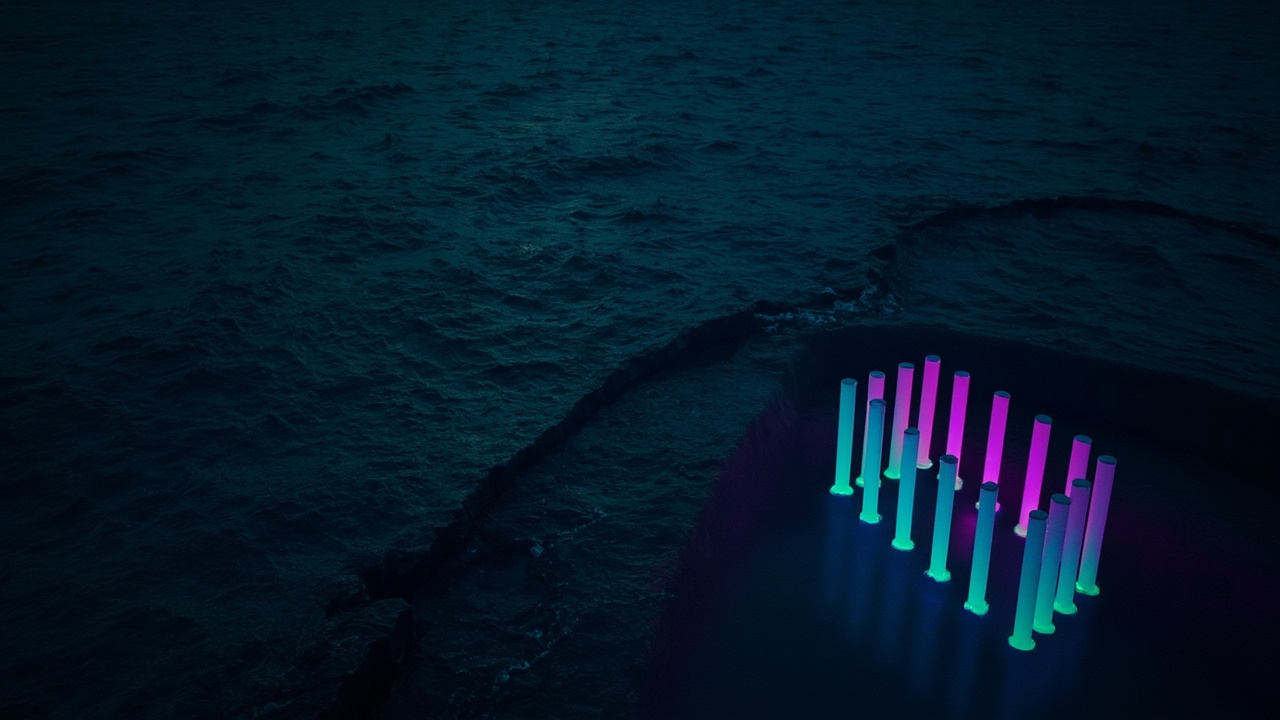
Imagine building a magnificent temple to honor the god of the sea, only to watch it slowly sink into the murky waters over centuries. That's exactly what happened to a sanctuary dedicated to Poseidon in ancient Greece, and after thousands of years hidden beneath the swamp, archaeologists have finally brought it back into the light.
A small but fascinating new study suggests that taking a daily probiotic alongside regular depression treatment might help ease symptoms of both depression and anxiety in older adults. The research adds to a growing body of evidence that the trillions of bacteria living in our digestive system may be influencing our mental health in ways we're only just beginning to understand.
When scientists mapped the human genome, they thought they'd cracked the code to health. Instead, they discovered that genetics only explains a tiny fraction of disease risk. The rest? It turns out we're barely scratching the surface of what we put on our plates every single day.
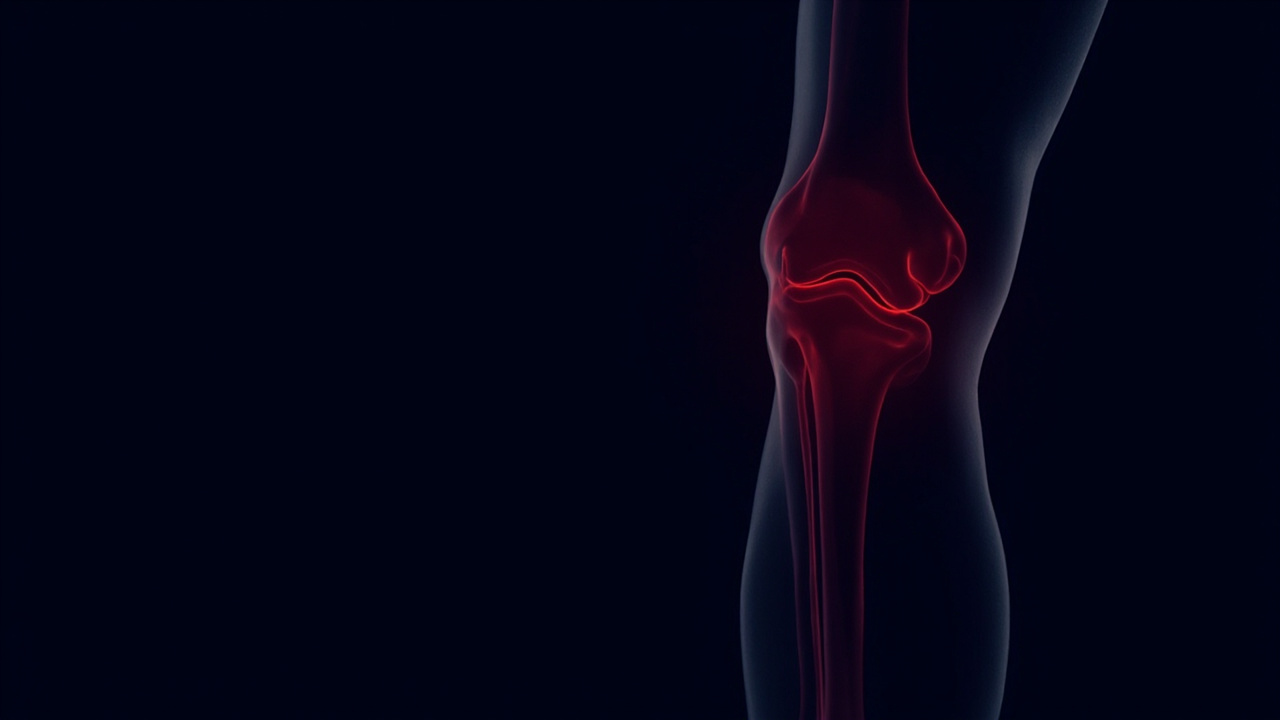
Imagine getting lasting knee pain relief without surgery, without a hospital stay, and without months of recovery. A groundbreaking new procedure is doing exactly that for thousands of arthritis sufferers—and the results are genuinely remarkable.
Scientists have discovered a clever way to prepare ultra-thin materials for next-generation computer chips by essentially "pre-treating" them with oxygen or fluorine before exposure to plasma. The trick creates a wider safety margin for manufacturers, making it easier to carve away single atomic layers without destroying the delicate materials underneath.

Scientists have discovered that reshaping a surface thinner than a human hair could make superconductors work better than ever before—potentially bringing us closer to electronics that waste almost no energy at all.

Scientists have discovered something fascinating: the way a child's eyes move when looking at happy or sad faces might actually predict something important about their mental health. This isn't just cool science—it's a potential game-changer for catching depression early, before it takes hold.
Scientists have discovered something that might just change how you think about your blood sugar: the same process that causes type 2 diabetes might also be quietly damaging your brain. And here's the kicker—medications designed for diabetes are now showing surprising promise against dementia. Let me break down what this means for you.

Cast iron cookware has been around for centuries, and there's a good reason it never goes out of style. These heavy-duty pieces aren't just practical—they're the kind of gifts that literally get better with age, building up layers of seasoned flavor with every meal. If you're looking for a Father's Day gift that Dad will be using decades from now, cast iron is where it's at.

The Hisense UR9 brings groundbreaking RGB Mini-LED technology to big-screen TVs, but after testing it, I think the real story is something most reviewers overlook—because it isn't flashy at all.