
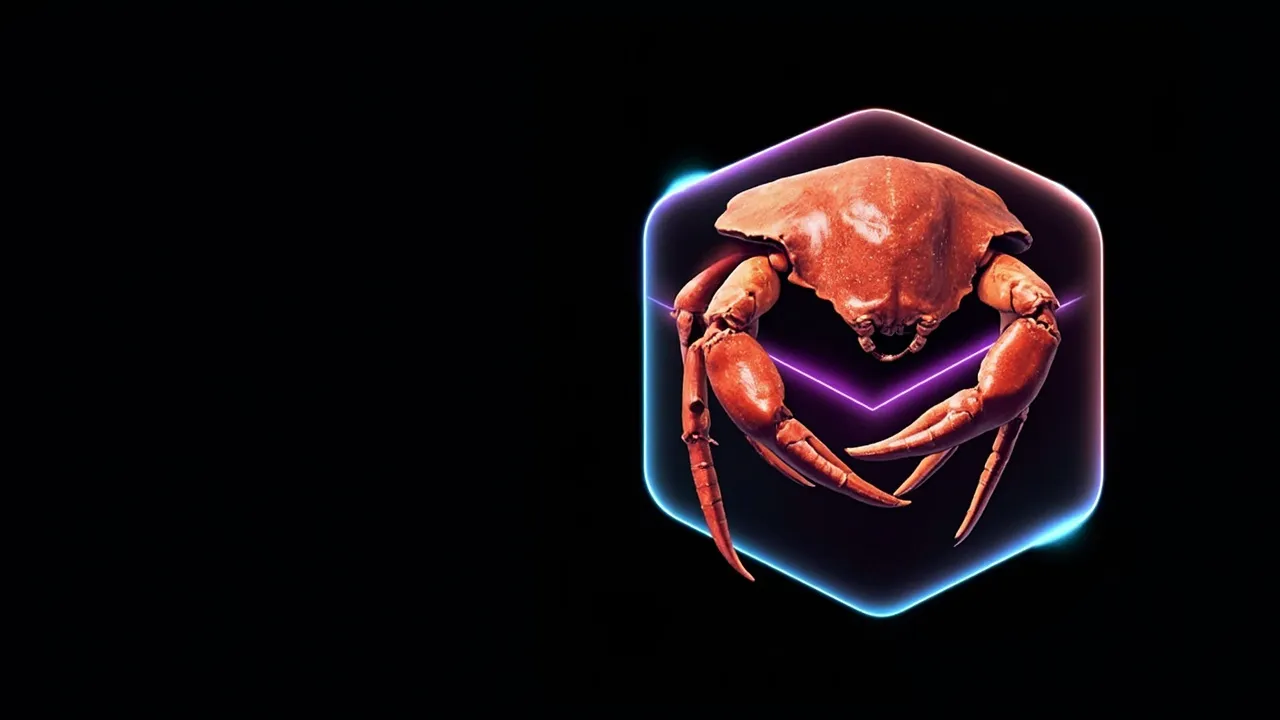
Tarixdagi eng buyuk g'oyibg'oyib yo'qolish sirlaridan biri... qisqurinchalar yordamida yechilgan bo'lsa-chi? Amelia Earhartning taqdirini o'rganayotgan tadqiqotchilar, u uzoqdagi Tinch okeani orolida ulkan kokos qisqurchalari tomonidan yeyilgan bo'lishi mumkinligi haqidagi g'alati nazariyani sinab ko'rdilar — va bu nazariyaning ilmiy asoslari ham hayratlanarli, ham dahshatli darajada qiziqarli.
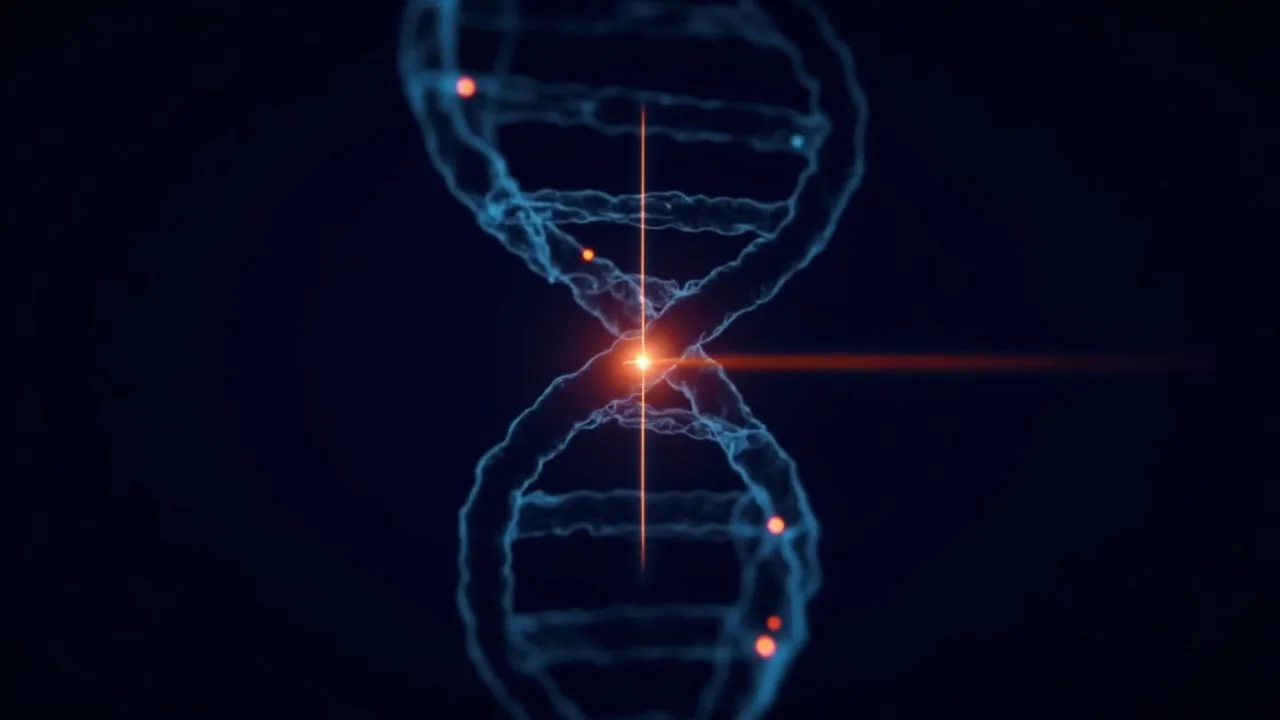
Tadqiqotchilar hujayra bo'linishining tarixini to'g'ridan-to'g'ri DNKga yozib qo'yadigan nihoyatda aqlli vositani yaratishdi, bu esa ularga ikki hujayra qanday qilib trillionlarga aylanishini aniq kuzatish imkonini beradi. Bu rivojlanayotgan embrionlar uchun biologik "uchish registri"ga ega bo'lishdek gap.
Yangi qiziqarli tadqiqot shuni ko'rsatadiki, insonlar sun'iy intellektning anglash qobiliyati va sun'iy intellektning ongi o'rtasida qat'iy chegara o'tkazadilar — hatto xulq-atvor insonnikiga butunlay o'xshash bo'lgan holatlarda ham. Tadqiqot natijalari miyamiz sun'iy ong haqida aslida qanday o'ylashi haqida sizni hayratga qoldirishi mumkin.

Tadqiqotchilar ko‘z o‘ngimizda yashiringan, e’tibordan chetda qolgan minglab kimyoviy reaksiyalarni kashf etishdi — ular karbonat angidridni metanol kabi foydali yoqilg‘ilarga aylantirish kaliti bo‘lishi mumkin. Sun’iy intellekt va mashinali o‘rganishdan foydalangan holda, olimlar an’anaviy modellar butunlay e’tibordan chetda qolgan yo‘llarni, jumladan, vodorodning ushbu reaksiyalarda ishtirok etishining biz bilgan barcha tasavvurlarni inkor etuvchi hayratlanarli usulini ochib berishdi.
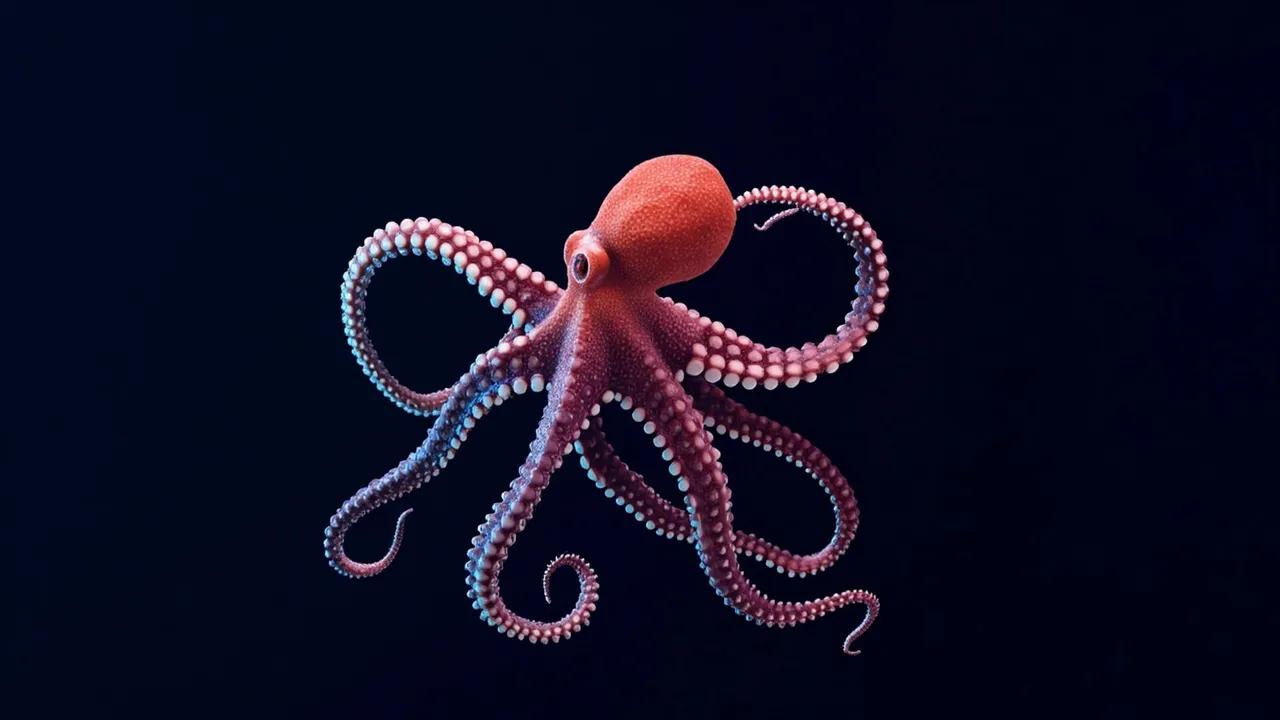
Olimshlar sakkizoyoqlarning ajoyib intellekti va ularning qarindoshlarining aql-zakovati qadimiy genetik "qayta joylashuv bazmi"ga borib taqalishi mumkinligini, ya'ni bir vaqtlar bir-biriga begona bo'lgan DNK qismlari bir-biri bilan birlashganini aniqlashdi. Ushbu qayta tartiblash jarayoni muhim elementlarni buzmasdan, ularning hayratlanarli darajadagi murakkab miyasi evolyutsiyasiga yordam bergan yangi aloqalarni yaratgan.
You spend ages perfecting a recipe, then discover that the little spot where you're stirring actually matters more than anything else in the pot. That's essentially what happened to researchers who found that acidity levels right at the surface of electrodes can make the difference between a reaction succeeding wildly or flopping completely.
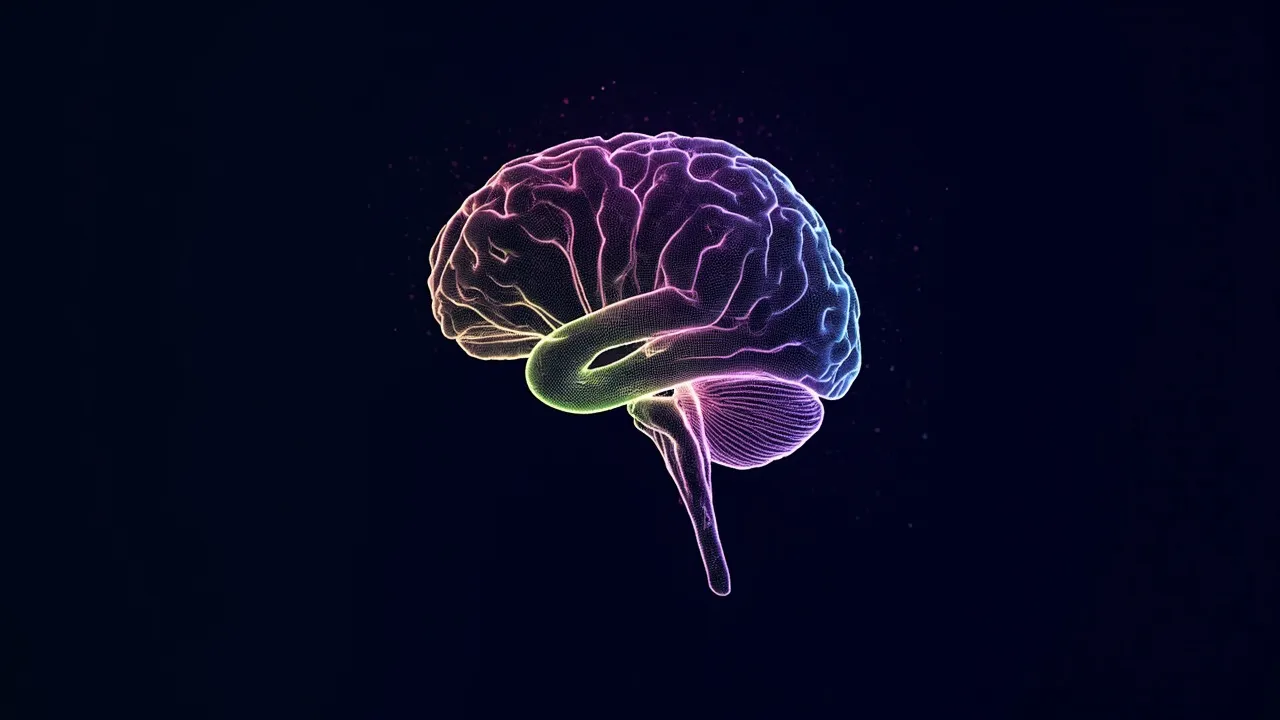
Scientists have mapped out where different types of fats—called lipids—are distributed across the brain, identifying a remarkable 539 distinct chemical zones. This new "Lipid Brain Atlas" is transforming our understanding of how the brain is organized, and it could even help us make sense of everything from pregnancy brain to Alzheimer's disease.
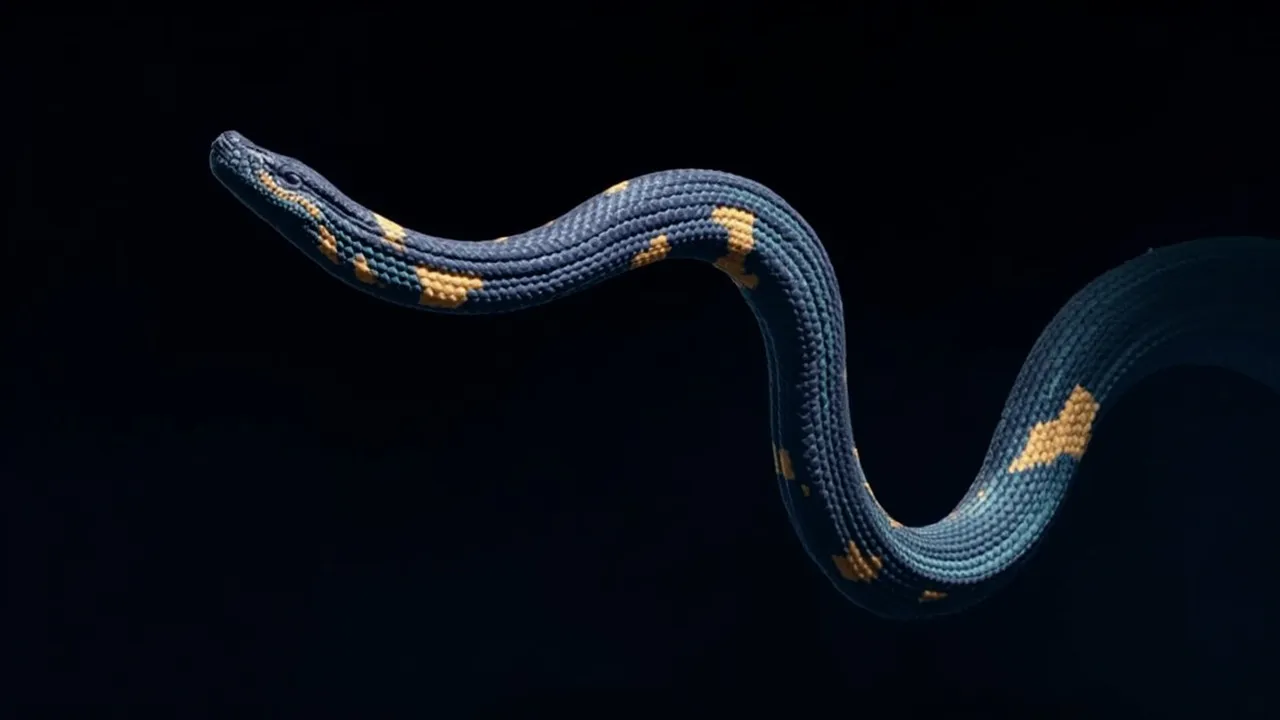
Picture this: you're minding your own business when suddenly you're face to face with a snake longer than a school bus. That's basically what happened — well, sort of — when researchers in India stumbled upon the fossils of an ancient serpent that could've reached an incredible 50 feet in length. Say hello to Vasuki indicus, the newly uncovered monster that might just give Titanoboa a serious run for its money.
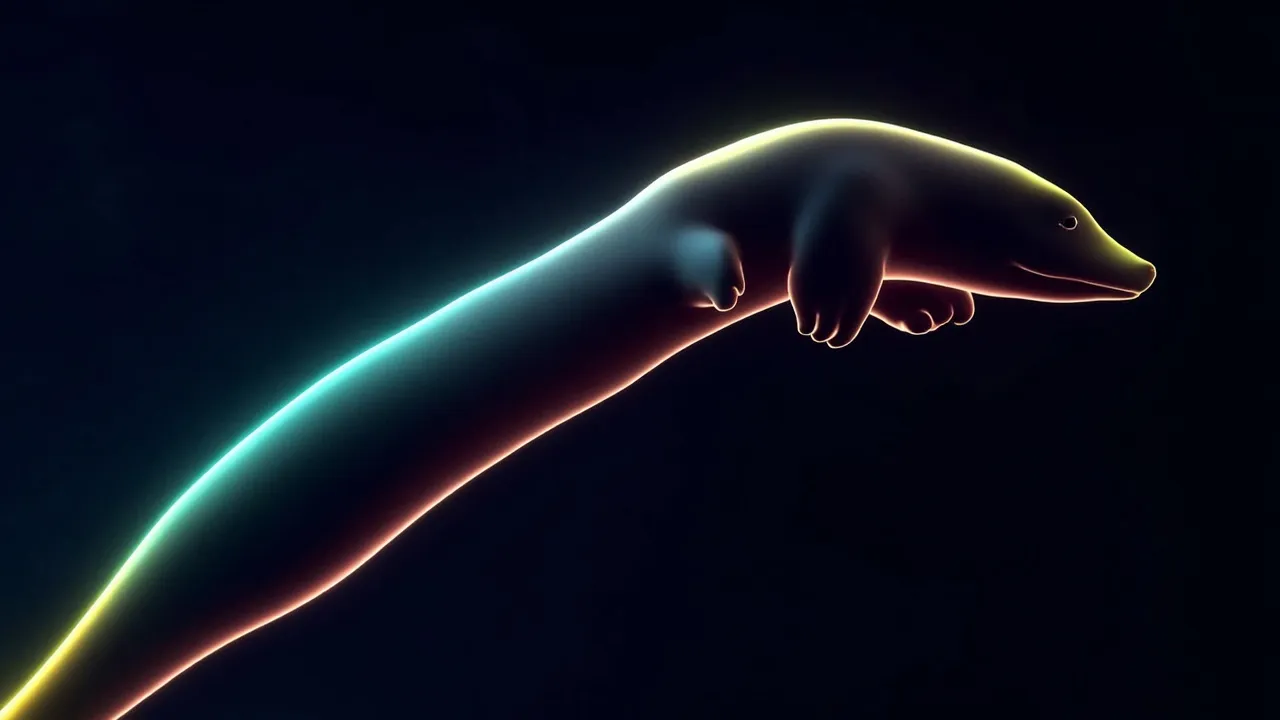
Olimlar JSON davridan kichik bir yirtqich hayvon qoldiqlarini topdilar. U suvda narsa qidirib yuradigan sutemizuvchilarga o'xshab suzardi va juda muhim bir xususiyatga ega edi. Aynan shu xususiyat tufayli biz kabi sutemizuvchilar katta miyaga, bolalarini emish qobiliyatiga va hatto straw orqali kofe ichish imkoniyatiga ega bo'ldik. Bu kichkina qazilma sutemizuvchilar evolyutsiyasi haqidagi tasavvurlarimizni o'zgartirmoqda.
Researchers recently rounded up three completely different groups—spiritualists, extreme athletes, and psychiatric patients—to ask them about their experiences with the paranormal. What they found might unsettle you more than any haunted house ever could.
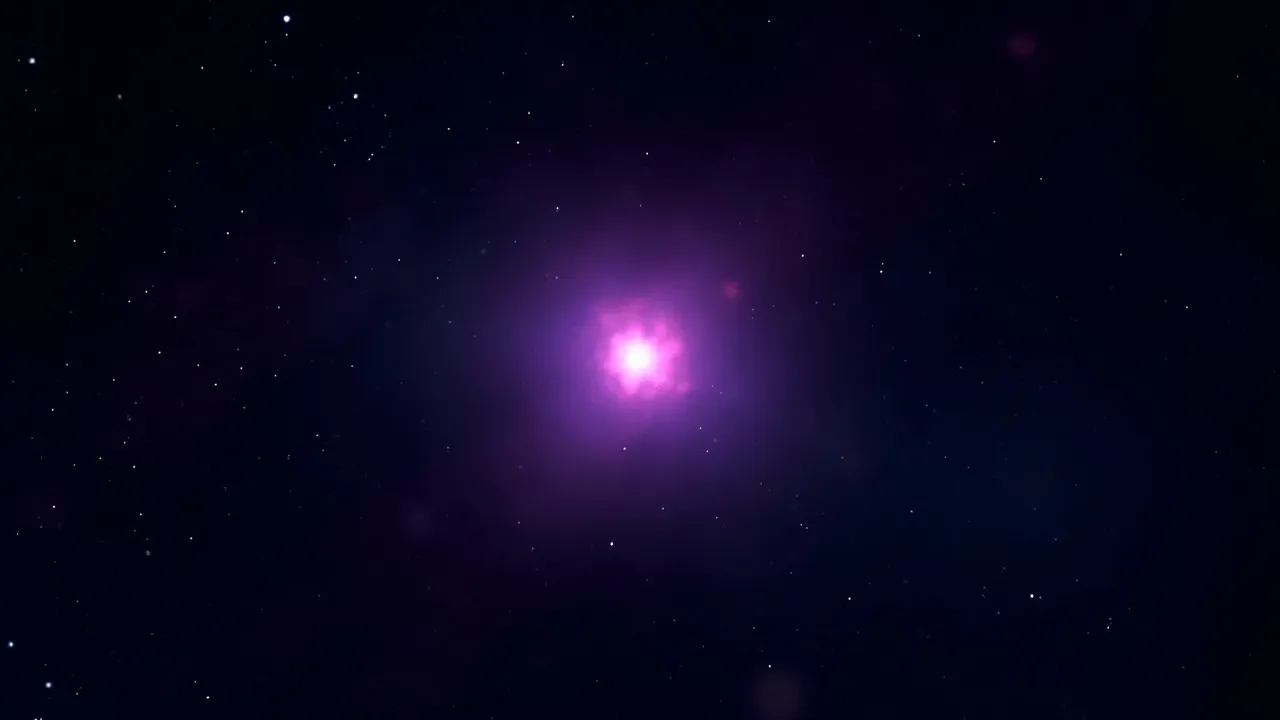
Scientists peering through the James Webb Space Telescope stumbled upon something they can't quite explain—an ancient galaxy cluster that shouldn't be there yet. It's forcing researchers to rethink everything they believed about how our universe came to be.

Har safar muzlatgichga magnet yopishtirganingizda, imkonsiz bo'lishi kerak bo'lgan narsani kuzatayapsiz: mayda bir metall parchasining butun sayyomizning tortishish kuchiga qarshi g'olib bo'lishi. Endi olimlar bu yerda ro'y berayotgan narsa haqida juda qiziq bir nazariya ilgari surmoqda — va bu bizni o'rab turgan ko'rinmas o'lchamlar haqida.
Tasavvur qiling, sizni ko'rinmas va tutib bo'lmaydigan maxluq itarib turibdi — bu Oxforddagi kvant fizikasi laboratoriyasida sodir bo'ldi. Tadqiqotchilar bir dona zarrani magnit maydon yordamida to'xtatib qo'ydi. Yagonaligi shundaki, zarra bu maydondan umuman o'tmagan edi.
Bu g'alati effekt 60 yildan ortiq vaqt oldin bashorat qilingan edi. Endi esa u bizni kuchli kvant kompyuterlarini tushunish — va bir kun kelib yaratishga yaqinlashtirmoqda.
Ray Kurzweil isn't backing down from his bold claim that we'll be blending with machines by 2045—and honestly, the tech needed to pull this off is starting to feel less like science fiction by the day.
Stanford researchers have developed a molecule that essentially turns cancer's own weapons against it. In mouse studies, aggressive lymphomas completely disappeared within just 11 days of treatment. It's an innovative approach that could fundamentally change how we battle cancer.
Here's something wild: that vanilla extract sitting in your kitchen cabinet—the same stuff you use for cookies and candles—might one day help heal chronic wounds. Researchers in Australia have found that the compound behind vanilla's sweet smell has some incredible healing properties, and they believe it could be a game-changer for medicine.
Researchers stumbled upon something pretty wild in southern Madagascar—an unusually bright patch of ancient rock that looks a lot like the stuff we find on the Moon. This is actually helping scientists piece together how our lunar neighbor formed billions of years ago, and honestly, the story behind it is way cooler than you'd expect.
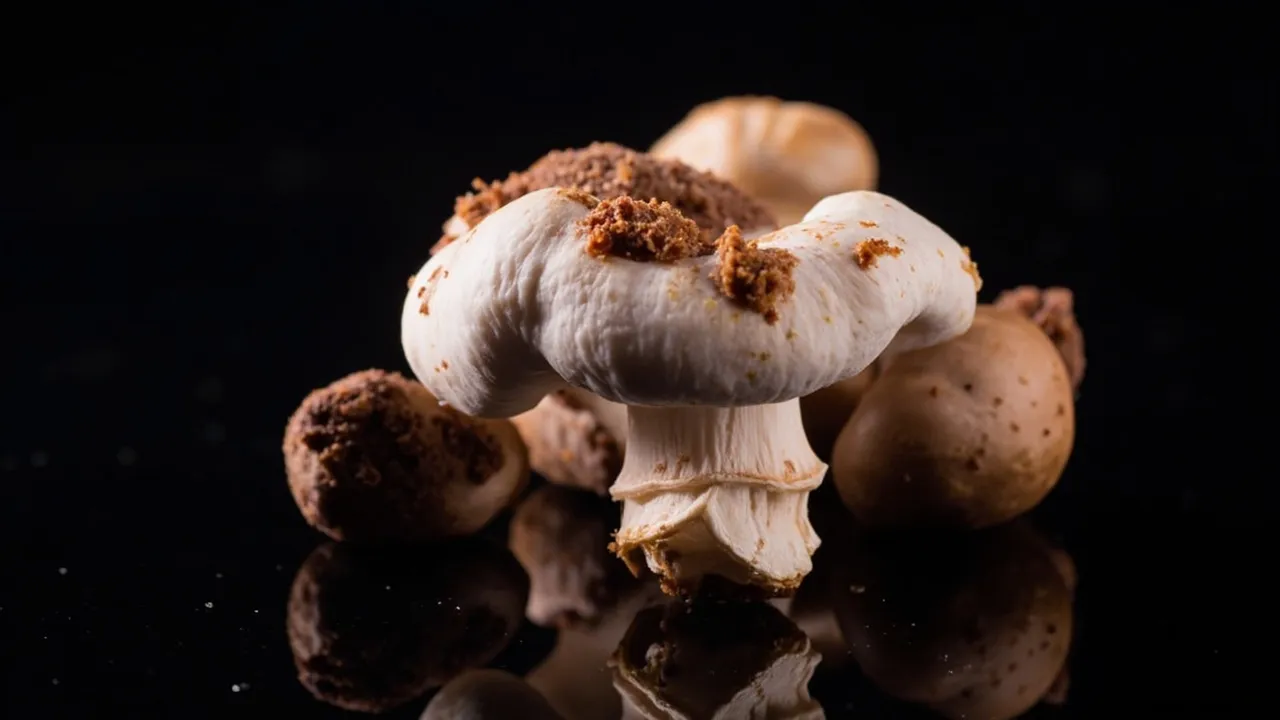
Ever picked up what looked like perfect mushrooms at the store, only to find them covered in suspicious brown spots by the time you got home? Well, scientists have finally cracked why this frustrating problem has been so impossibly hard to fix.

Biror qo'shiq boshqa chiqmayaptimi? Endi uni ming marta kuchaytiring, lekin shunchaki chertib bo'shashib bo'lmaydi ham. Olimlar to'liq musiqiy gallyutsinatsiyalarni eshituvchi odamlarni o'rganmoqda, va miyamiz haqida bilganlari hayratlanarli va bir oz noqulay.
That incredible sunset you captured yesterday? It's actually an elaborate illusion—something your brain creates. Researchers have long maintained that color doesn't exist in the way we perceive it, and honestly, it's hard to disagree with them.