

Olimlar juda qiziq bir narsa topishdi – inson asab hujayralarida yashovchi, viruslarga o'tib oladigan va balki saraton hamda Alysheymer kabi kasalliklarni keltirib chiqaradigan genetik element. Bu shunday narsaki, mashinangiz dvigatelida begona odam yashirinishini, u yana samolyotlarga ham chiqib olganini bilganingizdek.

I used to lie awake at night wondering about something deceptively simple: why does life exist at all? The answer, it turns out, is far stranger than I ever imagined — and it comes down to how easily liquids flow. Scientists have recently discovered that the fundamental constants governing our universe seem to be perfectly tuned, allowing water and other life-sustaining fluids to move in exactly the way needed to make life possible.

Tasavvur qiling: sizning priestingiz shaxtyorda maxsus marosat sotmoqda, shu payt shahardagi bishop esa oshkora e'lon qilganki, kimda shunday narsa bo'lsa, cherkovdan quvib chiqariladi. Bu haqiqatan ham ilk nasroniylik davrida sodir bo'lgan, va dalillar hayratlanarli darajada qiziq.

I stumbled upon this fascinating ScienceDaily article from October 2026 and was excited to dive in. Instead, I got hit with a cryptic 404 error. Rather than giving up, I figured I'd explore what these digital ghost stories actually mean—and honestly, they're more important than you'd think.

We all joke about manifesting our dream life as we scroll through Instagram, but what if there's real science behind it? A Stanford neuroscientist spent decades researching this — and the answer might surprise you. It turns out it's nothing like the Law of Attraction videos filling your TikTok feed.
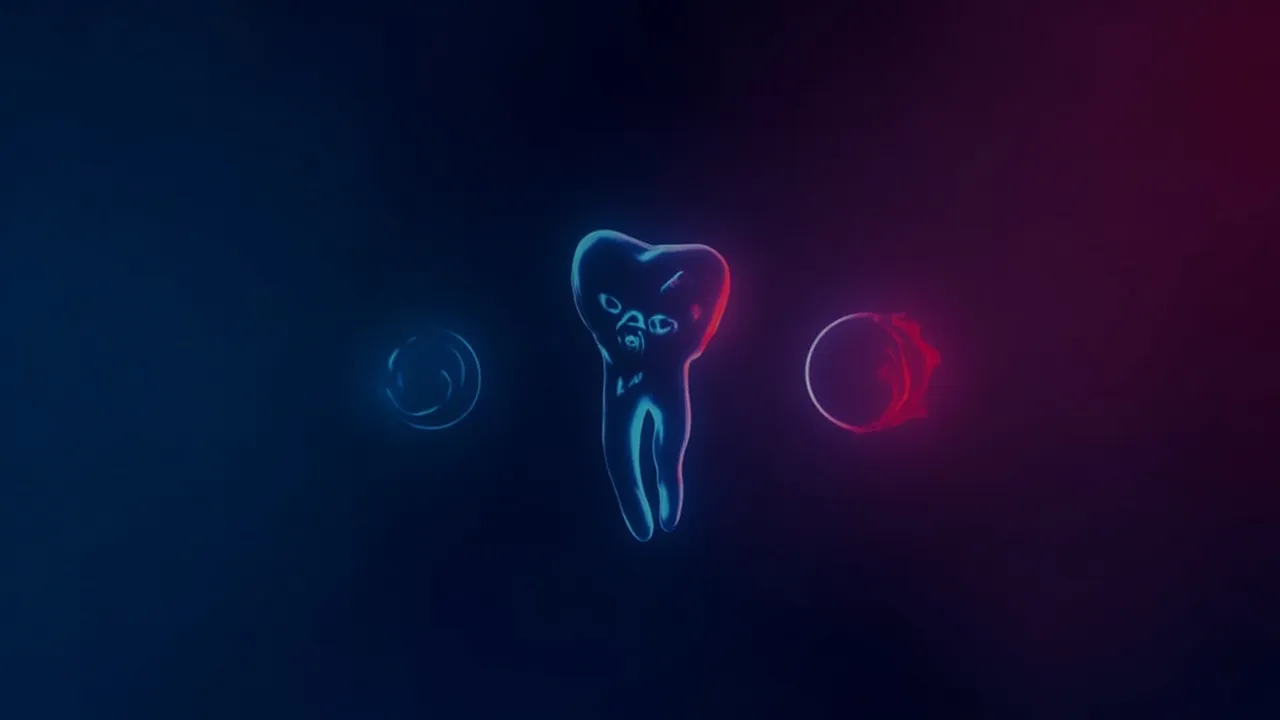
Researchers have found a smarter way to tackle gum disease—one that skips the harsh chemicals. Rather than attempting to eliminate all bacteria, scientists are now learning how to influence the way bacteria communicate with each other, and early results are looking promising.

Olimlar miyadagi ma'lum bir retseptorni bloklash orqali altsaymer va parkinson kabi og'ir asab kasalliklari bilan bog'liq yallig'lanishni sezilarli darajada kamaytirish mumkinligini aniqlashdi. Eng qiziqarlisi shundaki, bu retseptorni nishonga oluvchi dorilar allaqachon mavjud — bu esa davolash usullarini tezlashtirishi mumkin.

Mana bir g'ayrioddiy fikr: sizning juda-juda... (oliy ajdodlaringizdan) boboingiz yoki buviingiz asl farmatsevtlar bo'lgan bo'lishi mumkin. Olimlar neandertallar asboblar yasashda ishlatgan qayin qatmi (yoki qatmi) — o'zlarining asosiy yelimini — infeksiyalarga qarshi kurashish uchun qadimiy antibiotik sifatida ishlatgan bo'lishi mumkinligiga dalillar topishdi. To'g'risi? Bu kashfiyot meni hayratga soldi.

Olimlar termoyadro fizikasi matematik manzarasidagi "yashirin qisqa yo'l" deb ataladigan hodisani aniqladilar — bu kashfiyot o'z-o'zini ushlab turuvchi termoyadro reaksiyalarini amalga oshirish uchun zarur bo'lgan energiya miqdorini keskin kamaytirishi mumkin. Buni cho'qqiga chiqish o'rniga tog'lar orasidagi o'tish yo'lini topish deb tasavvur qiling.

Olimlar koinot qo'shnichimizda hayratlanarli bir hodisani kuzatishdi: kichik bir yulduz o'zining jigarrang karliq hamrohini sekinlik bilan yutib bormoqda, bu koinotdagi eng sabrli taom bo'lishi mumkin. Taxminan 300 yorug'lik yili uzoqlikda sodir bo'layotgan bu sokin koinotiy ziyofat bizning quyosh tizimimiz mavjud bo'lgan vaqtdan ham uzoq davom etishi mumkin.

Olimshlar operatsiyadan oldin immunoterapiyaning qisqa davri ichak saratonining ma'lum bir turida kasallining qaytalanishini butunlay yo'qotishi mumkinligini aniqladilar. Deyarli uch yillik kuzatuvdan so'ng, sinovdagi birorta ham bemorda saraton qaytmagan — bu topilma ushbu kasallikni davolash uslubini butunlay o'zgartirishi mumkin.

Vyenadagi olimlar shunchalik aniq ishlaydigan yadroviy soat yasashdiki, u hozirgi atom soatlarni quyosh soatiga o'xshatib qo'yadi. Bilaman, bilaman — siz hozir "nega menga shunaqa hashamatli soat kerak?" deb o'ylayapsiz. Lekin menga ishoning, bu narsa haqiqatdan ham hayratlanarli va u koinot haqidagi tasavvurlarimizni butunlay o'zgartirishi mumkin.

Olimsdarlar depressiya tashxisi ichida yashiringan beshta alohida miya qonuniyatlarini aniqladilar, bu esa nima sababdan bir xil kasallik bilan og'rigan ikki insonning simptomlari va tajribalari bir-biridan keskin farq qilishi mumkinligini tushuntiradi.
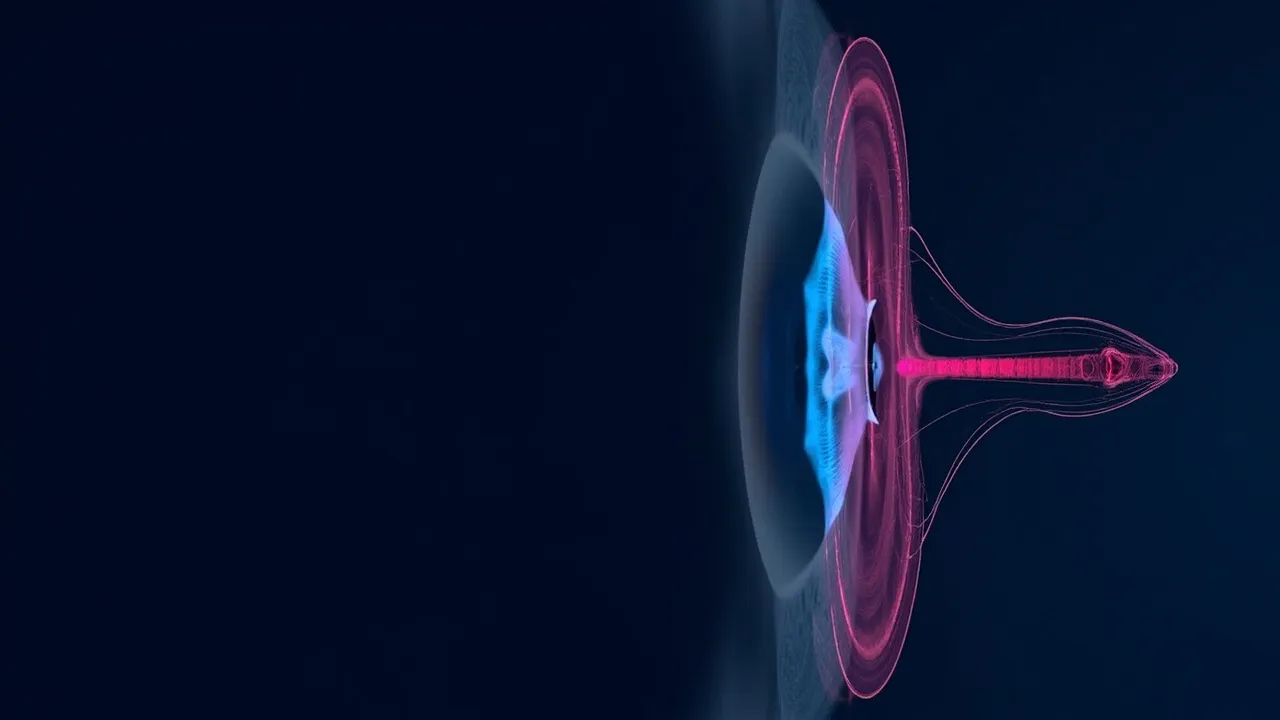
Olimlar ko‘zning orqa qismida suyuqlik va chiqindilarni organizmning limfa tarmog‘iga haydab chiqaruvchi yashirin drenaj tizimini aniqladilar. POLO deb ataluvchi ushbu avval noma’lum yo‘nalish ko‘zimiz qanday ishlashi haqidagi bir asrdan ortiq vaqt davomida davom etgan farazlarga qarshi chiqadi va glaukom hamda makula degeneratsiyasi kabi ko‘rlik keltiruvchi kasalliklarni davolashda butunlay yangi imkoniyatlar ochishi mumkin.
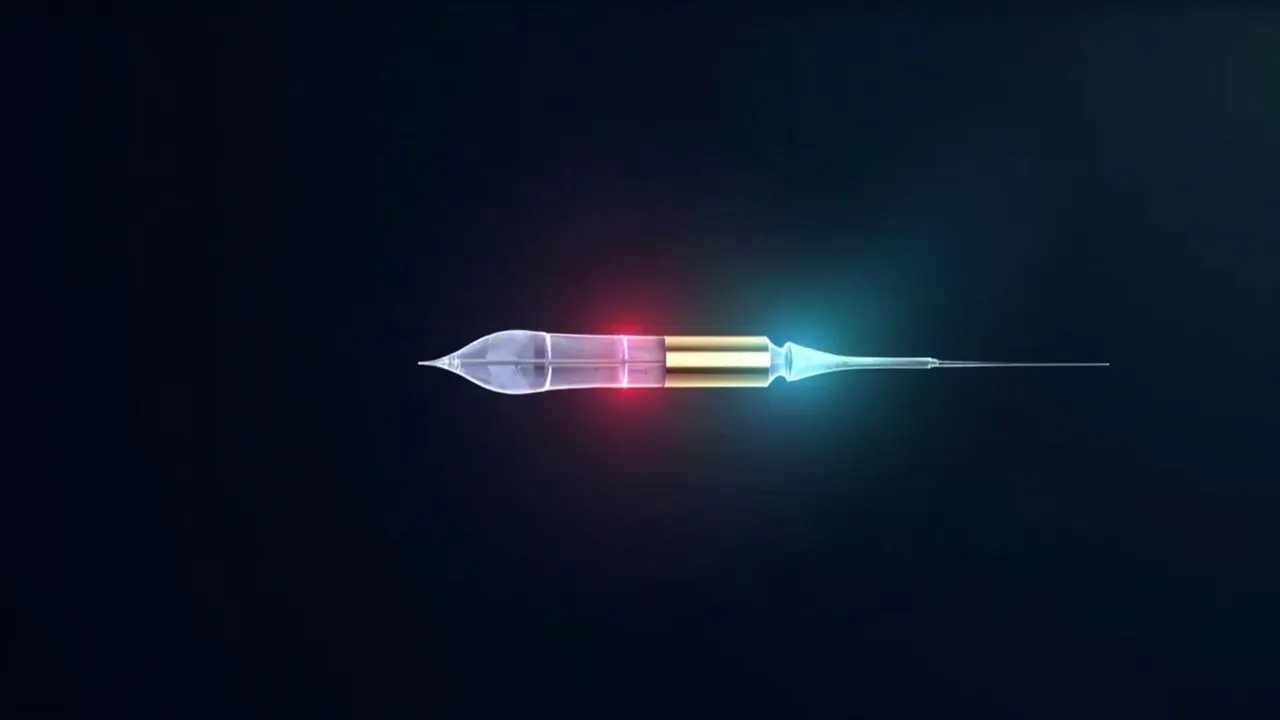
Surunkli og'riqni igna ichiga sig'adigan darajada kichik qurilma bilan davolashni tasavvur qiling. Olimlar ilmiy fantastik filmlardan olingandek ko'rinadigan, asab tizimi bilan bog'liq holatlarda invaziv jarrohlik amaliyotlarini o'tmishda qoldirishi mumkin bo'lgan narsani yaratishdi.

Tadqiqotchilar Yer yuzidagi eng keng tarqalgan plastik bo‘lgan polietilen yog‘li jigarga (fatty liver) yashirincha sabab bo‘layotgan bo‘lishi mumkinligini aniqlashdi. Yana nima hayratlanarli? Agar siz odatdagi G‘arb parheziga amal qilsangiz, zarar yanada kuchliroq bo‘lishi mumkin.

Olimlar Janubiy Afrikada Homo erectus turining mavjudligini 200 000 yilga orqaga suruvchi qoldiqlarni topishdi — va rostini aytganda, bu suyaklar aytib berayotgan hikoya men kutganidan ham ancha hayratlanarli. Ma'lum bo'lishicha, bizning ajdodlarimiz qadimiy savannada eng mashhur "bolalar" bo'lmagan. Kamida bir muddat, mahalla aholisining mutlaq hukmdori boshqa bir inson qarindoshi bo'lgan.

Hubble fazov teleskopining eski ma'lumotlarini chuqur o'rganayotgan astronomlar sayyoralar tizimi haqidagi tasavvurlarni butunlay o'zgartirishi mumkin bo'lgan bir narsani aniqladilar. Ular o'lgan yulduz qoldiqlari atrofida, quyosh o'lganidan ancha keyin shakllangan sayyoradan dalolat beruvchi kimyoviy izlarni payqab qoldilar — bu yulduzning o'z kulidan tug'ilgan ikkinchi avlod sayyorasidir.

Harakatlanuvchi qismlarsiz, uzunligi va yo‘nalishini bir zumda o‘zgartira oladigan antenyani tasavvur qiling. North Carolina State universiteti tadqiqotchilari aynan shunday antenyani yaratishdi va u "Yulduzlar jangi" filmidagi texnologiyadan ajralib turmaydi. Nima uchun bu narsa eshitilganidan ham ancha qiziqarli ekanligini aytib beraman.
Brigham Young universiteti tomonidan o‘tkazilgan yangi tadqiqot shuni ko‘rsatadiki, birga sport bilan shug‘ullanadigan juftliklarda muloqot yaxshiroq va munosabatlar sog‘lomroq bo‘ladi. Buning siri siz o‘ylagandan ham oddiyroq bo‘lishi mumkin va u uchun sport zaliga a’zo bo‘lish shart emas.