
1930-yillarning boshida, Gʻarbiy Virginiyadagi togʻ ichidan tunnel qurish jarayonida 700 dan ortiq erkak — ularning aksariyati qora tanli edi — butunlay oldini olish mumkin boʻlgan kasallikdan dahshatli tarzda vafot etdi. Yana nima yanada dahshatliroq? Mazkur loyihada ishtirok etgan kompaniyalar nafaqat ularni himoya qilishni unutgan, balki haqiqatni butunlay yashirish uchun faol harakat qilishgan.
Construction workers in Sweden keep running into something that shouldn't be there: centuries-old shipwrecks lying high and dry far from any water. It's not magic or some ancient mystery—it's simply the land doing what it does over thousands of years.
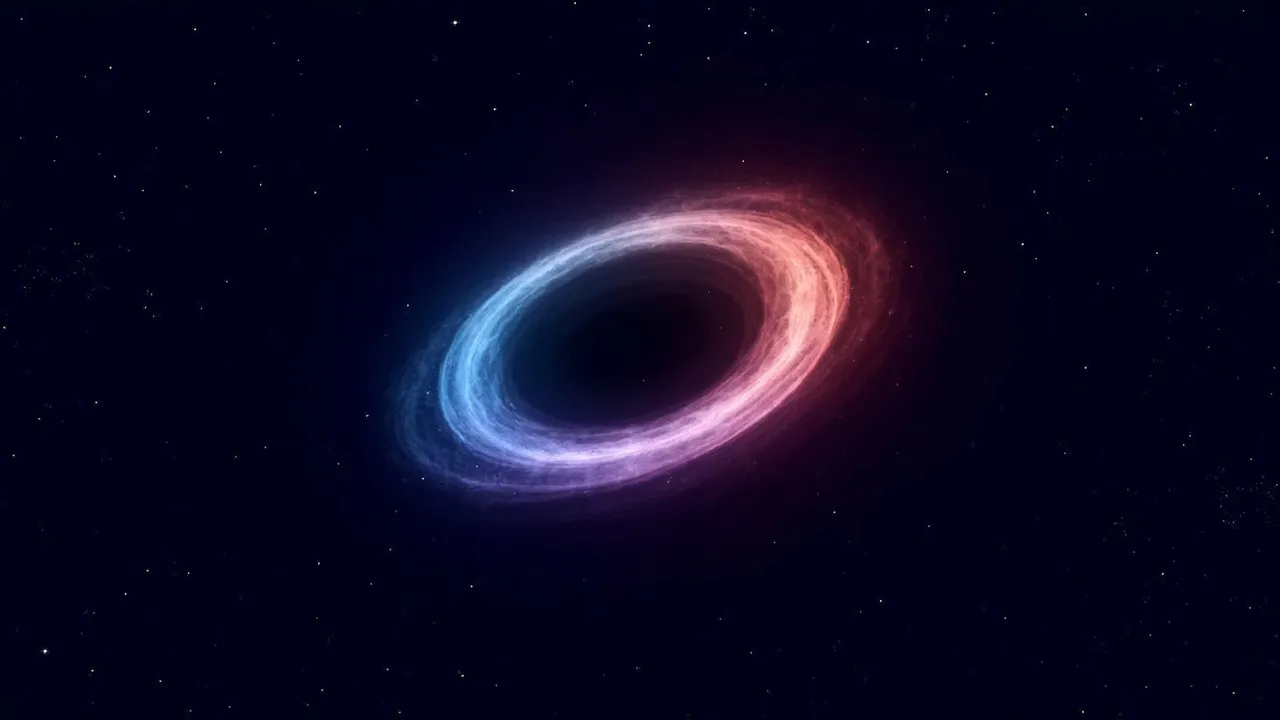
What if everything you know—the stars, the planets, even this very moment you're experiencing—actually started from an impossibly dense point that collapsed billions of years ago? It sounds like something out of science fiction, doesn't it? But here's the thing: some physicists are taking this idea seriously, and they've got some pretty compelling evidence to back it up.
What if the most interesting materials aren't the end products scientists usually focus on, but the short-lived "middle children" that pop up during chemical reactions? Researchers are discovering hidden materials by studying what happens in between when you start heating molecules and when you're done — and some of these overlooked phases could completely transform batteries and solar energy.
Olimlar deyarli 9 milliard yil oldin yuborilgan zaif signalni tutib oldi — va bu koinotimizni tobora tezroq kengaytirayotgan sirli kuch, ya'ni qorong'i energiya haqidagi sirlarni fosh etishda katta yutuq bo'lishi mumkin.
Imagine taking a bite of a cookie, knowing some of it started out as a plastic bottle bobbing in the ocean. That's not a fantasy anymore—scientists have actually done it. And here's the wild part: this breakthrough could be how we feed future colonists on Mars. Let me break down this plastic-to-food revolution for you.
Nearly 100 years after a brilliant physicist first imagined them on paper, scientists have now actually created and toyed with mysterious quantum structures called "Bethe strings." Using ultracold atoms and some impressive engineering, researchers can now watch these strange one-dimensional bound states form, collide, and—most satisfyingly—hold steady. It's the first real glimpse into quantum behavior that textbooks have only described mathematically until now.
Olimlar suv, tuz va issiqlik yordamida hisob-kitoblar olib boradigan DNA kompyuterni yaratishdi — elektr quvvatisiz! Bu filmdagi voqealardek tuyuladi, lekin bu kichkina biologik mashina axborotni qayta ishlash haqidagi tasavvurlarimizni tubdan o'zgartirishi mumkin.
Scientists have figured out how bacteria know when viruses are attacking them—and here's the crazy part: the viruses are basically announcing themselves. It's like they're ringing the bacteria's own doorbell before striking. This discovery could be a game-changer for fighting antibiotic-resistant infections. And get this—we humans have actually been picking up evolutionary tricks from bacteria for billions of years.
Plants make it look effortless — converting sunlight into energy in the blink of an eye. But what's actually going on at the molecular level has kept scientists scratching their heads for decades. Now, a team of researchers has finally caught nature's most efficient energy transfer system in action, and the implications are genuinely thrilling.
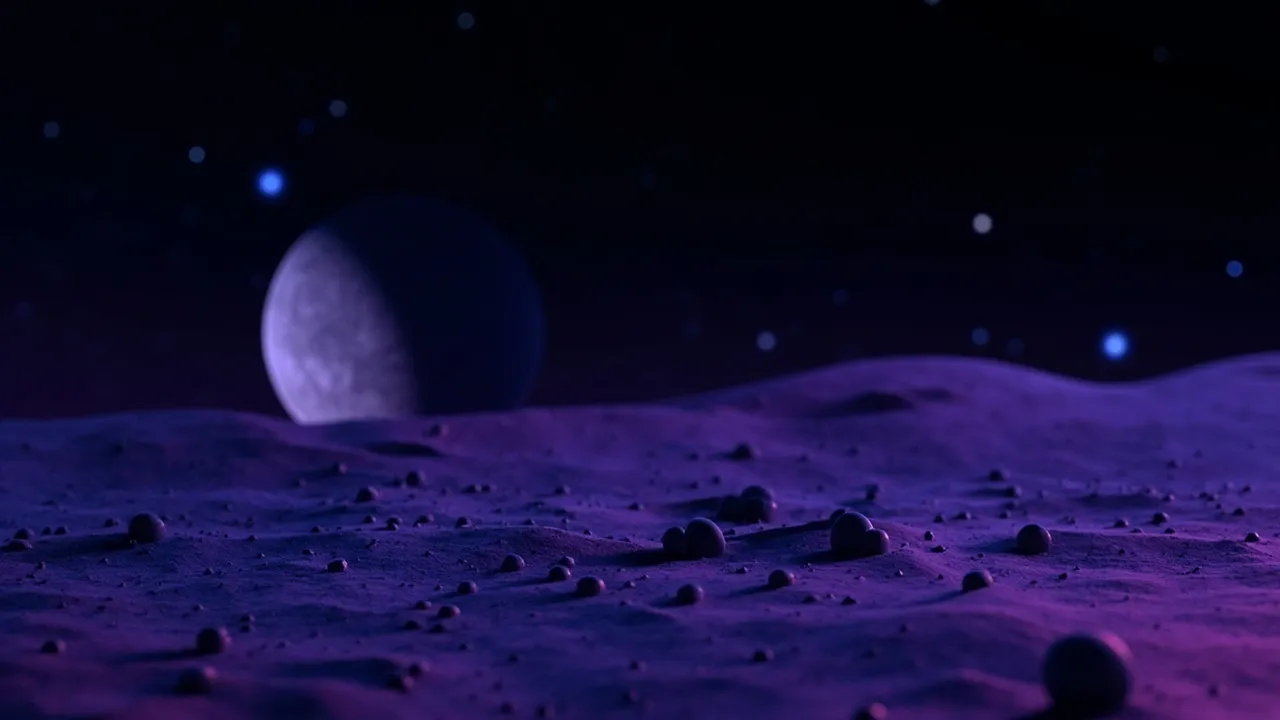
In a significant step toward building the first Moon base, NASA has selected three new investigations. These will explore underground caves, search for hidden ice, and monitor dangerous lunar hazards. The space agency is essentially scouting out the most valuable real estate in our solar system.
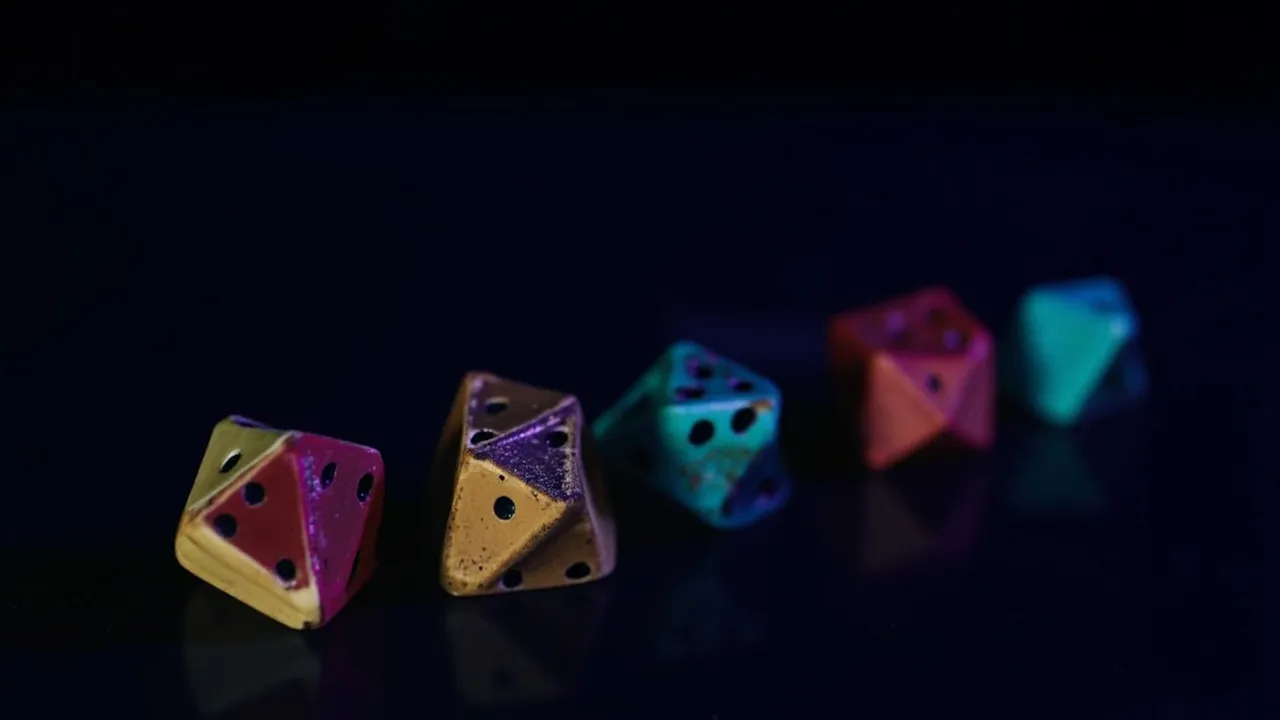
Picture this: you dig in your backyard and find a bunch of dice scattered around your house. No big deal, right? But now imagine those dice are 2,000 years old, and nobody has a clue why someone would have so many of them. That's exactly what's happening in a tiny French village called Grand, and archaeologists are completely puzzled.
Have you ever thought about what goes on in those last moments before we die? New research shows our brains might actually burst with unexpected activity. And here's something fascinating: the words people tend to speak at the end of life often sound strikingly similar, no matter where in the world they come from. This isn't just gloomy science—it's a real glimpse into what it means to be human.
Here's a coffee run worth considering: a fresh study suggests your daily caffeine habit might do more than just pull you through those dreaded Monday mornings—it could actually slow down aging at the cellular level. But before you pour yourself another cup without a hint of guilt, let's break down what the research really says.
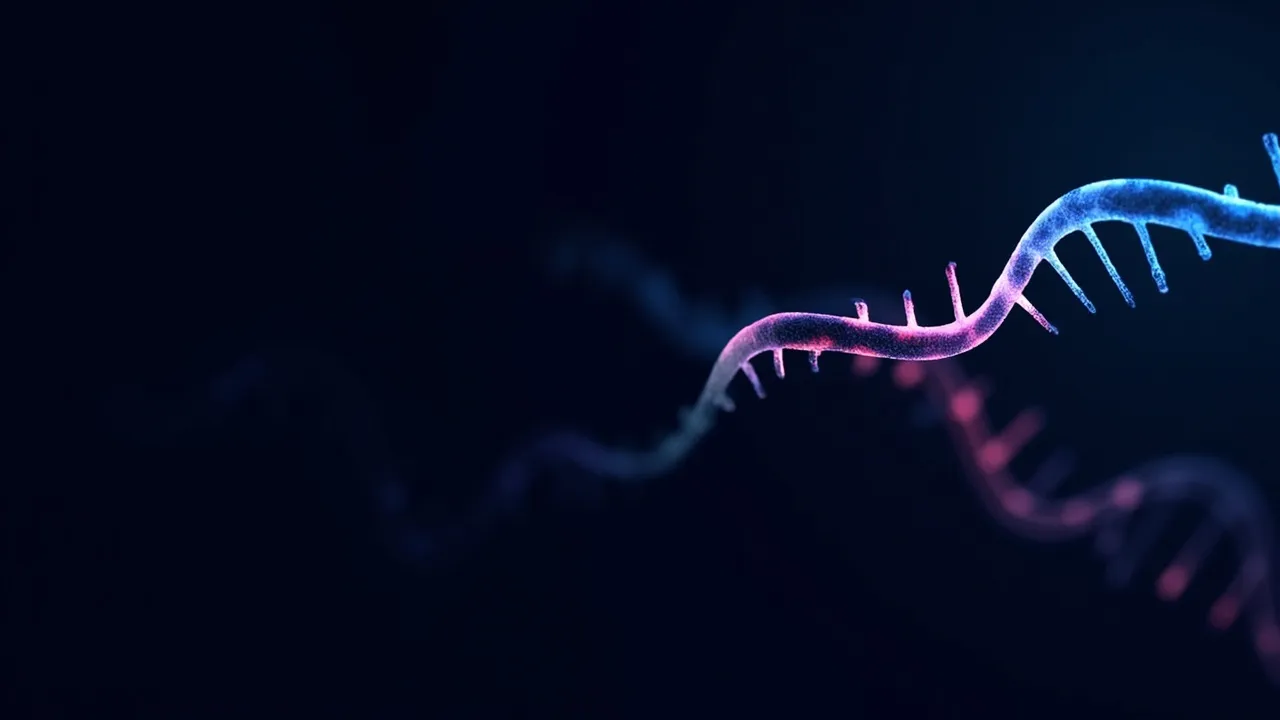
Yangi DNK ketma-ketligini o‘rganish usulini sinayotgan tadqiqotchilar guruhi kutilmagan bir narsaga duch keldi — ko‘lning mikroskopik mavjudoti genetik ko‘rsatmalarni imkonsiz bo‘lgan tarzda o‘qiy oladi. Ushbu tasodifiy kashfiyot olimlarni hayotning eng fundamental darajasida qanday ishlashligi haqidagi barcha bilimlari ostiga qoyil qolishga majbur qilmoqda.
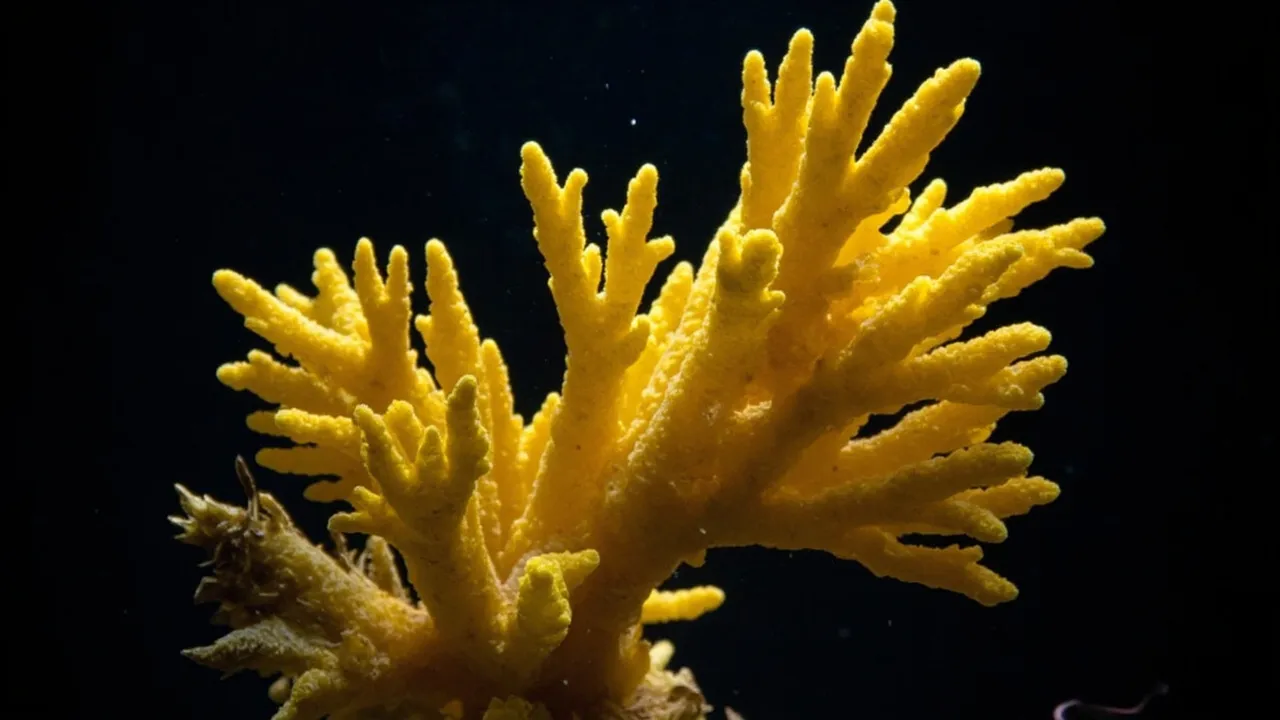
Tinchoy Pasifik okeanining tubida tadqiqotchilar fantaziya asarlaridan olingan narsaga o‘xshash, yorqin sariq rangli marjonni uchratib qolishdi. U avval ko‘rgan narsalaridan shunchalik farq qilardiki, ular nafaqat yangi turni, balki uni tasniflash uchun butunlay yangi oilani ham yaratishdi. Ularning tanlagan nomi esa? Sof Tolkin sehridir.
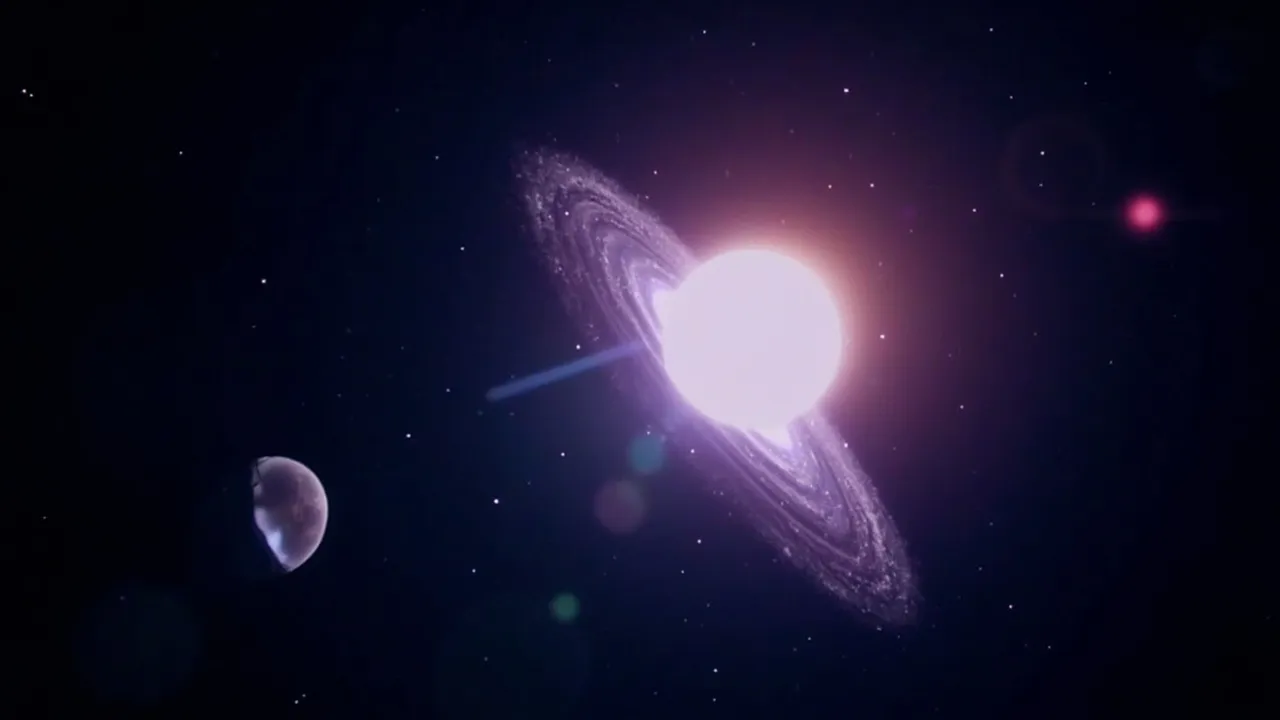
Xitoyning Einstein Probe teleskopi yordamida tadqiqotchilar neytron yulduzlarining to'qnashuvini aynan o'sha lahzada kuzatishga muvaffaq bo'ldilar va bu kosmik zarbalar haqida biz bilgan narsalar aslida yarim haqiqat ekanligini angladilar. Ma'lum bo'lishicha, koinotdagi eng shiddatli portlashlarning biz butunlay e'tibordan chetda qolgan maxfiy "after-party" qismi ham bor ekan.
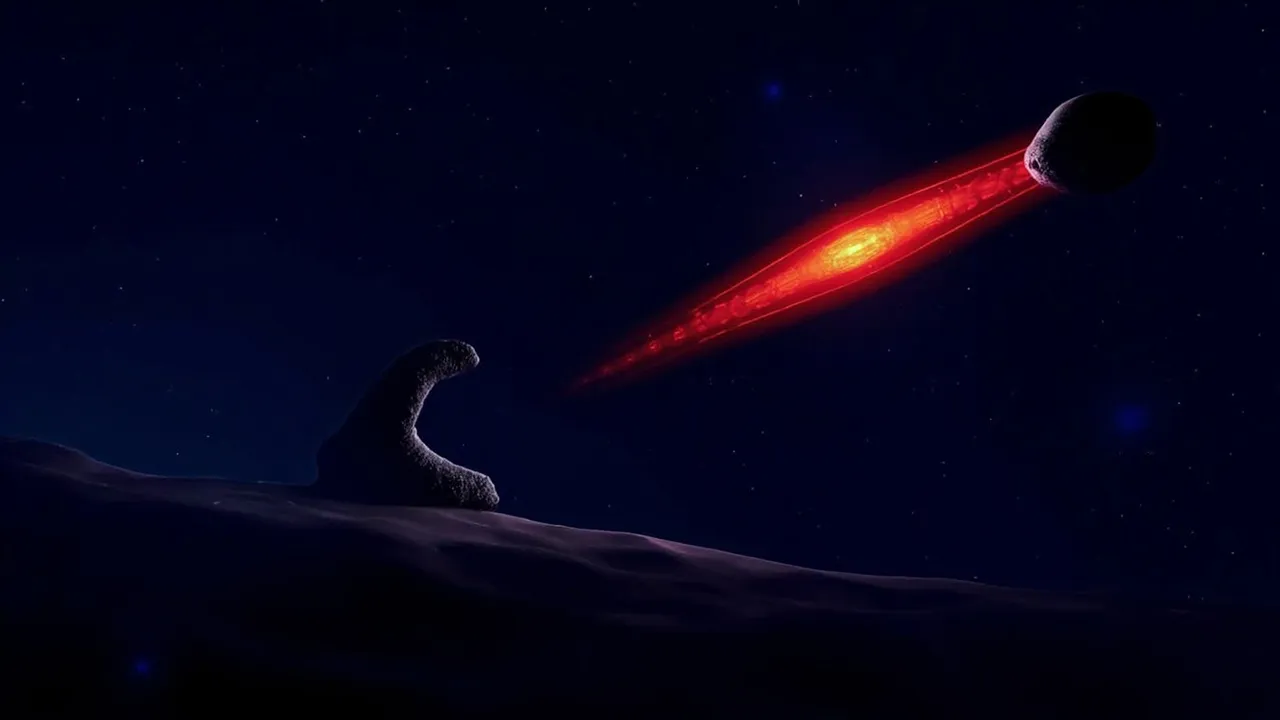
New research suggests the first animals on Earth might have appeared during — or even before — the Snowball Earth glaciations. That's hundreds of millions of years before the oldest fossils we've ever found. But here's the interesting part: that doesn't mean those old fossils are wrong. It just means fossilization is more complicated than we realized.
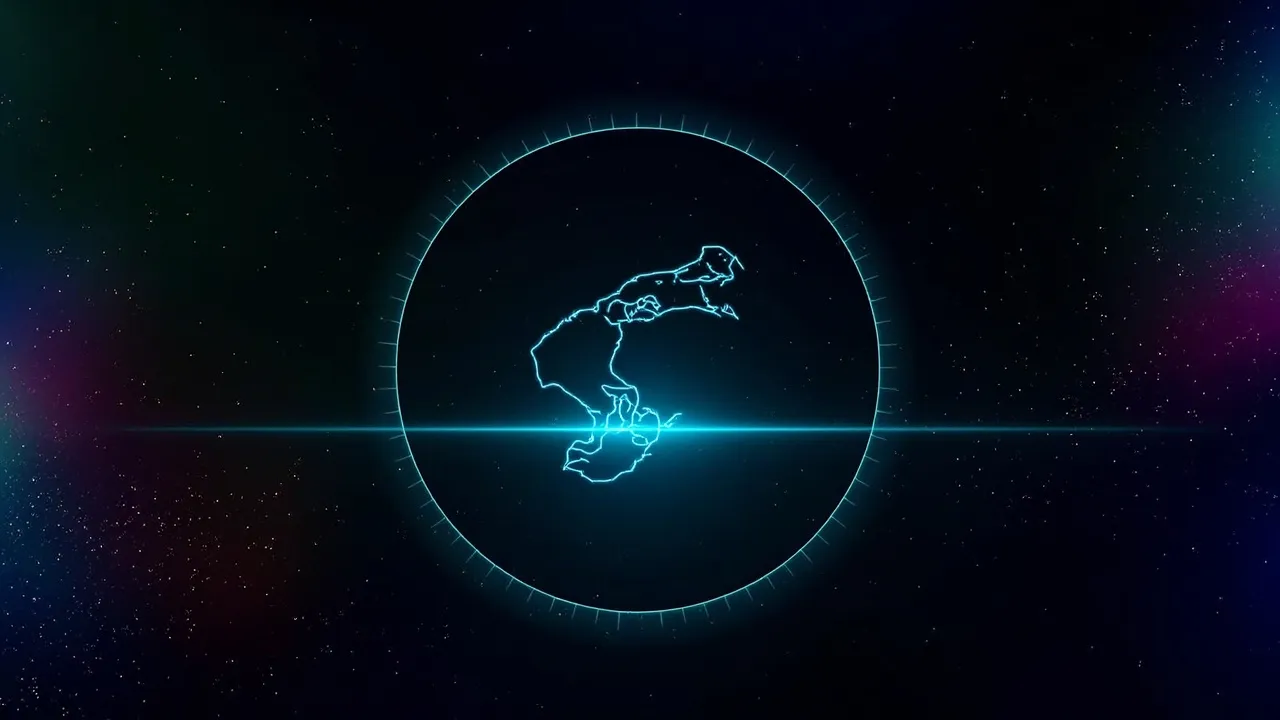
1900-yilda bir guruh gubki (gubki) suv osti cho'kichuvchilari bo'rondan panoh izlab, kichik bir Gretsiya oroliga qo'ngan va tarixdagi eng buyuk qadimiy kemalar qoldig'ini topib olishgan. Ular kashf etgan narsa qadimiy texnologiya haqidagi tasavvurimizni butunlay o'zgartirdi va shunday murakkab qurilmani ochib berdi ediki, ba'zilar uning haqiqiyligiga hamon ishonishmaydi.
Olimdonlar ongning kvant fizikasi natijasi ekanligi haqida qariyb 40 yildan beri bahslashib kelmoqdalar va, rostini aytganda, dalillar endi inkor etish qiyin bo‘lib bormoqqda. Yangi tadqiqotlar miyangizdagi mikrotubulalar deb ataladigan mayda tuzilmalar sizning haqiqatan ham "siz" bo‘lishingiz sababini tushunishning kaliti bo‘lishi mumkinligini ko‘rsatmoqda — va ma’lum bo‘lishicha, fizikalar ishqibozlari va miya olimlari o‘rtasida biz o‘ylaganimizdan ko‘ra ko‘proq umumiy jihatlar bo‘lishi mumkin.