
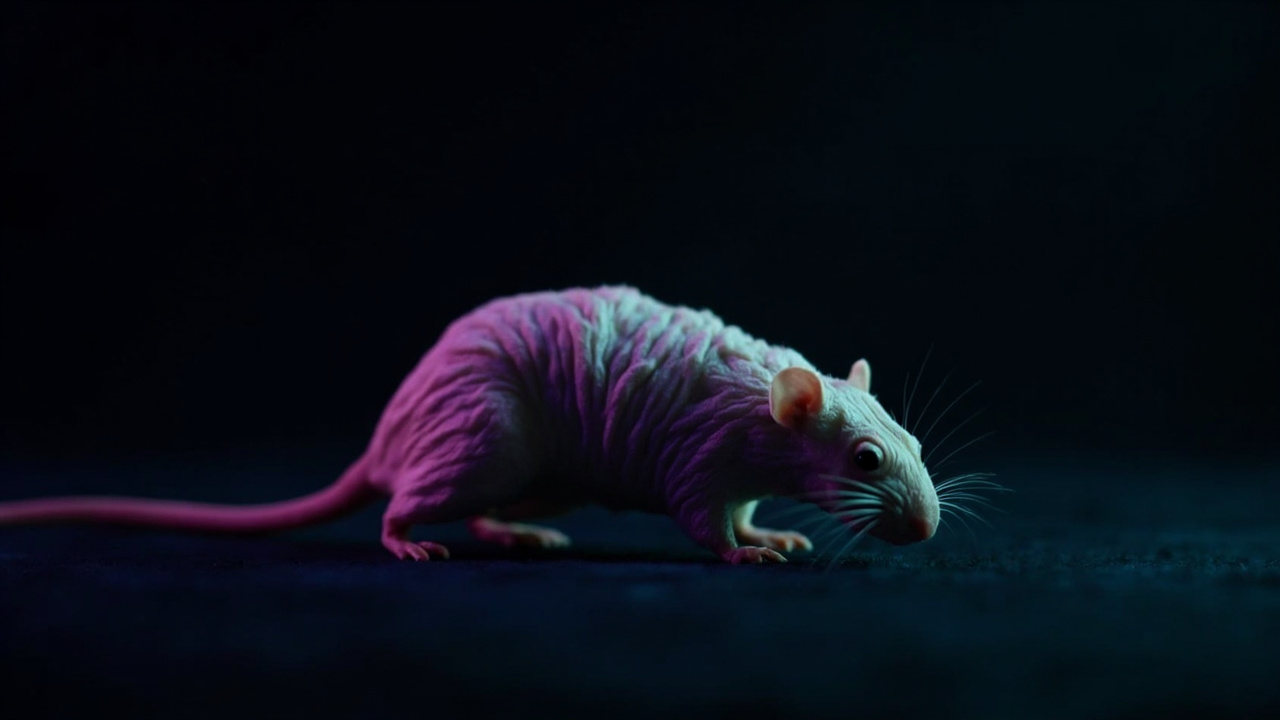
Scientists just pulled off something straight out of science fiction — they borrowed an anti-aging superpower from one of nature's strangest animals and successfully transplanted it into mice. The results? Healthier, longer-living rodents that could eventually point us toward human longevity treatments.
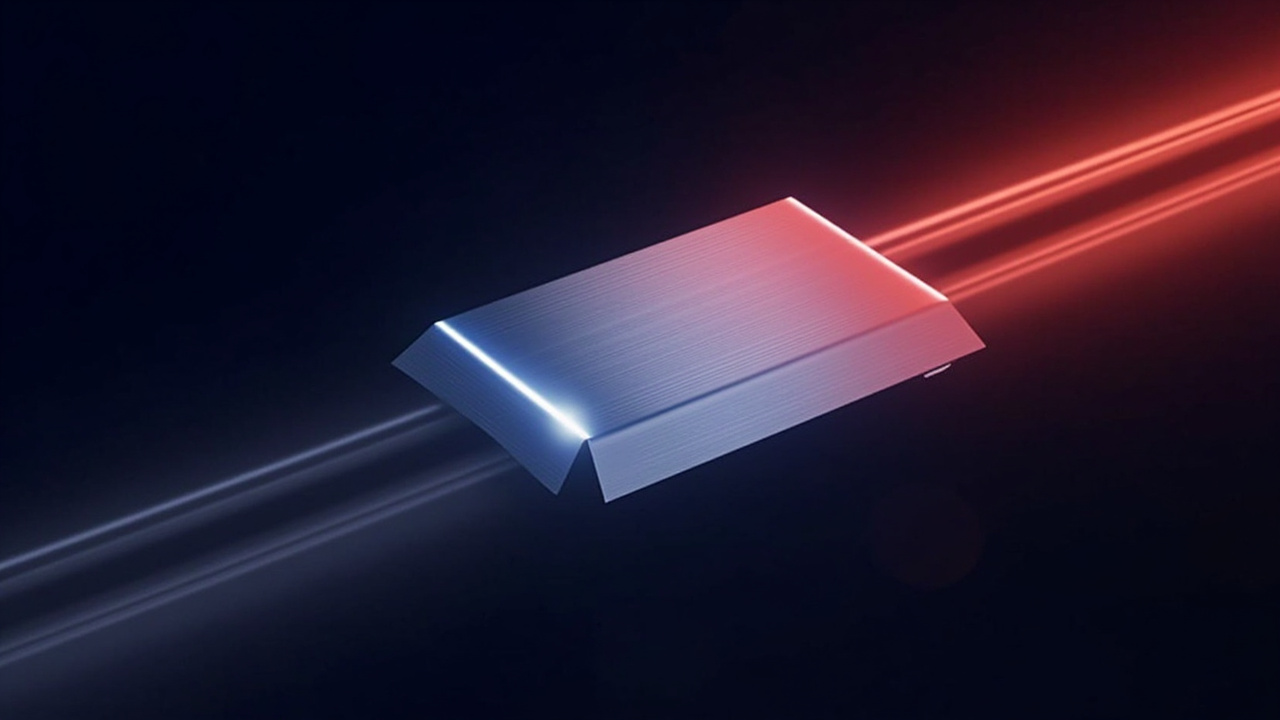
Researchers at the University of Hong Kong just developed a stainless steel that does something it absolutely shouldn't be able to do—and that accidental discovery might be the breakthrough green hydrogen has been waiting for. The twist? Even the scientists who created it are baffled by how it actually works.

Scientists just figured out why scratching an itch actually makes it stop—and it's way more complicated than you'd think. The discovery could explain why some people get stuck in endless scratching cycles, and it might lead to better treatments for conditions like eczema that drive people absolutely crazy.
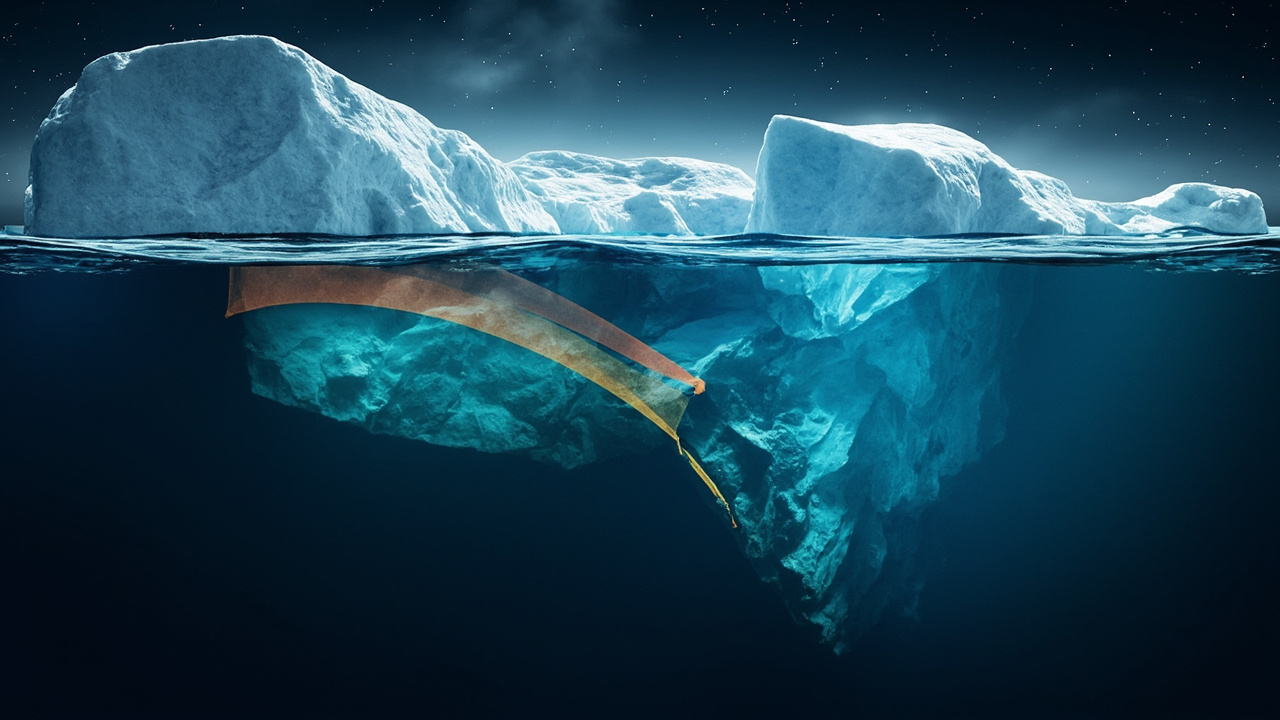
Scientists just discovered something worrying hiding beneath Antarctic ice sheets — invisible underwater channels that trap warm ocean water and supercharge melting in specific spots. This sneaky process could make sea levels rise much faster than we thought, and it's happening in places we assumed were relatively safe.

Scientists have discovered that one of Earth's most important ocean currents is gradually losing power. Over the next two decades, this slowdown could reshape weather patterns, storm intensity, and winters across entire continents. Here's what you need to know about why your weather might be about to get weird.
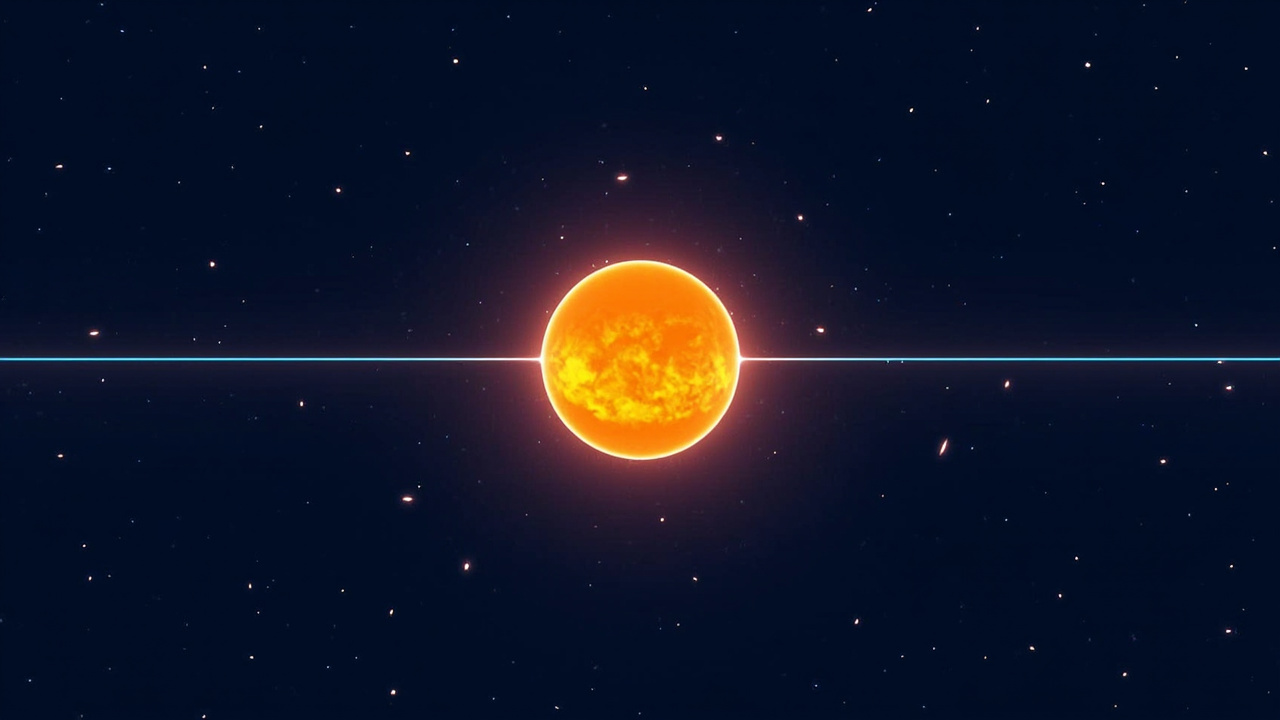
When an underwater volcano exploded in 2022, it did something completely unexpected: it helped destroy methane in the atmosphere. Now scientists think they've figured out the mechanism, and it could change how we fight climate change.
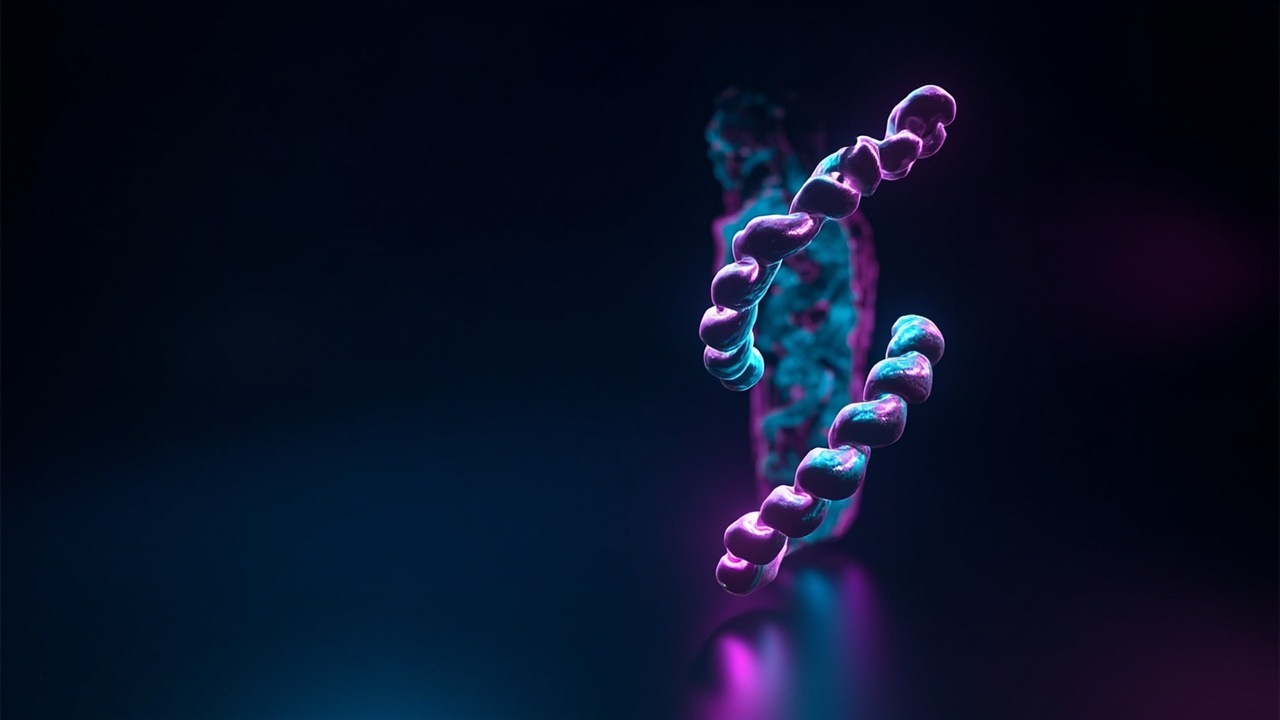
Researchers have found that a compound in black licorice could help people with inflammatory bowel disease. Using a clever lab-grown intestine model, scientists discovered this natural ingredient might reduce inflammation and save damaged gut cells. It's still early, but this could change how we treat a condition that affects millions.
Scientists just discovered a problem so tiny you'd need an electron microscope to see it—yet it could completely derail the future of computer chips. The good news? Researchers think they've already found a clever solution hiding in something called "zipper materials."
Scientists just pulled off something that sounds straight out of a sci-fi movie—they sent secret codes 120 kilometers through regular fiber optic cables using quantum mechanics, and nobody could possibly hack them. Here's why this breakthrough matters for the future of internet security.
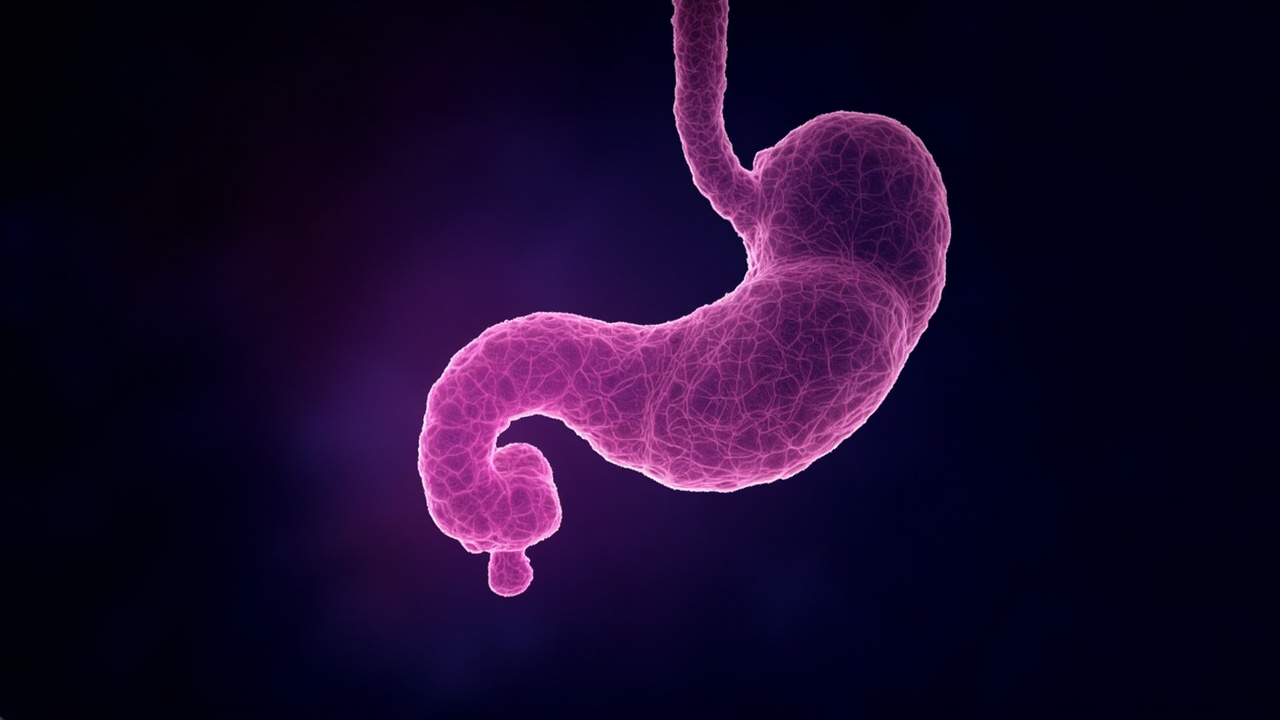
What if the secret to staying young wasn't hiding in some expensive supplement, but in your own gut? Researchers just pulled off something wild: they reversed liver aging in mice by literally giving them back their younger bacteria. And here's the kicker—it prevented cancer.

Tired of hitting the wall halfway through your workout? Scientists just discovered something surprisingly simple that could help you push nearly 20% further: your favorite music. And the best part? It doesn't require any fancy equipment or extra effort.
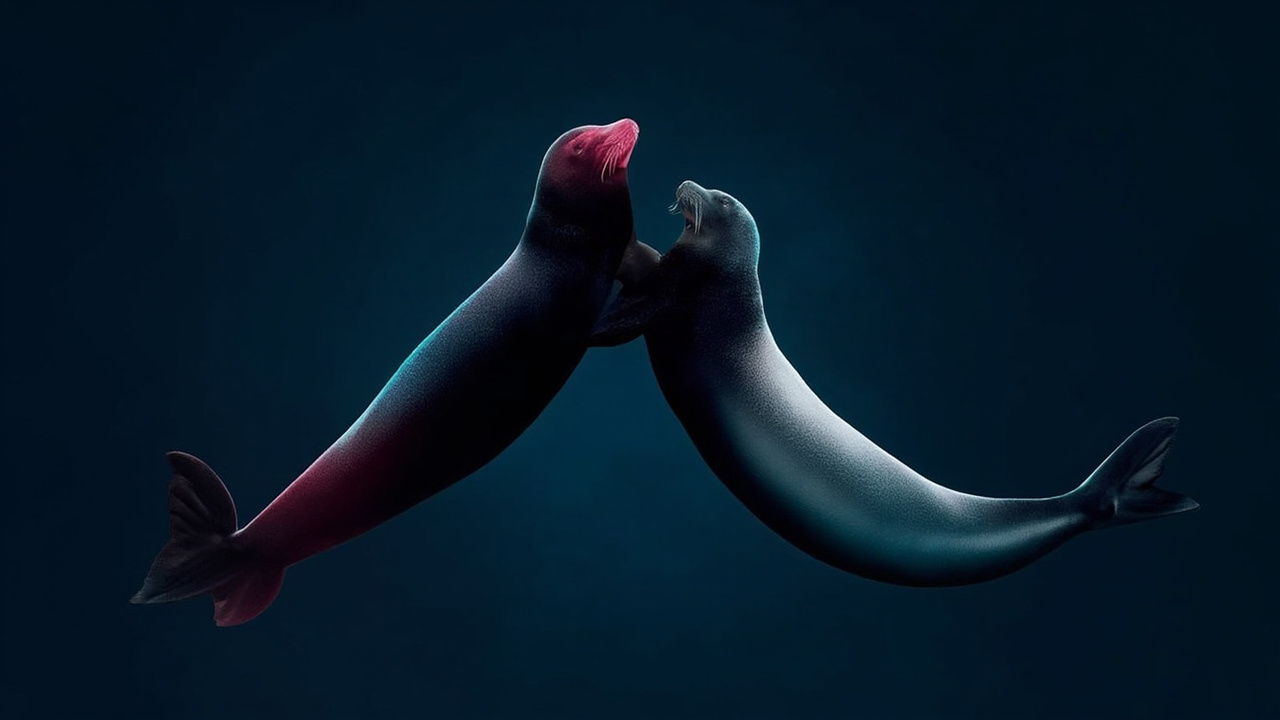
Scientists just discovered something wild about fur seals: they experience dramatic heart rate spikes hours after hauling themselves out of the ocean. It turns out these marine acrobats are still recovering from their underwater hunting marathons long after they've left the water, and their racing hearts might actually be doing important cleanup work inside their bodies.
Archaeologists in China just discovered something that completely flips our assumptions about human innovation. Ancient humans living through a brutal ice age 146,000 years ago weren't just surviving—they were crafting surprisingly sophisticated stone tools that rival anything their cousins were making across the globe.
For decades, physicists thought all particles in the universe fit into two neat categories. But researchers have now discovered that in a weird quantum underworld, particles can break these fundamental rules in ways we're only starting to understand.
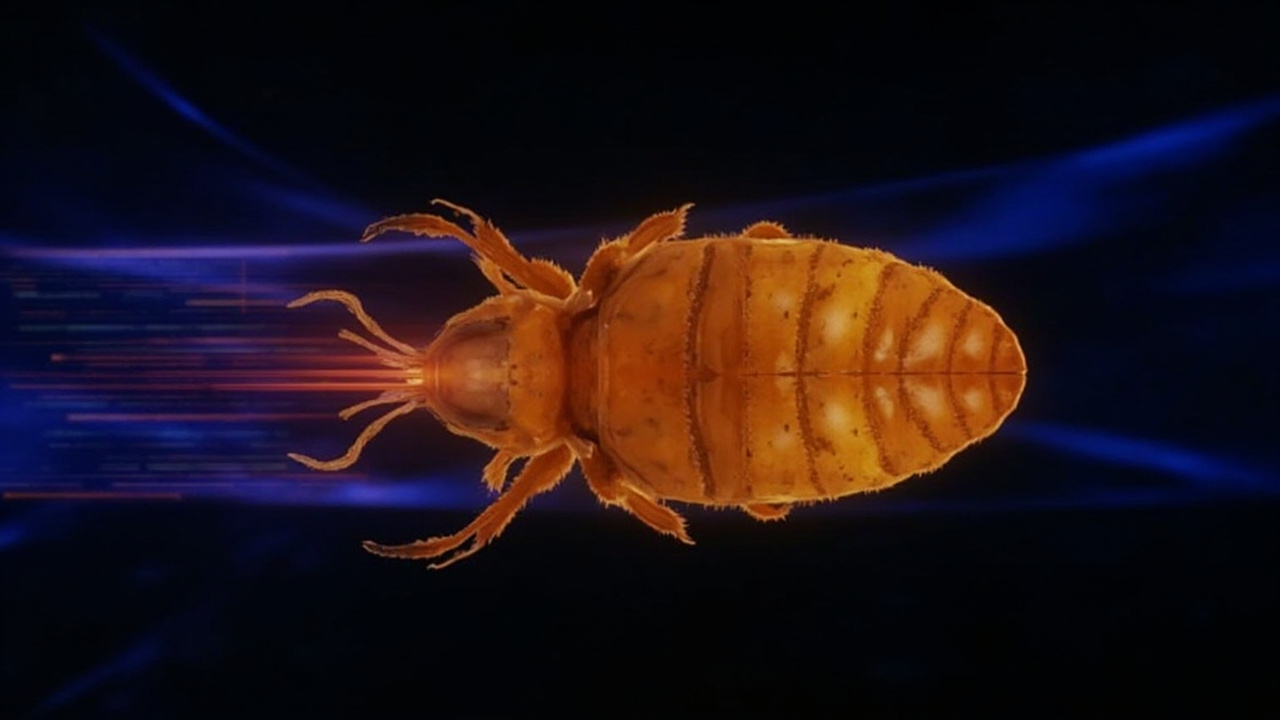
Researchers discovered a chemical that essentially turns termite exoskeletons against them, causing colonies to collapse without the harsh toxins of traditional pest control. The best part? Termites themselves spread the treatment throughout their hidden colonies, making it way easier than fumigating your entire house.
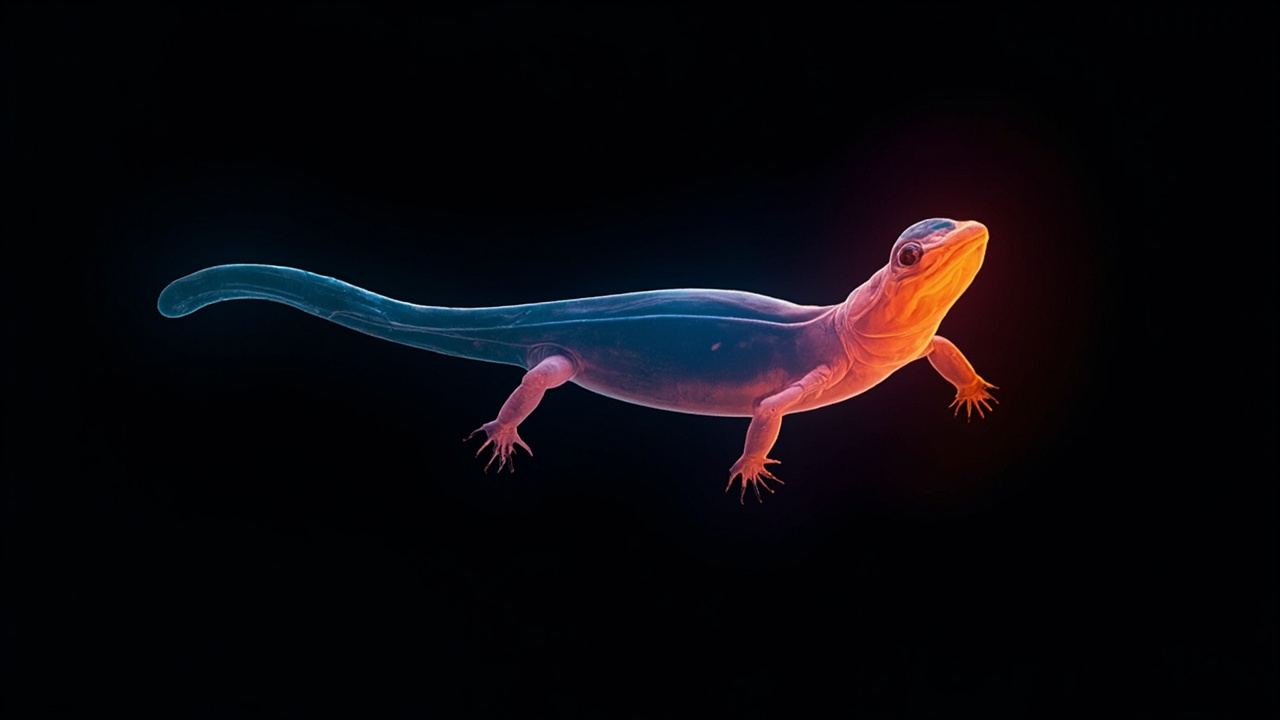
Scientists just discovered that salamanders, fish, and mice all share a special set of genetic instructions for regrowing body parts. Now researchers think they might be able to use that same genetic "recipe" to help humans regrow damaged limbs — something we've dreamed about for decades.
Scientists just discovered that one of the body's most famous fat-burning proteins has a secret double life inside our cells. It turns out it doesn't just burn fat—it also manages the health of fat tissue itself. This finding could revolutionize how we understand obesity and metabolic disease.

We all remember that one sketchy tool setup that somehow worked but made us nervous the whole time. I recently spent serious time with DeWalt's 10-inch jobsite saw, and it's the complete opposite of that anxiety-inducing experience. Here's why this saw might be the game-changer your projects deserve.

Your car's battery dies at the worst possible moment—and you're stuck waiting for roadside assistance. But what if you could bring your vehicle back to life in minutes? Let me walk you through the portable jump starters that actually work, and help you find the one that fits your life.

Metal detecting isn't about finding buried treasure (though wouldn't that be nice?). After putting six popular metal detectors through real-world testing on beaches and in parks, I discovered that the best one for you depends entirely on your goals, budget, and how serious you want to get.