
Remember all those people who lost amazing amounts of weight on Ozempic, only to gain it all back? There's a new procedure that might actually change that game—and it's way simpler than you'd think. Scientists just discovered that a quick "gut tune-up" could be the missing piece to keeping the weight off for good.
Ever wonder how cells know when to stop growing? Researchers just discovered that a tiny protein acts like a bouncer at a club—keeping plant cell structures in check. And here's the wild part: this same protein might be doing the same job in your own cells.

You've probably heard that exercise is good for you, but here's the plot twist: doing different types of movement might be more valuable than just doing more of the same workout. New research suggests that mixing things up could literally add years to your life, and honestly, that's way more encouraging than another "do more cardio" lecture.
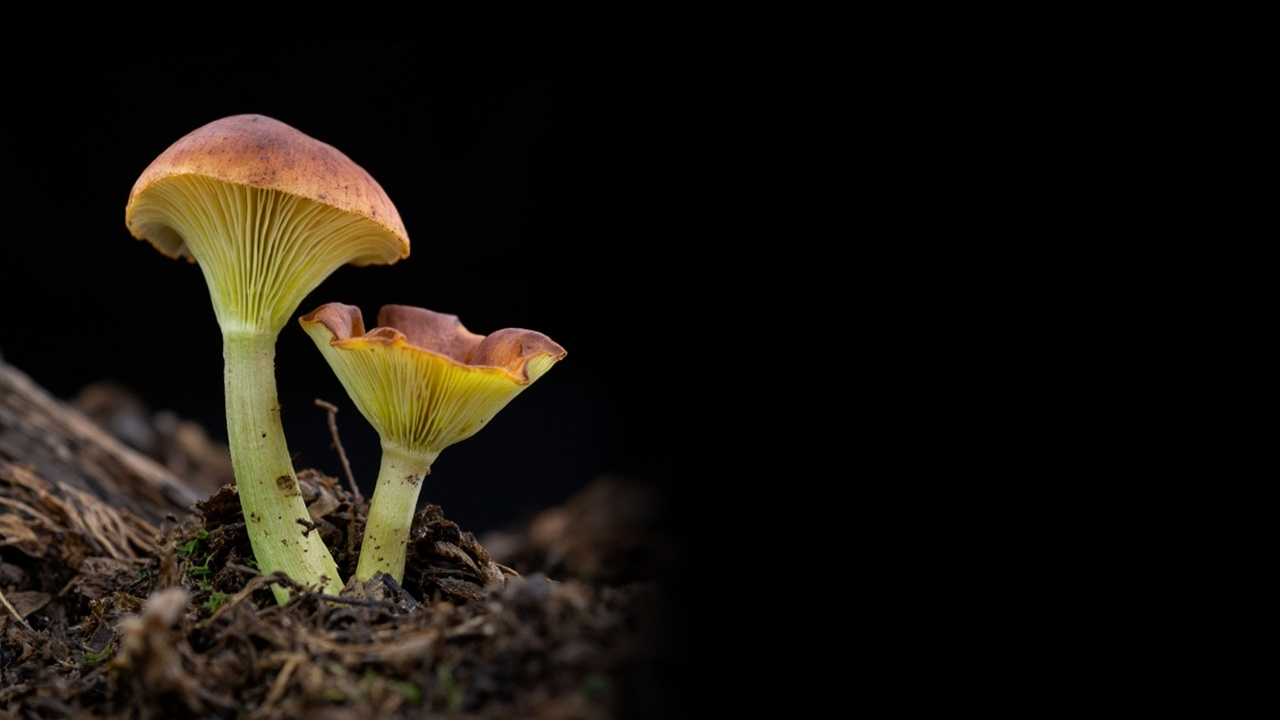
Your grocery store golden oyster mushrooms might seem harmless, but they're quietly taking over American forests. Scientists are now sounding the alarm about how a popular kitchen ingredient is becoming an ecological troublemaker in ways most of us never considered.
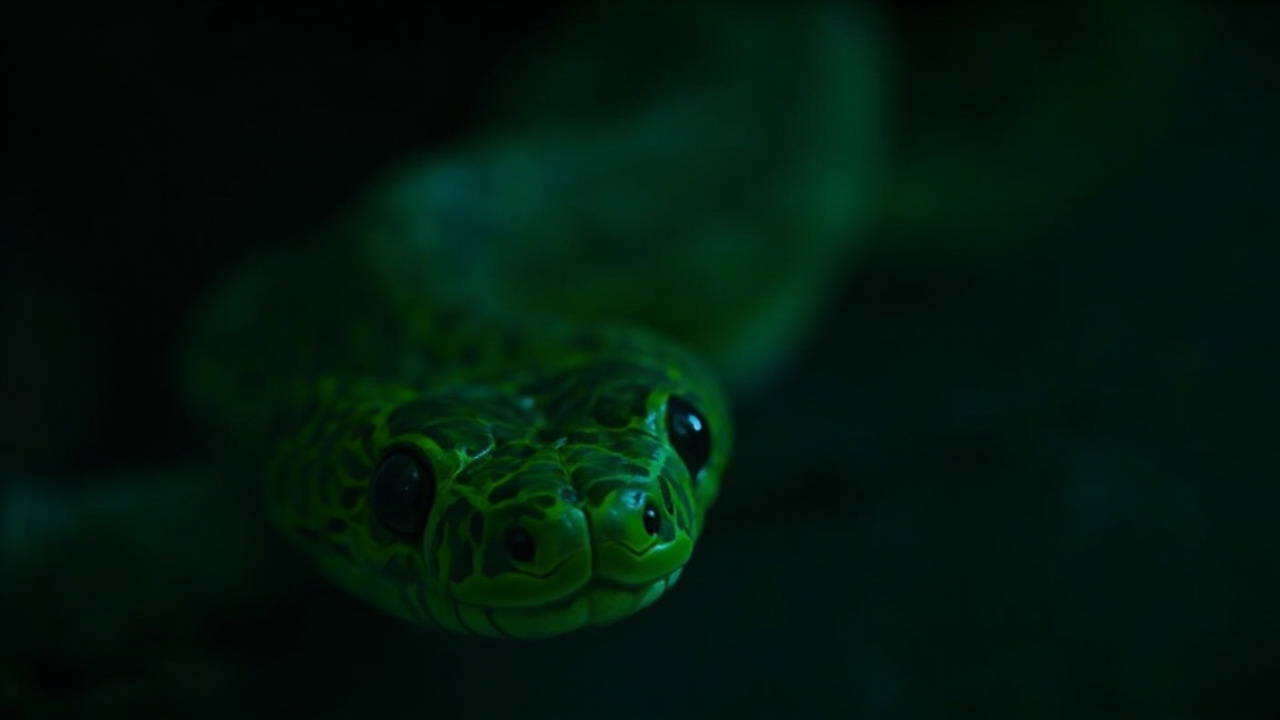
Deep in the misty mountains of China, researchers accidentally discovered a stunning emerald-green pitviper that had been masquerading as a common species for decades. DNA analysis proved it was something entirely new — and its discovery reveals just how much we still don't know about our own planet.
Climate change is turning Alaska's rivers into a predator's paradise. Invasive pike are eating more fish than ever before, and as waters continue warming, salmon populations face an increasingly uphill battle for survival. It's a perfect storm nobody wanted.
Most people don't realize that different smoke detectors catch different types of fires — and having the "wrong" one might leave a dangerous blind spot in your home. Here's what you actually need to know before your next fire safety check.
Scientists just discovered that vision loss doesn't have to be inevitable. A simple fatty acid injection reversed vision problems in aging mice, and researchers think this could change how we treat age-related blindness in humans.

Scientists discovered a sneaky virus living inside common gut bacteria that appears twice as often in people with colon cancer. But here's the twist — the bacteria itself has always been harmless in healthy people, so what's really going on?
Researchers have done something doctors have been trying to do for decades: pinpoint exactly which brain cells go haywire when someone has depression. This breakthrough could completely transform how we treat mental illness and stop us from dismissing depression as "just in your head."
Amazon is pulling the plug on older Kindles in 2026, and while it sounds dramatic, your device won't actually become a useless brick. Here's what's actually happening, what you can do about it, and whether you should panic.
Some 80-year-olds have memories sharper than people half their age, and it's not magic—it's neuroscience. Researchers have finally cracked the code on what makes these "SuperAgers" tick, and the answer might change how we think about aging forever.
Scientists just discovered how a common environmental chemical can hijack your gut bacteria and trigger inflammation in your brain. It's a wild connection that could completely change how we understand and treat depression.
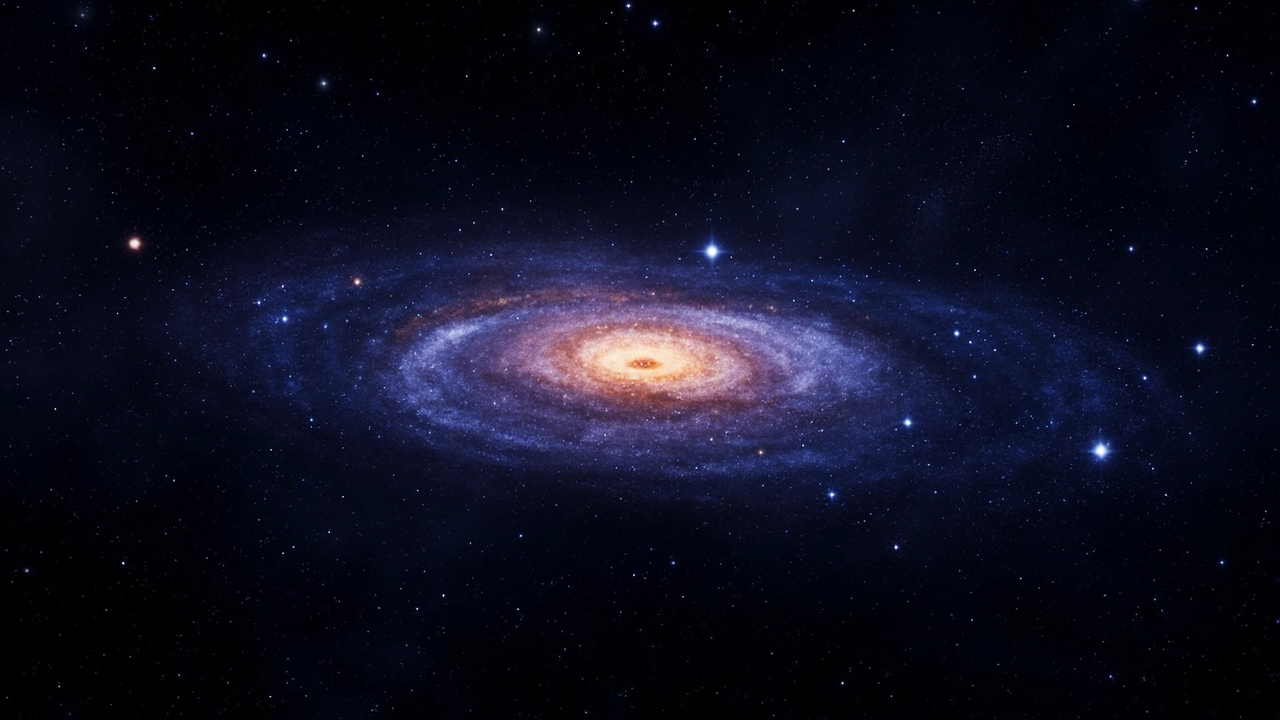
Scientists have completed the most ambitious cosmic census ever, mapping tens of millions of galaxies in stunning 3D detail. The discovery could finally help us understand dark energy—the mysterious force that makes up most of the universe and is literally pulling everything apart.
A groundbreaking study from Peru has uncovered something that's been hiding in plain sight: the pesticides we're exposed to every day might be working together to dramatically increase cancer risk. This isn't about one bad chemical—it's about how dozens of them interact in ways we've never properly measured before.
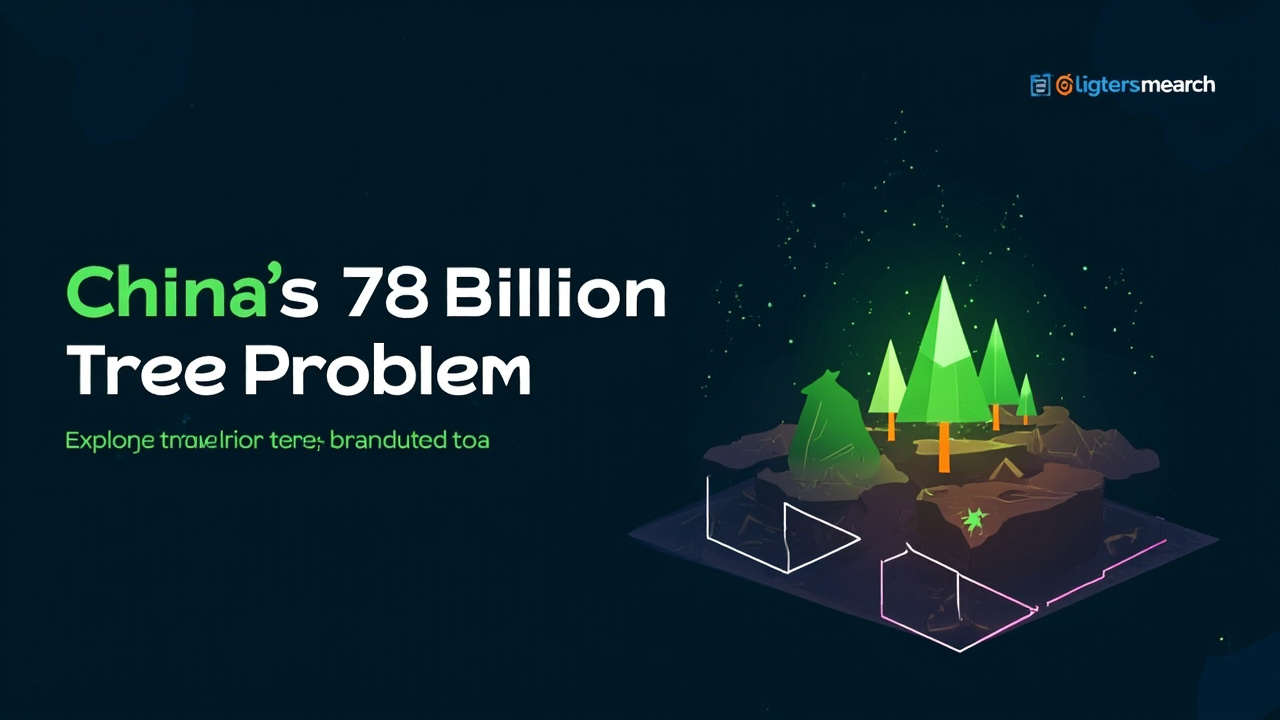
China just completed one of history's most ambitious environmental projects—planting enough trees to blanket an area the size of Poland. But scientists have discovered something uncomfortable: all those trees might be making the country's water problems worse, not better.
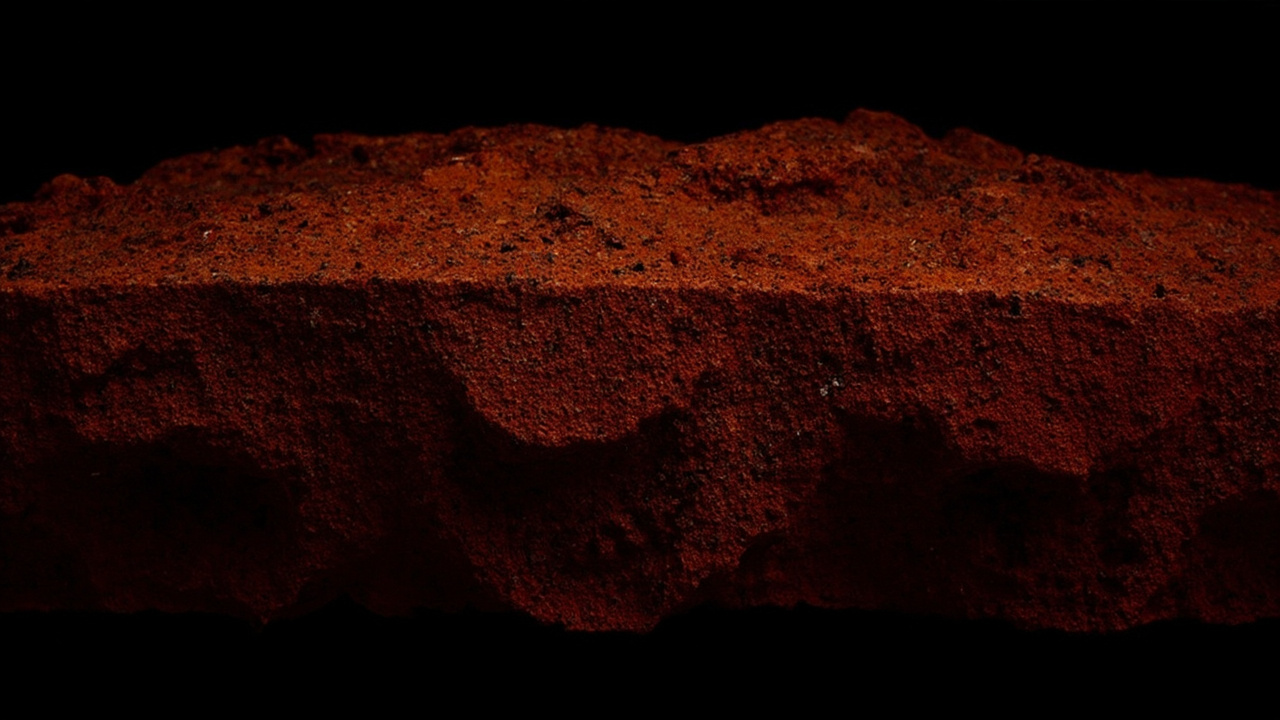
Deep beneath an Australian farm lies an extraordinary discovery that's completely rewriting how scientists think about fossil preservation. Instead of the familiar rocks we've always looked in, these perfectly preserved ancient creatures were locked away in rust—and the detail is absolutely mind-blowing.
Scientists just discovered something pretty unexpected: those fish oil pills you're taking for brain health might actually be working against you, especially if you've had head injuries. A new study suggests that one specific omega-3 component could interfere with your brain's natural repair mechanisms in ways researchers never realized before.

New research reveals that bottling up stress—not just getting older—might be quietly sabotaging your memory. And this hidden culprit is particularly affecting a group that's been largely ignored in brain health studies: older Chinese Americans.
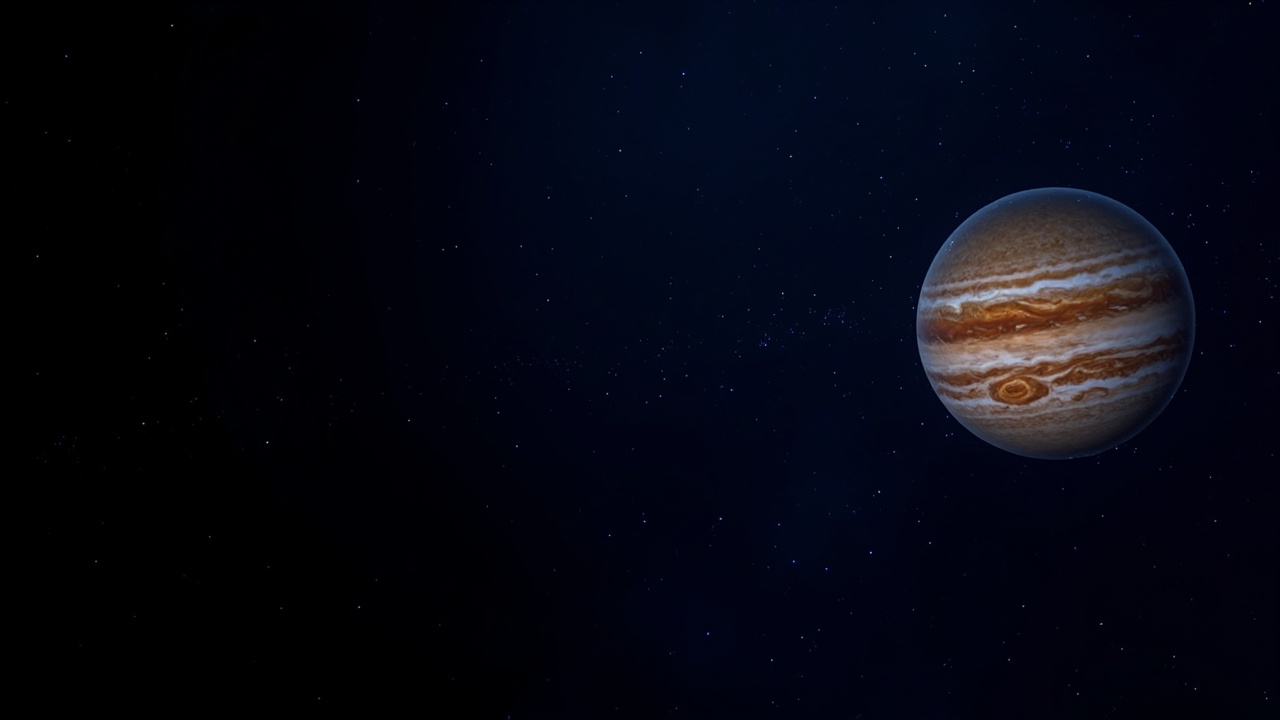
Scientists just solved a centuries-old cosmic mystery: Earth came almost entirely from the inner Solar System, not from distant comets and asteroids. And we have Jupiter—yes, literally Jupiter—to thank for keeping our planet "pure." Here's why this discovery matters more than you'd think.